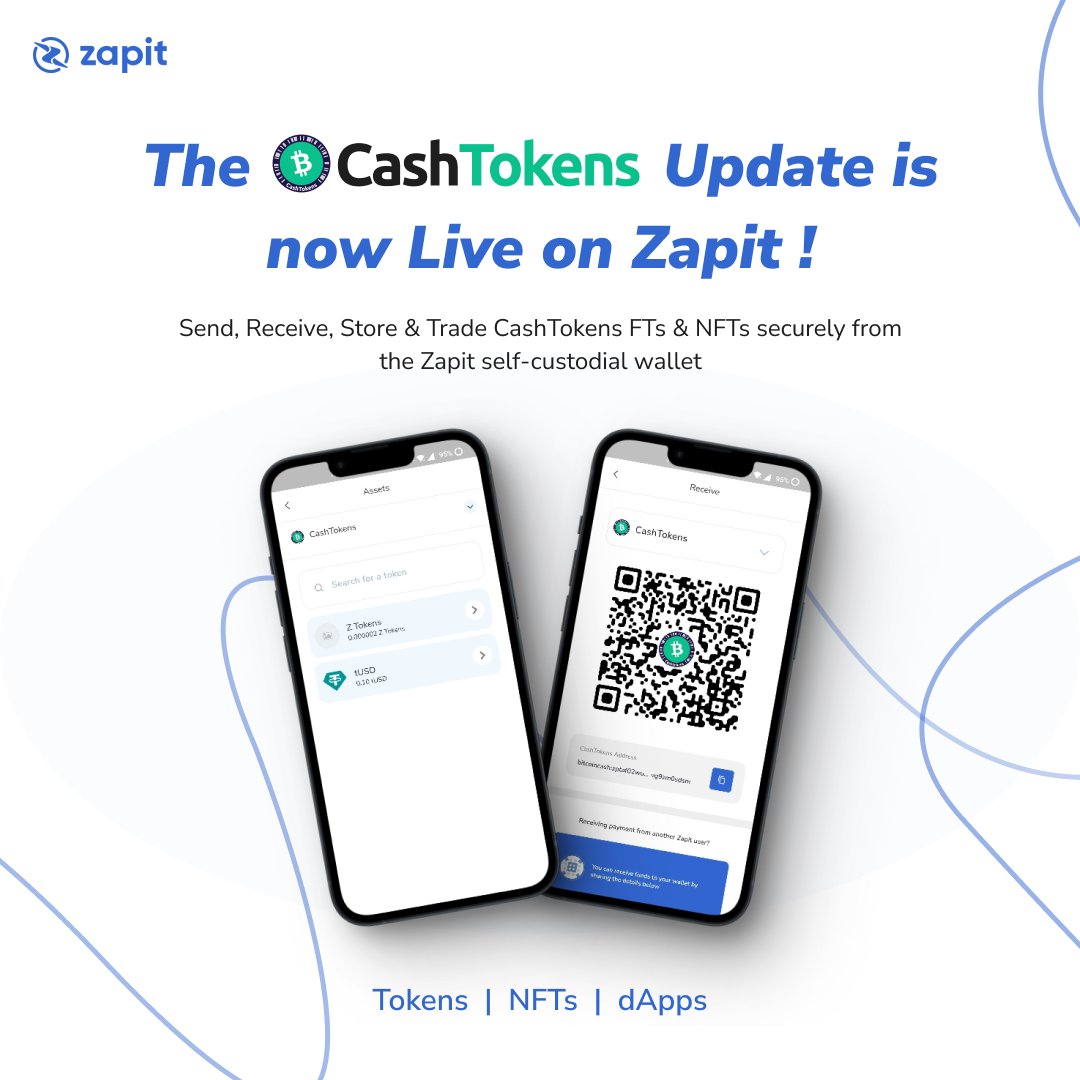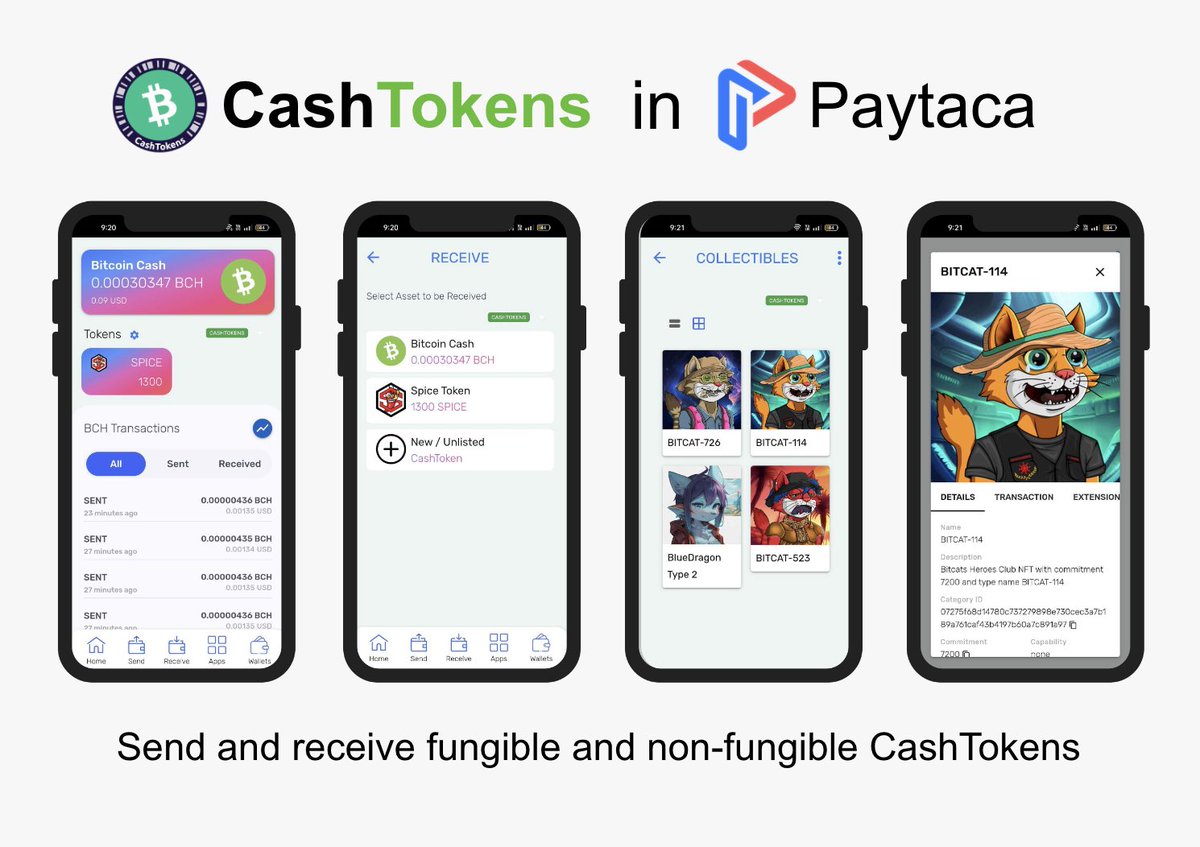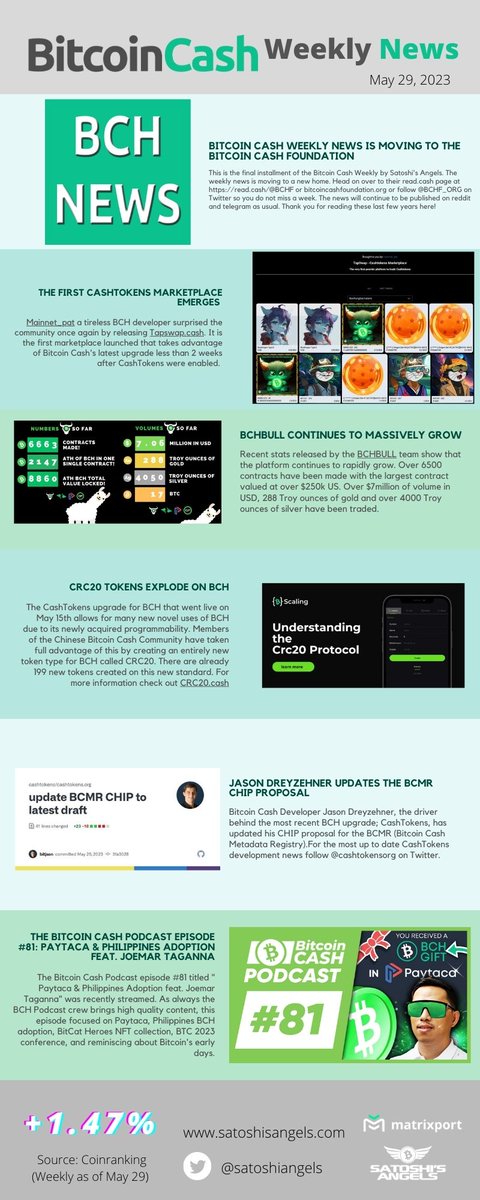
An open-source, community-maintained website about #CashTokens, including technical specifications, documentation, guides, and other resources. #BCH
- Tweets 25
- Following 22
- Followers 284
- Likes 30

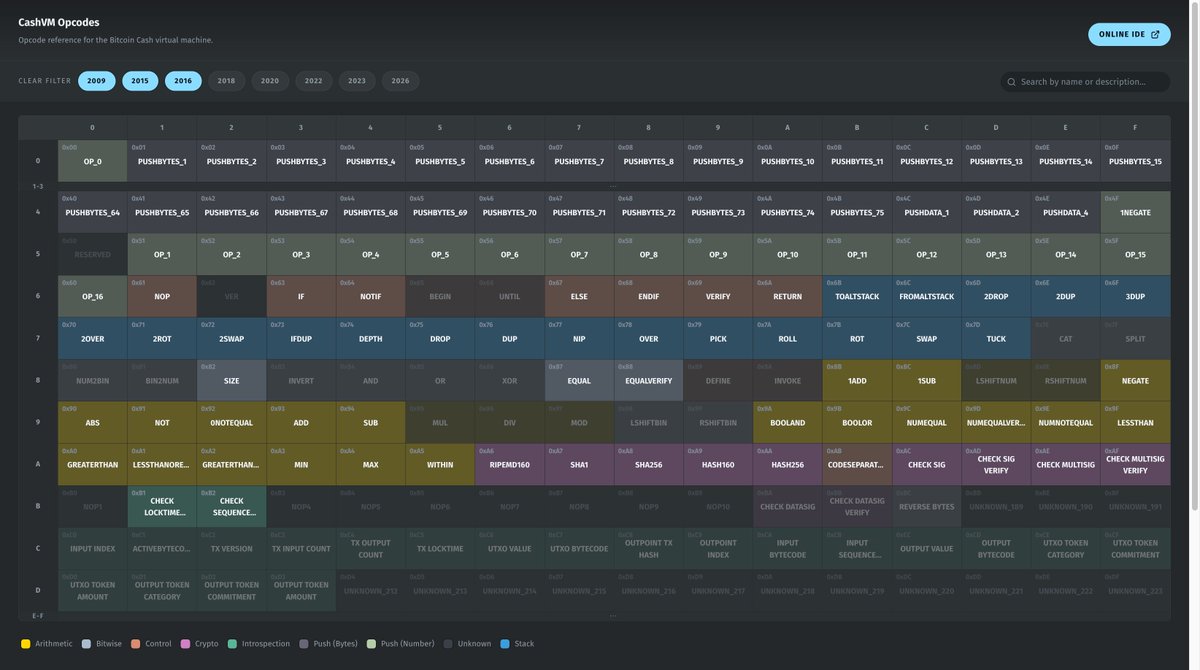
ALT 2016 CashVM Opcodes
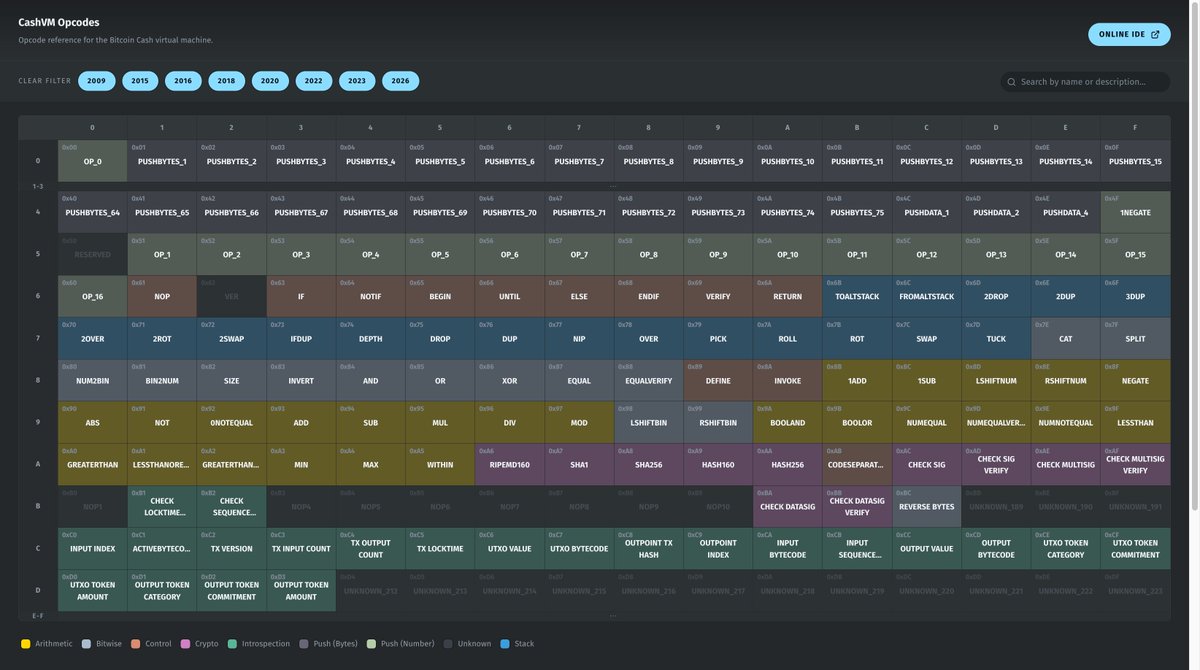
ALT 2026 CashVM Opcodes


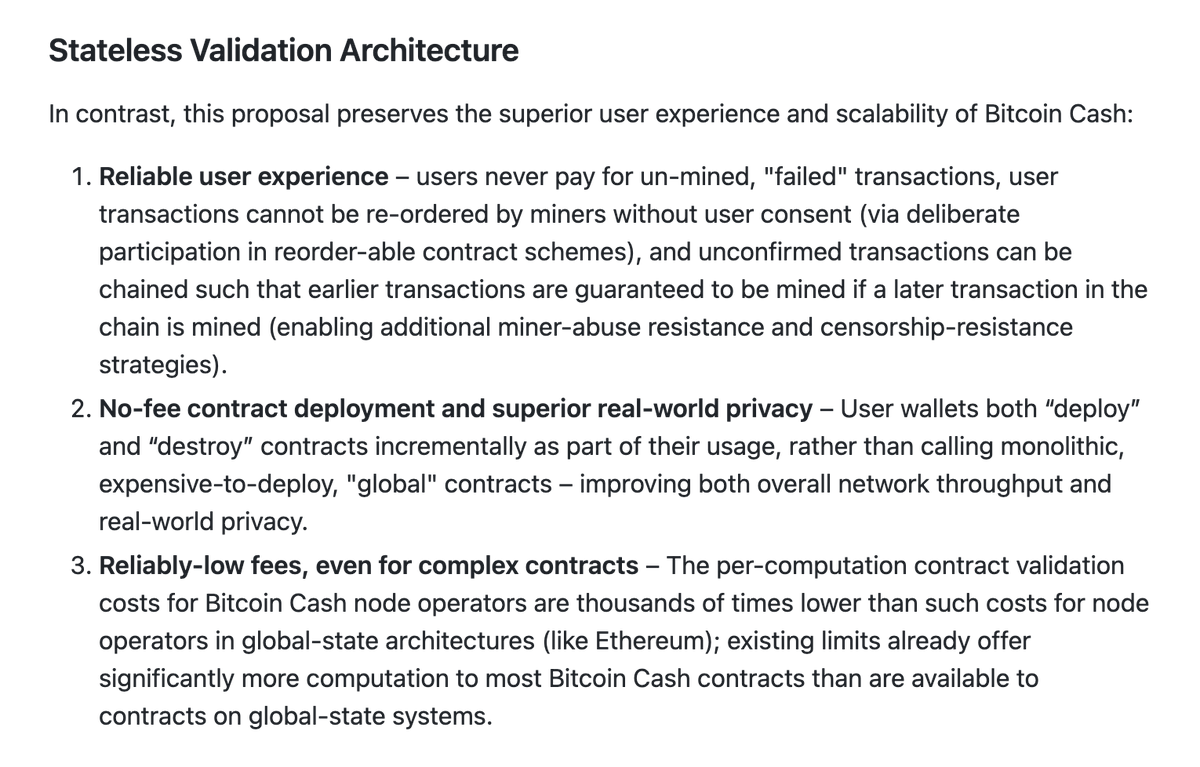
ALT Stateless Validation Architecture In contrast, this proposal preserves the superior user experience and scalability of Bitcoin Cash: Reliable user experience – users never pay for un-mined, "failed" transactions, user transactions cannot be re-ordered by miners without user consent (via deliberate participation in reorder-able contract schemes), and unconfirmed transactions can be chained such that earlier transactions are guaranteed to be mined if a later transaction in the chain is mined (enabling additional miner-abuse resistance and censorship-resistance strategies). No-fee contract deployment and superior real-world privacy – User wallets both “deploy” and “destroy” contracts incrementally as part of their usage, rather than calling monolithic, expensive-to-deploy, "global" contracts – improving both overall network throughput and real-world privacy. Reliably-low fees, even for complex contracts – The per-computation contract validation costs for Bitcoin Cash node operators ...
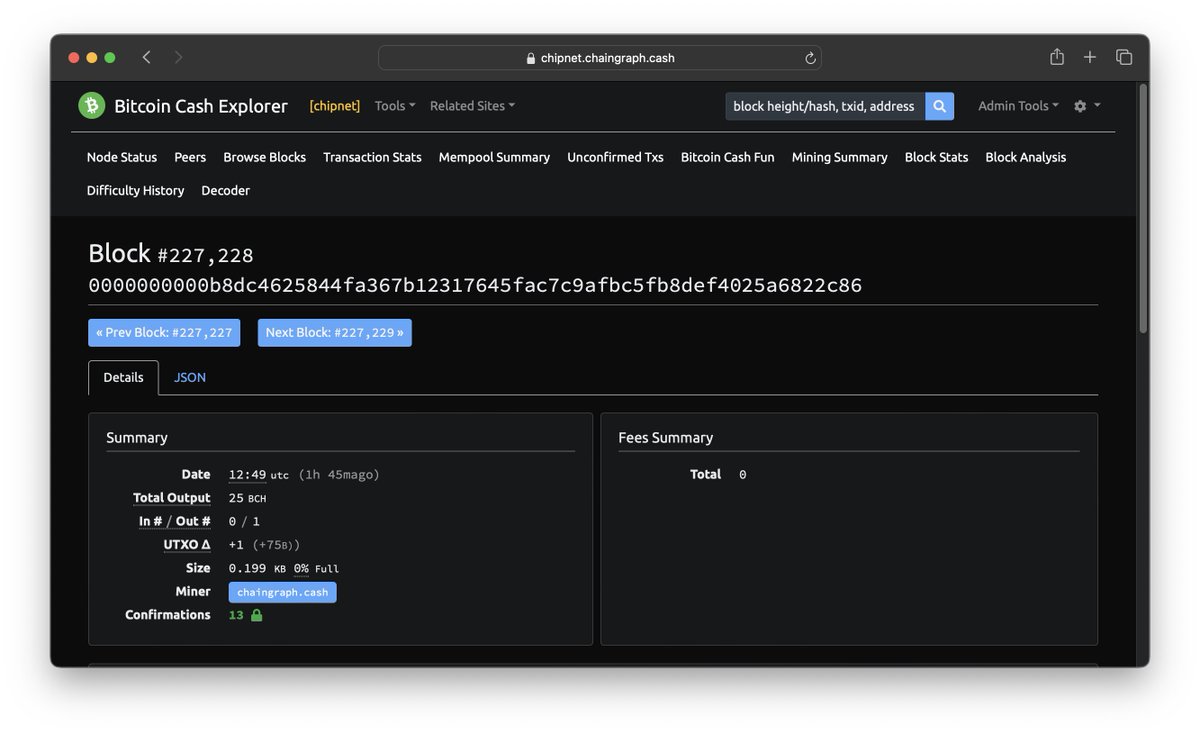
ALT Screenshot of block #227,228 (0000000000b8dc4625844fa367b12317645fac7c9afbc5fb8def4025a6822c86) at chipnet.chaingraph.cash

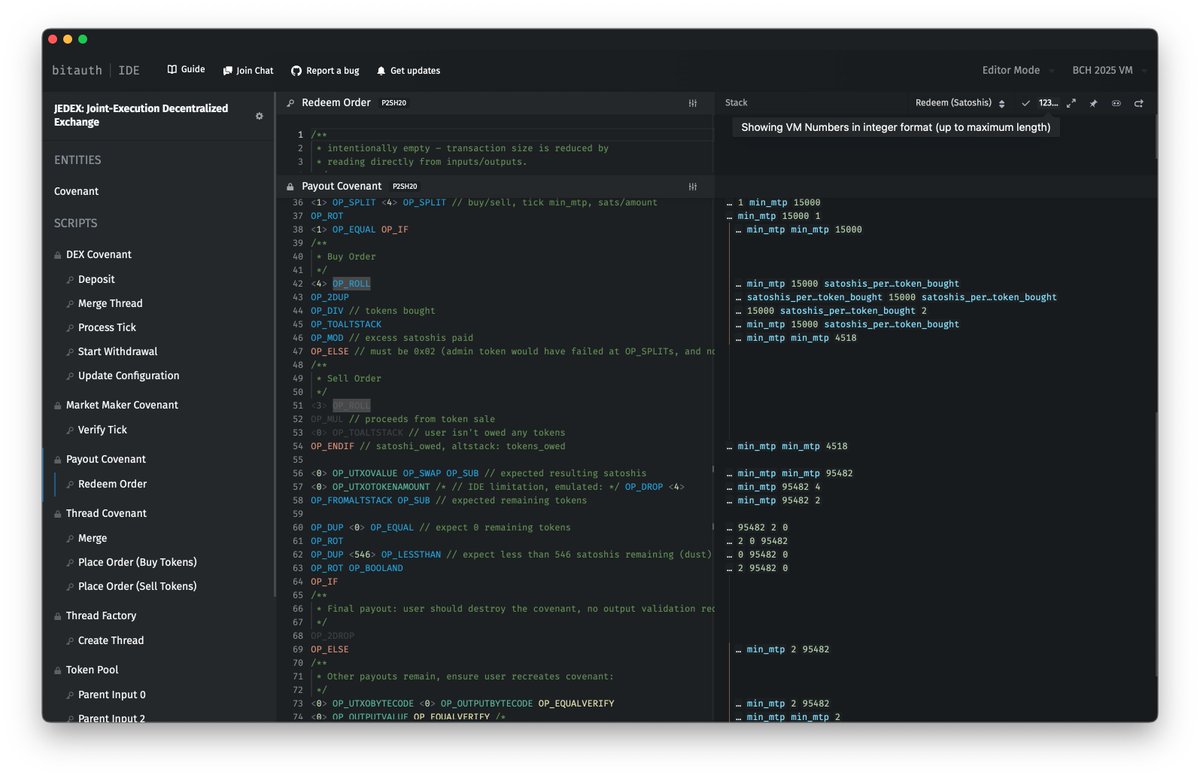
ALT Jedex – Joint-Execution Decentralized Exchange loaded into Bitauth IDE's offline Progressive Web App (PWA) experience. The editor is visualizing the evaluation of the "Redeem Order" unlock of the "Payout Covenant" locking script.