
Happily married, passionate about teaching reading and writing using Structured Literacy. Former Reading Recovery Teacher 🐴🐈⬛🌲🇨🇦
Joined August 2021
- Tweets 9,478
- Following 2,254
- Followers 2,084
- Likes 135,768
878 Photos and videos














Pinned Tweet

16 Jun 2022
15 Jun 2022

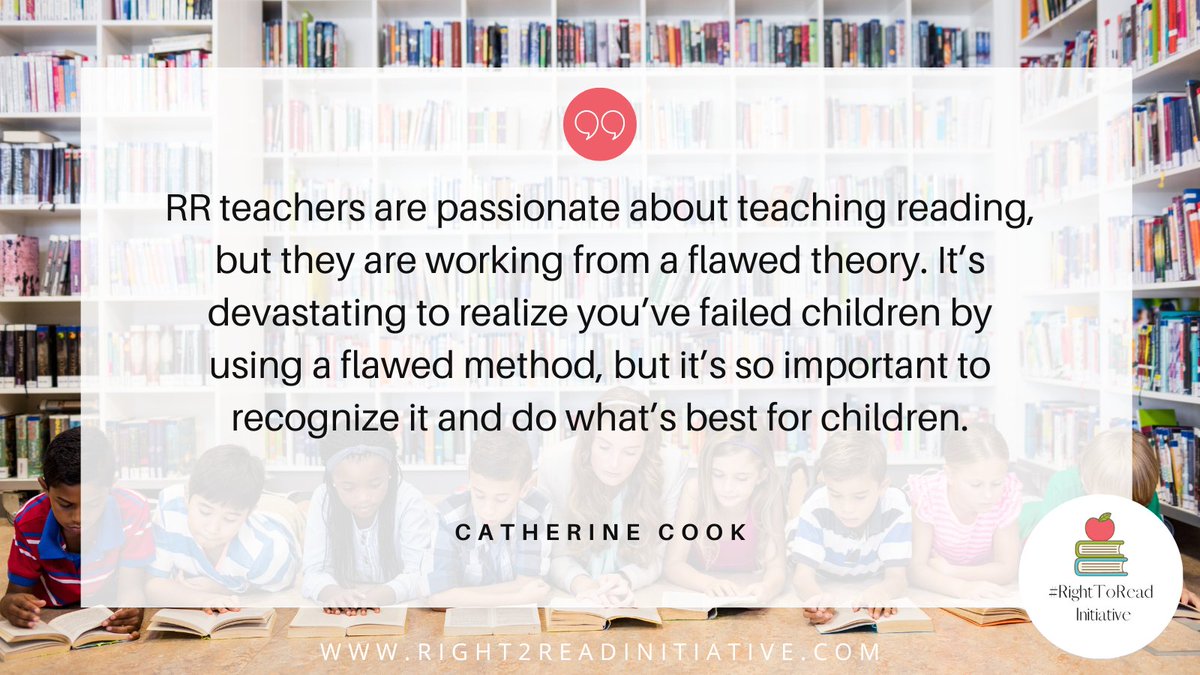
The creators of the programs and the institutions that provided the training need to put their ego and bank account aside.
#teachers #training #educationprograms #institutions #research #recommendations #RightToReadInitiative
7
12
74
This is great example of how systems can change and have a positive effect on student outcomes. BC education leaders should take a look.
@Dave_Eby @lisabeare @bcedplan @UBCtelp @UVicTeacherEd @sfueducation @bctf @BCSTA_News @BCPVPA @VancouverSun @GlobalBC
Jun 10

Check out this wonderful video from the Mornington Peninsula Foundation about the inspiring and rigorous place-based work they are doing across low-SES schools in that region to improve academic and wellbeing outcomes for students:
youtube.com/watch?v=aBy2Z2fQ…
1
2
78
Catherine Cook retweeted

Jun 7
Kids don't get confident from being told they're great. They get confident from doing hard things and finding out they can.
81
901
6,868
217,707
Catherine Cook retweeted

Jun 7
The dog ate my homework: Education's evidence echo-chamber.
New Snow Report blogpost
pamelasnow.blogspot.com/2026…
6
21
67
28,504
This is well worth reading!

Classroom Seating and Student Achievement
How does the classroom seating arrangement impact student behavior?
theeffortfuleducator.com/202…
2
6
564
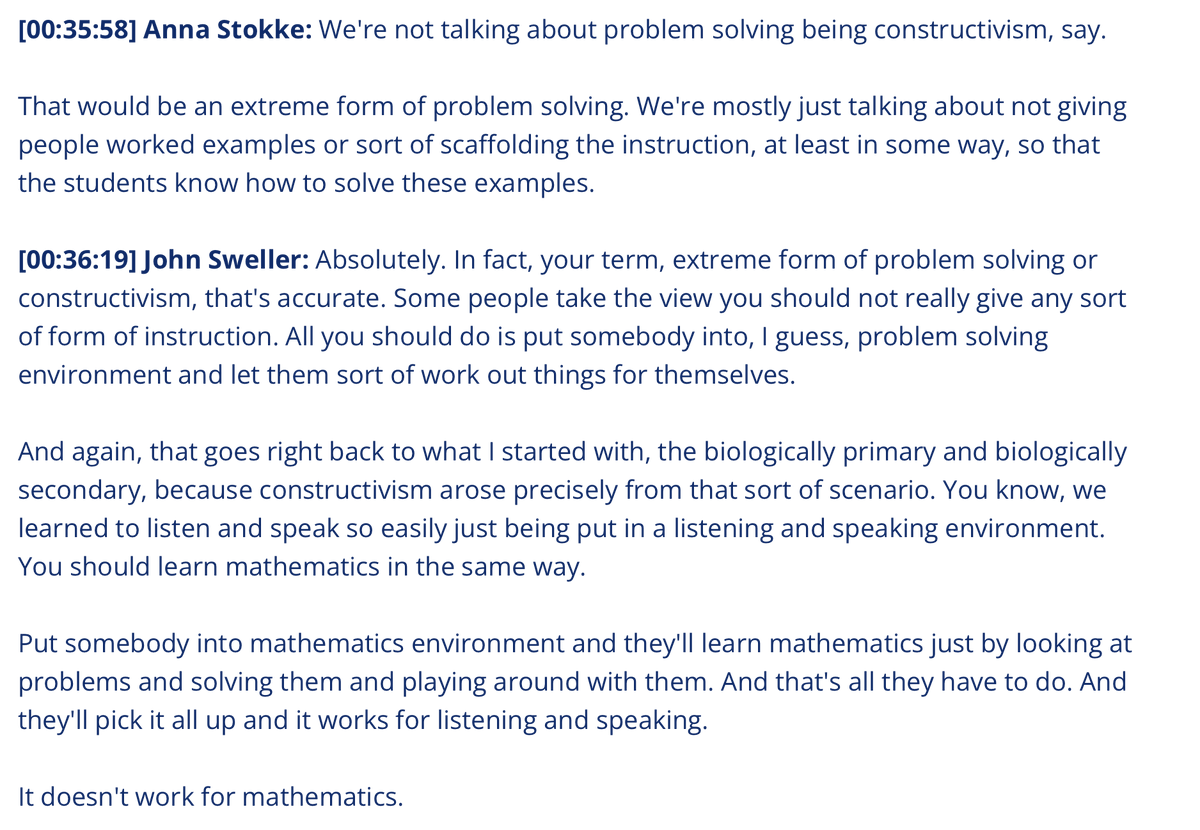
Yes, we are. We've been sold a story about Math instruction, too.
@rastokke @ToddTruitt76508 @BarryGarelick


10
520

Catherine Cook retweeted

May 30
Couldn’t agree more.
May 29

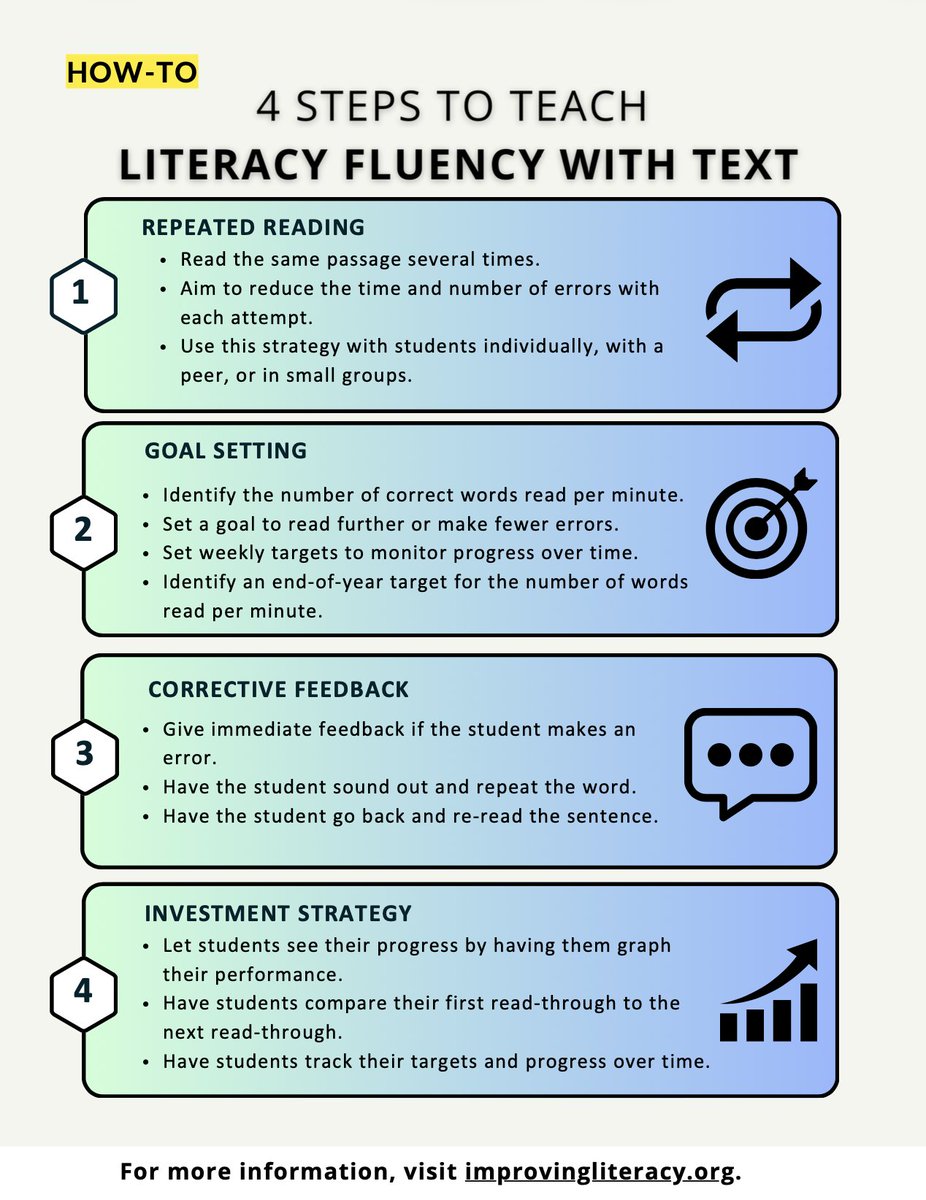
Using inquiry learning to teach early literacy or numeracy is educational malpractice.

1
2
16
1,348
Catherine Cook retweeted

May 26
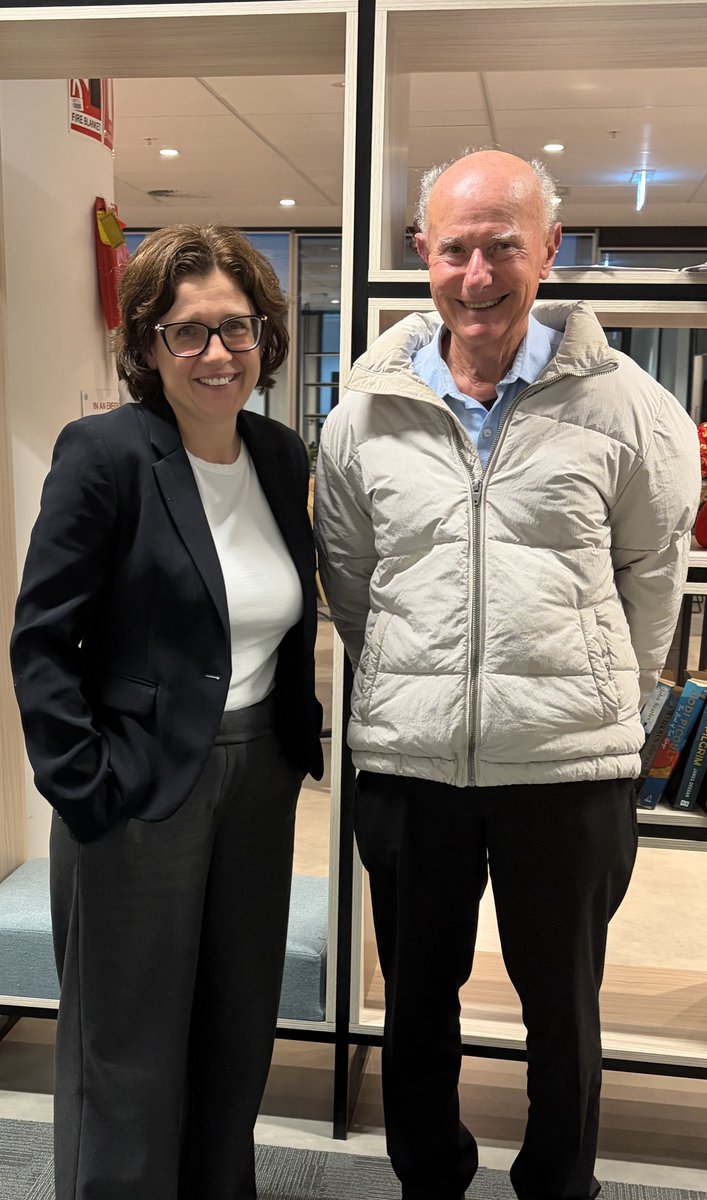
Today I met one of Australia's most famous residents - John Sweller, the father of cognitive load theory. He's been studying cognitive load theory for 50 years and it's only become well-known in the last five years. It was great to meet him in person!
(I personally do not think this is parka weather at all, but he wasn't the only one wearing a parka in Sydney.)
5
12
133
3,298
Catherine Cook retweeted

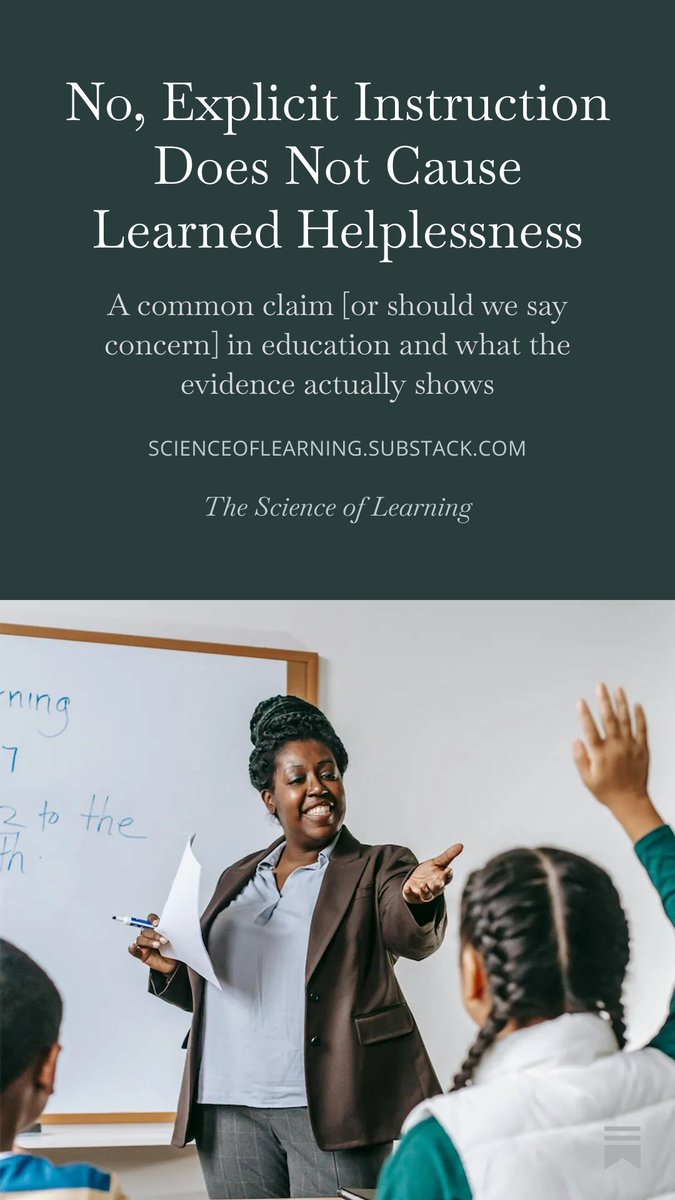
No, explicit instruction does not cause Learned Helplessness.
*New Post*
3
12
48
2,738
Catherine Cook retweeted
May 25
That this even needs to be stated in 2026 🤦🏻♀️ ……
Apr 22

Consistency does not mean robotic teaching. It means students do not have to win the teacher lottery. A schoolwide literacy commitment should be visible from classroom to classroom. The goal is not sameness for adults; the goal is reliability for students
2
3
18
1,366
Catherine Cook retweeted

May 23
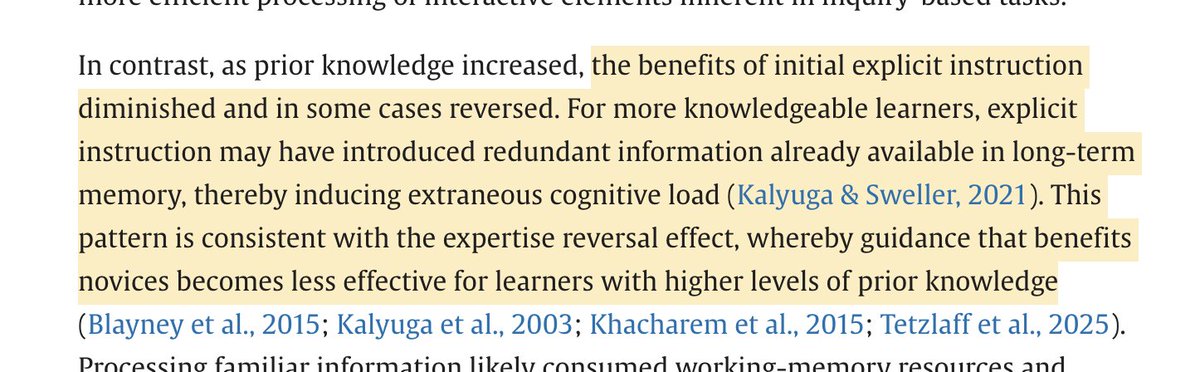
However, once learners have enough prior knowledge, inquiry can become a way of activating, testing, and reorganising what they already know.
2
9
38
1,994
Catherine Cook retweeted
May 24
Does ability grouping only help top students? 📚
We talk about how the framing around ability grouping needs to change. It can help all students, not just a select few.
🔗 Link below
5
9
45
3,921
Catherine Cook retweeted

May 21
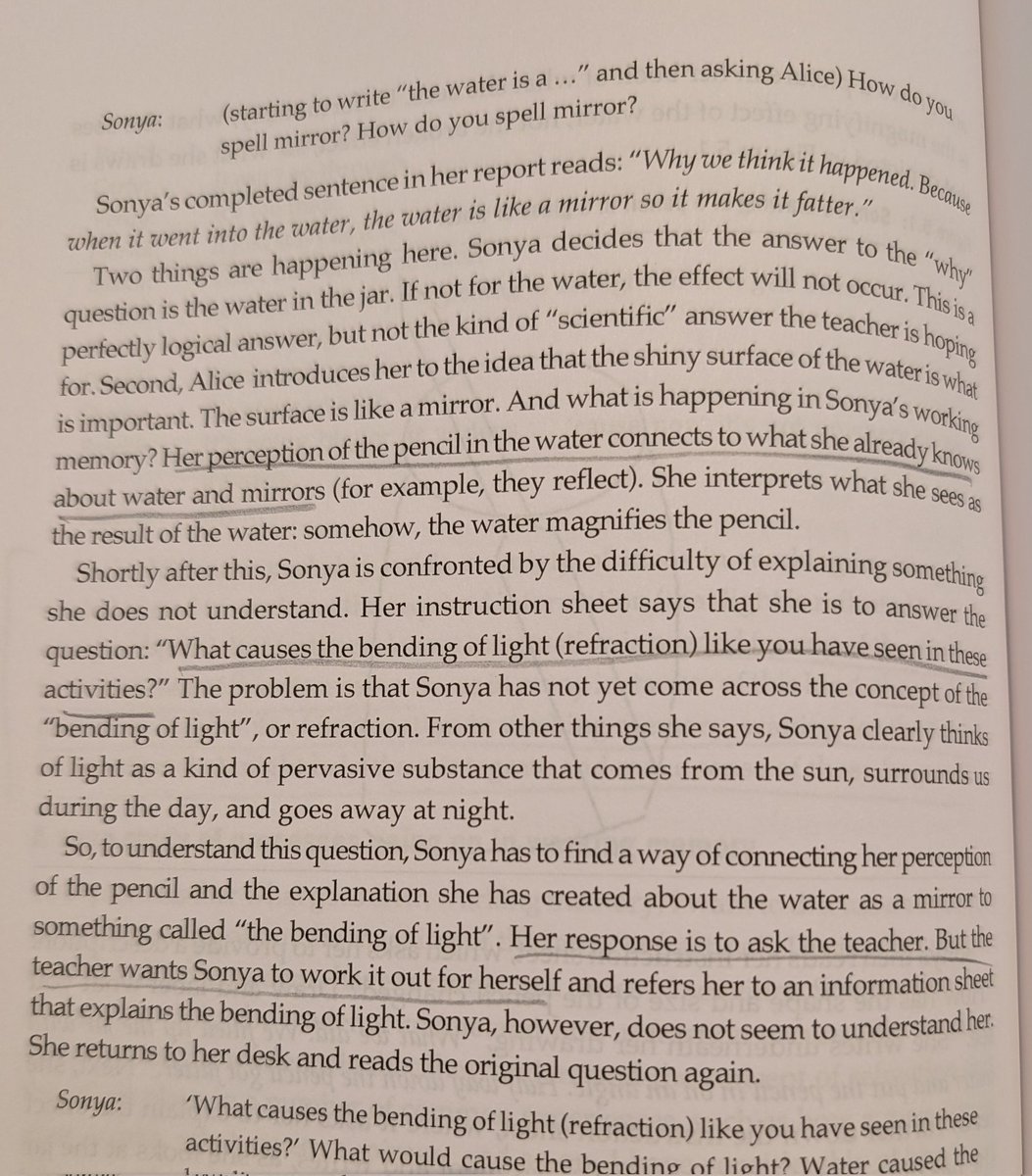
This is worth bringing up again, this is from Graham Nuthall's book. He found students needed three encounters with the material to do well with it.* But a prolonged "figure-it-out" period robs students of this practice.
24 Jun 2025

This is a really nice description of the issues with making students "figure it out" when they don't have enough information
2
2
8
1,253
Catherine Cook retweeted

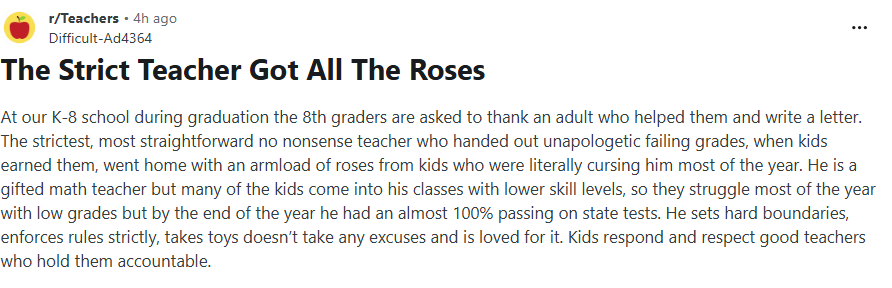
Students like and prefer strict teachers
27
45
380
17,787
Catherine Cook retweeted
May 21
Thanks @New_Old_Paul for re-sharing these ideas on aligning trauma-informed teaching and the principles of cognitive science (aka effective teaching for all). We can ease the cognitive load for teachers and students alike when we start with first principles.
May 21

Onderwijs voor kinderen met trauma-ervaringen
Pamela Snow heeft een blog geschreven over trauma en leren. Wat mij opviel is de overeenkomt met wat iedere leerling nodig heeft. Dat de ene meer nodig heeft dan de andere kan, maar de basis is hetzelfde!
kirschnered.nl/2026/05/21/on…
4
21
1,828
Catherine Cook retweeted

May 18
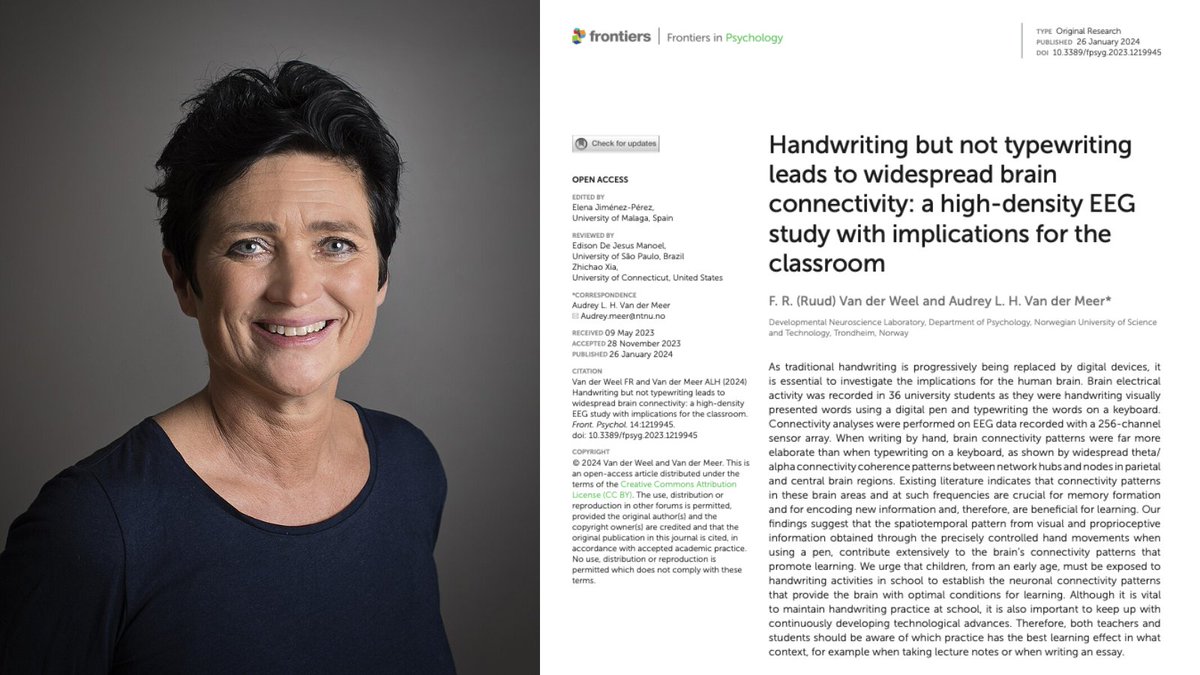
A Norwegian neuroscientist spent 20 years proving that the act of writing by hand changes the human brain in ways typing physically cannot, and almost nobody outside her field has read the paper.
Her name is Audrey van der Meer.
She runs a brain research lab in Trondheim, and the paper that closed the argument was published in 2024 in a journal called Frontiers in Psychology. The finding is brutal enough that it should have changed every classroom on Earth.
The experiment was simple. She recruited 36 university students and put each one in a cap with 256 sensors pressed against their scalp to record brain activity. Words flashed on a screen one at a time.
Sometimes the students wrote the word by hand on a touchscreen using a digital pen, and sometimes they typed the same word on a keyboard. Every neural response was recorded for the full five seconds the word stayed on screen.
Then her team looked at the part of the data most researchers had ignored for years, which is how different parts of the brain were communicating with each other during the task.
When the students wrote by hand, the brain lit up everywhere at once.
The regions responsible for memory, sensory integration, and the encoding of new information were all firing together in a coordinated pattern that spread across the entire cortex. The whole network was awake and connected.
When the same students typed the same word, that pattern collapsed almost completely.
Most of the brain went quiet, and the connections between regions that had been alive seconds earlier were nowhere to be found on the EEG.
Same word, same brain, same person, and two completely different neurological events.
The reason turned out to be something nobody had really paid attention to before her work. Writing by hand is not one motion but a sequence of thousands of tiny micro-movements coordinated with your eyes in real time, where each letter is a different shape that requires the brain to solve a slightly different spatial problem.
Your fingers, wrist, vision, and the parts of your brain that track position in space are all working together to produce one letter, then the next, then the next.
Typing throws all of that away. Every key on a keyboard requires the exact same finger motion regardless of which letter you are pressing, which means the brain has almost nothing to integrate and almost no problem to solve.
Van der Meer said it plainly in her interviews.
Pressing the same key with the same finger over and over does not stimulate the brain in any meaningful way, and she pointed out something that should scare every parent who handed their kid an iPad.
Children who learn to read and write on tablets often cannot tell letters like b and d apart, because they have never physically felt with their bodies what it takes to actually produce those letters on a page.
A decade before her, two researchers at Princeton ran the same fight using a completely different method and ended up at the same answer. Pam Mueller and Daniel Oppenheimer tested 327 students across three experiments, where half took notes on laptops with the internet disabled and half took notes by hand, before testing everyone on what they actually understood from the lectures they had watched.
The handwriting group won by a wide margin on every question that required real understanding rather than surface recall.
The reason was hiding in the transcripts of what the two groups had actually written down.
The laptop students typed almost word for word, capturing more total content but processing almost none of it as they went, while the handwriting students physically could not write fast enough to transcribe a lecture in real time, which forced them to listen carefully, decide what actually mattered, and put it in their own words on the page.
That single act of choosing what to keep was the learning itself, and the keyboard had quietly skipped the choosing and skipped the learning along with it.
Two studies. Two countries. Same answer.
Handwriting makes the brain work. Typing lets it coast.
Every note you have ever typed instead of written went into your brain through a thinner pipe. Every meeting, every book highlight, every idea you captured on your phone instead of on paper was processed at half depth.
You did not forget those things because your memory is bad. You forgot them because typing never woke the part of the brain that would have made them stick.
The fix is the thing your grandmother already knew.
Pick up a pen. Write the thing down. The slower road is the faster one.
2,472
44,653
120,867
10,360,829
Catherine Cook retweeted

Sadly my account was hacked twice. I’ve lost nearly 49,000 followers.
Please give this a retweet. Huge thanks in advance.

Third time lucky! Having lost my @strickomaster account & my recent new account too here is yet again my new X account.
Please retweet….
6
93
62
23,741
Catherine Cook retweeted

May 16
It’s troubling that people say they can’t teach for the first 6 weeks because they must exclusively focus on social-emotional learning before anything else.
May 15

I find it troublesome that so many students aren’t reading on grade-level, yet the first and last month of school lack solid instruction. It’s hard to move students a year’s worth of learning when the system actually provides much less than that! Also, testing schedules…
32
11
259
159,367
Everyone should run like Tonya to read @PCSnow1604's blog about bringing cognitive load theory and trauma-informed practice together! ⬇️🐎⬇️
May 15
Happy Friday everyone🌻
ICYMI: my recent blog post on bringing cognitive load theory and trauma-informed practice together has had nearly 7K views and some thoughtful engagement here, on the blog site itself and on other social media platforms.
pamelasnow.blogspot.com/2026…
1
13
675
Catherine Cook retweeted
May 14
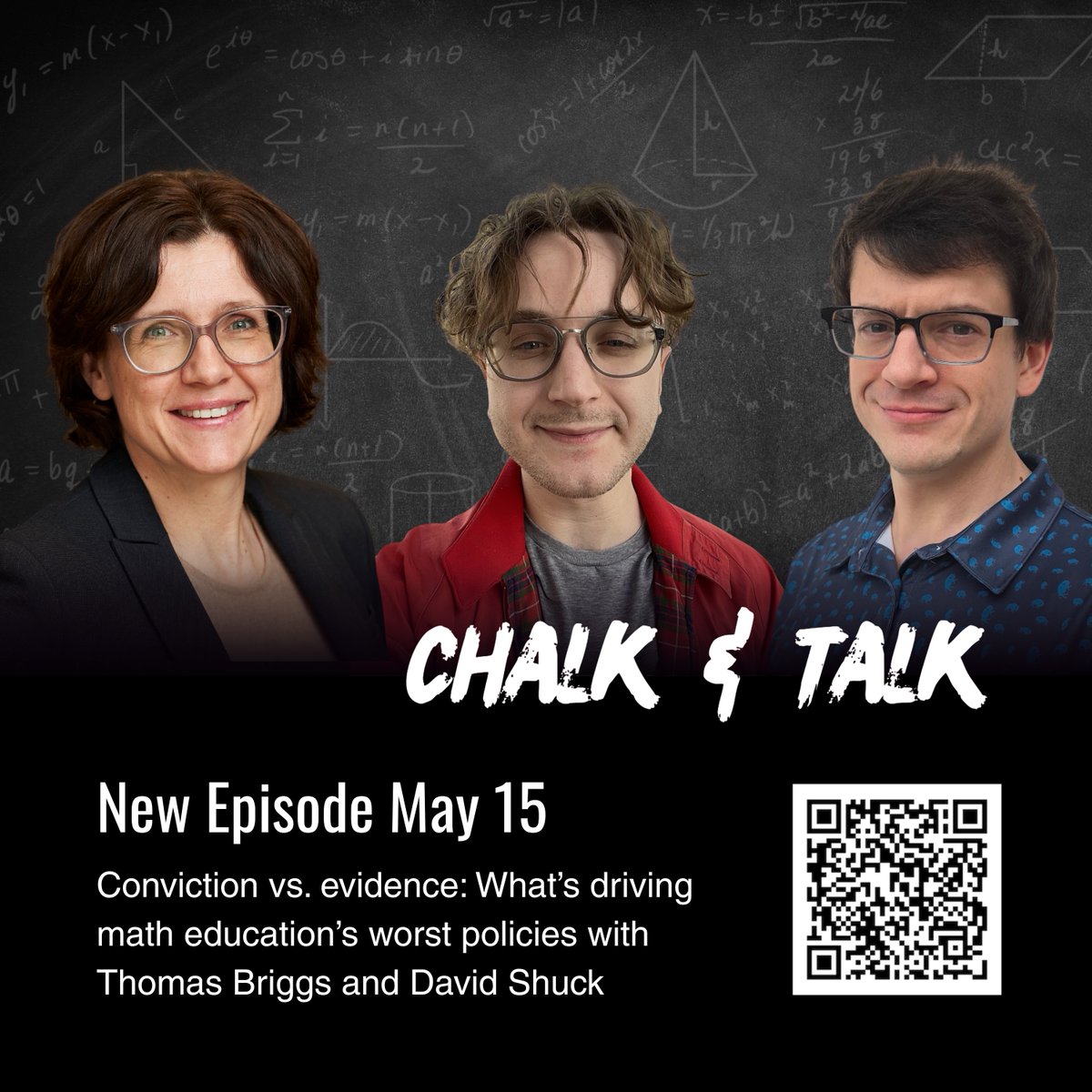
🎙️ New episode drops tomorrow! I talk with Thomas Briggs and David Shuck about why ineffective education practices persist.
We talk about San Francisco's failed math detracking, the New York math briefs controversy, and more examples of education policy gone wrong.
2
6
17
2,253