
The CIHE is a non-partisan, not-for-profit research organization dedicated to promoting historical literacy and civic understanding in Canada.
Joined October 2023
- Tweets 1,412
- Following 221
- Followers 2,133
- Likes 211
1,109 Photos and videos
Pinned Tweet

At the Canadian Institute for Historical Education, our mission is to foster thoughtful, informed discussion about Canada’s history — in all its colour, complexity, context, and humanity.
We welcome diverse opinions, but we also believe every discussion should be rooted in respect and evidence.
That’s why we’ve published our Community Guidelines, which outline what we expect from those engaging with us — and what you can expect from us in return.
✅ Respect others
✅ Base your comments on evidence and credible sources
🚫 No hate speech, harassment, misinformation, or personal attacks
We actively moderate to maintain a safe, constructive space for everyone. Please take a moment to read our full guidelines here:
👉 buff.ly/I3s4j6N
Together, we make history — respectfully.
#CIHE #CommunityGuidelines #CanadianHistory

4
11
32
4,906
Matthew Begbie built British Columbia's legal system on horseback — and was later remembered as The Hanging Judge. But history is rarely that simple.
The 1864 Chilcotin War remains one of the most contested events in BC's colonial past. Were the men who died on Begbie's orders murderers, or warriors defending their people? The answer depends entirely on whose history you've been taught.
That tension — between the record and the legacy — is exactly why this story still matters.
Follow us for more Canadian history that challenges what you thought you knew, and explore the full story at cihe.ca
#CanadianHistory #IndigenousHistory #BCHistory #Canada #ForgottenHistory
2
95
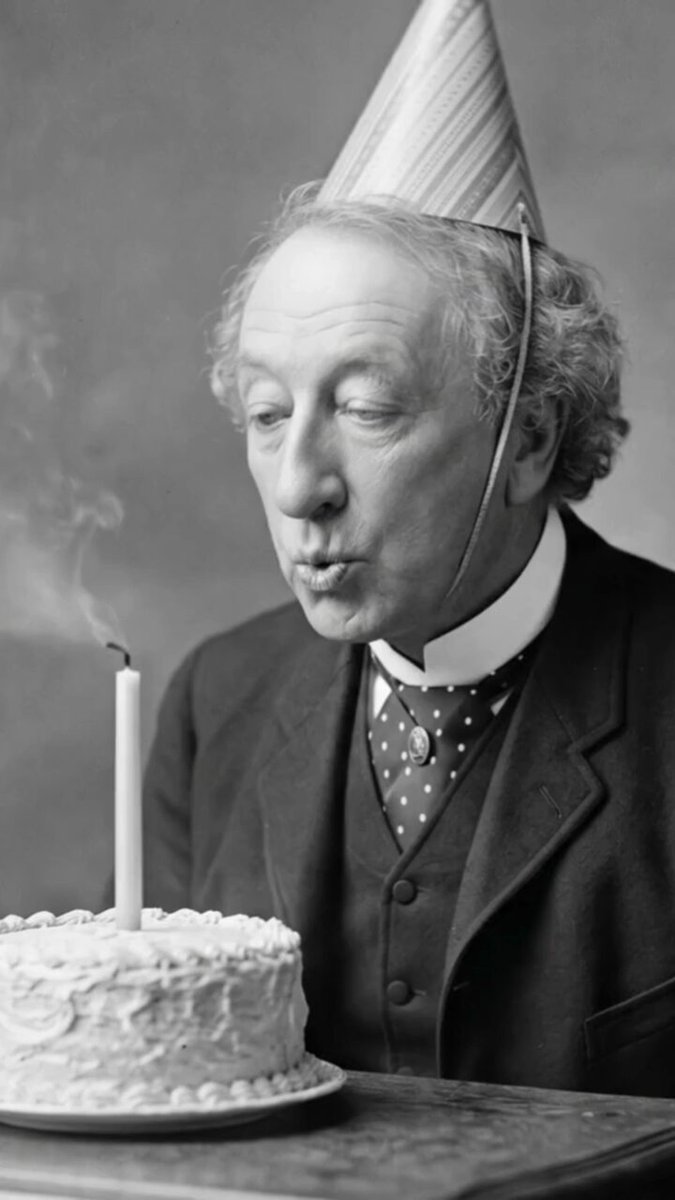
Did you know how the beaver came to be a national symbol for Canada?
The answer traces back to Sir Sandford Fleming, as detailed in the engaging story by John Boyko at our most recent event celebrating his book launch, In Pursuit of Tomorrow: The Inventive Life of Sandford Fleming.
Check out Boyko's full talk on our website at buff.ly/9wVq6gk
2
13
380
Celebrating One Year of Making — and Recording — History on Social Media
One year ago, CIHE stepped into the public square with a mission: to make Canadian history more accessible, more relevant, and more grounded in context and evidence.
What started as an effort to restore balance to conversations around historical figures like Sir John A. Macdonald, Egerton Ryerson, and Henry Dundas has grown into a national conversation about historical literacy, identity, sovereignty, and public memory.
Over the past year, we’ve reached millions of Canadians through social media, launched the History Matters podcast, given a platform for leading historians through live and recorded events and built a growing community of Canadians who believe context matters
Because history isn’t just about the past.
It’s how we understand the present — and shape the future.
Thank you for being part of the conversation.
#HistoryMatters #CanadianHistory #CIHE
7
102
Celebrating One Year of Making — and Recording — History on Social Media
One year ago, CIHE stepped into the public square with a mission: to make Canadian history more accessible, more relevant, and more grounded in context and evidence.
What started as an effort to restore balance to conversations around historical figures like Sir John A. Macdonald, Egerton Ryerson, and Henry Dundas has grown into a national conversation about historical literacy, identity, sovereignty, and public memory.
Over the past year, we’ve reached millions of Canadians through social media, launched the History Matters podcast, given a platform for leading historians through live and recorded events and built a growing community of Canadians who believe context matters
Because history isn’t just about the past.
It’s how we understand the present — and shape the future.
Thank you for being part of the conversation.
#HistoryMatters #CanadianHistory #CIHE
1
3
12
300
A public auction was supposed to prevent corruption in the sale of First Nations reserve land.
But according to historian Bill Waiser, the reality may have been very different.
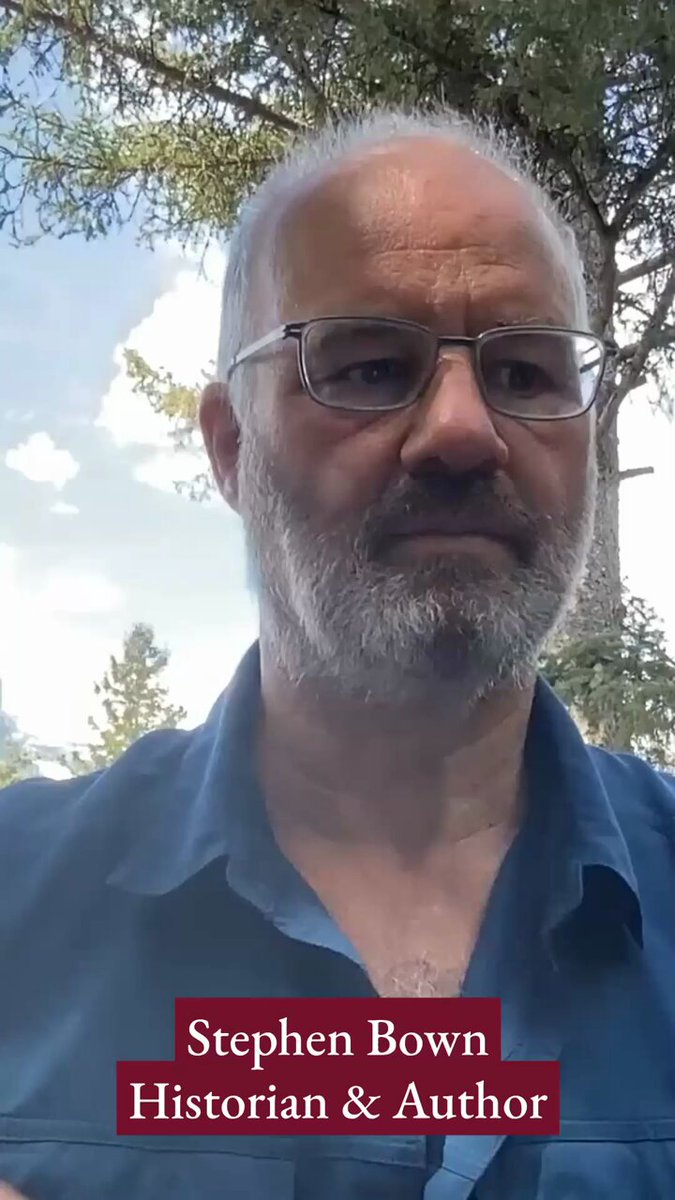
In this clip, Waiser recounts how speculators allegedly met in secret before the 1909 Thunder Child Reserve land auction to divide parcels among themselves and avoid competing bids. He also discusses how some participants later became prominent members of Canada’s legal establishment.
Bill Waiser is the author of Cheated: The Laurier Liberals and the Theft of First Nations Reserve Land.
🎥 Watch the full CIHE presentation:
CIHE.ca
#CanadianHistory #TreatyHistory #FirstNations #HistoryMatters #CIHE
3
156
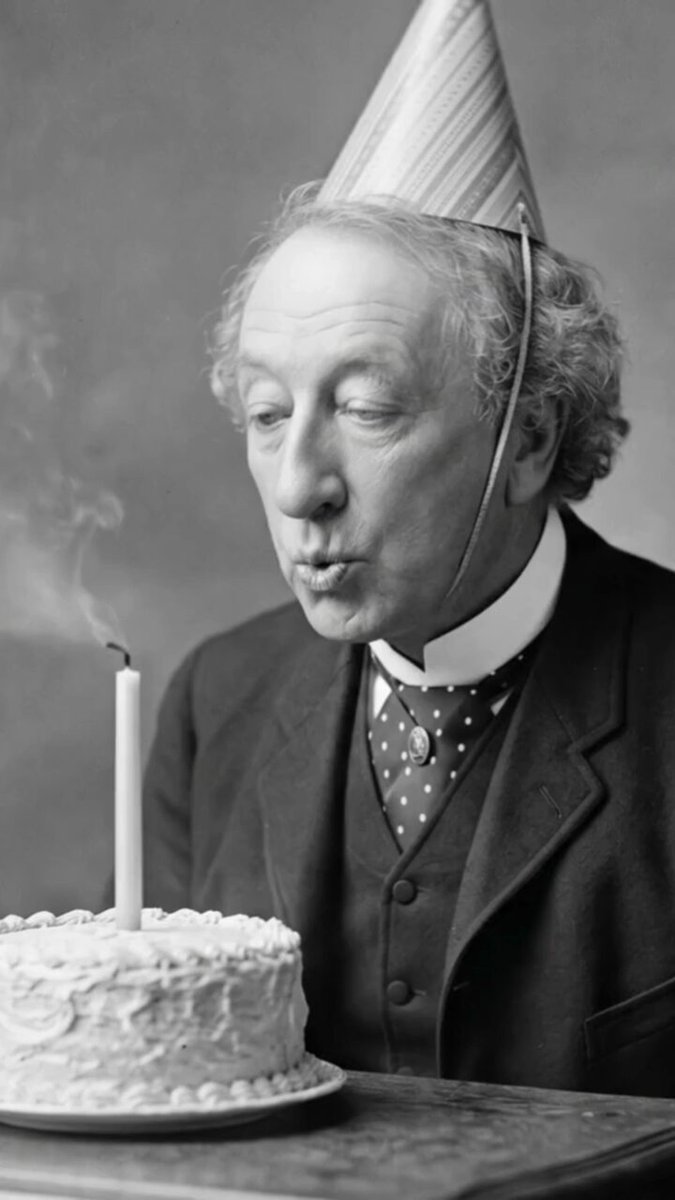
"History is supposed to kick your ass, not put you in a warm tub."
A hot take from John Boyko, at the recent Toronto book launch "In Pursuit of Tomorrow, The Inventive Life of Sir Sandford Fleming."
It was a night not to be missed! You can see a replay of Boyko's entertaining presentation on our website here: buff.ly/fe3yRzf
3
9
571
Canada didn’t join the Iraq War… but Canadians were still there.
While the government refused to formally participate, around 40 Canadian officers were embedded with U.S. and British forces through military exchange programs. When the war began, they remained in place—meaning some Canadians were involved in combat operations.
Canada also supported broader missions tied to the war, including naval patrols and logistical support.
So was Canada really “out” of the war?
Not entirely.
This moment reveals something important about modern alliances: even when a country says no, it can still be connected.
👉 Follow CIHE for Canadian history that deserves a closer look.
#Canada #MilitaryHistory #IraqWar #CanadianForces #CIHE
1
3
171
**Truth, Evidence, and Reconciliation**
In response to the recent @globeandmail editorial "There is no reconciliation without truth" having to do with how the newspaper had previously reported on assertions of unmarked graves outside a former residential school in Kamloops, we believe it is important to reaffirm a principle that should guide all discussions of Canada's past: history cannot serve reconciliation unless it is grounded in evidence.
Canada's history with Indigenous peoples includes both achievements and injustices. Understanding that history requires a willingness to examine difficult facts honestly, to listen to the testimony of those who lived through historical events, and to follow the evidence wherever it leads.
Reconciliation is not advanced by ignoring uncomfortable truths. Nor is it advanced by accepting claims without scrutiny. Historical understanding depends on careful research, open inquiry, and a commitment to distinguishing between what is known, what is uncertain, and what remains to be discovered.
The Canadian Institute for Historical Education believes that a mature society is capable of confronting its past in all its complexity. We support efforts to expand historical knowledge, preserve historical records, encourage respectful dialogue, and ensure that public discussions of Canada's past are informed by evidence rather than assumption.
Truth and reconciliation are not competing goals. Reconciliation built on incomplete or inaccurate understandings cannot endure. The pursuit of truth—through historical research, archaeology, archival investigation, oral history, and open debate—is essential to building trust, understanding, and lasting reconciliation.
As the Globe and Mail editorial rightly highlights, public confidence in reconciliation efforts depends on a shared commitment to truth. Where questions remain, they should be investigated. Where evidence exists, it should be examined openly. Where new facts emerge, they should be incorporated into our understanding of the past.
History's purpose is not to confirm what we already believe. Its purpose is to help us better understand what happened, why it happened, and what we can learn from it.
#Canada #History #Culture #ContextMatters #canadianhistory #truthandreconciliation
buff.ly/4nh2iWP
4
6
3,915
Who actually passed the Indian Act?
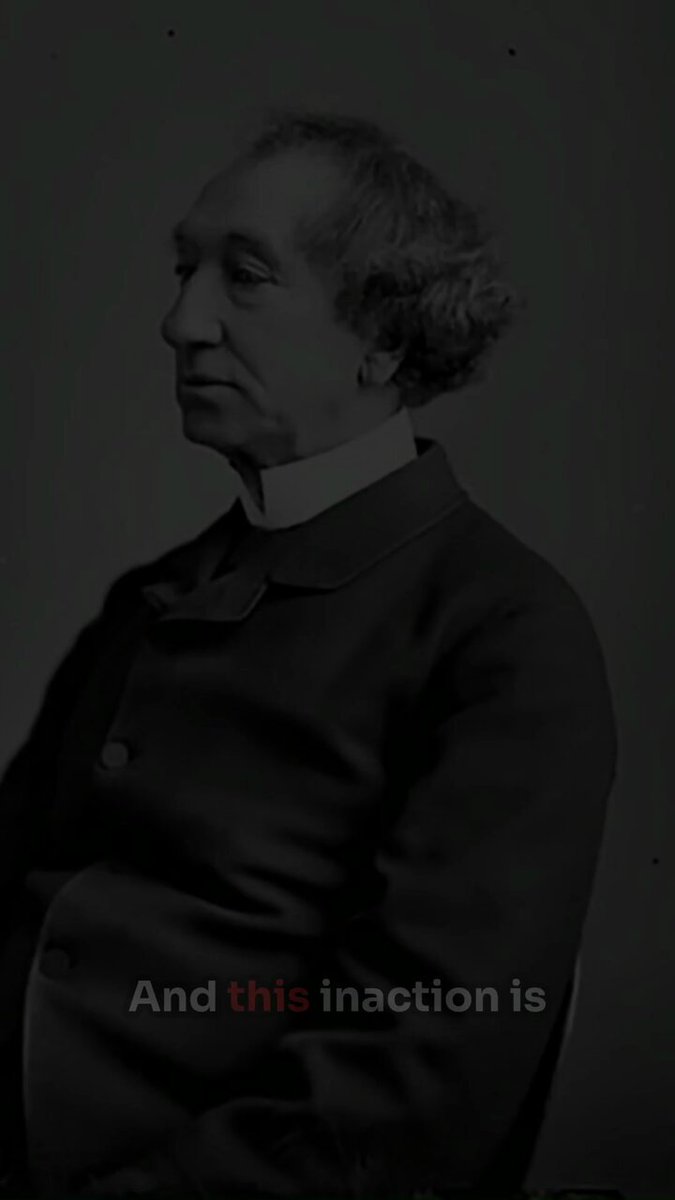
Many Canadians immediately think of John A. Macdonald. But in this clip, historian Bill Waiser explains why the historical record points elsewhere.
The Indian Act of 1876 was passed under Liberal Prime Minister Alexander Mackenzie, whose government also negotiated several of the numbered treaties on the Prairies. Waiser explores the contradictions between treaty promises and federal policy during this formative period in Canadian history.
Bill Waiser is the author of Cheated: The Laurier Liberals and the Theft of First Nations Reserve Land.
🎥 Full presentation available here:
CIHE.ca
#CanadianHistory #FirstNations #IndianAct #HistoryMatters #CIHE
2
9
28
1,288
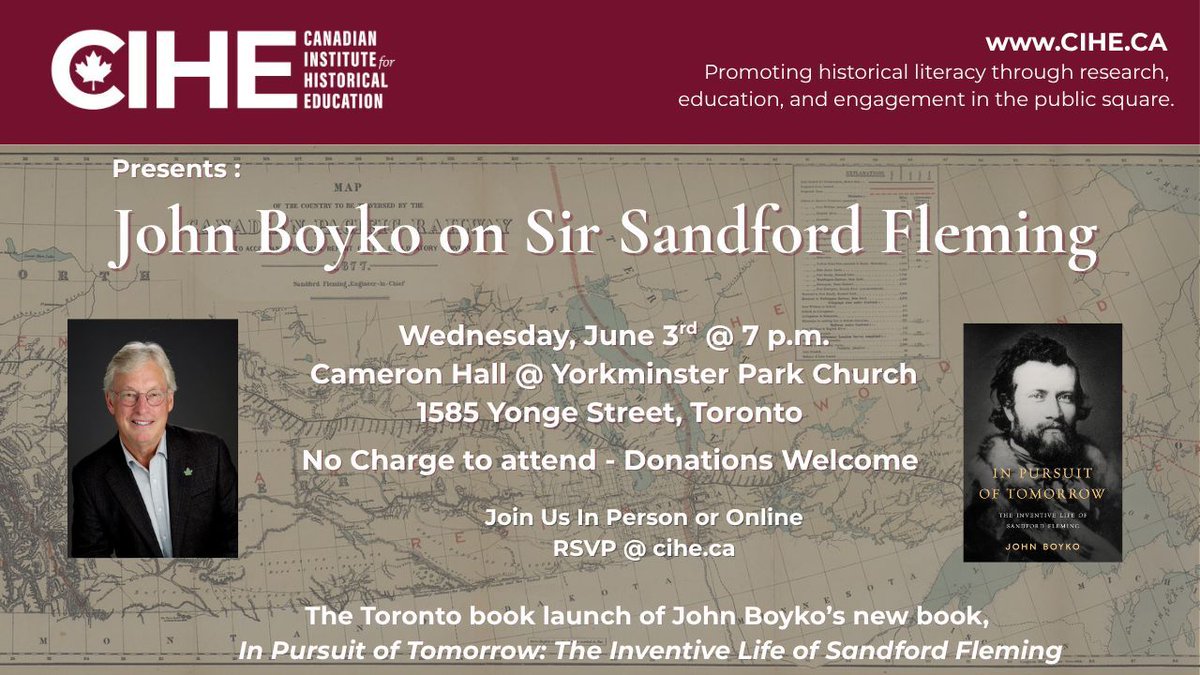
The event is tomorrow.
Join CIHE and historian John Boyko for an evening exploring the life and legacy of Sir Sandford Fleming — the engineer, thinker, and nation builder best known for standardizing time zones and helping shape Canada’s railway age.
Based on his new book, In Pursuit of Tomorrow, this talk examines how Fleming’s ideas influenced the development of modern Canada.
📍 Cameron Hall @ Yorkminster Park Church
📅 Tomorrow @ 7 p.m.
🎟 Free admission — donations welcome
💻 Attend in person or online
Last-minute registration is still open:
RSVP at cihe.ca
#CanadianHistory #TorontoEvents #HistoryTalks #CIHE #JohnBoyko
1
1
178
Canadian Institute for Historical Education retweeted

May 30
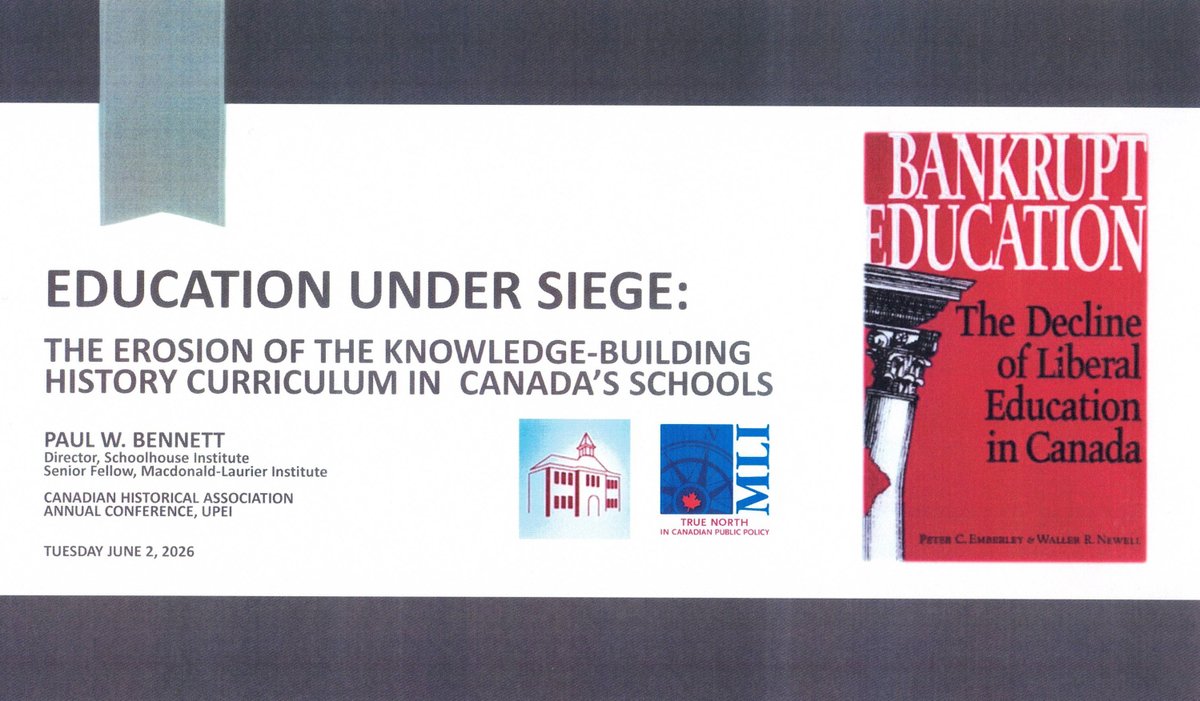
Upcoming Presentation: Preparing to Present at CHA 26 UPEI on "Education Under Siege: The Erosion of the History Curriculum in Canada's Schools" on Tuesday June 2 at 1:30 pm (KMB 210) @CdnInst4HistEd @CHEA_ACHE @SMArts_SMU #cdnhist
1
4
284
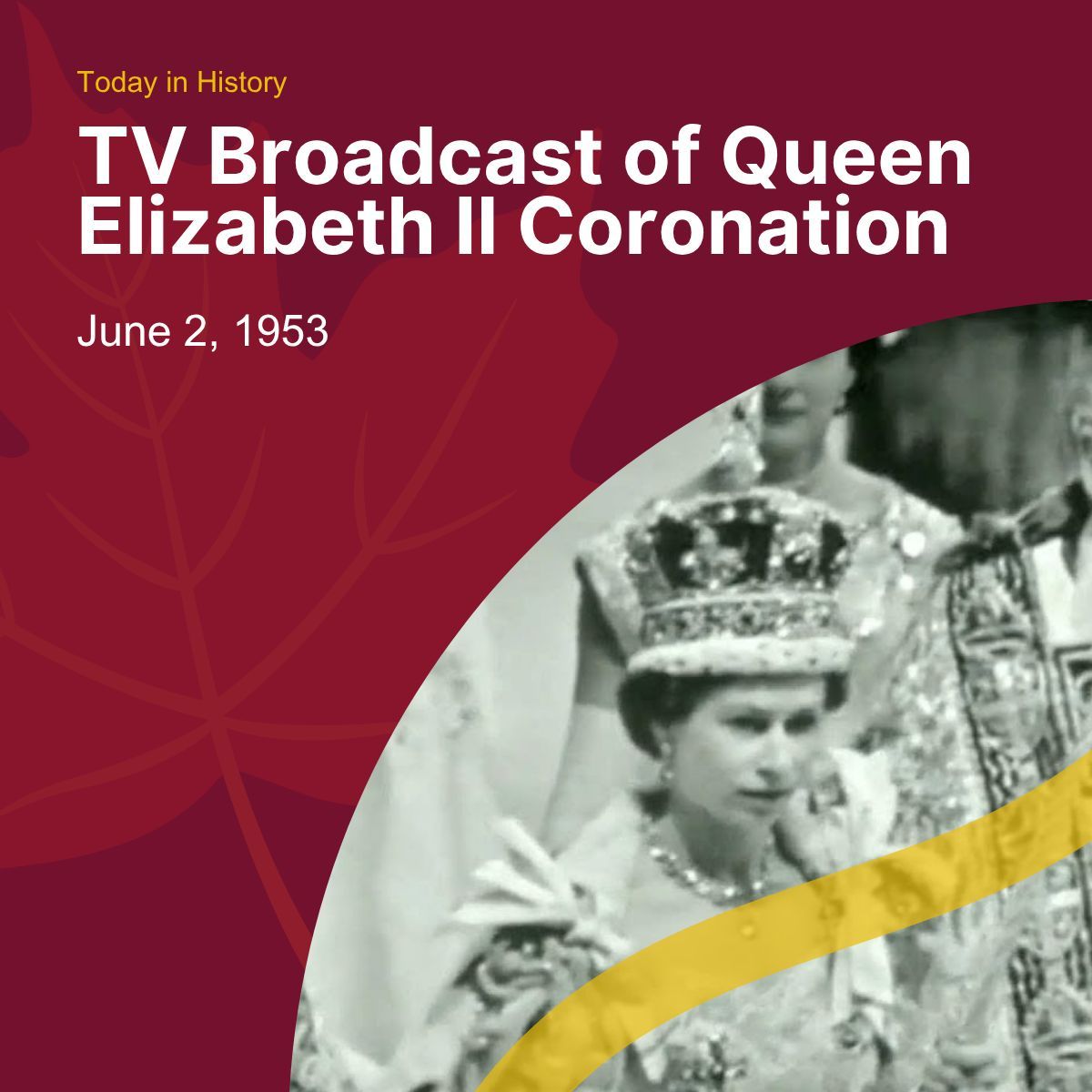
For millions of Canadians, history entered the living room for the first time.
On June 2, 1953, Queen Elizabeth II was crowned in a ceremony watched around the world. Across Canada, families gathered around television sets in homes, department stores, and public spaces to witness one of the first truly shared media moments in Canadian history.
Television ownership surged as Canadians rushed to experience the Coronation. The broadcast was so important that film of the ceremony was flown across the Atlantic to ensure Canadians could watch it the same day.
In the years after WWII, the Coronation was more than a royal ceremony—it became a moment that helped shape Canadian media, culture, and identity.
Question: What modern event comes closest to uniting Canadians around one screen?
#TodayInHistory #CanadianHistory #QueenElizabethII #HistoryMatters #OnThisDay
2
10
22
529
Join us for the Toronto Book Launch of John Boyko's new book about Sir Sandford Fleming, In Pursuit of Tomorrow !
Event Details:
📍 Cameron Hall @ Yorkminster Park Church
📅 Wednesday @ 7 p.m.
🎟 Free admission — donations welcome
💻 Attend in person or online
Last-minute registration is still open:
RSVP at cihe.ca
#CanadianHistory #TorontoEvents #HistoryTalks #CIHE #JohnBoyko
1
97
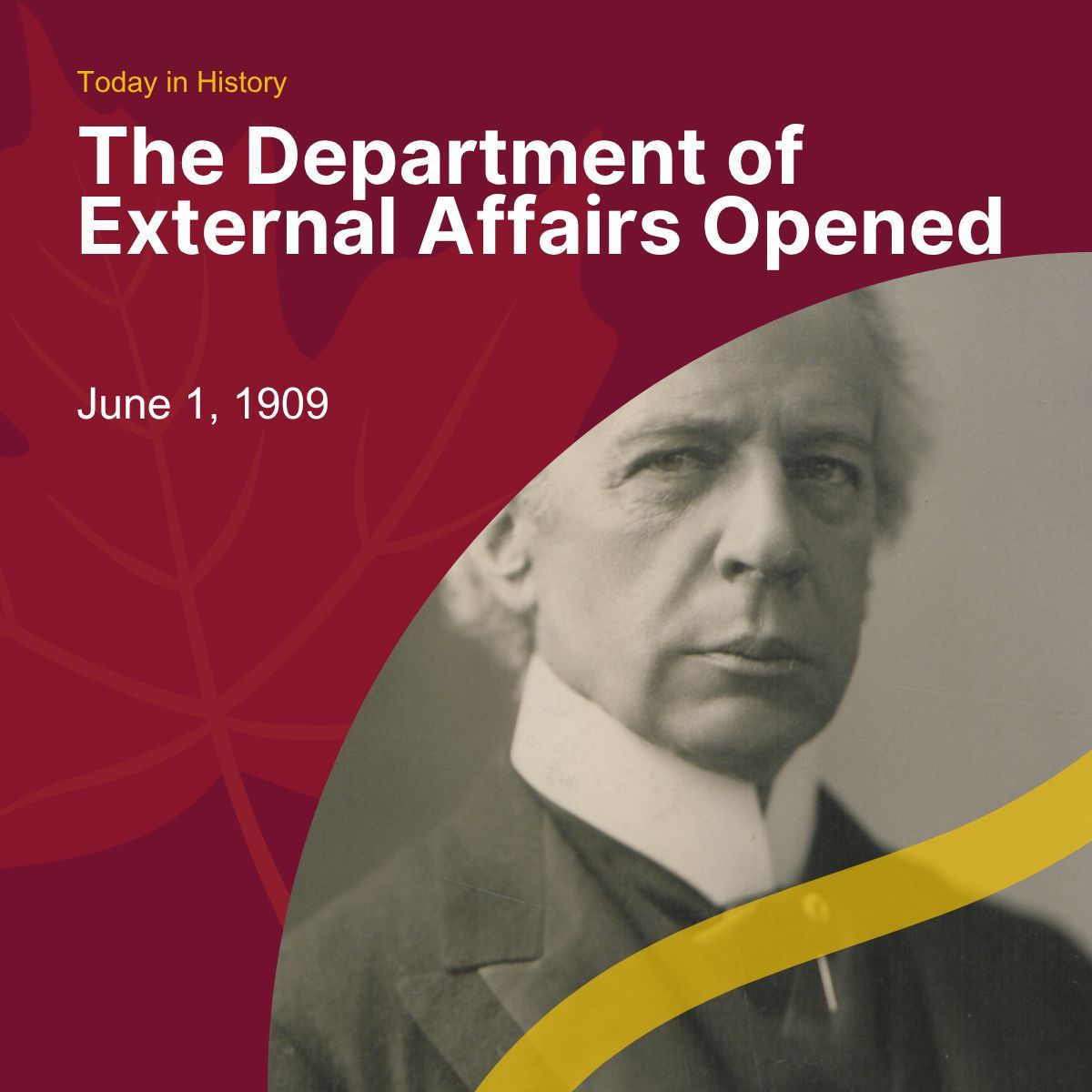
At the time, Britain still largely managed foreign policy for its dominions. But under Prime Minister Wilfrid Laurier, Canada took a step toward having its own diplomatic voice.
This was not full independence.
But it was the beginning of Canada acting more deliberately in international affairs — building the institutional capacity to represent itself abroad.
Sovereignty does not appear overnight.
It develops through institutions.
1909 marked one of those quiet but consequential steps.
2
8
308
Why did Canada refuse to join the Iraq War when many allies said yes?
The answer wasn’t simple—it was shaped by law, strategy, and public opinion.
Canada prioritized multilateralism, arguing that the invasion lacked authorization from the United Nations. At the same time, doubts were already emerging about claims of weapons of mass destruction—claims that would later prove unfounded.
And with Canadian forces already deployed to Afghanistan, opening a second major conflict raised serious concerns.
Even at home, most Canadians opposed joining the war without UN backing.
In the end, Canada said no—but that didn’t mean it stayed completely out.
👉 Follow for Part 3 — Canada’s lesser-known role in the conflict.
#Canada #ForeignPolicy #IraqWar #HistoryExplained #CIHE
1
2
2
254
Today in History — May 29, 1914
In the early hours of May 29, 1914, the RMS Empress of Ireland sank in the St. Lawrence River after colliding with the Norwegian coal ship Storstad.
In just 14 minutes, over 1,000 lives were lost, making it one of the deadliest maritime disasters in Canadian history.
It’s a tragedy few remember today, overshadowed by World War I, which would erupt just weeks later.
But for the families who boarded that ship, this was Canada’s Titanic moment - sudden, devastating, and largely forgotten.
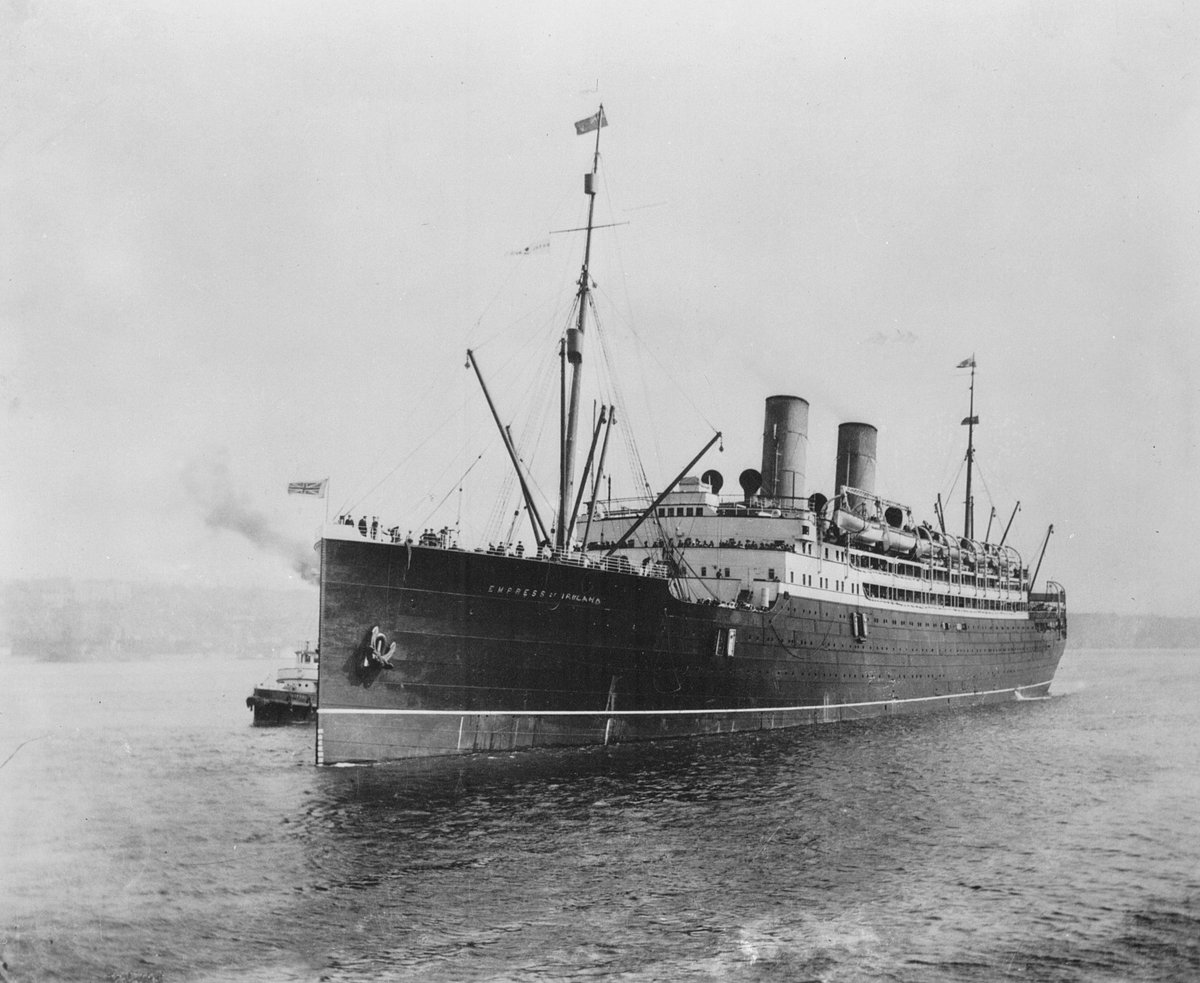
ALT Empress of Ireland https://upload.wikimedia.org/wikipedia/commons/9/94/L’Empress_of_Ireland.jpg
12
17
340
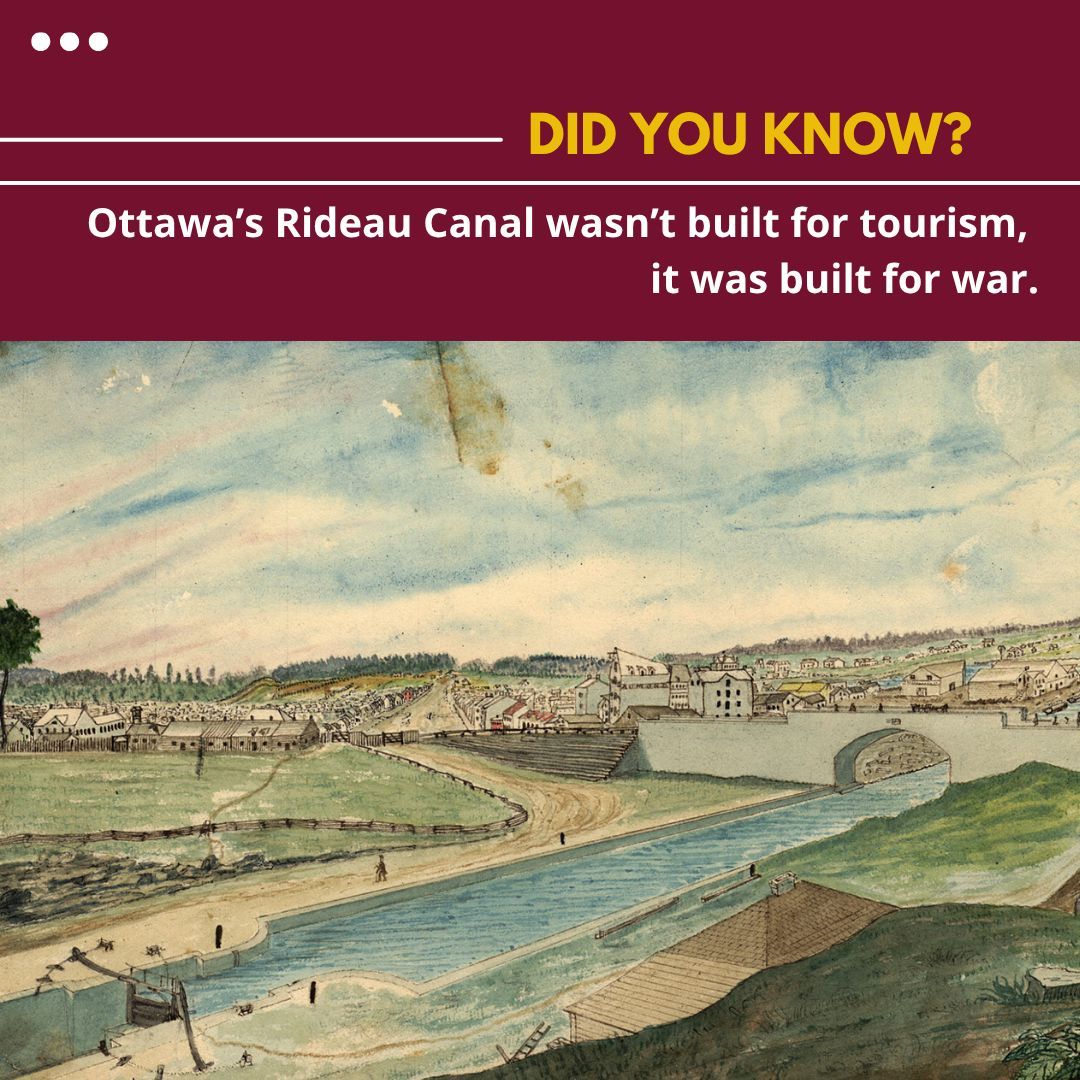
Did you know the Rideau Canal was originally built for defence—not leisure?
Constructed in the aftermath of the War of 1812, the canal linked Bytown (now Ottawa) to Kingston as a secure inland transportation route for British North America.
By avoiding the vulnerable St. Lawrence River, troops, weapons, and supplies could move safely between key military centres in the event of another conflict with the United States.
What is now one of Canada’s most iconic waterways began as a strategic military project.
Image: 1845 painting of the Rideau Canal and Lower Town by Thomas Burrowes.
1
11
27
1,347
John A. Macdonald is often remembered in discussions about Indigenous policy—but some of the largest reserve land surrenders in Canadian history happened under Wilfrid Laurier.
In this clip, historian Bill Waiser discusses whether Laurier understood the full scope of what was happening during his government’s reserve surrender policies, and how powerful ministers and officials shaped events behind the scenes.
Waiser is the author of Cheated: The Laurier Liberals and the Theft of First Nations Reserve Land, a book examining how and why these land surrenders occurred.
🎥 Watch the full CIHE presentation:
CIHE.ca
Follow CIHE for historically grounded discussions on Canada’s past.
#CanadianPolitics #IndigenousHistory #WilfridLaurier #CanadianHistory #CIHE
5
9
432