
Joined May 2021
- Tweets 27,838
- Following 902
- Followers 8,168
- Likes 119,911
3,144 Photos and videos


Pinned Tweet

26 Dec 2024
Crimson Echo is a fully onchain generative film where YOU can be the director.
An evolving, interconnected, scene-by-scene and score-by-score programmable, decentrally governed story. 6 minutes (for now), 2 tracks, and infinite possibilities.
30 smart contracts, powering the first blockchain-native film.
76
77
328
63,038
Chainleft retweeted

crimson echo by @ChainLeftist alongside ordinals collectors are all on-chain art. Will be looking at public
1
3
130
Chainleft retweeted

Jun 10
GM !
Absolutely love these dynamic fully onchain NFT projects living forever on Ethereum, no IPFS, no servers, just pure code and chain ⛓! I want more, please drop your favorites 👇
MoonCats @mooncatrescue the pioneers 🐱
CyberBrokers @CyberBrokers_
Heraldia @_ab83_
On-Chain All-Stars @EtoVass @0x8BitArt
CC0mon @SatoshisMom
Talismans by @tokenfox1
Bloot @beaniemaxi rip ?
NiftyDudes @niftydudes wake up bro !
Crimson Echo @ChainLeftist
CypherDudes @I____felix____I the goat
ColorVoids @greyblok
This is what permanent digital art looks like 🔥

30
16
84
4,410

One of my favourites, Chaos Roads by @ChainLeftist
1
2
15
319
Chainleft retweeted

Apr 28
Allegations of rape and sexual violence against white women were one of the most commonly cited justifications for lynching Black men in America, though the historical record shows these charges were routinely fabricated or grossly distorted.
Statistics show that about one-fourth of all lynchings from 1880 to 1930 were actually prompted by an accusation of rape. In fact, most victims were political activists, labor organizers, or Black men and women who simply violated white expectations of deference.
White mobs used these allegations to enforce segregation and advance stereotypes of Black men as violent, hypersexual aggressors. The brute caricature of the hypersexual Black male was a myth used to justify the violence, which in turn functioned as a social control mechanism to instill fear in Black communities — sending messages not to register to vote, not to apply for white men’s jobs, not to organize, not to complain publicly.
This caricature gained in popularity whenever Black people pushed for social equality.
Journalist and activist Ida B. Wells was among the first to systematically document and expose this pattern. In 1892, she published Southern Horrors: Lynch Law in All Its Phases, which connected names, dates, and identities to individual cases of lynchings and rape accusations to show that that the rape narrative used to justify lynching was a deliberate fabrication, writing, “nobody in this section of the country believes the old threadbare lie that Negro men rape white women.”
She documented that the true motivation for lynching was the enforcement of racial hierarchy.
No independent international human rights organization has confirmed a single case of rape by Palestinian fighters on October 7.
Apr 28

Hasan Piker says the designated terrorist organization Hamas is 1,000 times better than Israel.
His statement outraged many — who now just want to write him off. That's a mistake. He has a massive audience and is emerging as one of the major voices of his generation. Those of us who disagree owe him — and his audience — a real argument.
Here's mine … And my position doesn’t come from ignorance about oppression. For a big chunk of my life, I was a grassroots activist — because of the pain of my own people. During those years, I was lucky enough to learn from elders who had been in the Black Panther Party, in SNCC, in the ANC. These were people who had to choose whether to pick up the gun — and how to use it if they did.
They taught me this: even in armed struggle, there are principles. No women. No children. No rapes. No kidnapping. Mandela held that line. Amílcar Cabral held that line. You don't become what you're fighting.
Hamas fails that test. They are not fighting for MORE freedom for Palestinians. They're fighting for less. They want theocracy, not democracy. And their means? They don’t use principled armed struggle (hitting military targets). They use terrorism (targeting civilians).
The vast majority of Americans — including those who sympathize with the Palestinian cause — reject terror tactics. Reasonable people would agree on three principles: secure homelands for both peoples; no hatred for Jews or Muslims; and protection for all civilians. Hamas’ approach undermines all three.
That's the conversation Piker's audience deserves. Not name-calling.
122
1,101
5,654
207,199
Chainleft retweeted

Apr 20
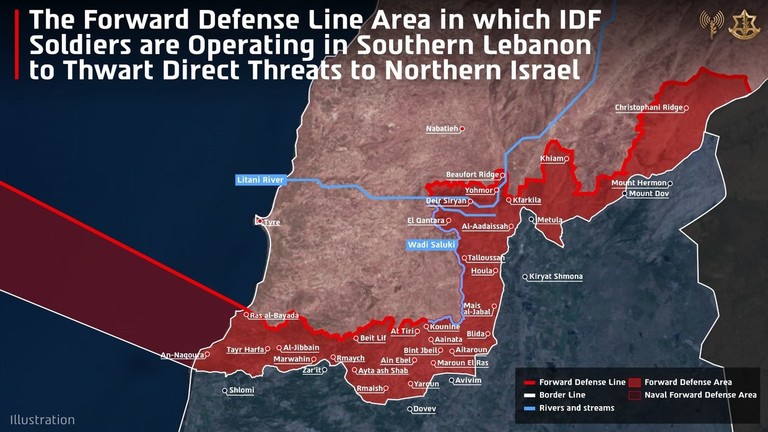
Israel now occupies more of Lebanon than Russia occupies in Ukraine.
1,399
24,803
60,073
1,615,528
Chainleft retweeted

Apr 19
Finally acquired those beauties that were missing from my collection

7
2
55
1,893
Apr 13
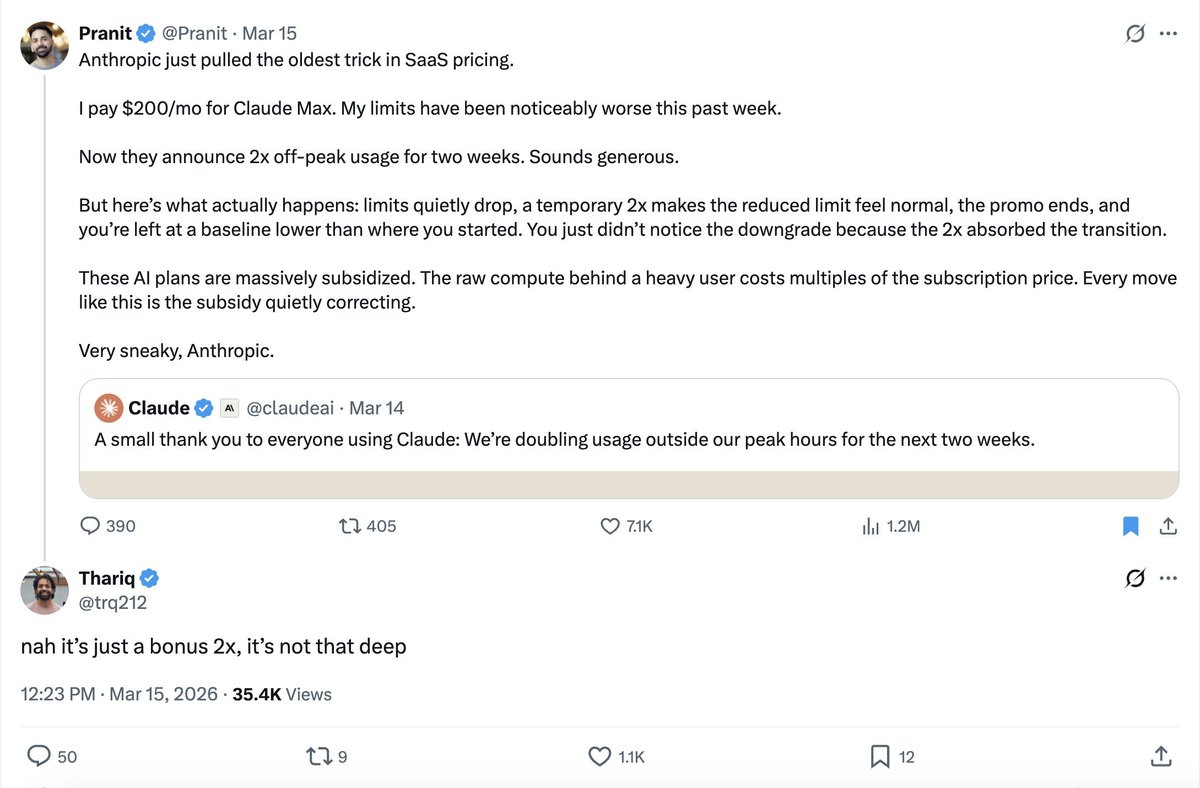
JFC I swear Anthropic has gaslighting as a monthly KPI

boris responded to this in depth in the issue- it's mostly just that we stopped showing thinking summaries for latency (you can opt-in to showing it) which was affecting the thinking measurement in the post
github.com/anthropics/claude…
4
2
370
Chainleft retweeted

Apr 12
Less than 1% of casualties in Ukraine are children.
That number in Lebanon is 14%, and in Gaza it is 30%.
699
7,509
33,959
452,359
Chainleft retweeted

Israeli units are nonstop systematically detonating what's left of Taybeh village in northern Lebanon.
181
4,084
6,163
328,286

Israeli strike kills infant girl in south Lebanon during father's funeral reut.rs/4t6xqOZ reut.rs/4t6xqOZ
365
5,448
8,877
2,081,960
Chainleft retweeted

Apr 12
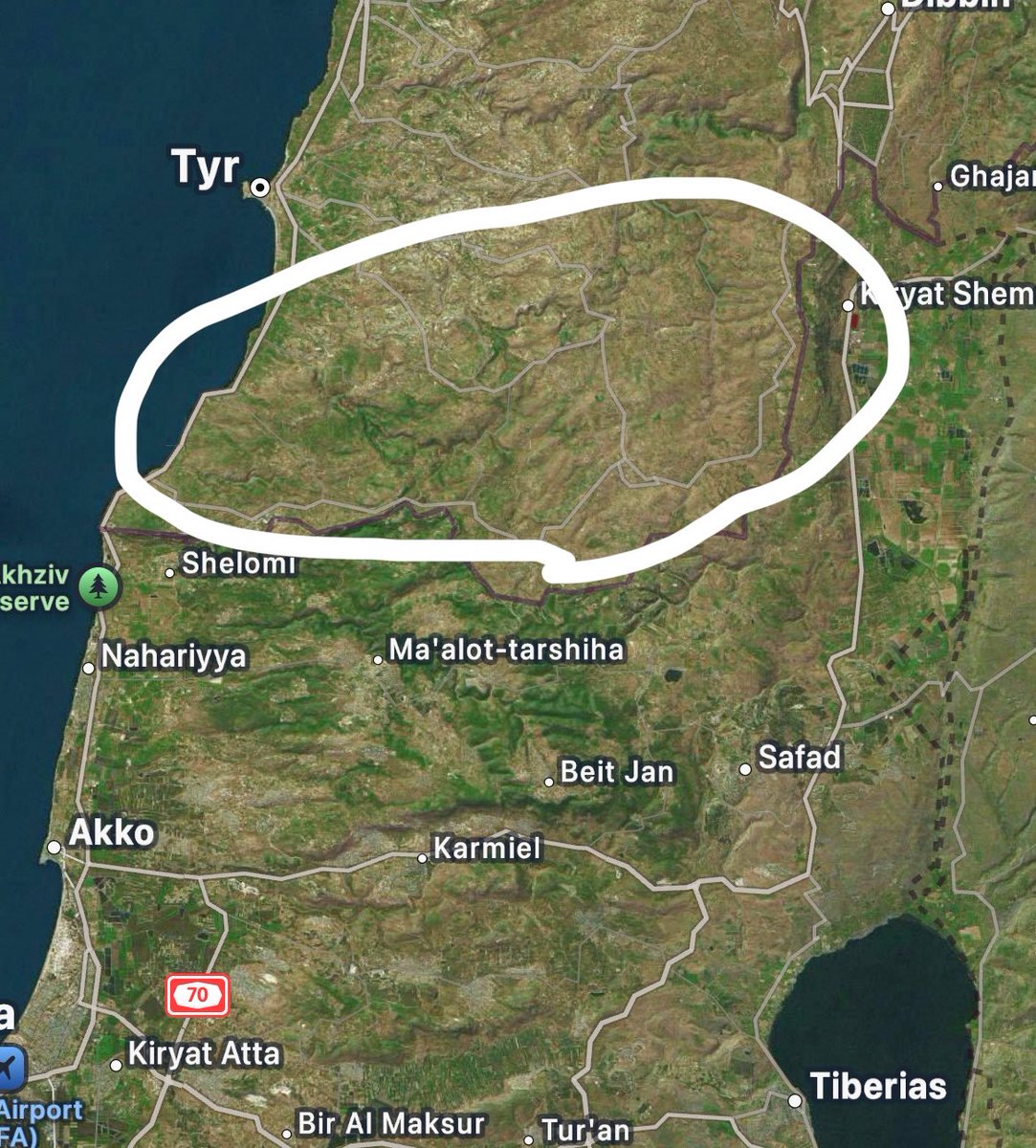
Apple has removed Lebanese village names in Southern Lebanon.
As Israel invades, they are already setting the state to justify occupation.
I’ve never seen something like this.
3,357
78,514
253,115
13,036,678
Chainleft retweeted

Apr 10
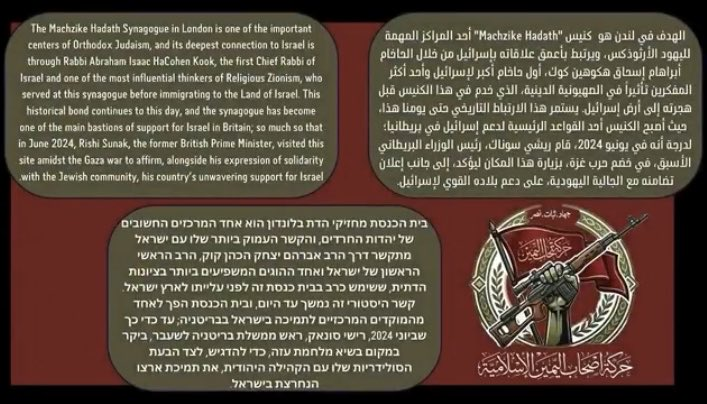
First time I have ever seen western media not cover an attack on a Jewish synagogue.
Why? The Jews were Iranians and western media must pretend (1) they don't exist and (2) that Israel doesn't have a long history of attacking anti-Zionist Jews in the region.

The bombing of a synagogue anywhere in the world would normally be big news.
Which news organisations have reported on US-Israeli destruction of Tehran's Rafi-Nia Synagogue on the 7th April?
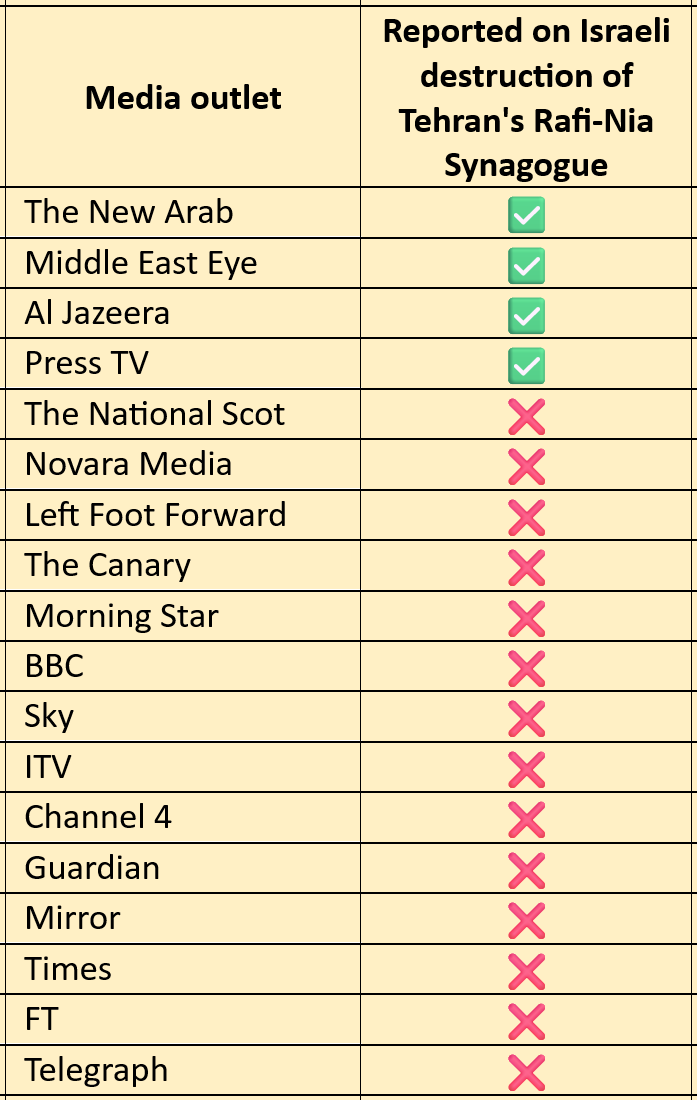
9
1,740
3,637
59,877

Israel has claimed responsibility for bombing A WEDDING in Gaza City yesterday that killed 7 people from two families, including a 4-month-old BABY. Israel offered no explanation, but acknowledged "uninvolved civilians" were killed. Where's the Bondi beach level media coverage? Where's the outrage


84
9,267
28,372
454,018
Chainleft retweeted

Apr 9
So will April 8 receive as much non-stop global outcry as October 7?
Will it become a litmus test on every mainstream network, where guests are asked, "do you condemn the April 8 massacre?"
Will US politicians hold up pictures of dead Lebanese babies and scream for revenge?
196
6,328
19,785
208,072
Chainleft retweeted

BREAKING! Amid widespread bombing across Arab regions, Israel approves its largest-ever colonial expansion. Under the "fog of war'', what I warned on 14 Oct 2023 is unfolding: the largest ethnic cleansing/land grab in Palestine, since the Nakba. It’s happening. Under our watch.
Apr 9

BREAKING: More details come into view. #Israel’s Security Cabinet has reportedly approved 34 new settlements, further entrenching its unlawful presence deep within the occupied State of #Palestine. The secrecy surrounding the decree appears calibrated, not for domestic necessity, but to spare discomfort among allies in the region, Europe and the United States.
The ICJ Advisory Opinion on the Legal Consequences of the Occupation of Palestinian Territory (2024) was unambiguous. Israel is under an obligation to bring its unlawful presence to an end, unconditionally and without delay. Third States are under a corresponding duty not to aid or assist in maintaining that situation, and to cooperate to bring it to an end.
Yet the response has been one of studied inaction. The Court spoke with clarity; the world replied with silence. Israel, reading that silence for what it is, has chosen not restraint, but acceleration of its colonization efforts.
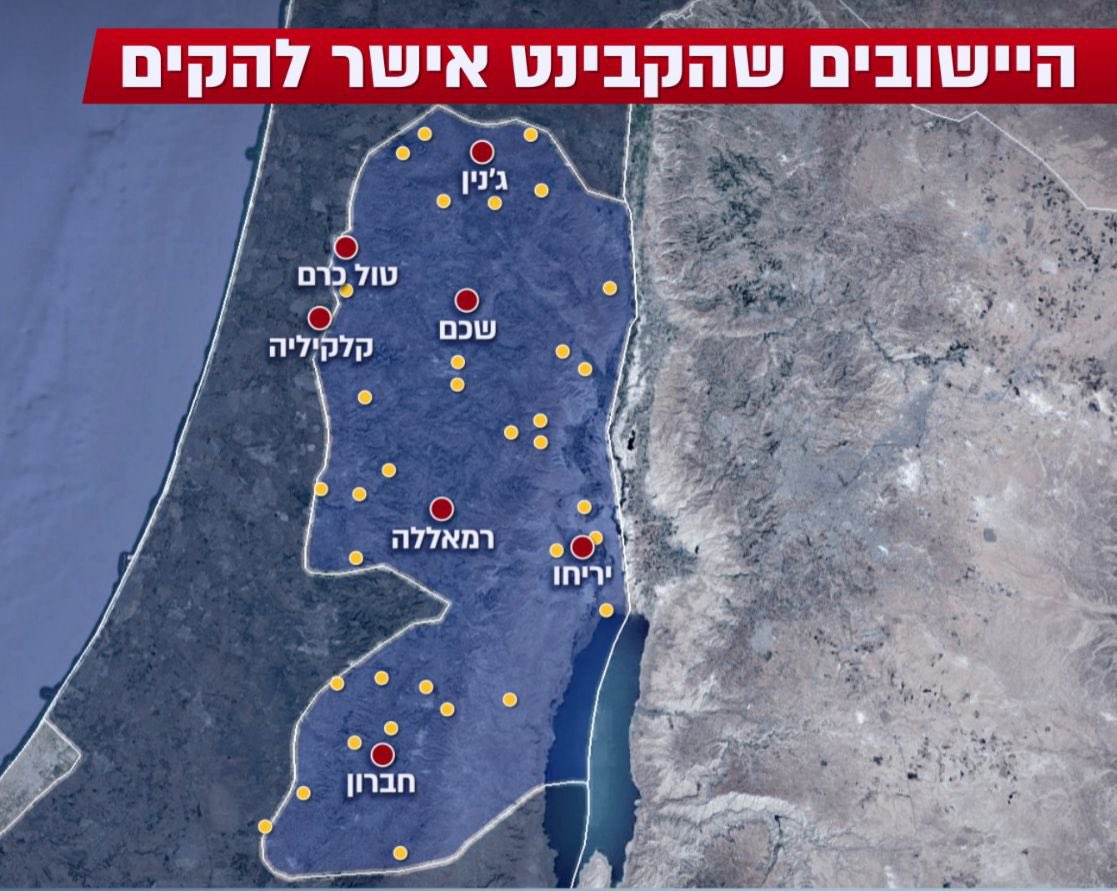
353
15,062
22,431
480,971
Chainleft retweeted

Apr 8
Israel killed every single child in this photo today alone in Lebanon.
Every. Single. One.
More than 18 children massacred in less than 24 hours.
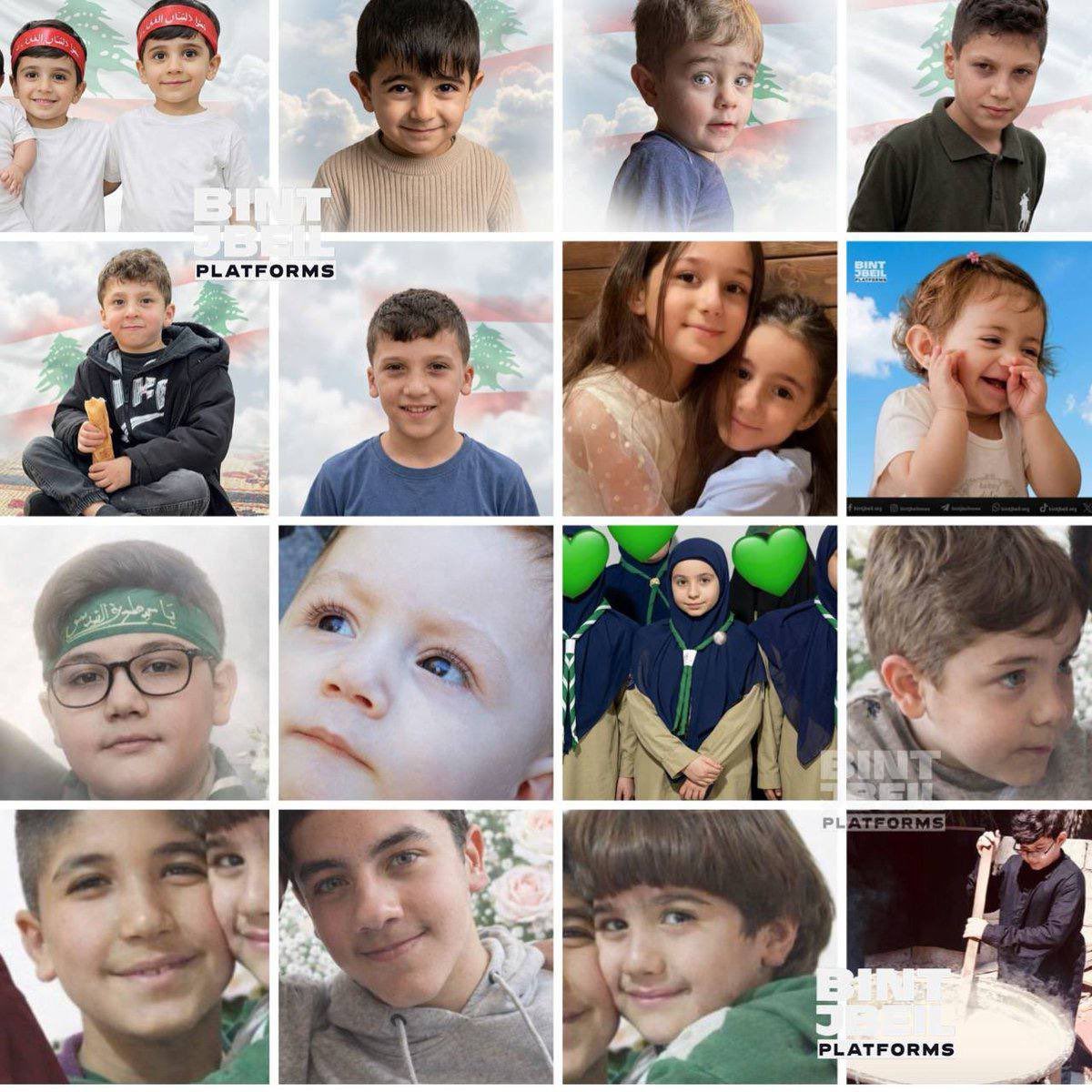
1,073
16,727
25,060
541,389
Apr 9
Israel's April 8th attack in Lebanon was more unjustified & terroristic attack than October 7th.
7
317
Chainleft retweeted

Apr 8
I don’t think people around the world realize how bad the attack on Lebanon was today. It’s BAD. Like 9/11 BAD. Hospitals are overflowing and do not have enough blood. We still don’t know what the death toll is.
This is TERRORISM. Pure and Simple.
April 8. Never forget.
1,069
63,912
211,095
2,358,448
Apr 8
RT @Marwa__Osman: Israel killed my childhood best friend today.
He was at work.
In Beirut.
Israel killed him.
Israel killed him.
Israel kil…
15,297
Apr 8
this headline is art
Apr 7

It is precisely China’s lack of military presence in the greater Middle East that has lured the United States into war, writes Jo Inge Bekkevold. foreignpolicy.com/2026/04/06…
3
309