
3 Photos and videos


Chase Chappell retweeted

9 Sep 2024
JUST IN: BlackRock spot #Bitcoin ETF IBIT did $767.85 million in trading volume today.

224
504
2,994
122,257
Chase Chappell retweeted

19 Apr 2024
Looking for a safe and secure way to buy crypto? Download the app and start investing with Luno 🤝
418
291
4,981
37,372,452





Chase Chappell retweeted

8 Sep 2024
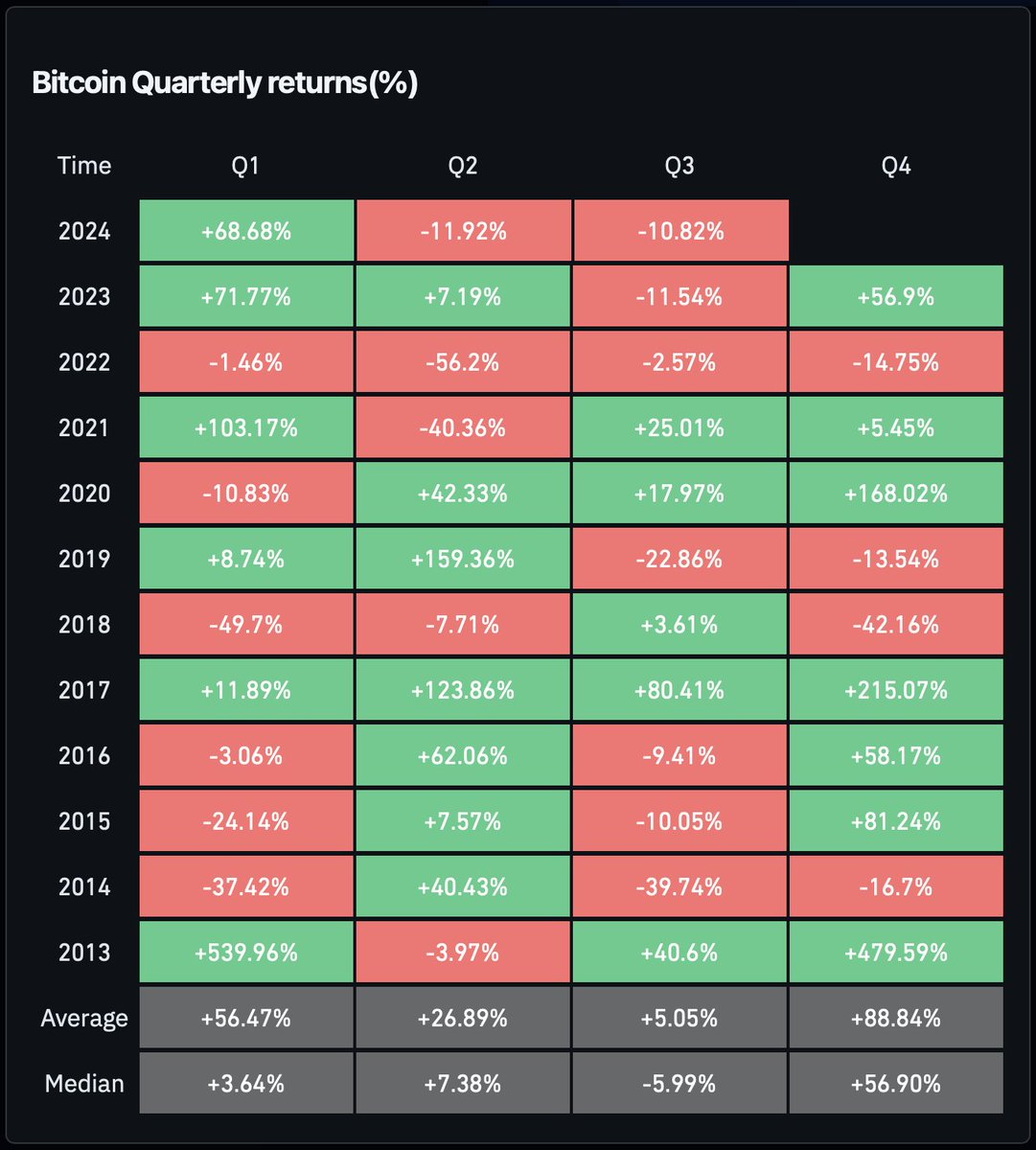
Q4 is just around the corner.
No one is bullish enough.
255
269
1,574
107,818
Chase Chappell retweeted

26 Feb 2024
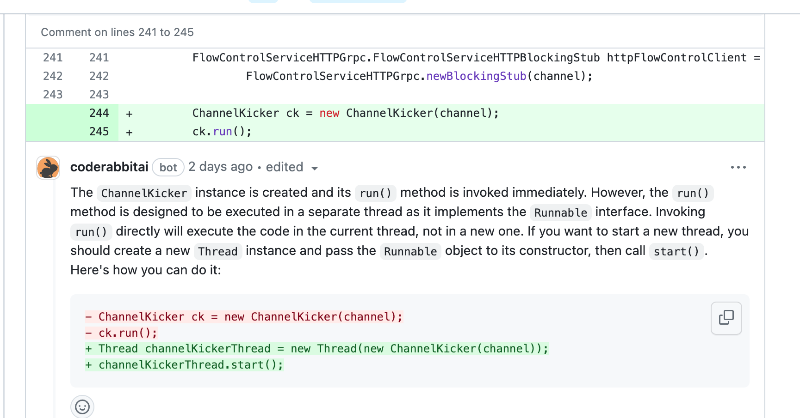
AI-first pull request reviewer with context-aware feedback, line-by-line code suggestions, and real-time chat.
3,375
6,172
50,823
231,025,794
Chase Chappell retweeted

10 Sep 2024
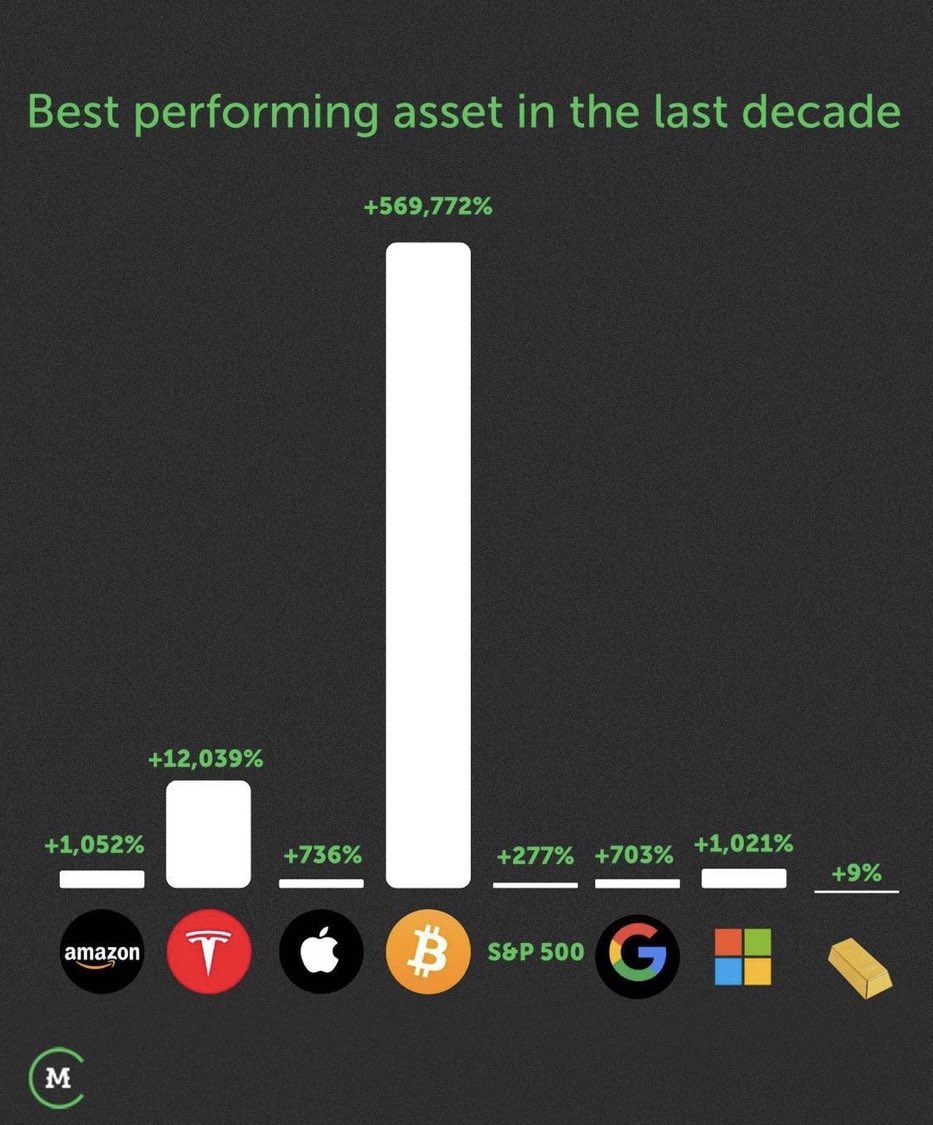
Best performing asset in the last decade ☝️
174
290
1,598
121,462
Chase Chappell retweeted

10 Sep 2024
#Altcoins
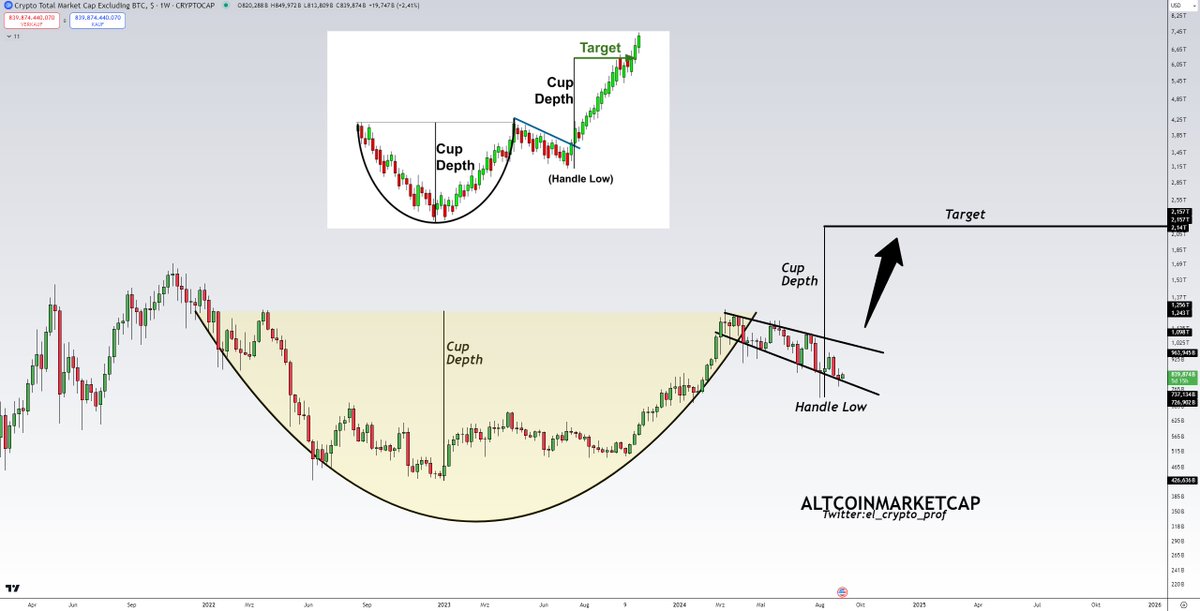
Looks like most out there have forgotten that Altcoins form a years-long cup & handle pattern.
This is one of the most bullish patterns out there.
In a few months, the current prices of Altcoins will look like a gift.
I've patience. Do you?
110
286
1,252
46,957


Chase Chappell retweeted

6 Sep 2024
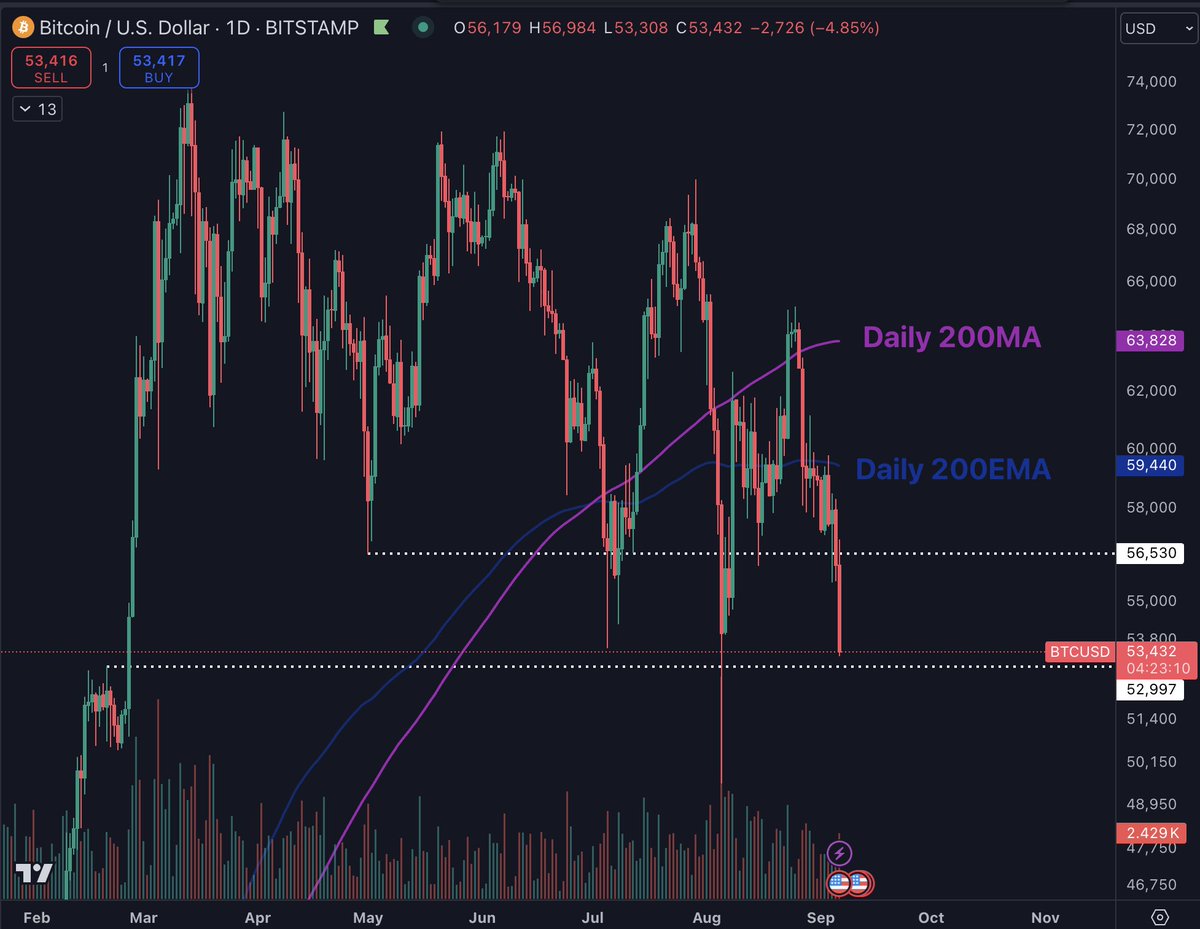
#Bitcoin Rejecting from the Daily 200EMA and trading back below the April "War FUD" lows.
$56.5K & the Daily 200EMA are key levels to retake for the bulls at some point to change thing around.
Next level up below is the $52K-53K level which price closed above previously.
Have a good weekend!
54
24
176
46,113


Chase Chappell retweeted

17 Aug 2024
Its go time! La Liga is back sign up now and start to win.

310
385
8,601
20,324,966


Chase Chappell retweeted

8 Sep 2024
Adam Back’s most bullish #Bitcoin quotes: A thread 🔥

90
217
1,422
238,386
Chase Chappell retweeted
5 Sep 2024
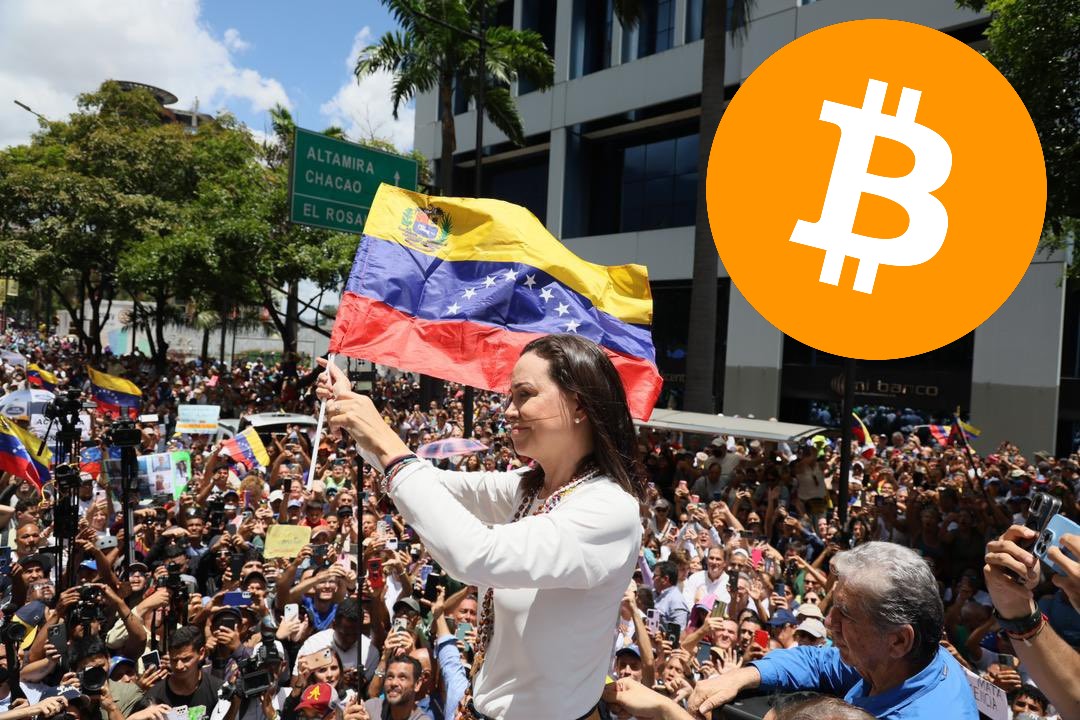
NEW: Leader of Venezuelan Opposition says "We are grateful for the lifeline that #Bitcoin provides and look forward to embracing it in a new, democratic Venezuela." 🇻🇪
166
584
3,288
159,722
Thank you
5 Sep 2024

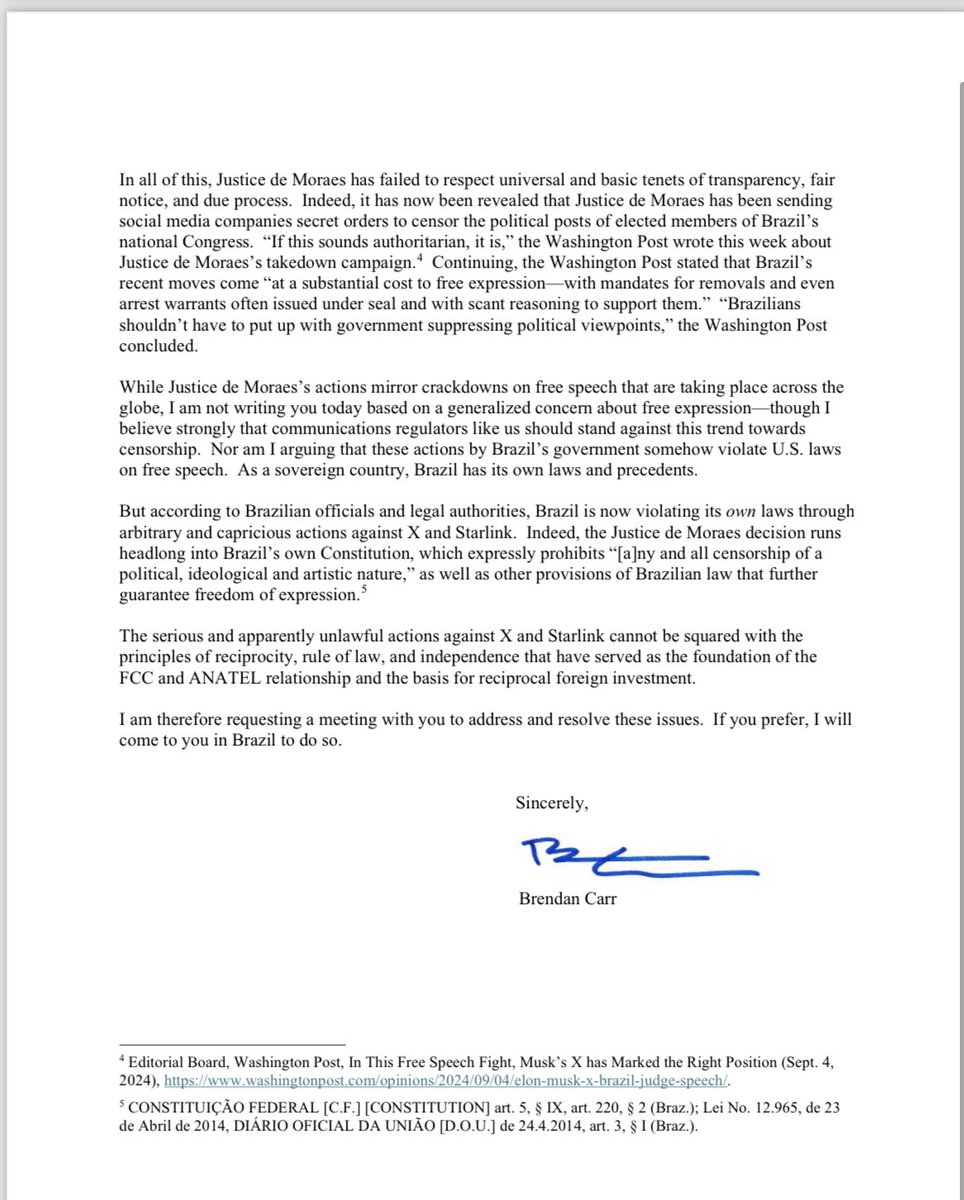
Brazil’s decisions to ban X and freeze Starlink assets are part of a growing crackdown on free speech. But they also violates Brazil’s own laws.
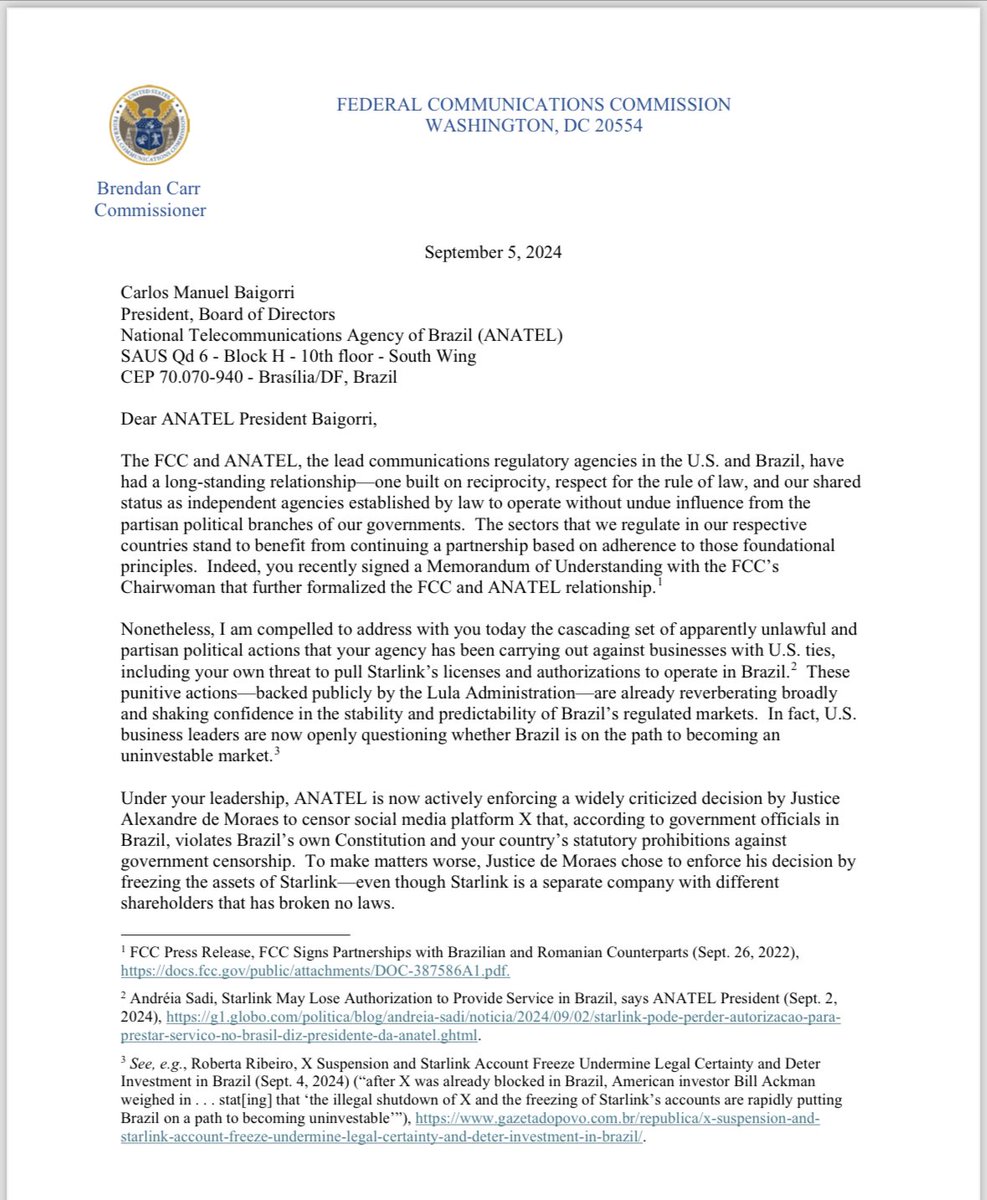
Today, I wrote my regulatory counterparts in Brazil to address these unlawful actions.
*****
Dear ANATEL President Baigorri,
The FCC and ANATEL, the lead communications regulatory agencies in the U.S. and Brazil, have had a long-standing relationship—one built on reciprocity, respect for the rule of law, and our shared status as independent agencies established by law to operate without undue influence from the partisan political branches of our governments.
The sectors we regulate stand to benefit from continuing a partnership based on adherence to those foundational principles. Indeed, you recently signed a Memorandum of Understanding with the FCC’s Chairwoman that further formalized the FCC and ANATEL relationship.
Nonetheless, I am compelled to address with you today the cascading set of apparently unlawful and partisan political actions that your agency has been carrying out against businesses with U.S. ties, including your own threat to pull Starlink’s licenses and authorizations to operate in Brazil.
These punitive actions—backed publicly by the Lula Administration—are already reverberating broadly and shaking confidence in the stability and predictability of Brazil’s regulated markets. In fact, U.S. business leaders are now openly questioning whether Brazil is on the path to becoming an uninvestable market.
ANATEL is now actively enforcing a widely criticized decision by Justice de Moraes to censor X that, according to government officials in Brazil, violates Brazil’s own Constitution and your country’s statutory prohibitions against government censorship.
To make matters worse, Justice de Moraes chose to enforce his decision by freezing the assets of Starlink—even though Starlink is a separate company with different shareholders that has broken no laws.
Justice de Moraes has failed to respect universal and basic tenets of transparency, fair notice, and due process.
Indeed, it has now been revealed that Justice de Moraes has been sending social media companies secret orders to censor the political posts of elected members of Brazil’s Congress.
“If this sounds authoritarian, it is,” the Washington Post wrote this week about Justice de Moraes’s takedown campaign. Continuing, the Washington Post stated that Brazil’s recent moves come “at a substantial cost to free expression—with mandates for removals and even arrest warrants often issued under seal and with scant reasoning to support them.”
“Brazilians shouldn’t have to put up with government suppressing political viewpoints,” it concluded.
While Justice de Moraes’s actions mirror crackdowns on free speech that are taking place across the globe, I am not writing you today based on a generalized concern about free expression—though I believe strongly that communications regulators like us should stand against this trend towards censorship. Nor am I arguing that these actions by Brazil’s government somehow violate U.S. laws on free speech …
But according to Brazilian officials and legal authorities, Brazil is now violating its own laws through arbitrary and capricious actions against X and Starlink. Indeed, the Justice de Moraes decision runs headlong into Brazil’s own Constitution, which expressly prohibits “[a]ny and all censorship of a political, ideological and artistic nature,” as well as other provisions of Brazilian law that further guarantee freedom of expression.
The serious and apparently unlawful actions against X and Starlink cannot be squared with the principles of reciprocity, rule of law, and independence that have served as the foundation of the FCC and ANATEL relationship and the basis for reciprocal foreign investment.
I am therefore requesting a meeting with you to address and resolve these issues. If you prefer, I will come to you in Brazil to do so.
1,475
8,958
51,596
5,346,553
Chase Chappell retweeted

13 Aug 2024
40 million users and counting — that’s a milestone worth celebrating! 🎉 Join the excitement for a chance to win up to 30,040 USDT in rewards, unlock exclusive VIP perks, and enjoy a boosted Bybit Card cashback. 🌟💰
#Bybit #BybitMilestone #40MillionUsers

333
245
2,715
22,075,465
Chase Chappell retweeted

6 Sep 2024
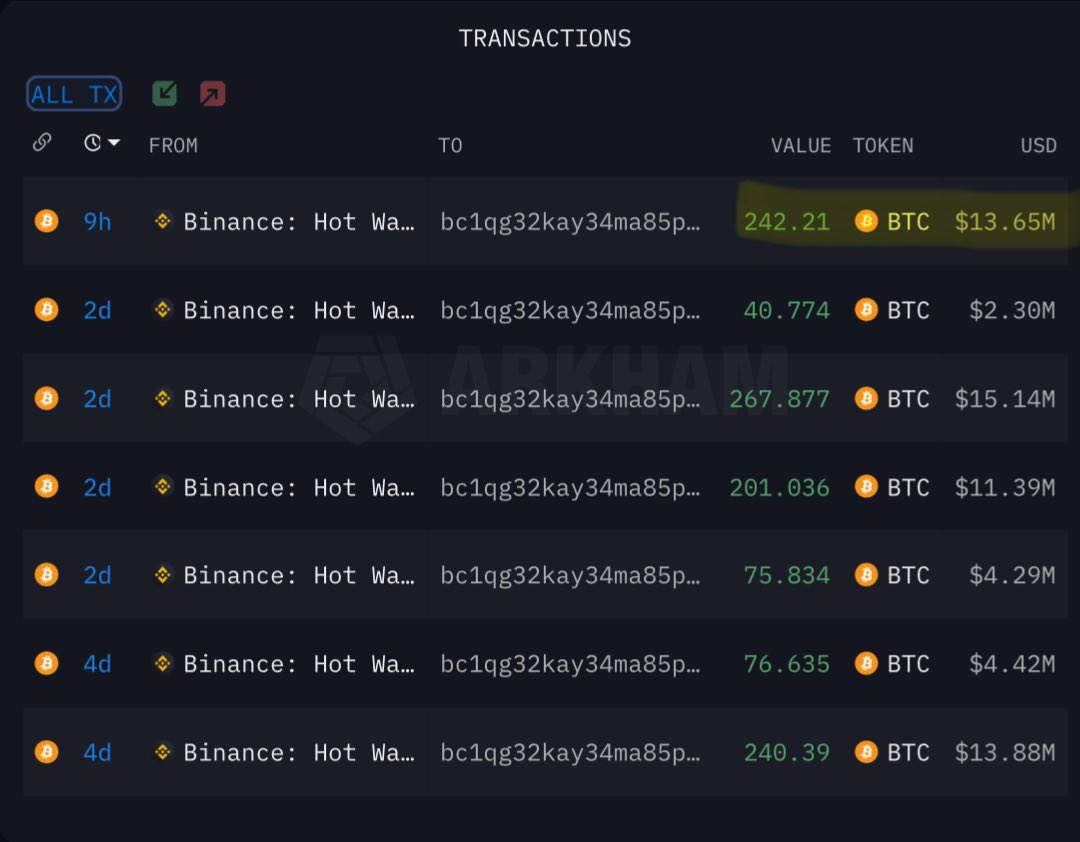
Someone just bought $13.6 million worth of #Bitcoin
Retail is scared; whales continue to buy👀
238
335
1,973
109,100
Chase Chappell retweeted
4 Sep 2024
🇺🇸 $1.4 trillion Morgan Stanley just disclosed owning 6% of its Institutional Fund portfolio in #Bitcoin instruments.
WILD TIMES 🤯

156
604
3,533
158,939
Chase Chappell retweeted

6 Sep 2024
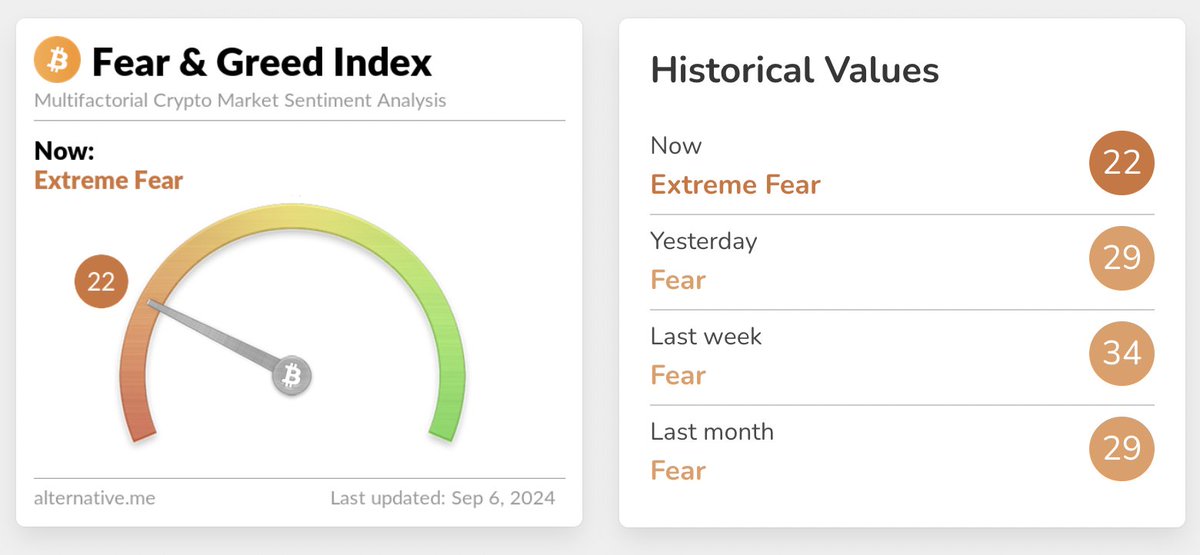
Crypto investors are very scared 😳
432
275
2,142
171,393