Board Member @SephardicBrothe | חָכָֿם הַדּוֹר | Opinions are my own

Joined July 2017
2,478 Photos and videos
Pinned Tweet
"I have no enemies, O God, but if I am to have an enemy, Let his strength be equal to mine, That truth alone may be the victor." - Gibran Khalil Gibran, Sand and Foam.
17
38
344
191,199
It's kinda like Bananas and Rice.
Ilhan Omar: "Palestinians do exist. They are a real people. They are ethnic to a land in which they belong."
2
46
1,806
Isaac Choua retweeted
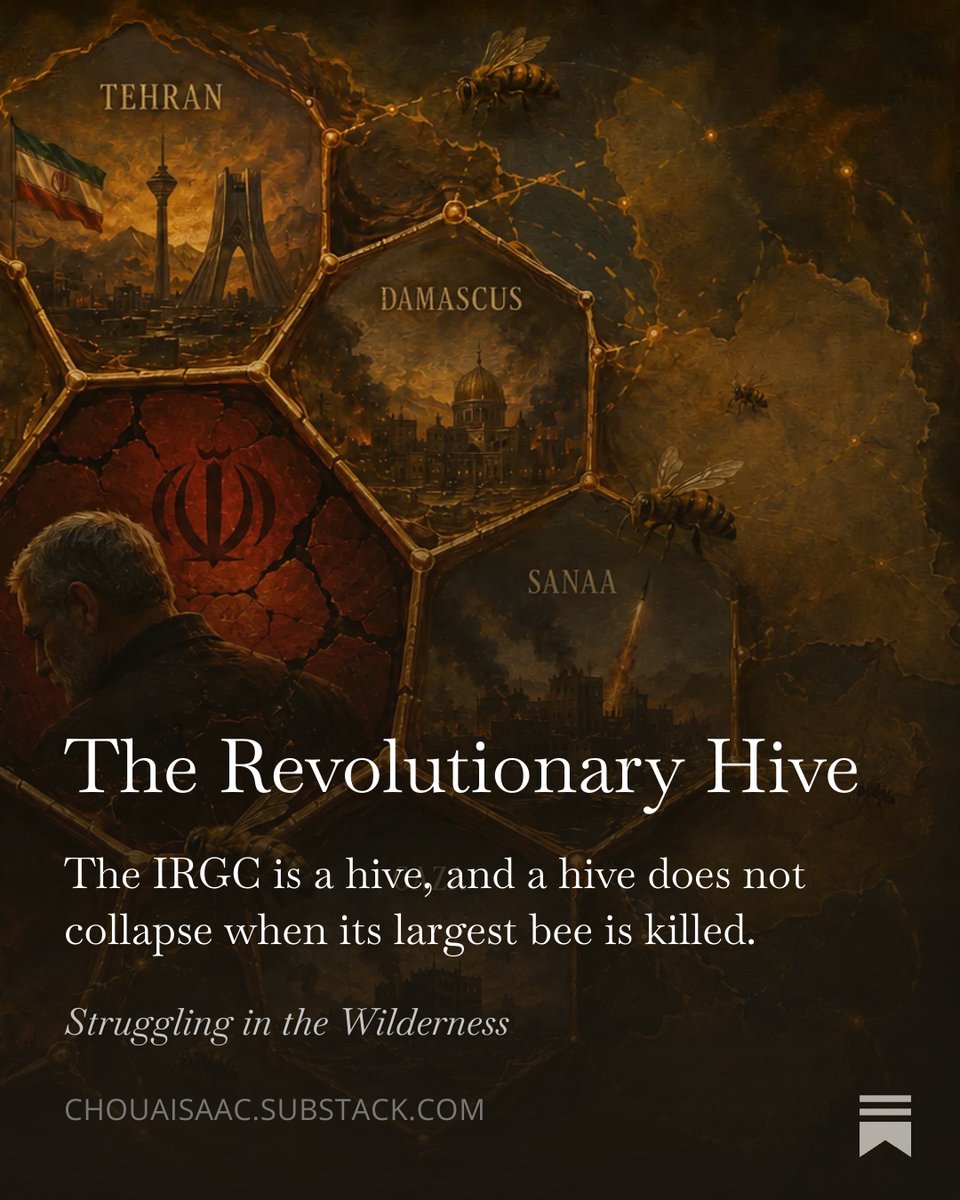
🔗⬇️ When the U.S. and Israel killed Ali Khamenei in February 2026, the regime named a new Supreme Leader within ten days and kept firing missiles for five more weeks. A hive does not collapse when its largest bee is killed.
3
5
18
4,739
Isaac Choua retweeted
Except for lifting this is my 19-month old daughter’s schedule
My current lifemaxxing stack: - 4:30am wake up - Read classic books - 3 hours creative work before 8am - Lift/run 6x/week - Eat single ingredient foods - Present time with fam/friends - 20-min evening sauna - Wild Roman skincare routine - 8:30pm bedtime Wouldn't change a thing.
50
264
13,104
949,821
Isaac Choua retweeted
24 Sep 2024
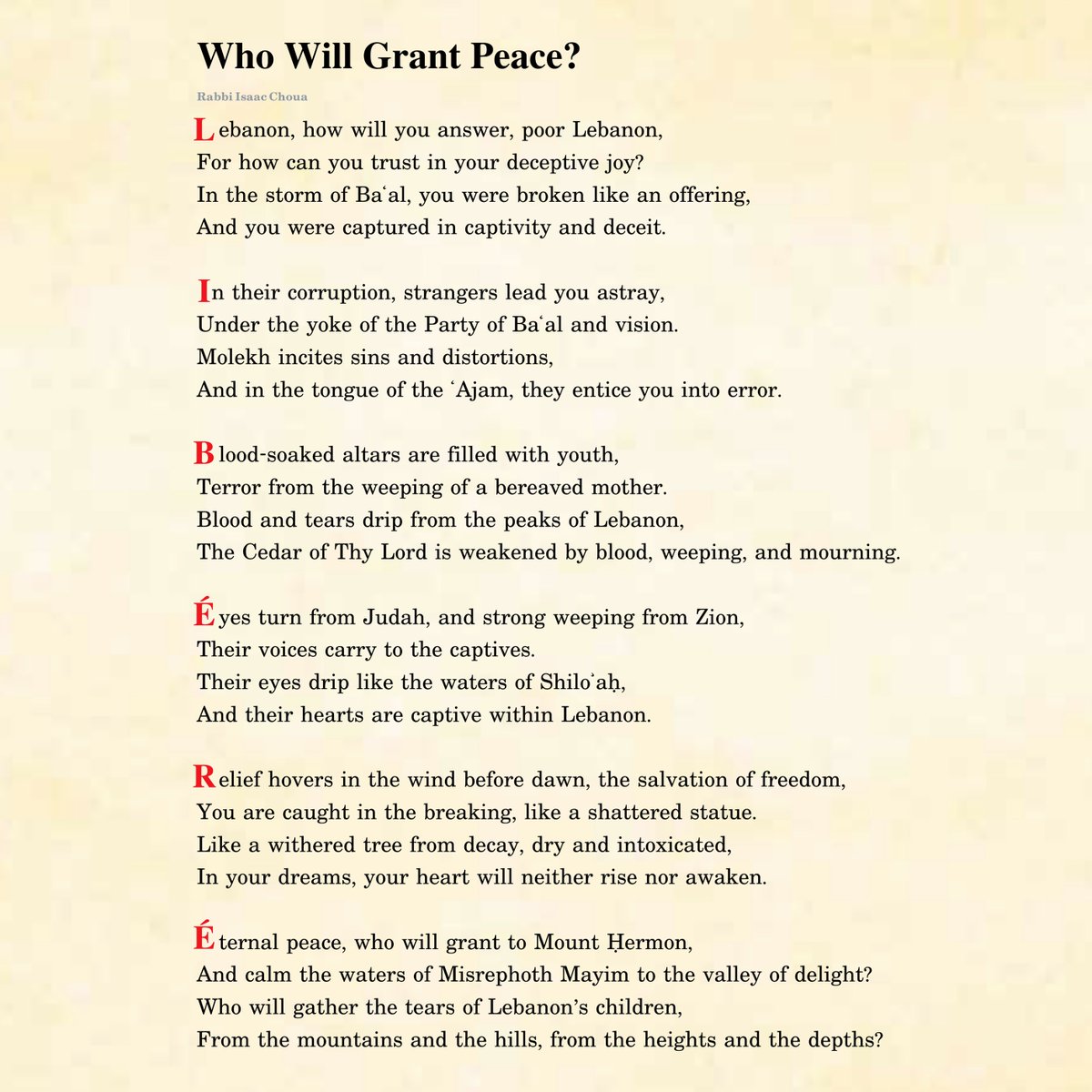
When I read the works of Jewish poets throughout the ages yearning to return to Israel, I can’t help but think of Lebanon. My parents and ancestors long for a Lebanon that thrives. The connection between Jews and Lebanon runs deep, extending beyond just my family and community. Our histories and hopes are intertwined. Because, in many ways, we are the same. 🤲🏽 Libéré Lebanon. 🇱🇧 I wrote the poem below in Hebrew and transcribed it into Libonʾa (Phoenician) script, which closely resembles Kethaḇ ʿIḇri (Paleo-Hebrew). 🗒️ Below is the (poor) English translation. The next post will have the original.
18
53
273
89,853
What it feels like promoting my Substack articles on here.
🔗⬇️ When the U.S. and Israel killed Ali Khamenei in February 2026, the regime named a new Supreme Leader within ten days and kept firing missiles for five more weeks. A hive does not collapse when its largest bee is killed.
5
1
27
3,381
🔗⬇️ When the U.S. and Israel killed Ali Khamenei in February 2026, the regime named a new Supreme Leader within ten days and kept firing missiles for five more weeks. A hive does not collapse when its largest bee is killed.
3
5
18
4,739
🔗 Published on my Substack: The Revolutionary Hive open.substack.com/pub/chouai…

5
634
Isaac Choua retweeted
The Joint Statement between US, Lebanon and Israel The United States convened the fourth high-level trilateral meeting between Israeli and Lebanese representatives on June 2 and 3, 2026. As a result of the U.S. led negotiations, Israel and Lebanon agreed to the implementation of a ceasefire. The ceasefire is contingent on a complete cessation of Hizbollah fire and the evacuation of all Hizbollah operatives from the South Litani Sector. The two sides agreed with the guidance of the United States to swiftly advance the creation of pilot zones in which the Lebanese Armed Forces will take exclusive control of the territory to the exclusion of all non-state actors. These steps will enable progress towards a comprehensive peace and security agreement. All countries reaffirmed that the future of the relationship between Israel and Lebanon must be decided by the two sovereign governments. They rejected any attempt, by any state or non-state actor, to hold Lebanon’s future hostage. Israel and Lebanon reaffirmed that they have no hostile intent toward one another and committed to continuing direct negotiations to build confidence, resolve all outstanding issues, and work toward a comprehensive agreement between the two countries. The delegations discussed a security framework, building on discussions at the Pentagon on May 29, aimed at sustainably ensuring the sovereignty, security and territorial integrity of Lebanon and Israel. This includes the dismantlement of non-state armed groups, and the prevention of their re-emergence. All parties condemned Iran’s attacks on countries in the region, and ongoing activities that undermine stability throughout the Middle East, whether through support for proxies and all other acts of aggression. The United States reiterated its ongoing support for both governments to exercise their sovereignty. It reaffirmed that any agreement to cease hostilities must be reached directly between the two governments, brokered by the United States, and not through any separate track. The United States underscored its intent to support the Lebanese Armed Forces, with the aim of improving their capacity and enabling the effective exercise of sovereignty throughout Lebanese territory. It emphasized Secretary Rubio’s June 2 statement that Hizbollah is not just an enemy of Israel and an enemy of America, but that it is an enemy of Lebanon. Israel reaffirmed that its security and respect for its territorial integrity can only be achieved through the disarmament of Hizbollah and the dismantlement of its infrastructure throughout Lebanon. It emphasized the importance of direct negotiations under the leadership of the United States to resolve all outstanding issues and achieve durable peace and security. Lebanon reaffirmed the necessity for mutual respect of internationally recognized borders, the urgent need for full implementation of the cessation of hostilities, underscoring the principles of territorial integrity and full state sovereignty. Lebanon committed to enhancing the capacity of the Lebanese Armed Forces, with U.S. support, to assert effective control throughout the country. The two parties agreed to reconvene the political and security tracks the week of June 22, with a view toward reaching a comprehensive agreement. The United States agreed to continue facilitating communication between the parties in the interim.
2
4
924
Isaac Choua retweeted
20 Aug 2025
🧵 🔗 ⬇️ Shelosh haSheḇuʾoth ('Three Oaths')
3
2
29
2,007
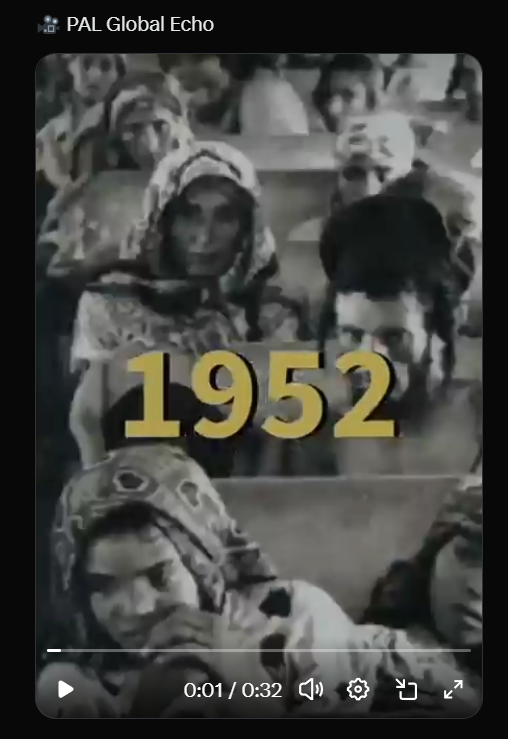
What does 1951 have to do with the Farhud, which took place in 1941? The Farhud was a Nazi-inspired massacre, encouraged in part by Haj Amin al-Husseini, the exiled Grand Mufti of Jerusalem. Also, why commemorate it today rather than closer to Shaḇuʿoth, when the Farhud actually took place? Aren’t you Jewish? Don’t we mark these things by the Hebrew date, as a hazkara, (what you might call a yahrzeit in your Judeo-German tradition)? Don't politicize our history. And shame the victims. Using Iraqi Jewish suffering as a prop for anti-Zionist theater. For those who want to learn more about the Farhud and the Bombings see the 🧵
The Farhud at 85: Honoring the Victims, Preserving the Memory Zionists have a long, tragic record of provoking antisemitism inside Jewish communities to pressure Jews into immigrating to Israel. Nothing is more dangerous than those who create the crisis and then present themselves as the solution. And now, newly resurfaced evidence exposes one of the most painful chapters of that pattern. On January 4, 1951, a massive explosion ripped through the Masouda Shem-Tov synagogue in the heart of Baghdad. Hundreds of Jews fled in terror, and whispers immediately spread through the community, including from Iraqi officials at the time, that Zionist operatives had thrown the grenade to accelerate Jewish emigration. A new Haaretz report and a recent documentary reveal buried testimonies, forgotten archives, and decades of unanswered questions: • Israel denied involvement. • Iraqi authorities arrested Zionist activists. • Witnesses said the Zionist underground was responsible. • Internal proposals from Zionist agencies spoke openly of using “scare grenades” in Jewish areas to force the issue. What happened next is undeniable: Within months, over 80,000 Jews renounced their Iraqi citizenship and the ancient community was emptied almost overnight. Seven decades later, the tactic persists. Every critic of Israel, including our Mayor Mamdani, is branded an antisemite, as Zionists continue using Jews as human shields for their political agenda. The truth is finally resurfacing. And the pattern is too consistent to ignore. Source: @authenttorahjew @TorahJudaism
1
7
38
2,368

Replying to @ChouaIsaac
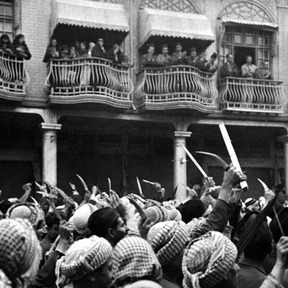
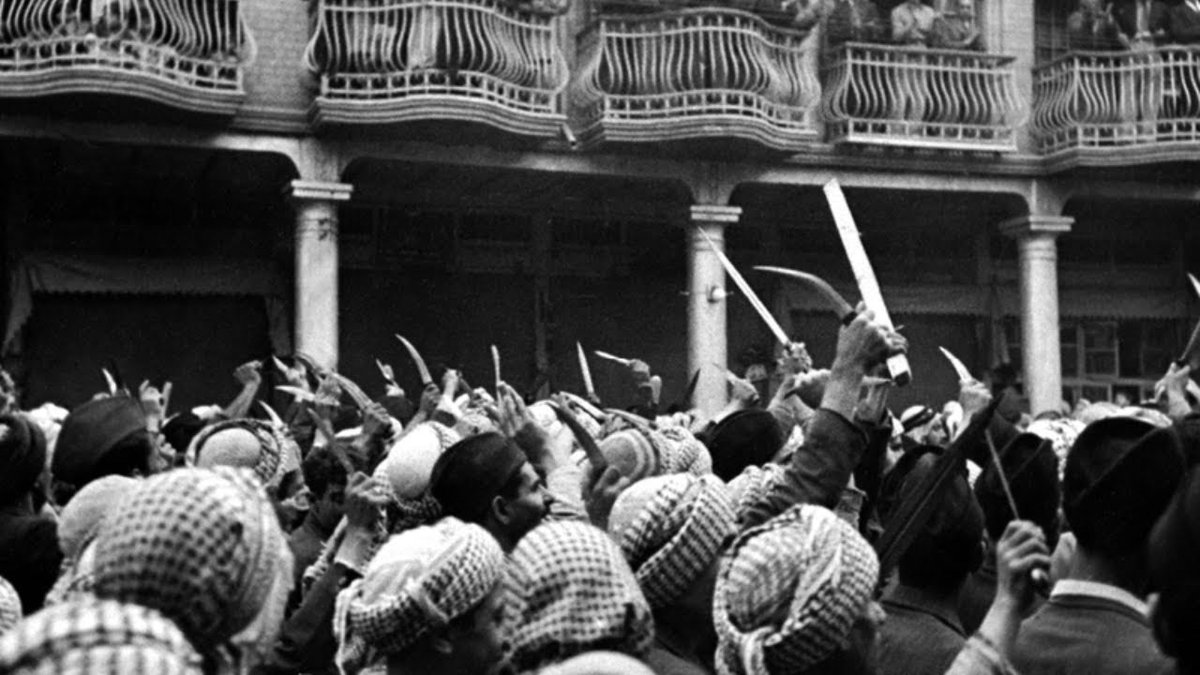
🔥 The Farhud: Iraq’s Breaking Point The rupture came on June 1 and 2, 1941. It was the Jewish Holiday of Shaḇuʿoth. The Farhud. At that moment, Jews made up nearly a quarter of Baghdad. Doctors, tailors, lawyers, musicians. Arabic-speaking. Fully Iraqi, until the state turned its back and the mob stepped in. The Farhud wasn’t a riot. It was a massacre. It erupted after a failed pro-Nazi coup by Rashid Ali al-Gaylani, backed by Haj Amin al-Husseini, the Mufti of Jerusalem. When the British crushed the rebellion, a power vacuum opened. For 48 hours, Jews became the scapegoats of nationalist fury: ⚫️ Homes were looted ⚫️Synagogues desecrated ⚫️Women raped in broad daylight ⚫️Infants thrown from balconies ⚫️Bodies mutilated and dragged through the streets The official death toll: 179. Other estimates reach 600 and over 2,000 were injured. Property losses totaled over 3 million dinars. The police vanished. The army stood by. Neighbors joined in. Others risked their lives to save. The violence was concentrated in identifiable Jewish neighborhoods, not in mixed districts like Bustan al-Khass and Battawiyyin, which became sites of refuge. For Iraqi Jews, the Farhud was a revelation. Citizenship meant nothing. The constitution meant nothing. Safety was an illusion. Shlaim calls it “a one-off event” and declared for the community “an aberration.” His mother didn’t. “She and her Jewish school friends began to wear abayas, the loose black overgarment worn by Muslim women, in order to conceal their Jewish identity. They also imitated the dialect of Iraqi Muslims, fearing their very voices would give them away.” That’s not coexistence. That’s survival. From 1942 to 1946, things looked calm in Iraq. Shops reopened. Schools filled. Kuwaiti Brothers composed music again. But it wasn’t restoration. It was recovery under duress. The wound never closed. To speak of Arab-Jewish harmony without naming the Farhud is malpractice. To remember neighbors without remembering the graves is not nostalgia. It is delusion.
1
1
4
573

Replying to @ChouaIsaac
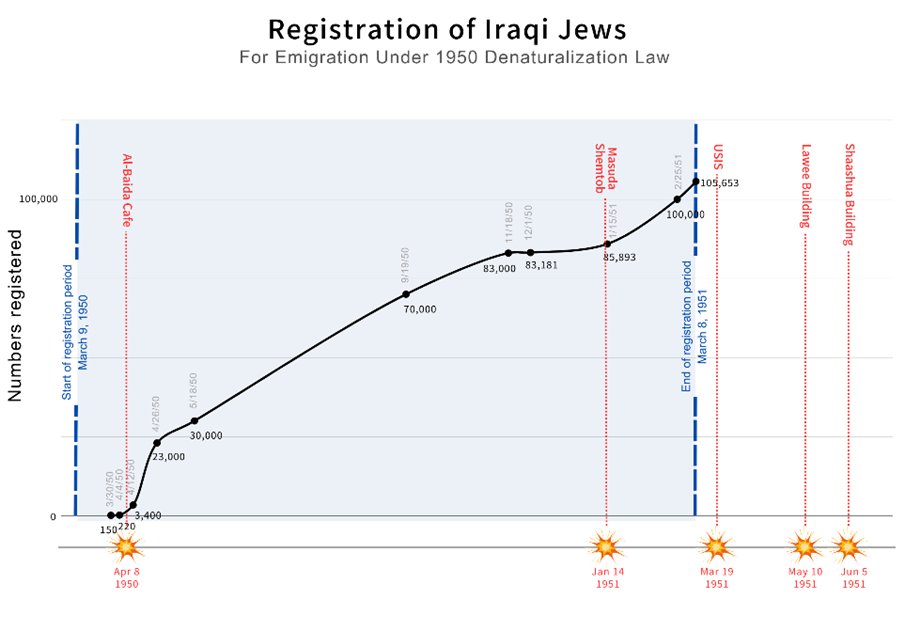
💣 Manufactured Memory: The Bombings Shlaim’s memoir pivots on five bombs. They detonate midway through the narrative like violent punctuation marks: dramatic, symbolic, and, according to him, decisive. In his telling, these attacks, allegedly carried out by Zionist agents, panicked Iraq’s Jews into fleeing a country they otherwise would have stayed in. It’s a cinematic thesis. It’s also historically incoherent. Here’s what we know: between April 1950 and June 1951, five bombs exploded near Jewish sites in Baghdad: 💣April 8, 1950: A grenade near the al-Baida Café, frequented by Jews. (Shlaim's own family had already decided to leave and emigrated in July 1950.) 💣 January 14, 1951: Explosion outside the Masuda Shemtob Synagogue 💣 March 19, 1951: Bombing at the U.S. Information Center 💣 May 10, 1951: Blast at the Lawee automobile dealership 💣 June 5, 1951: Bomb outside the home of Stanley Shaashua Shlaim attributes bombs 2 through 5 to Zionist agents, and sometimes all five. He frames them as the primary driver of the mass exodus. The problem? The timeline doesn’t support it. March 9, 1950: Iraq passes the Denaturalization Law. By January 1951, before the second bomb: 86,000 Jews had already registered to leave. March 8, 1951: The registration deadline closes. By then, over 90% of all emigrants had already committed. Bombs 2 through 5 didn’t trigger the exodus. They followed it. The only bombing early enough to influence decision-making was the first, in April 1950. And that’s the one Shlaim concedes wasn’t a Zionist. He attributes it to Arab nationalists from the Istiqlāl Party, citing a confession from one of the perpetrators. The Istiqlāl Party, formed in the 1930s, was a staunchly anti-British and anti-monarchist pan-Arab nationalist movement that viewed Zionism as a colonial wedge in the Arab world. Rooted in the ideology of Arab unity and independence, they saw Iraq’s Jews, especially after Israel’s founding, as potential sympathizers or agents of Zionism. Their motive: intimidate the Jewish community, provoke fear, and assert nationalist dominance amid rising regional tension. Shlaim dismisses this direct confession as “flimsy.” This, from a man whose own thesis rests on a contradictory oral account and a single contested page from an Iraqi police file. But Shlaim’s case doesn’t just rely on shaky inference. It hinges on chronological manipulation. Take Bomb #3, the U.S. Information Center. Every credible historian dates it to March 19, 1951. British reports confirm it. Yet Shlaim insists it happened a year earlier, March 19, 1950. He repeats that date and builds his narrative around it. It’s not a typo. It’s a tactic. Repositioning the bomb to 1950 places it just after the Denaturalization Law, making it seem like a trigger. But in truth, it occurred after registration had closed, after most Jews had sold their homes, forfeited their citizenship, and waited for departure. Without this inversion, his thesis collapses. He uses the same trick again, claiming the registration deadline was extended to July. But as historians like Moshe Gat and Esther Meir-Glitzenstein confirm, it closed on March 8. Shlaim provides no citation because none exists. To make his story work, Shlaim rewrites time: ⚫️ One bombing is moved back a year ⚫️The registration deadline is pushed forward four months ⚫️And what was an aftershock becomes the cause This isn’t a historian’s error. It’s narrative engineering. Shlaim blames the Zionist underground for Bombs 2 to 5. His evidence: ⚫️A single page from an Iraqi police file, likely post-1958 coup ⚫️A confession by Shalom Salah under brutal torture ⚫️ Oral accounts from Yaakov Karkoukli, who kept changing his story 💣 On Bomb #1: Even Shlaim concedes it was carried out by the Istiqlāl Party. Yet despite a direct and voluntary confession, published by journalist Shamil Abdul Qadir, he still calls the evidence “flimsy.” 💣 On Bomb #2: Initially, Karkoukli tells Shlaim the bomber was a petty criminal (Salih al-Haidari) acting out of personal revenge. Months later, he changes the story: the man was hired by a bribed police officer, who was allegedly paid by the Zionist underground. Then, in a 2021 interview, Karkoukli changes the story again: new officer, no Zionist payment. Shlaim doesn’t question the contradictions. He selects the version that fits his theory. But the numbers don’t. ⚫️ Before Bomb #2 (Jan 1951): approximately 86,000 Jews had registered ⚫️ After: only about 20,000 more, mostly relatives of those already gone ⚫️ After March 8, 1951: no legal registration possible So how could Bombs 3 to 5, which came after the deadline, scare Jews into leaving? Even the British embassy speculated that the final bomb (June 1951) might have been intended to pressure Israel, not frighten Jews. Israel was slow to absorb Iraqi refugees. Conditions in transit camps, especially Cyprus and Iran, were dire. If anything, the final bombs may have been desperate attempts to speed up absorption, free jailed comrades, or discredit rivals - not to influence decisions that had already been made. None of this proves Zionist guilt. But it dismantles Shlaim’s chain of causality.
1
1
3
490
Isaac Choua retweeted
same stuff, different feeling 😅
8
183
2,588
The Touch Bar probably failed because every app had to manually retrofit it for workflows that kept changing. With AI, that becomes more interesting. It could generate the right controls in context like, permissions, actions, logos, labels, whatever the moment needs. It should work like a Coca-Cola Freestyle machine. Power users reveal the weird combinations people actually want, and over time the best patterns become standard for casual users who never think about it.
May 31
The touchbar was too early and didn't deserve to die
2
6
1,691
Honestly, I didn't know Apple discontinued this item.
2
412
Isaac Choua retweeted
Now we know why the Islamic Republic cut the internet. Millions marched demanding an end to the Islamic Republic.

390
9,939
26,856
268,142
Isaac Choua retweeted
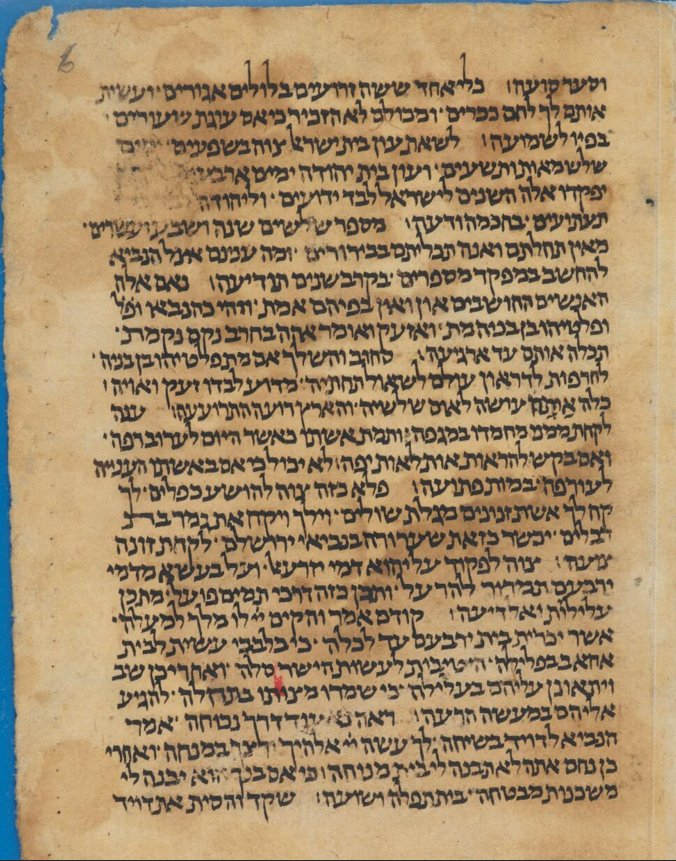
"אחד המסמכים המעניינים ביותר בגניזת קהיר" כתב סלומון שכטר ב-1901 אודות מספר דפים, כתובים בכתב משובח ונאה. תוכנם נראה איכותי, כתוב כשיר ארוך, אך מפתיע מאוד. השיר מפרט בחריפות שורת סתירות, כפילויות, טעויות ולקונות שנמצאו בתנ"ך. למי יש אינטרס לכתוב דבר כזה? ועוד לשים אותו בגניזה? לא רק זה, הפיוט גם לועג לקוראי התורה המשתמשים בטעמיה וניקודה. "עוֹגְבֵי הַטְּעָמִים, וּפוֹרְטִים בַּשִּׁיר כְּעַל יַיִן" הוא מכנה אותם, "יִשְׁבְּרוּ קוֹלָם בְּ"אֲחִי תּוּבַל קַיִן" משחיז כנגדם, "כְּדָוִיד חָשְׁבוּ לָהֶם חָכְמָה, וְלֵב אַיִן" ולבסוף מקנח: "וְלֹא יוֹסִיפוּ לְגָבְהָה". בכשרון מרהיב, מחבר הפיוט מונה אחת לאחת סתירות חשבונאיות, כרונולוגיות ואפילו בעיות מוסריות שעולות מן התנ"ך. הוא תוהה על הושע הנביא שלוקח אשת זנונים, על אלוהים שמשנה את דעתו לגבי בלעם, ועל אשתו של יחזקאל הנביא שמתה רק כדי להעביר נקודה. התעלומה מי כתב יצירה כזו ומה מטרתה? סולומון שכטר שחשף אותה, הציע שאולי מדובר בכופר היהודי הראשון שידוע לנו על חיבור שלו: חיוי הבלכי, שחי סביב שנת 875 לספירה. חיוי הנ"ל, שמוצאו מו העיר בלך (כיום באפגניסטן), כתב ספר שלם ובו 200 שאלות על התנ"ך והיהדות. הוא הושפע כנראה מתנועות מוסלמיות רציונליסטיות כמו המועתזילה, וכן מתנועות התנגדות פרסיות. אך מדוע השאלות הללו הגיעו לגניזה? מספר שנים אחרי החשיפה של שכטר, החלו חוקרים לערער על הצעתו. בפיוט נמצאו חלקים ארוכים שמשבחים ומאדירים את ישיבות בבל וארץ ישראל. המחבר כותב שבגיל 18 הוא נסע מערבה כדי ללמוד תורה בשקדנות. הפתרון מסתבר שהחיבור אינו אלא פולמוס אנטי-קראי. באמצעות ההצגה החריפה של הסתירות והקשיים במקרא, הוא מאתגר את הכופרים בתורה שבעל פה להסביר אותם. באופן אירוני, ככל שהקושי בהבנת המקרא גדל, כך מתחזקת התלות במסורת הרבנית. והפיוט הזה אינו אלא מלאכת מחשבת שדוחקת את הקורא לזרועות המסורת. ייתכן בהחלט שמחבר הפיוט שילב שאלות שנמצאו אצל חיוי הבלכי הכופר. אבל הוא השתמש בהן לצורך הפולמוס הפנים-יהודי בלבד, ולא כהתקפה אמיתית על המקרא עצמו.
10
5
121
4,770
Isaac Choua retweeted
21 Aug 2025
Jewish identity, particularly in exile, is best understood as a multilayered coat. It has been tailored over millennia to adapt to the climates, both literal and metaphorical, of our various diasporas. These adaptations were not superficial. They were necessary for both survival and continuity, physical and cultural. Whether it was the thawb in Yemen or the telogreika in Eastern Europe, our outward forms changed to match our surroundings. But beneath those layers, the core of Jewishness our values, halakhic structures, memory, and covenant remained intact. That essence is what sustained us, the notion of being an ʿAm, a nation, bound not by ephemeral culture but by enduring obligations, memory, and law. After 1948, the Jewish people began weaving something new, a national tapestry in Israel and across what I would call the shifted diaspora. That process was not a rupture. It was a continuation. We did not erase the identities shaped by exile. We began integrating them. Israeli culture did not invent Jewishness, or 'Israeliness.' It created a space for the reassembly of a dispersed nation. This is why critiques of Israeli identity as "made up" miss the deeper point. What defines us is not language or food or dress, though those matter. What defines us is a shared history of covenant, a legal and liturgical system held across continents, and a national memory that refused to dissolve. That is what ʿAm means. It is not a poetic metaphor. It is a legal and historical reality. Our cohesion was not built in salons or by modern ideologues. It was carried in our courts, in our fasts, and in our longing for return. So no, Yemeni and Ashkenazi Jews do not "only share a religion." We share a civilizational memory, rooted in the same soil, even if we spent centuries scattered across different winds.
21 Aug 2025
Replying to @EylonALevy
Isn’t it interesting how Yemenite Jews and Ashkenazi Jews have distinct cultural and heritage practices? It’s almost as if they share nothing more than religion.
15
49
264
15,077
I guess I'm not getting invited to these events [Arab American or Jewish American] anymore 😅
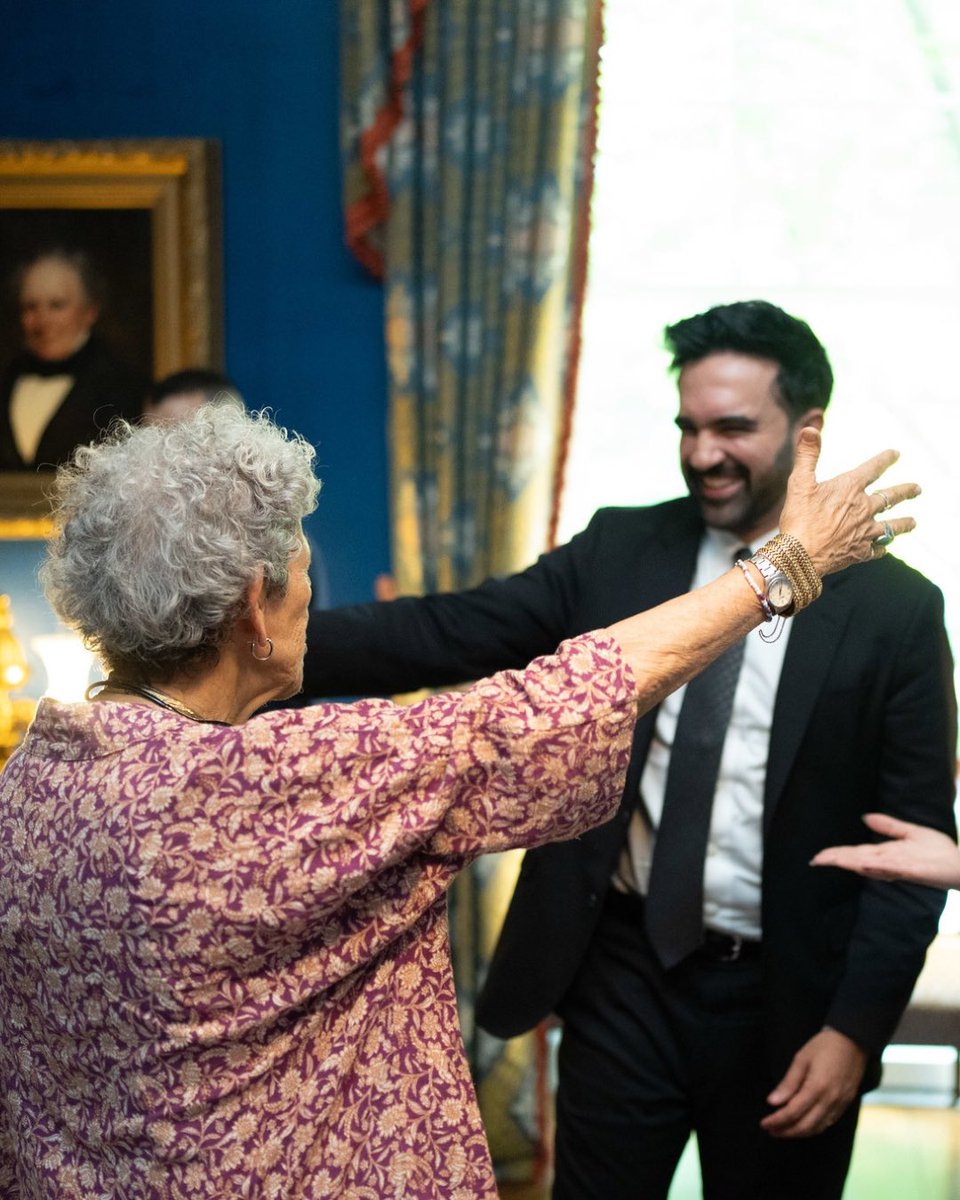
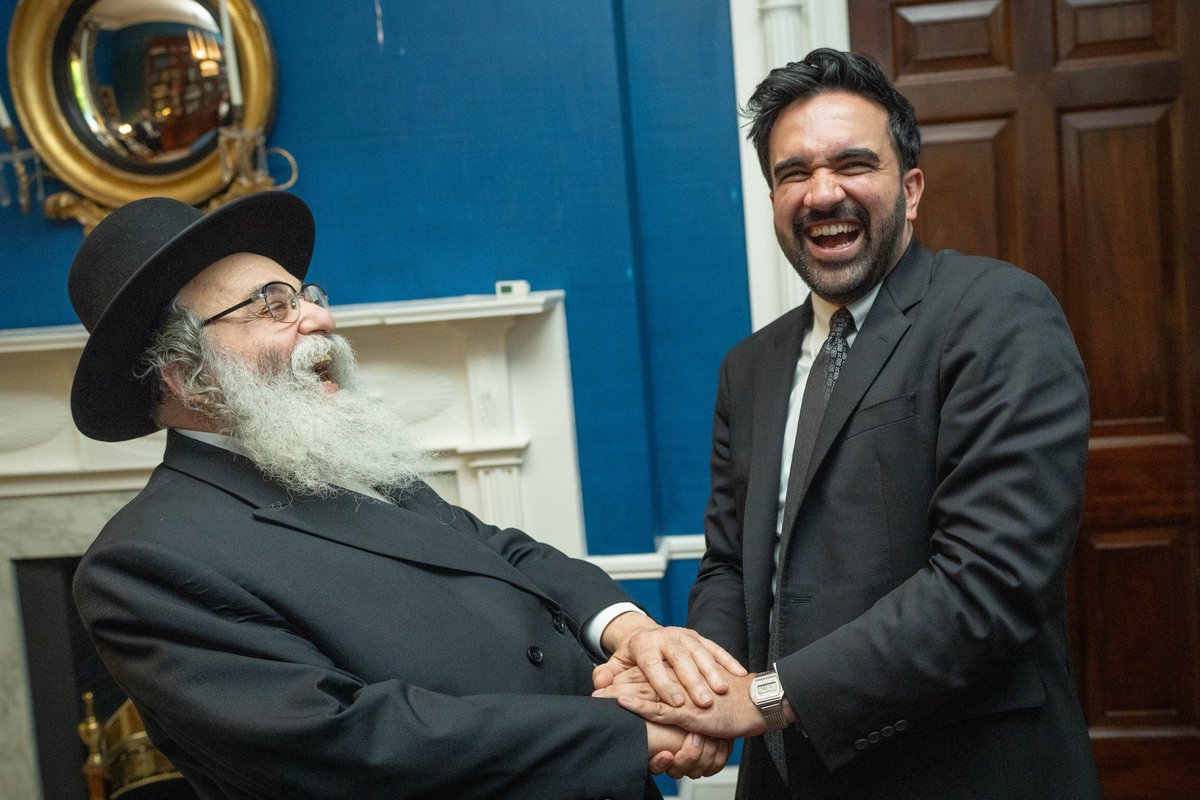
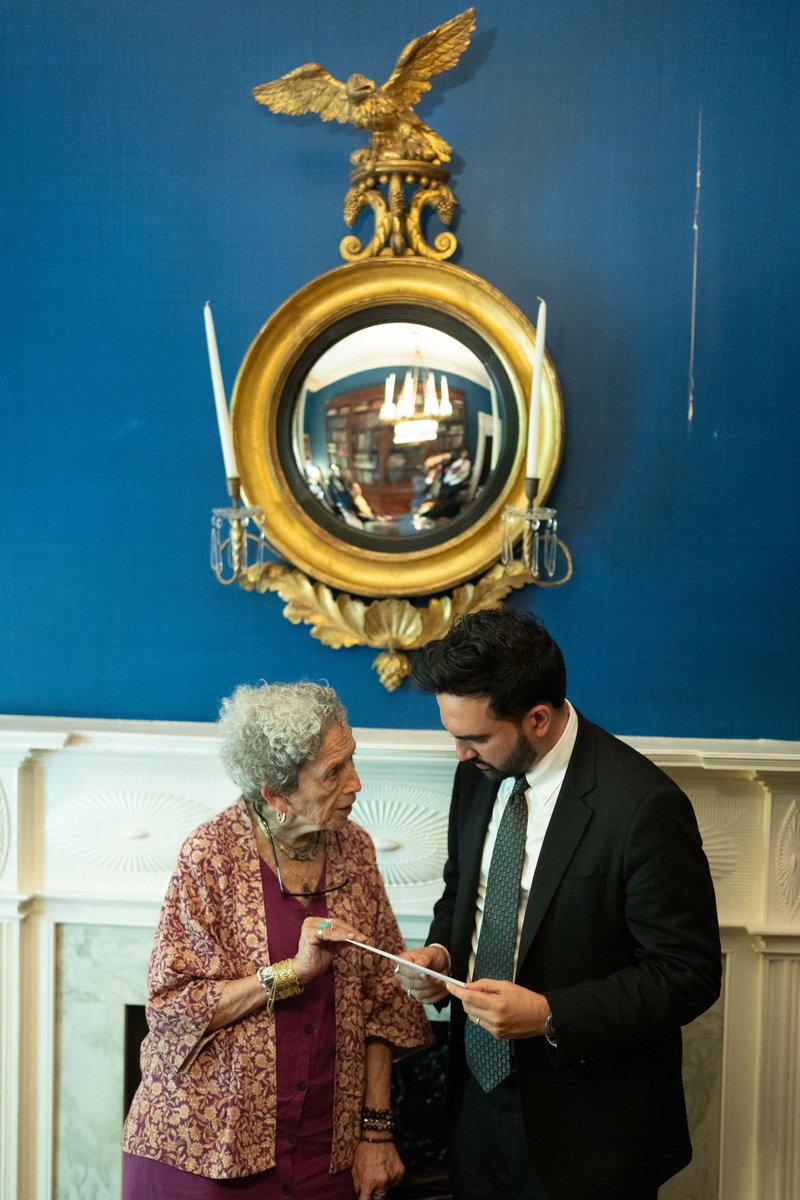
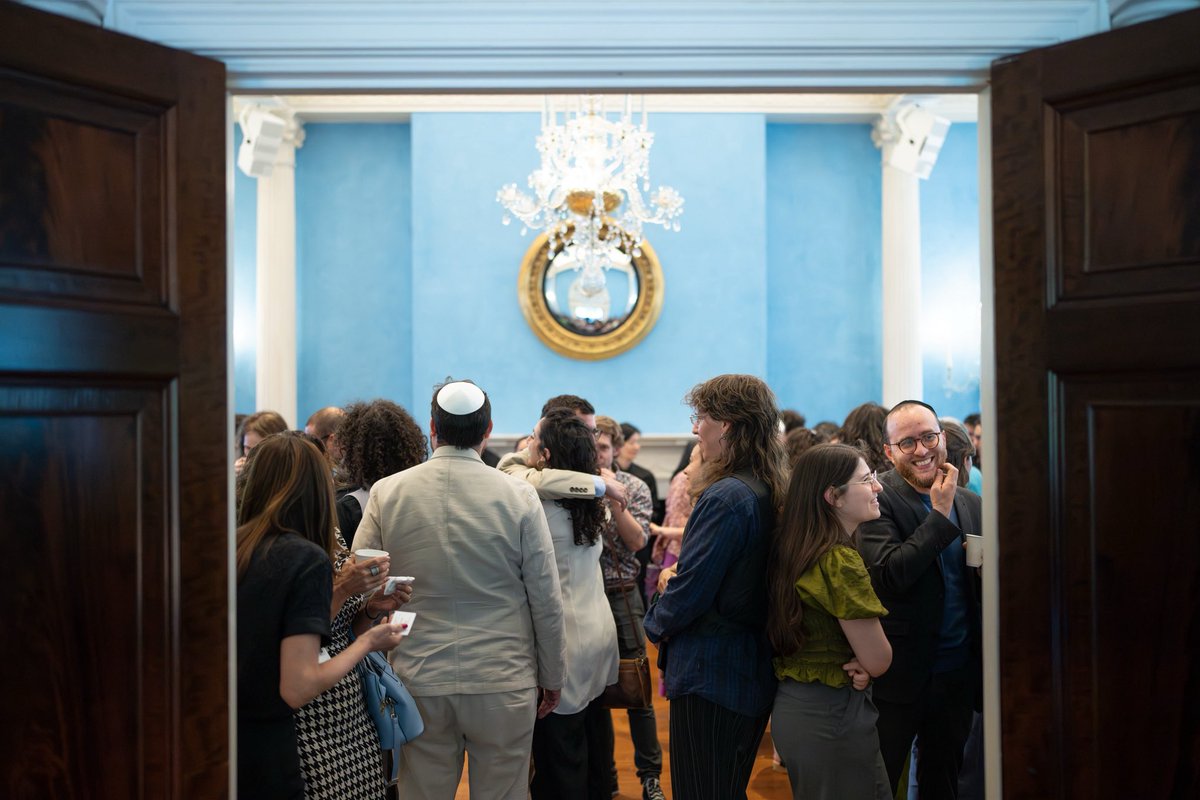
I was thrilled to honor the legendary Ruth Messinger at our pre-Shavuot celebration at Gracie Mansion for Jewish American Heritage Month. Jewish Americans have long been trailblazers for justice, from labor leaders like Clara Lemlich and Rose Schneiderman to Civil Rights leaders like Henry Moskowitz, Rabbi Heschel, and Marjorie G. Wyler — Ruth Messinger’s mother — who marched from Selma alongside Dr. King. In order to ensure that Jewish communities can continue to thrive here, my administration is increasing hate crime prevention funding by 800% — because New York must be a place where everyone can live safely and freely. Whether you are about to finish counting the Omer or are looking forward to cheesecake, Chag Sameach and happy Jewish American Heritage Month!
3
2
16
2,420
Isaac Choua retweeted
May 16
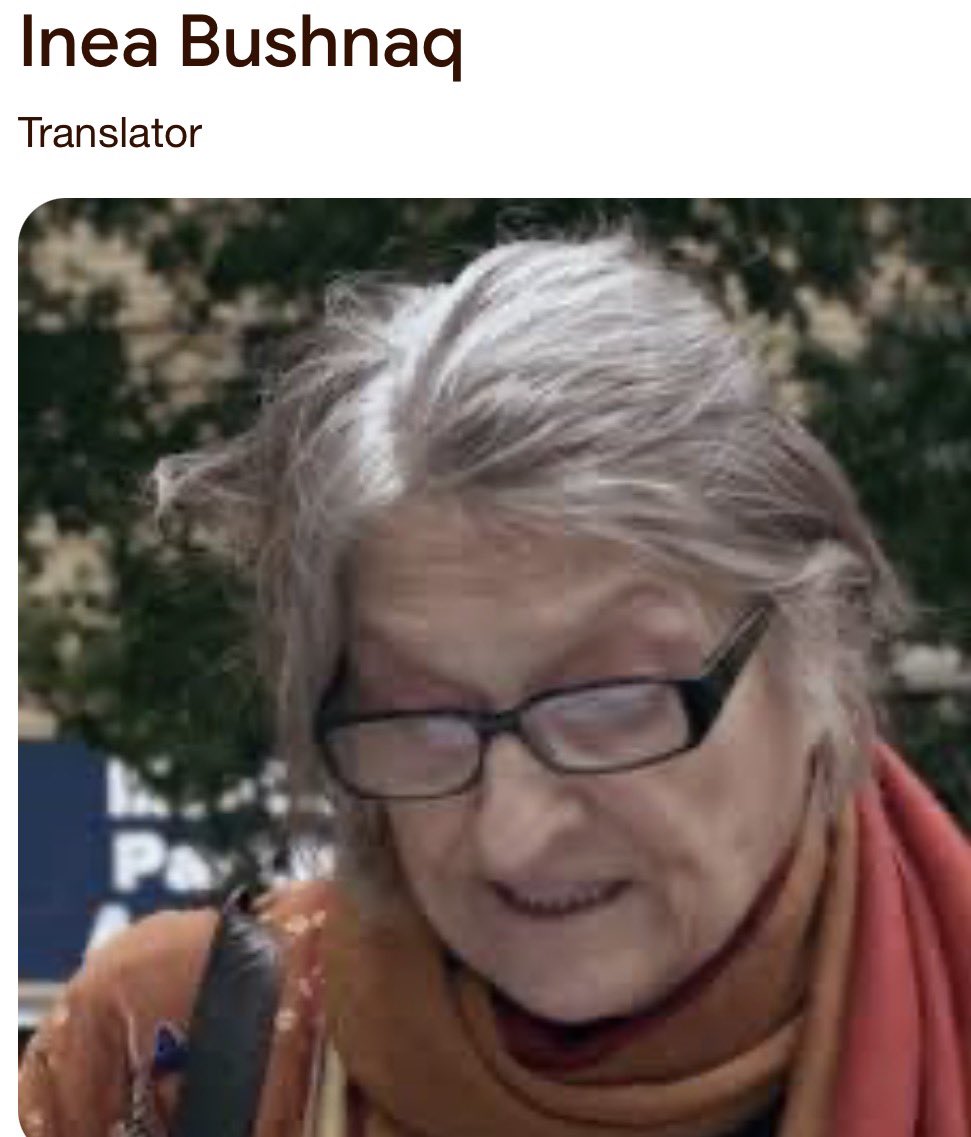
😂 This “Nakba Survivor” is literally a “European settler” In the late 19th century, Muslim Bosnians (including Inea’s grandparents), fled Bosnia to Ottoman Syria, after Austria-Hungary took control of Bosnia. They feared that now, the Christians will seek revenge after years of mistreatment. Inea’s father’s family lived in Tulkaram, but he himself lived in Jerusalem where Inea was born. In the 1930’s, Inea’s father had a Job in England, he returned to Mandatory Palestine after a few years, but in 1948 they decided to move back to England. They were not expelled, and no one forced them to move to England. As a matter of fact, Tulkaram, and the old city of Jerusalem remained under Jordanian Arab control. Not a single Zionist to bee seen there. So in summary, this is a European with no strong roots in the land of Israel, whose family made the decision to immigrate back to the continent of their grandparents instead of remaining under Arab control. (And the “visit Palestine” poster on her wall is a Zionist poster by Franz Kraus to encourage Zionist tourism to the holy land. It’s not even the original poster, but a replica of the poster, with an additional Hebrew description mentioning his name 🤦‍♂️)
Today marks Nakba Day, an annual day of remembrance to commemorate the expulsion of more than 700,000 Palestinians between 1947 and 1949 during the creation of the State of Israel and the year that followed. Inea is a New Yorker and a Nakba survivor. She shared her story with us — one of home, tradition and memory over generations.
324
2,492
10,695
846,814