🛸🇺🇸Bigfoot Research | Cryptozoology | Forteana |As the island of my knowledge grows, so does the shoreline of my ignorance.
Joined January 2025
- Tweets 4,691
- Following 500
- Followers 466
- Likes 43,959
427 Photos and videos


Pinned Tweet

Jun 4
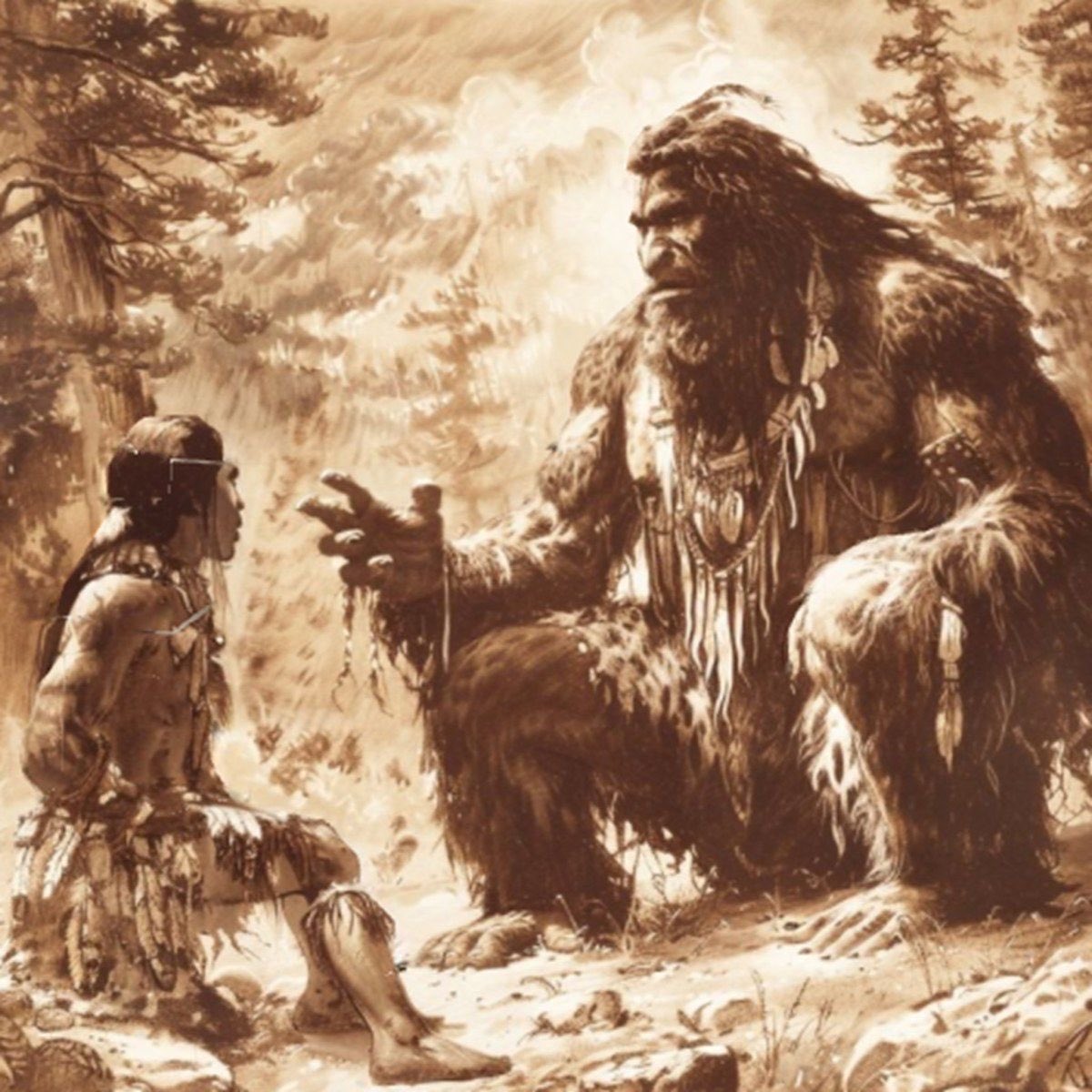
Courtesy of @hammersonpeters | Inside a Cryptozoologist’s Lost Archive | From the Files of Gary Mangiacopra

7
2
26
904
Sasquatch Encounters from British Columbia | Viewer Stories | Video Below
2
8
131
Chris Duncan retweeted

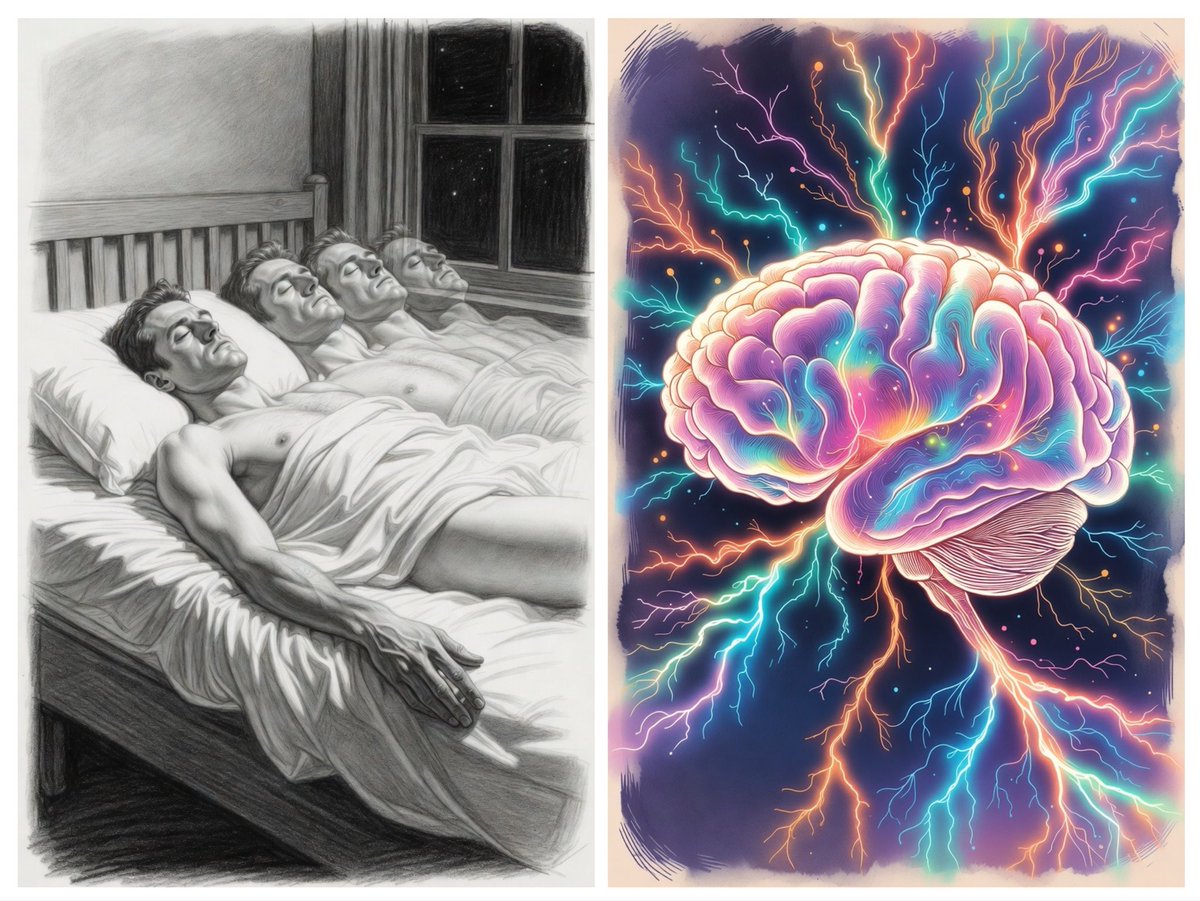
Sleep is something that we think is a natural part of our daily cycle. In reality sleep is a highly complex biological process essential for human survival and overall health.
In 2017 I was diagnosed with acute chronic insomnia. As a result I have had to be regularly medicated otherwise I will not sleep at all, with my longest sustained episode lasting nine days, just short of the world record by two days. This is down to me having too higher levels of cortisol. As a result of my condition I am well read on the science of sleep and sleep neurology. In this post I will present a brief guide to the science of sleep.
While sleep appears passive from the outside, the brain and body remain remarkably busy executing a vital maintenance program while you rest. Sleep regulates everything from emotional processing and immune function to metabolic health and cellular waste removal.
Your sleep is controlled by two primary biological systems working together, these are:
“Sleep-Wake Homeostasis” which is the body's internal timer that tracks your need for sleep. A chemical called adenosine builds up in your brain every hour you are awake, generating a "sleep pressure" that makes you drowsy.
“The Circadian Rhythm” is an internal 24-hour biological clock governed by the brain. It relies heavily on external light exposure to signal wakefulness in the morning by releasing cortisol and drowsiness at night by producing melatonin.
Every night, your brain moves through cycles lasting 70 to 120 minutes. A healthy night of rest consists of repeating these cycles 4 to 6 times, switching between Non-Rapid Eye Movement (NREM) and Rapid Eye Movement (REM) states. This process is in four stages:
Stage NREM 1: The transition phase from wakefulness to light sleep. Heart rate and muscle activity begin to slow down.
Stage NREM 2: Light sleep where your body temperature drops and heart rate slows further. You spend most of your total night's sleep in this stage.
Stage NREM 3: Deep or slow-wave sleep. This is the critical stage for physical recovery, tissue repair, growth hormone release, and immune system strengthening.
The REM Stage: This is the dreaming phase. Brain activity spikes to near-waking levels, eyes move rapidly, and your voluntary muscles are temporarily paralysed (known as muscle atonia) to prevent you acting out your dreams. This stage is crucial for memory consolidation and emotional regulation.
During deep sleep, the brain's glymphatic system opens up, allowing cerebrospinal fluid to flush out metabolic waste products and toxic proteins. The brain replays and organises memories from the day, transferring information into long-term storage and clearing room for new learning.
Sleep regulates the hunger hormones leptin (satiety) and ghrelin (appetite). Just a single night of severe sleep deprivation can disrupt insulin response, temporarily mimicking a prediabetic state.
Chronic sleep loss impairs the prefrontal cortex, which reduces emotional control, lowers stress resilience, and increases vulnerability to psychiatric disorders. Conditions such as insomnia can also be the result of an underlying psychiatric disorder. Neurological changes, racing thoughts, and altered neurotransmitters in psychiatric conditions make falling or staying asleep difficult.
On the flip side of insomnia is a group of conditions called hypersomnias, a group of chronic sleep disorders characterised by excessive daytime sleepiness (EDS), where individuals experience an irrepressible need to sleep or fall asleep repeatedly during the day, even after getting a normal or prolonged amount of nighttime rest. Unlike common tiredness or fatigue, hypersomnia is a pathological neurological condition that significantly impairs daily functioning, attention, and quality of life.
Next time you go to sleep just give a little thought to the complex and important process that this seemingly natural habit plays in keeping both a physical and emotional balance.
3
2
13
266
Chris Duncan retweeted

Jun 15
Bigfoot Activity in Ontario’s Corridors: A Then-and-Now Look at the Maps 👣🗺️
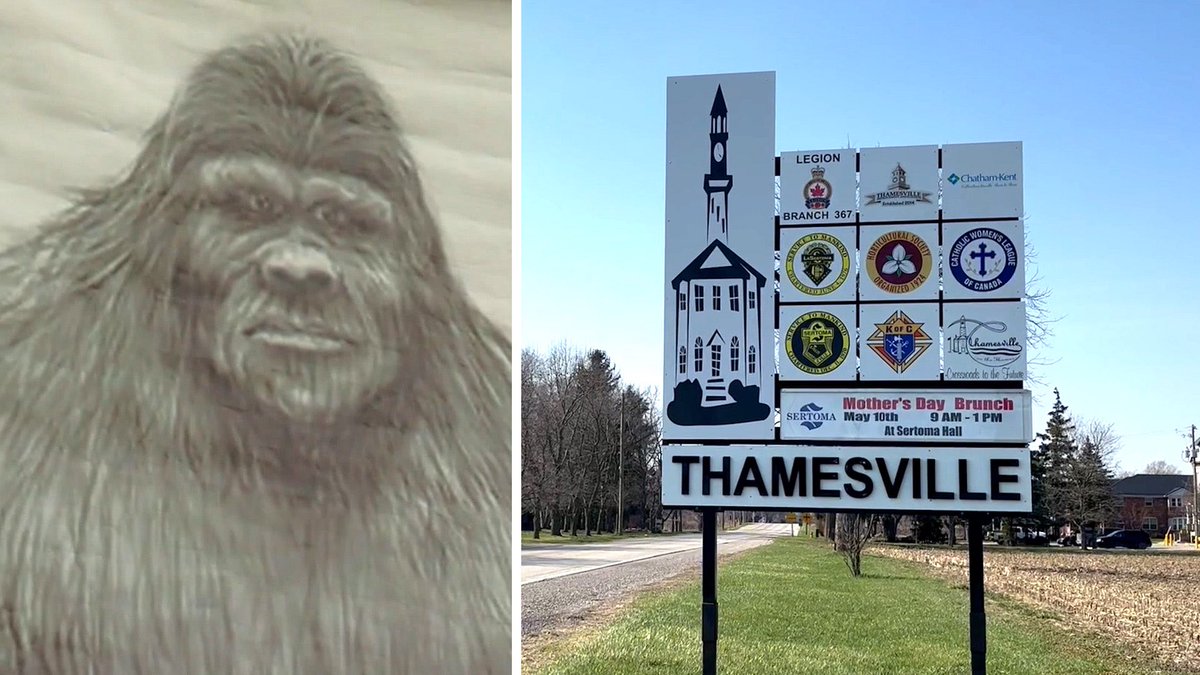
Recent Sasquatch reports out of Chatham-Kent, Ontario are turning heads — not in remote wilderness, but in flat farmland dotted with small woodlots and river valleys. In early April 2026 the Bigfoot Mapping Project recorded a tight cluster of three sightings over just a few days around Thamesville, Dresden, and Raglan. 🍁
• April 3, ~6:15 AM, Dresden area: A 7-foot black-furred bipedal figure spotted at a treeline near fields (possibly near the Uncle Tom’s Cabin historic site). Dog alerts noted.
• April 4, ~5:35 PM, Thamesville: A massive ~8 ft figure with cinnamon-colored hair emerged from trees during sudden eerie silence — birds quiet, wind still. Strong earthy musk filled the air before it vanished. Wood knocks and possible footprints reported.
• April 5, ~7:30 AM, Raglan: Another ~7-foot black figure at the treeline with dog alerts. Interactive wood knocks: the witness knocked to scare them and received a response.
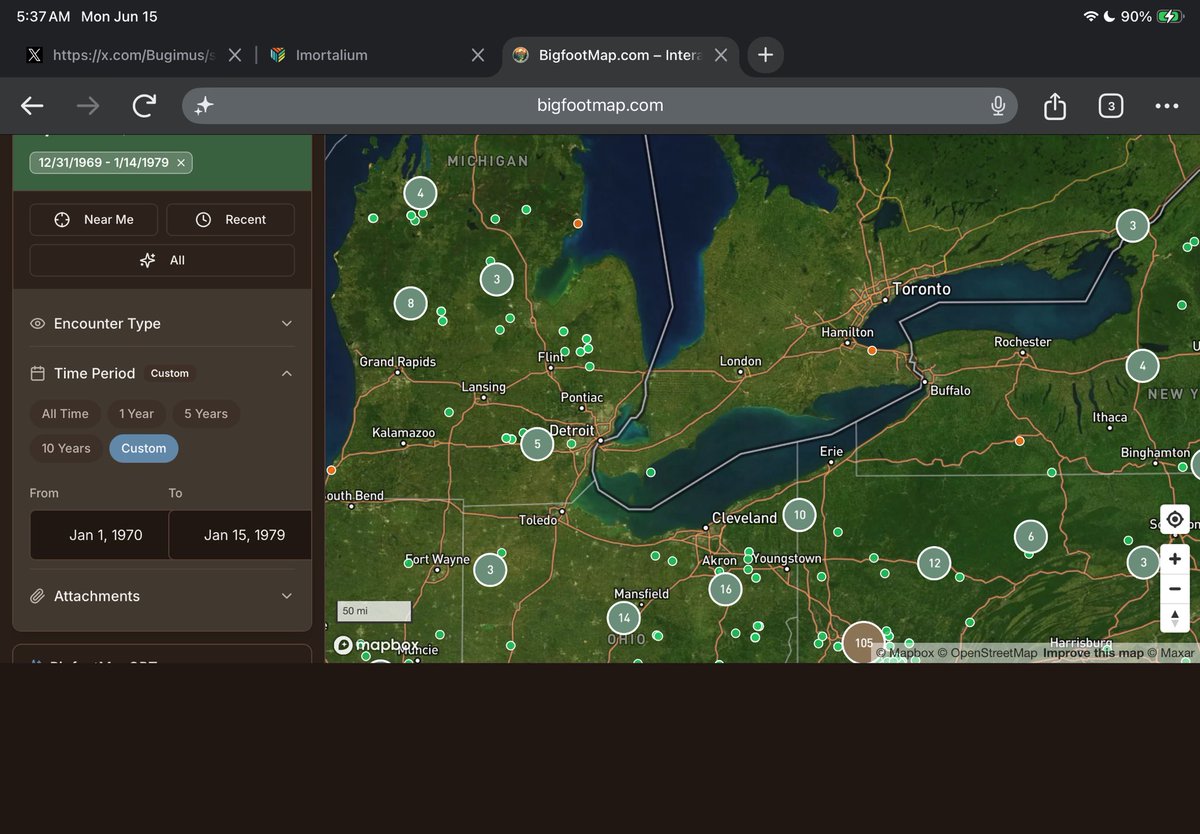
Scott Tompkins of the Bigfoot Mapping Project observed that this kind of localized mini-flap in the southwestern Ontario corridor hasn’t been seen since the mid-1970s. The maps tell an interesting story. The past-year view highlights the sharp 2026 cluster. The 1970–1979 view shows dozens of reports spread across southwestern Ontario, Michigan, Ohio, and the broader Great Lakes region — frequently in the same kinds of fragmented farmland, woodlot, and riparian zones.
Connecting Then and Now
While there were no exact Chatham-Kent pins in the 1970s, the broader regional pattern is compelling. Natural travel corridors — river valleys like the Thames, field edges, and lake-adjacent connectors — link habitat patches across borders. Sightings from both eras often follow these routes, hinting at possible long-term movement or seasonal use of the same fragmented landscapes. The mid-1970s had higher overall frequency; today’s smaller but tightly grouped cluster stands out in an area that had gone quiet. Tompkins’ comparison frames it as a notable flare-up of that earlier style of activity.
These maps show how reports can pop up in “unexpected” agricultural edges when beings move through human-altered terrain using consistent natural pathways. It’s a reminder that patterns persist over decades, even as specific hotspots shift. Whether this points to renewed corridor use, improved reporting, or simple coincidence, the Bigfoot Mapping Project visuals are worth studying.
I’ve attached two maps showing the then-and-now comparison — 2026 cluster vs 1970s regional density — for the full effect.
What do you think? Worth keeping an eye on the southwestern Ontario corridor? Share your thoughts 👇
#Bigfoot

4
2
21
379
Jun 15
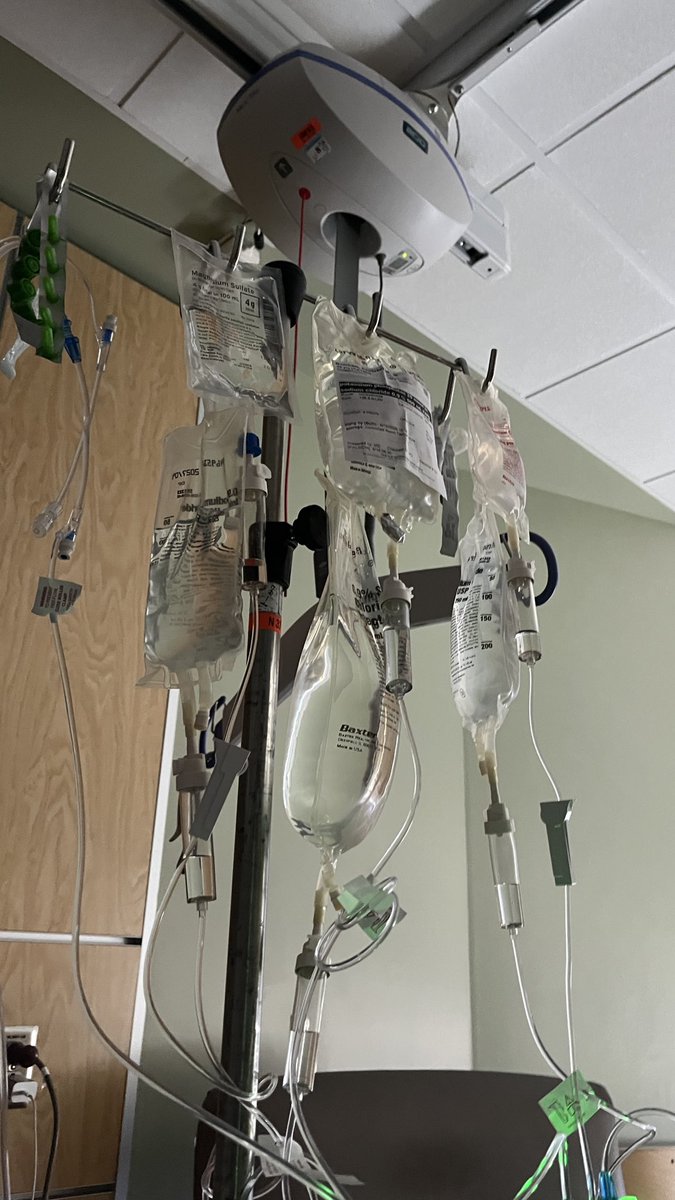
Chilling in the Hospital and binged the Expedition Yucatán series.
1
3
17
355
Jun 15
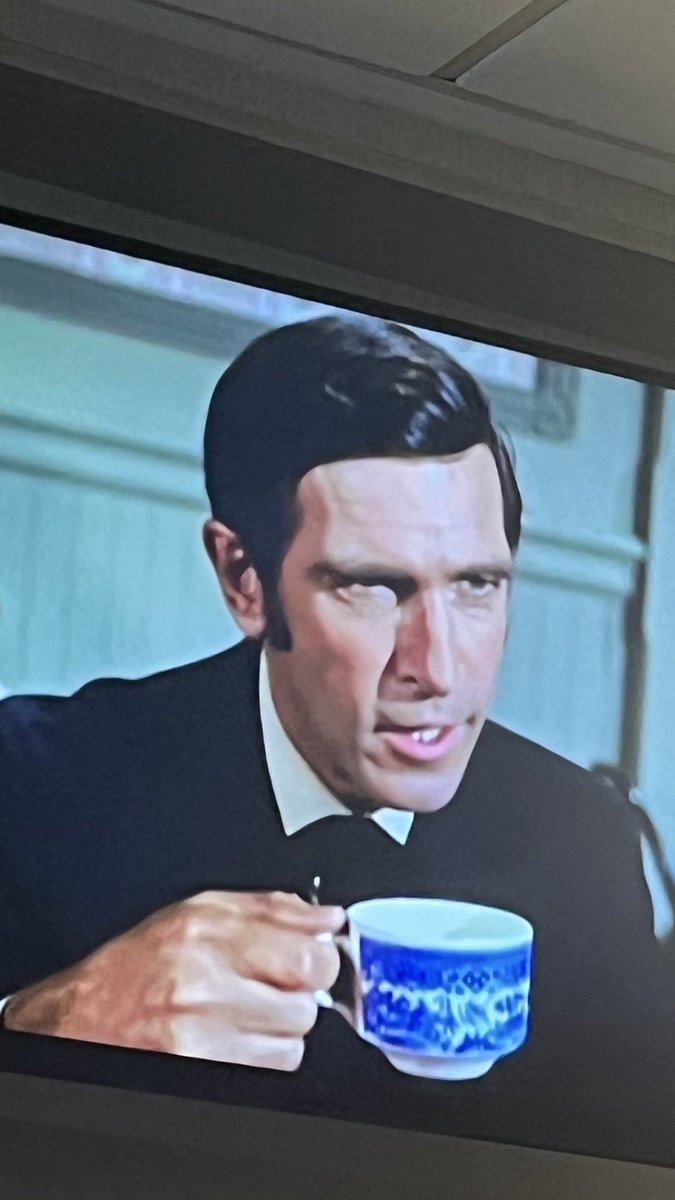
Also, don’t know what this show is that’s playing silently on the tv but apparently Cody is actually a man in black and a lot older than he looks.
1
1
54
Chris Duncan retweeted
Jun 15
Bigfoot Mapping Project is a great resource. You can check out the interactive map for yourself here: bigfootmap.com
1
4
136
Chris Duncan retweeted
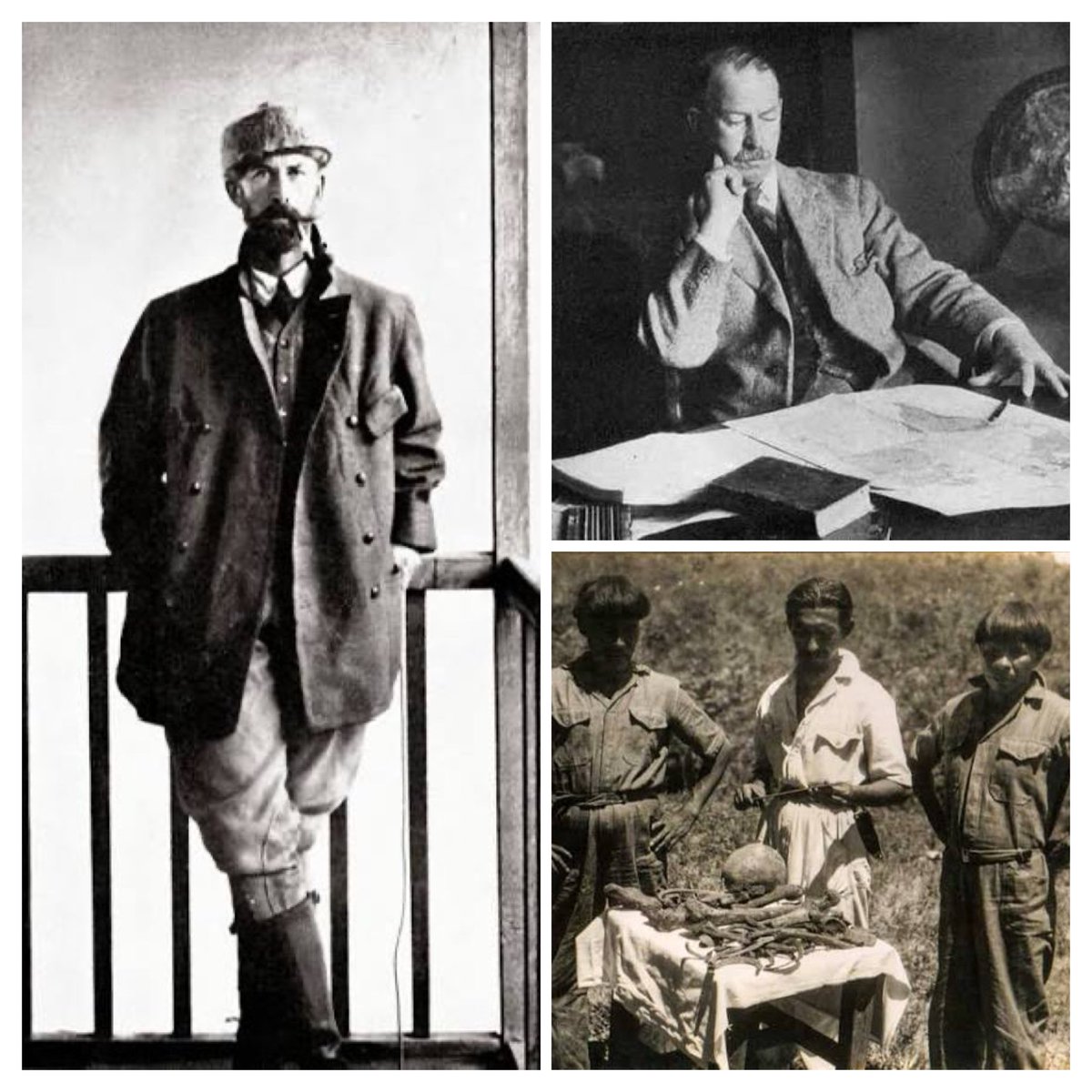
Lieutenant-Colonel Percy Harrison Fawcett was a prominent British geographer, artillery officer, cartographer, and archaeologist who vanished in 1925 alongside his eldest son, Jack, and his son's friend, Raleigh Rimmel, while searching for a legendary ancient civilisation he named the "Lost City of Z" deep within the uncharted Amazon rainforest. His life, exploits, and mysterious disappearance have made him one of history's most iconic figures of exploration, inspiring everything from Arthur Conan Doyle's novel The Lost World to the modern character of Indiana Jones.
Born on 18 August 1867 in Torquay, Devon, Fawcett grew up with a natural inclination for adventure—his father was a member of the Royal Geographical Society (RGS).
He entered the Royal Military Academy, Woolwich, and was commissioned into the Royal Artillery in 1886. He served across the British Empire in Hong Kong, Malta, and Ceylon (now Sri Lanka). Before fully committing to exploration, Fawcett worked for the British Secret Service as a spy in North Africa.
During WWI, despite being nearly 50 years old, he volunteered for the Western Front, commanding an artillery brigade in Flanders. He was mentioned in despatches three times and awarded the Distinguished Service Order (DSO).
Between 1906 and 1924, Fawcett led seven successful expeditions into South America, initially funded by the Royal Geographical Society. His early trips focused on highly dangerous surveying work, mapping the treacherous jungle borders between Bolivia, Brazil, and Peru. Fawcett gained legendary status for his physical stamina, resistance to tropical diseases, and his strict rule of maintaining respectful, peaceful relations with indigenous tribes.
Over time, his focus shifted from mapmaking to archaeology. Influenced by indigenous legends, Portuguese archival documents from 1753, and the discovery of Machu Picchu, Fawcett became convinced that an advanced urban civilization lay hidden in the Mato Grosso region of Brazil.
In April 1925, funded by media syndicates, Fawcett set out from Cuiabá on his final quest. Believing a small group could travel lighter and avoid triggering hostility from native tribes, he took only two companions: his 22-year-old son Jack and Jack's best friend Raleigh Rimmel.
On 29 May 1925, Fawcett sent a native runner back with a letter to his wife, Nina, from a location he called "Dead Horse Camp". He reported crossing the Upper Xingu River and closed with the famous optimistic line: "You need have no fear of any failure”. They were never seen again.
Fawcett explicitly left instructions that no rescue missions should be sent if they vanished, fearing rescuers would suffer a similar fate. Despite this, over the decades, dozens of search parties set out to find him, resulting in the tragic deaths or disappearances of an estimated 100 further explorers.
The exact cause of his death remains unknown, with theories ranging from starvation and disease to being killed by hostile indigenous tribes like the Kalapalo or the Anuhukua.
Ironically, while Fawcett’s contemporary critics mocked his belief in complex jungle cities, modern satellite imagery and other technology have recently revealed that extensive, highly organised pre-Columbian urban settlements and earthworks did exist in the Amazon basin.
Did Fawcett ever make it to the “The Lost City of Z”? Did it ever truly exist? Maybe someday these questions will be answered, until then the legend of Percy Fawcett will live on through written and oral history of which he has earned his place.
2
5
16
502