The way power is currently distributed does not work. We have a vision for citizens to shape future. @davidjubb @saadeddinesaid citizensinpower.com
Joined November 2022
- Tweets 76
- Following 100
- Followers 199
- Likes 50
5 Photos and videos
Pinned Tweet

3 May 2023
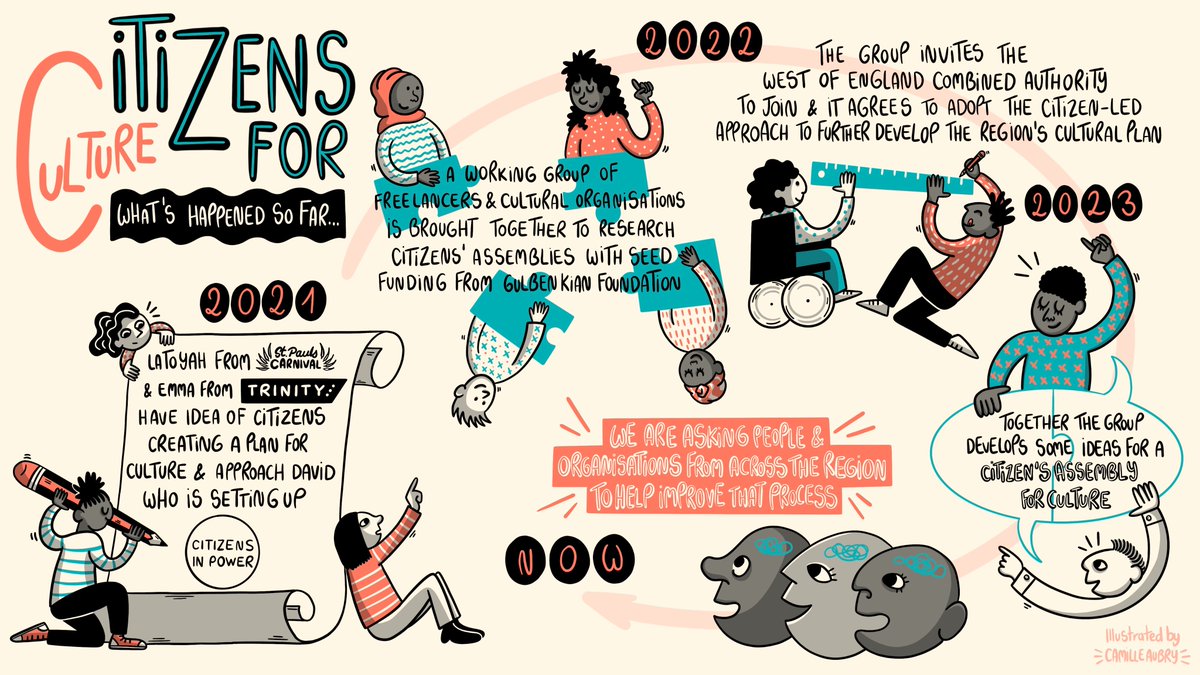
Hello world! We make better decisions when people from different backgrounds are involved in making the decision. citizensinpower.com/
9
15
9,920
Citizens In Power retweeted

27 Nov 2024
🗣️ Deliberative democracy on assisted dying: “It isn’t too late.”
@rafaelbehr in @guardian today explores @kimleadbeater Assisted Dying Bill and ‘the big opportunity being missed’ to use deliberative democracy.
🔗theguardian.com/commentisfre…
👇🧵
1
4
2
325
Citizens In Power retweeted

27 Nov 2024
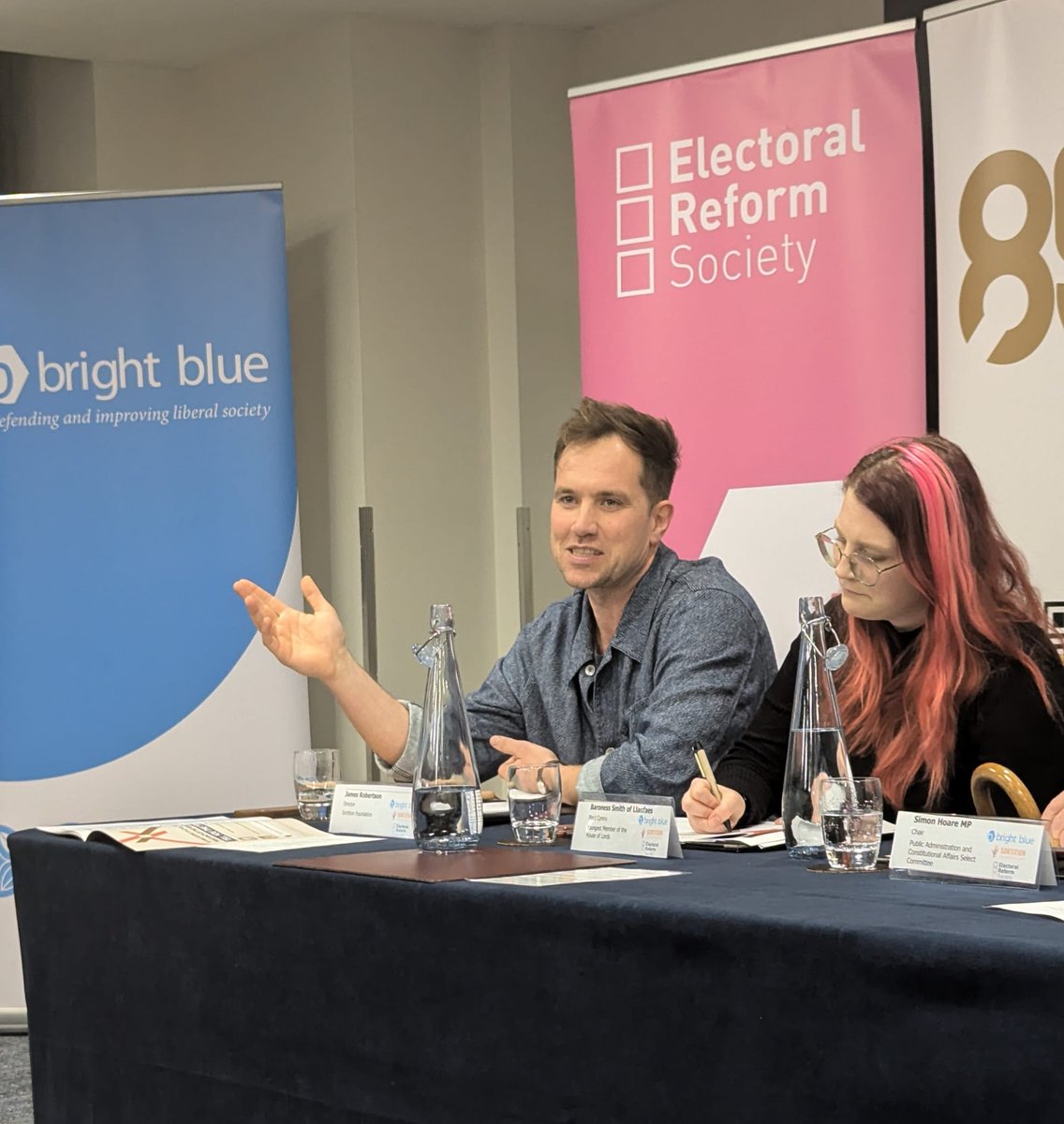
🗣️@J_D_Robertson from @SortitionNow argues that when it comes to an elected Lords, "The public aren’t going to stand for another set of elected politicians to hold the first set to account."
1
5
10
688
27 Nov 2024
You might be interested in this? Creative approaches to deliberative democracy: Art, Design and Participation in Public Policy. Features Everyone Here and Jury for Joy ❤️ youtube.com/watch?v=qSF2QY_4…
2
3
1
270
27 Nov 2024
And this is the Jury for Joy if you've not heard about it before...a citizens' jury embedded into an arts organisation which leads its programme and decision-making... youtube.com/watch?v=q62SsTFy…
1
1
168
18 Oct 2024
Clive Lewis MP is putting forward a private members’ bill that will include a citizens’ assembly on water company ownership.
16 Oct 2024

Last month I came fourth in the Private Members’ Bill ballot. This gives me the opportunity to propose my own legislation, with guaranteed debate time.
So today, I am introducing the Water Bill to Parliament.
My bill will:
🔵Set new targets and objectives relating to water, including in relation to the ownership of water companies and to climate mitigation and adaptation
🔵Place requirements on the Secretary of State to publish and implement a strategy for achieving those targets and objectives
🔵Establish a Commission on Water to advise the Secretary of State on that strategy
🔵Require the Commission to set up a Citizens’ Assembly on water ownership
Why water?
This bill’s primary purpose is economic democracy. It’s about creating an open conversation in Parliament, which involves the public through a Citizens’ Assembly, about how our water is managed.
Water is a critical national resource. It is something on which all life and ecological health depends. It belongs to all of us. Water access and our water system are set to come under tremendous strain as the result of climate change.
This bill establishes a blueprint for democratic practice: for creating an open conversation about the state of our water and its future management – particularly in respect of the deep climate adaptation required - drawing on all expertise and ideas available to us, and which leaves no rock unturned in examining the root causes of the current failure so mistakes are not repeated. This bill does not presume a particular end point, and aims to push the public debate beyond simplistic and unhelpful narratives of privatisation vs nationalisation.
This bill puts the conversation about the future management of water where it should be – in the hands of parliament and the public. This is a conversation that must take place in broad daylight, not behind the closed doors of boardrooms, or through opaque industry lobbying. Water belongs to all of us, so how it is managed is a question of economic democracy. This should not be difficult for any government to grasp.
Half a century ago, Margaret Thatcher’s revolution ripped up and rewrote the rulebook for economic management. It was an ideology that assumed that profit-maximisation would deliver public good, even when it came to our common resources and public services. Whether or not you agree with her ideology, Thatcher proved that the world could be made differently, and that rules were there for the changing. We need to apply that same mindset now. As John Maynard Keynes “anything we can actually do we can afford”. That is what democratic and responsive adaptation to the climate crisis demands.
Politicians need to be honest, that we are struggling to find a way out of this mess. The dominant political and economic orthodoxy of what is possible has come to its limits. We have blocked ourselves on every avenue – whether that is through arbitrary fiscal rules, or failing to confront the plain reality that the profit-maximisation motive is undermining good public resource management. This is a cage we have built for ourselves. It is also one we can let ourselves out of, if we so desire.
There’s clear public outrage about how our water is being mismanaged. There’s also a clear public consensus that the current system does not work. If government fails to act, this will further undermine people’s faith in democracy. With the rise of the far right, the failure of democracy is not something we can afford.
We have to stop water mismanagement, and that can only be done through systemic change. The answers do not lie in failed regulators or tinkering. We must have the courage to change the rules and create a new political reality. This is, to some degree, already happening in other areas, whether that is rail or energy.
Let this bill be the starting point for a national and democratic conversation about water, and how this integral part of our commons is managed in the 21stcentury, with all the democratic, climate and ecological challenges that lie ahead.
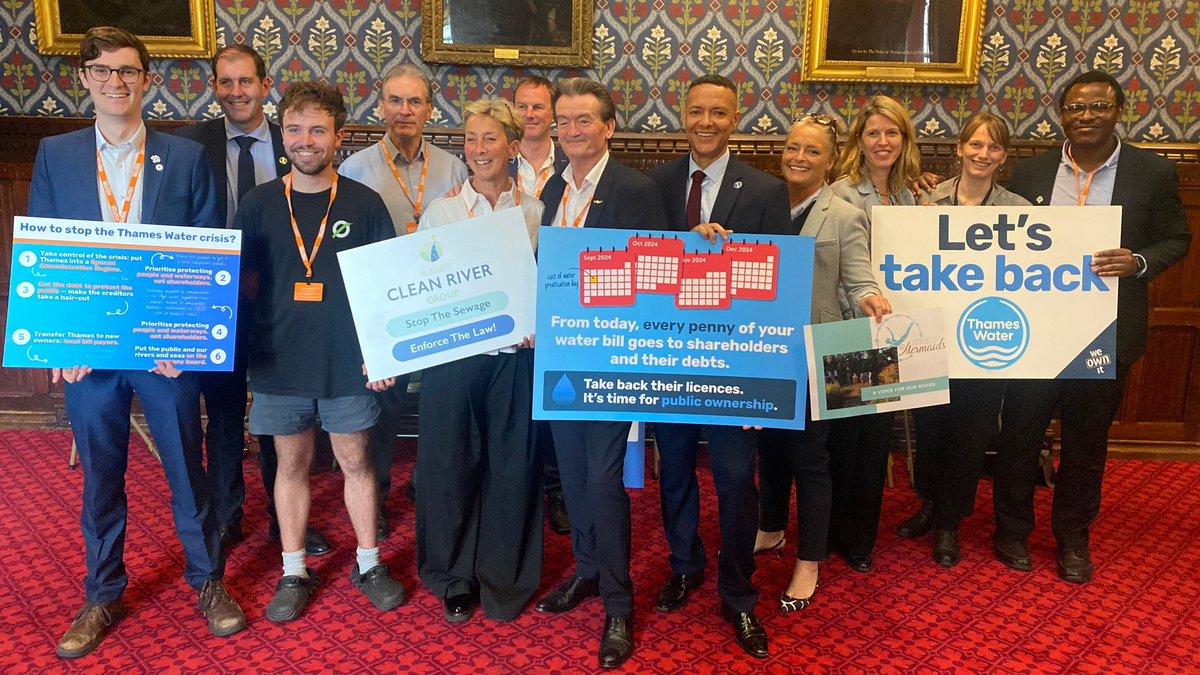
ALT Clive Lewis MP with water campaigners in Parliament, September 2024
2
87
15 Oct 2024
People defending hereditary peers in the House of Lords are characterising their abolition as a choice between the hereditary principle and more life peers appointed by Prime Minister of the day. It’s a false choice. The choice should be between all peers and a House of Citizens
4
5
414
Citizens In Power retweeted

3 Oct 2024
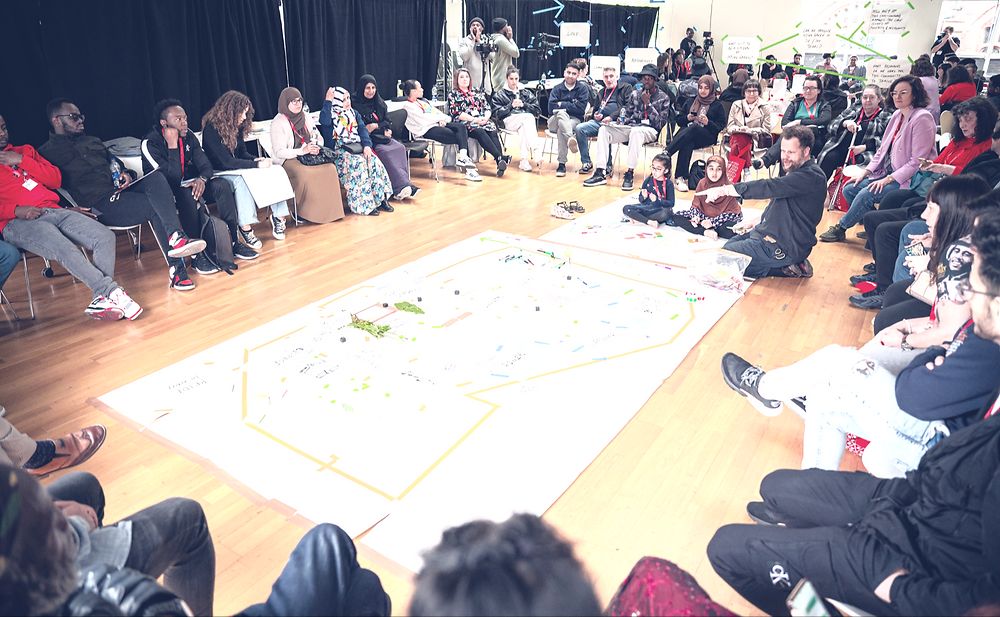
"It's not just who makes decisions, it's how they're made"
🗞️ New blog from @davidjubb, @CitizensInPow just published
The first in a series of blogs commissioned for the open policy programme on #devolution & increased local decision making #CitizenLed culturecommons.uk/post/guest…
3
8
1,294
3 Oct 2024
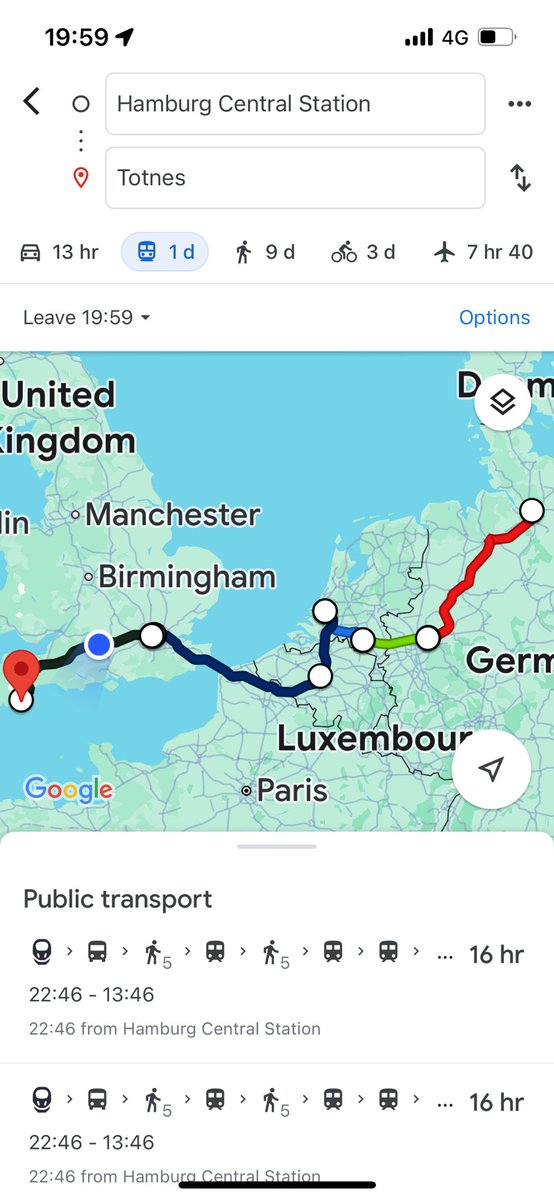
Yesterday’s train journey was Stockholm to Hamburg see pic for today’s adventure.. nearly home! Citizens In Power has been at Nobel Prize Museum in Stockholm where they are creating a new museum thinking about different ways to engage people. We said make it citizen-led 🤘🏻
1
1
4
420
3 Oct 2024
Ideas about how citizen-leadership can work in cultural sector are being developed led by the partners who we are lucky enough to work with including @TrinityBristol @StPaulsCRNVL @EveryoneHereCMA many others supported by @CGF_UK @phf_uk @EsmeeFairbairn @ace_national 🙏🏻
1
1
2
216
3 Oct 2024
Later this month we hope to tell you about a national network that’s assembled with dozens of practitioners and organisations working together to share learning about citizen-led decision-making. In which citizens are people who live, work or stay in a place I.E. everyone ❤️
1
49
Citizens In Power retweeted

10 Jul 2024
More incredible speakers: Hedda Archbold on "Closing Well", @davidjubb & @saadeddinesaid on Citizens Assemblies, @mrmattpeacock on Arts & Homelessness. Plus insights from Nola Sterling and Linden Walcott-Burden @LindenWB ! #DiversePerspectives
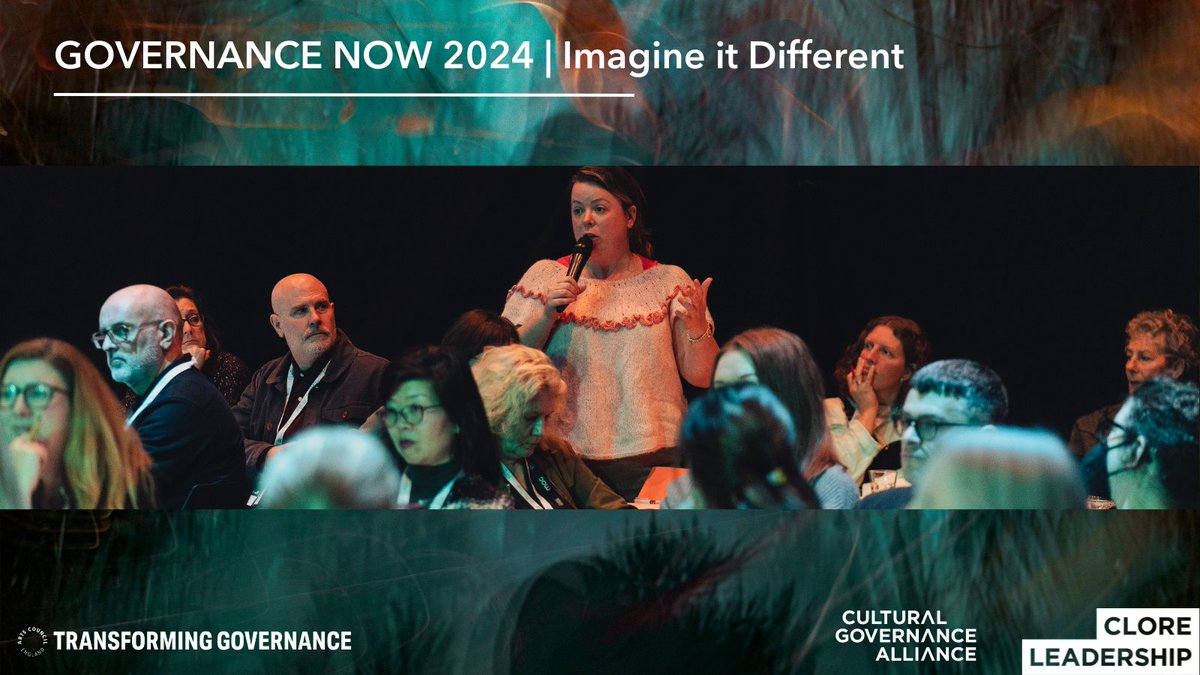
ALT Governance Now 2024 Banner, white text on an abstract green background. TEXT: GOVERNANCE NOW 2024, Imagine it Different. IMAGE: A woman in a peach frilly jumper is stood up in a seated audience answering a question with a handheld microphone.
1
1
3
357
14 May 2024
We’re looking forward to taking part in this conversation today to explore approaches to citizen-led decision-making 💛
14 May 2024

We're so excited to introduce our Keynote speakers @saadeddinesaid and @davidjubb from @citizensinpow, welcomed by @realideasorg. TODAY at 1:00pm!
#Gathering2024 #Groundswell #LocalArtsPracticeLeadingGlobalChange
2
210
Citizens In Power retweeted
3 Apr 2024
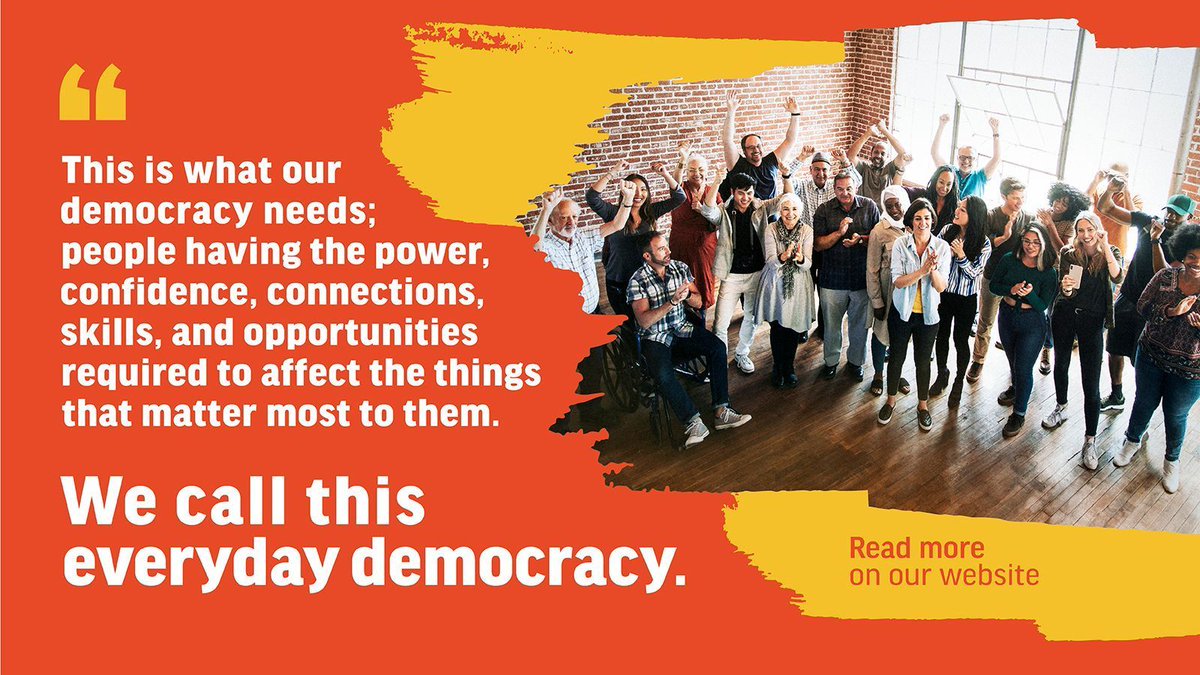
📢 Announcing 'The School for Everyday Democracy'!
Today we're excited to announce a new major programme which aims to build the power of people from all walks of life to create a better, fairer democracy in the UK.
🧵👇
1
13
20
3,699
Citizens In Power retweeted

30 Mar 2024
Very much enjoyed catching up with @lyngardner to talk about the Jury for Joy which is created by the team at @EveryoneHereCMA in West Cumbria. Is there a role for citizen-led decision-making in creativity and culture? And if so, how might things change?
26 Mar 2024

Giving communities decision-making power is about more than curating what goes on stage - @lyngardner chats to @davidjubb from @CitizensInPow.
We're working with David on #JuryForJoy - our new citizens' jury for West Cumbria about culture & creativity.
thestage.co.uk/opinion/givin…
3
5
2,884
Citizens In Power retweeted
30 Mar 2024
Seeking small group facilitators in #WestCumbria for citizens' jury. Working times 2 7 May online prep sessions, then 14 May eve online, 18 19 May in person, 22 May eve online, £750 #Workington #Maryport #Millom #Silloth #Aspatria #Cockermouth #Sellafield everyonehere.org/get-involve…
1
329
Citizens In Power retweeted

26 Mar 2024
Giving communities decision-making power is about more than curating what goes on stage - @lyngardner chats to @davidjubb from @CitizensInPow.
We're working with David on #JuryForJoy - our new citizens' jury for West Cumbria about culture & creativity.
thestage.co.uk/opinion/givin…
1
4
6
4,220