
A thinker, science-lover, traveller. Master of Philosophy in Development Studies.
Joined June 2011
- Tweets 1,138
- Following 252
- Followers 127
- Likes 1,099
25 Photos and videos














कुमार चेपाङ् retweeted

26 Sep 2024
In a galaxy far, far away...
Hubble found that a blowtorch-like jet from the galaxy M87's black hole is causing nearby stars to erupt along its trajectory.
Discover more: science.nasa.gov/missions/hu…
34
232
941
75,955
कुमार चेपाङ् retweeted

12 Nov 2023
When powerful space telescopes work together to combine their powers, you end up shattering records. The JWST and Chandra telescopes, combined with the power of gravitational lensing, have unveiled the most distant gargantuan black hole, with the mass of 10-100 million Suns!
This supermassive black hole, lensed by a galaxy cluster called Abell 2744, is a lot more massive than the one at the center of our own galaxy, which is 4 million suns. The kicker here, though, is that it's ancient, existing when the Universe was only 470 million years old. A universe so young that already hosts such a massive black hole; how outrageous is that?! This must mean that these massive black holes formed not from the death of stars, but rather, something else.
One possibility is the direct collapse of pristine gas in the early universe. In this scenario, under just the right conditions, massive clouds of gas could collapse directly into supermassive black holes, skipping the intermediate steps of star formation. This recipe requires specific ingredients and conditions, making these black holes very rare.
Another possibility that excites me as a researcher who works on Self-Interacting Dark Matter (SIDM) is the gravothermal collapse of SIDM halos. SIDM proposes that dark matter particles, through their own interactions, could trigger a catastrophic inward collapse at the core of a dark matter halo, leading straight to black hole formation. And you get this almost for free, simply with dark matter self-interactions! Because it depends on the particle properties of dark matter only, it seems more natural to me to form massive black holes in this way.
This discovery challenges our understanding of the universe and black hole formation during its infancy, and opens up exhilarating possibilities for the nature of dark matter and black hole formation.
Very excited about what's to come, and to find more massive black holes in the early universe with the power of our space telescopes!!
Image credit:
Image by X-ray: NASA/CXC/SAO/Ákos Bogdán et al.; Infrared: NASA/ESA/CSA/STScI; Image Processing: NASA/CXC/SAO/L. Frattare, K. Arcand
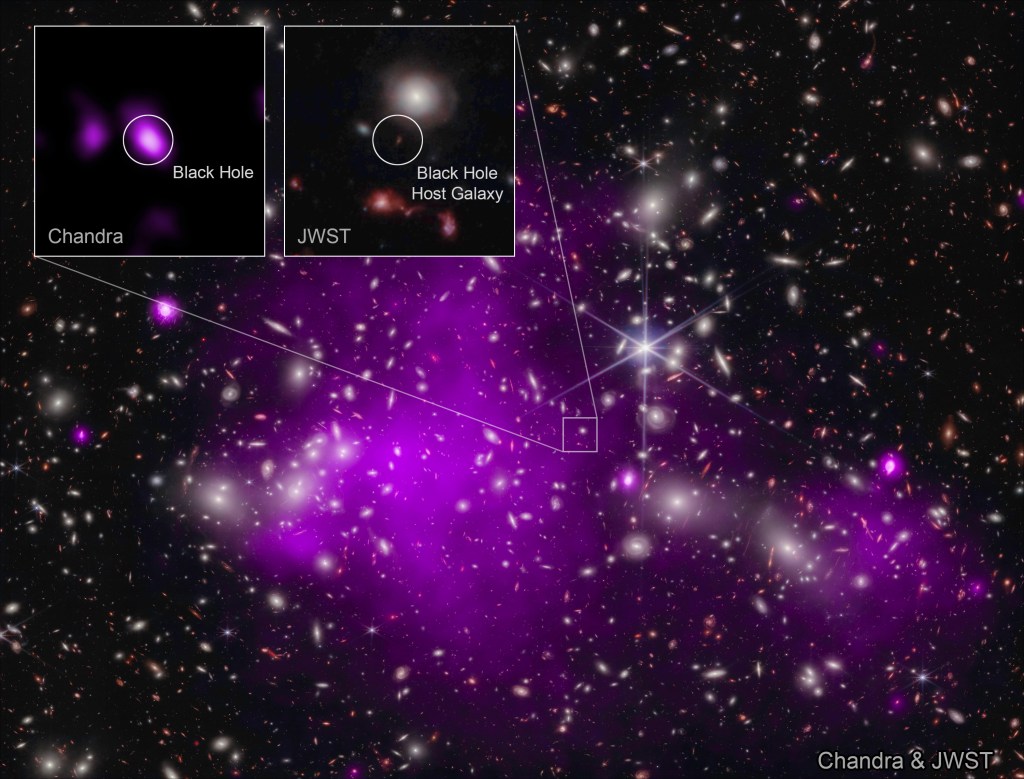
ALT Abell 2744 with data from the JWST and Chandra
5
42
202
39,610
कुमार चेपाङ् retweeted
27 Oct 2023
A galactic tango! This #HubbleFriday image captures the galaxy group Arp-Madore 2339-661. There are three galaxies interacting here; the third is visible in the upper arm of the lower-right galaxy, looking like part of the same object at first: go.nasa.gov/3FxilPa
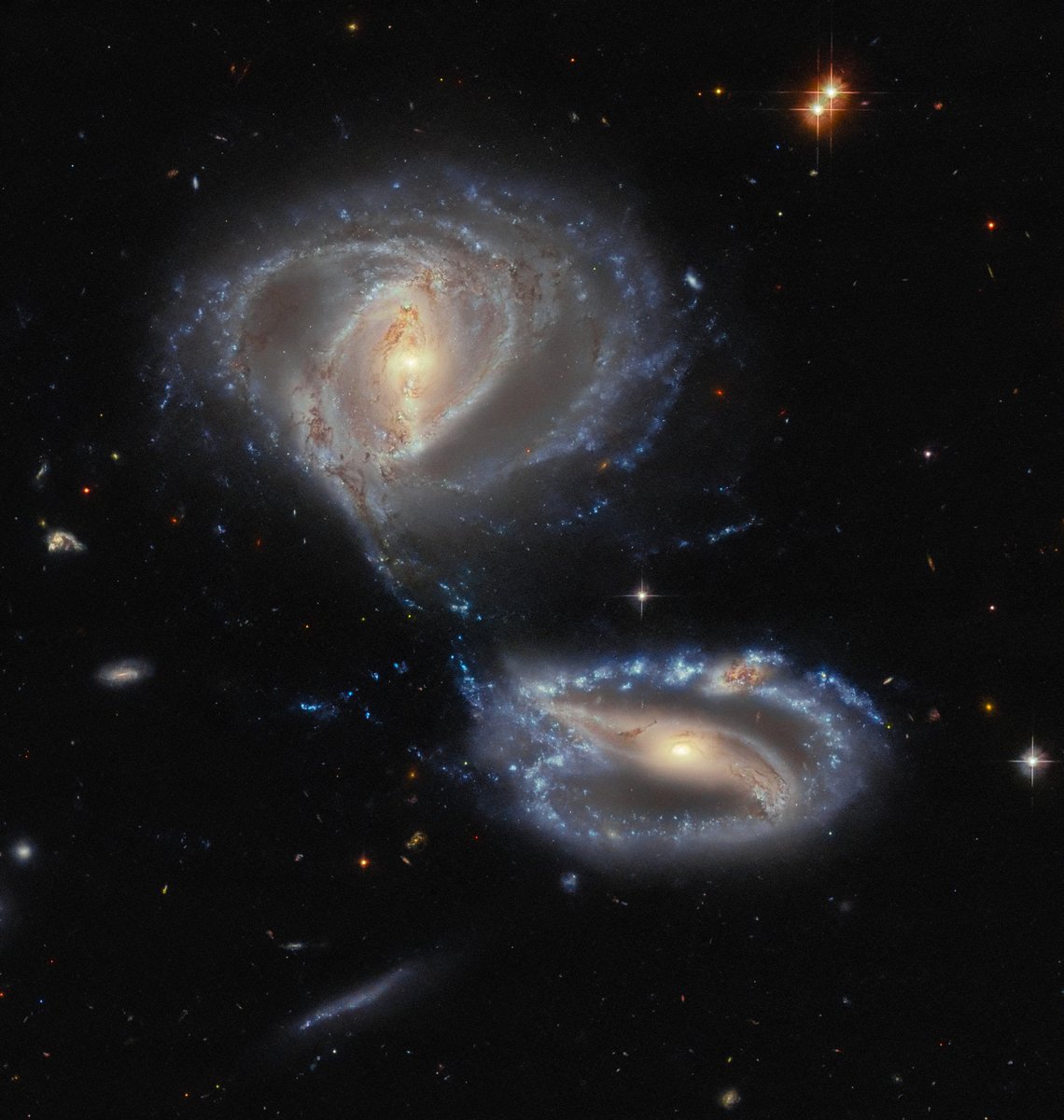
ALT Two spiral galaxies. Each glows brightly in the center, where a bar stretches from side to side. The upper one is rounder, and its arms form two thin rings. The lower galaxy is flatter and its arms make one outer ring; a dusty knot atop its upper arm marks out a third object. Gravity is pulling gas and dust together where the galaxies come close. A number of small galaxies surround them on a black background.
36
602
4,045
332,141



कुमार चेपाङ् retweeted

17 Jun 2020
there are many ways to project the globe onto a flat map. Cylindrical projections, like this and the Mercator map, are created by the shadows cast on a cylinder, when a light is held at the Earth's center
17
241
1,237
कुमार चेपाङ् retweeted

7 Jun 2020
The invisible 5-fold symmetry traced by Earth and Venus as they orbit the Sun.
Credit: Matthew Henderson
356
5,452
29,668
कुमार चेपाङ् retweeted

6 Jun 2020
कुनै जिवाणुविरुद्धको भ्याक्सिन त्यही जिवाणु वा त्यसका कुनै भागबाट बन्छ, जडिबुटीबाट हैन। कसैले पुरानो चप्पलबाट मिर्गौला बनाउँछु भन्यो भने प्लिज् प्रोत्साहन गर्न नहतारिनुस्! लजिक लाउनुस् ल!
93
118
956
कुमार चेपाङ् retweeted
5 Jun 2020
a simple and random process that creates an intricate and structured fractal pattern. At each step, pick a random edge to form a triangle, and the next point is the center of the triangle.
81
1,735
7,407
कुमार चेपाङ् retweeted

1 Jun 2020
SpaceX Crew Dragon 'Endeavour' captured amazing views of the International Space Station during its approach on May 31,2020 . The crew also talks about how the spacecraft handled while manually piloted [full video: buff.ly/3eFyQcm]
1
22
93

"It struck me that that tiny dot was going to be fixed to a piece of metal that was about 15 meters from where I was standing." Commander Chris Cassidy reflects on what it was like to watch @SpaceX's Dragon Endeavour spacecraft approach the @Space_Station:
58
525
4,754
कुमार चेपाङ् retweeted
13 May 2020
why the derivative of sin is cos
32
909
4,685
कुमार चेपाङ् retweeted

4 May 2020
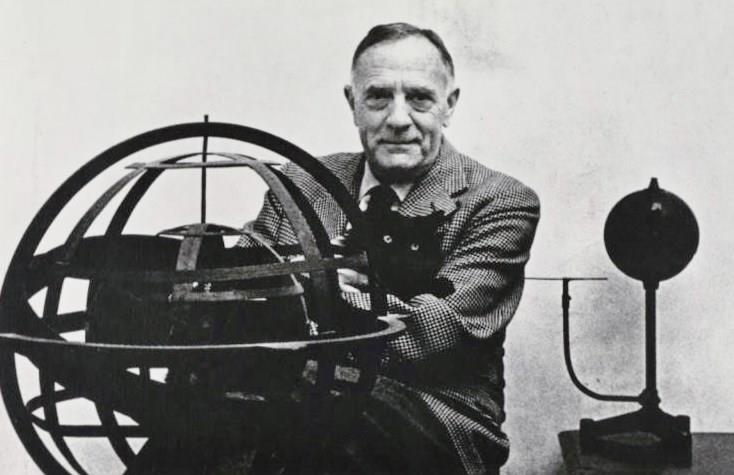
Scientists with their cats:
Edwin Hubble
Rachel Carson
James Watt
Joy Adamson



11
38
108
कुमार चेपाङ् retweeted

4 May 2020
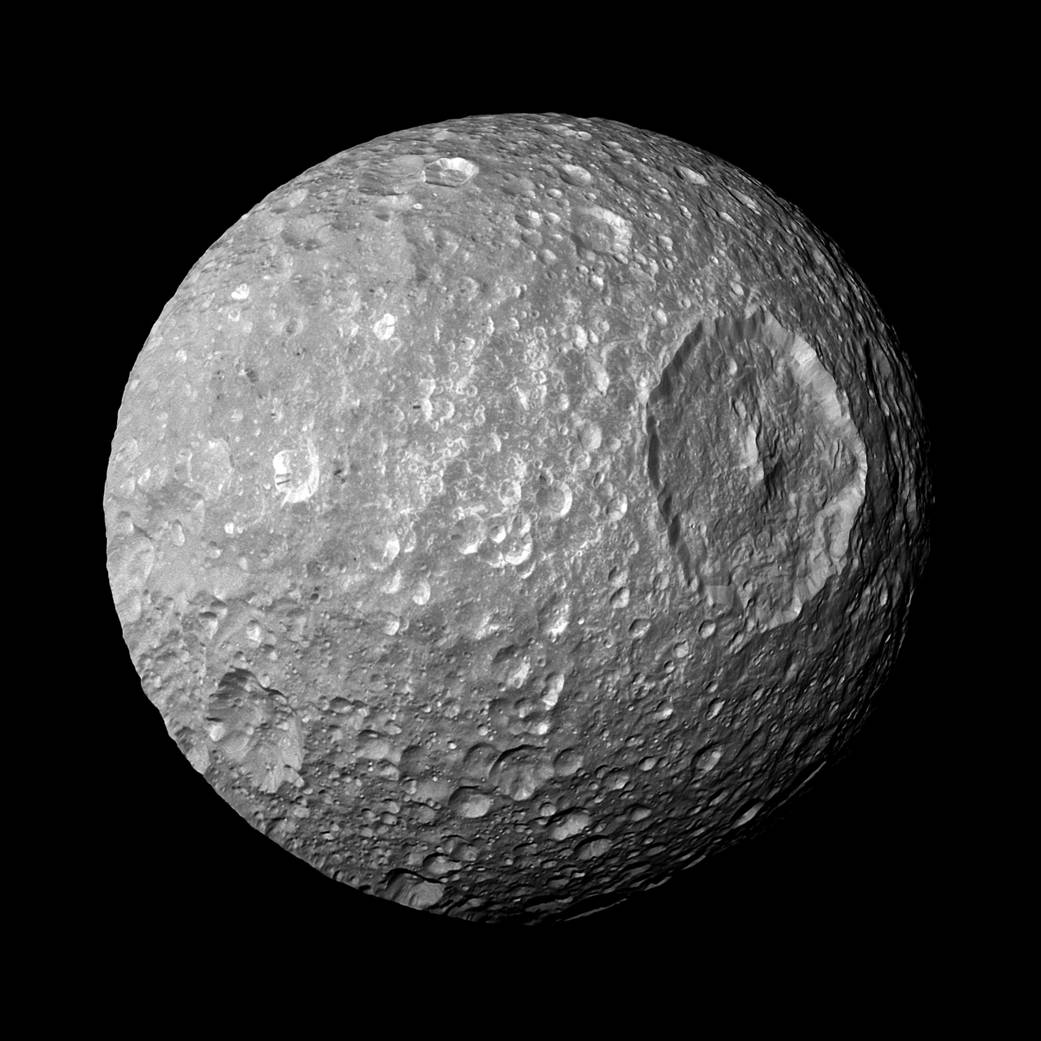
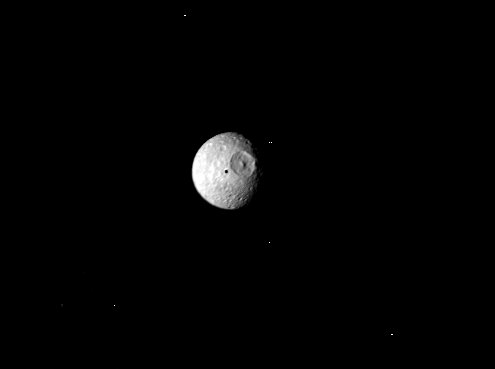
That’s no moon…
Oh wait, yes it is!
George Lucas wanted the Death Star to look like a moon. But the uncanny resemblance to Saturn’s moon Mimas is only a coincidence. @NASAVoyager took the first detailed image of Mimas 3 years *after* Star Wars came out!
#MayThe4thBeWithYou
73
1,775
7,625
कुमार चेपाङ् retweeted

1 May 2020
15
285
1,103

Video recap of Crew Dragon’s in-flight escape test, which verified the system’s capability to carry astronauts to safety in the unlikely event of an emergency on ascent → youtube.com/watch?v=DJ70N5Ha…
166
1,918
10,628
कुमार चेपाङ् retweeted

30 Apr 2020
म तिमी लडेको बाटो बनाउन लागेँ,
तिमी आँसु पुछिदिनेको भइसकेछौ!
15
104
438