
Joined April 2009
- Tweets 6,306
- Following 774
- Followers 787
- Likes 5,849
218 Photos and videos







Andre Desjardins retweeted

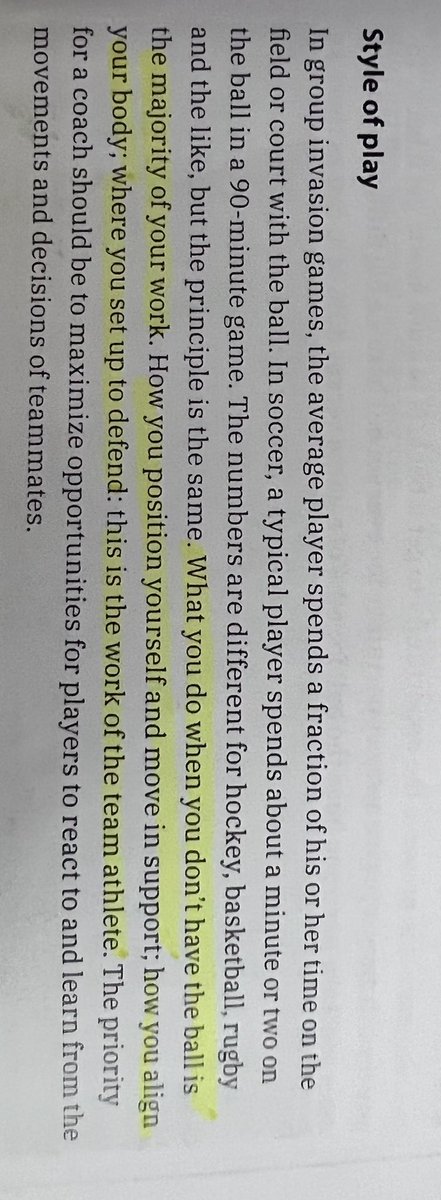
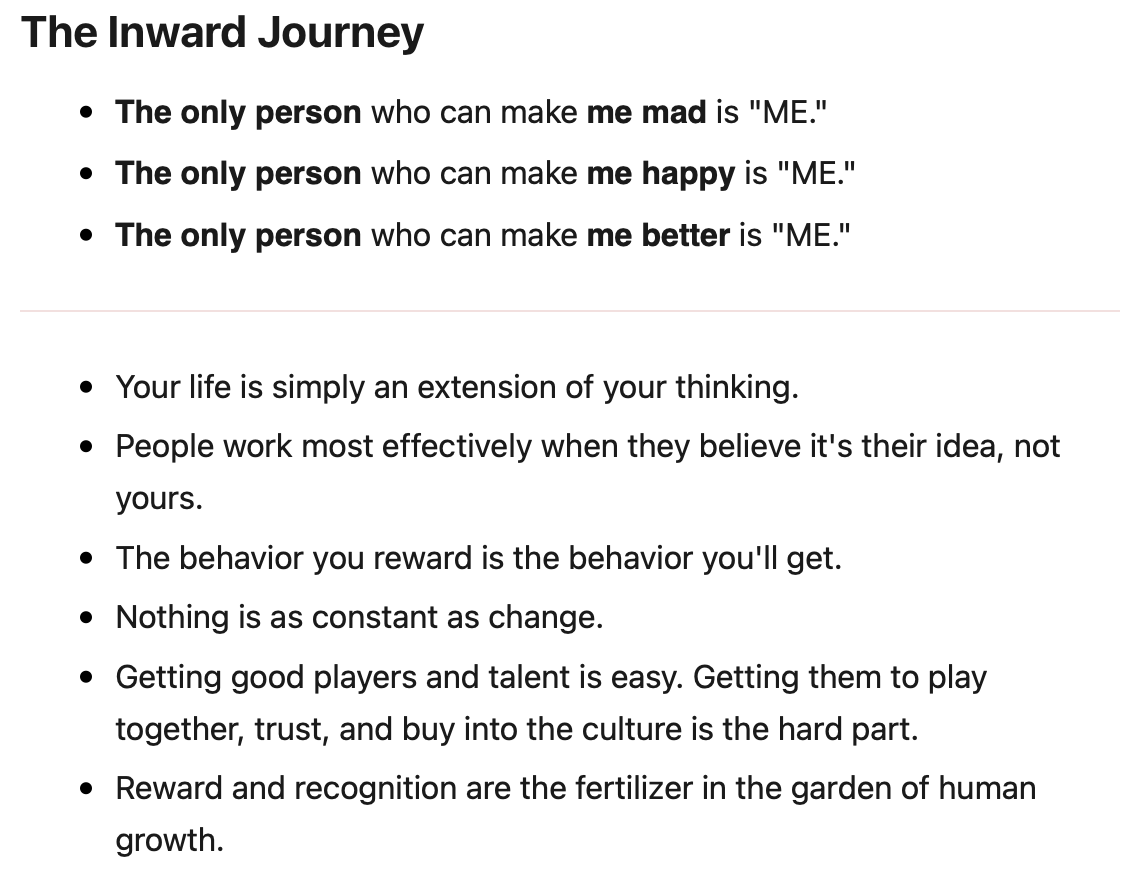
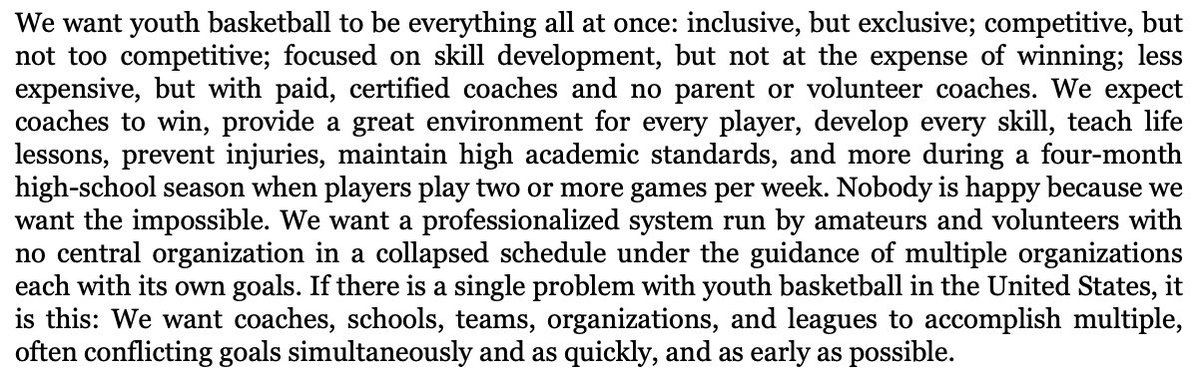
This may be the best (most important 🤷♂️) paragraph I have written in 25 years.
26
116
469
89,582
Andre Desjardins retweeted

Feb 17
Most defenses help. Hawaii doesn’t.
They stay home. They guard ball screens 2-on-2. They dare you to score unassisted.
It’s produced one of the best mid-major defenses in the country.
NEW film data breakdown youtu.be/zB9kvfXXLVw?si=ihCd…
28
70
1,370
676,795
Andre Desjardins retweeted

Feb 13
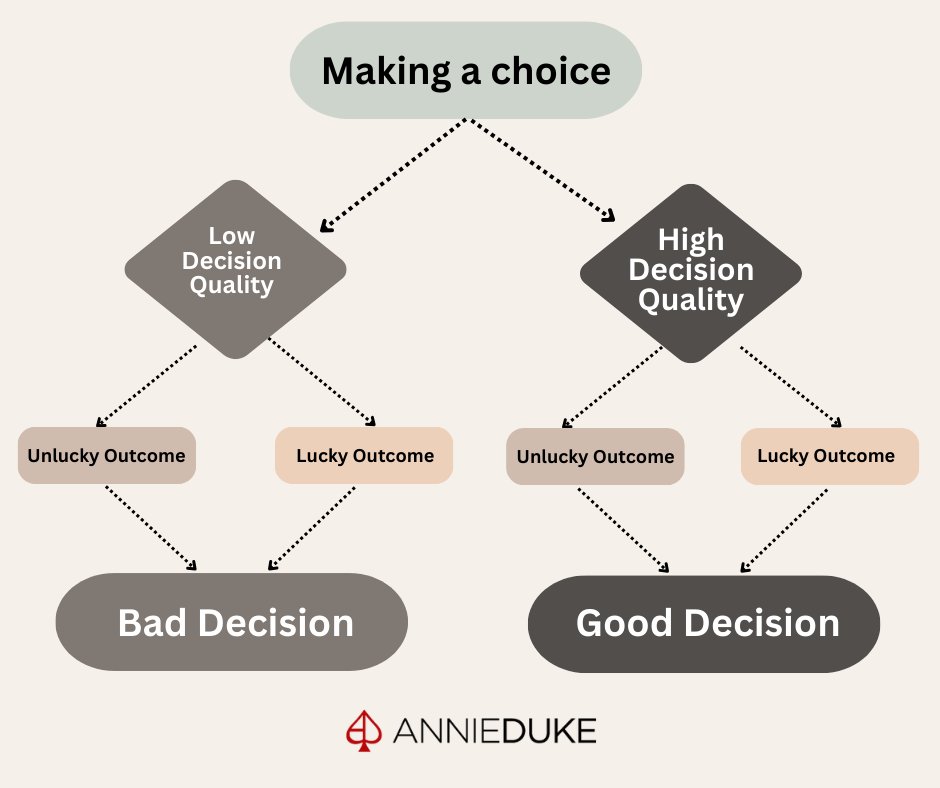
The problem with your decision-making might be that you’re letting results tell the whole story.
When we know the outcome of our decisions, it casts a shadow over our memory of the decision process. We rewrite history to make the result seem inevitable. But the reality is, outcomes are only loosely connected to decision quality in the short run. While a poor choice can be rewarded by dumb luck, a strong decision could be punished by bad luck.
One of the most famous examples of resulting comes from Super Bowl XLIX. With 26 seconds left on the clock, Seahawks coach Pete Carroll called a pass play at the 1-yard line. The ball was intercepted, and critics declared it the “worst play call in NFL history.” But if we think about the situation statistically, the interception was a low-probability event (less than 2%).
The backlash was clear resulting. Fans judged the decision based on its unlucky outcome rather than its sound logic.
But resulting can happen in our everyday lives as well. Think of my job hopper scenario. Quitting your job might seem smart if you love your new role, but foolish if you don’t. The decision-making process is identical; the only difference is the result.
Resulting reminds us that success and failure aren’t perfect mirrors of our judgement. By separating process from outcome, we can learn more deeply from both wins and losses.
4
13
49
4,304
Andre Desjardins retweeted

Jan 24
This SNL sketch still absolutely kills.
34
549
6,812
316,475
Andre Desjardins retweeted

Jan 24
Something I Found Interesting #206 (24.01.26)
Well-balanced offenses incorporate very deliberate off-ball screening actions.
Rather than only getting one screen/chance to get the shooter a shot, great concept here to screen for the shooter until he is open. Built in plan B.
3
20
1,876
Andre Desjardins retweeted

Jan 20
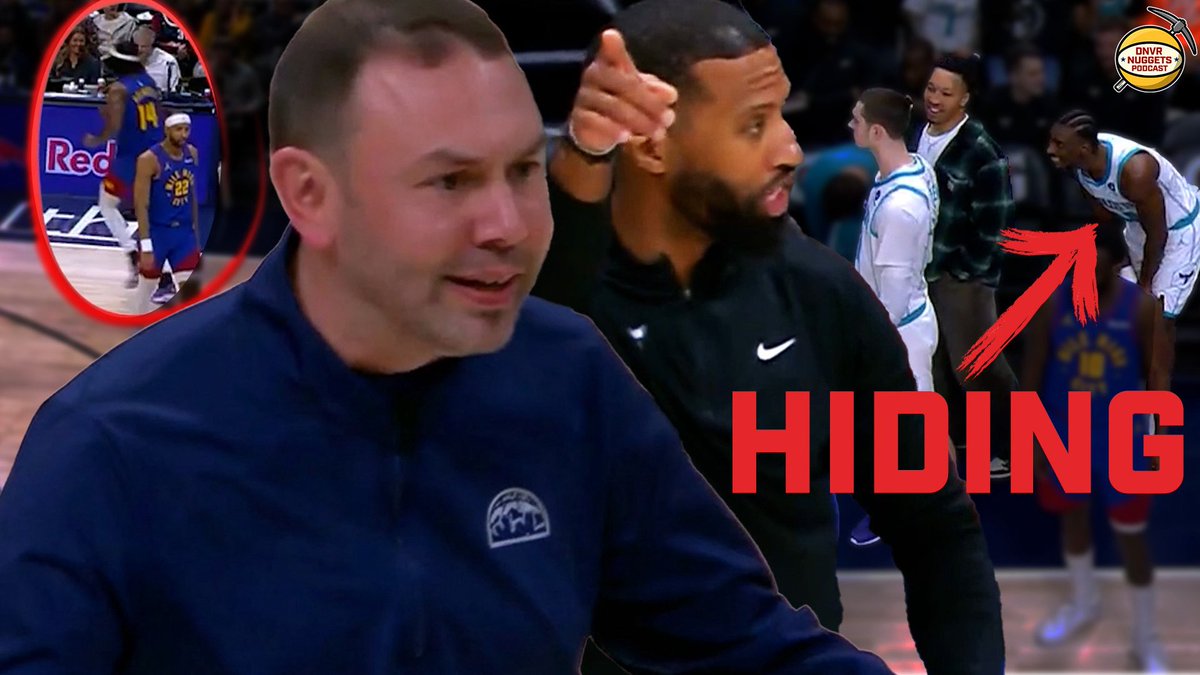
I generally give credit to a coach/organization for finding a loophole, then I hope the loophole gets closed. This trick - hiding who is on the floor - is a good example.
Note that this wouldn't have affected Denver if Jokic were healthy.
Jan 20

This NBA subbing loophole is getting OUT OF HAND
We saw it in Nuggets-Hornets 🧐
🎙️ @Adam_Mares
📺 FULL VIDEO: youtu.be/1T8qgUZLGoY?si=Bj0s…
1
2
22
7,402
Andre Desjardins retweeted

Jan 9
Come along and join the journey via our monthly @BBallImmersion Masterclass, a great community of coaches dedicated to best practice for youth development 👇
Jan 9

Explore how to use analytics to help design your practice constraints in the December "Gamifying Basketball Training" Masterclass with @hilliergerard
basketballimmersion.com/ep03…
1
3
1,029

Andre Desjardins retweeted

Busta Rhymes started the new year performing his verse on Chris Brown’s Look At Me with no back vocals 🎤
674
10,812
88,451
12,082,736
Andre Desjardins retweeted

Jan 1
One of the great lessons in life.
'If you’re having fun, then you’re dangerous.
You’re hard to compete with. You don’t want to go up against the person who’s having a good time doing it because if it feels like a hassle or a chore, that’s the person who gives up when it gets difficult.
But the person who’s having a great time at the start is much more likely to stick with it when it gets hard."
@jamesclear on The Knowledge Project
32
117
988
111,695
Andre Desjardins retweeted

30 Dec 2025
Actors from Coach Carter revealed that a party scene was 100% real, the cast was actually drinking without Samuel L. Jackson knowing, and when he walked in, his angry reaction was genuine. The producers are still upset from the scene 20 years later 🤣
144
2,472
26,945
3,045,711
Andre Desjardins retweeted
30 Dec 2025
Something I Found Interesting #181 (30.12.25)
Elite layering of def concepts into a single possession, disrupting the rhythm of an offense reliant upon two elite creators.
1) Inbound resistance
2) Fake run and jump
3) Zipper denial
4) Switch trap the perimeter mismatch
4
63
5,357
Andre Desjardins retweeted

24 Dec 2025
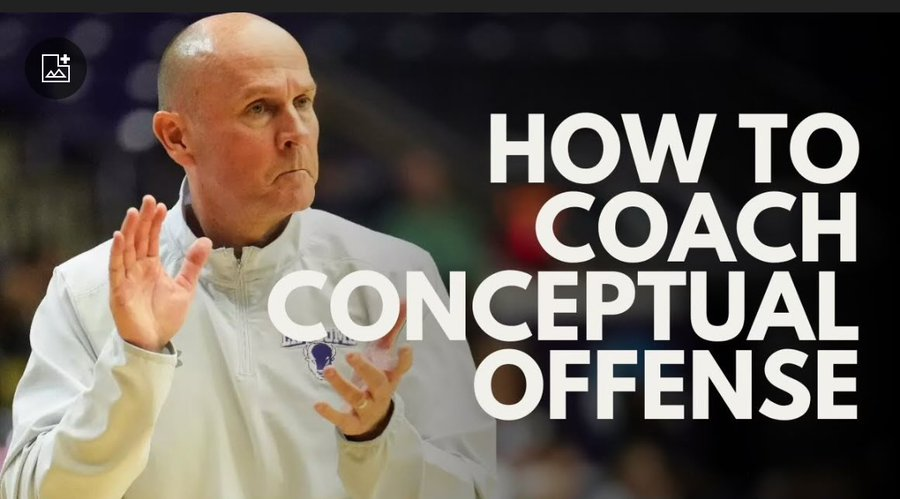
Dive into Conceptual Basketball Offense with Samford’s basketball coach, Lennie Acuff.
🎥 youtu.be/Sx7hPkPPUYU?si=NM3j…
0:00 Fundamental Skills for Conceptual Offense
2:28 Spacing for Transition Offense
5:12 Go-to Actions in early Offense
8:28 ATO Philosophy
10:36 What Do You Do When the Defense Plays Zone?
12
183
14,840
Andre Desjardins retweeted

19 Dec 2025
You cannot predetermine footwork in a game.
In the video, the shooter arrives to every shot differently—slides, run steps, crossover carioca—then must organize her feet after movement. That’s the point. The game never gives you the same stance twice.
A thread 🧵
1
3
15
2,616
Andre Desjardins retweeted
19 Dec 2025
4/ Adaptability beats repeatability.
Research consistently shows that variable practice improves transfer to competition. When athletes learn how to adjust—not where to place their feet—they become resilient shooters under pressure.
1
1
3
1,324
Andre Desjardins retweeted
19 Dec 2025
So...design tasks that challenge balance, timing, and re-organization. Train players to adapt—and their shooting will hold up when the game gets chaotic.
Share something you do to train adaptability.
1
3
1,262
Andre Desjardins retweeted

3 Dec 2025
We’re launching a Monthly Mailbag on YouTube! 🎤🏀
Send us your coaching questions — tactics, team concepts, leadership, anything — and we’ll answer selected ones in an episode dropping after the holidays.
Drop your question HERE ⬇️
newsletter.slappinglass.com/…

1
3
1,449

30 Aug 2025
This is exactly the problem in youth basketball! More importantly is how winning actually distorts the reality of development and growth! I will take losses the right way vs winning to win.
29 Aug 2025
Winning tournaments feels exciting, but it doesn’t always mean players are developing. In fact, chasing wins at the youth level can sometimes get in the way of long-term growth.
Here are some thoughts from two years of observing the youth space.
A thread. 🧵
1
6
6,497
Andre Desjardins retweeted
29 Aug 2025
Winning tournaments feels exciting, but it doesn’t always mean players are developing. In fact, chasing wins at the youth level can sometimes get in the way of long-term growth.
Here are some thoughts from two years of observing the youth space.
A thread. 🧵
6
37
116
40,647
Andre Desjardins retweeted

21 Mar 2025
You'll be surprised how Jimmy Butler has led the Warriors to this resurgence, utilizing an offense that was said to be dead. Link to full video BELOW 👇
h/t to @coach_paint for the graphics: bit.ly/coachpaintlite
2
18
118
53,126