
Joined November 2008
- Tweets 143,750
- Following 14,905
- Followers 20,648
- Likes 206,242
9,610 Photos and videos


Pinned Tweet

Jun 12
Verdachte
“Alle transvrouwen zijn mannen.”
Door dat soort uitspraken ben ik nu verdachte van smaad/laster, belediging, discriminatie en doxing en moet me melden bij de politie voor verhoor en vingerafdrukken.
Opkomen voor de rechten van vrouwen en voor het stoppen met onnodige, schadelijke medische behandeling van kinderen heeft al veel consequenties voor me gehad.
Het vraagt energie om om te gaan met bedreigingen, vandisme en de voortdurende stroom van persoonlijke beledigingen. Ook heeft mijn bedrijf en dus mijn inkomen eronder te lijden.
Er komen minder klanten door de voortdurende negatieve publieke berichtgeving over mij. Mijn integriteit als coach is aangetast doordat ik op sociale media en in de pers een extreem rechtse transfoob, hater en racist wordt genoemd. Ook de valse reviews hebben effect.
Jij kunt het wat lichter voor me maken met een donatie.
Daarvan kan ik een goede strafrechtadvocaat betalen en als er over is, kan ik een keer uit eten gaan of een massage boeken om te ontspannen.
Jouw bijdrage, klein of groot, geeft mij het gevoel dat ik er niet alleen voor sta.
betaalverzoek.knab.nl/bSu24h…
29
95
277
9,156
Je kunt niet in het verkeerde lichaam geboren worden.
Je wordt altijd geboren in je EIGEN lichaam.
provrouw.nl/je-wordt-altijd-…
4
25
274
Caroline Franssen retweeted
Jun 12
Verdachte
“Alle transvrouwen zijn mannen.”
Door dat soort uitspraken ben ik nu verdachte van smaad/laster, belediging, discriminatie en doxing en moet me melden bij de politie voor verhoor en vingerafdrukken.
Opkomen voor de rechten van vrouwen en voor het stoppen met onnodige, schadelijke medische behandeling van kinderen heeft al veel consequenties voor me gehad.
Het vraagt energie om om te gaan met bedreigingen, vandisme en de voortdurende stroom van persoonlijke beledigingen. Ook heeft mijn bedrijf en dus mijn inkomen eronder te lijden.
Er komen minder klanten door de voortdurende negatieve publieke berichtgeving over mij. Mijn integriteit als coach is aangetast doordat ik op sociale media en in de pers een extreem rechtse transfoob, hater en racist wordt genoemd. Ook de valse reviews hebben effect.
Jij kunt het wat lichter voor me maken met een donatie.
Daarvan kan ik een goede strafrechtadvocaat betalen en als er over is, kan ik een keer uit eten gaan of een massage boeken om te ontspannen.
Jouw bijdrage, klein of groot, geeft mij het gevoel dat ik er niet alleen voor sta.
betaalverzoek.knab.nl/bSu24h…
29
95
277
9,156
Een van de meest voor de hand liggende gevolgen van kunstmatige geslachtshormonen van het andere geslacht en chirurgie is het verwijderen van seksuele functie, libido en plezier.
Vrouwen die testosteron nemen, ontwikkelen pijnlijke vaginale atrofie en anorectale symptomen.
Als ze hun borsten hebben laten amputeren, hebben ze geen gevoel meer in hun tepels - een belangrijk onderdeel van vrouwelijke seksualiteit.
Vrouwen hebben oestrogeen nodig.

One of the most obvious consequences of cross sex hormones and surgery is the removal of sexual function, libido and pleasure.
Women on T develop painful vaginal atrophy and anorectal symptoms, and if they have had their breast amputated then they have no sensation in their nipples - an important part of female sexuality.
Women need oestrogen.
doi.org/10.1007/s00192-024-0…
2
5
30
1,549
Caroline Franssen retweeted

Why are we giving girls testosterone to masculinise their appearance? It cannot change them into men, but it will destroy their health.
Young people have been sold a lie.

Remember girls given testosterone during their youth in the 70s & 80s for illegal sporting advantage have all struggled with their health, several died very young, many had disabled children. We don’t need more experiments. Do NO harm.
3
65
369
4,566
Wat zak ik aantrekken naar de 30-jarige bruiloft van mijn broer?
Over een uurtje moet ik daar uit zijn ;-).
6
11
750
Caroline Franssen retweeted

Tijd voor 'Actieplan aanpak #intieme_terreur", stellen Ariane Hendriks en Ingrid Vledder.
Eenzijdig geweld is nu vaak een blinde vlek in het #familierecht.
mr-online.nl/hoog-tijd-voor-…
4
5
208
UIT DE OUDE DOOS
Minister Ernst Kuipers noemt onze (uiterst voorzichtig geformuleerde) flyer “Mam, pap, ik ben trans’ (hier downloaden) nepnieuws/ nepinformatie in een reactie op de kamervragen die er door Sylvana Simons van Bij1 over gesteld zijn.
voorzij.nl/minister-volksgez…
2
188
Sjaak heeft de klok horen luiden, maar hij weet niet waar de klepel hangt.
Overigens hoop ik dat de homo’s waar ik hier mee bevriend ben, nog even zullen tegenspreken dat ik anti homo uitspraken doe.

Omdat Caroline al jarenlang anti-transgender en anti-homo uitspraken doet, is ze al 4 keer (soms t/m hoger beroep) veroordeeld: TERECHT.
Rechtszaak no. 5 is nu aanstaande en mevrouw begint te collecteren.
Ik zeg: wens Caroline de kerkers in.
O ja: Ze is coach. Verrassend, niet?
2
1
42
1,457
Naast de pepperspray graag:
1. Grenzen dicht voor alleenstaande mannen.
2. Jongens emotionele vaardigheden leren op school, met name leren omgaan met afwijzing en respect voor meisjes en vrouwen bijbrengen.
3. Porno verbannen van internet.

Zó wil Amsterdam na moord Lisa veiliger worden voor vrouwen, maar is het genoeg? at5.nl/artikelen/238475/zo-w…
7
3
28
748
Caroline Franssen retweeted

Nieuw rechts is niet mijn natuurlijke habitat, als linkse feministische vrouw.
Maar dit bericht is interessant. We weten allang dat transactivisten er een gewoonte van maken om vrouwen die voor vrouwenrechten opkomen, te achtervolgen met aanklachten. In het VK doen o.a. 'Sophie Molly' en 'Stephanie Hayden' dat: niet één aanklacht maar telkens weer nieuwe, die nergens op gebaseerd zijn.
Ik hoop dat we in Nederland niet deze kant opgaan.
Jun 12

Voorzij-voorzitter Caroline Franssen moet naar politie na kritische uitspraken over transgenders
nieuwrechts.nl/111376-voorzi…
3
7
35
960
Caroline Franssen retweeted

Een gemiddeld gesprek met een Turkse of Marokkaanse Nederlander als je hen het volgende vraagt:
Voel je Turk/Mocro of Nederlands?
" wat denk je zelf? Turks/mocro natuurlijk. Ben geen kaaskop"
Ga je vaak op vakantie naar Turkije/Marokko?
" wat een domme vraag. Ga minstens 1 a 2 x per jaar naar huis"
Dus Nederland is niet je thuis?
" nee, ik woon hier maar Turkije/Marokko is thuis. Mijn roots"
Als er WK is, of oorlog, voor wie ben je of vecht je dan?
" weer een domme tatta vraag. Voor Turkije/Marokko natuurlijk"
Als je oud bent waar moet je begraven worden?
" thuis natuurlijk"
Als je mocht kiezen tussen een Nederlandse partner of een Turks/Marokkaanse wat kies je dan?
" ik ga echt niet met een Hollander thuiskomen dan krijg ik ruzie. Tuurlijk wordt het iemand uit eigen cultuur"
Wat vind je van autochtone Nederlanders die alleen met autochtonen een relatie willen?
" dat zijn racisten "
Autochtone Nederlanders met voorouders in Nederland noemen zich de echte Nederlanders. Wat vind je daarvan?
" vieze vuile nazi's en racisten. Hoezo denken ze dat zij enkel recht hebben op Nederland? Ik ben hier geboren dus ben Nederlander"
Maar je zei net dat Turkije/Marokko je thuis was?
" vieze kkkkkk racist "
54
376
1,560
26,186
Caroline Franssen retweeted

Jun 12
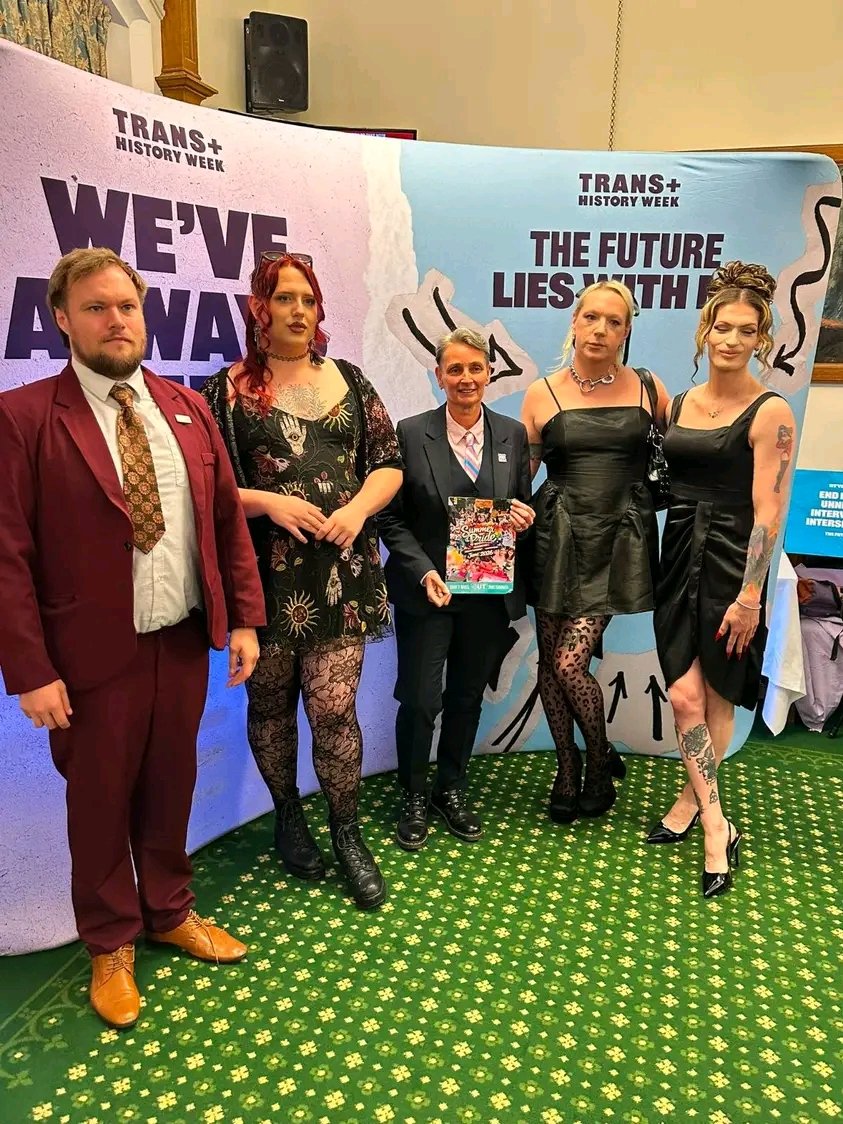
You'll NEVER be able to point out the woman in this photo...
233
222
1,709
80,979

GEEN BELEID GERICHT OP DADERS
Als je wilt dat er minder geweld is tegen vrouwen, moet je beleid gericht zijn op het
VOORKOMEN DAT MANNEN SEKSUEEL GEWELD PLEGEN.
Maar zoals gebruikelijk wordt de verantwoordelijkheid verschoven naar de slachtoffers.
Zó wil Amsterdam na moord Lisa veiliger worden voor vrouwen, maar is het genoeg? at5.nl/artikelen/238475/zo-w…
6
4
21
817
Madam Fiona (met twee tweets en 16 volgers) wil ontzettend graag dat ik aangifte tegen haar doe wegens smaad.
1
2
152

Jun 12
BEDANKT VOOR DE STEUN
Jullie steun is overweldigend.
Al negentig mensen hebben een klein of groot bedrag gegeven.
Dank daarvoor.
Het doet me zo goed dat jullie achter me staan en me helpen om de advocaat te betalen.
Het is een emotionele achtbaan om na alles wat ik heb meegemaakt ook nog eens verdachte te zijn in een strafzaak omdat mensen zich beledigd en gediscrimineerd voelen doordat ik opkom voor de rechten van vrouwen en kinderen.
Het streefbedrag voor de advocaat gehaald!
12
39
177
2,276
Caroline Franssen retweeted

Jun 12
My Autistic/ADHD level 2 daughter had a TiM teacher and she kept calling him Mr (not on purpose) but she finds it difficult to lie and the TiM teacher told the school that he is very distressed and they are now threatening my ‘disabled’ daughter with suspension for misgendering in Victoria Australia.
I support her 100% and I await their phone call.
90
293
2,346
53,338
Caroline Franssen retweeted

Jun 12
pittparents.com/p/cults-scie…
Transgenderism is the most violent movement our society faces today, acting as a highly effective tool for societal schism and chaos. Most people have no idea how powerful its grip is on individuals who fall prey to this ideology, and how fast the erosion happens when affected.
4
35
133
3,407
Caroline Franssen retweeted

Jun 12
What you’re watching here is a classic reframing pattern.
Ilana starts with something almost everyone can agree with:
Most people have felt uncomfortable in their body.
Women are told they’re too fat, too thin, too curvy, not curvy enough.
Men are told they’re too weak, too soft, not muscular enough, not masculine enough.
That part is true.
But then comes the linguistic sleight of hand.
She takes ordinary body insecurity…
and slides it into the claim that the “trans experience” is just a more visible version of what everyone feels.
That is the frame.
Not: this is a specific belief system.
Not: this involves medicalization.
Not: this has consequences for women’s spaces, sports, prisons, or children.
Instead, the frame becomes:
“Everyone feels wrong in their body, and trans identity is just the brave, visible example of finding your true self.”
That sounds compassionate.
But it also erases the distinction between discomfort with your body and rejecting the reality of your sex.
Because almost everyone has felt insecure.
But that does not mean everyone is secretly experiencing some version of transness.
That is the NLP move.
Ilana creates agreement with a universal human experience…
then she attaches that agreement to a much more controversial claim.
And once you accept the frame, disagreement starts to sound cruel.
That is how the spell works.
39
143
1,075
12,460