
Striving for rugged self-reliance. Ex-College Arena & High School FB Coach / GOTW @910TheFan & Facebook Page facebook.com/ @GHessRVA
Joined March 2009
- Tweets 13,038
- Following 1,766
- Followers 1,867
- Likes 5,827
1,254 Photos and videos

Pinned Tweet

Jun 14
Maybe NEXT year @Mikeysurf !
Jun 14

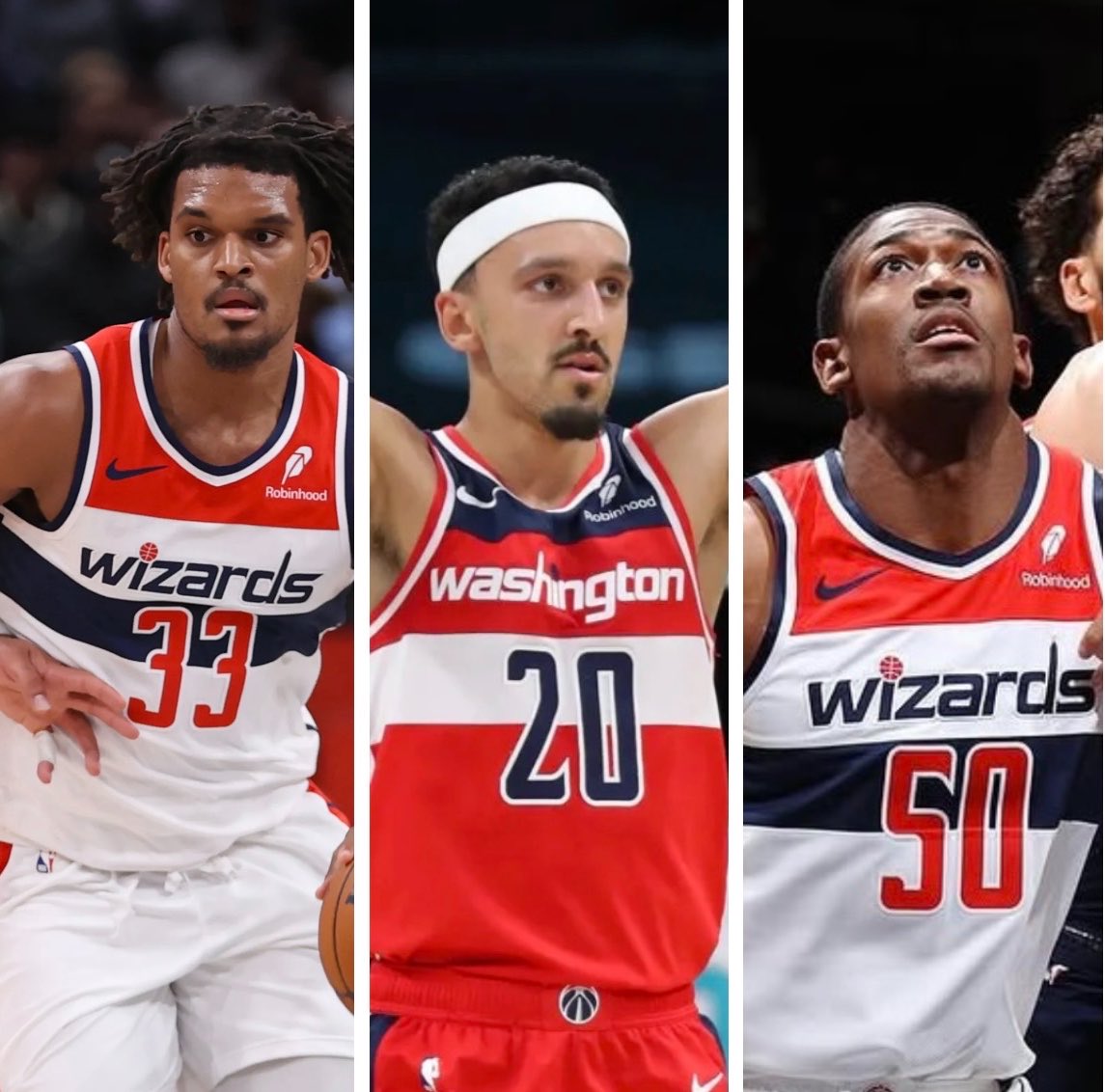
Former Wizards Landry Shamet, Dillon Jones and Trey Jemison III have won an NBA championship with the New York Knicks.
It marks the ninth time in 10 years that at least one former Wizard has won the NBA Finals.
1
78
Jun 15
Jun 13

Hermitage Panthers 2028 tackle coming home from the 757 with an offer from the ODU Monarchs of the Sun Belt Conference. @WillVapreps @VaPrepsRivals @hatfieldsports @coachjjenkins @RecruitHermFB
1
1
290
Jun 13
Congrats! #804pipeline (with an assist from Coach Harris !
@staywithcoach

#Blessed to receive an offer from The Utah State Aggies!!! @RealMikeRob @coachmlew Thank you coach Tim Harris!!!

116


Gary Criswell retweeted

Apr 19
20
68
5,180
Jun 10
Jun 9
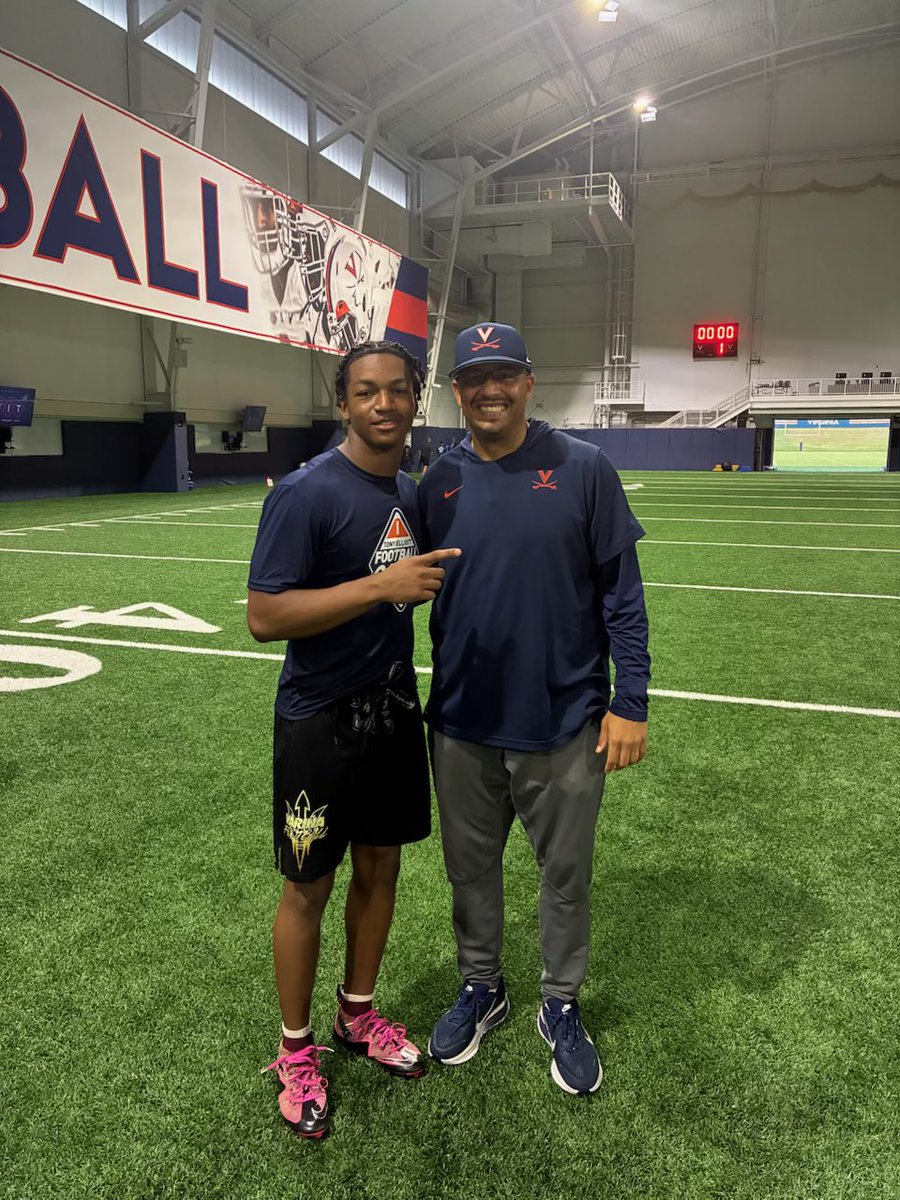
Varina Blue Devils 2027 wideout picks up his first ACC offer by way of the Cavaliers of UVA. @WillVapreps @VaPrepsRivals @hatfieldsports @coachjjenkins @RecruitingVHSFB
102
Jun 9
Must of had a good camp! #804pipeline

Extremely blessed to receive my first D1 offer from UVA! #AGTG @Coach_TElliott @coachmlew @RecruitingVHSFB

80

Steve Sark at Texas is one of the best at running RPO'S off his gap running schemes!
Sweep and counter are 2 schemes he will run his RPO'S off of.
coachkoufootball.substack.co…
1
2
72
11,702
Jun 8
The gift of adversity and failure! #staywithcoach
Jun 7

Great perspective from @NDFootball Coach Marcus Freeman (@Marcus_Freeman1) on why he feels he must remind his players to choose hard:
"Struggle with what you have."
Everyone starts from a different place. Some people are born on third base. Others have never even seen a triple. But growth isn't determined by where you begin, it's determined by the challenges you're willing to embrace.
When you step onto the field, the court, or into any defining moment, nobody cares where you started. What matters is how you've prepared, how you've responded to adversity, and how you've conditioned yourself for the grinding opportunity in front of you. It's a daily choice.
The hard way is the right way.
Choose hard!
Especially when life makes easy available.
2
233
Gary Criswell retweeted

The Best of the Best Know…
21
62
3,048
Gary Criswell retweeted

Jun 7
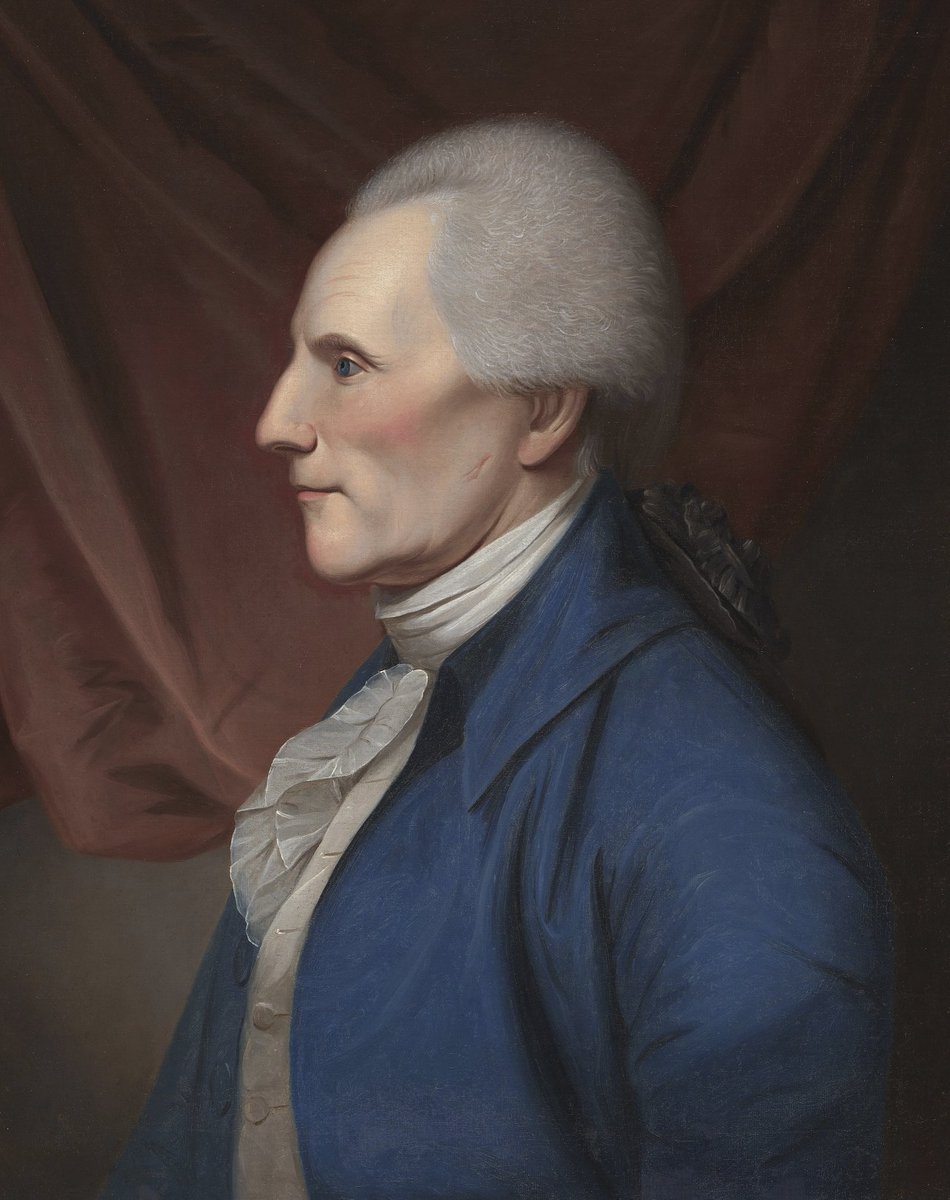
250 years ago today, a man stood up in a room full of nervous delegates and said the words that made America inevitable.
Not Thomas Jefferson. Not George Washington. Not Benjamin Franklin.
A Virginia planter named Richard Henry Lee.
It was June 7, 1776. The war had already been going for over a year. Men were dying. Cities were burning. And yet the Continental Congress still had not officially declared independence from Britain.
That morning, Lee rose and read aloud a resolution he had been instructed to deliver by Virginia:
"That these United Colonies are, and of right ought to be, free and independent States, that they are absolved from all allegiance to the British Crown, and that all political connection between them and the State of Great Britain is, and ought to be, totally dissolved."
John Adams immediately seconded it.
The room erupted.
The debate that followed was so heated that Congress had to table the vote entirely. New York, New Jersey, Pennsylvania, Delaware, Maryland, and South Carolina were not ready. Their delegates had not been authorized to vote for independence. Some feared it was too soon. Some feared it was treason.
So Congress bought time. They postponed the vote for three weeks and quietly appointed a committee to draft a formal declaration, just in case the resolution passed.
That committee included Adams, Benjamin Franklin, Roger Sherman, Robert Livingston, and a soft-spoken 33-year-old Virginia lawyer known for his elegant writing.
Thomas Jefferson.
Jefferson wrote the Declaration. It was adopted July 4. The world celebrated.
And Richard Henry Lee, the man whose words started everything, whose resolution is the reason any of this happened?
He had already gone home to Virginia. He missed the signing entirely.
Jefferson is immortalized. Lee is a footnote.
History is funny that way.
68
907
3,805
115,526
Gary Criswell retweeted

Virginia trading the Tackles to hide the shift to Wildcat 👌
11
107
3,237
506,767

Jun 6

3
794