
Joined August 2019
- Tweets 2,887
- Following 317
- Followers 664
- Likes 4,665
258 Photos and videos







Pinned Tweet

8 Mar 2023
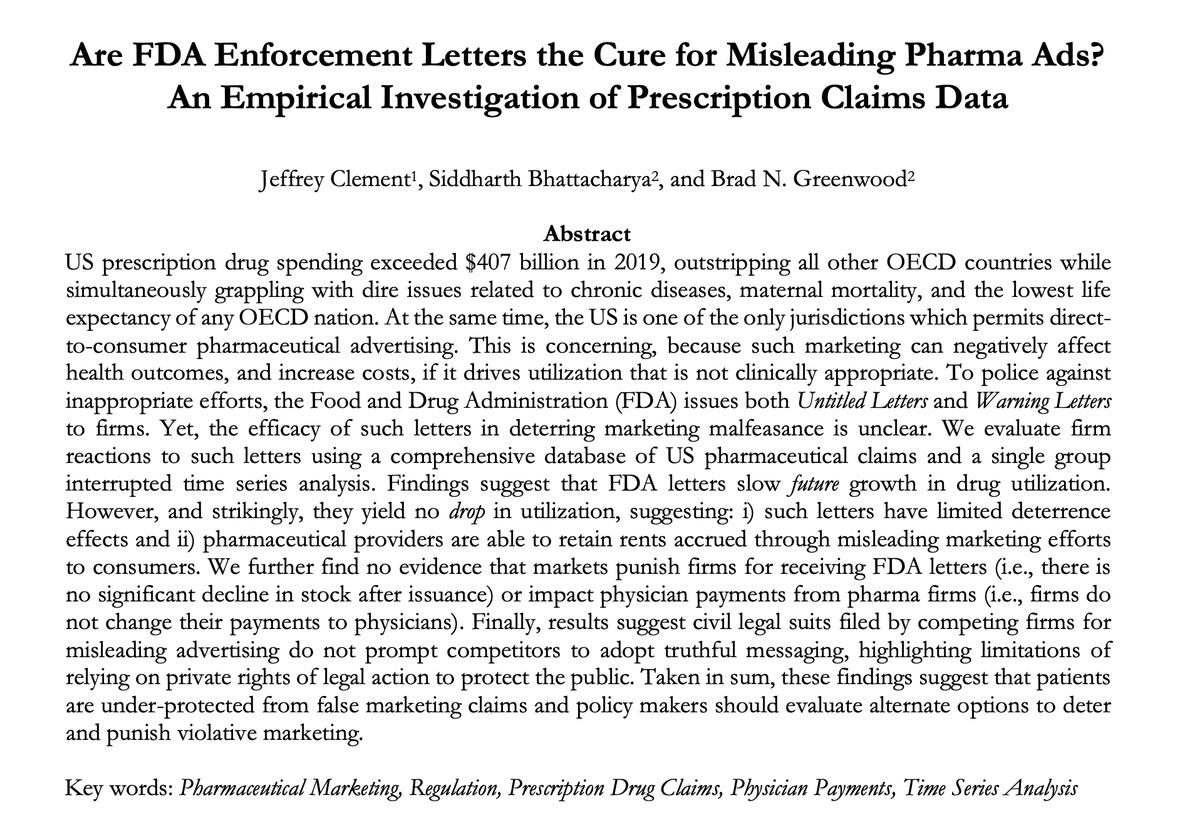
New working paper with Siddharth Bhattacharya and
Brad "@Fixed_Effects" Greenwood.
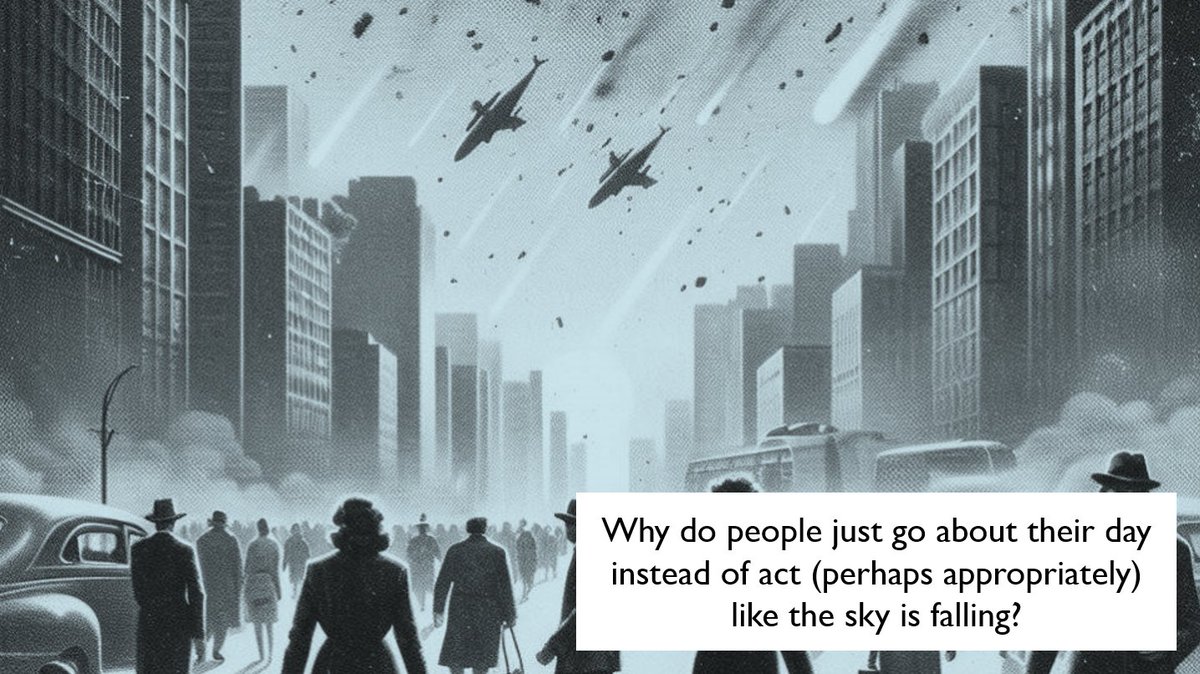
We explore whether FDA enforcement actions protect the public from misleading pharma advertising. 🧵 below.
papers.ssrn.com/sol3/papers.…
#EconTwitter
1
1
7
7,198
Jeff Clement retweeted

27 Mar 2025
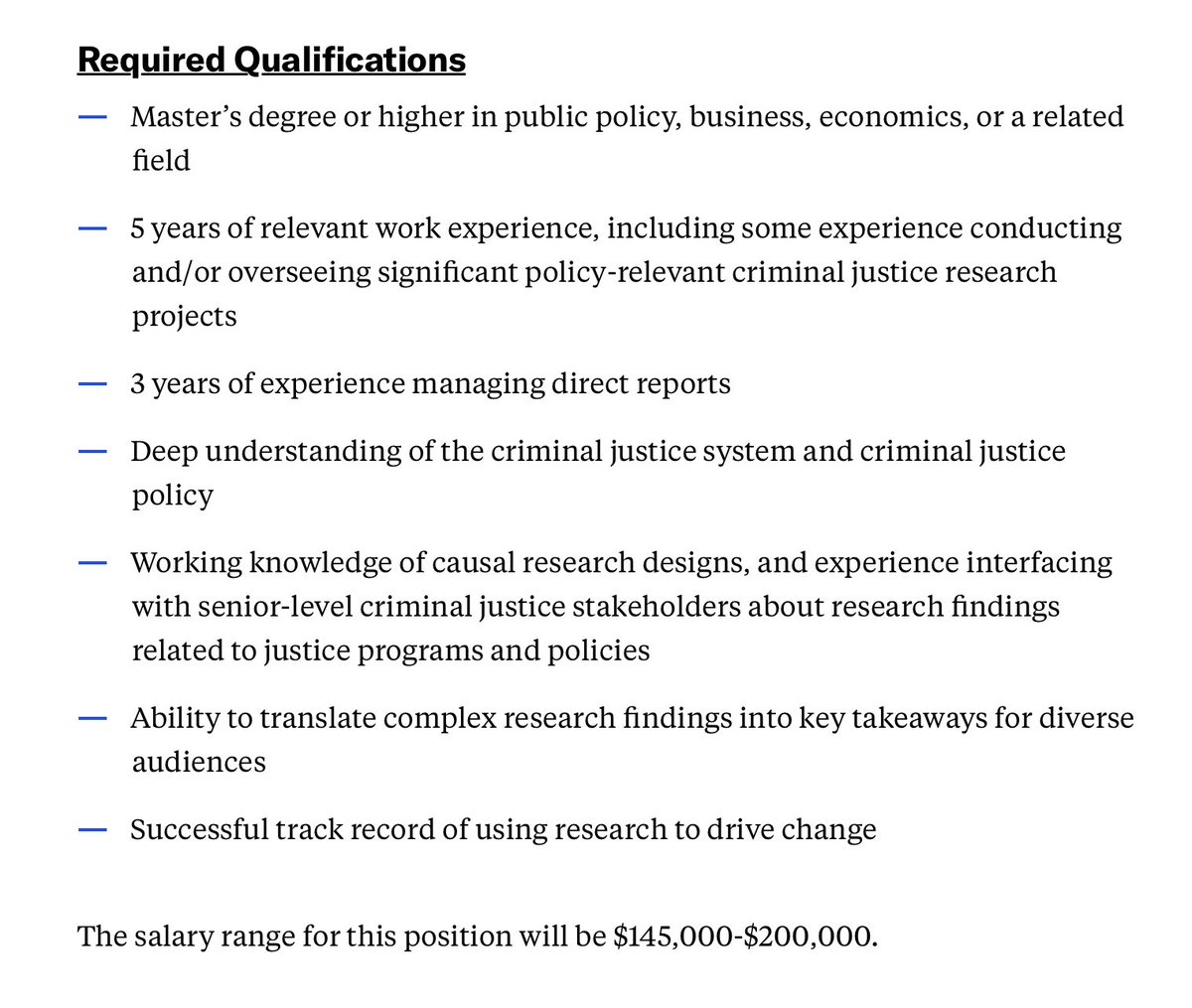
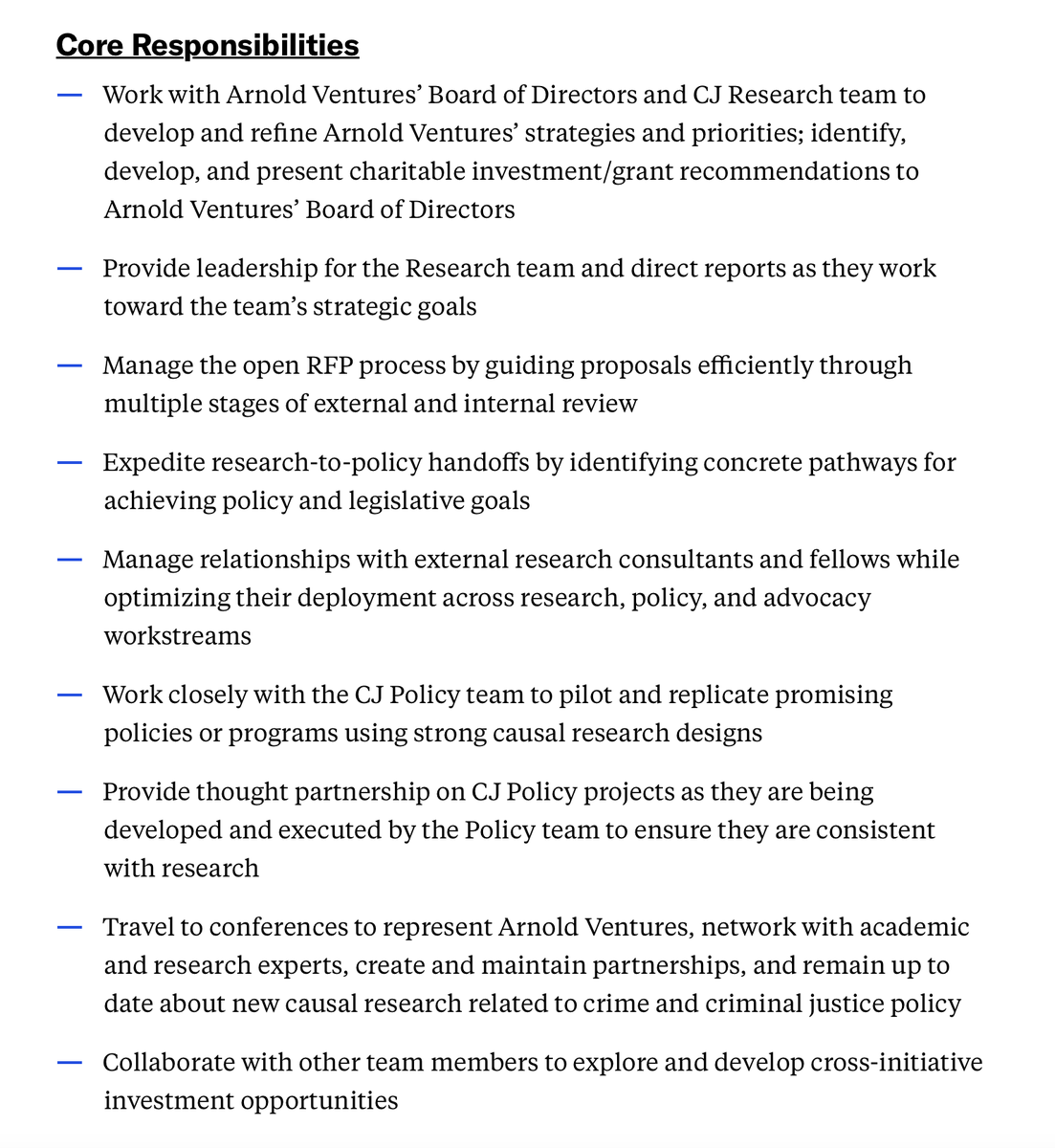
We're hiring!
The @Arnold_Ventures Criminal Justice team is looking for a Research Director to join our team. They'll report to the fabulous Ashna Arora.
Salary: $145-200k
Location: Houston, DC, or NYC (not remote)
More info here:
arnoldventures.org/careers/d…
Please RT!

1
26
47
12,920
Jeff Clement retweeted
3 Mar 2025
Reach out to folks at @Arnold_Ventures if your research has a strong causal design, and/or overlaps with our areas of policy interest. We may be able to provide bridge funding!
3 Mar 2025

Start making contingency plans immediately. Especially if you are supporting staff or in the middle of a crucial step like data collection. Start looking for emergency bridge funding. Speak to your university about this. Often this will be fruitless but you never know.
1
9
32
7,704

The working paper for the Many-Economists project, which got a lot of juice from this very platform, is available! The Sources of Researcher Variation in Economics looks into researcher degrees of freedom and tries to isolate which ones are important. Data cleaning!
25 Feb 2025

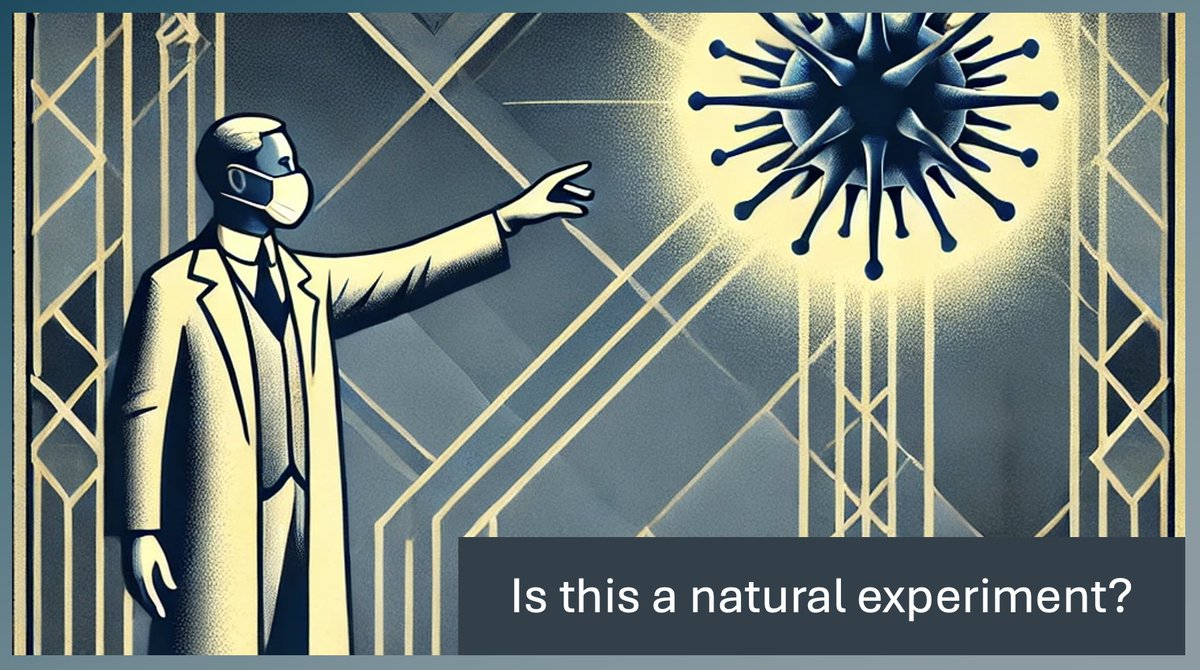
The Many-Economists project with @nickchk, The Sources of Researchers Variation in Economics, is now on SSRN. We had 146 teams perform the same research task three times, each with less freedom, to explore what drives differences across researchers. papers.ssrn.com/sol3/papers.…
1
18
67
8,374
11 Feb 2025
If you wanna be radicalized against the Jones Act, read Michener's novel "Alaska."
11 Feb 2025

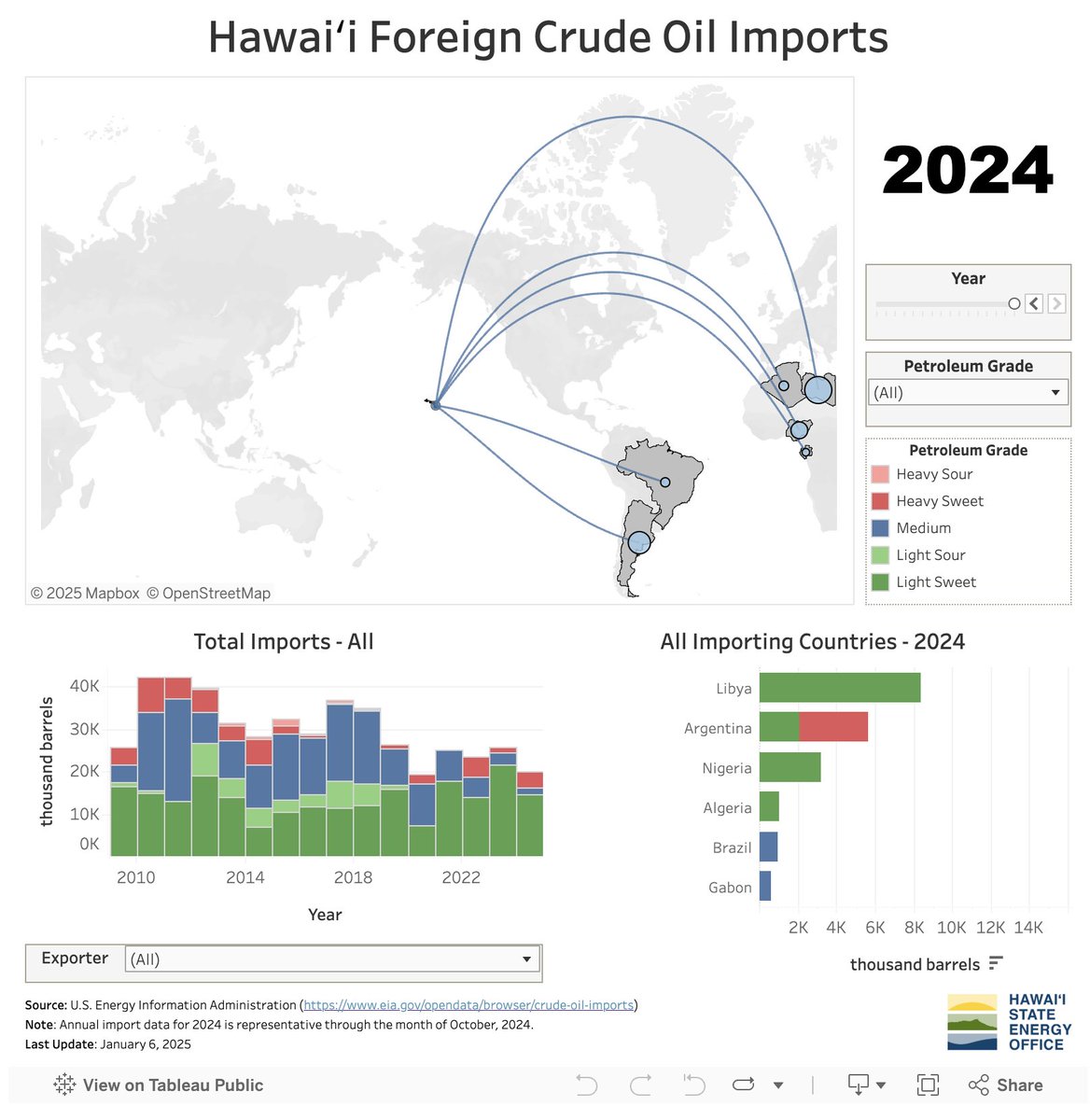
The Jones Act makes domestic shipping so expensive that last year Hawaii purchased 100% of its light sweet crude from Libya (distance: ~10,500 nautical miles), Argentina (~7,300 nm), Nigeria (10,000 nm), and Algeria (~9,300 nm) instead of Houston (~6,300 nm).
1
3
253
21 Jan 2025
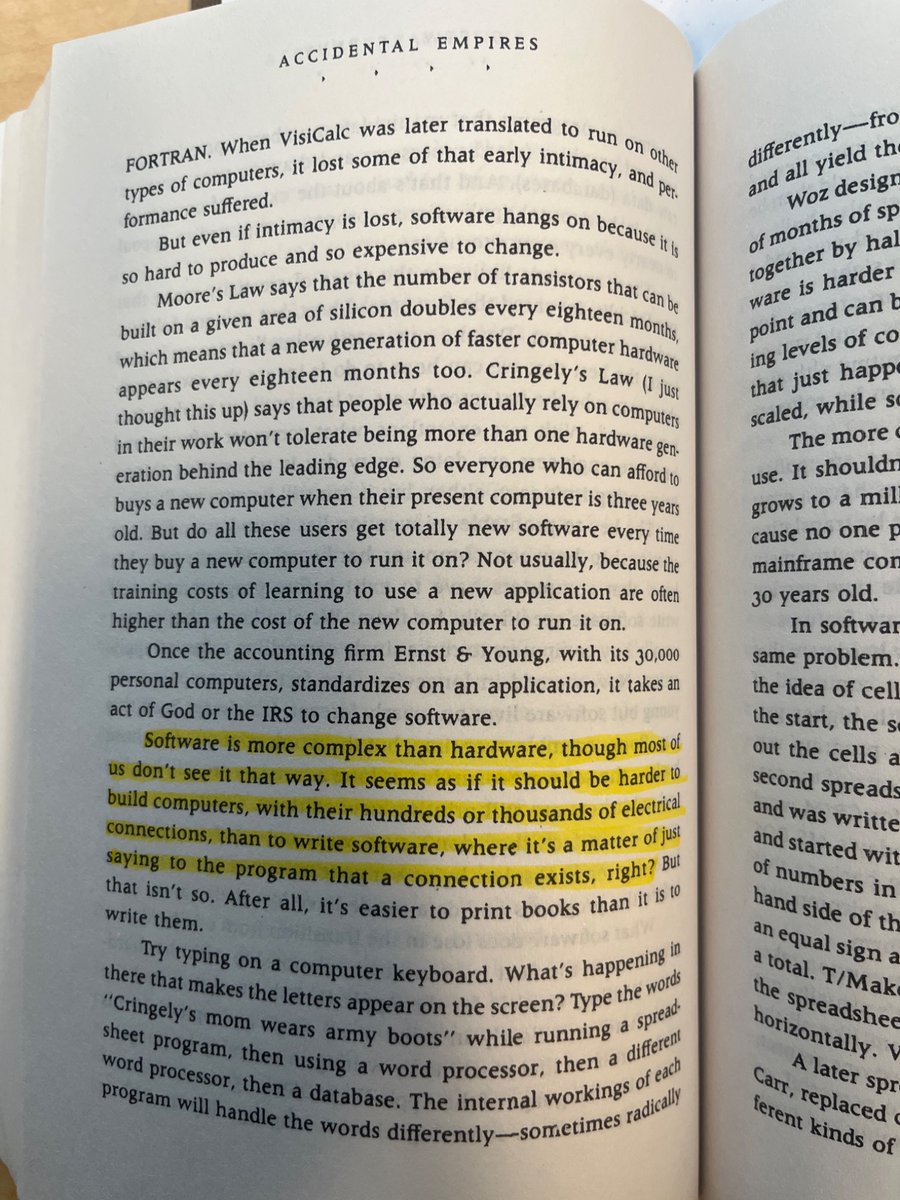
Will it also drastically undervalue the opportunity cost of 5 prime early career years?!
19 Jan 2025

JUST IN: Axios reports that OpenAI is set to announce artificial intelligence super-agents capable of performing tasks at a PhD level
2
142
18 Jan 2025
I think I'm going to get really into The Smiths. Feels appropriate.
87
Jeff Clement retweeted

14 Dec 2024
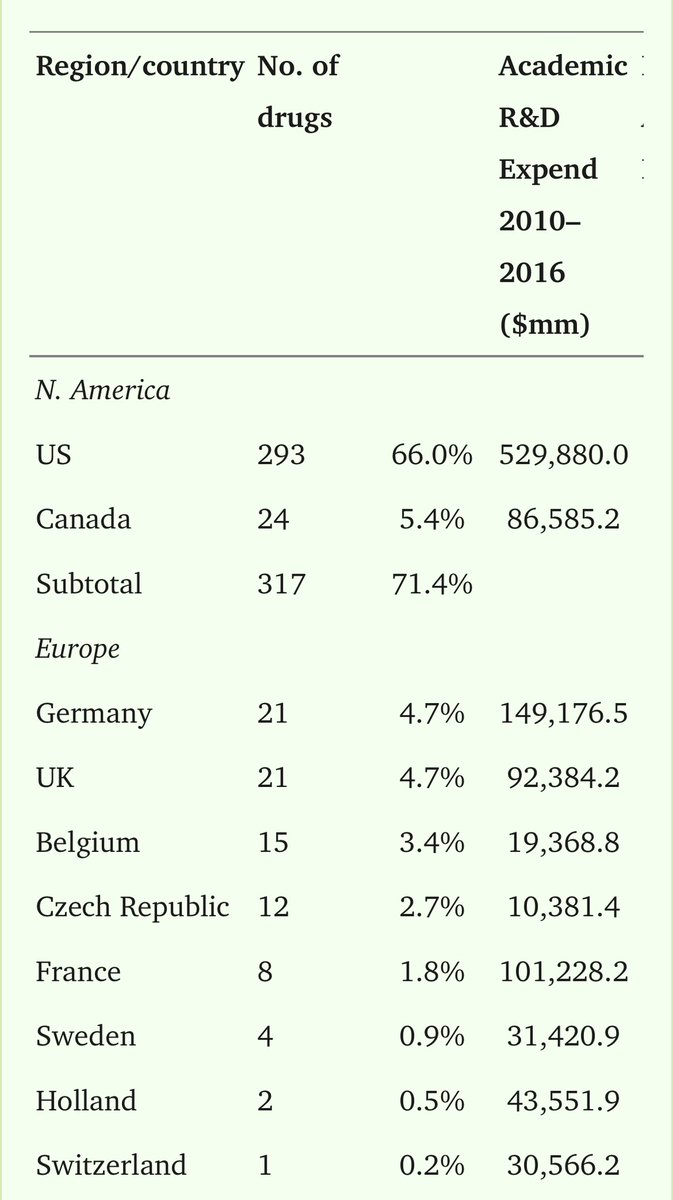
The US discovers 2/3rds of all approved drugs in the world.
Hate the system, okay, but innovation can be both life-saving and costly at the same time.
58
138
965
76,120
13 Dec 2024
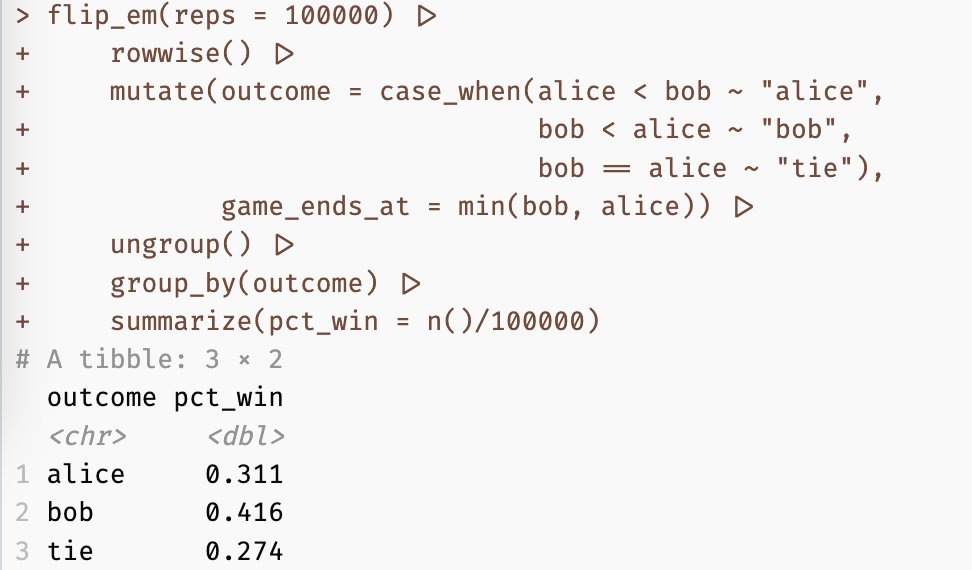
My schedule only allows inconsistent participation, but I think my 9th grade math teacher would've been proud of me. Thanks, Mrs. Mills, wherever you are!
#AdventOfCode
2
1
7
207
Jeff Clement retweeted

11 Dec 2024
Such a clear sign that students have grown accustomed to not having enough repetition and spaced practice when the they all say, “but we’ve done this already” and “why do you keep bringing this back?”
Because I’m here to make sure you don’t forget it.
13
27
241
9,720
12 Dec 2024
My syllabus explicitly says that (1) I don’t do bumps because they favor already-privileged groups and (2) now having been informed of that fact, asking for one violates our code of conduct, and therefore results in a REDUCTION from your course professionalism component.
11 Dec 2024

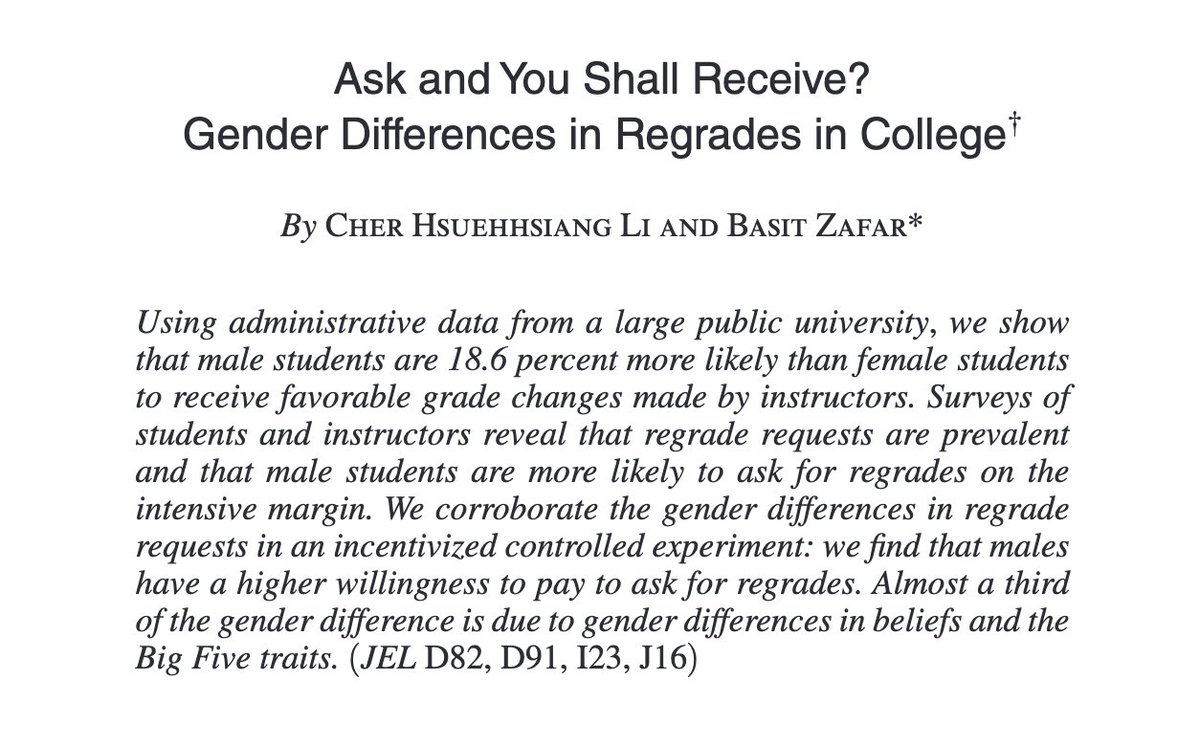
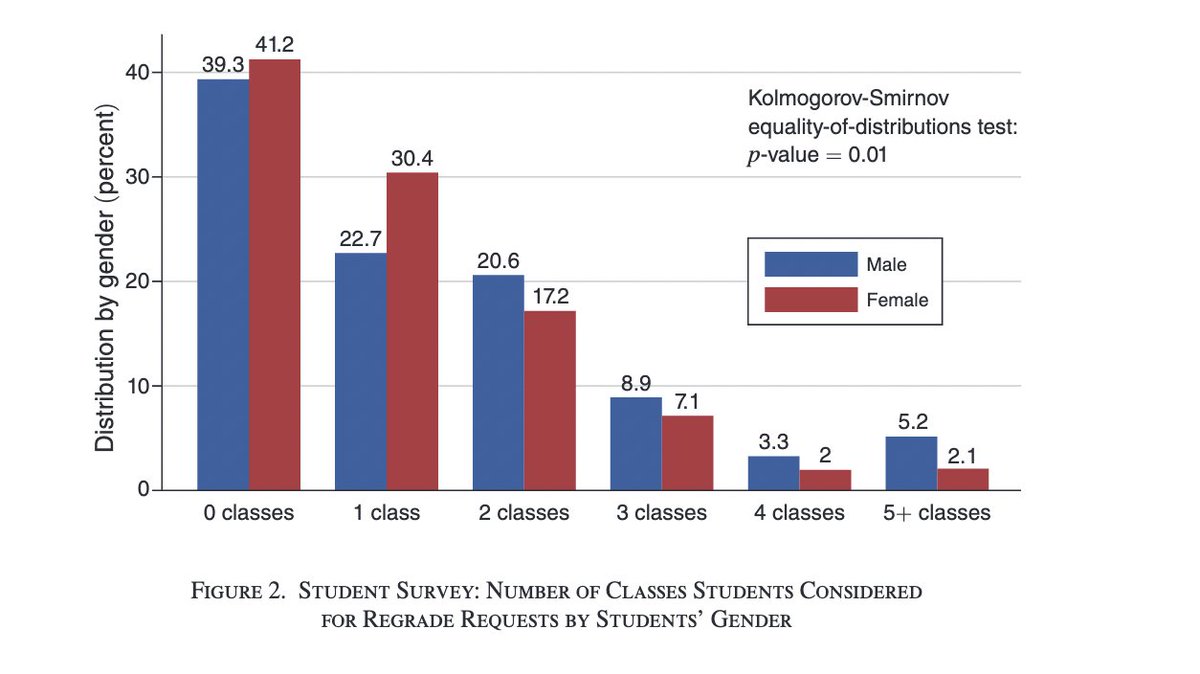
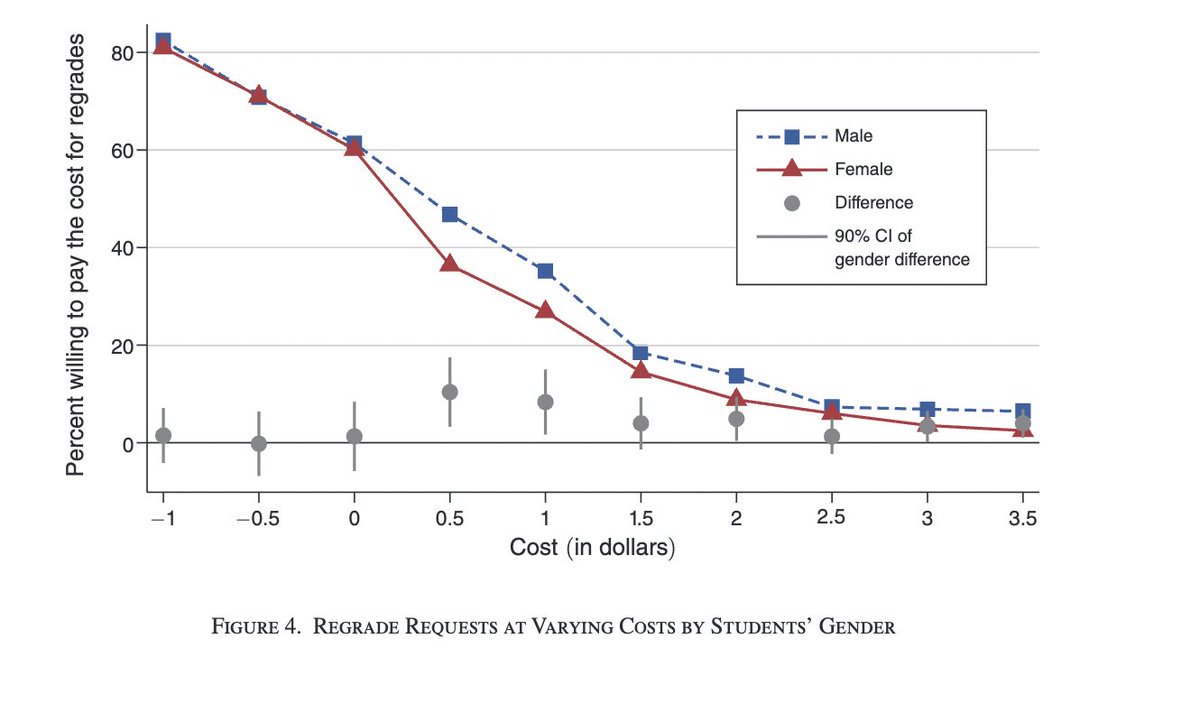
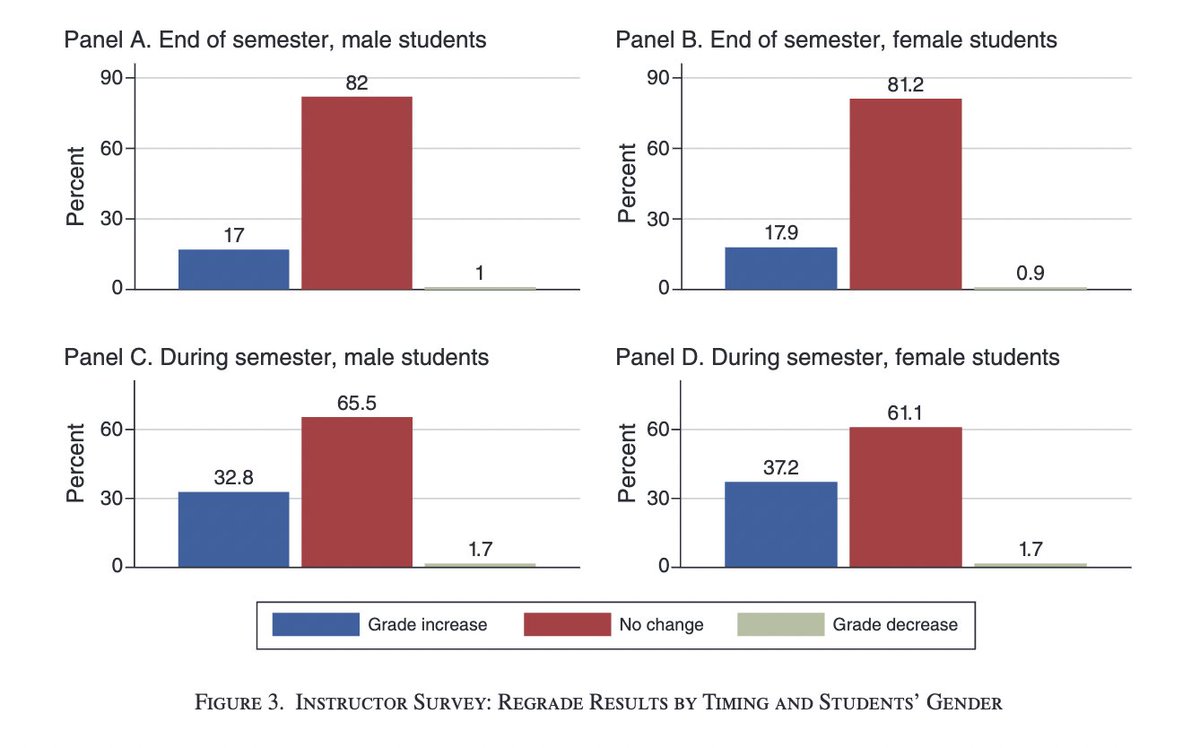
"We show that male [college] students are 18.6% more likely than female students to receive favorable grade changes."
2
129
12 Dec 2024
Things got busy again (I'm going to try to catch up after grades are submitted...) but I'm back at it. #AdventOfCode #RStats
6
158
7 Dec 2024
I got pretty busy toward the end of the week, but I'm back in the stars for #AdventOfCode.
Kinda regretting using #RStats for today's recursion-heavy puzzle. Might need to learn something faster...
6
180
4 Dec 2024
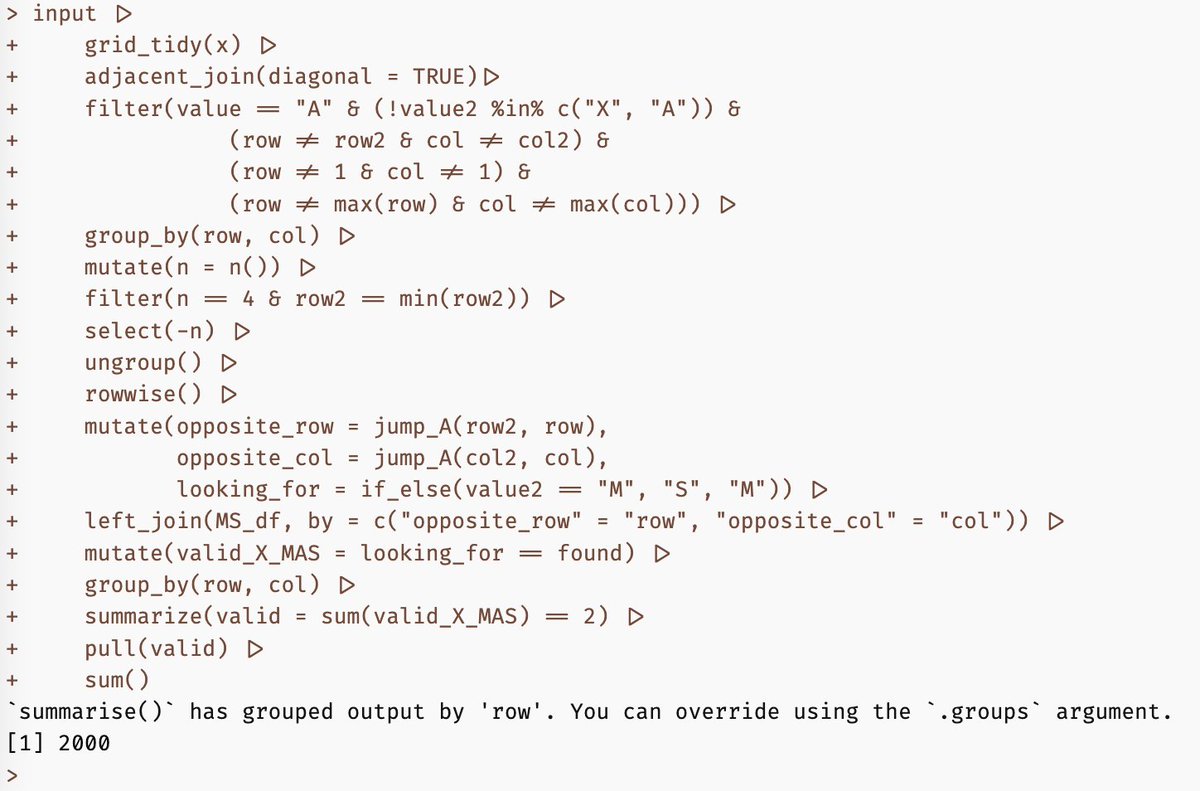
Anybody else find Part 2 of today's #AdventOfCode easier than Part 1?
I really enjoy when I can put (almost...one little helper function) the entire problem in a single #RStats tidyverse pipe.
3
226
3 Dec 2024
Hanging on for Day 3 of Advent of Code. A good little regex puzzle today.
1
120
27 Nov 2024
Working the Saves The Day show 20 years after I pretty much wore out their CDs in high school.
You all will gratified to know that emo kids still don’t jump around at shows.
1
5
194
Jeff Clement retweeted

18 Nov 2024
Your first draft isn't meant to be perfect, it's meant to make you question every decision you've ever made in your life
8
447
3,104
107,485
Jeff Clement retweeted
17 Nov 2024
This is not okay and is not sustainable. It's time to get serious about how to handle shoplifting and disorder. The answer can't be long prison sentences, but it also can't be nothing.
The AV CJ team is holding a BRIDGE event on how to handle retail theft, early in 2025. Looking forward to brainstorming with researchers, prosecutors, and police about new ways forward.
16 Nov 2024

It happened again this morning, and it’s sadly becoming a joke at this point.
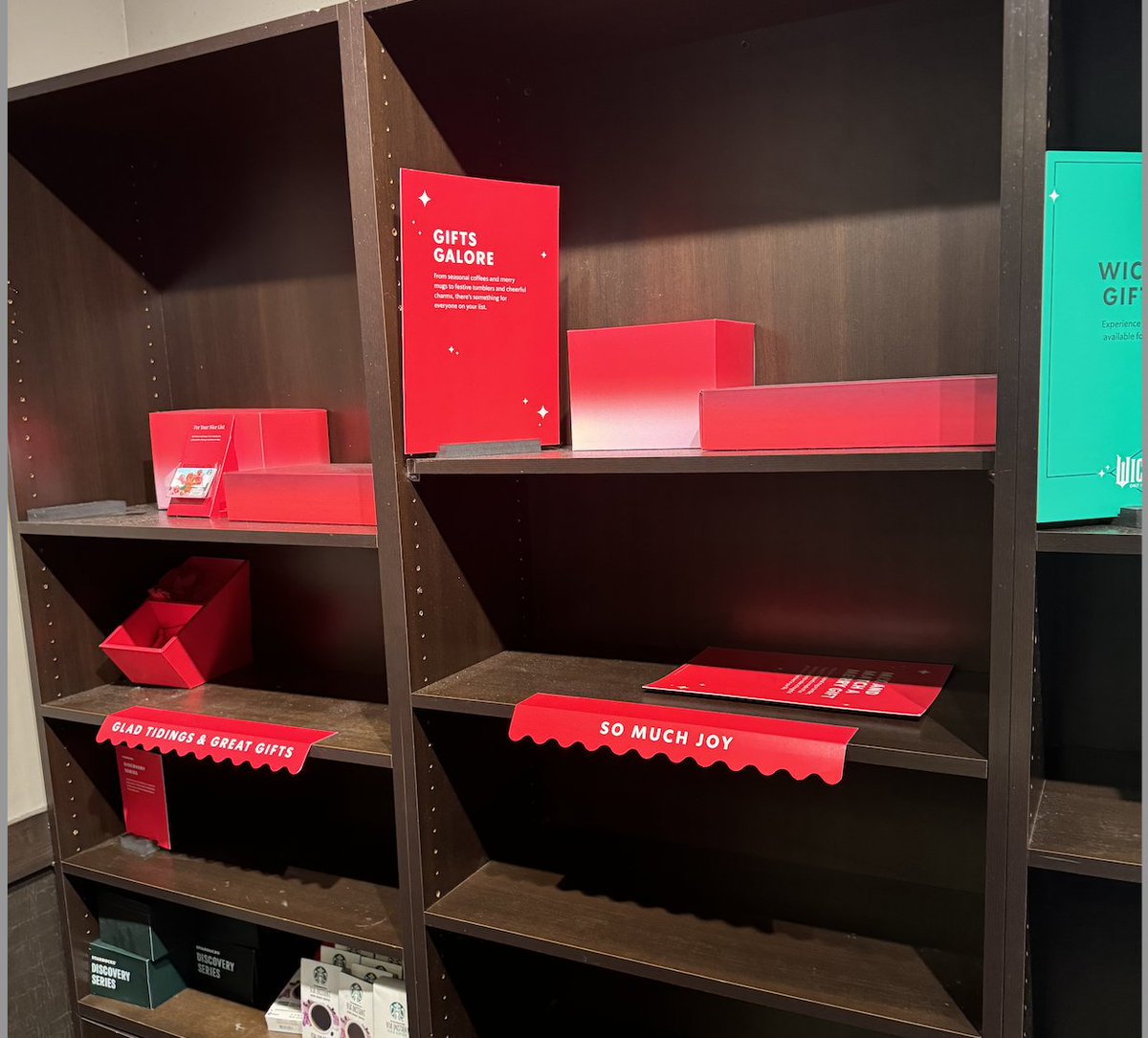
I walked into Starbucks, and the shelf that just a couple of days ago was full of holiday merchandise for the new season was completely empty.
Again.
When I asked the barista, they confirmed it: someone walked in, calmly cleared the shelves, and walked out without a care.
They of course aren’t allowed to stop them - that would be nonsensical.
The barista told me that even if they call the police, it takes hours for them to arrive, and nothing happens anyway. This is just the new normal.
The folks at Target told me the same thing when I watched a guy fill two entire bags and just calmly walk out with a smile on his face as he was surrounded by security that could do nothing to stop him.
Some might say, "So what? Starbucks or Target are massive companies, and a few missing holiday items don’t matter."
But it does matter. It makes order meaningless. It erodes the social fabric—the part of society that values integrity and accountability.
What do kids think when they see this? What does it mean to the person who saves up to buy a special Starbucks mug as a gift for their uncle? It sends the message that stealing is fine, that rules don’t apply, and that no one cares.
I don’t know what to do, but shrugging this off feels like a massive failure. Starbucks will restock the shelves, and they’ll just be cleared again. There are no consequences, so the thieves will keep coming back. And where does that leave us?
A seemingly minor crime like this has far-reaching implications. It’s not just about stolen mugs—it’s about the creeping normalization of lawlessness.
Years ago, New York City adopted a policy to address graffiti immediately. Graffiti may seem like a small crime, but tackling it sent a big message: small acts of disorder would not be tolerated. Crime rates dropped because the city prioritized order.
Now, I find myself dreading the day I have to explain to my son why some people can just walk in and take what they want, or why we pay for the subway while others effortlessly jump the turnstile. These small acts of defiance aren’t harmless—they chip away at our society, slowly at first and then all at once.
We need to bring back the lessons learned from the graffiti-removal days. This can’t go unchecked—it needs to stop, no matter if the resources it would take are great. The short-term expense is worth it.
The costs of not doing something now is too high.
It's not too late.
573
53
882
1,070,585
7 Nov 2024
I needed something fun to mess with. It's been on my list to try adding an LLM step to an R pipeline. Like have ChatGPT look at the mtcars dataset and add a column for what type (sedan, hatchback) they are. @ExpectedParrot's edsl makes it easy.
linkedin.com/pulse/adding-ai…
5
14
1,958