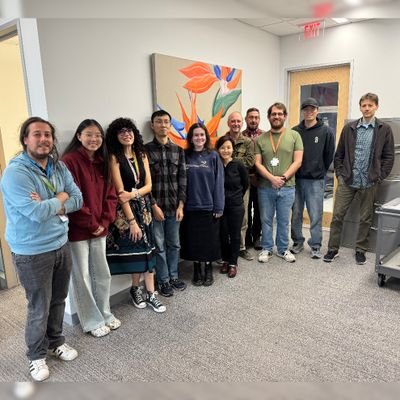
Posting from Colin Nichols' electrophysiology lab at @WUSTL. Focused on ion channels biophysics & role in physiology and pathology.
Joined March 2023
- Tweets 122
- Following 526
- Followers 401
- Likes 43
40 Photos and videos

Colin Nichols Lab @colinnicholslab.bsky.social retweeted

26 Jan 2025
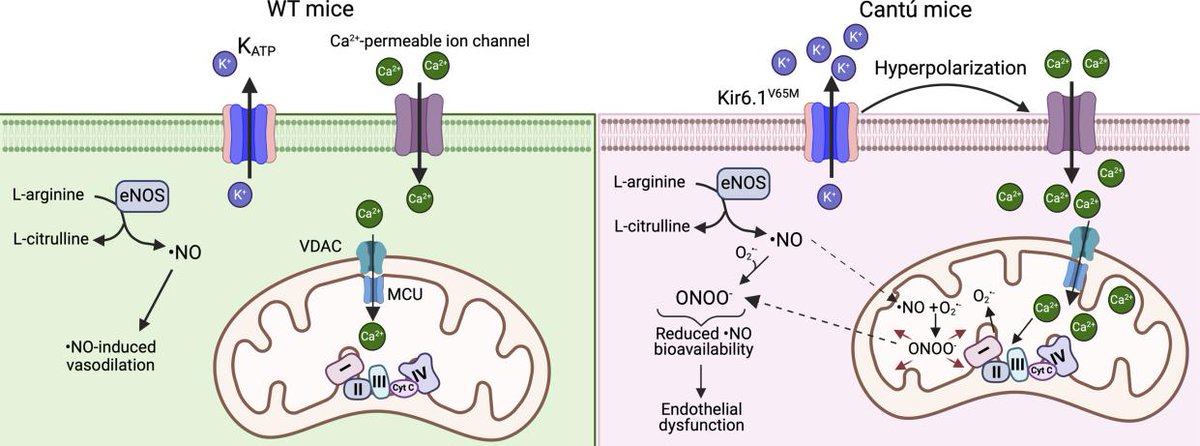
Mitochondrial Ca2 -coupled generation of reactive oxygen species, peroxynitrite formation, and endothelial dysfunction in Cantú syndrome
@vesselman @ColinNicholsLab @JCI_insight insight.jci.org/articles/vie…
2
14
530
Check out our new publication "Control of neurovascular coupling by ATP-sensitive potassium channels" @Nyorkster91 @SageJournals
journals.sagepub.com/doi/10.…
A 🧵 1/n
1
1
2
145
We reveal the dramatic effects of either increasing or decreasing SUR2/Kir6.1-dependent KATP activity on NVC, whether pharmacologically or genetically induced. 3/n
1
103
The study has important implications both for monogenic KATP channel diseases and for more common brain pathologies. 4/n
91
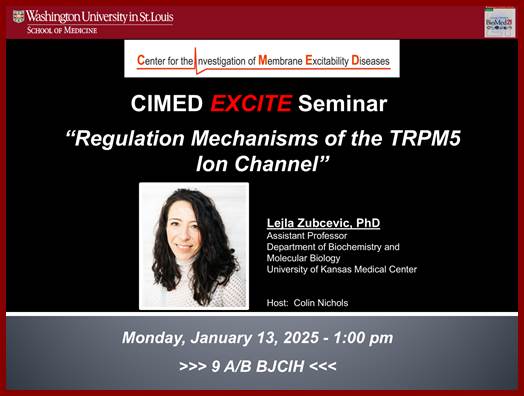
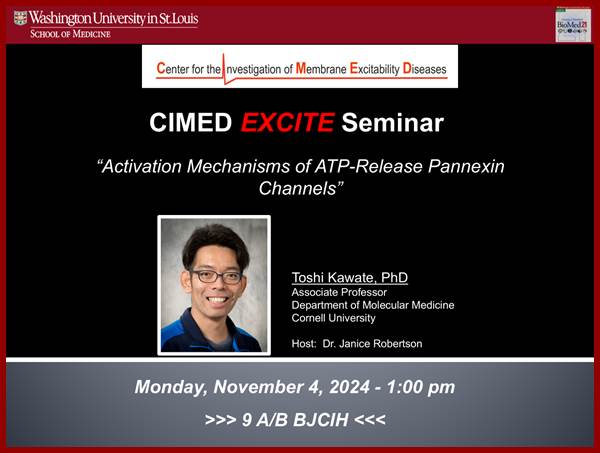
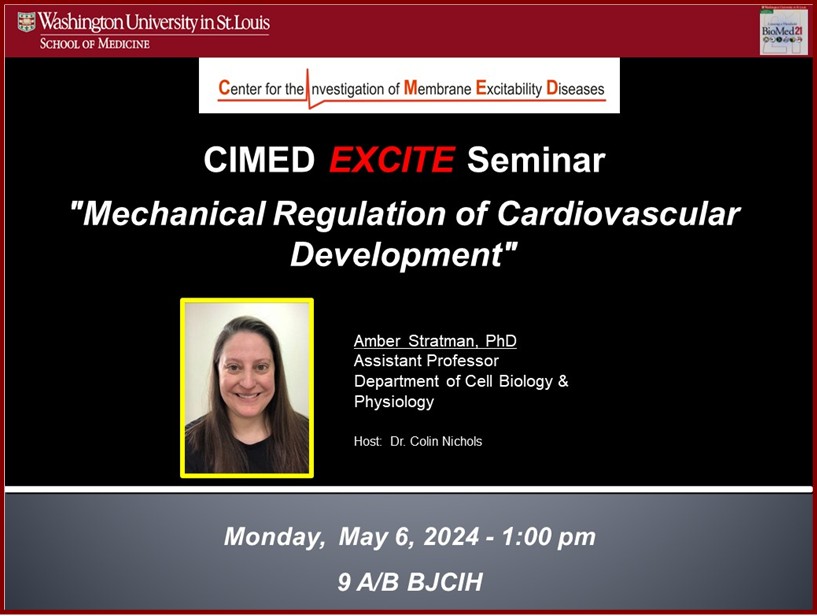
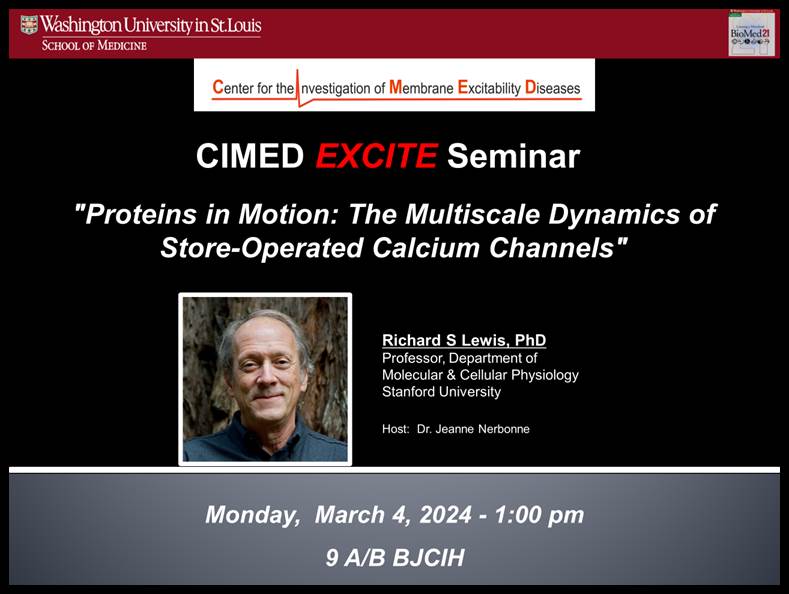
Join us today for a new exciting CIMED seminar! @zubcevic_lejla @WUSTL
4
316
Check out our new publication "Loss of β-cell KATP reduces Ca2 sensitivity of insulin secretion and Trpm5 expression" @Nyorkster91 @ADA_Pubs
diabetesjournals.org/diabete…
A 🧵 1/n
1
2
5
448
In this study we examine this phenomenon, demonstrating that the lack of insulin secretion is the result of an apparent reduced sensitivity to Ca2 . 3/n
1
116
We show that insulin secretion can be restored when intracellular Ca2 is artificially elevated by increasing extracellular Ca2 . 4/n
108

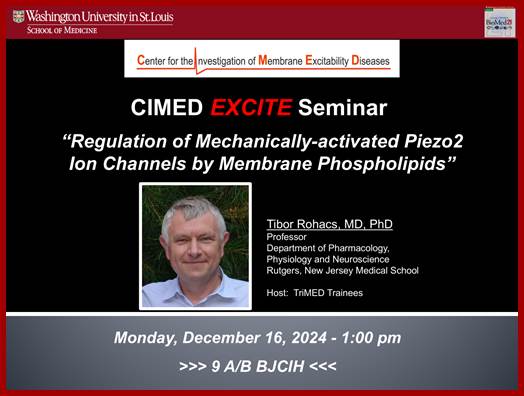
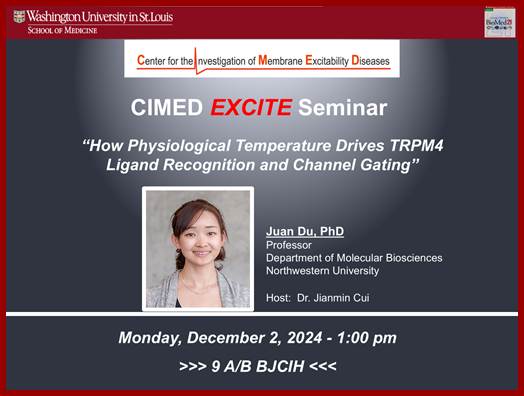
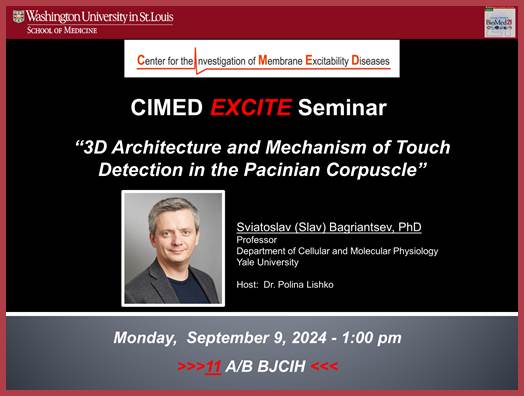
Join us today for a new exciting CIMED seminar! @WUSTL
1
6
403
Join us today for a new exciting CIMED seminar! @WUSTL
4
387
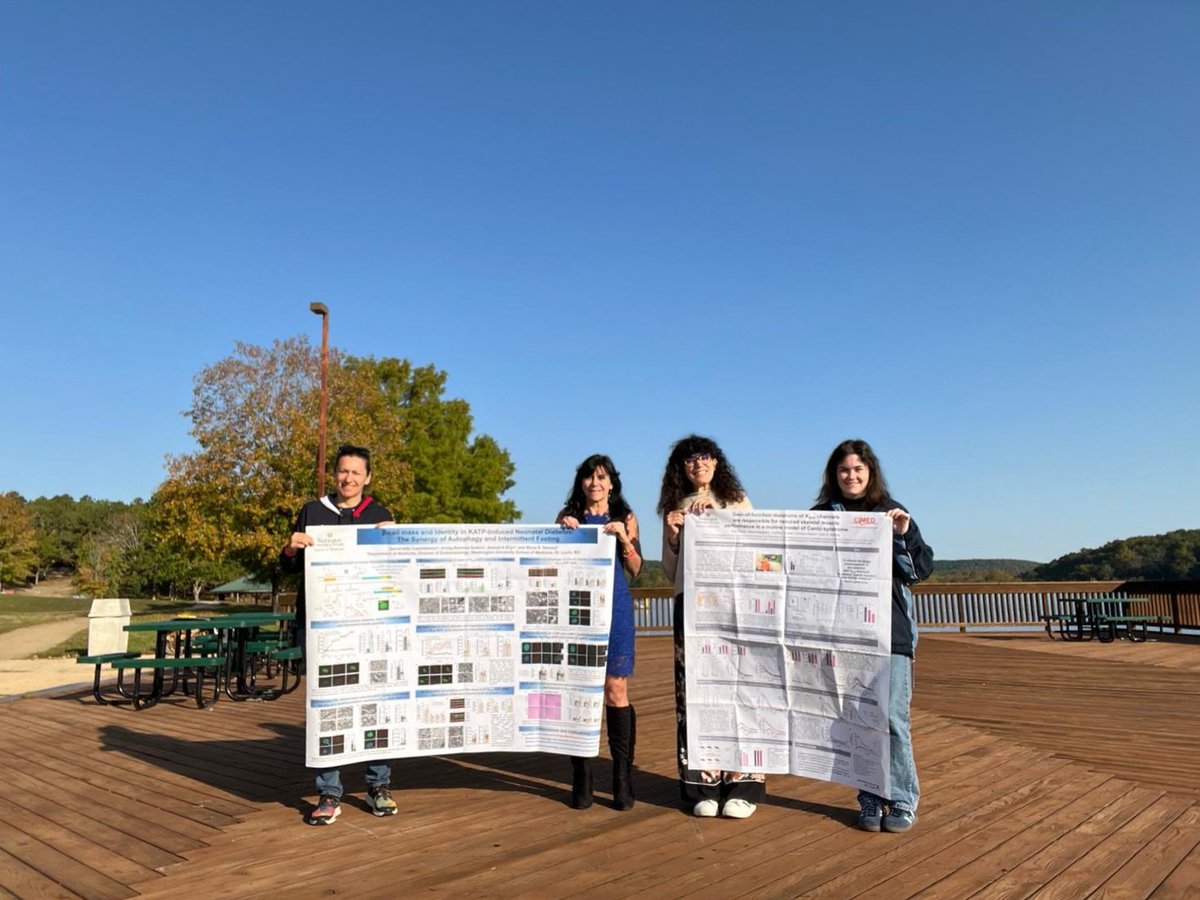

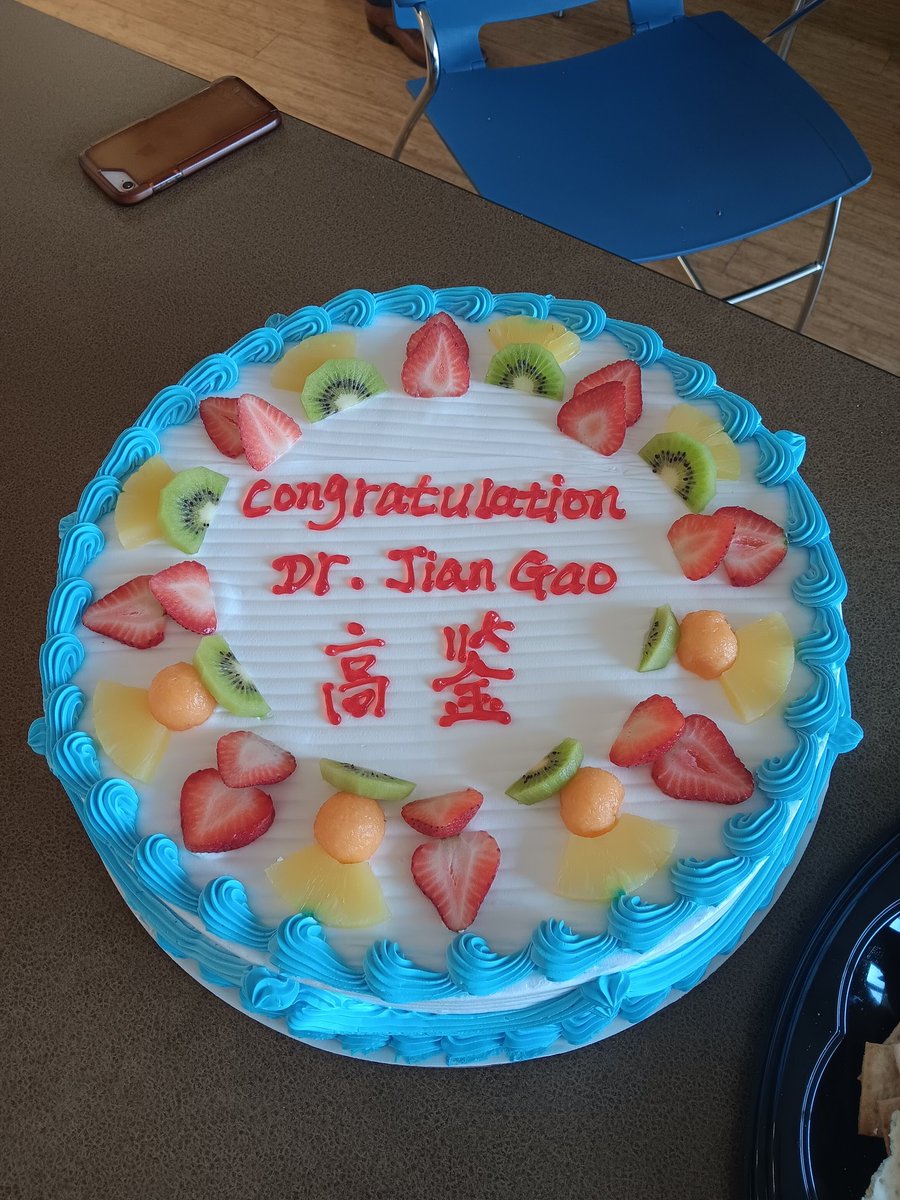
Excellent thesis defense by Dr. Gao! Congratulations Jian, we are very proud of you! 🥳
3
22
1,441
Colin Nichols Lab @colinnicholslab.bsky.social retweeted

3 Sep 2024
Congratulations to Drs. Irfan Lodhi, Jeffrey Millman, Maria Remedi, and Julie Silverstein on achieving full professorship in their careers! Learn about each of their journeys: bit.ly/3Xs4FyM. @JeffreyRMillman @LodhiLab @WUDeptMedicine
4
7
52
3,655
Check out our new publication
"A novel ABCC9 variant in a Greek family with Cantu syndrome affecting multiple generations highlights the functional role of the SUR2B NBD1" onlinelibrary.wiley.com/doi/…
A 🧵 1/n
1
3
6
661
Functional assays reveal that KATP channels containing this mutation exhibit reduced sensitivity to inhibitory ATP compared to WT, providing a molecular explanation of the condition. 3/n
1
203
The specific location of the variant also reveals an unrecognized functional role of the first glycine in the signature motif of the nucleotide binding domains in NBD1 of SUR2 subunits. 4/n
173