
Ethnic American, outdoorsman 🦌 🦃 , 🐎, Retired Army 🪂 7th Gen Dirt Farmer, 🪕picker, MAGA, love my 🇺🇸 Stop the invasion of illegals
Joined August 2022
- Tweets 287,237
- Following 15,210
- Followers 30,604
- Likes 501,090
18,601 Photos and videos
Pinned Tweet

10 May 2025
**The Misplaced Blame on Boomers: A Counter to Post-Boomer Entitlement** Mark T. Raines 2025
The narrative that Baby Boomers are the root of all economic woes for post-Boomer generations—Gen X, Millennials, and Gen Z—has become a tired trope, steeped in oversimplification and entitlement. While it’s tempting for younger generations to point fingers at their predecessors, blaming Boomers for everything ignores historical context, individual agency, and the complexities of economic evolution. This essay challenges the notion that Boomers are solely responsible for the struggles of post-Boomer generations, arguing that such accusations reflect a lazy, weak, and entitled mindset that shirks responsibility for navigating today’s challenges.
First, let’s dismantle the caricature of Boomers as selfish architects of economic ruin. Born between 1946 and 1964, Boomers came of age in a post-World War II era of prosperity, but they didn’t create the conditions they inherited. The GI Bill, suburban expansion, and industrial dominance were products of government policies and global circumstances, not Boomer machinations. Boomers worked within the system available to them, much like any generation. They faced their own struggles—Vietnam War drafts, civil rights upheavals, and the 1970s stagflation crisis—yet managed to build careers, families, and communities. To paint them as greedy hoarders who “stole” opportunities ignores their contributions, from technological innovation to social progress, which laid the groundwork for the digital age post-Boomers take for granted.
The economic grievances of post-Boomers—stagnant wages, student debt, housing unaffordability—stem from systemic shifts, not a Boomer conspiracy. Globalization, automation, and policy decisions like deregulation or tax cuts were driven by elites across generations, not Boomers alone. For instance, the 2008 financial crisis, often cited as a Boomer-era failure, was orchestrated by a mix of actors, including Gen X bankers and Millennial coders powering algorithmic trading. Similarly, skyrocketing college costs reflect administrative bloat and state funding cuts, not Boomers gatekeeping education. Blaming Boomers for these issues is intellectually lazy, sidestepping the need to scrutinize corporations, policymakers, or even post-Boomers’ own voting habits.
Moreover, post-Boomers’ complaints betray an entitlement that assumes economic stability is a birthright. Boomers didn’t inherit a perfect world; they adapted to it. Post-Boomers, however, often demand instant gratification—debt forgiveness, universal income, or affordable homes—without the grit to overhaul systems themselves. The gig economy, for example, is less a Boomer invention than a Millennial and Gen Z embrace of flexibility over stability. If housing is unaffordable, why not relocate to cheaper regions, as Boomers did during industrial booms? If jobs are scarce, why not retrain or hustle, as Boomers did during recessions? The weakness lies not in the economy but in a mindset that expects handouts while dismissing resilience.
Finally, post-Boomers wield unprecedented tools—technology, global connectivity, and social platforms—that Boomers could only dream of. Yet, instead of leveraging these to innovate or organize, many waste energy vilifying their elders. Boomers protested wars and marched for rights; post-Boomers tweet complaints and cancel dissenters. The irony is that Boomers’ flaws—overconsumption, trust in institutions—are mirrored in post-Boomers’ obsession with trends and reliance on corporate tech. If anything, post-Boomers are complicit in perpetuating the systems they decry, from Amazon’s dominance to social media’s echo chambers.
5
4
17
1,519
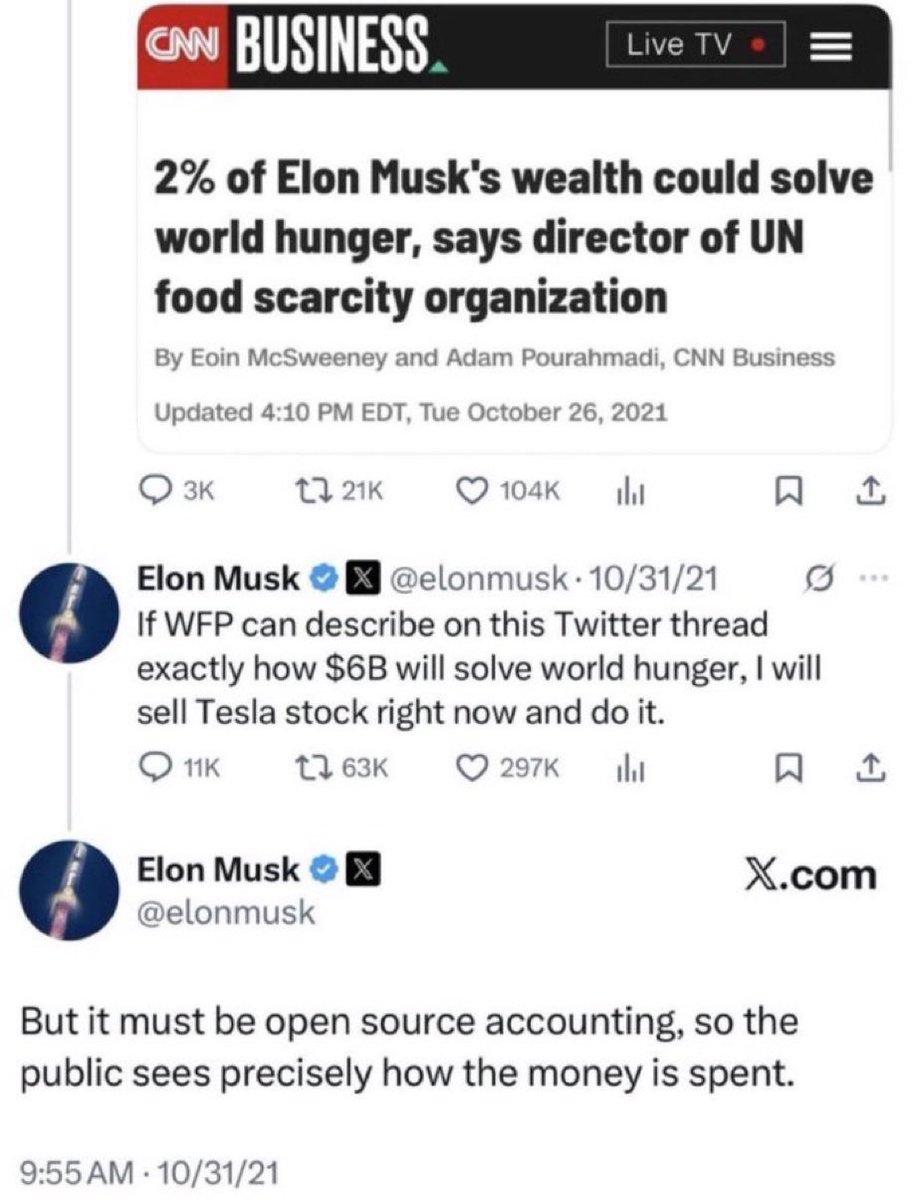
They never got back with Elon on his offer. Wonder why?
1
4
69
Change the laws to make it “legal” then they can say there’s no fraud it’s all perfectly legal.

David Friedberg: California’s Voting System Looks Fraudulent, But It’s Working Exactly as Designed
@friedberg believes California’s extremely loose election laws enable “appointments” not free elections.
Why? The voting data in LA makes no statistical sense.
“ Pratt's post-election mail-in ballots declined by 1/3.
So statistically, the population of people that send in their ballots late reduced for Pratt by 1/3, increased for Nithya Raman by 80%, and Karen Bass 10% less, if you just look at the mail-in ballots before and after election day as a comparison.
I don't know if there's a sociopolitical way that you can assess those statistics and assume that these are individuals casting their individual vote for who they think should be Mayor of LA.
Basically, the concentration of incremental votes that Nithya Raman got came around the Skid Row area in Los Angeles.
But when you look at the basic statistics of what happened in person, mail-in before, mail-in after Election Day, it becomes a real statistical quagmire on how did this sort of a sociopolitical shift happen in such a way that it did?
Now, there was a report published, and they highlighted the 2018 California midterm elections and the challenges that they saw arise in that midterm election because of some of the legislative changes that were made.
First, California Assembly Bill 1921 legalized the practice of unlimited ballot harvesting in the state. What that means is that any individual in the state of California has the right to go and collect ballots from any other individuals, regardless of relationship, fill them out, and send them in.
California, two years later, 18 months later, also passed a law that made it permanent that every person registered in the state of California would get a ballot, so tens of millions of ballots then get mailed out.
Then there was another series of laws that were passed that said anyone can register to vote. You don't need to prove your citizenship. You can use a gym membership card as an example.
So anyone can register to vote. There is no proof of ID when you get a ballot. There is no demonstration that the person who fills out the ballot has anything to do with the individual who's supposed to be voting that ballot, and it is legal for an individual to go out and collect hundreds or thousands of ballots, ship them in, and they will all qualify in these kind of mail-in ballot voting processes.
So there's nothing illegal or fraudulent going on. In fact, the system is operating exactly as intended.
It has been set up and structured in a way that with the right construct, you can get an individual appointed, not elected, but appointed to a particular role in government under a, quote, ‘free election’ in California.”
1
3
78
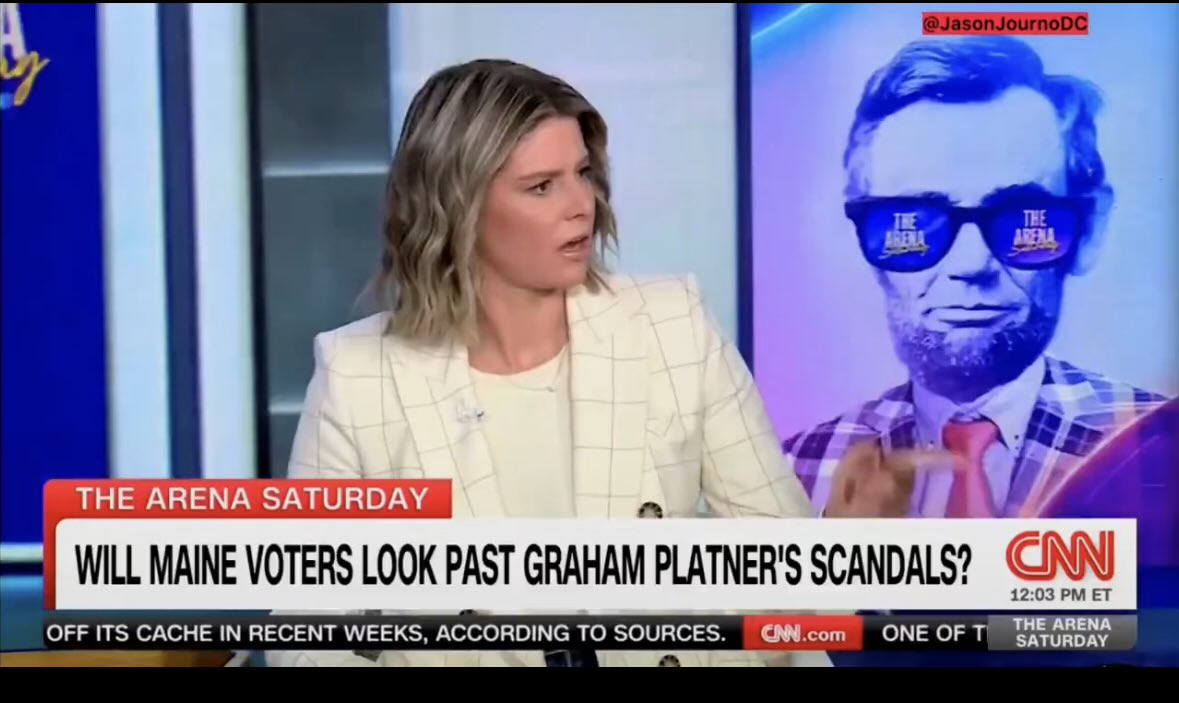
Look at her face the moment her guest ends her comments.

💥NEW: Former Biden Official Kate Bedingfield on Graham Platner: “I think it’s demoralizing that his transgressions are being overlooked … I think it’s an indictment of our party that we’re willing to look the other way on this.”
4
61
🇺🇸ColonelMAGAMark🇺🇸 retweeted

Jun 13
Jeff Bezos bought a superyacht.
Mukesh Ambani built Antilia.
Zuckerberg built a Hawaii bunker.
Elon sold all his mansions, lives in a 375 sq ft prefab box worth $50,000 near a rocket launch site in Texas.
And just became the world's first trillionaire.
Consumption vs Creation.
The builder always wins.
274
4,037
28,820
651,695
🤣🤣🤣

Did you know that over 60% of Black women in America wear wigs to make themselves look more White?
The self-esteem damage that's been done to tens of millions of Africans by inserting them into White countries to be surrounded by Europeans is nothing short of cruel, and evil.
1
2
69
☠️
💥NEW: John Fetterman *RIDICULES* Graham Platner after Platner called him “A**HOLE”🤣
“Oh, I’m devastated! I’m devastated! The tough guy that roughs up ex-girlfriends and the guy with the Nazi tattoo … I’ll take everything he says as a badge of honor.”
1
38
Where’s all the state media outlets reporting on Newsom being booed?

Gavin Newsom pretends the boos are cheers and tries to play it off
His son is so over it
Hunter Newsom is definitely a conservative!
1
1
126
Sue the shit out of them!

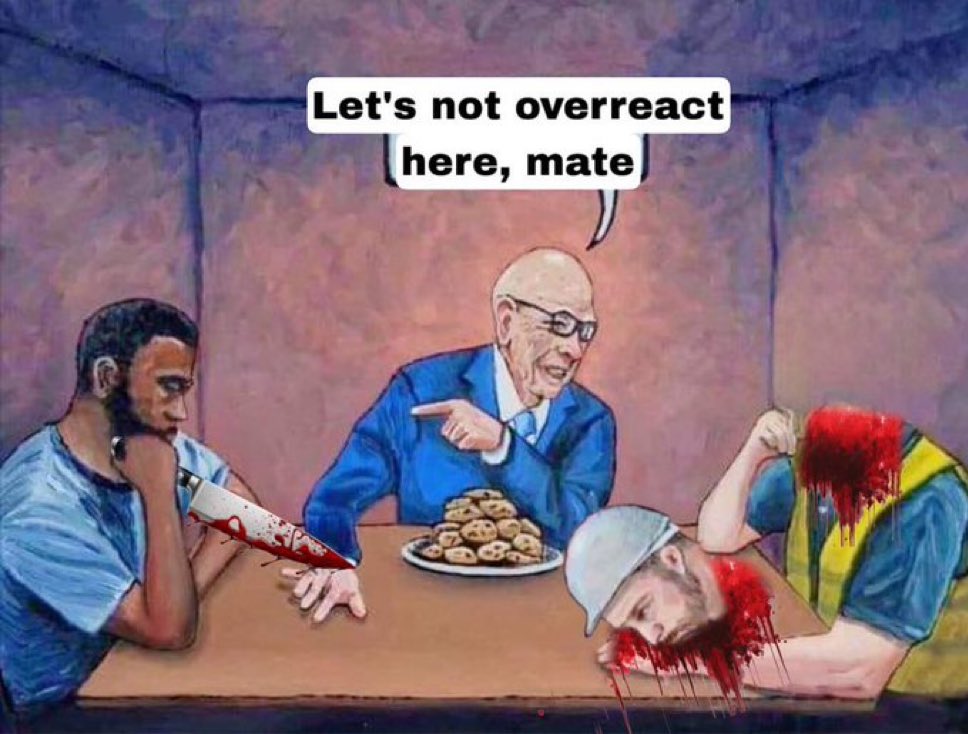
Following German TV blaming me and Elon Musk for violence in Belfast, rather than the literal invader trying to be behead people, the AfD have issued a criminal complaint to the broadcaster 🤝🏻 🇩🇪
2
31
☠️ ☠️ ☠️

1
40
Belfast- Is there something in the water or just some radioactive shampoo going around?
3
116
Okie dokie. Pew-drop
15h

🚨Here's another threating 🙍🙍♀️!
"Next time one of these white boys come through... don't make no video, don't call the police... Tap that bitch between his eyebrows and watch his dumb ass fall in the street... I need to see a white person hanging... If we want equality."
1
45
🇺🇸ColonelMAGAMark🇺🇸 retweeted

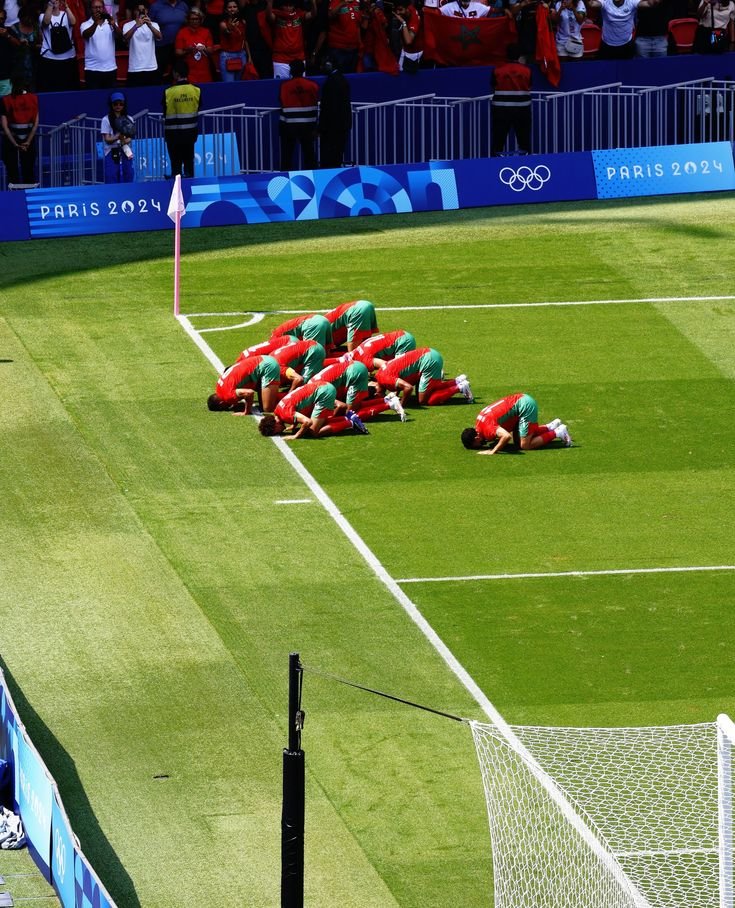
F*ck Allah

5,701
5,428
76,153
2,868,603
🤣🤣😭🤣🤣 @TheRicanMemes
Jun 12

Waiting to board our flight in Washington and there are 3 Scotland fans in kilts walking past. An American lady says" I love your skirts"
"They're nae skirts lassie they're kilts , We're Scots not Trannies" I genuinely Lol #tartanarmy #fifaworldcup @jk_rowling
2
49
🇺🇸ColonelMAGAMark🇺🇸 retweeted

If you lay your hands on them, then they are justified in murdering you.
If you call them the N Word then they are justified in murdering you.
If you disrespect them, then they are justified in murdering you.
The whole of their culture is justifying their murderlust.

Howard University prof blames, Austin Metcalf's father for Austin's death.
"YOU failed to teach your boy that Black children have boundaries."
"YOU failed to teach your son that touching, confronting, crowding, testing, or policing another person can have consequences."
"YOU failed to teach him that the same world that cheers white boys for being bold and aggressive will not always be there to save them when they mistake somebody else’s restraint for permission."
29
126
655
7,329
They’re truly retarded!

listen up, we have to vote for the man with the nazi tattoo so he can stop the man landing rockets and curing the blind from making any more money, otherwise we’ll get fascism
you see how stupid you sound, yes?
2
34