
Color me: Liberal, #BLM, a proud Democrat, huge animal lover, opinionated, crankier than I used to be. Distrusts MAGA. Vote Only Blue. No DMs
Joined November 2019
- Tweets 50,216
- Following 4,434
- Followers 2,133
- Likes 50,350
994 Photos and videos









Bankston's Liberal Mom 🏳️🌈🇺🇦♀️ retweeted

Donald Trump is the most corrupt president this country has ever had.
3,990
1,806
14,213
467,069
Bankston's Liberal Mom 🏳️🌈🇺🇦♀️ retweeted

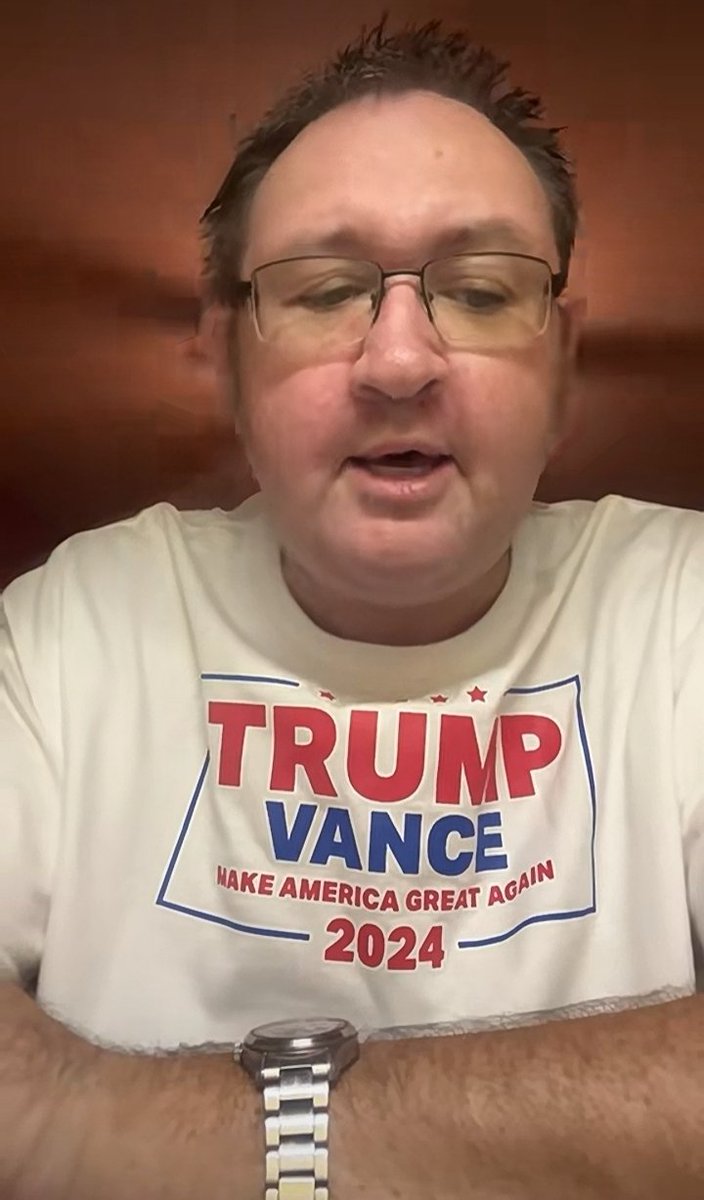
MAGA Influencer Joshua Heffner has been arrested for possession of child p*rn.
⛔️Heffner has nearly half a million followers on TikTok.‼️
1,119
6,970
11,386
195,572

This!

You have to wonder who's more "handicapped" 🙄 a guy who thinks differently and helps others in his own way or the people who don't see the power and magic in this.
1
Bankston's Liberal Mom 🏳️🌈🇺🇦♀️ retweeted

Jun 13
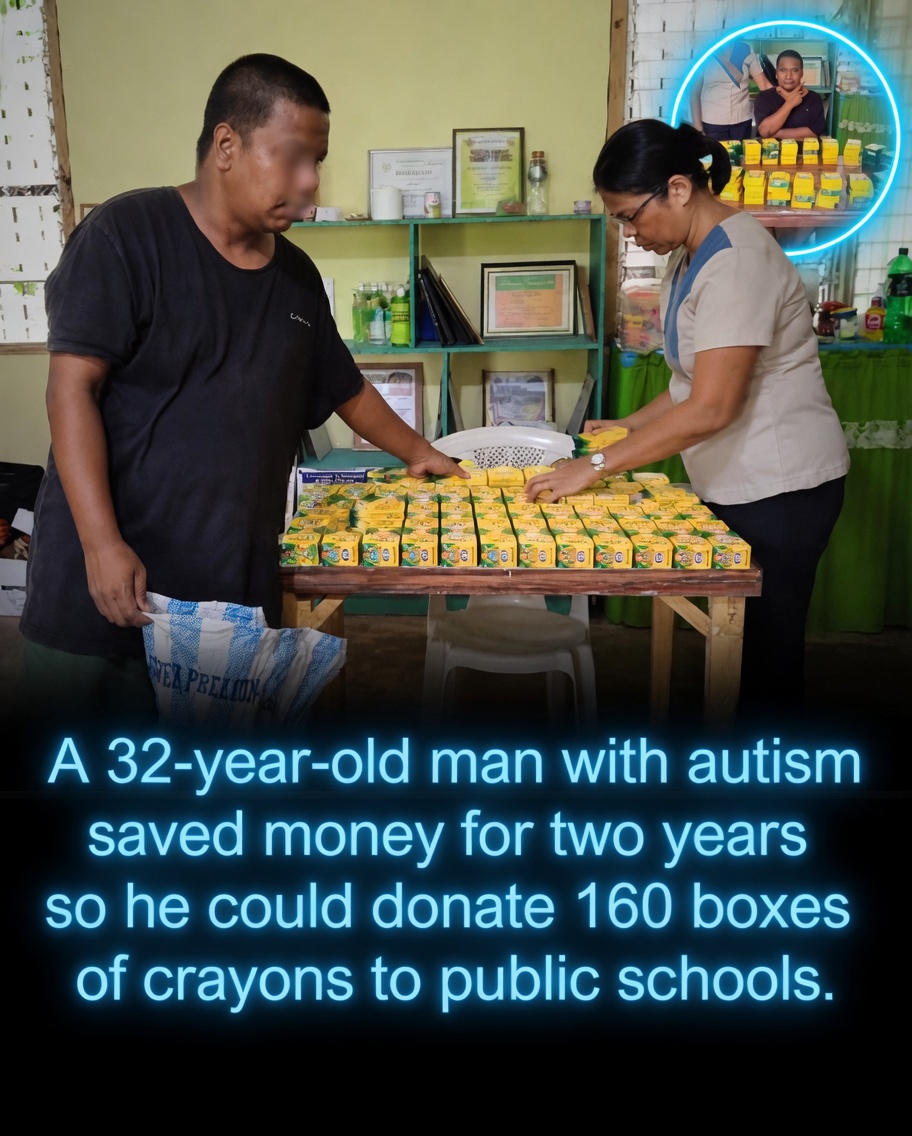
For two years, 32-year-old Chris from Aklan, Philippines, quietly saved every coin he could. Often asking only for ₱5 and politely refusing larger amounts, he patiently collected his modest savings with a single goal in mind.
In 2022, Chris donated 160 boxes of crayons, 80 boxes each to Calizo National High School and Calizo Elementary School.
This simple yet meaningful gift will help hundreds of students bring color to their drawings and creativity to their classrooms.
Chris, who has autism, has become a local hero for his selfless act. His story is a beautiful reminder that you don’t need to be wealthy to make a real difference. Sometimes, all it takes is patience, determination, and a generous heart.
100
481
3,272
89,139
God I hate this fucking Administration

Federal agents showed up unannounced at children’s legal aid organizations this week with no warrant and one clear purpose: intimidation.
It is no coincidence this happened the same week that Trump and his GOP allies handed ICE and CBP an additional $70 billion payout. These nonprofit organizations help kids prepare for court, stay safe from trafficking, and navigate a system designed for adults. They are not threats. They are a lifeline, and their young clients are often under the direct care of HHS’s Office of Refugee Resettlement (ORR).
ORR has the responsibility for the care and placement of unaccompanied children in federal custody. Secretary Kennedy has a lot to answer for, and as the Ranking Member of the Health Subcommittee, I want answers immediately.
washingtonpost.com/politics/…
4
Bankston's Liberal Mom 🏳️🌈🇺🇦♀️ retweeted

Jun 12
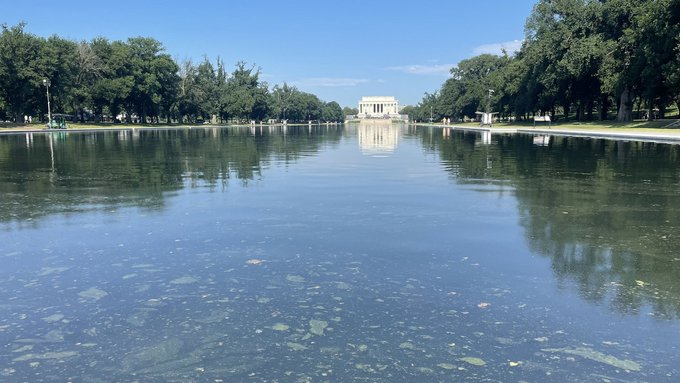
Just as the engineers said it would.

Algae resurfaces in reflecting pool after multimillion-dollar fixes dlvr.it/TT1BzL
400
3,516
43,394
1,422,123
Bankston's Liberal Mom 🏳️🌈🇺🇦♀️ retweeted

Jun 13
Algae Resurfaces Just Days After Trump's $14 Million Reflecting Pool Renovation — POLITICO
459
707
7,307
3,253,258
Okay but could we add that he's also a sexist, a homophobe and super big ass racist?
Jun 13

You could call Pete Hegseth a cuck for jews, a Trump puppet, or a drunk. But mocking the guy for struggling on his 45th rep of 135 ain’t it. And chopping the video to only show the last rep is disingenuous and hurts the credibility of the many legitimate criticisms you could make
11
Bankston's Liberal Mom 🏳️🌈🇺🇦♀️ retweeted

Jun 11
Secretary of WAR Peter Hegseth struggling to put up weight at Guantanamo, looking very limp-wristed and SAD! What makes him think this would make him look good, is that a humiliation ritual?
What a wimp.
2,919
4,186
18,374
1,515,888


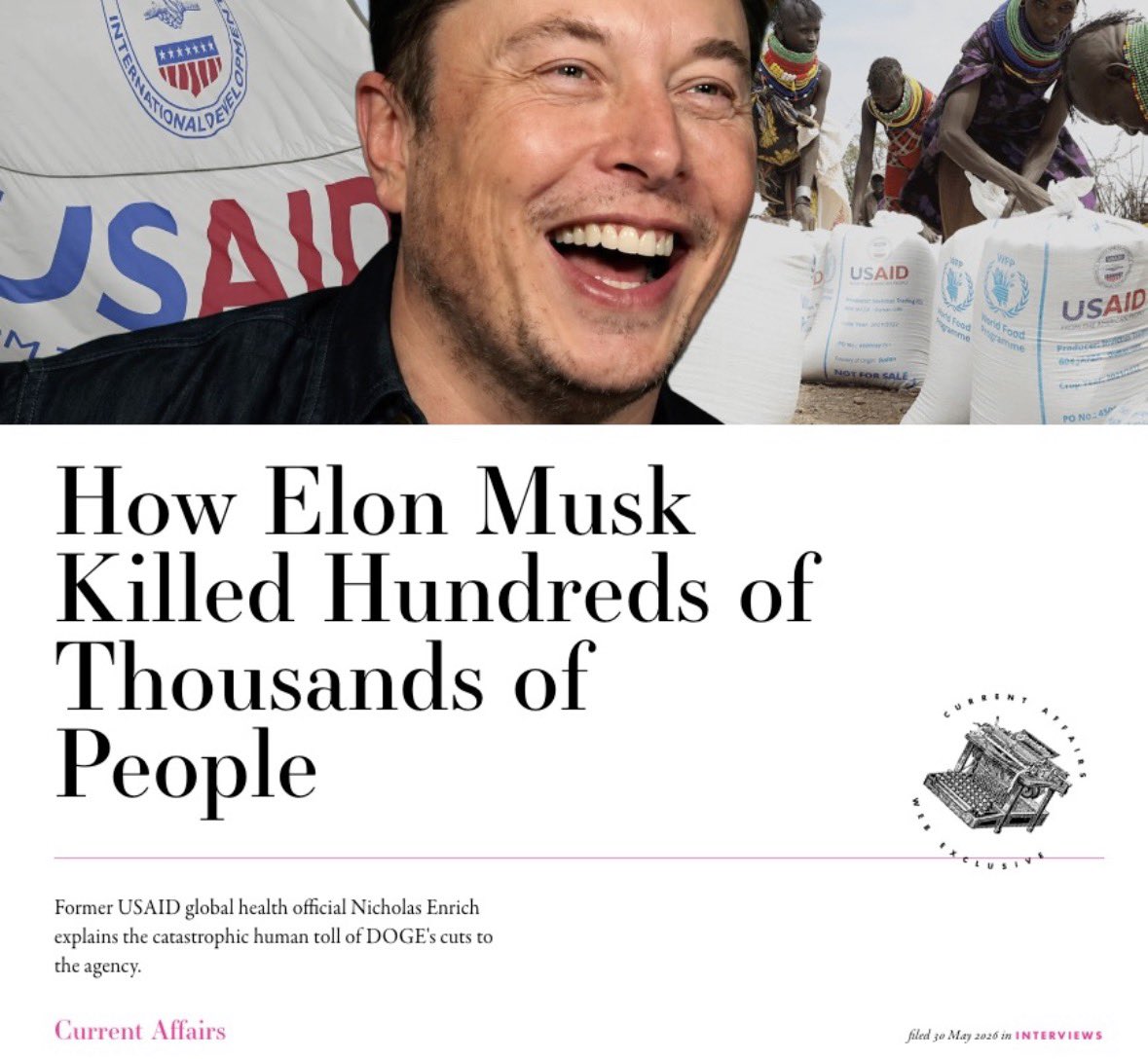
... on his way to becoming a trillionaire and with Trump's approval.

The legacy of the world’s first trillionaire isn’t wealth. It’s mass murder.
12
Bankston's Liberal Mom 🏳️🌈🇺🇦♀️ retweeted

Jun 12
The same man who cut children's cancer research and dismantled the organization that feeds the poorest children on earth is now a trillionaire.
Elon Musk’s dismantling of USAID has already killed more children than in Gaza, Lebanon, and Ukraine combined.
Silent massacres.


255
2,506
4,865
42,418
Bankston's Liberal Mom 🏳️🌈🇺🇦♀️ retweeted

Jun 13
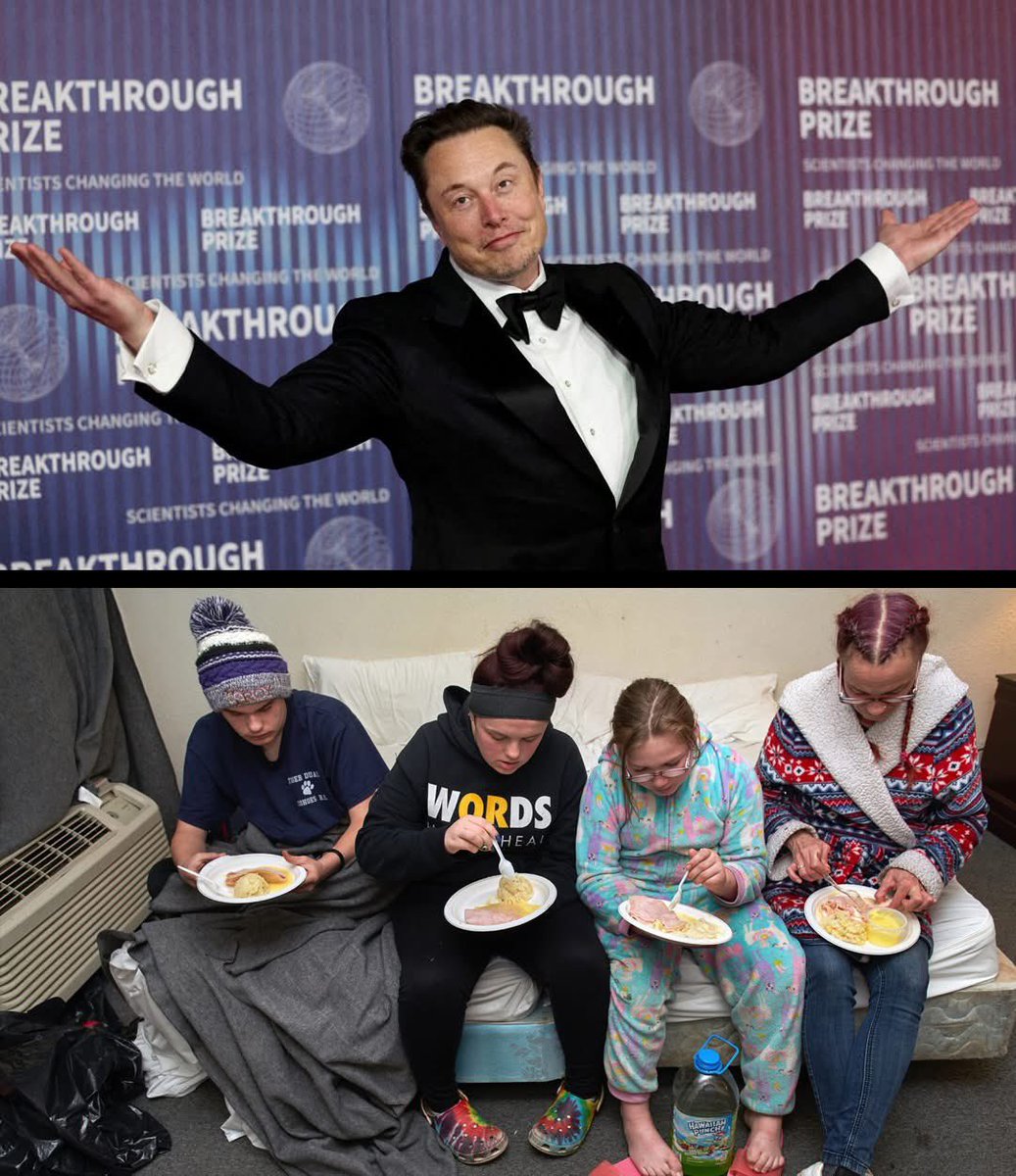
While 1 in 5 American kids goes to bed hungry and half the country is struggling to afford groceries, elon musk is on the verge of becoming the world's first trillionaire, and it's hard to think of a more damning indictment of where our priorities have landed. His fortune has already blown past $500 billion, with a Tesla compensation package potentially worth $1 trillion sitting on the horizon.
And the man has failed for four consecutive years to meet the legally required 5% charitable giving threshold for his own foundation, falling nearly $400 million short in 2024 alone. Per a Brookings Institution senior fellow, musk isn't doing much philanthropy compared to peers like Bill Gates, and what little he does give tends to circle back to his own interests.
Meanwhile, regular Americans are living in a full-blown cost of living crisis. Rents have climbed 54% over the past several years, home prices are up 81%, and a new Federal Reserve Bank of New York report flags a "remarkable" rise in food insecurity, with nearly 20% of lower income households now reporting their kids are missing meals. A national survey found only 12% of workers say their pay has kept pace with inflation, and 92% cut back on spending in 2025, including on basics like groceries and healthcare.
This is the country elon musk helped build with over $38 billion in government contracts, loans, subsidies and tax credits since 2003, according to a Washington Post analysis, making his "self-made" mythology a tough sell.
And then there's DOGE, his government chainsaw project, which slashed $4 billion in NIH grants targeting cancer, Alzheimer's, and diabetes research, gutted the Forest Service by roughly 7,000 employees, and dismantled USAID, an agency that researchers estimate prevented over 90 million deaths in two decades.
The human cost is not abstract. Models tracking the fallout estimate over 760,000 people died in just the first year after the cuts, and a peer-reviewed Lancet study projects more than 14 million people, nearly a third of them children under five, could be dead by 2030. So forgive us if the trillionaire headlines feel a little tone-deaf.
45
55
77
2,021
Bankston's Liberal Mom 🏳️🌈🇺🇦♀️ retweeted

Jun 13
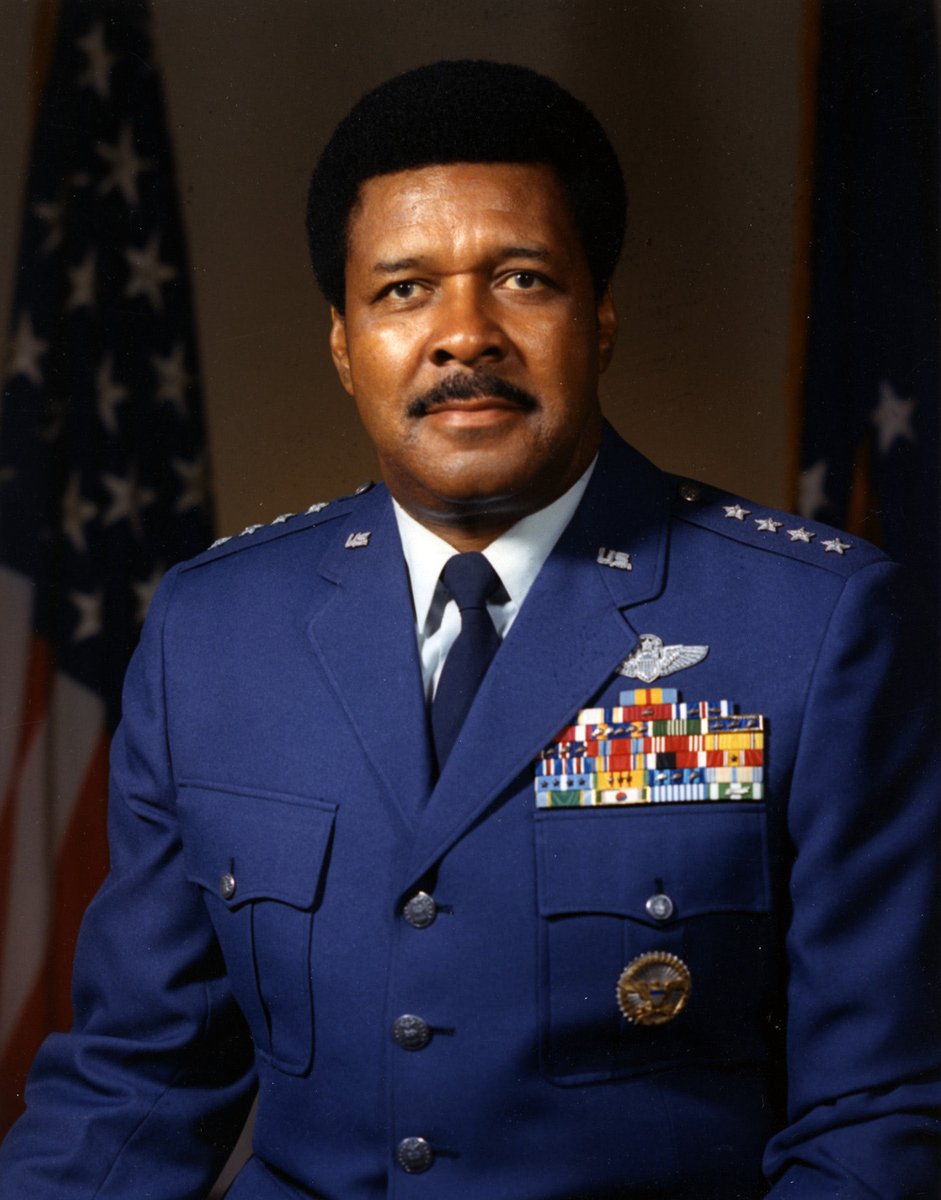
I want to give you guys some facts about General Chappie James. He wasn’t a “DEI” hire—he was a complete badass that had to overcome MORE than any white pilot. Did 178 combat missions—that’s like 7 bomber tours on a B-17 in WWII.
His medal count? Impeccable. 3 Distinguished Flying Crosses, 14 Air Medals, Two Legions of Merit, and a Defense Distinguished Service Medal. One of the original Tuskegee Airmen, the first four-star African American General.
Hegseth couldn’t sniff the level of soldiering and warrior that was in Chappie’s DNA. God bless him. And Hegseth took down his picture from a hallway like a racist little child, which is what he is.
882
11,069
30,114
661,452
Oh please Mary
Jun 12

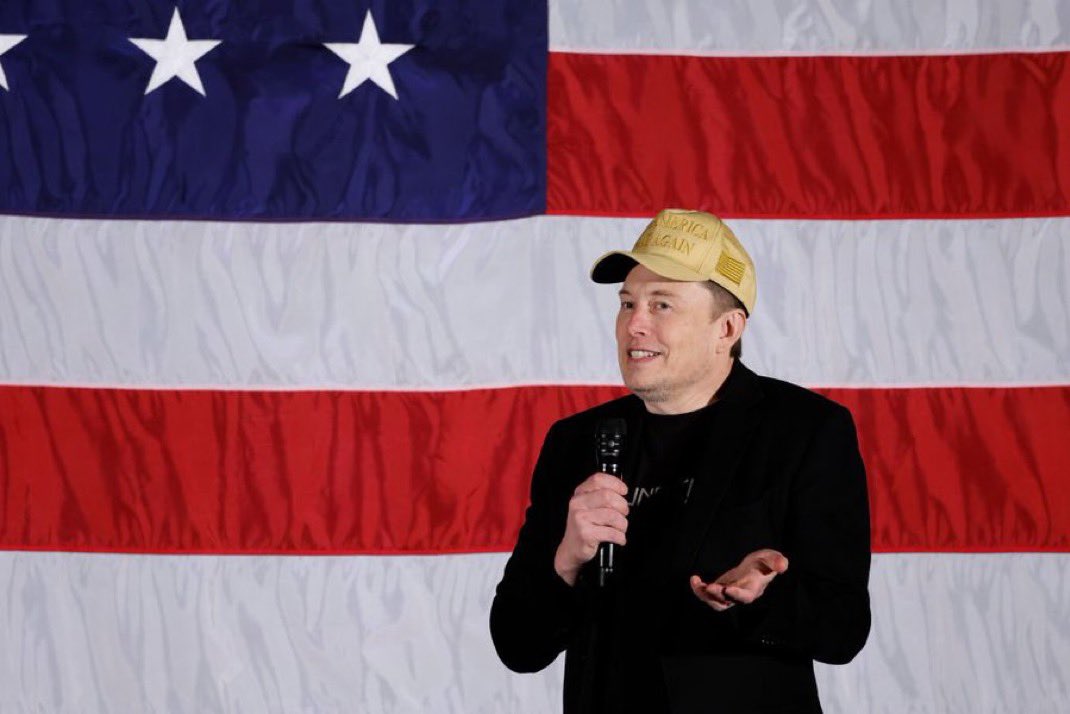
The most hated man on the planet is now the worlds first Trillionaire.
Congratulations Elon Musk.
They hate you because they ain’t you. Keep changing the world. Keep making history.
3
Bravo

Talarico: Here's what real men don't do. They don't lie and cheat their way through life. They don't sell their soul to the highest bidder. Real men serve others, weak men serve themselves. So I welcome this debate. I don't think Paxton or Cruz are in a position to tell anyone what a real man is.
5
Bawling my eyes out.

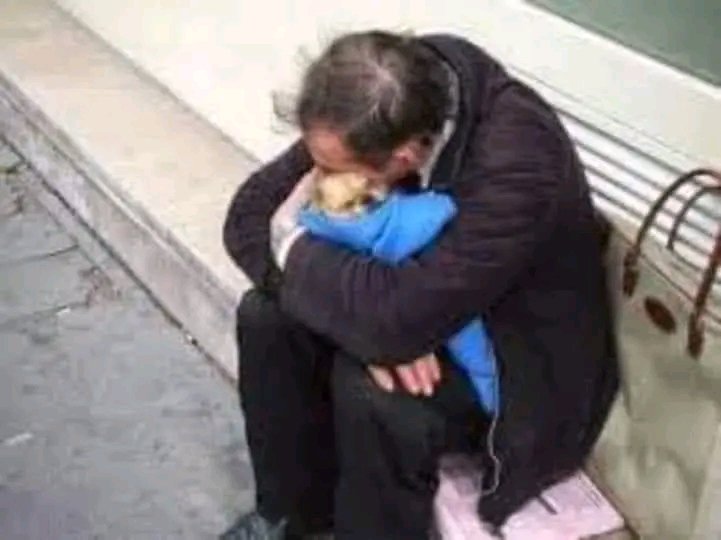
There was a homeless man who 'camped' in the covered garage where my office was located. You'd see him huddle down for the night, along with his little dog, a small scruffy little terrier mix. When I walked thru the garage on my way to lunch, I would often check to see where he was and then bring him a burger and drink. He always tore the sandwich in half, ate one half and gave the other to his dog. I started bringing him a bag of dry dog food every month and he took great pains to keep it dry. His little dog rode in the child's seat in the grocery cart wherever he went.
One especially cold winter morning, I noticed his dog was missing and he seemed utterly forlorn. I bought him some coffee and he explained how the city rounded up the homeless and took them to the shelter because it was bitterly cold and they took his dog away from him. They took her to the local shelter (no license, no tags, no rabies vaccination). I was appalled.
I took the morning off, picked him up from the garage & drove him to the shelter where we asked to look for his 'lost' dog. When we found her, she put up such a racket of pure joy upon seeing him: yipping, yelping, wiggling uncontrollably. Paws squeezed between chain link trying to touch her master and his fingers stroking her little face.
I paid for her license, basic shots and retrieval fee and he rode back in silence hugging her so tight, I thought he would break her. When we got out, I told him to keep her safe. He hugged me, made Sasha give me a smooch of thanks, and hurried off to where he'd hidden his cart.
I understand the need to keep these souls safe but taking his one undeniable friend -- while legally founded -- was gut wrenchingly wrong on so many other levels.
Any act of kindness can change lives….no matter how great or small.
6
I can only assume I have too much pride to allow people to blow smoke up my ass on this level.
Nehls: Donald Trump is the best thing to happen to this country in a hundred years. He was born a very special baby. I bet the doctors said, “I can tell this is a very special baby.”
5
Just own it. It's a classless, tasteless exhibition of excess, at a time when everybody's else is fucking pinching pennies so we can still eat and drive somewhere
Jun 11

SECRETARY RUBIO: "We are a nation founded on doing what no one else dared to do and no one else aspired to do."
1
2
28
