Joined December 2022
- Tweets 10,448
- Following 1,966
- Followers 2,724
- Likes 20,138
2,179 Photos and videos

Pinned Tweet

13 Nov 2024
Discovering Music Together!
Watch as Ksenia and her daughter Ariadne explore the world of music through fun and educational instrument flash cards. Here's why this family bonding time is more than just play:
Educational Fun: Learning about different instruments not only boosts memory but also enhances cognitive skills. It's a playful way to introduce children to new sounds and cultures.
Musical Bonding: Playing and learning music together strengthens family ties. It’s an activity that fosters patience, teamwork, and shared joy, creating lasting memories.
Creativity and Expression: Music education opens up avenues for creativity. Ksenia and Ariadne are not just learning names; they're exploring how each instrument tells a different story through sound.
Life Skills: Engaging with music teaches discipline, concentration, and the importance of practice – lessons that translate well beyond the world of music into everyday life.
A Legacy of Music: By sharing this experience, Ksenia is passing down a love for music, potentially sparking a lifelong passion in Ariadne.
Let's inspire each other to make music a part of our family moments! Whether it's through flash cards, singing, or actual instruments, every note played together is a step towards a melodious family life.
#homeschool #musiceducation
14
9
172
8,955
Jun 13
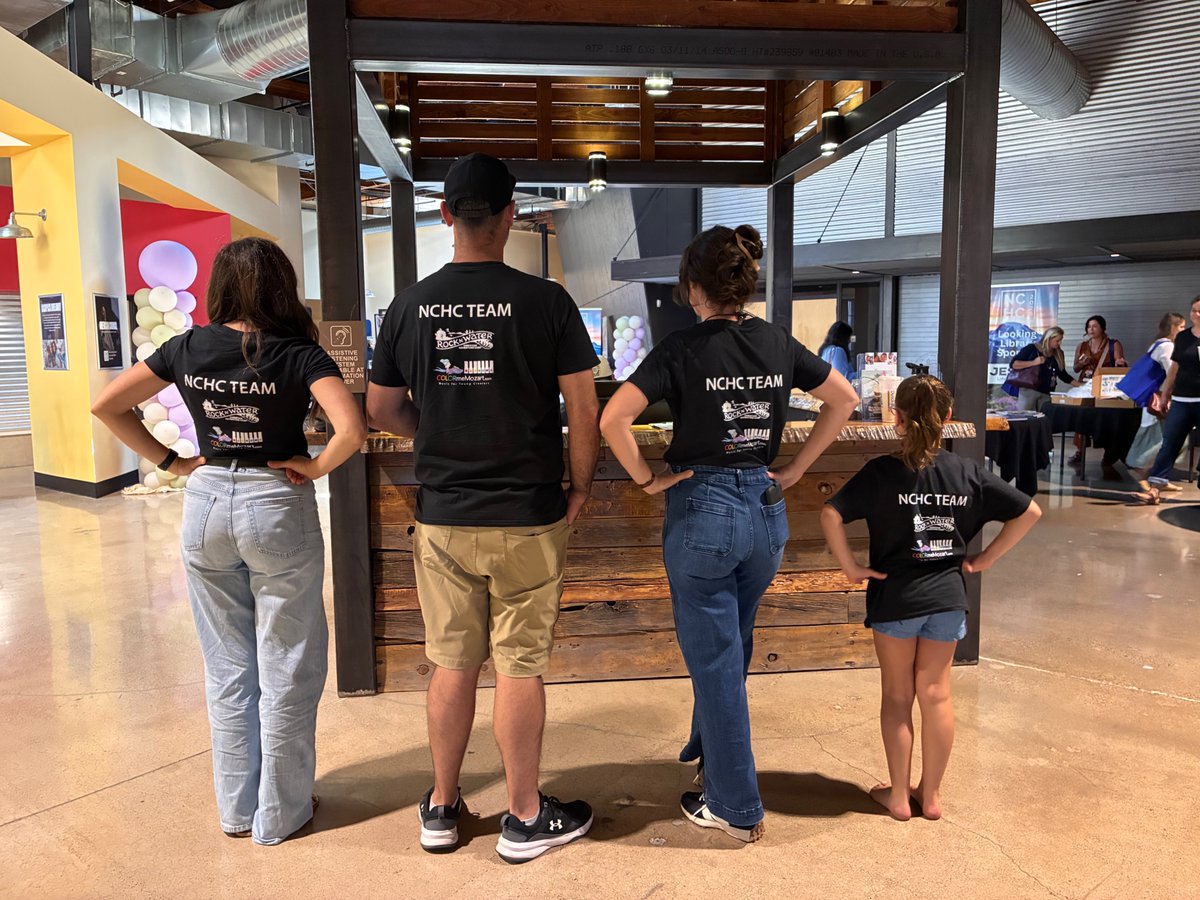
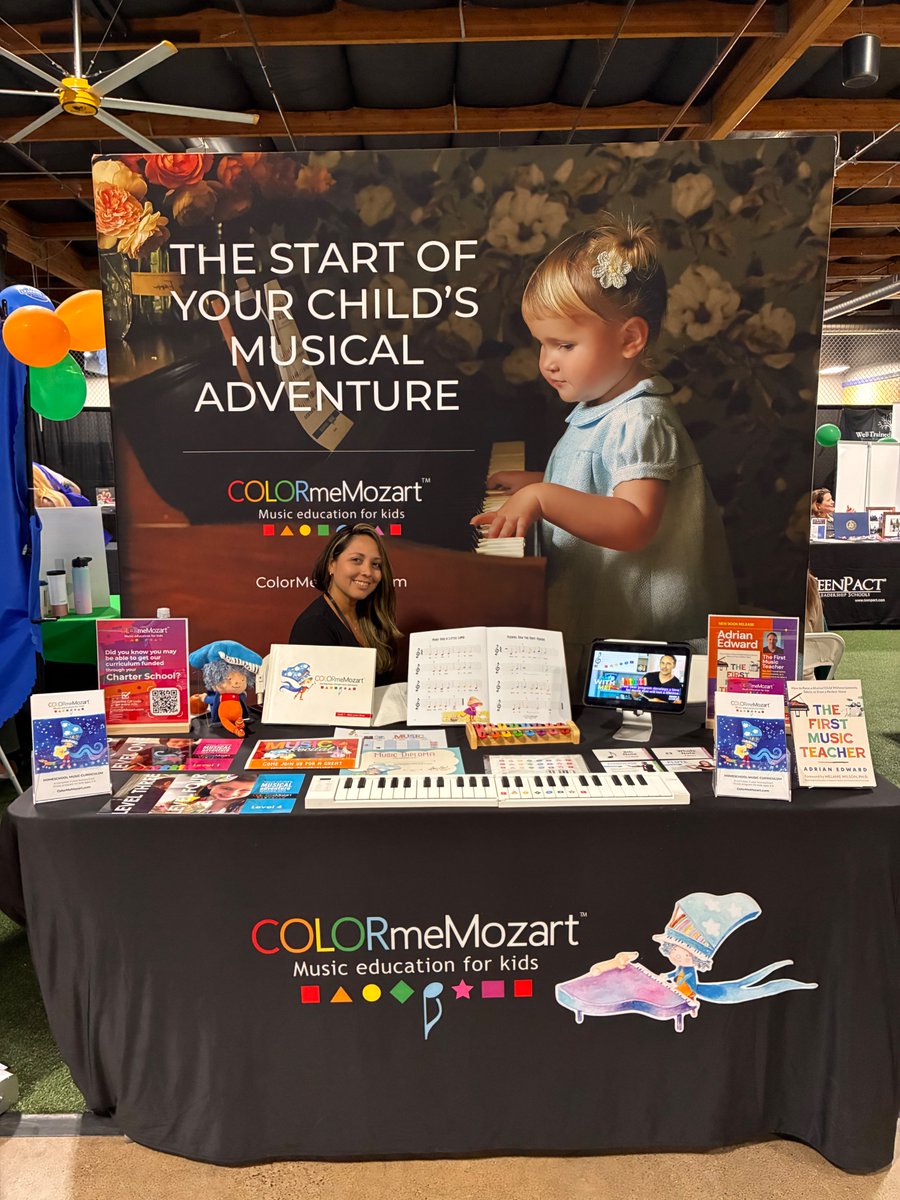
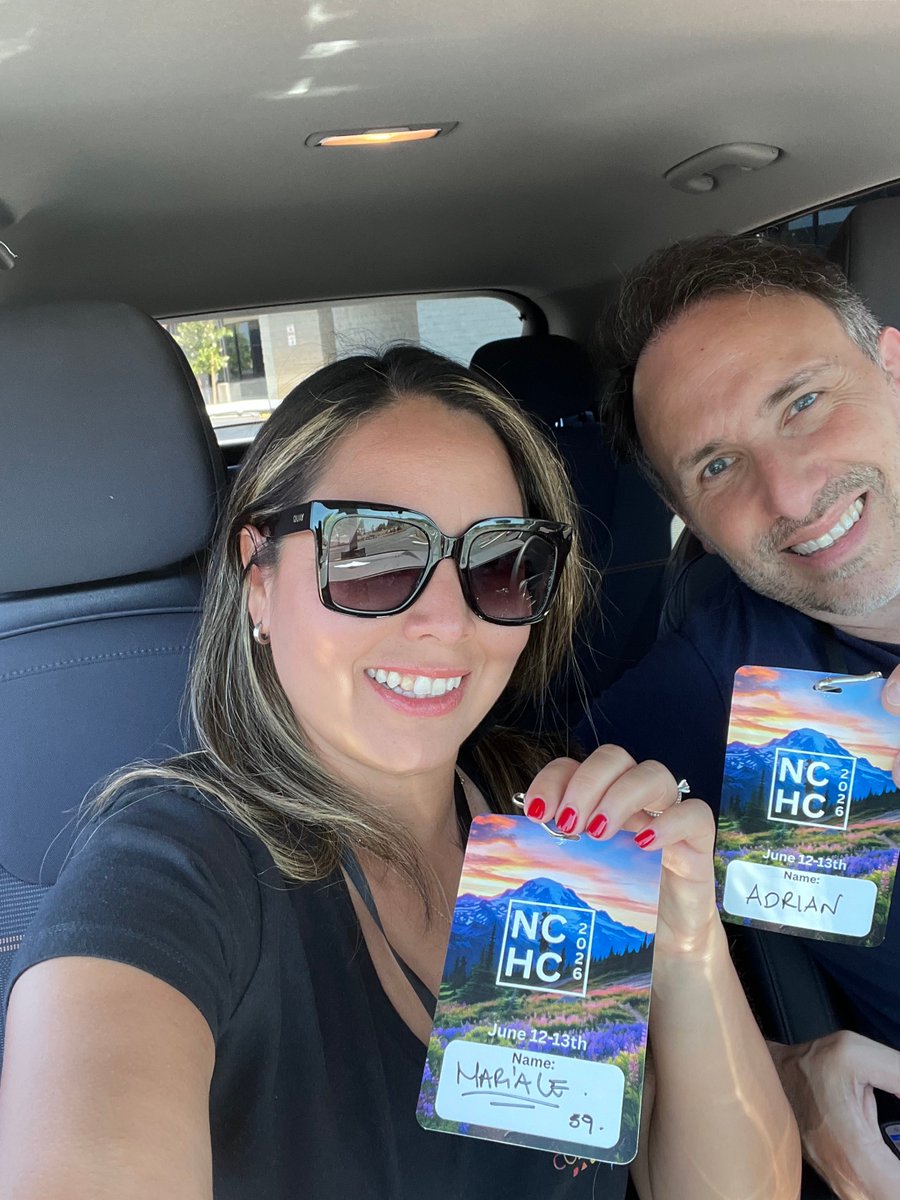
Color Me Mozart is a proud sponsor of the NCHC Northern California Homeschool Convention in Rocklin, CA on June 12-13.
If you're at this convention or the GHC Homeschool Convention next week in Ontario, CA, stop by and say hi, we'd love to meet you in person!
#homeschool #neuroscience #musiceducation
28
Jun 12
If you happen to be at the NCHC Northern California Homeschool Convention, stop by and say hi, we'd love to meet you!
#homeschool #homeschoolconvention
5
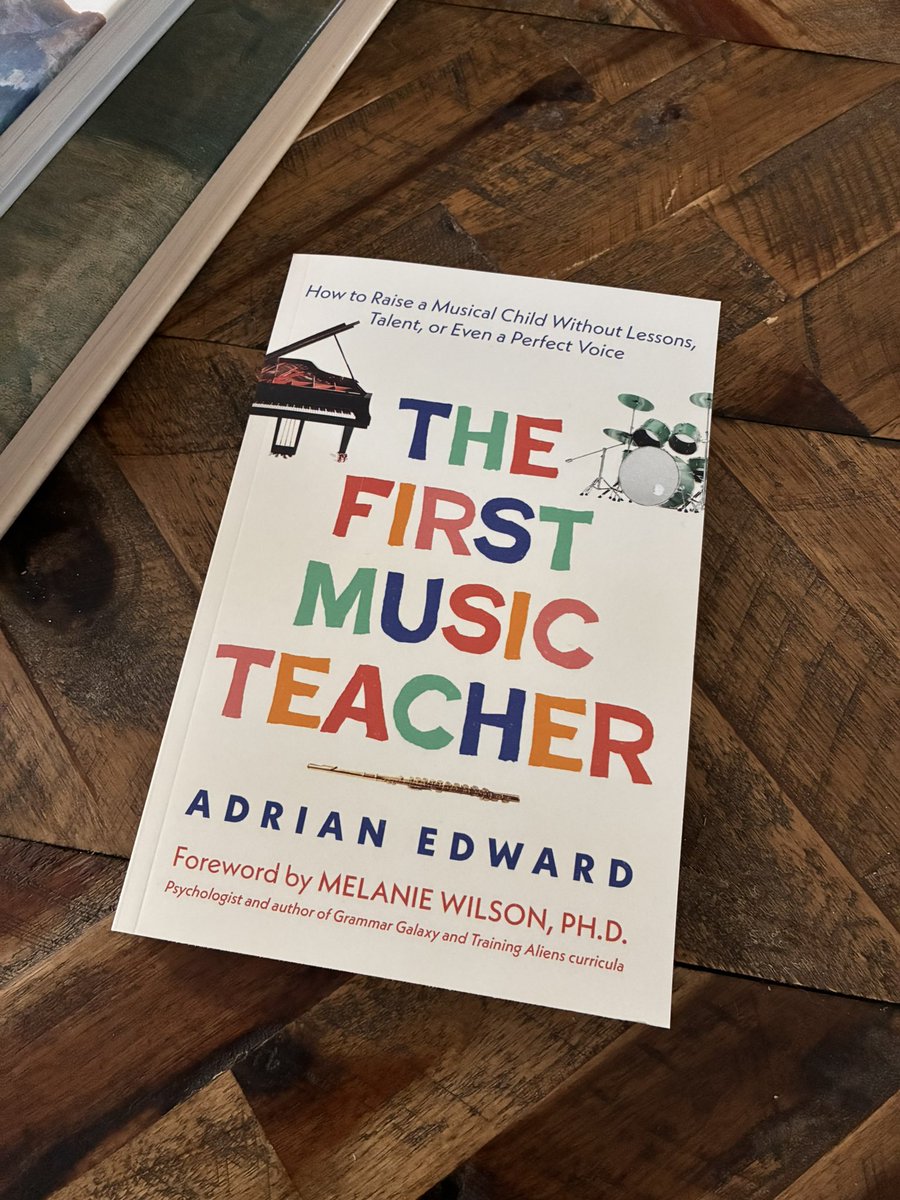
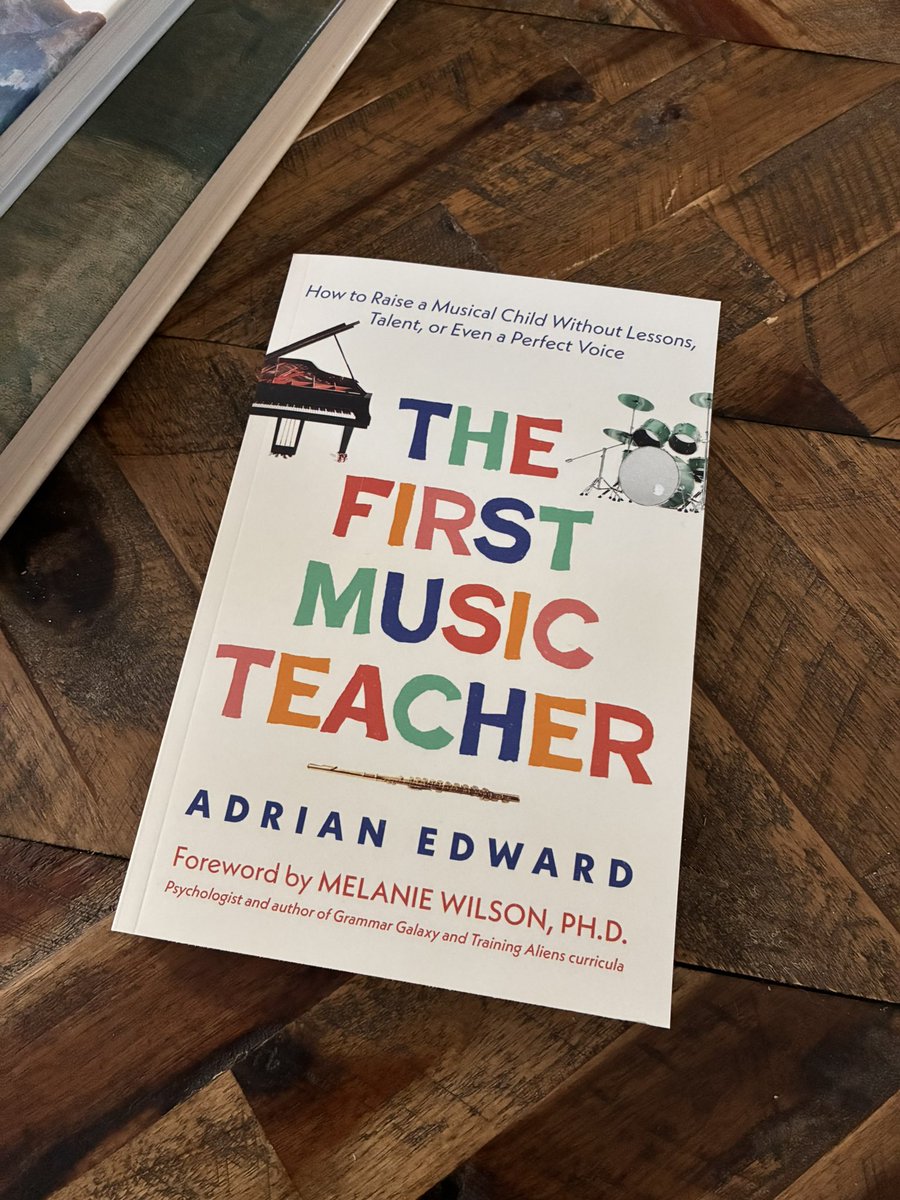
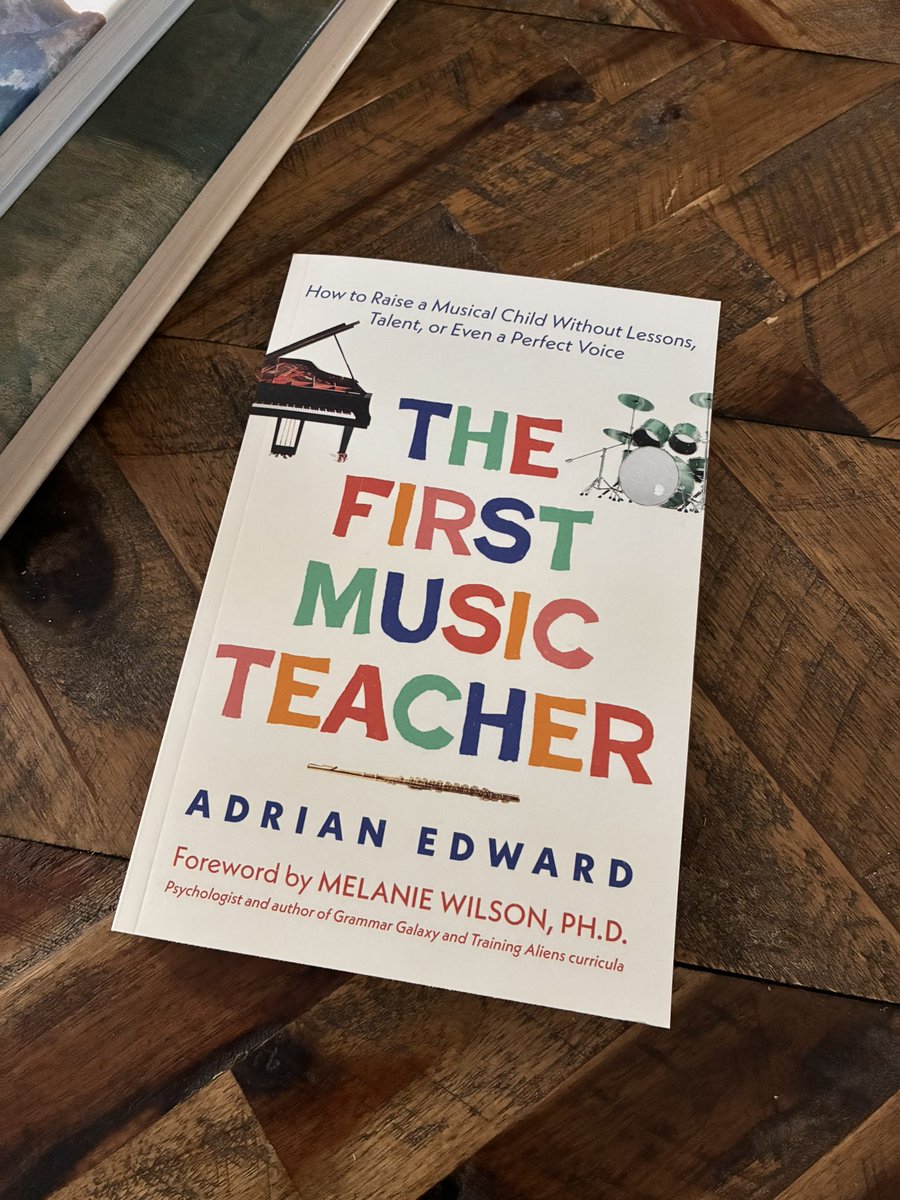
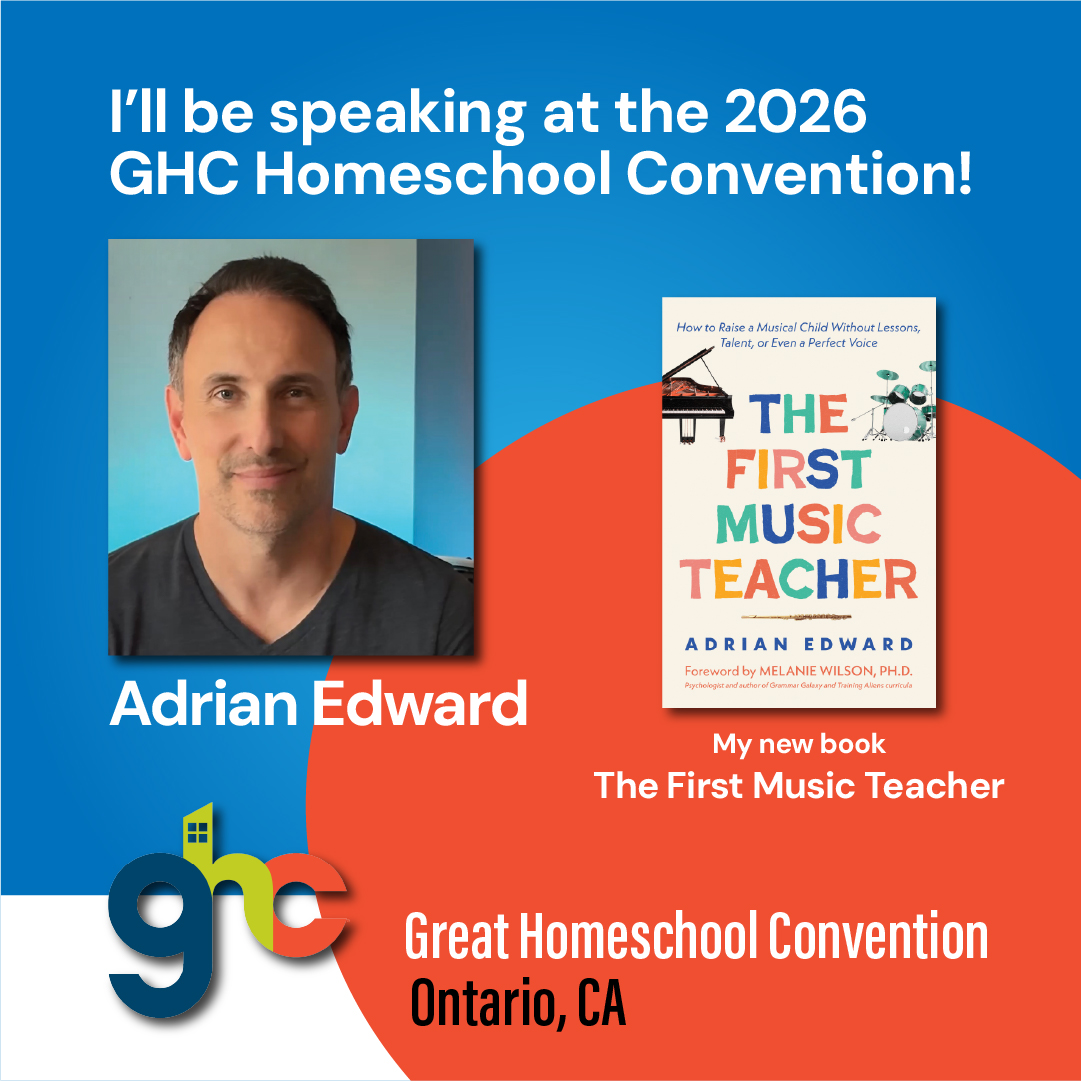
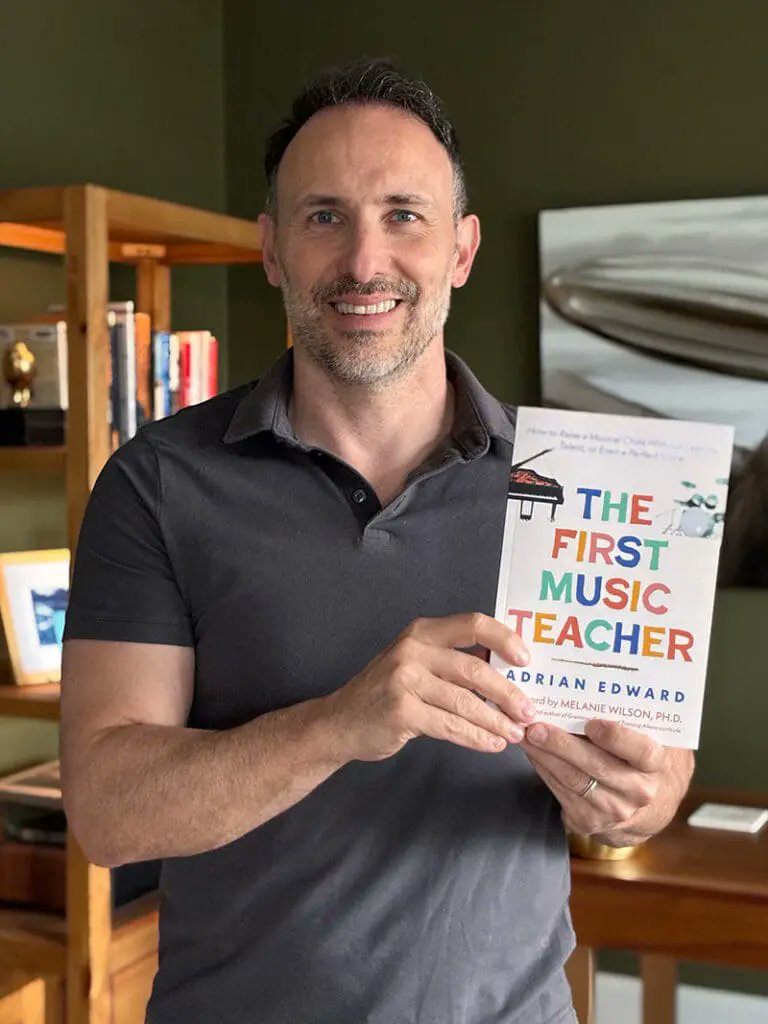
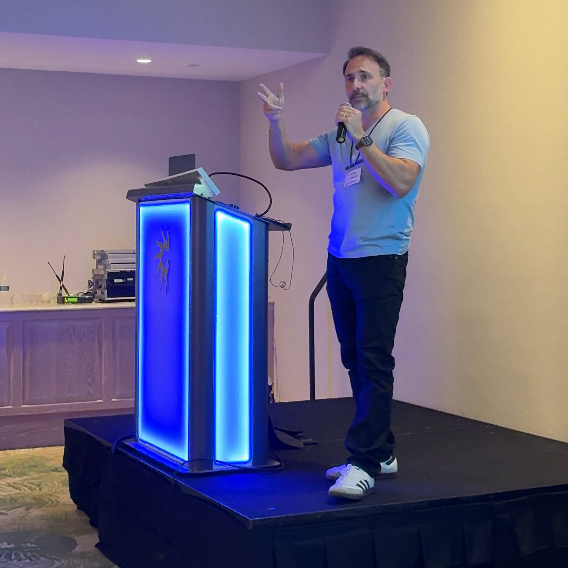
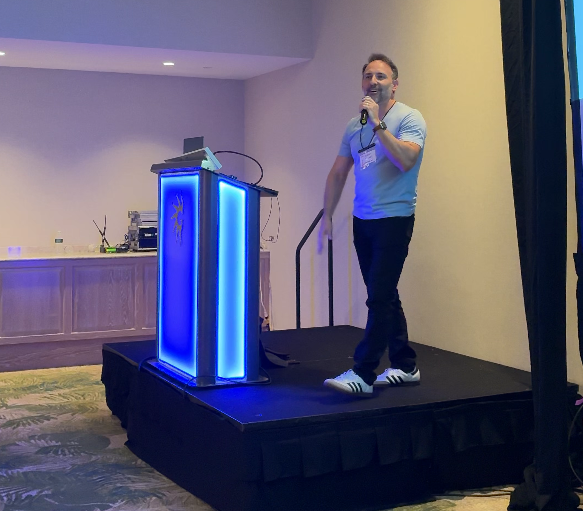
🎹 Exciting news! I'll be speaking at the Great Homeschool Convention (GHC) California in Ontario, CA, June 18–20, 2026 at the Ontario Convention Center!
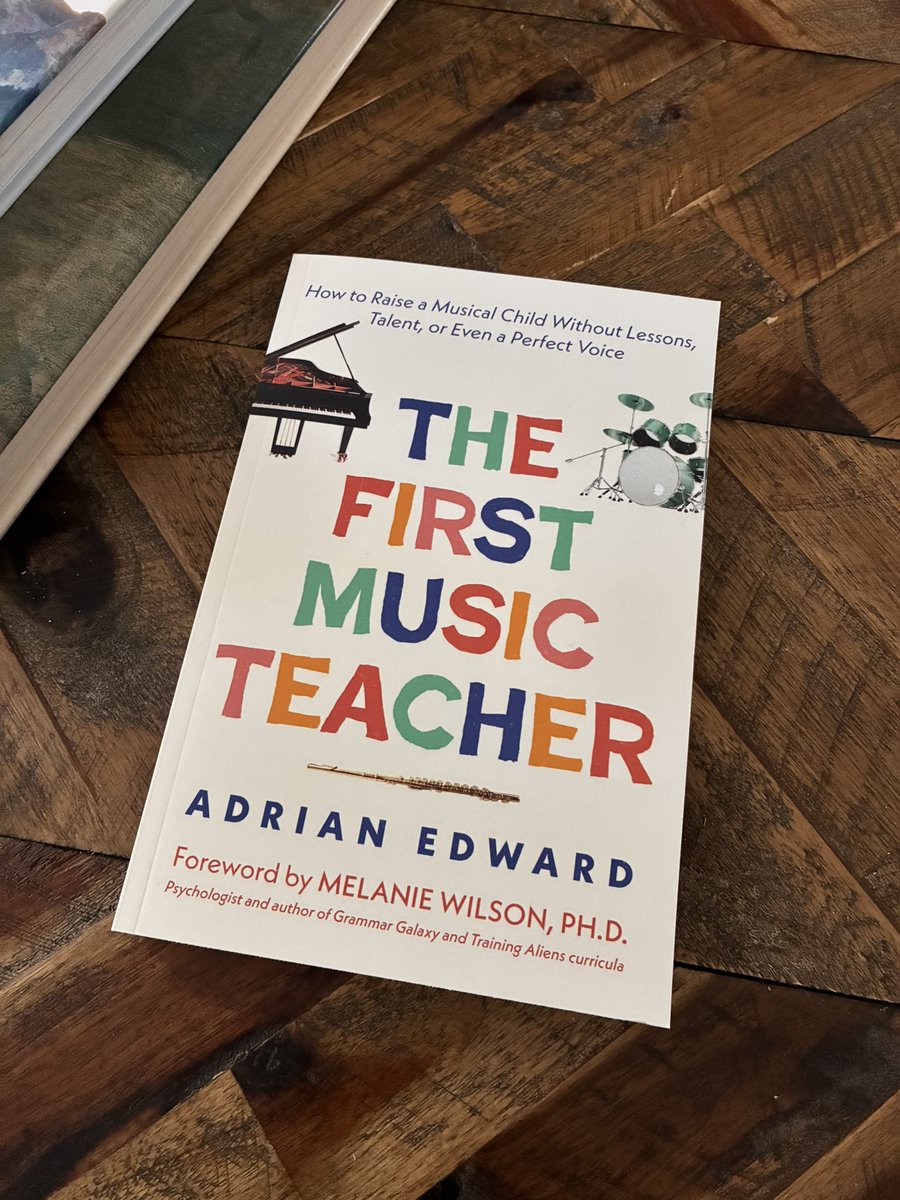
My session is built around my book, The First Music Teacher and the big idea is this: you don't need to be a musician to be your child's most important music teacher. The neuroscience says parents are uniquely wired to shape their child's musical brain from the very beginning and I'm going to show you exactly how.
In this session, you'll discover:
Why the parent-child bond is the most powerful music education tool that exists
What the latest brain science reveals about how children learn music (and what that means for your homeschool)
How to nurture musical development at home — no music degree required
PLUS a live mini music lesson you'll actually use with your kids
Whether you're a complete beginner or a lifelong music lover, this talk will change how you think about music in your home.
📍 Ontario Convention Center | Ontario, CA
🗓️ June 18–20, 2026
🎟️ Register at greathomeschoolconventions.c…
If you're attending GHC California this year, come find me, I'd love to meet you and your family. Drop a comment below if you'll be there!
#Homeschool #ColorMeMozart #homeschoolmom #neuroscience #homeschoolconference
1
71
Solfeggietto in C minor on Piano - Carl Philipp Emanuel Bach
C.P.E. Bach's Solfeggietto in C minor, one of the most electrifying pieces ever written for keyboard. Composed around 1766, this miniature masterpiece is pure motion: no chords, just a single racing line passed between the hands at breathtaking speed.
Carl Philipp Emanuel Bach, son of Johann Sebastian, was a giant of the Classical era in his own right, and this piece captures everything that made him revolutionary: drama, intensity, and wit packed into under two minutes.
🎹 Solfeggietto in C minor, H. 220
🎼 Carl Philipp Emanuel Bach (1714–1788)
1
54
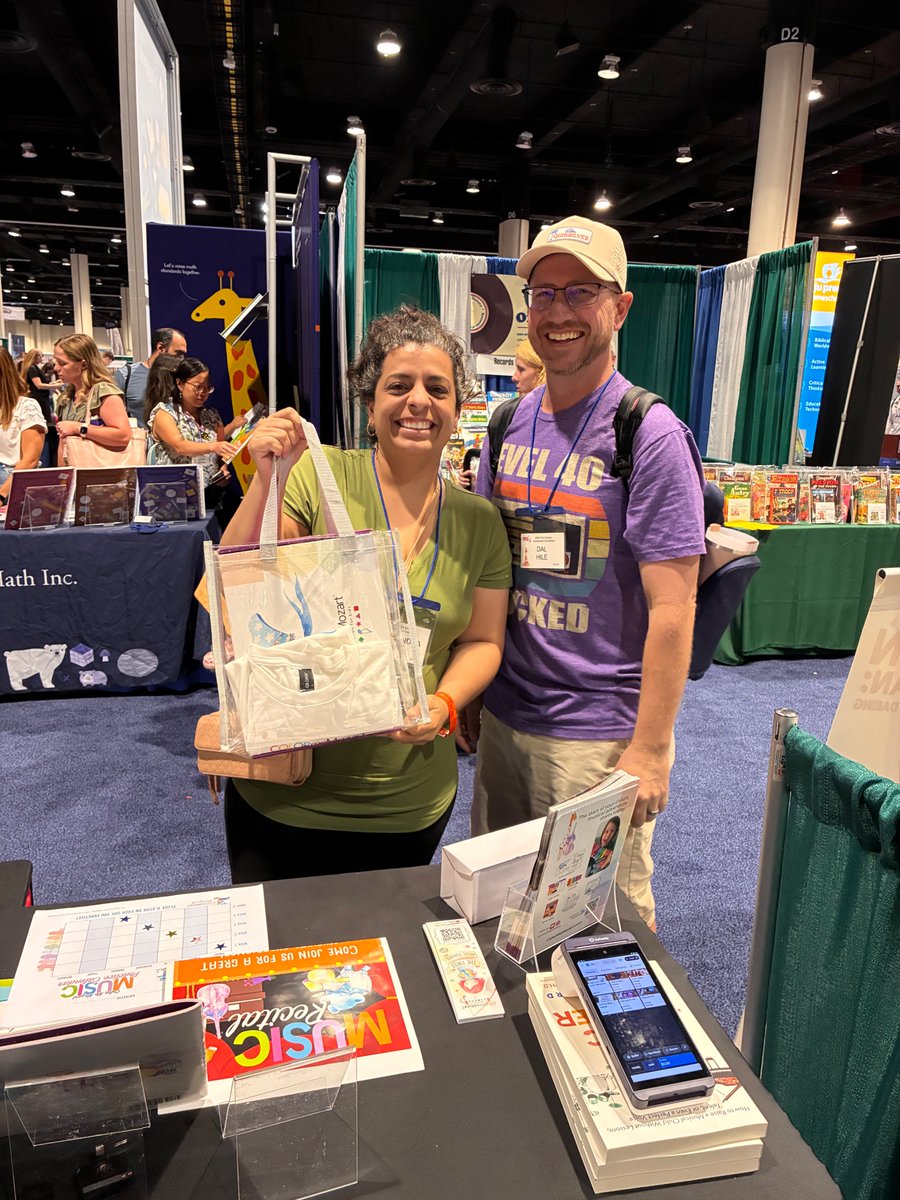
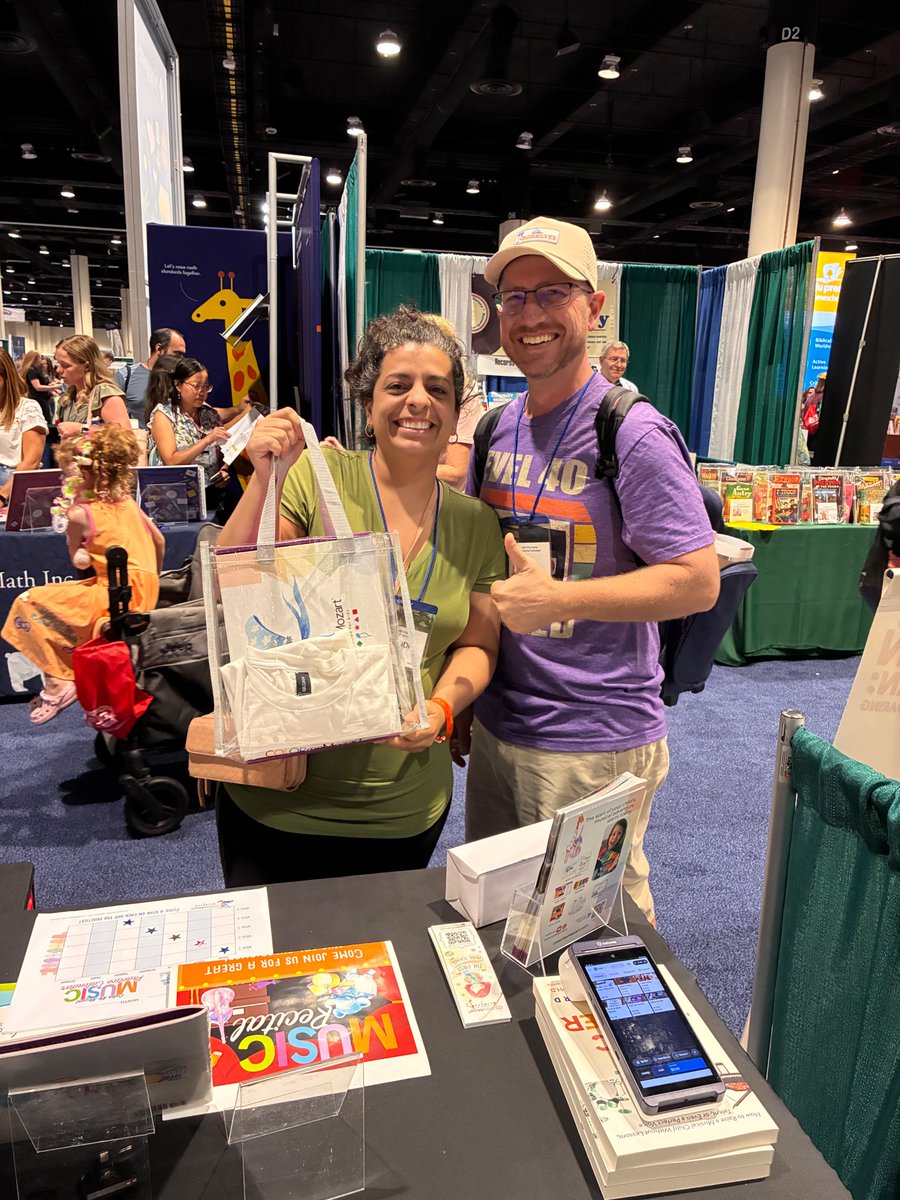
Cassandra and Dal Hile met us at last year's conference. Their child wasn't quite ready yet, so they waited, remembered, and came back.
That's not a customer. That's a family who did their homework.
Music education isn't a impulse buy. It's a decision parents make when they're ready to invest in how their child thinks, listens, and grows. The Hiles knew that from day one.
Worth the wait. Welcome to the family. 🎵
#homeschoolmom #earlyeducation #montessori #homeschoolmom #ColorMeMozart
1
12
We teach kids to read before we expect them to write novels.
But with music, we often hand a 6-year-old a violin and wonder why they quit in 3 months.
Music literacy includes hearing rhythms, matching pitch, and feeling pulse and comes first. Always.
Sequence matters.
1
9
Charter school families, this one's for you!
Did you know your Education Spending Account funds may cover the full cost of the Color Me Mozart curriculum for your preschooler or kindergartner?
We just made it easier than ever to request approval. Visit our free Letter Generator, fill in a few quick details, and get a personalized, ready-to-send letter for your Education Specialist in seconds.
No guessing what to say. No starting from scratch. Just copy, paste, and send.
Generate your letter here: colormemozart.com/charter-sc…
Know a charter school family who could use this? Tag them below! 📷
#ColorMeMozart #CharterSchool #homeschoolcalifornia #earlychildhoodmusiceducation #ISP #californialife #preschoolmoms #KindergartenMom

1
10
Your baby's brain grows fastest in the first 3 years.
During that window, music isn't just entertainment, it's literally building neural pathways for language, emotion, and memory.
You don't need instruments or lessons. Singing "Twinkle Twinkle" off-key counts.
The voice they love most is yours.
1
9
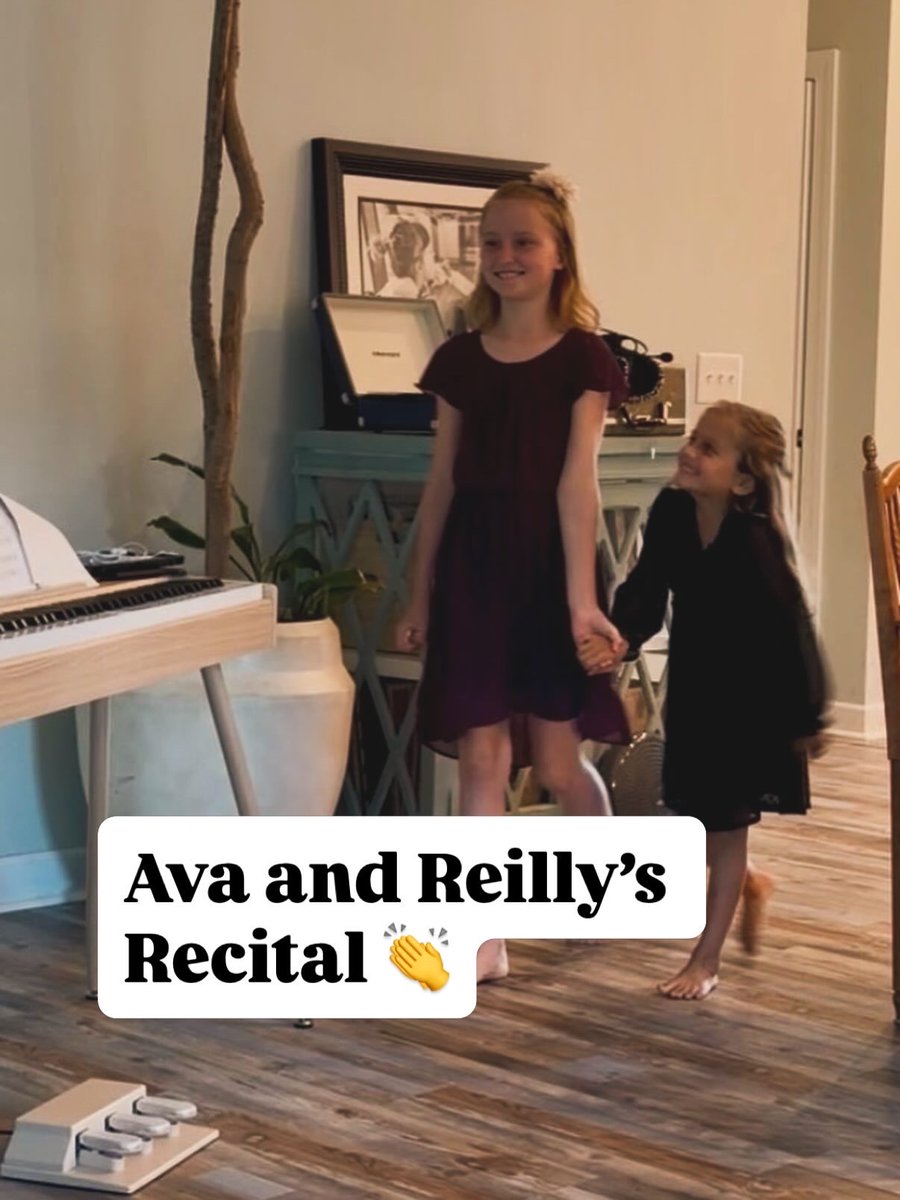
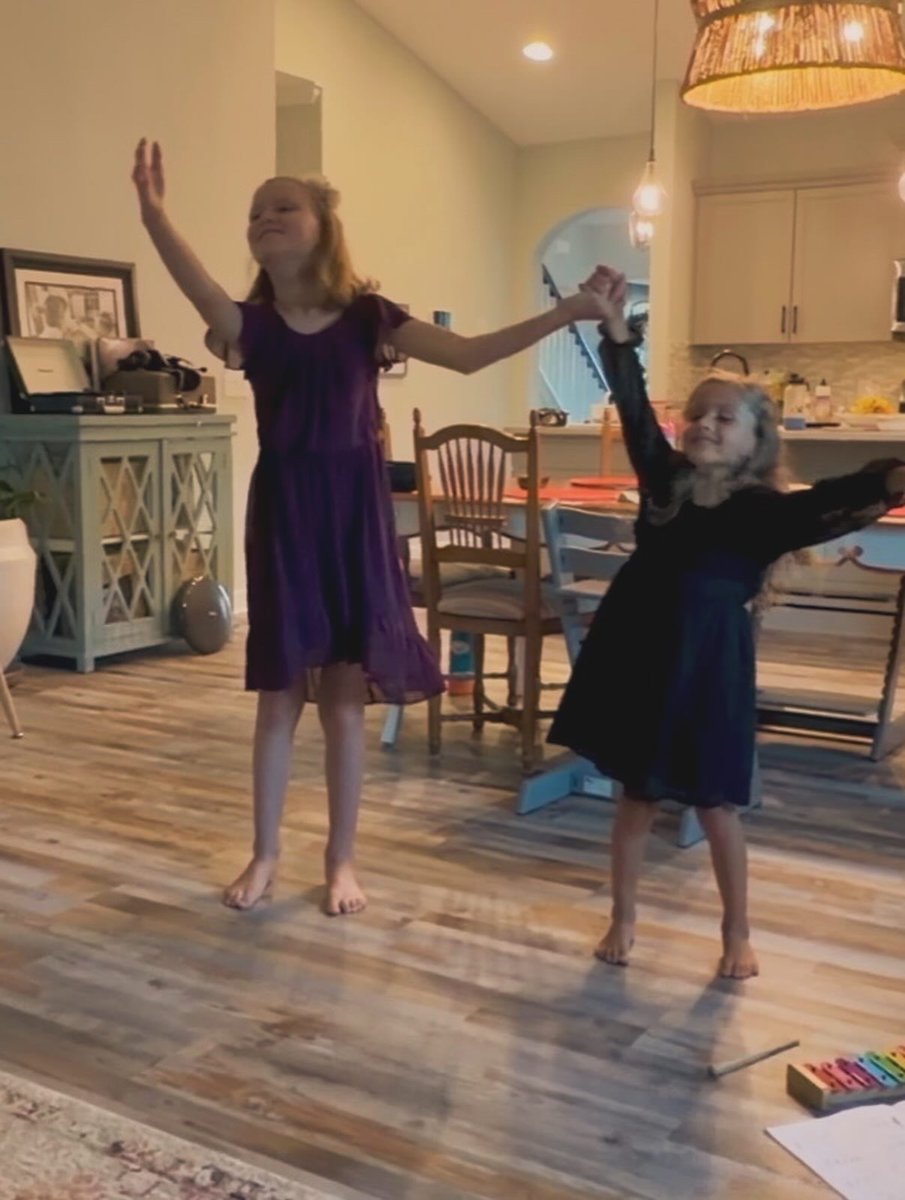
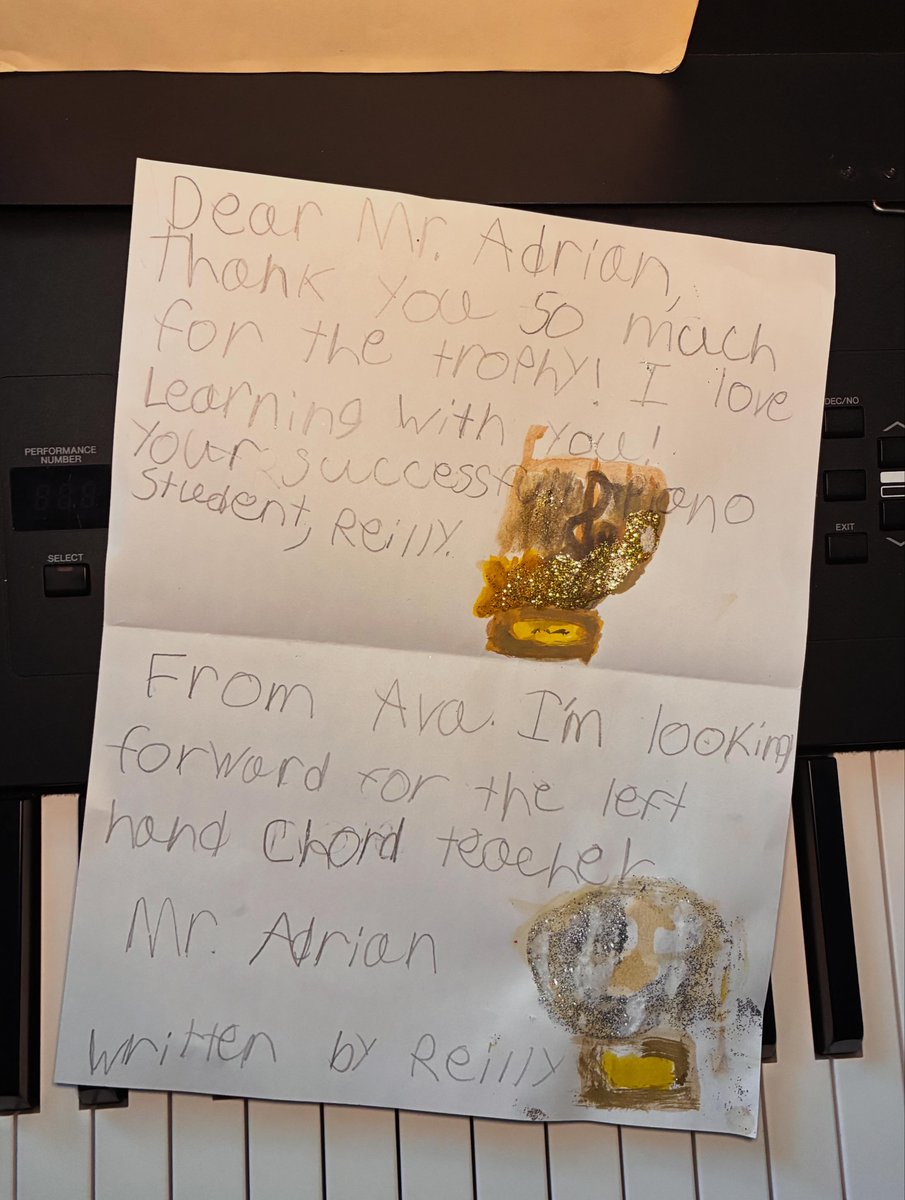
So proud of Ava and Reilly on their amazing piano recital! 👏😊🎶
It’s so special when families share music together. This is what it looks like when great memories are created and treasured for a lifetime.
Congrats to both of you and mom and dad for making these moments happen! 🎉
1
3
36
So proud of Ava and Reilly on their amazing piano recital! 👏😊🎶
It’s so special when families share music together. This is what it looks like when great memories are created and treasured for a lifetime.
Congrats to both of you and mom and dad for making these moments happen! 🎉
2
30
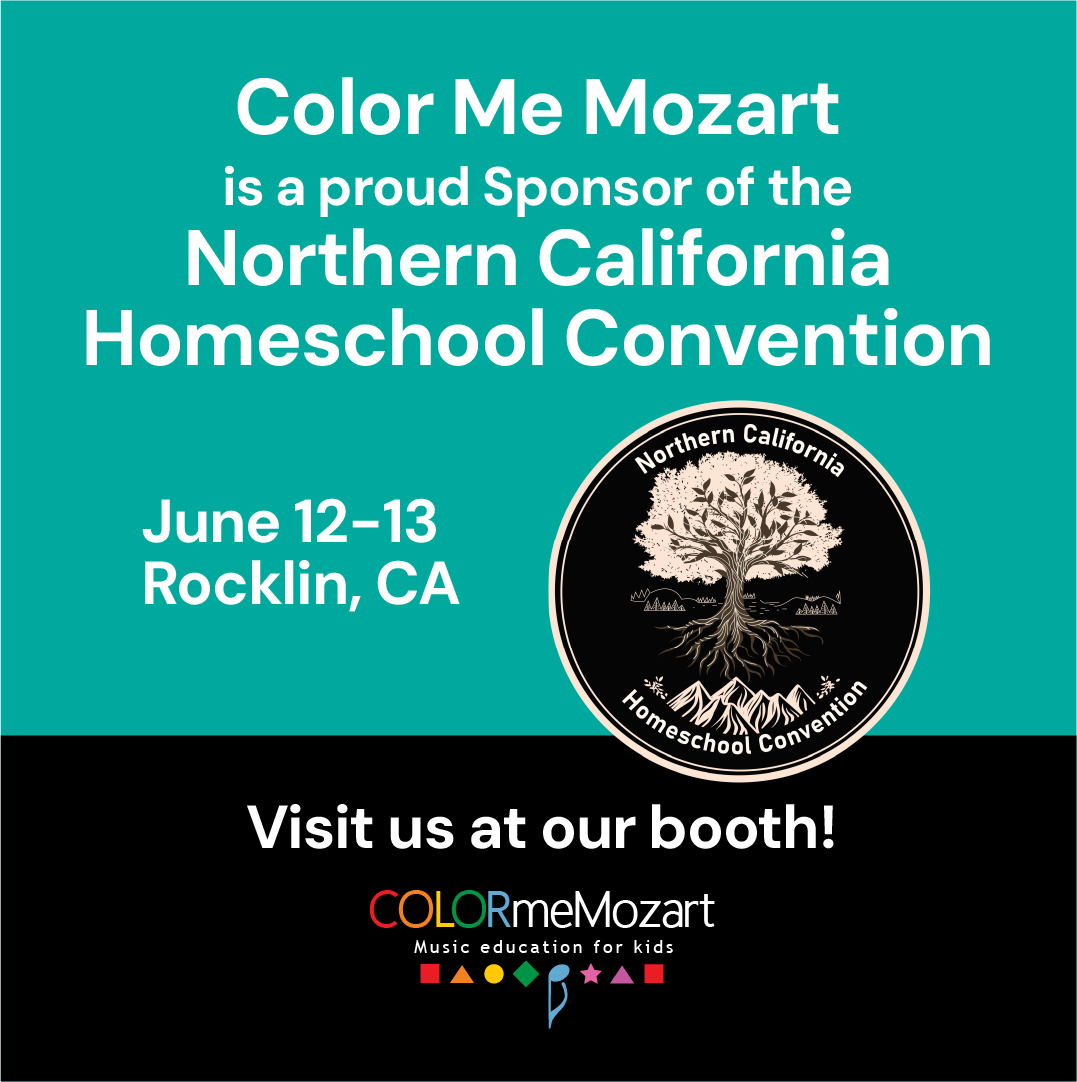
🎶 We're heading to the Northern California Homeschool Convention and we're a proud sponsor! 🎉
Come find us at our booth on June 12–13 and discover how Color Me Mozart brings music and color together to make early childhood music education joyful, intuitive, and effective.
Whether you're just starting your homeschool journey or looking for something fresh and engaging, we'd love to connect with you in person! 💛🎨🎵
📍 Northern California Homeschool Convention 📅 June 12-13
Drop by, say hello, and see what Color Me Mozart is all about!
#Homeschool #ColorMeMozart #homeschoolmom #neuroscience #homeschoolconference
2
41
A parent reached out asking me to teach this melody, and I couldn't say no, it's such a classic! 🎄
Here is the melody from Home Alone, perfect for the holidays. Whether you're a beginner or just want to learn a fun, recognizable tune, this one is for you. Give it a try and let me know how it goes in the comments!
👇 More tutorials coming soon. Make sure you're following so you don't miss them!
#Homeschoolmom #preschool #onlinepianolesson #kindergarten #colormemozart
youtube.com/shorts/fXttJxwgr…
2
2
32
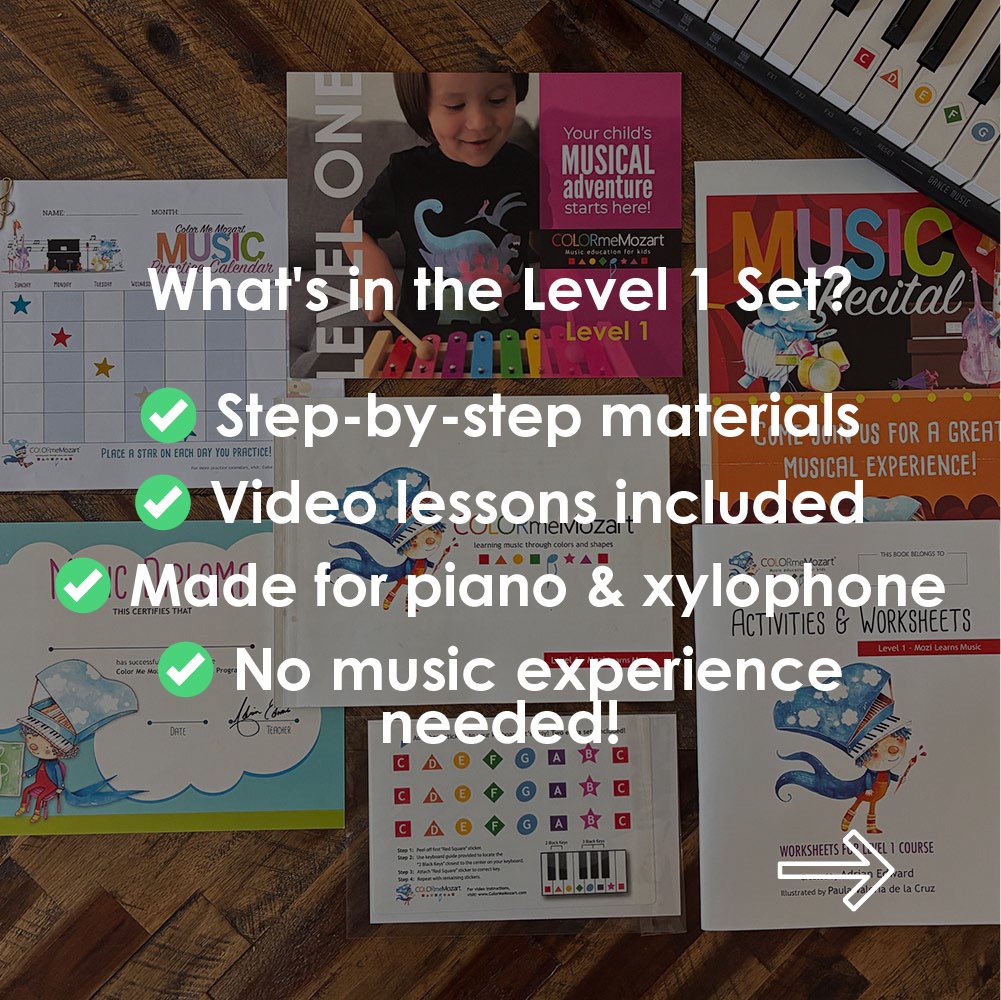
🎹 Give your child the gift of music this summer and save $20 doing it!
Our Level 1 Set is the perfect starting point for young musicians. It includes everything you need to get your child playing right away. Includes hands-on materials and video lessons that walk you through every step, so you don't have to be a music teacher to make it work. 🎶
✨ Now $179 (reg. $199) — for a limited time!
Whether your child is learning on the piano or xylophone, Color Me Mozart makes music fun, colorful, and completely stress-free for your whole family.
👇 Ready to get started? Click the link in our bio to grab yours before the sale ends!
🎹 Tag a homeschool mama who would love this!
#Homeschoolmom #preschool #onlinepianolesson #kindergarten #colormemozart



2
1
18
May 30
This is great advice 👇
May 29

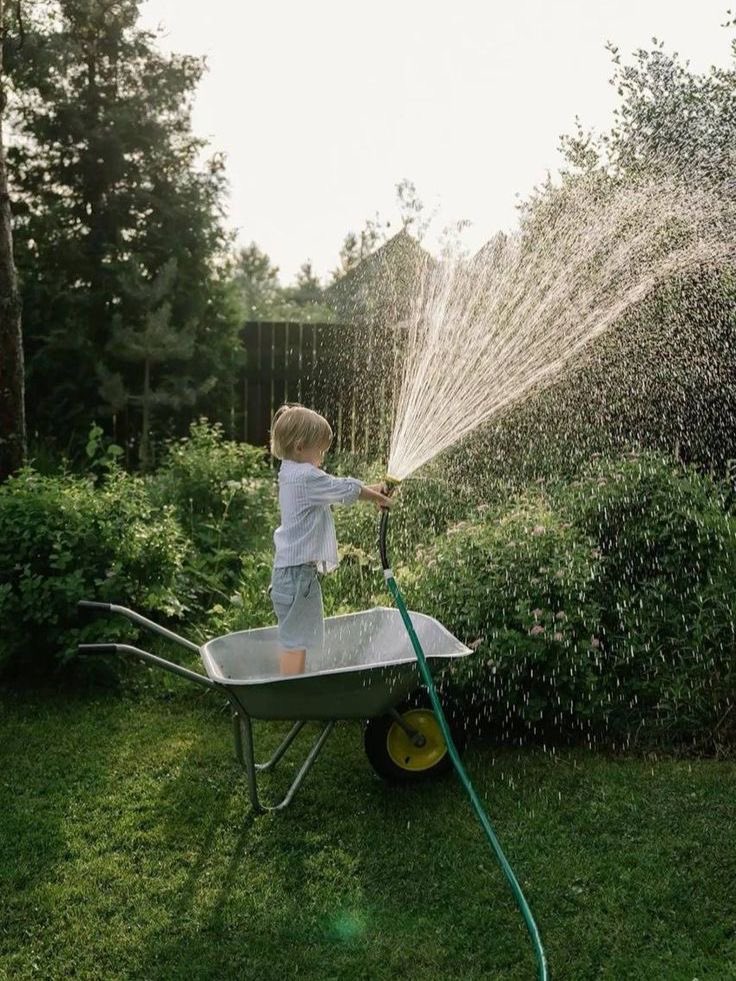
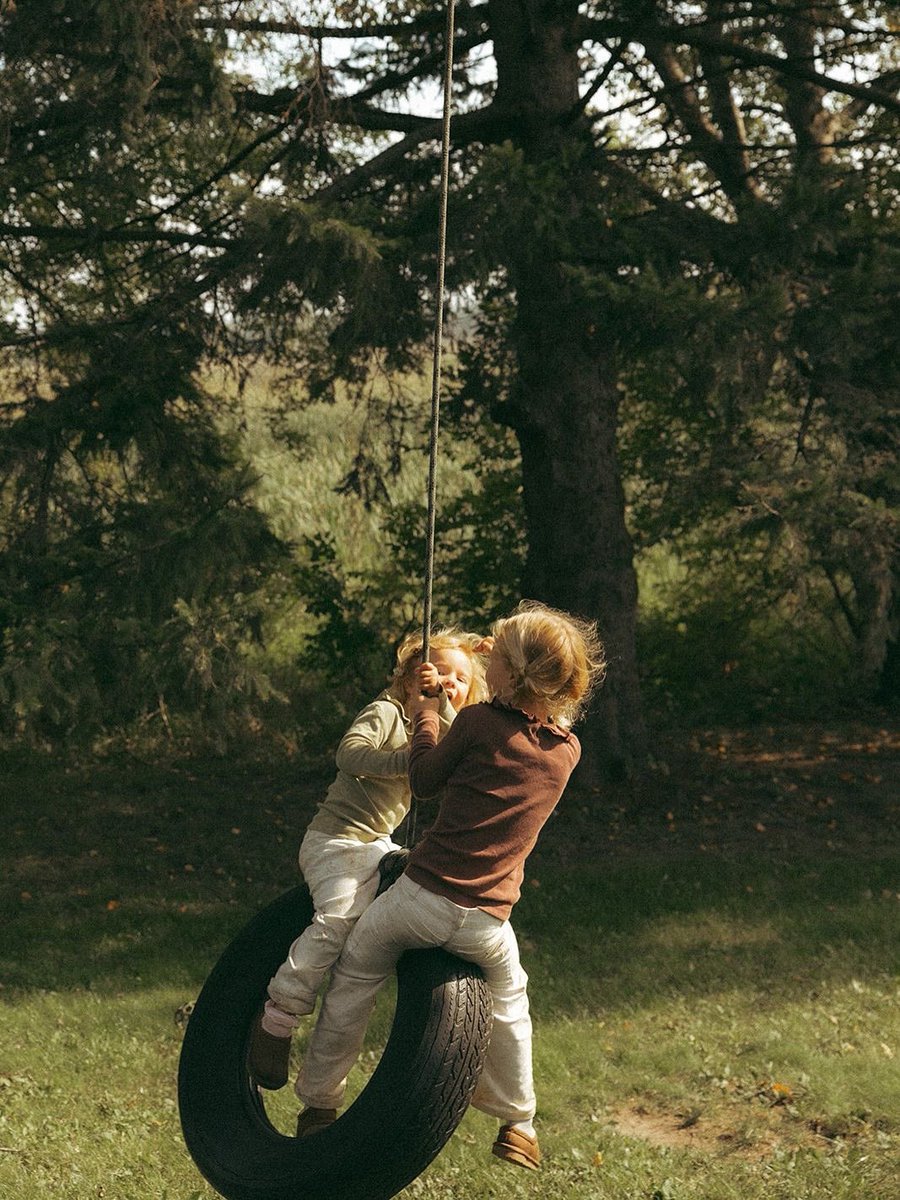
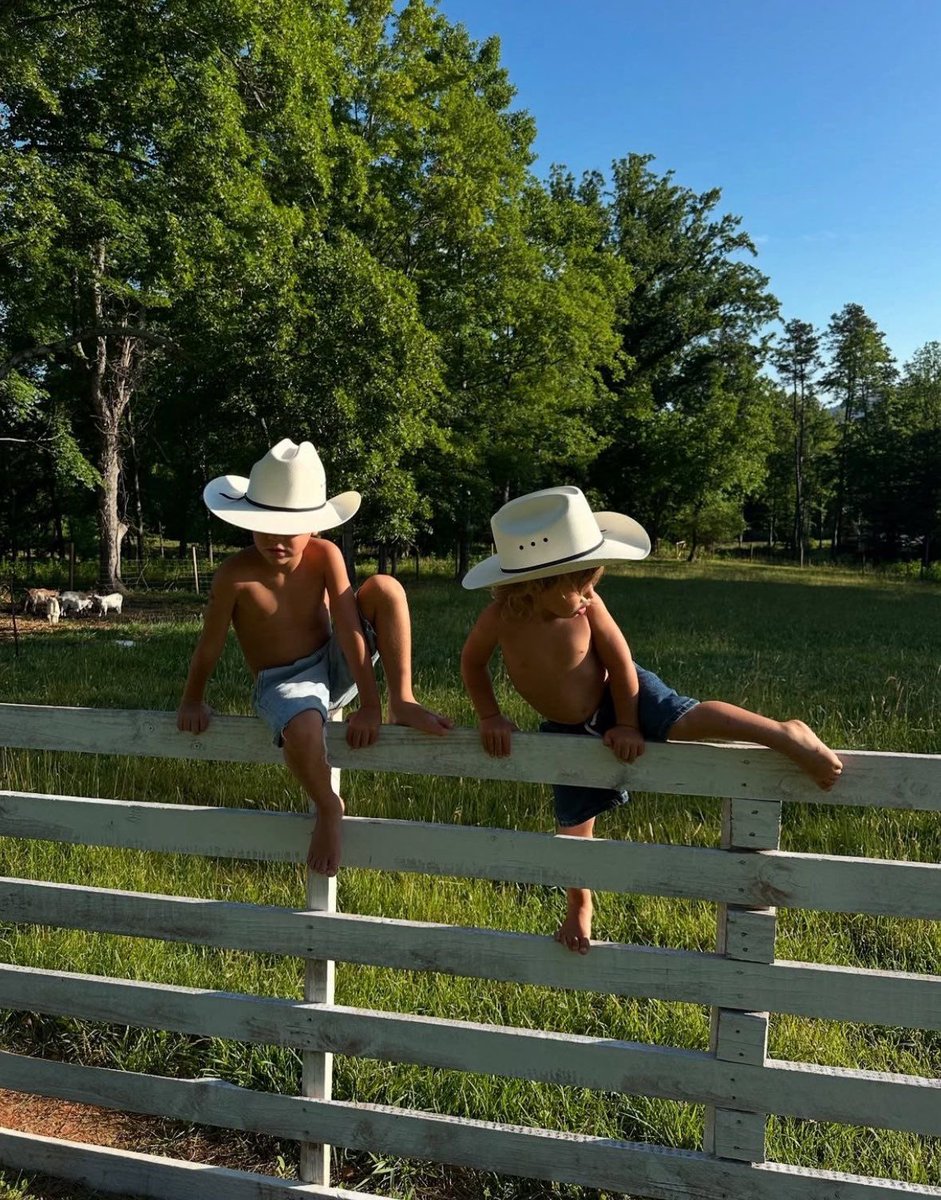
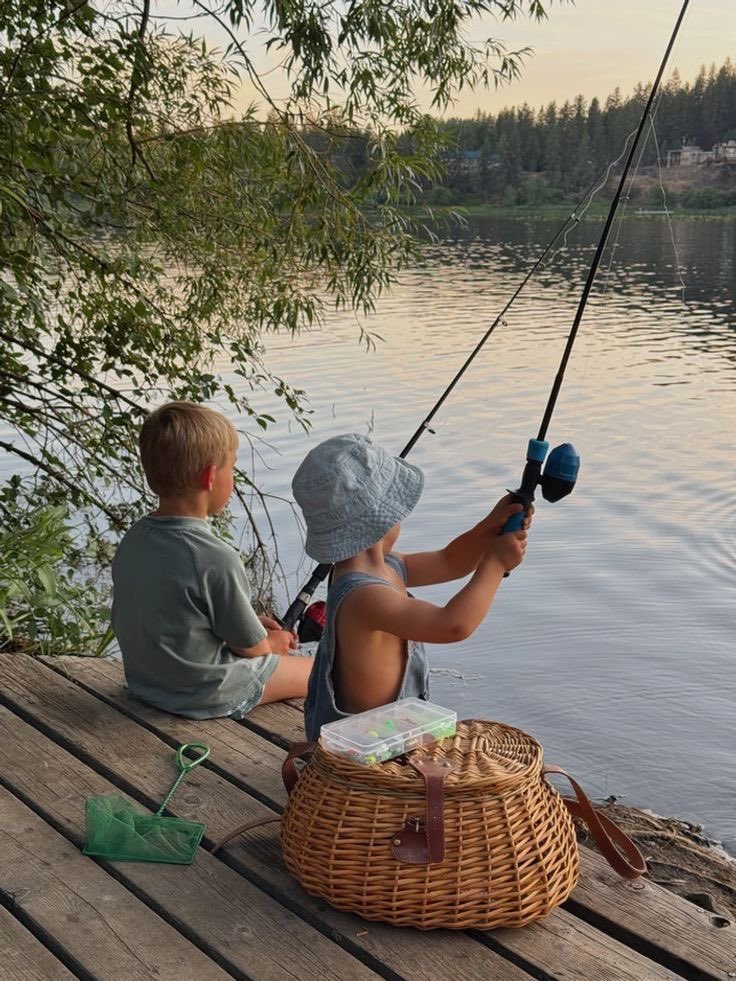
The most radical act of parenting right now is letting your kids be bored and unsupervised outside.
1
2
27
May 30
Great to see some positive steps being taken and the positive response. Hope they keep the momentum going.
May 30

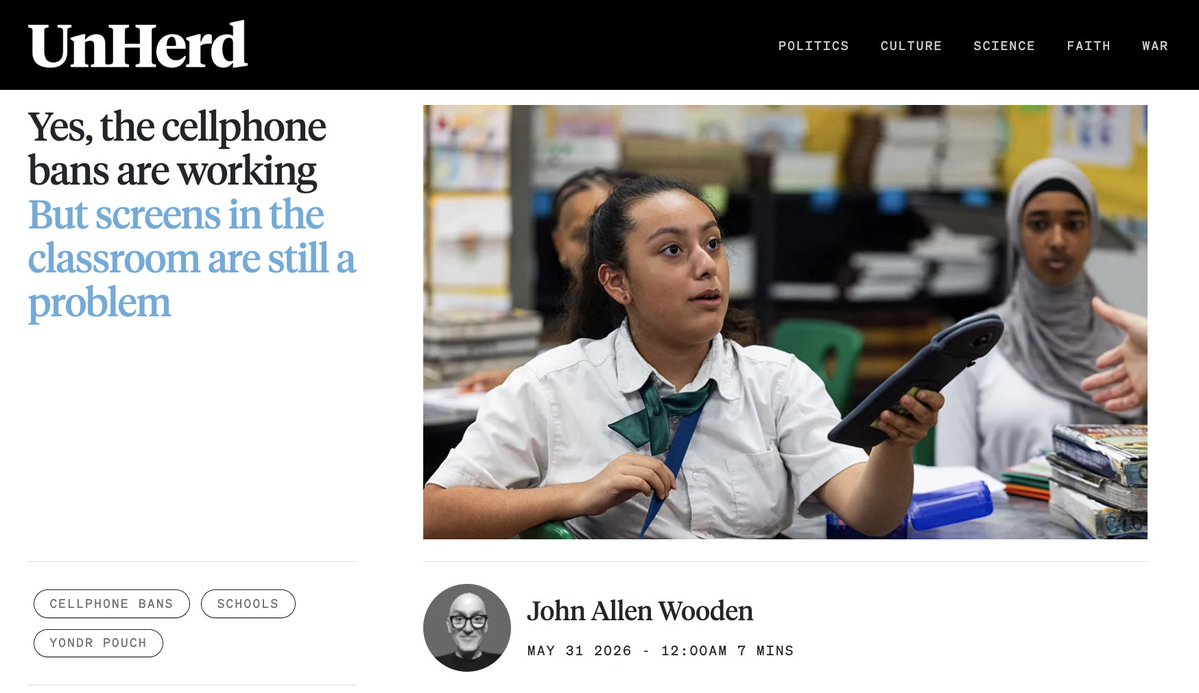
OK, this may not surprise anyone, but it's still good to take stock systematically: Yes, the school cellphone bans being enacted nationwide are working --- kids are more social and better-behaved.
13
May 28
You can teach your kid to conduct with a piece of spaghetti.
No, really. 🍝🎶
Here's how and why it's actually one of the best music activities you can do at home:
18
May 27
Imagine your grown child one day saying:
“Mom and Dad are the reason I can learn with confidence.”
That sentence already lives in the brains of children who received early parent-led music.
Not because of talent.
Because of the deep neurochemical imprint of love rhythm.
You are homeschooling their nervous system long before you ever teach them their first notes.
Don’t outsource the most powerful teacher they’ll ever have, you.
Be their first music teacher.
#MusicEducation #Homeschool #neuroscience #onlinepianolesson #rhythm #colormemozart
22
Color Me Mozart retweeted

May 26
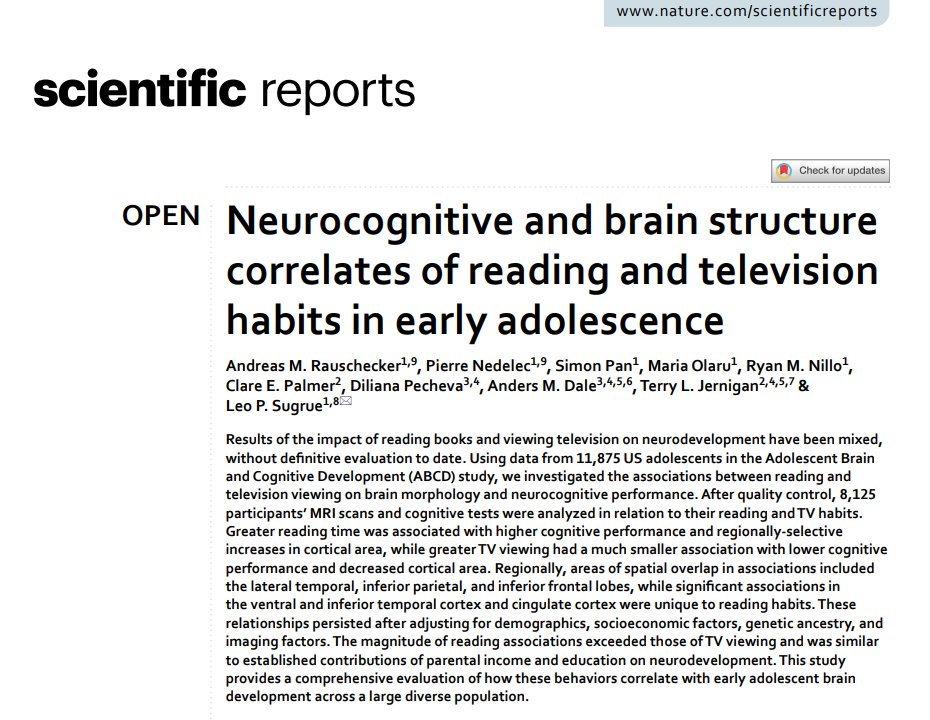
Kids who read more tend to have larger brain surface areas in regions for cognition.
Kids who watch more TV show the opposite.
53
582
2,837
205,155
May 26
The last thing we should make kids do is sit for eight hours straight at a desk. Growing up, I always felt out of place sitting at a desk for so long.
May 25

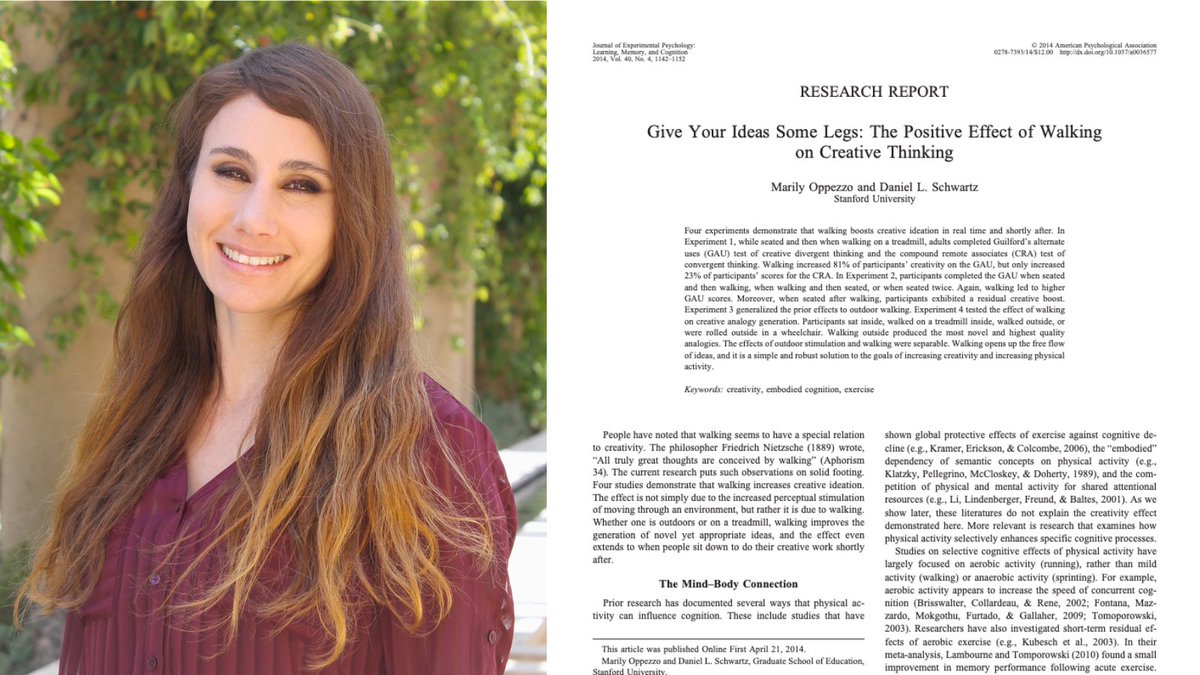
A Stanford psychologist spent 4 years proving that the simple act of walking generates 60% more creative ideas than sitting, and the experiment she designed to kill every alternative explanation is one of the most decisive findings in modern psychology.
Her name is Marily Oppezzo.
She got the idea for the study while walking with her advisor at Stanford to discuss her thesis topic, and the paper she eventually published in the Journal of Experimental Psychology in 2014 is sharp enough that it should have ended the seated meeting on the day it came out.
She ran 4 experiments on 176 people. Same person tested twice. Once sitting, once walking. The creativity tasks were the standard ones psychologists have used for decades to measure how good a brain is at generating novel useful ideas.
The result was almost too clean to publish.
81% of participants in the first experiment produced more creative ideas while walking than while sitting. In the second experiment, 88%. In the third, 100%. Every single person walked into a more creative version of themselves.
On average, people generated 60% more novel useful ideas the moment their legs started moving.
The skeptical question is the obvious one. Maybe it was the fresh air. Maybe it was the scenery passing by. Maybe it was the change of environment doing the work, not the walking itself.
Oppezzo killed every one of those explanations with one experimental decision.
She put people on a treadmill facing a blank wall. No scenery. No fresh air. No environmental change. Just legs moving in place while staring at white drywall. The 60% boost held.
Then she ran the experiment that closed the case completely. She took participants outside in two conditions. Half of them walked through a Stanford courtyard. The other half were pushed through the exact same courtyard in a wheelchair. Same outdoor stimulation. Same scenery passing at the same speed. The only difference was whether the legs were moving.
The walkers produced dramatically more novel high-quality ideas than the wheelchair group. The outdoors did almost nothing on its own. The walking did everything.
This is the part of the study that hit hardest when I read it the first time.
She also tested the opposite kind of thinking. Convergent thinking. The kind where there is one right answer and you have to narrow down to it.
Word puzzles where 3 words share a hidden fourth word that connects them. The seated participants did slightly better on these. Walkers got slightly worse.
Walking is not a general intelligence enhancer. It does one specific thing. It opens up the divergent search inside your brain. The part that generates options. The part that produces unexpected connections. The part that takes a problem and finds five ways into it instead of one.
When you need to converge on the single right answer, sit down. When you need to find the answer in the first place, get up.
The mechanism is now well understood. Walking selectively activates what neuroscientists call the default mode network, the system inside your brain that runs when you are not consciously focused on anything. The DMN is where mind-wandering happens. Where memories cross-reference each other. Where ideas that have been sitting in separate folders inside your head finally bump into each other.
When you sit at a desk and force yourself to concentrate, you suppress the DMN. When you walk at a natural pace, the executive part of your brain gets just busy enough handling the walking that the DMN comes online and starts doing the work that focus was blocking.
The most useful finding in the entire paper is the one almost nobody quotes.
The boost did not turn off the moment people stopped walking. Participants who walked first and then sat back down stayed elevated. Their next round of seated creativity work was still significantly better than people who had been sitting the whole time. The rest lingered for at least several minutes after the legs stopped moving.
You do not need to do creative work while walking. You need to walk before the creative work. The brain holds the state.
The history of this is the part that should haunt anyone who still does meetings in chairs.
Charles Darwin built a gravel loop behind his house in Kent called the Sandwalk and walked it 3 times a day for the rest of his life. The theory of evolution was developed one lap at a time on that path.
Nietzsche walked up to 10 hours a day during the years he wrote his most important books and openly said the work was conceived on his feet.
Beethoven composed for the morning and walked for 5 hours every afternoon with a pencil in his pocket for when something landed.
Kahneman said the best thinking of his Nobel Prize-winning career happened on leisurely walks with Amos Tversky. Steve Jobs refused to take important conversations sitting down. He held them on foot.
Every one of them was using the system Oppezzo would not measure until 2014. They just did not know what to call it.
The question worth sitting with is the one almost nobody asks.
Every meeting you have ever attended sitting around a table was a meeting held at a fraction of the brain power that was actually available to the people in the room. Every brainstorm that got stuck inside a conference room. Every problem you tried to solve at a desk and gave up on. Every idea you could not quite get to.
The intervention is the easiest one in modern science. No supplement. No app. No subscription. No training program. Just a pair of legs and 15 minutes.
The Stanford lab proved it. The philosophers knew it. The neuroscience explains it.
And almost everyone reading this is still trying to think their way out of problems sitting completely still.
16