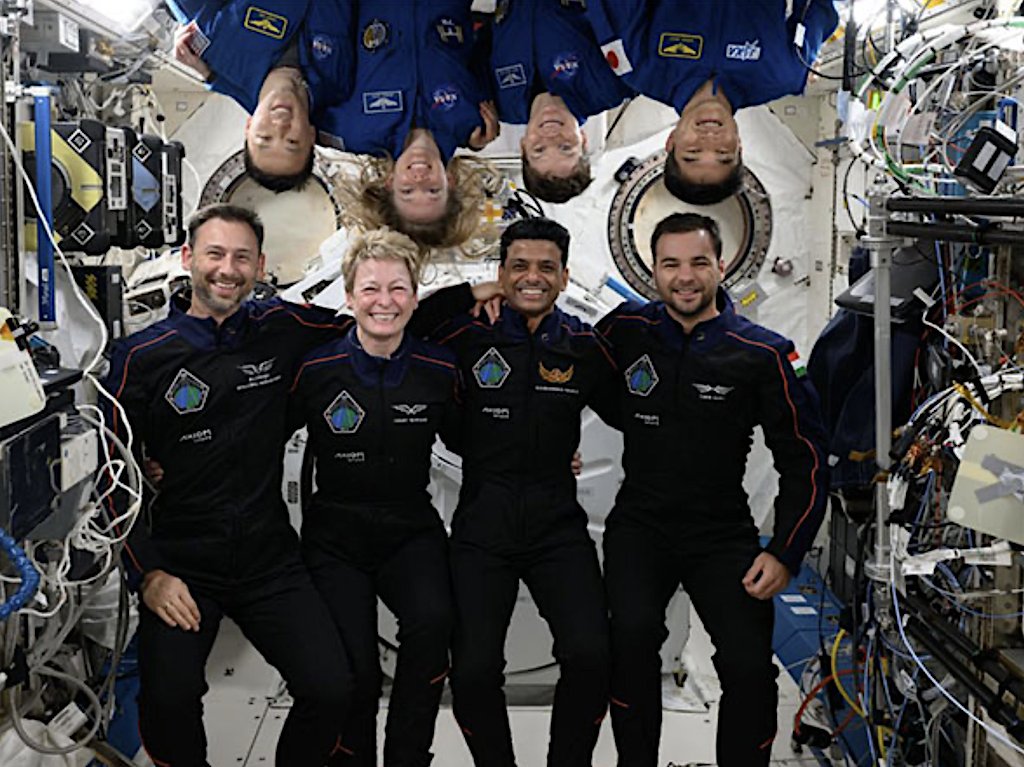
A six-time astronaut, holds two NASA records for spacewalks; Commander of Ax-1, the first private spaceflight to the ISS (4-8-22) & Ax-3 (1-18-24)
Joined April 2014
- Tweets 5,124
- Following 500
- Followers 62,551
- Likes 288
2,382 Photos and videos

Pinned Tweet

1 Nov 2024
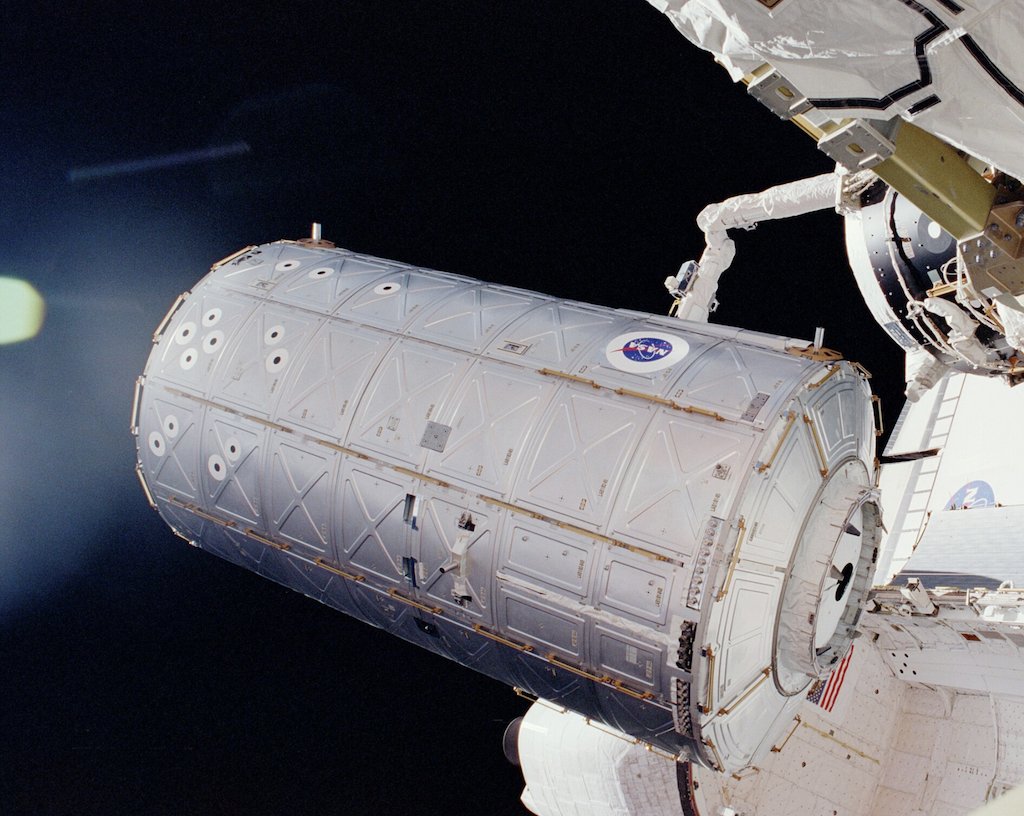
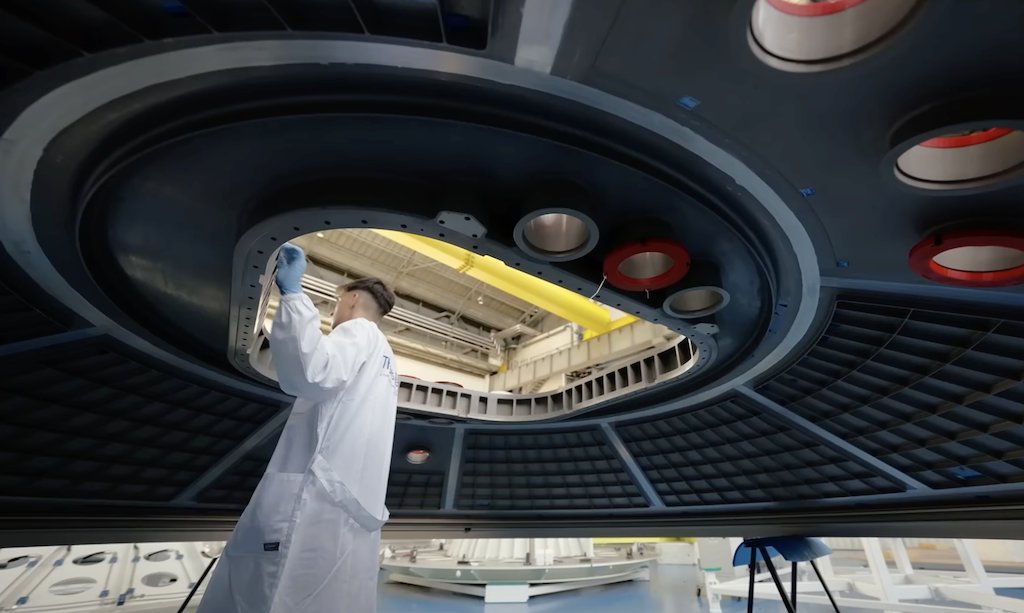
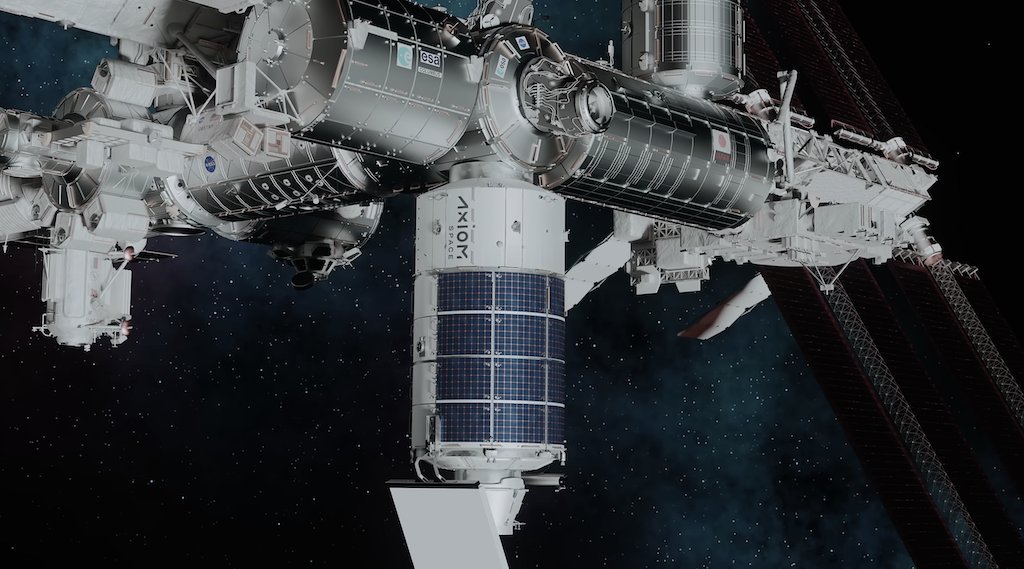
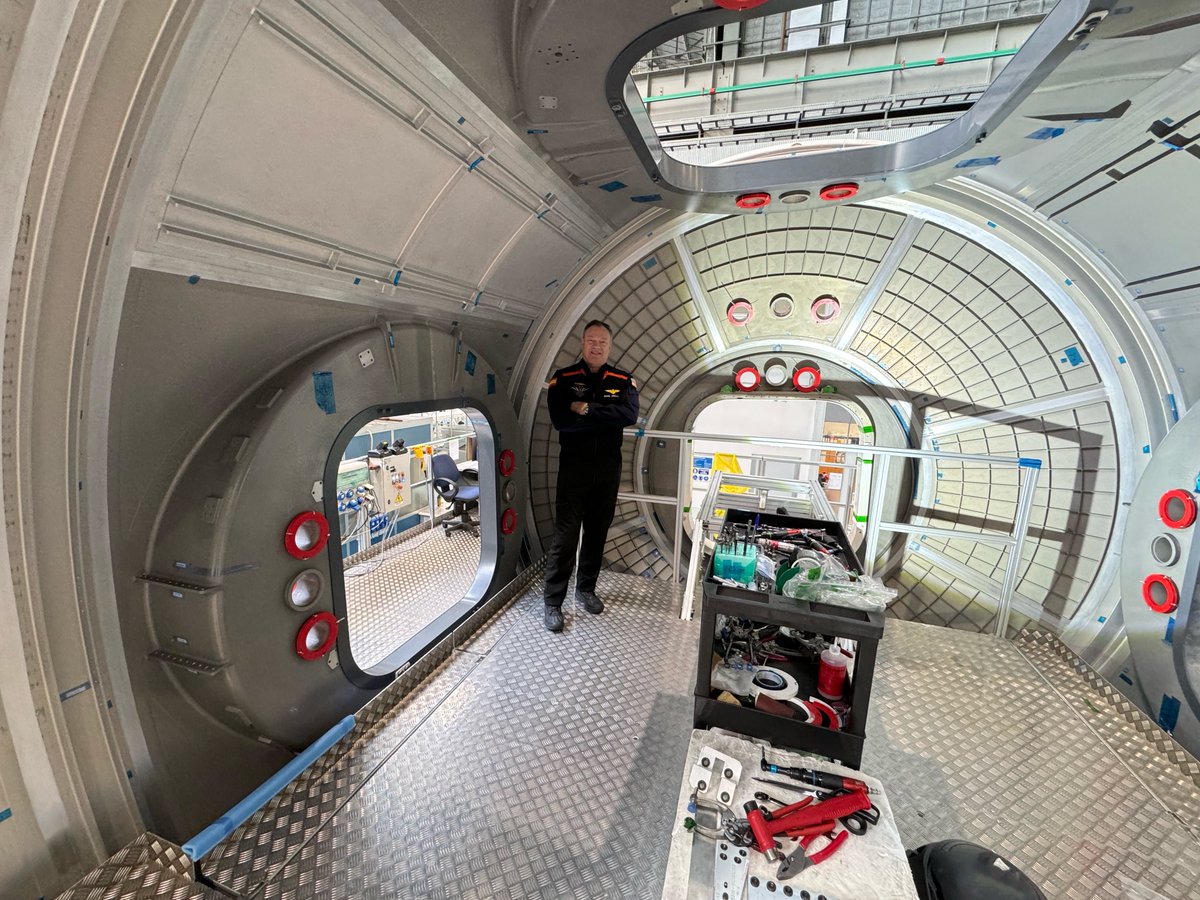
As we build the new space station we're being mindful to build in adaptability so we can continue innovating while we utilize and maintain the Axiom Station.
36
125
1,178
63,714
Jun 12
The spacesuit is an incredibly complex machine in and of itself, capable of protecting the user against the extreme, fluctuating temperatures. Interestingly, because there is no air to carry the temperature and the suit is so well insulated, you don't really feel those temperature transitions. Instead, your level of exertion determines whether you feel hot or cold in the suit. The heat your body generates has nowhere to go. If you're really working hard, you'll notice it getting warm so you "turn up the air conditioning" to cool things down again.
1
15
78
6,042
Jun 10
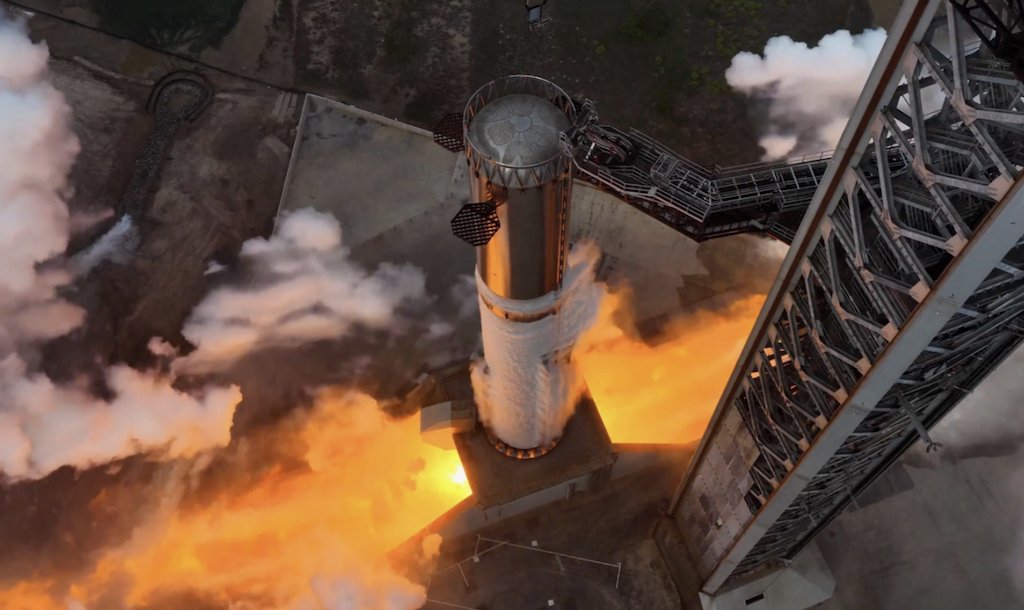
Currently, the size of a space station module is limited by the size of the launch vehicle, but that limitation will disappear as we advance. In the coming decades I think we will begin to see in space assembly and modular construction techniques that allow us to build structures much larger and more complex than anything that can fit into a single fairing. Modules may launch in a compact form and then expand, or be 3D printed and welded together in orbit. Once we cross that threshold the structures we can build will be limited only by imagination and not by rockets!
8
29
155
11,918
Jun 8
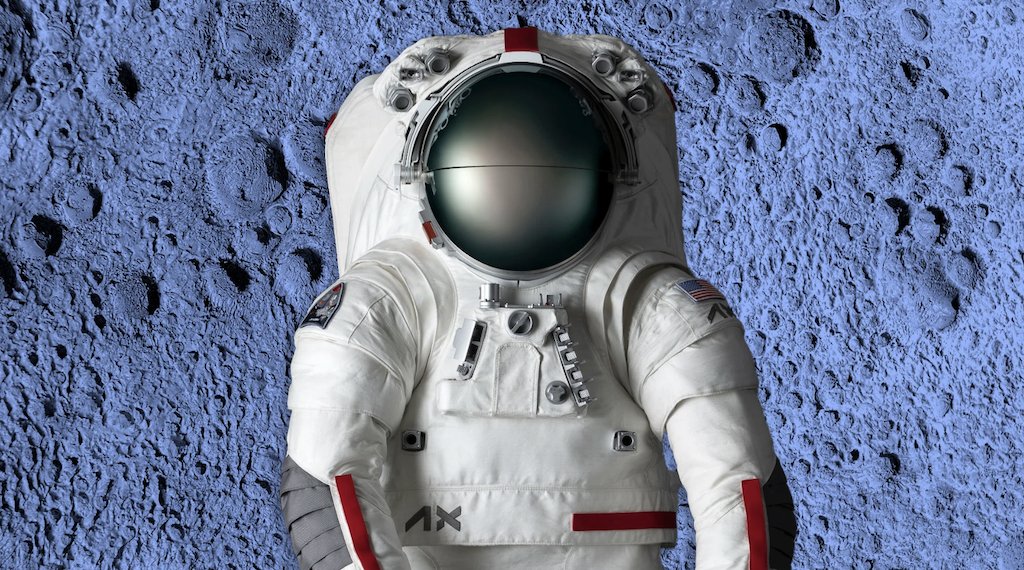
Creating a spacesuit for the lunar South Pole is fundamentally a different engineering challenge than designing the Apollo suits. The Apollo astronauts worked near the Moon’s equator, where surface temperatures during their EVAs were relatively moderate (in terms of Moon temps), depending on the time of day. In contrast, Artemis astronauts will operate near the lunar South Pole, one of the solar system's most extreme environments. And with no atmosphere to moderate heat, these dramatic swings can happen abruptly as astronauts move between light and shadow. The suit must therefore actively manage both extremes: rejecting excess heat in sunlight while delivering reliable warmth in the freezing darkness.
1
19
71
6,754
Jun 4
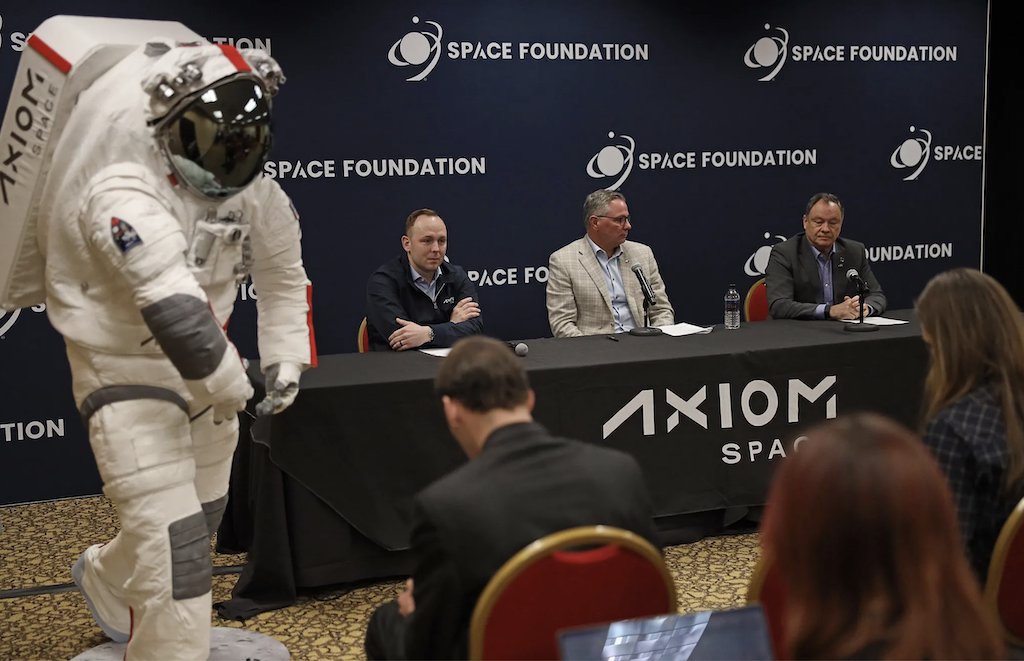
The single foundation architecture is an important part of the #AxEMU. Having a core suit design that serves as a single base for multiple mission types means it can adapt quickly and cost-effectively with minimal changes. In most cases, the difference is as simple as swapping footwear: rugged lunar walking boots engineered for gravity, extreme temperatures, and abrasive dust versus lighter LEO boots optimized for microgravity translation and station interfaces.
2
19
628
Jun 2
Self-regulation is an important part of the commercial space industry; we can't have an FAA-like organization come in to “certify" that commercial human space flight is safe. Short of that, we have a balancing act between the wild west where we have no regulation and an agency that will stifle innovation and slow things down. To help center that regulatory pressure, it is incumbent upon the industry to demonstrate that it can self-regulate. Self-regulation can, and in part should, rely on industry-derived consensus standards from organizations like ASTM international’s F47 Committee on Commercial Spaceflight.
2
20
1,196
May 29
Other than the duration, the microgravity experiences in an orbital and suborbital flight are not terribly different, but what the vehicles have to go through is vastly different. Orbital mechanics require you to add huge velocity to stay up, then remove that same huge velocity on the way down—mostly by using the atmosphere as a giant brake; the powerful acceleration to orbital speed and the fiery deceleration on reentry are by far the most dangerous parts of the mission and mark the biggest practical differences between orbital and suborbital flight.
1
8
52
2,392
May 27
When I flew with NASA most experiments focused on discovering how the human body adapted to microgravity so we could develop countermeasures for longer survival periods in that environment. Now the focus has really shifted to what we can do to make human health on Earth better.
2
4
26
1,524
May 25
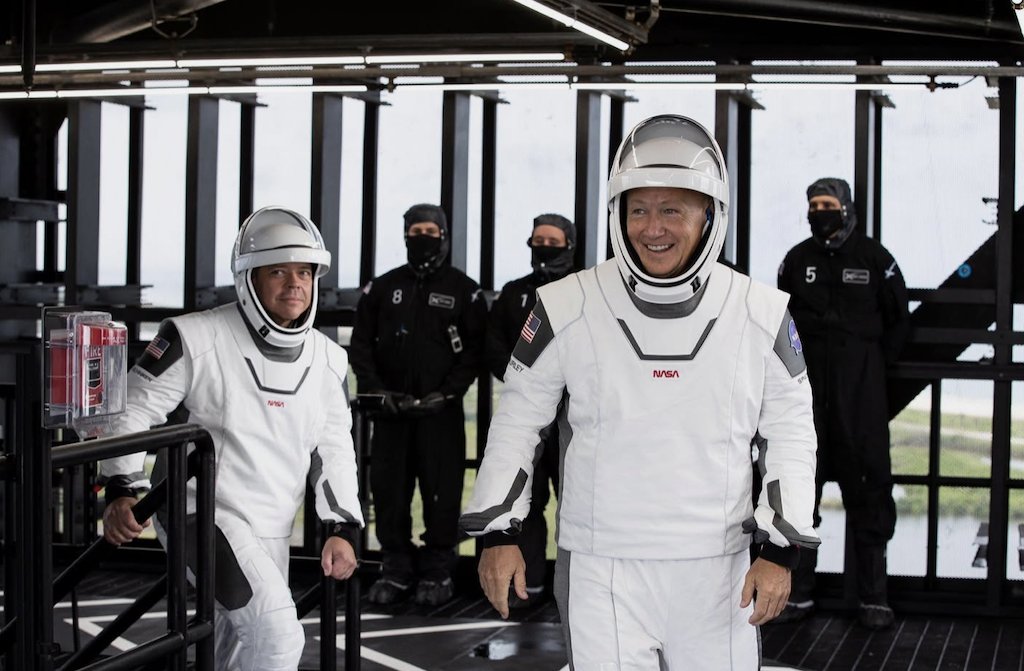
The world was in the midst of lockdowns and restrictions when Demo-2 launched in 2020 with the debut of the @SpaceX 'ninjas.' The ninjas are a mix of specialized suit technicians and closeout crew members who handle critical final tasks for crewed Dragon missions. The head-to-toe black attire may have started as a Covid protocol, but the sleek SpaceX ninja quickly became a fan favorite and a staple of a SpaceX launch.
12
99
8,730
May 21
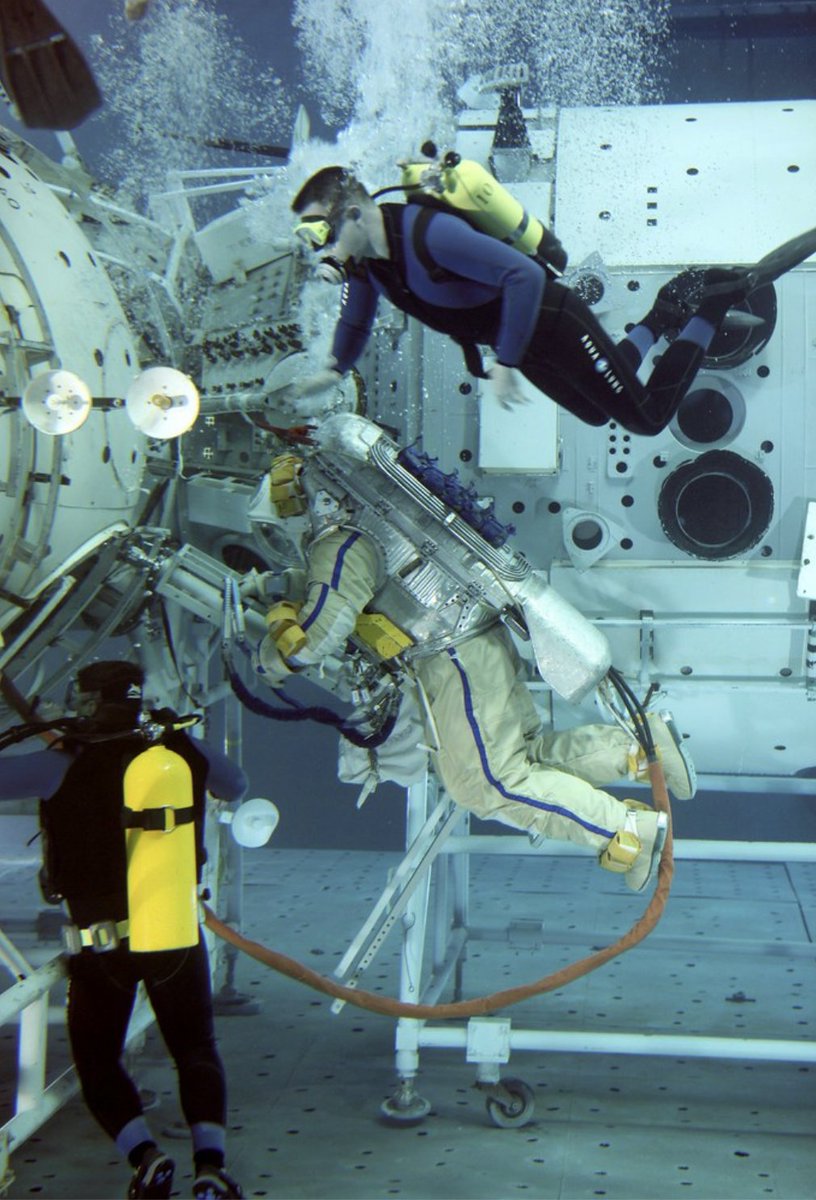
Training for a spacewalk isn't easy. I think doing tasks in the pool is physiologically more challenging than doing them in space. Over the years, underwater training has resulted in many sore muscles, and even torn cartilage (including mine!).
2
3
24
1,015
May 19
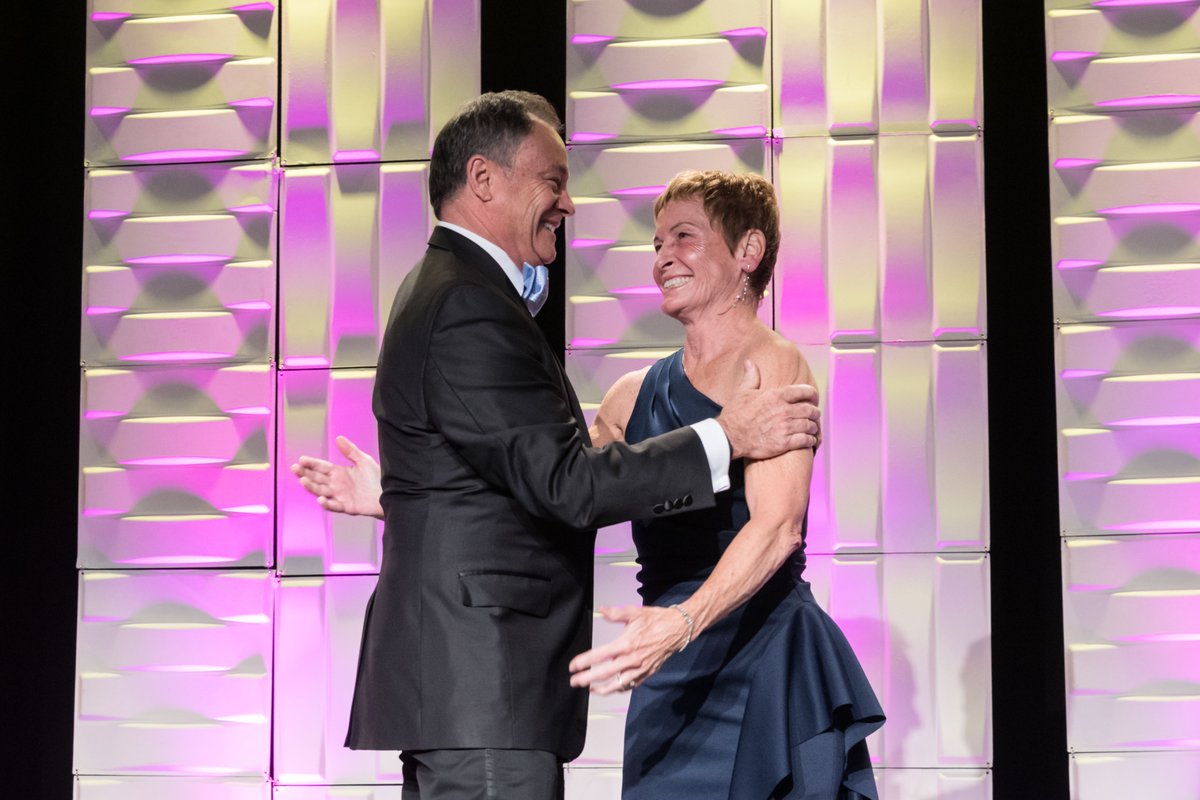
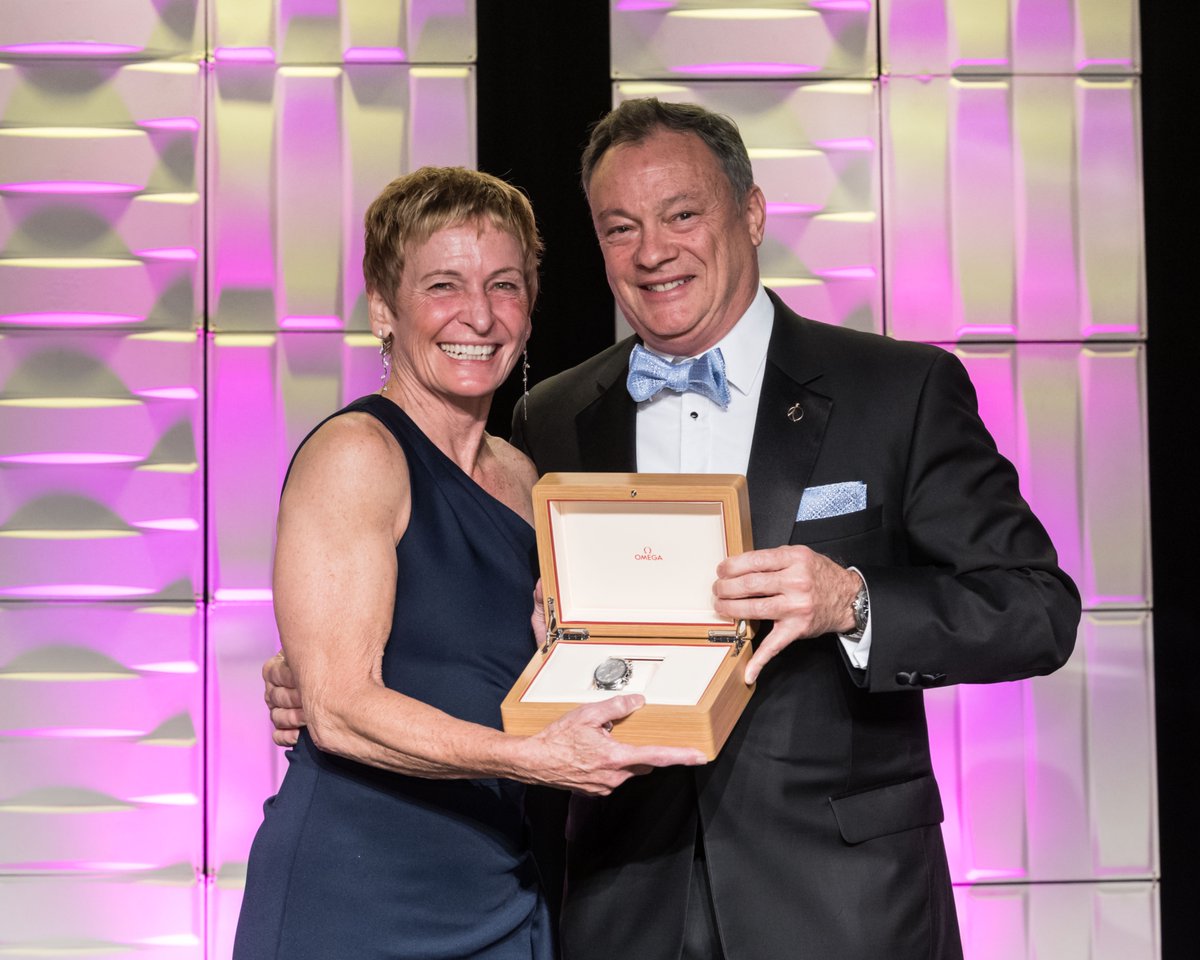
.@AstroPeggy was awarded the prestigious National Space Trophy by the Rotary National Award for Space Achievement last month and I was honored to be part of the evening. She is not only a remarkable astronaut, but a remarkable human being. Congratulations Peggy!
5
14
136
21,938
May 15
A commercial space station will not receive direct funding from governments as the current space station, so we have to find different revenue streams. Continuing science research will remain a key focus, but that revenue alone would not sustain a private space station. Axiom Station will diversify its income through a multi-pronged revenue model that can sustain the cost of operating a space station while simultaneously stimulating a commercial economy.
8
26
146
12,833
May 11
The crew complement on the Axiom missions has shifted from self-funded astronauts to mostly government-sponsored astronauts. While this may seem like a big difference, both groups dedicate their time to microgravity research, technology development and outreach. The difference is that government astronauts perform those tasks on behalf of their nations, while the private citizens are free to ally themselves with research and tech dev institutions of their choosing.
7
12
56
2,040
May 7
I don't think most people appreciate just how difficult it is to support a human being living in space. Creating a sustainable habitat means overcoming immense engineering, biological, and logistical challenges. Humans have many specific needs that must be met in an environment that doesn't provide any of them. We need oxygen, water, food, waste management, specific temperatures, certain pressures, and radiation requirements... the list goes on and on. It's extremely difficult and when you think about it, it's quite remarkable that we have supported people living and thriving in space for decades!
7
15
43
1,731
Michael L-A retweeted

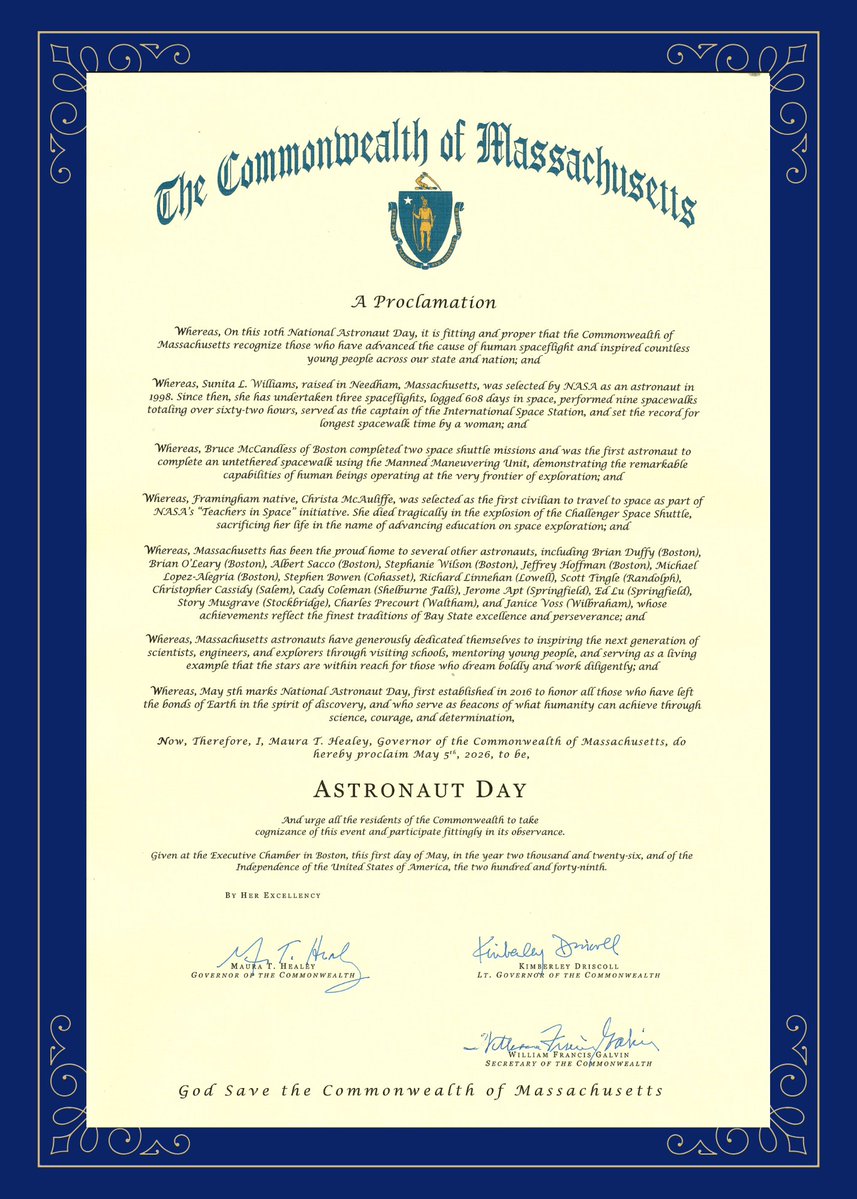
Massachusetts has officially declared May 5 as Astronaut Day!
Thank you for honoring Astronauts past, present & future.
@Astro_Duffy @Astro_Stephanie @CommanderMLA @Astro_Maker1 @Astro_SEAL @Astro_Cady @astroEdLu @StoryMusgrave @Astro_Precourt
8
11
827
May 1
The design of the Axiom Station allows modules to be added fairly easily and indefinitely. Many countries have already expressed interest in having their own dedicated module.We want to position the station to act as a truly global platform, open to governments, agencies, and private entities beyond traditional ISS partners.
3
21
83
3,902
Apr 29
Certifying a new piece of equipment for space is extremely difficult. The process can take years and cost millions of dollars because there is no room for error. The gear undergoes rigorous testing, analysis, multi-phase reviews and verification. While this is a necessary step, the result is that once something is certified for spaceflight, it stays certified as long as it continues to work safely—often meaning older and slower equipment than what we utilize here on the ground. Non-critical gear like laptops or iPads are refreshed more often, but anything mission-critical tends to rely on the same hardware that's been battle-tested for decades.
5
19
96
9,152
Apr 27
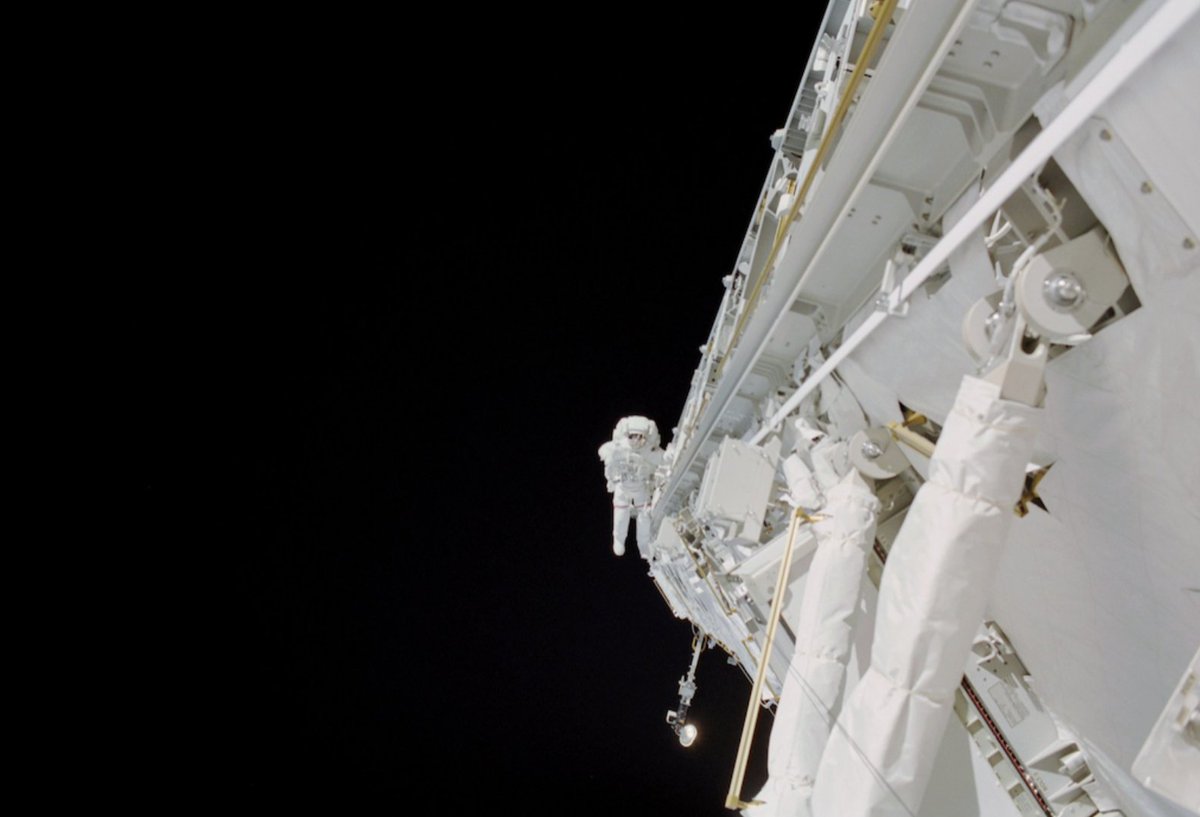
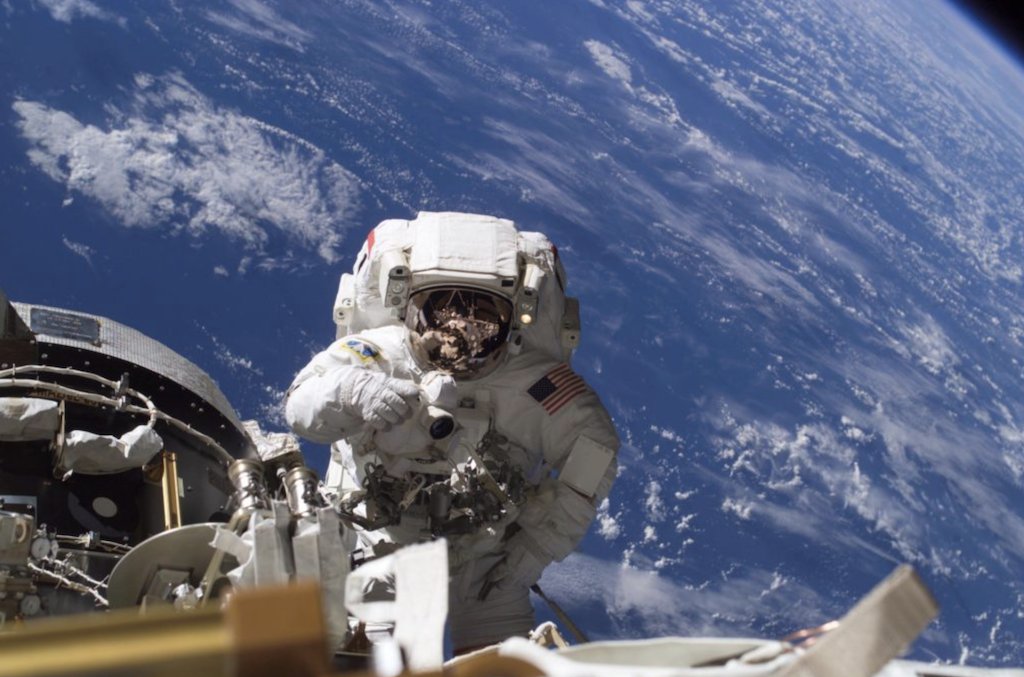
Spacewalks are one of the most incredible yet most unpredictable parts of life in orbit. Astronauts train for every procedure, movement, and contingency imaginable, but working outside the Space Station often defies perfect planning. Hardware exposed to years of the extreme space environment can act unpredictably. Even something as small as a bolt that won't thread or a connector that jams can complicate a straightforward task. In these delicate moments you can't force a fix and risk damaging critical components. As difficult as it is, sometimes you must step back and regroup acknowledging the thin line between persistence and peril.
3
12
96
2,877
Apr 23
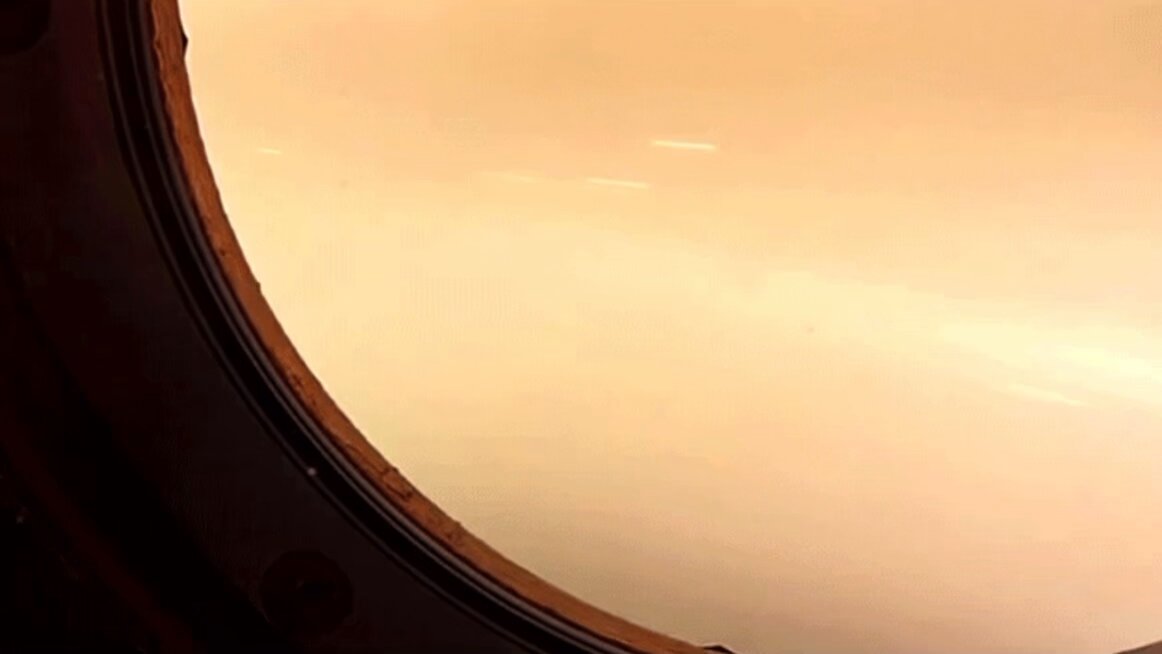
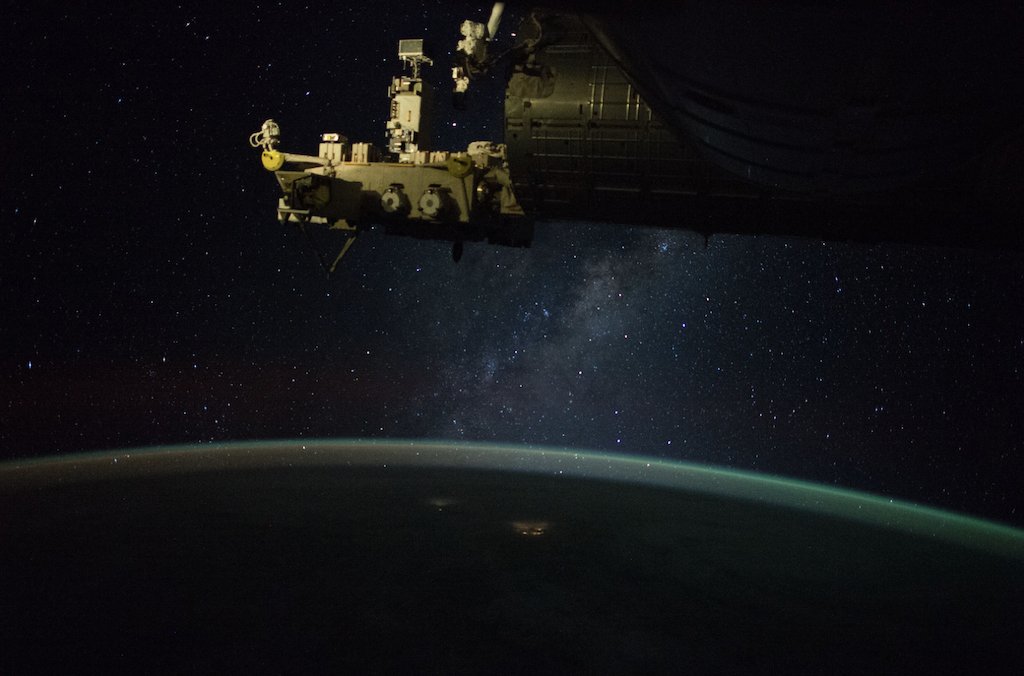
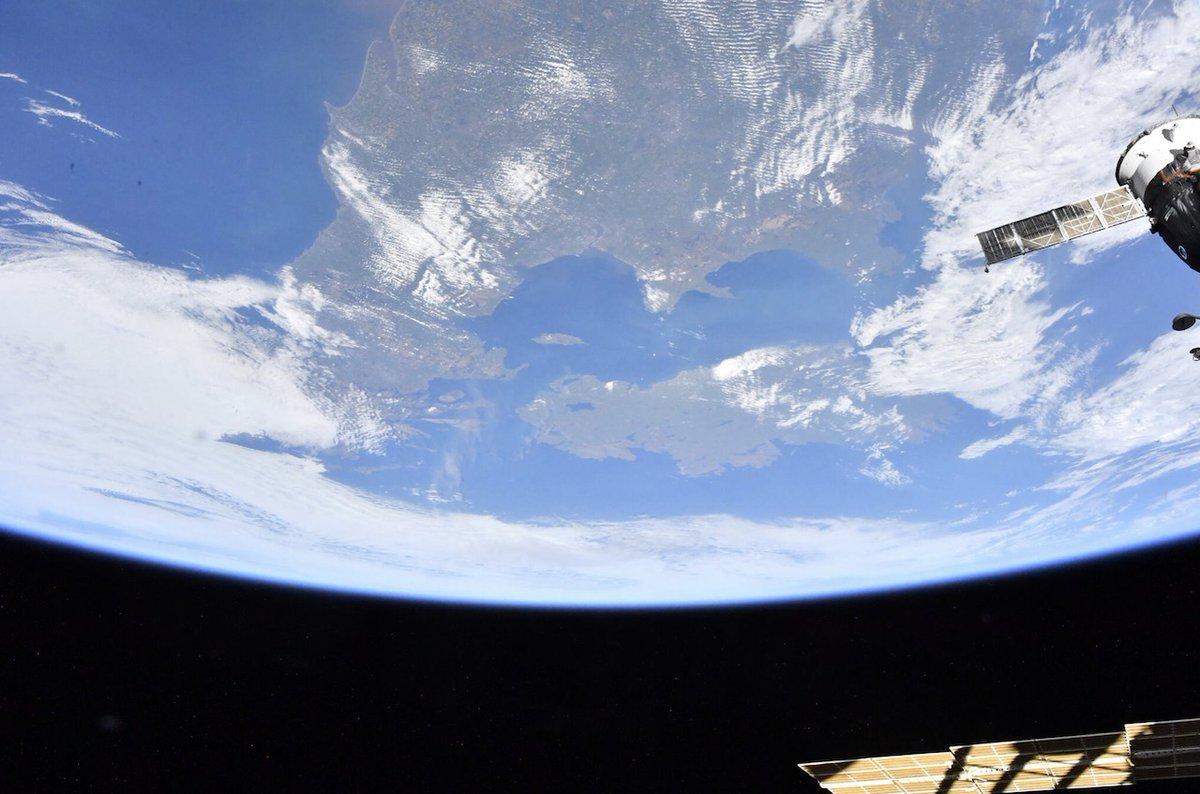
This was my view 4 years ago today. Seeing our planet from space is a captivating experience that never gets old!
2
19
163
2,427
Apr 21
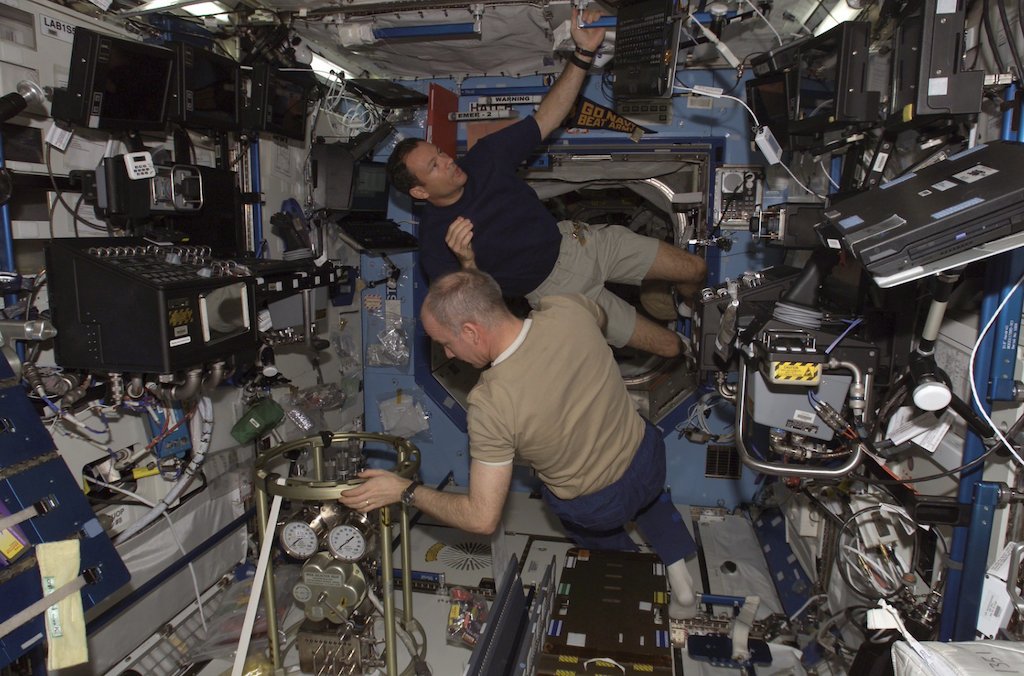
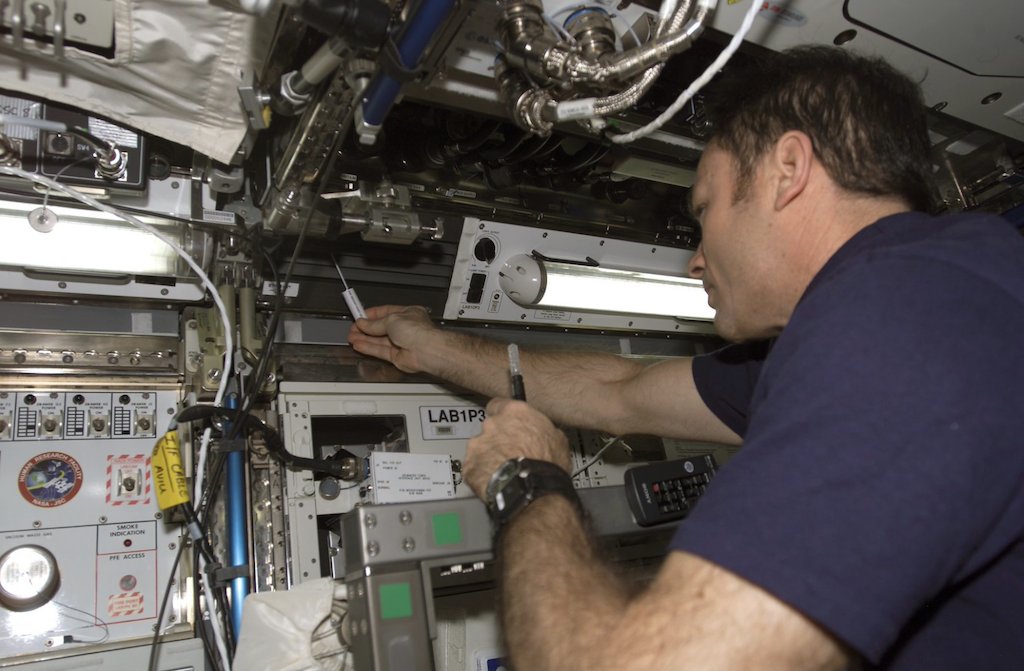
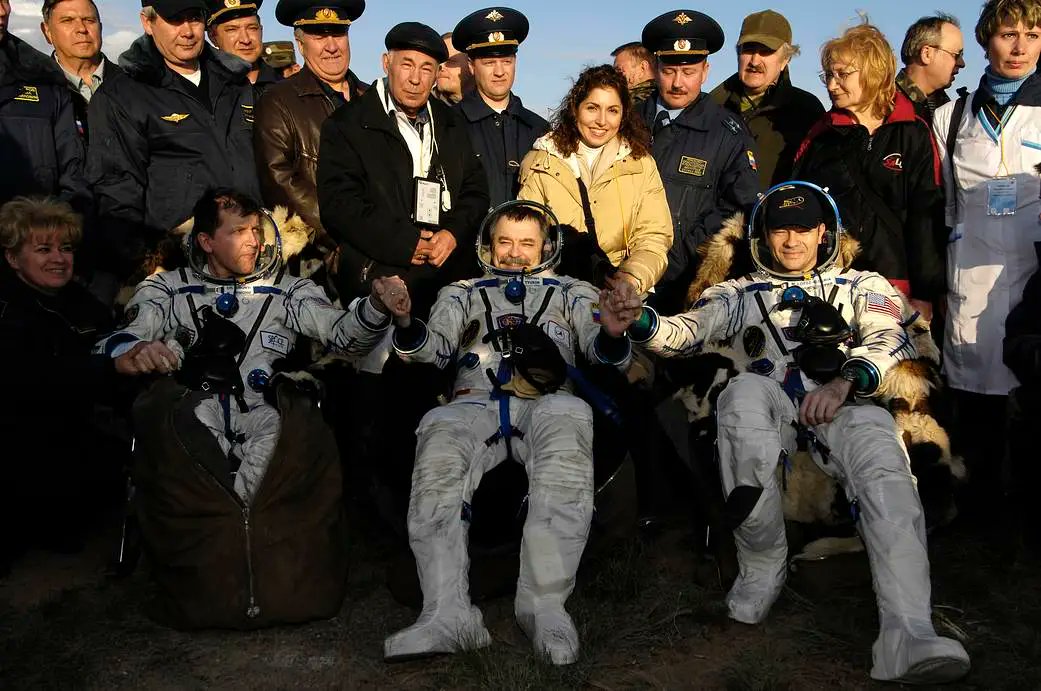
#OTD in 2007 I came back to Earth after spending 215 days on the International Space Station as part of Expedition 14.
1
6
60
1,665