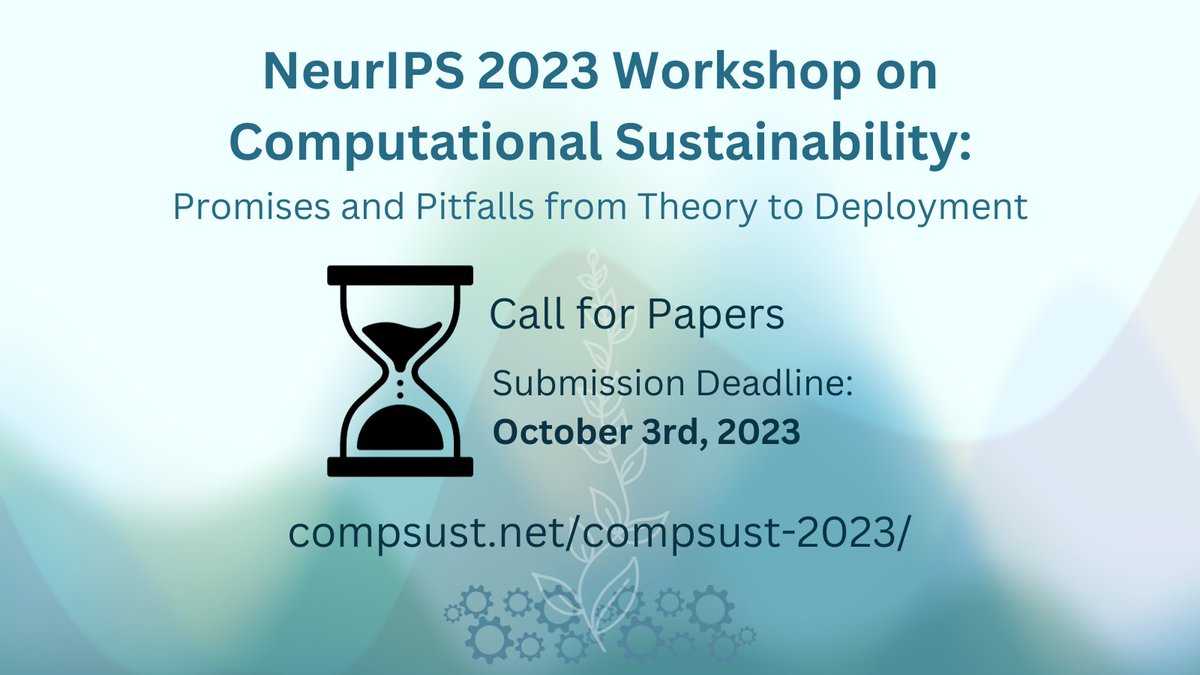
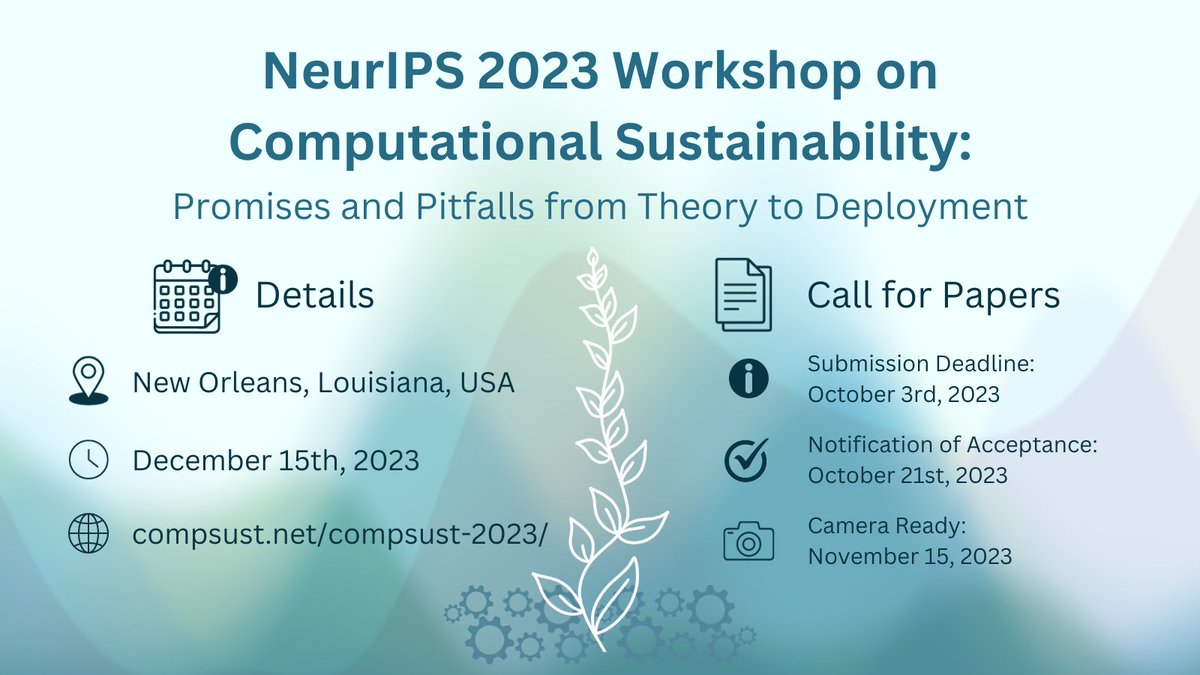
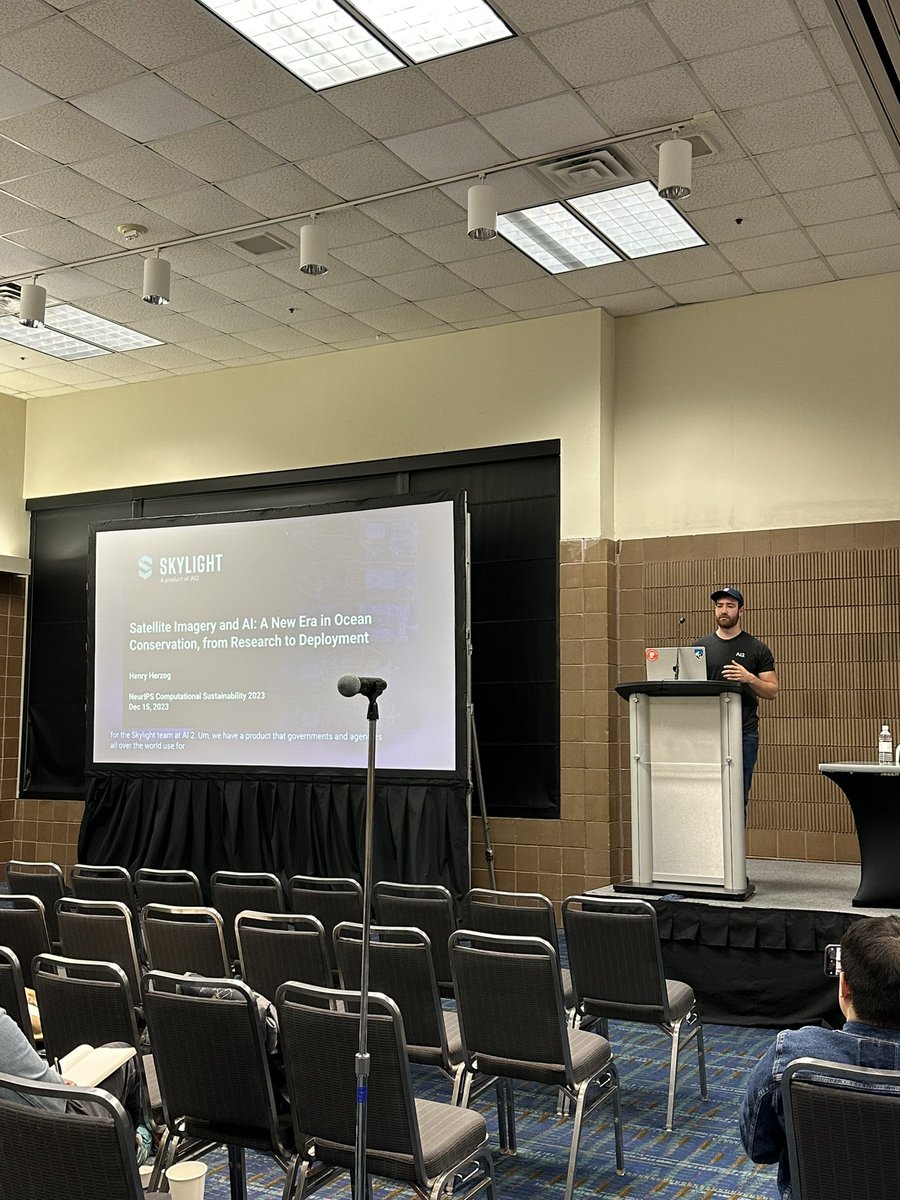
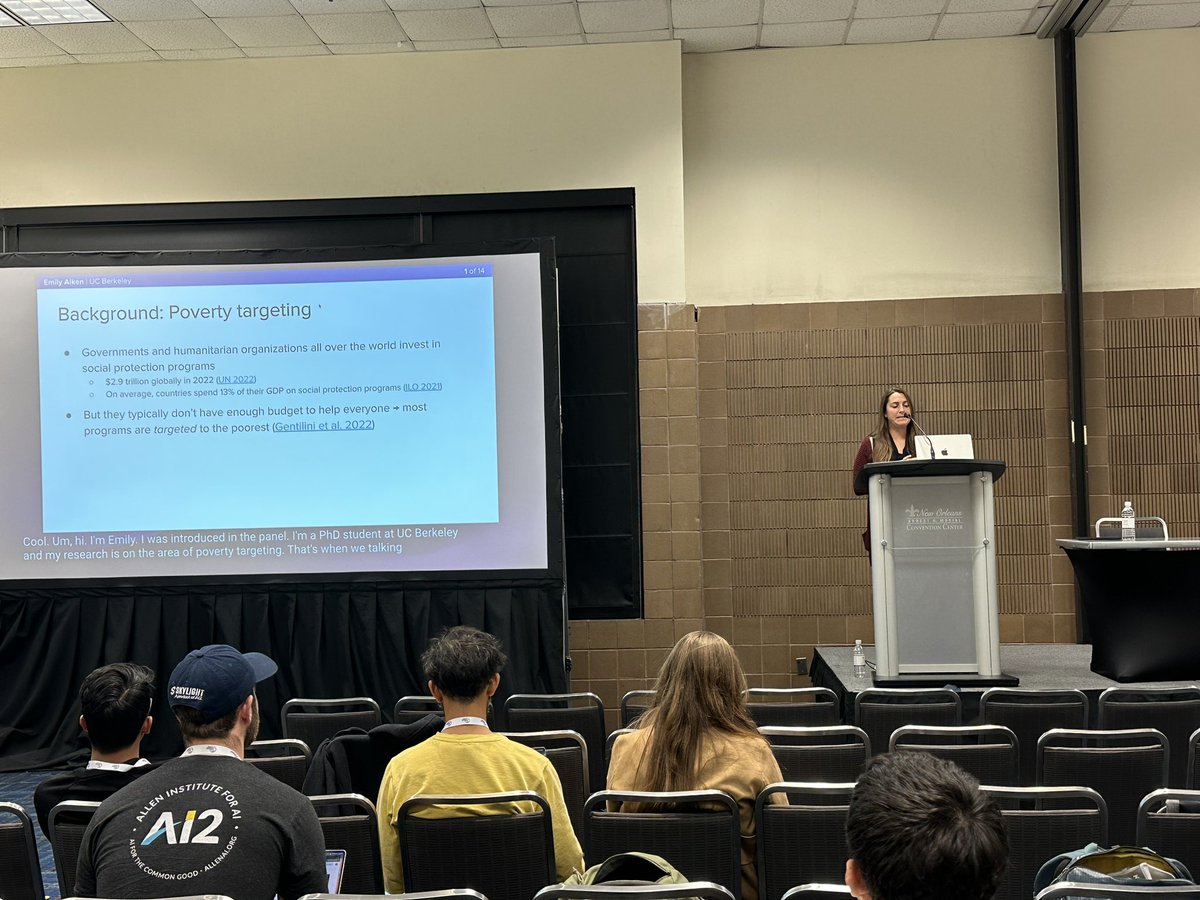
Join us in New Orleans this December for the first CompSust @ NeurIPS workshop!
- Tweets 25
- Following 82
- Followers 88
- Likes 37

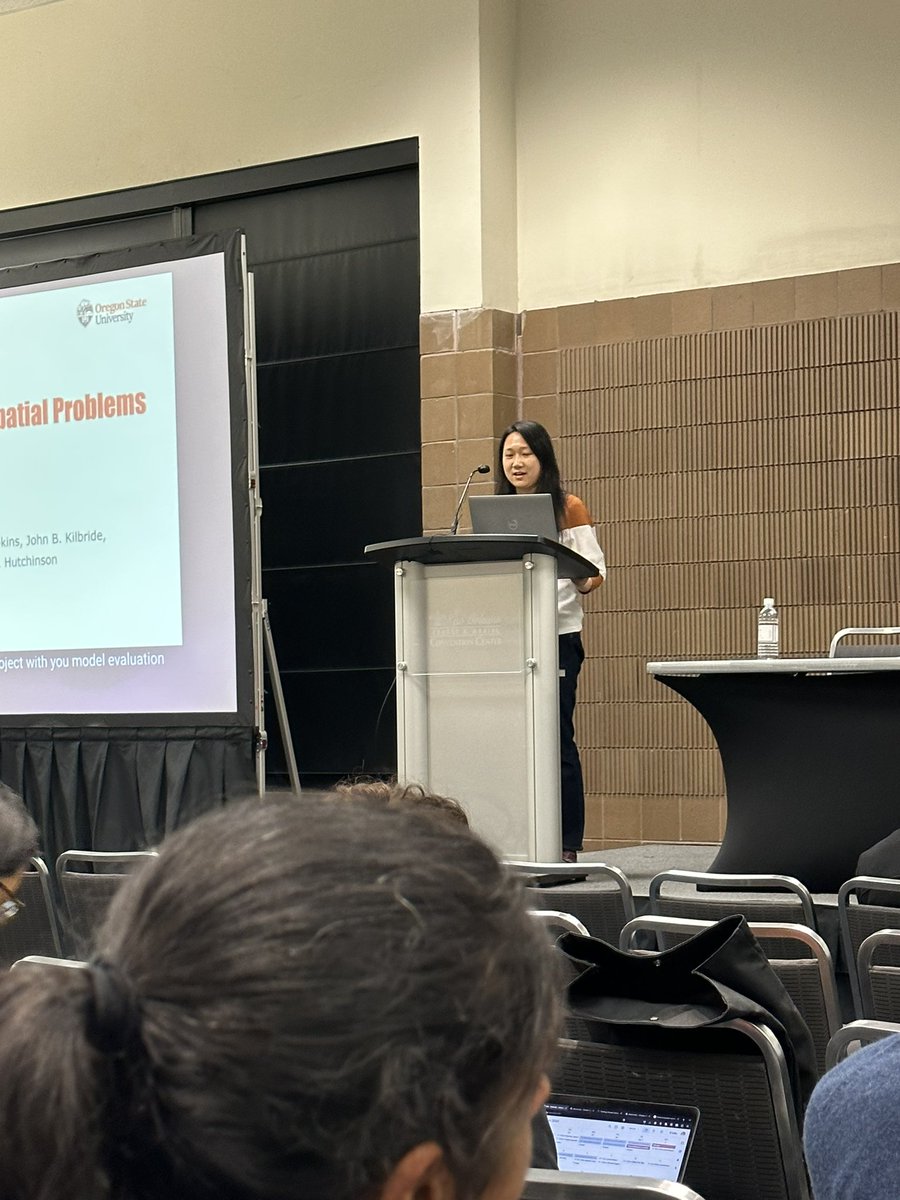
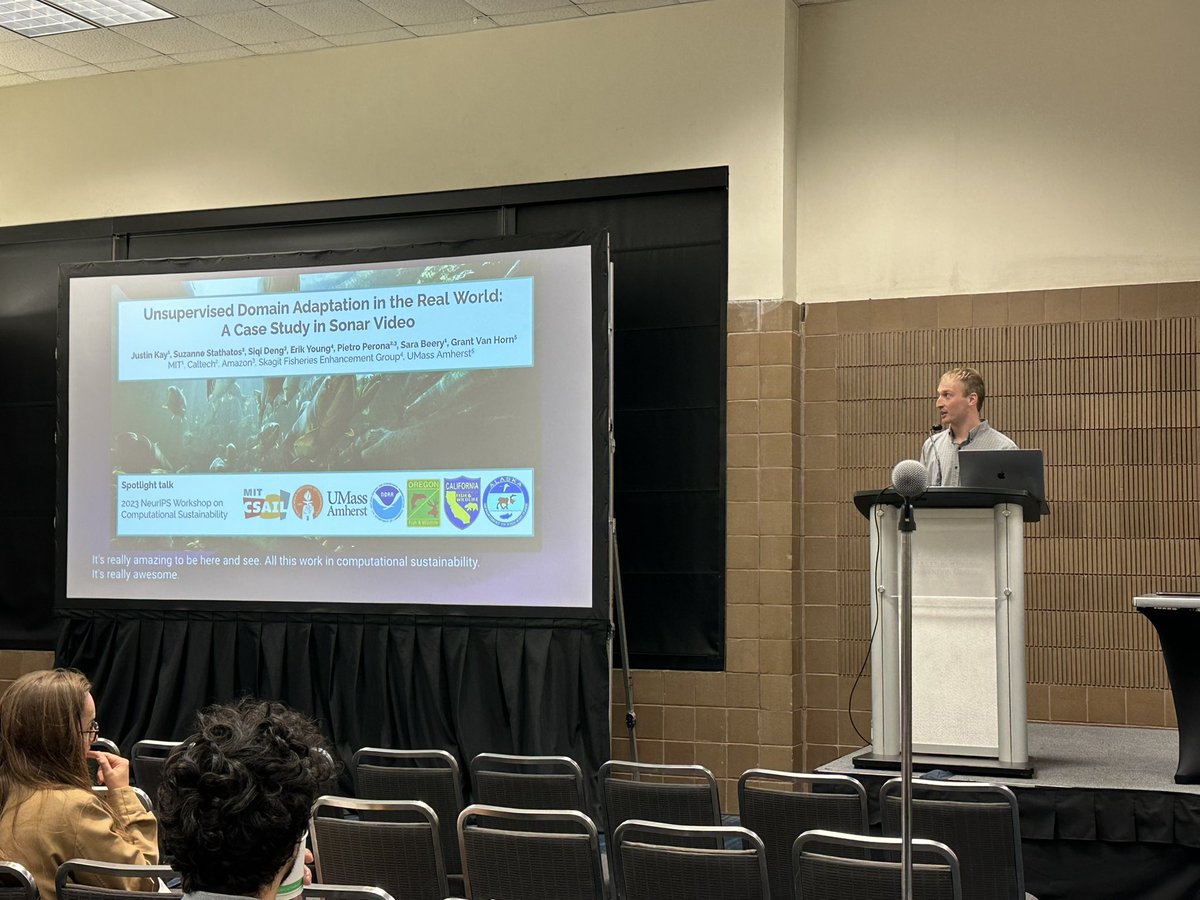


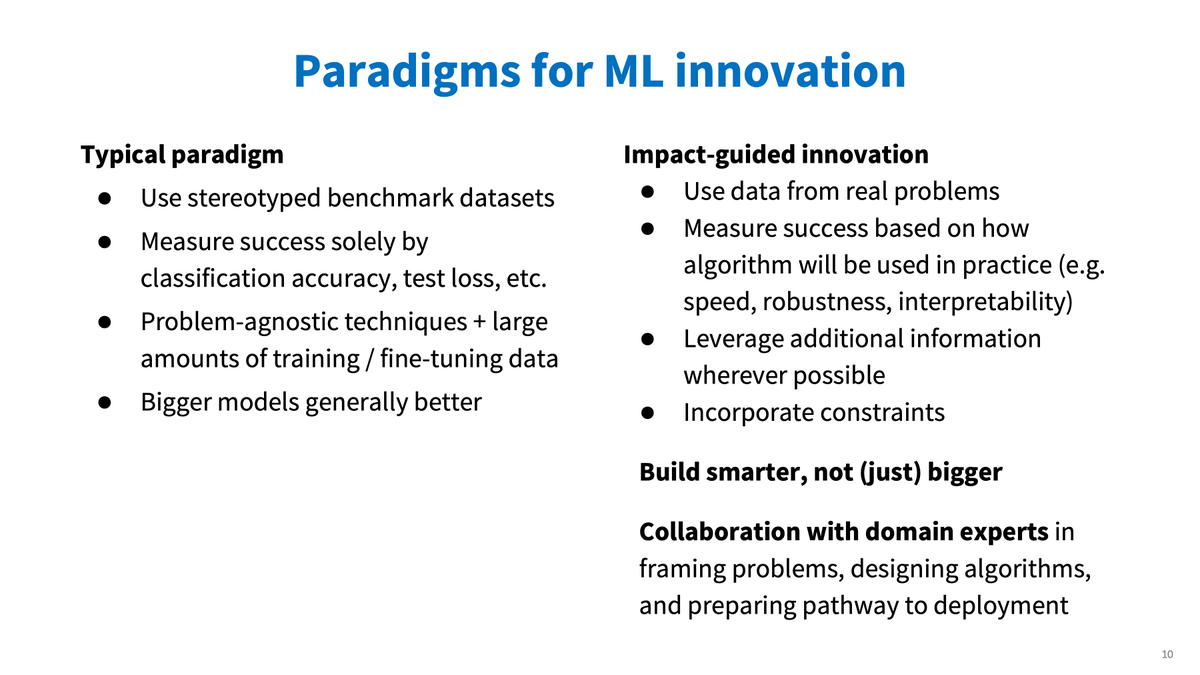
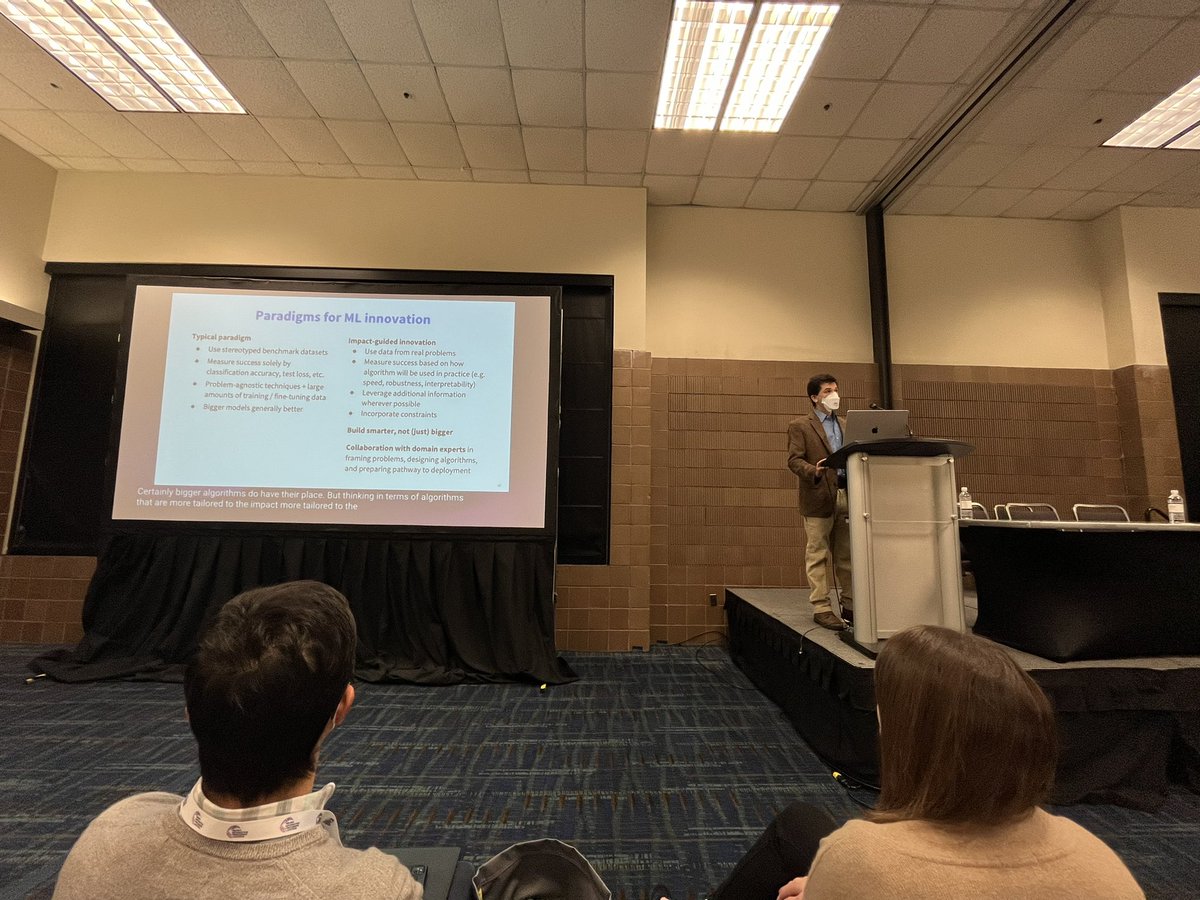
ALT A slide entitled "Paradigms for ML innovation" with the following text. Typical paradigm: - Use stereotyped benchmark datasets - Measure success solely by classification accuracy, test loss, etc. - Problem-agnostic techniques large amounts of training / fine-tuning data - Bigger models generally better Impact-guided innovation - Use data from real problems - Measure success based on how algorithm will be used in practice (e.g. speed, robustness, interpretability) - Leverage additional information wherever possible - Incorporate constraints - Build smarter, not (just) bigger - Collaboration with domain experts in framing problems, designing algorithms, and preparing pathway to deployment