
Driving small & midsize CPG brands to DTC success with precision analytics, bold strategies, and unstoppable growth.
Joined December 2024
- Tweets 98
- Following 51
- Followers 19
- Likes 87
61 Photos and videos












May 8
Pricing strategy should be measured — not guessed.
My latest article explores:
• price elasticity
• promotion strategy
• pricing power
• customer demand modeling
For DTC brands:
zurl.co/1mg1i
#Pricing #PriceElasticity #MarketingAnalytics
1
1
11
CompassDTC retweeted

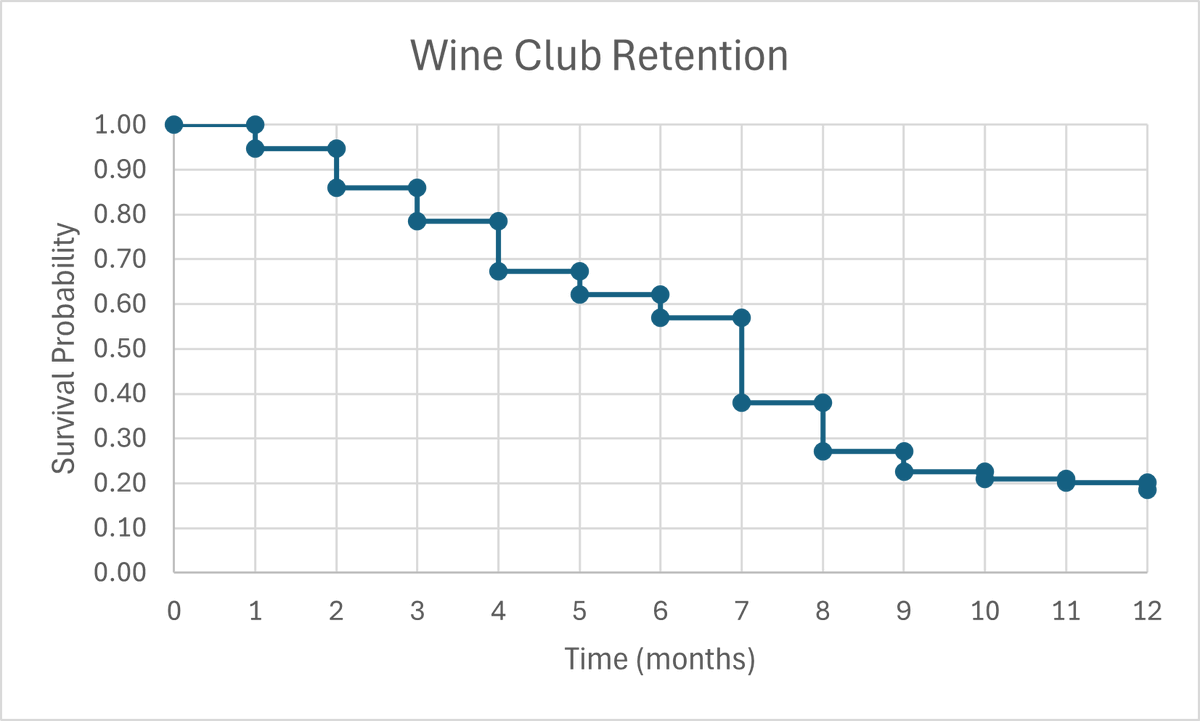
The wineries that win aren’t the ones that react to cancellations – they’re the ones that see them coming. By paying attention to how members behave, how they join, and where they are in their lifecycle, you can identify risk early and take action when it matters most.
#wineindustry #wineclub
wineindustryadvisor.com/2026…
2
3
3
40
May 7
High sales during promotions don’t automatically mean customers are price sensitive.
New post:
How DTC brands can estimate true price elasticity using log-log regression, pricing analytics, and customer demand modeling.
zurl.co/SukOv
#PriceElasticity #DTC #Ecommerce #Analytics
1
2
2
27
May 1
If customers only buy when you discount, your promotions may be reshaping behavior more than growing demand.
New post on:
• price elasticity
• customer conditioning
• and measuring promotion dependence in DTC brands
zurl.co/70xKY
#DTC #CPG #Ecommerce
2
2
20
Apr 30
A promotion spike doesn’t always mean true growth.
Sometimes customers are just learning to wait for the next sale.
My latest post explores:
• price elasticity
• promotion dependence
• pull-forward demand
• and why constant discounting can weaken DTC brands over time
zurl.co/GFU9h
#DTC #Ecommerce #PricingStrategy #MarketingAnalytics
2
2
8
Apr 19
Customers already tell you what to sell next.
It’s in your order data.
Most brands just don’t use it.
zurl.co/ngyO0
#ecommerce #AOV #DTC
2
2
82
Apr 17
Most “frequently bought together” data goes unused.
That’s missed revenue.
Use it to:
→ bundle products
→ drive upsells
→ increase AOV
Start simple.
zurl.co/DippD
#ecommerce #DTC #AOV
2
2
124
Apr 15
Most brands chase more traffic.
The better move?
Increase value per order.
Market basket analysis shows you:
→ what customers already buy together
→ what to bundle, upsell, or recommend
Simple data → real revenue.
zurl.co/BGyP4
#ecommerce #DTC #AOV #upselling
2
2
117
Apr 11
Early churn signals:
→ Smaller orders
→ Longer gaps
→ Skipped shipments
These aren’t random.
They’re warnings.
Here’s how to use them:
zurl.co/vPbo5
#Ecommerce #Retention #DTC
2
2
22
Apr 10
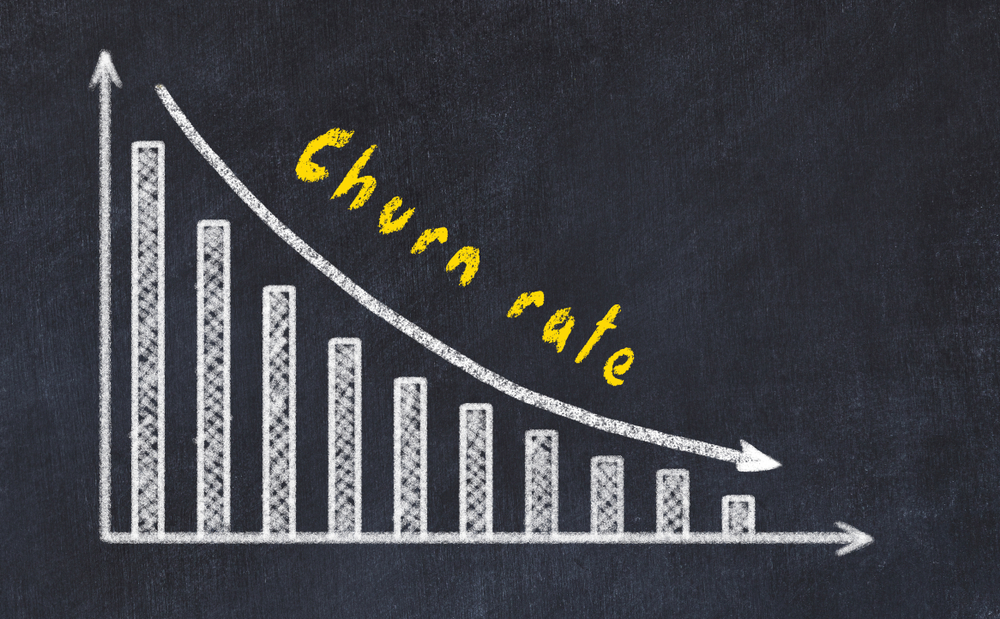
This is where most brands get churn wrong:
They react after customers leave.
The best brands predict the drop-off window and intervene before it happens.
zurl.co/V8sZe
#Churn #Growth #DTC
2
2
24
Apr 8
The real question isn’t:
“Will this customer churn?”
It’s:
“When does churn risk spike?”
That’s when you act.
zurl.co/Stz4x
#Retention #Analytics #DTC
2
2
18
Apr 8
Most churn doesn’t happen suddenly.
It builds over time—until it’s too late.
Here’s how to predict it before customers leave 👇
zurl.co/ZLmSd
#DTC #Churn #Retention
2
2
25
Apr 2
We tested this:
Remove behavioral data → model performance collapsed.
Lesson:
Customer value is driven by behavior, not demographics.
More here:
👉 zurl.co/6eqzE
#DTC #CustomerData #LTV #MachineLearning
2
2
13
Apr 1
RFM tells you who your best customers are today.
Machine learning tells you who they’ll become.
Here’s how gradient boosting helps predict customer LTV—and improve retention strategy:
👉 zurl.co/KpOoX
#DTC #MarketingAnalytics #LTV #MachineLearning
1
1
17
Mar 28
If you’re optimizing paid media at the national level only…
You might be optimizing to a number that doesn’t exist.
Geo-level modeling changes the game.
zurl.co/nOoiP
#MarketingAnalytics #DTC #Growth
2
2
18
Mar 27
National averages can hide poor regional performance.
A channel that looks strong overall may be underperforming in key markets.
Geo-level modeling helps fix that.
zurl.co/edbxO
#DataScience #Marketing #ROAS #MMM
3
3
21
Mar 25
Most brands optimize paid media based on national averages.
But performance isn’t uniform.
Geo-level modeling reveals what works where—so you stop wasting spend in underperforming regions.
zurl.co/FohV7
#MarketingAnalytics #PaidMedia #MMM #DTC
2
3
36
Mar 20
Most brands don’t have a measurement problem.
They have an allocation problem.
Media mix modeling helps solve it.
👇
zurl.co/BvPZ7
#DTC #MarketingAnalytics #MediaMixModeling

2
2
7
Mar 18
Attribution ≠ optimization.
If you want to improve performance—not just measure it—you need media mix modeling.
Here’s how MMM helps DTC brands allocate budgets smarter 👇
zurl.co/OlTpO
#MarketingAnalytics #DTC #ROAS #MediaMixModeling

2
2
16
Mar 13
Instead of targeting broad audiences, start with your best customers.
Lookalike modeling identifies prospects who resemble them using predictive analytics.
Here’s how the technique helps brands acquire better customers.
zurl.co/qHJjp
#GrowthMarketing #CustomerAcquisition #DataScience #DTC

2
2
17