
Mobile App Developer || Jetpack Compose
Joined June 2022
- Tweets 548
- Following 187
- Followers 98
- Likes 607
66 Photos and videos
Pinned Tweet

15 Nov 2023
Write code
Talk about writing code
Contemplate writing code
Still wake up to write more code
Living the dream
#AndroidDev
#mobiledevelopment
1
301
Droid Dev retweeted

Friday night fun: migrated a great community library for particle effects from Jetpack Compose to Compose Multiplatform
github.com/PiotrPrus/Particl…
2
2
28
1,981
Droid Dev retweeted

May 28
If you're solo and trying to grow your app, paid User Acquisition (UA) is the best, most effective way of doing so
It's also difficult
We asked @davidvargasm_ (did UA for 125 apps) for his advice. He went and produced the definitive guide on UA for solo devs. Must read
👇🧵
6
7
149
15,744
Droid Dev retweeted
If you somehow missed the KotlinConf keynote last week, here are the top 10 KMP announcements with links to learn more about each 🧵👇
2
13
91
6,155
Droid Dev retweeted

May 25
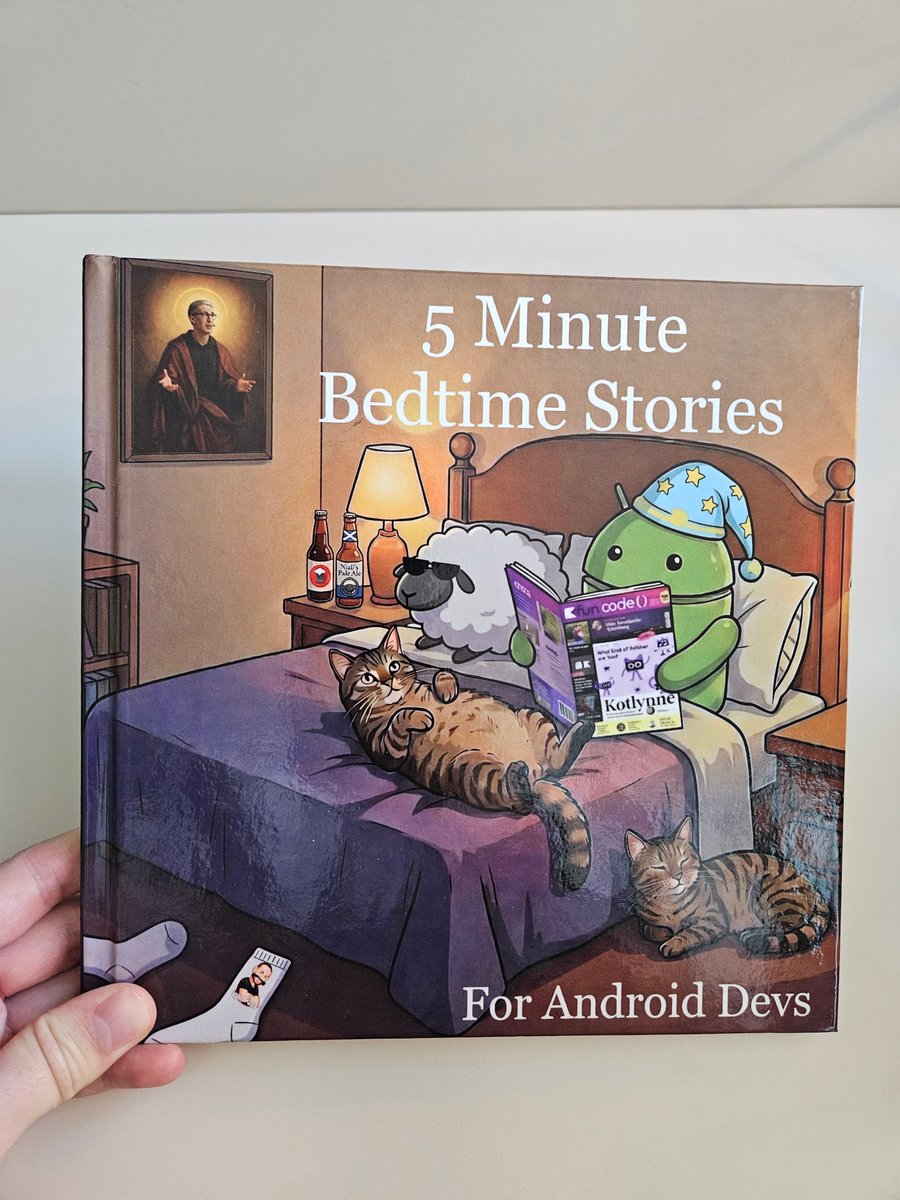
5 Minute Bedtime Stories For Android Devs.
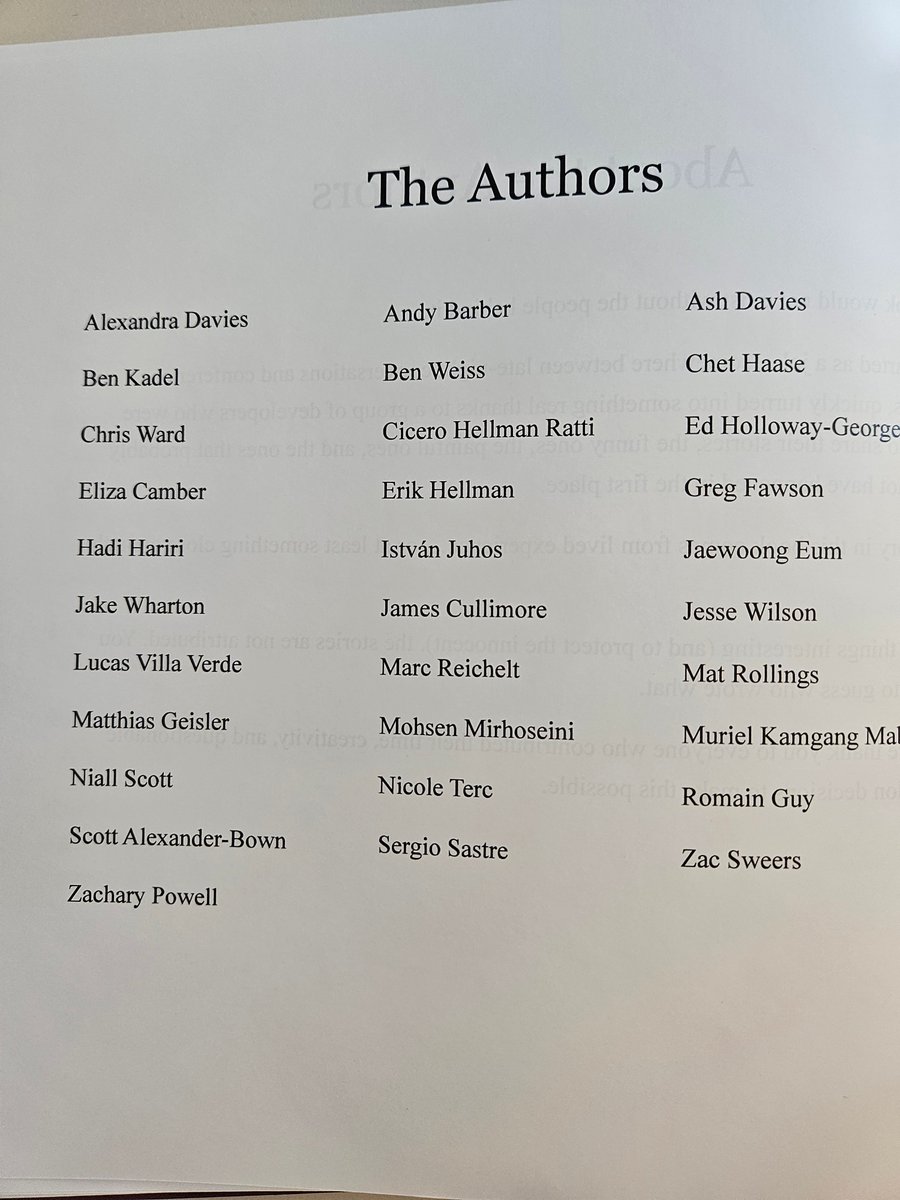
This book, brought together by James Cullimore and co-authored by 30 renowned developers, was one of the most interesting books I’ve read recently.
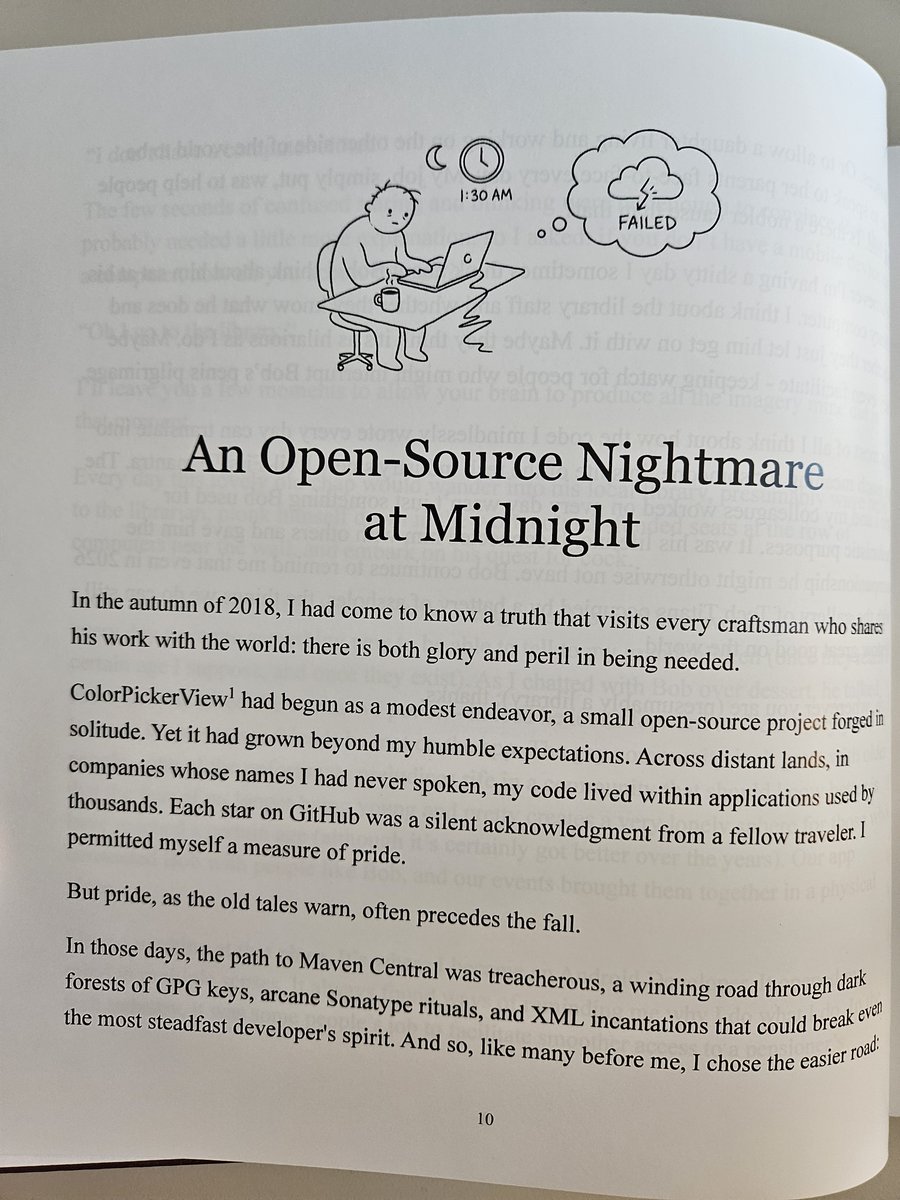
I also joined the "An Open-Source Nightmare at Midnight" section.
1
7
79
3,367
Droid Dev retweeted

May 23
Companies hire to grow revenue, expand capacity, fill skill gaps, improve efficiency, and maintain stability.
If you really understand that, it quietly changes how you see yourself in the job market. You stop thinking in terms of “I need a job” and start thinking in terms of “What is this company actually trying to achieve, and where do I fit into that outcome?”
Most CVs fail because they are written like autobiographies. Lists of responsibilities. Lists of tools. Lists of tasks. But companies are not trying to buy your history. They are trying to buy outcomes.
So when you say you “managed emails,” that is not the point. The point is what that management created. Did it reduce response time? Did it improve customer satisfaction? Did it free up leadership time for higher-value work?
When you say you “handled operations,” the real question is what changed because you were there. Did things become faster? Cleaner? More predictable? Less chaotic?
Even if you do not have perfect metrics, the framing matters. Because hiring decisions are rarely just about proof of past work. They are about belief in future impact.
May 22

Companies hire to grow revenue, expand capacity, fill skill gaps, improve efficiency, and maintain stability.
People miss this entirely, and it quietly controls how they apply for jobs, how they write their CVs, and maybe even how they show up online.
If you understand this thing, you'll stop guessing and start positioning yourself with intent.
1
1
35

Droid Dev retweeted

May 11
We used to go to a special website, ask strangers for help with programming, and get humiliated in return

305
3,461
39,288
880,475
Droid Dev retweeted

Mar 20
Pewbeam is live 🎉
This was just a dream, a dream I didn’t even know was possible—but I decided to pursue it anyway. Today, that dream is now a reality. We have a desktop app (Windows and macOS—this weekend) that can do all of this and even more. Over the last six months, I’ve pushed myself and my team hard, and I’ve seen people become hopeful and genuinely blessed by this product. I’ve received strong support from pastors, church members, techies, and several media houses and reporters. It has been a great honor to spend myself on something worthwhile.
We’ve built an AI-native presentation app that displays relevant scriptures on screen in under 80 ms, without needing a volunteer. We’re starting with scriptures, but we’re growing into a comprehensive presentation software, with slides launching next month.
From testing @pewbeam_ai in churches over the last four weeks, pastors have been able to focus on what matters instead of juggling or micromanaging the media team while preaching. Church members have been able to follow their pastor’s references in real time and take better notes. In the words of a member from one of the test churches: “Pewbeam changed the way I follow sermons in church completely.” This is the kind of impact I see Pewbeam having on people’s faith and on how church and worship are done.
Pewbeam’s mission is to ensure the Church is not left behind in the AI era. We’re starting with this application, with many more to come in the next few months. We’ll keep working with stakeholders in the Christian faith, collect feedback, and build tools that better support discipleship. And unlike previous waves of technology, I believe we can be among the first movers in this AI revolution.
With all that said, the final build of the app is ready, and we’re launching for public download on February 25, 2026. The app has a generous free tier for small churches and fellowships, and a paid plan (location-based pricing) that unlocks unlimited access to all features.
If you’ve been following this journey, I appreciate you, and I assure you it will be worth it.
Please download, subscribe, and use in your church.
21 Aug 2025

I want to build a bible presentation AI agent for church use. Imagine Bible verses coming up on screen as the Pastor preaches just based on what he’s talking about or his paraphrases and quotes.
I want to build this completely in public, starting today. Thoughts?
319
2,319
5,548
842,999
Droid Dev retweeted

Mar 19
List of some AI subscriptions and startup credits that you might qualify for and your chances of getting them on fushly ( fushly.com) :
- $25,000 AWS credits ( 100% guaranteed )
- $8500 Lovable credits ( 100% guaranteed as long as you’re building a startup )
- $25,000 Google cloud credits ( 90% guaranteed, as long as you’re building a startup )
- $50,000 Shied credits ( 100% guaranteed as long as you’re a business )
- $1497 @BugBunny_ai credits ( 100% guaranteed )
- $449 @ValyuOfficial credits ( 100% guaranteed )
- $10,600 @pipeopshq credits ( 100% guaranteed, if you’re building a company )
There’s like 150 credits listed there, not every single credit if guaranteed because the platforms will have to vet your applications themselves, but there are some that are being allocated by Fushly directly so you’re good.
Just become a member and you can even request any credit you want.
Goodluck✌🏽✌🏽.
The platform is not free, it’s a members only platform. One simple membership opens you to so many opportunities.

17
61
384
44,980
Droid Dev retweeted

Mar 19
InstantForms is live and I’m submitting it for the Raenest Hackathon.
Create complete forms in seconds using voice, text, or images.
Built to make form creation instant.
Try it → instantforms.co
cc: @dev_careers @RaenestApp
#RaenestXDevCareer
1
4
13
322
Droid Dev retweeted

Bitkwa Bitcoin Diploma makes sure the theories are done right and backed with higher levelof practical.
Our instructor tonight @megasley and host @thecoachayobami used @blinkbtc as a case study of #lightning payment and the cohort members had a swift one.
#bbdcohort2 #Bitcoin
5
15
338
Droid Dev retweeted

Mar 16
Someone just open sourced a tool that turns your entire codebase into a knowledge graph.
This helps models actually understand dependencies, call chains, and blast radius before touching anything.
It’s called GitNexus.
And it’s terrifying how powerful it is. Link in replies.
21
32
321
31,773
Droid Dev retweeted
APPLICATION CLOSES IN 1 DAY!
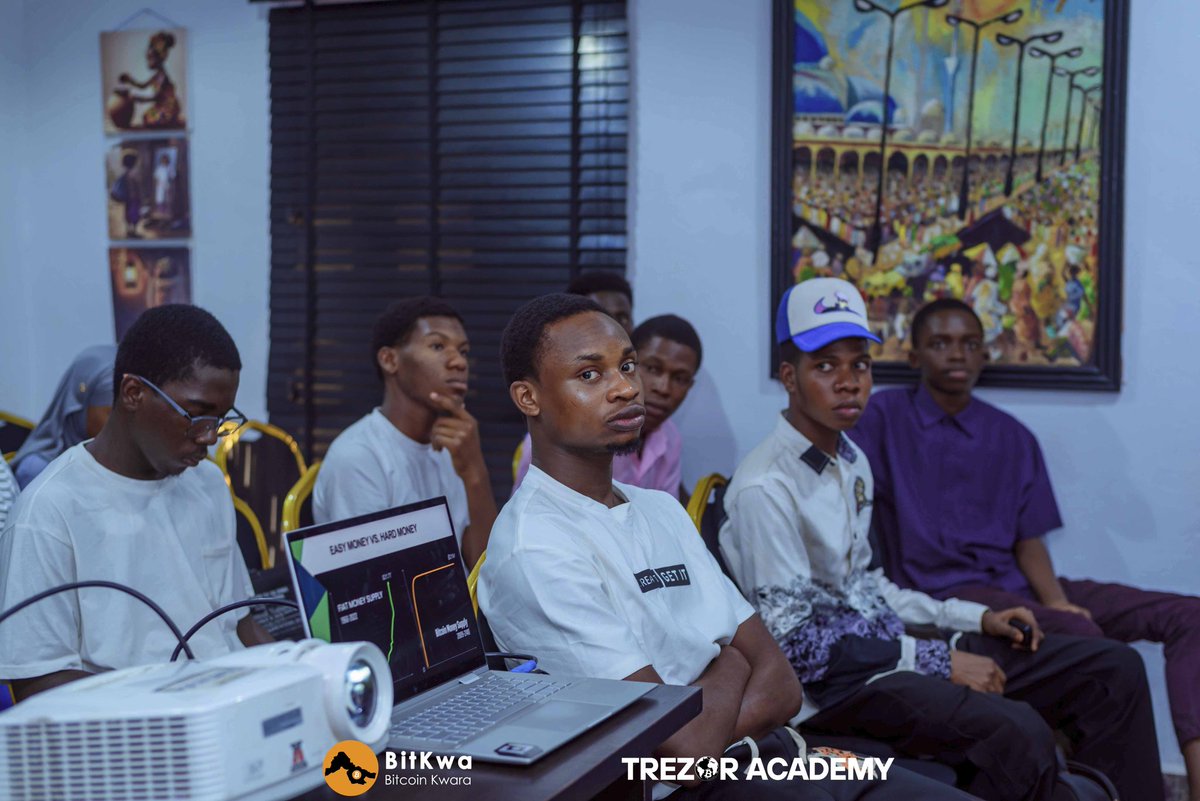
How we are looking at you that is yet to register for Bitcoin Certification Program by @Bitkwa & @TrezorAcademy with @thecoachayobami
Register: forms.gle/WEz9vbpddUvDNVVS9
March 27th -29th
2pm to 5pm (Daily)
#Bitkwa #Kwara #Ilorin #Africa #Bitkwa
6
21
209
Droid Dev retweeted

Mar 13
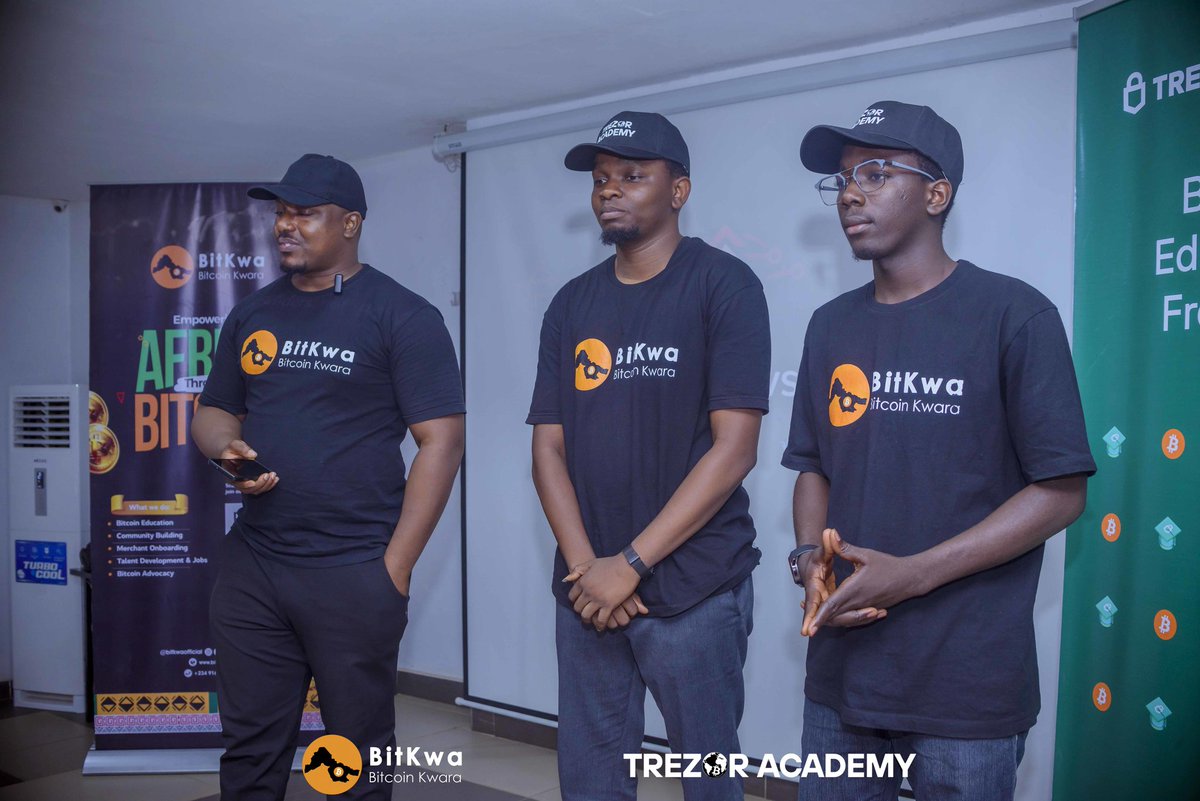
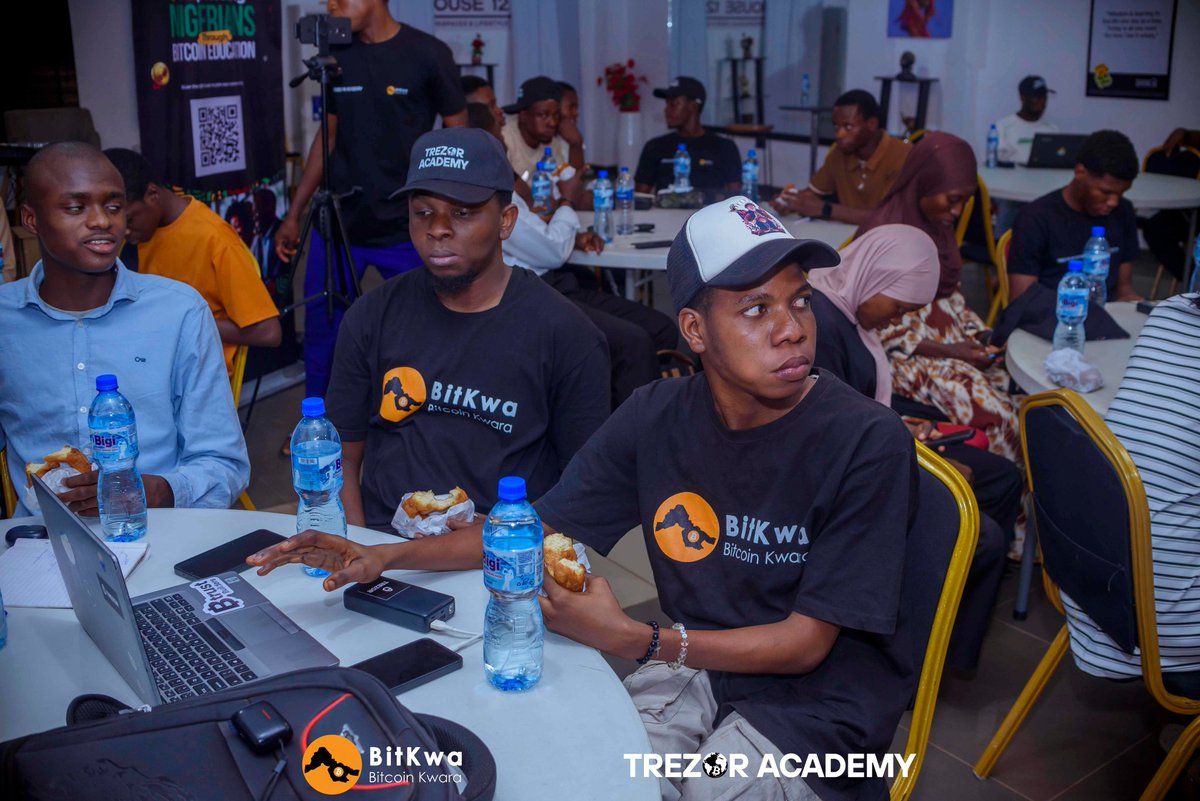
Bitcoin Certification Program(Live in Ilorin)
Final call
forms.gle/9yKMp9RQRH47PNXE7
Are you curious about understanding both the technical & non-technical sides of Bitcoin?
This program breaks down the use cases into practical terms & real-world applications and value creation.
1
3
8
127

Mar 13
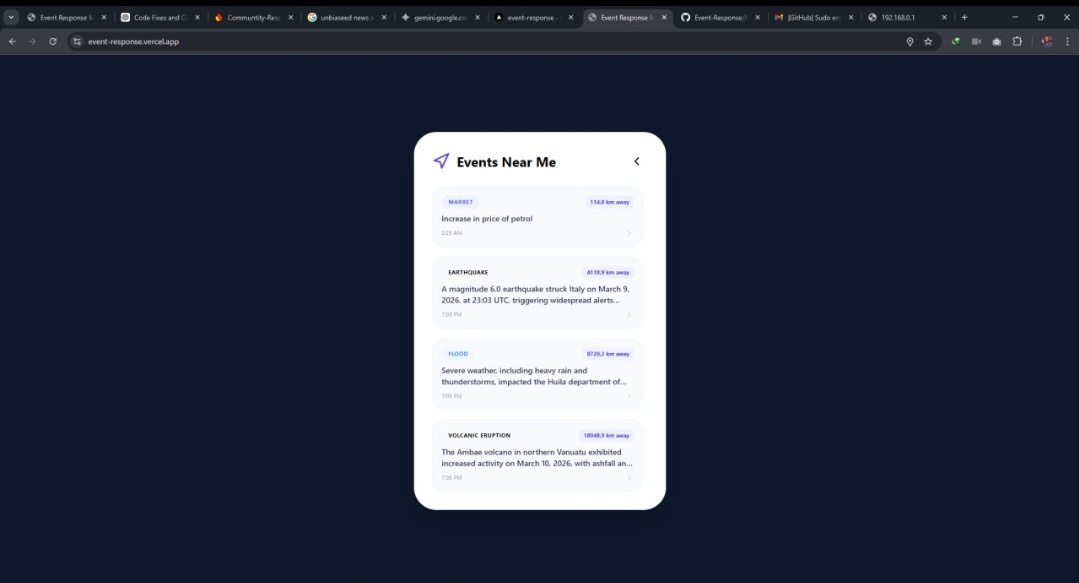
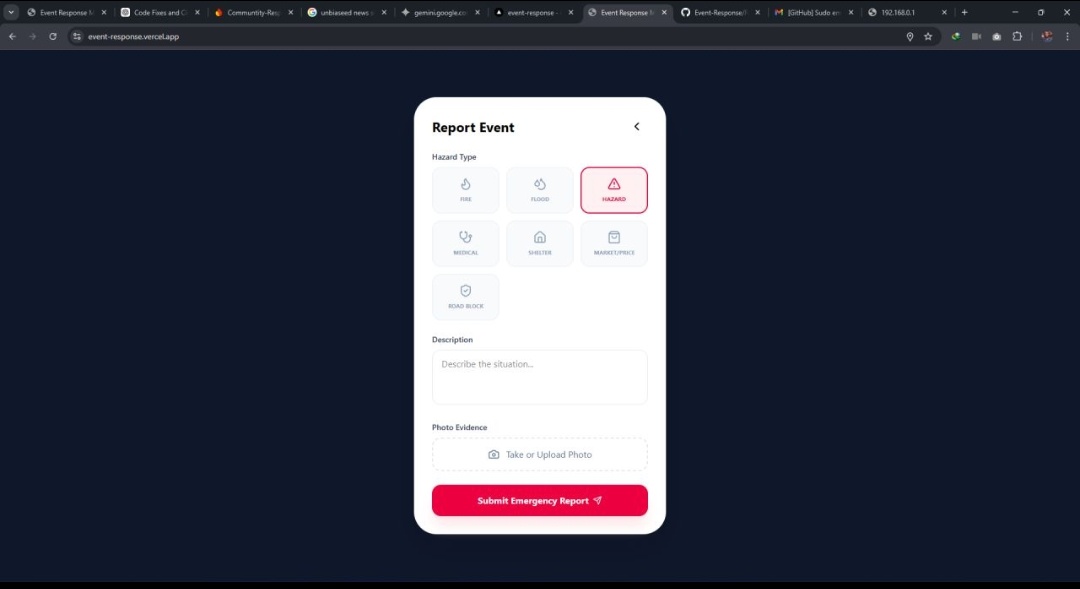
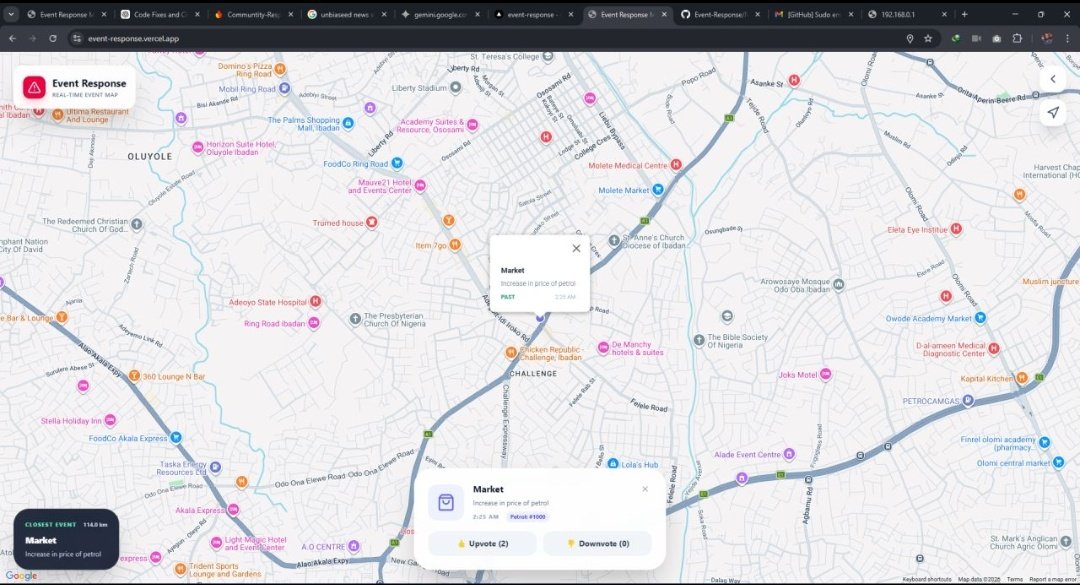
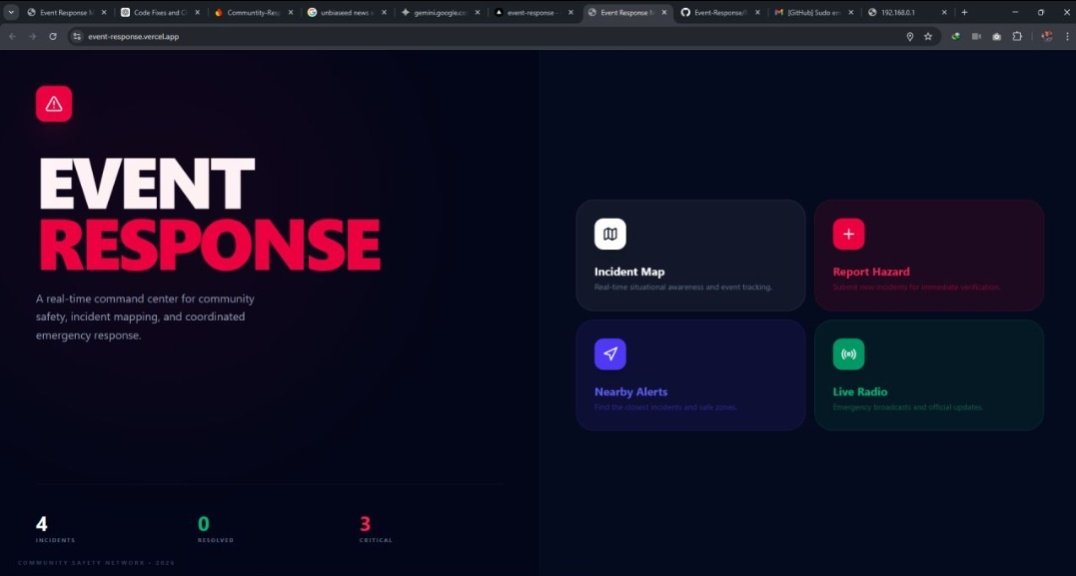
What if you knew about a road block or hazard on your street when it happened?
I built Event Response: a real-time map for local news shared by the people who see it first . It’s local info for local people.
Live: event-response.vercel.app
💻 GitHub: github.com/Opeoluwa-Muritala…
304
Mar 13
What if you knew about a road block or hazard on your street when it happened?
I built Event Response: a real-time map for local news shared by the people who see it first . It’s local info for local people.
Live: event-response.vercel.app
💻 GitHub: github.com/Opeoluwa-Muritala…
12
Droid Dev retweeted

Mar 2
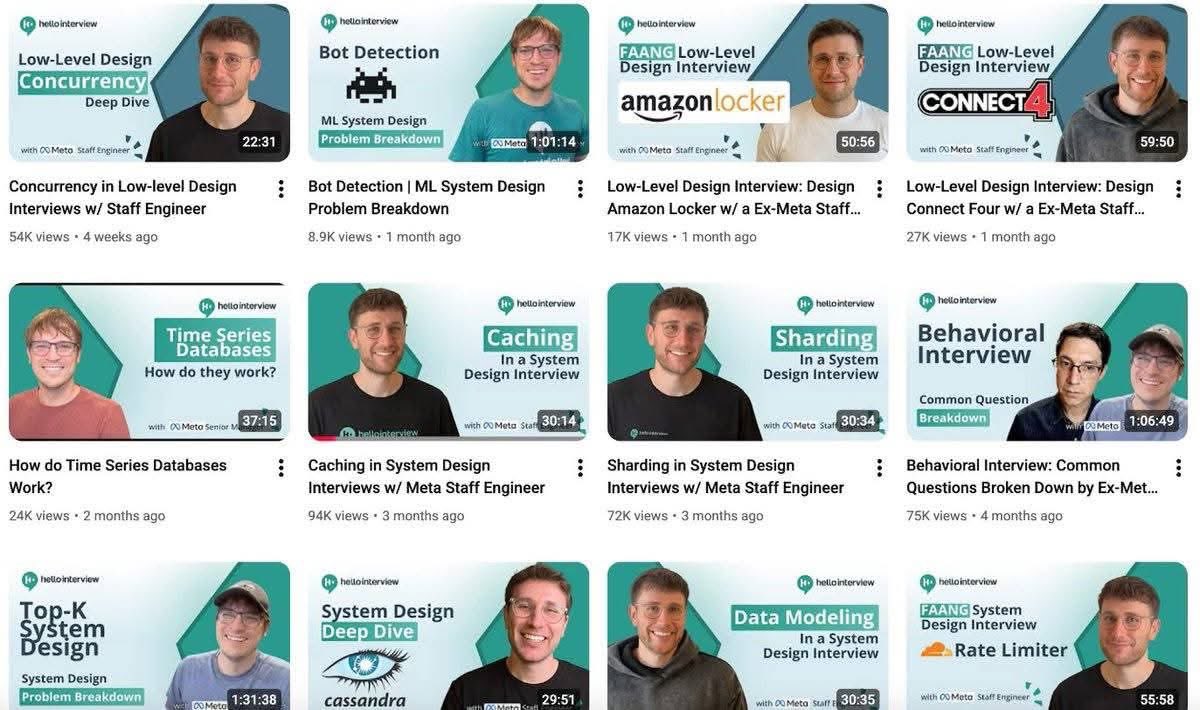
One of the BEST channels for System Design:
youtube.com/@hello_interview
1. API Design
youtube.com/watch?v=DQ57zYed…
2. Sharding
youtube.com/watch?v=L521gize…
3. Caching
youtube.com/watch?v=1NngTUYP…
4. Concurrency
youtube.com/watch?v=d8rmosXt…
5. Data Modeling
youtube.com/watch?v=TUcPS6ds…
6. Rate Limitter
youtube.com/watch?v=TUcPS6ds…
20
272
1,093
57,059
Droid Dev retweeted

Feb 2
"Every great developer you know got there by solving problems they were unqualified to solve until they actually did it." — Patrick McKenzie
7
85
546
23,823
Droid Dev retweeted
Feb 1
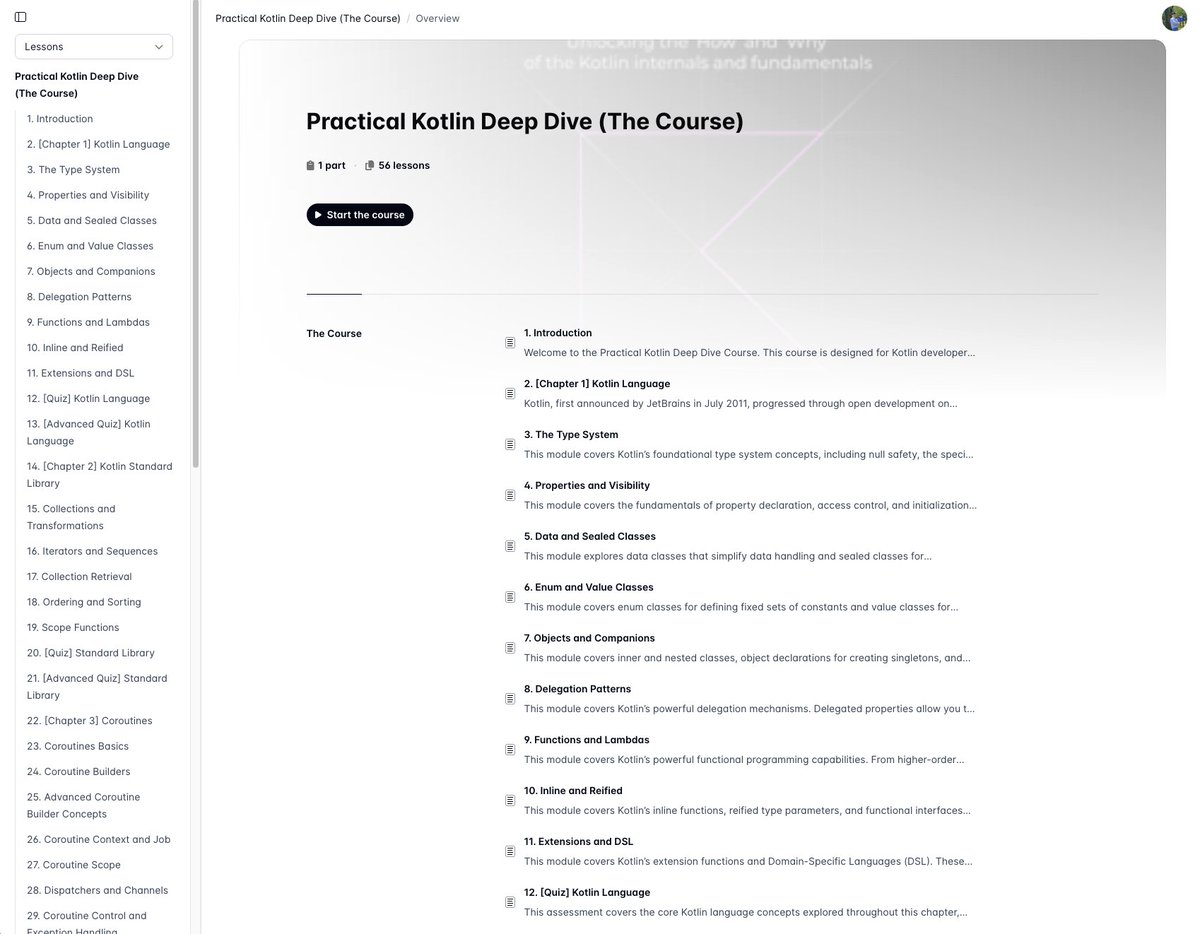
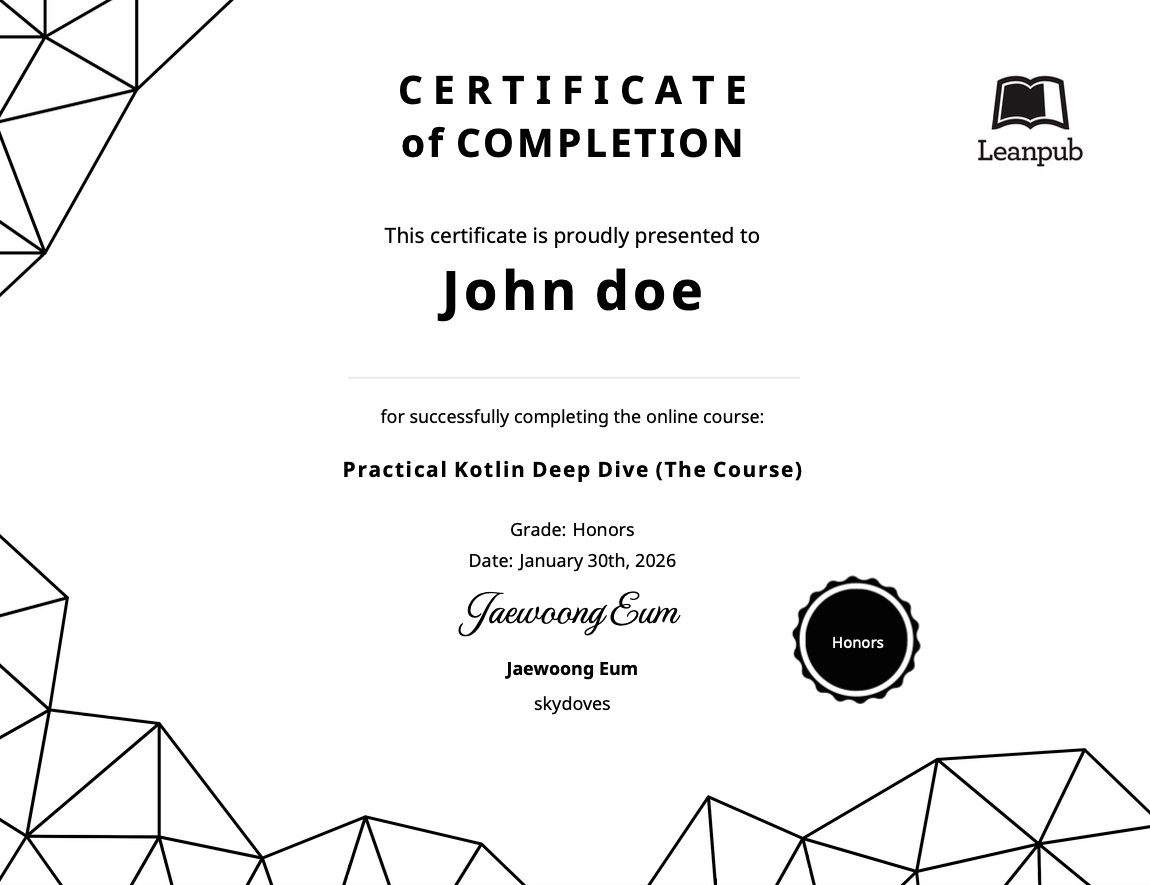
I’ve been working on the Practical Kotlin Deep Dive course, covering Kotlin fundamentals, Coroutines, Kotlin compiler/plugins, and Kotlin Multiplatform.
With 160 quizzes and exercises (including advanced ones), you can test your knowledge and earn a certificate upon completion.
2
3
88
3,512