Unravelling Anglo-Irish history from decades of dirty tricks, disinformation and deceit. In-depth analysis. The home of the 'long read'.
Joined November 2022
- Tweets 3,302
- Following 4,690
- Followers 5,703
- Likes 1,175
1,208 Photos and videos


Pinned Tweet

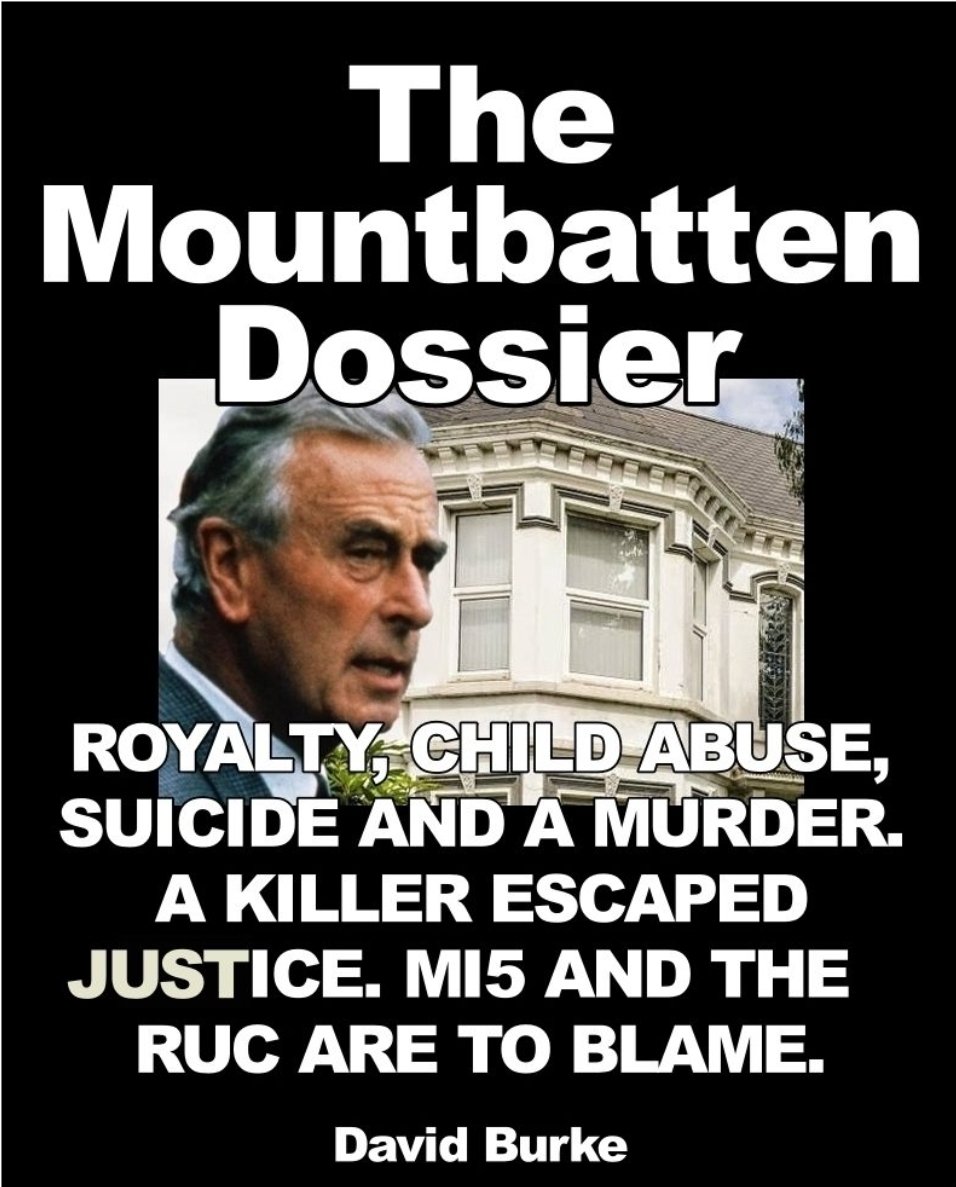
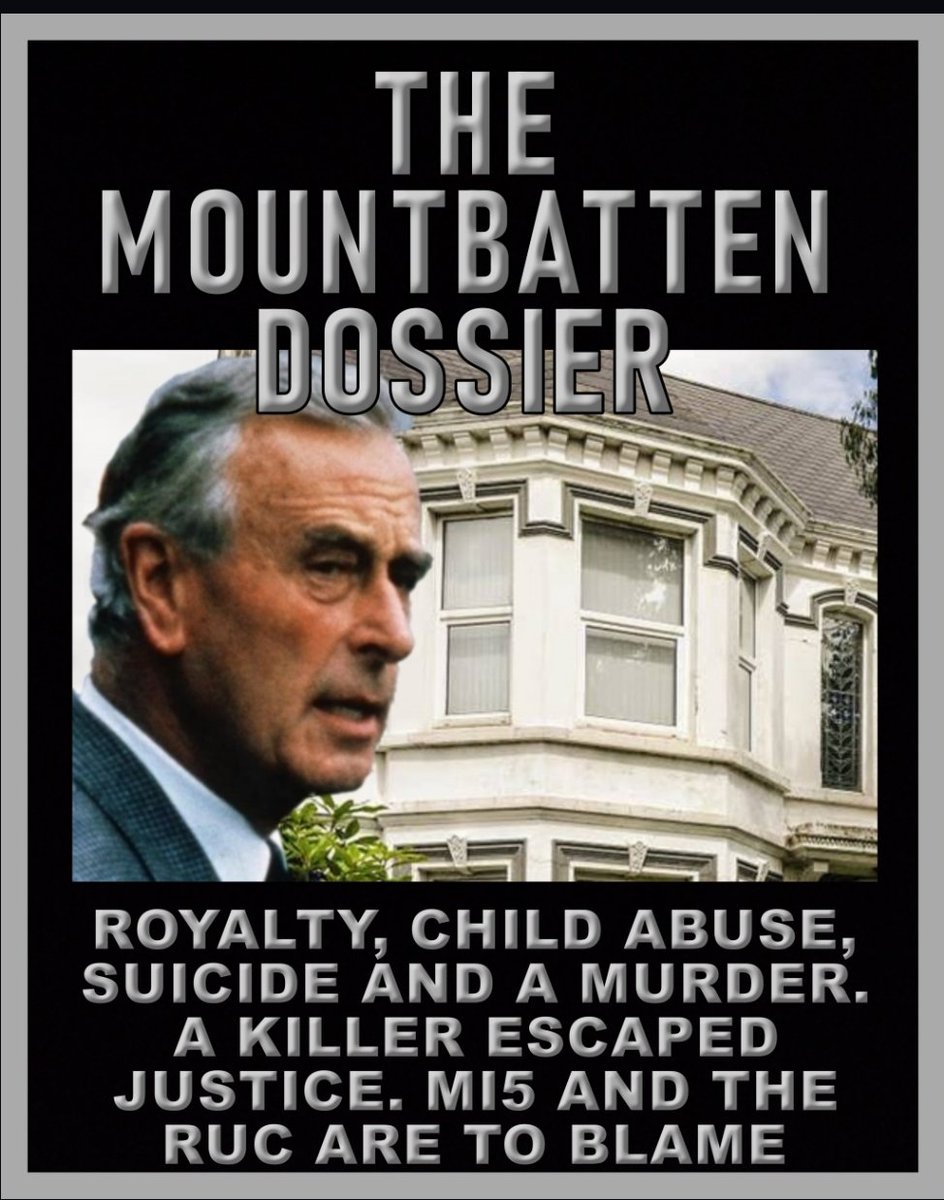
The Mountbatten dossier can be read here👇
coverthistory.ie/2022/12/02/…
35
405
607
148,515
Covert History Ireland & UK Magazine retweeted
Yet another piece of evidence that Robin 'The Jackal' Jackson and members of his gang were MI5 and RUC agents. This explains why PM Starmer and Hilary Benn will not release the UK file on the Dublin-Monaghan bomb massacres to Dublin. More details here👇 coverthistory.ie/2025/03/15/…
2
84
137
2,830
Covert History Ireland & UK Magazine retweeted

Happy Bloomsday! James Joyce's novel Ulysses is a modernist masterpiece. The book is set over one day in Dublin, the day of the author's first date with his wife Nora, the 16th of June. Here's 10 locations from the world changing adventure.
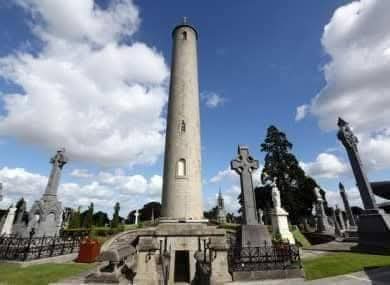
Glasnevin Cemetery stands in for Hades, home to some of our nation's greatest dead and the reopened O'Connell tower, it also features special watchtowers to defend against 18th and 19th century body-snatchers.
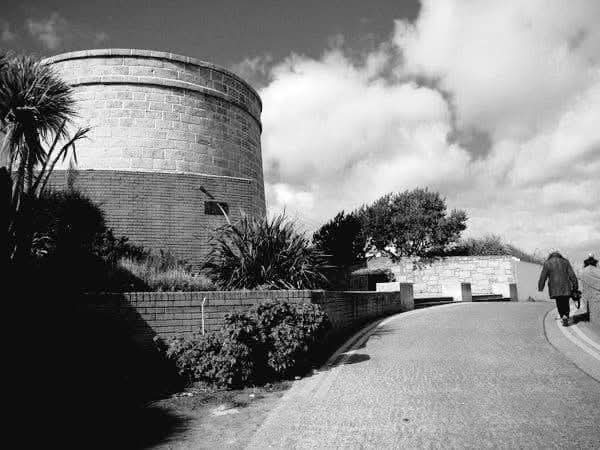
The Martello Tower in Sandycove is where the novel begins, with Telemachus. It is also home to a James Joyce museum. It was originally part of the coastal defence system against Napoleon. The tower pic below is actually Sandymount as the historic photos of Sandy Cove are either watermarked or are modern with modifications. I chose this one to give a better feel for the original and to see the tramline.
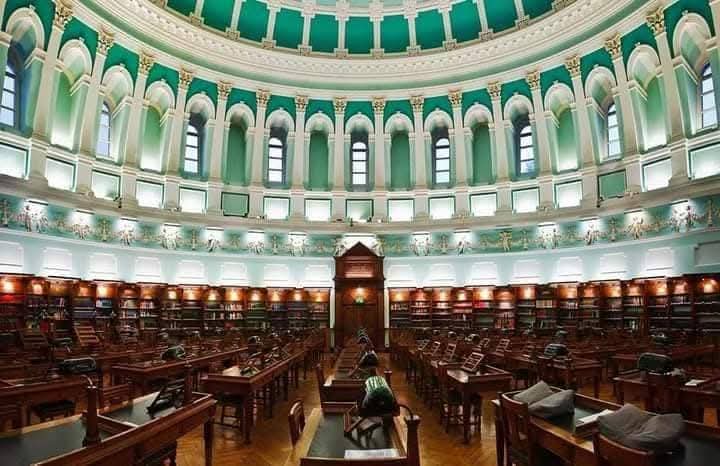
The National Library of Ireland was built in 1877 and plays host to the Scylla and Charybdis episodes. Its home to a fascinating Yeats exhibition and is a great resource for Irish genealogy.
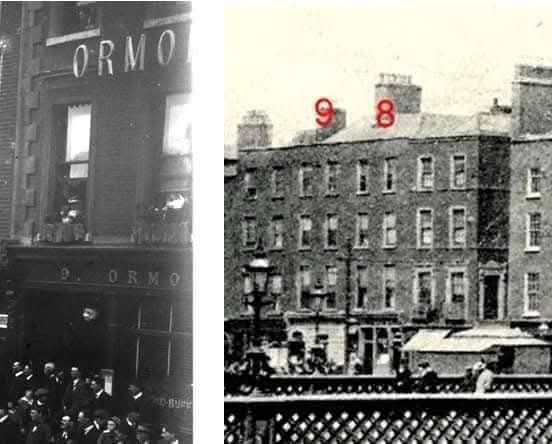
The sadly recently demolished, Ormond hotel on Ormond Quay featured in the Sirens episode and was once home to the Sirens Lounge. The quay, and hence the hotel, was named after James Butler the 1st Duke of Ormonde in the 1670s. Founded originally in 1788 before the Great Rebellion it was remodelled in 1900 into the form Joyce would recognise.
"Circe" is set in a fictional part of the city called Nighttown which was based on Monto, a notorious red-light district. Monto got its name from Montgomery Street (now Foley Street). The area was parallel to lower Talbot Street and Connolly Station. It was home to thousands of prostitutes servicing the locals and the nearby British army barracks. In 1925 the Legion of Mary and the Dublin Police Commissioner closed down the brothels and Monto's dirty days were over.
The original door of 7 Eccles Street, home of Leopold Bloom, Ulysses. Sadly the gaff was demolished in 1967. It's now part of the Mater Private Hospital. The door is preserved in the James Joyce Centre, near King's Inn.
The Merchant’s Arch building dates from 1821 and was originally a Guild Hall serving Wellington Quay. Linking the Ha’penny Bridge with Temple Bar, Leopold Bloom visits the iconic archway to buy pornographic books for Molly!
The Clifton School in glamorous seaside Dalkey was the setting for "Nestor". Joyce briefly taught history here. It is now home of Summerfield Lodge.
Sandymount Strand, along the infrequently sunny south side of Dublin Bay, features in “Proteus” and “Nausicaa”. Bloom commits what would legally be called an act of public indecency, stimulated by the fair Gertie lifting her skirt.
Sweny's pharmacy on Lombard Street, Lincoln Place is beautifully preserved and is home to cultural events associated with Ulysses and Joyce still. In the "Lotus Eaters," chapter Bloom purchases a bar of lemon-scented soap from the chemist here before he heads to the public baths.
6
21
57
1,811
Covert History Ireland & UK Magazine retweeted
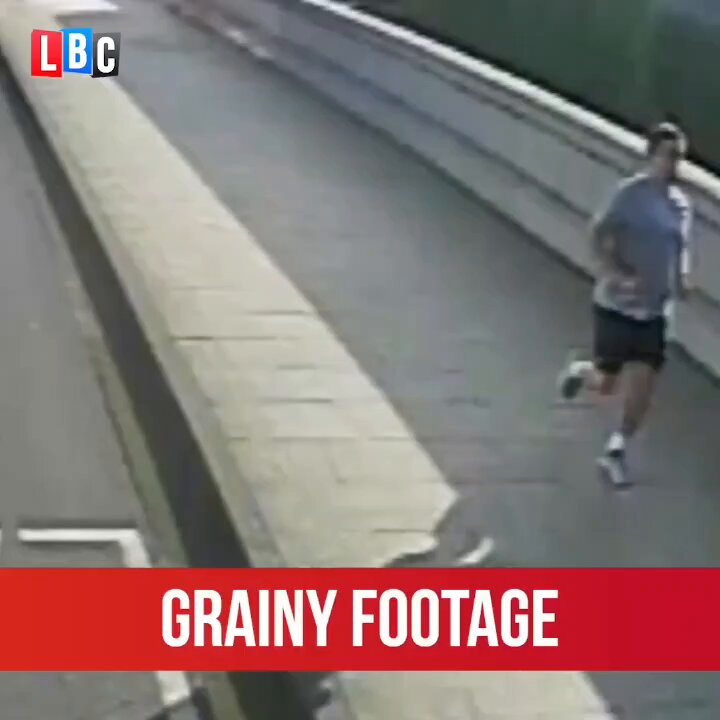
It is alleged that the Putney Pusher may be {i} a banker {ii} who is ex-British Army {iii} with connections to royalty. This cannot possibly be true. British gentlemen do not behave in this manner.
1
5
12
2,091
Covert History Ireland & UK Magazine retweeted
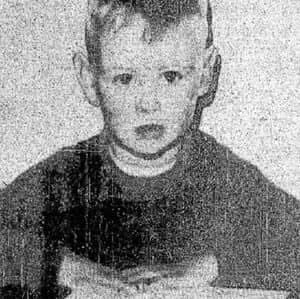
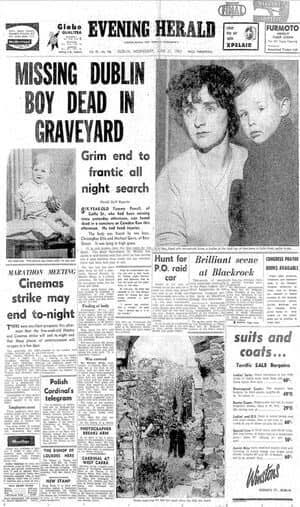
Little blonde haired 5 year old Tommy Powell lived in a tenement house on Cuffe Street in 1961. Like all kids at the time, he would play unsupervised in his neighbourhood. On the afternoon of Tuesday the 20th of June, the summer solstice, he never came home for his dinner.
His father went to Harcourt Terrace Garda Station and reported his son missing. Tragically, his frantic parents and little brother would not have to wait long to discover his fate.
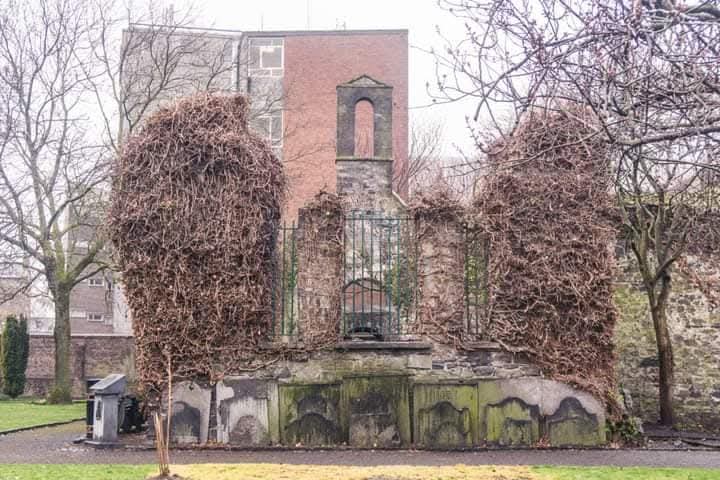
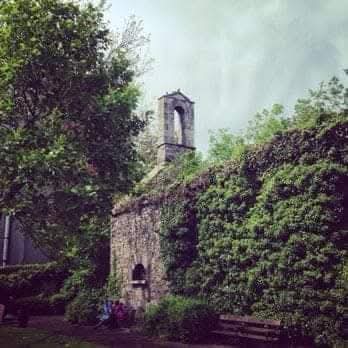
The next day, two local lads climbed over the high wall of an abandoned graveyard beside the ivy covered ruins of St Kevin’s church off Camden Street, hidden behind Whelans. Although the church ruins date from the 1780s, archaeological evidence shows there was a place of worship on the site since pre-Norman times.
The burial site for over 400 years was frequently the victim of bodysnatchers from the Royal College of Surgeons, but in the 1960s, it was an unofficial playground for inner-city kids. The two teenagers who had climbed the crumbling walls found themselves in a cluster of crazily leaning ancient headstones and calf-high grass.
They were looking to salvage some brass to sell to a dealer in Camden Street. This wouldn’t have been an unusual scenario in the 60s. Whilst trying to break up a lump of brass they’d discovered a mound of grass with a tiny hand sticking out.
Tommys devestated father identified his sons body. He'd been murdered, an autopsy revealed his cause of death was severe head injuries, and blood-stained stones were found nearby. No one was ever charged with his murder. Theories on the motives and the culprits varied wildly. Dozens of children played in that park, despite it being concealed from main roads.
Also, there were hundreds of visitors to the city that day, mainly priests and nuns, as Dublin was hosting the 1961 Patrician Congress. It was suggested that children or perhaps an “outsider” had committed the evil act.
The graveyard was turned in St Kevin's Park in 1971 when Dublin corporation moved the gravestones to line the walls, leaving the bodies where they lay buried for another few centuries at least, perhaps along with the secrets of a little boys grisly murder.
Buy the Dublin Time Machine a pint and support the DTM Book
ko-fi.com/buchanandublintime…
4
18
143
10,928
Covert History Ireland & UK Magazine retweeted
Generals are thinking like insurgents. The approach has many of its roots in Northern Ireland. Read this 👇coverthistory.ie/2025/08/30/…
3
7
515
Covert History Ireland & UK Magazine retweeted
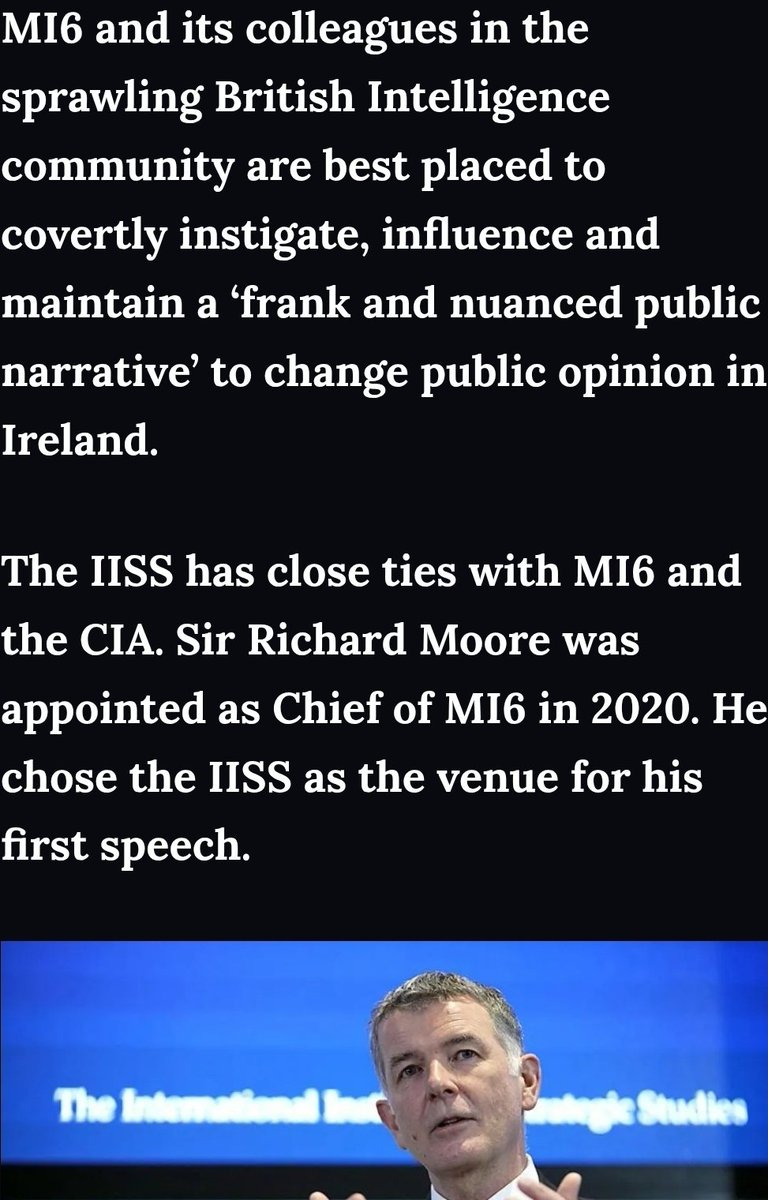
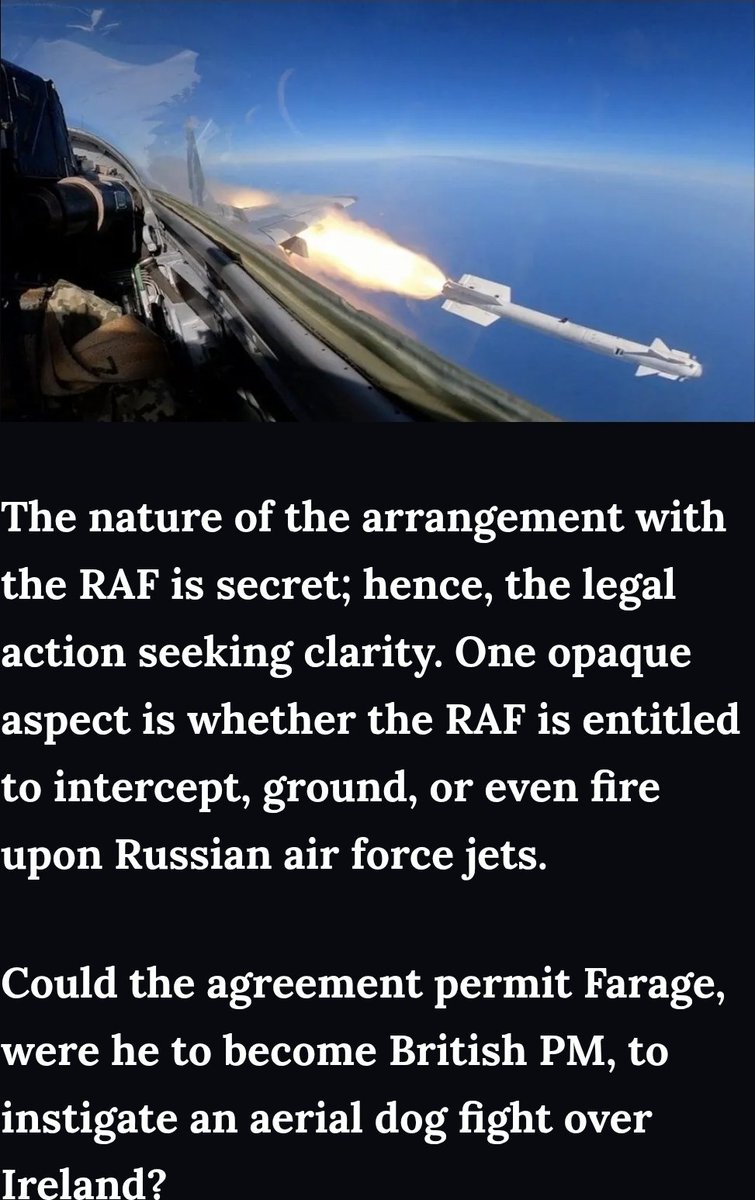
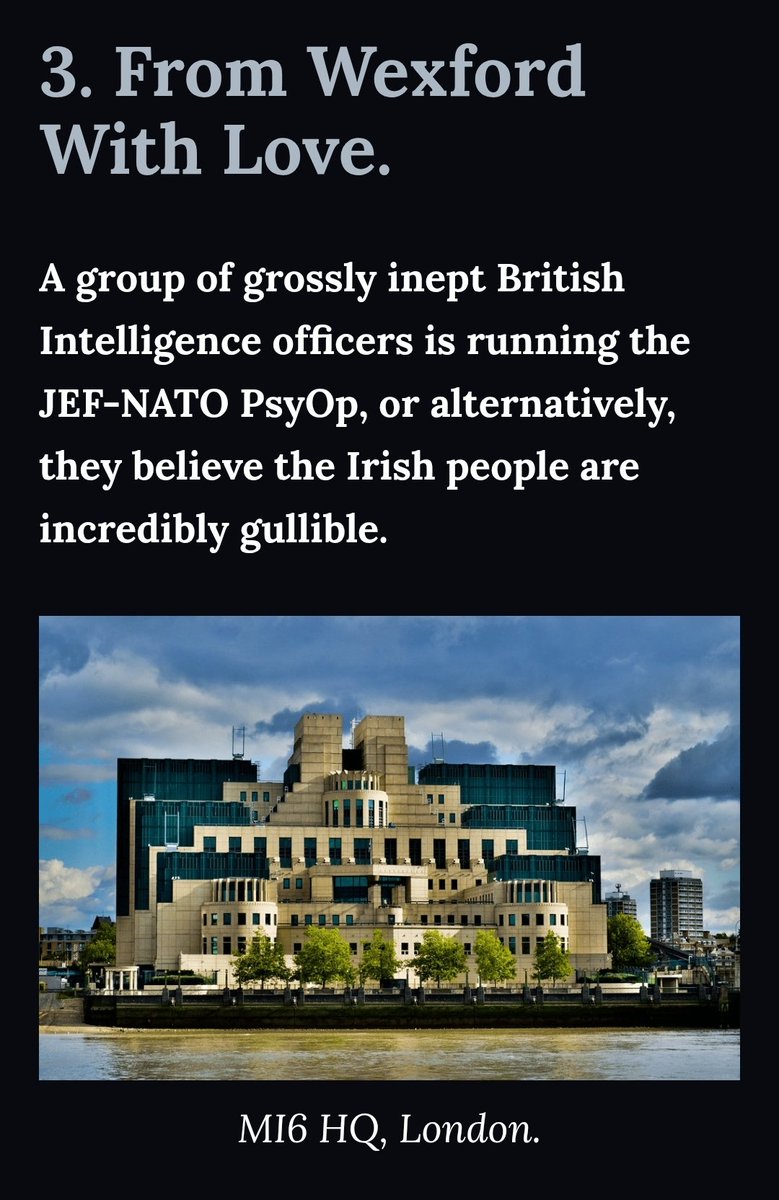
There are sensible reasons to end the Triple Lock. But the real problem is trusting the politicians. For decades we were told the EEC/EU/EC was non-military. Now it isn't. An array of secretive bodies (MI6, PX, IISS, Chatham House) have plans for us. Read👇coverthistory.ie/2025/10/12/…
5
6
9
798
There are sensible reasons to end the Triple Lock. But the real problem is trusting the politicians. For decades we were told the EEC/EU/EC was non-military. Now it isn't. An array of secretive bodies (MI6, PX, IISS, Chatham House) have plans for us. Read👇coverthistory.ie/2025/10/12/…
5
6
9
798
An extract from the (very long) "PyOp 2026" article
2
185
Covert History Ireland & UK Magazine retweeted

Jun 7
The Collusion Spectrum. By Deirdre Younge. – Covert History Ireland & UK Magazine. [Home] share.google/k4Ym5E8mBGxtjgh…
8
12
945
Covert History Ireland & UK Magazine retweeted
Jun 6
British agent who infiltrated IRA arrested over two murders share.google/82sX0gAfV43S33p…
Keeley was a 'whistleblower' until he realised he would be cast into the wilderness of by his handlers who have paid hundreds of thousands compensating his victims.
6
6
1,675
Covert History Ireland & UK Magazine retweeted
Jun 6
Hay small world Caolan the enterprising reporter worked with Tommy Robinson as media person. He has now apparently distanced himself from that phase. Another Ukraine hand CHIS informant IRA bomb making assistant Peter Keeley aka Kevin Fulton has recently been working on media with Tommy R. Then he went to Ukraine to teach the skills he learned at the feet of the master IRA/Real IRA bomb master. Keeley was passing on bomb and IED making skills he used to mortor police officers, kill British Army soldiers and beat up local targets in Sth Down. MI6 are the employment agency for NI vets who want to go to help out.
4
22
33
3,397
Covert History Ireland & UK Magazine retweeted
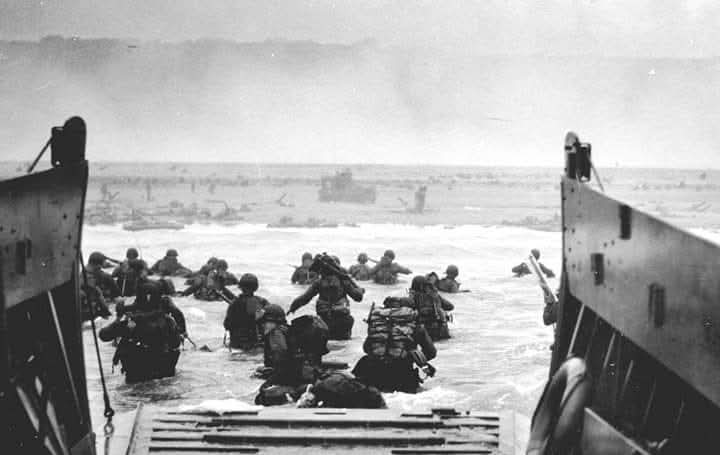
Today in 1944, Allied troops landed on the beaches of Normandy in the largest amphibious military operation in history Operation Overlord, under US Army General Dwight D. Eisenhower. Along 50 miles of French coastline, 130,000 men were set to land on five beaches, crossing the English Channel aboard 3,400 ships.
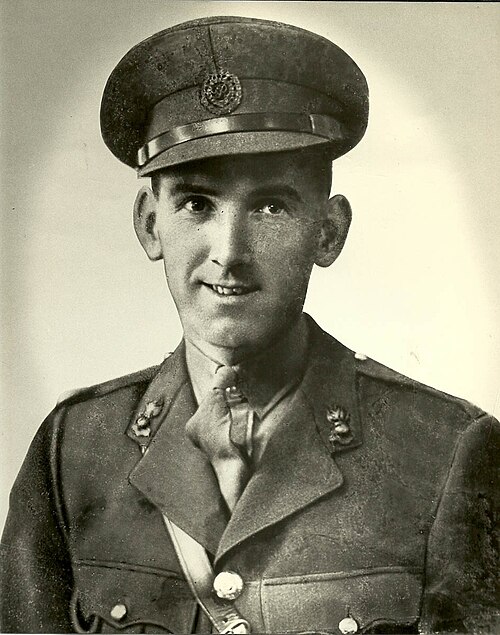
Though Ireland was officially neutral, some 66,083 from the Irish state enlisted with the British Armed Forces, with a further 64,157 from Northern Ireland. Among them who crossed to Normandy that morning was a young Waterford man who would become the only soldier from the Irish state to receive the Military Cross on D-Day.
Redmond Christopher Archer Cunningham was born on Christmas Day 1916 in the Ballybricken area of Waterford City, the middle child of 15. Named after his godfather John Redmond, the former Home Rule leader, he was educated at Clongowes Wood College and worked as an architectural draughtsman before the war.
Restless and hungry for adventure, he enlisted in Belfast in 1943 as a second lieutenant in the 79th Armoured Division of the Royal Engineers, and was posted to Scotland where the division was preparing for Normandy under Major General Percy Hobart.
On the night of 5 June, Cunningham was in London, spending a few hours in the city's pubs with a friend before whatever came next. The following morning, seasick, cold, and nursing a hangover, he landed at 07:00am on Queen Red beach at Ouistreham as part of the first attack wave on Sword Beach.
Almost immediately, he saw his close friend Geoffrey Desanges fall. Within minutes, his tank was hit by German mortar fire. He abandoned it, commandeered another, and fought on through three tanks that morning before reorganising his unit and turning to the mined beach ahead.
Army dispatches record him removing mines by hand under sustained fire. With the beach cleared, he led his men against the German defences and captured around 90 prisoners. The following day his squadron took a vital canal lock at Ouistreham, opening a route inland for the infantry of the Royal Ulster Rifles.
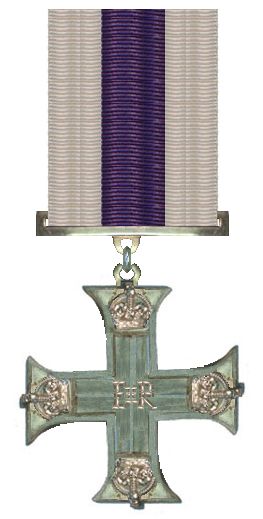
For his actions across those two days, Cunningham received the Military Cross, cited for acts of exemplary gallantry. He was the only Irishman to receive that distinction on D-Day.
He was not finished. Later that year at Nijmegen, during the Battle of the Scheldt, he led an assault that captured around 200 prisoners, earning a bar to his Military Cross and taking shrapnel wounds he would carry for the rest of his life. The Belgian government later awarded him the Croix de Guerre for his part in rescuing civilians in Antwerp following a German V1 attack on the city.
Cunningham was far from the only Irishman to distinguish himself that day. Among those who also landed at Normandy were two of the five Halloran brothers from Ennistymon, Co. Clare. Three of the brothers had enlisted with the British Army, while Jeremiah and Martin, living in New York when the war broke out, served in the US Army. All five survived and came home highly decorated.
Cunningham returned to Ireland in 1946, became a successful architect in Waterford, and developed a well-earned reputation as a bon vivant with a fondness for racetracks. He died on 1 December 1999. His wartime papers are held in the Trinity College Dublin archive.
Buy the Dublin Time Machine a pint and support the DTM Book
ko-fi.com/buchanandublintime…
8
29
104
3,422
Covert History Ireland & UK Magazine retweeted
Jun 3
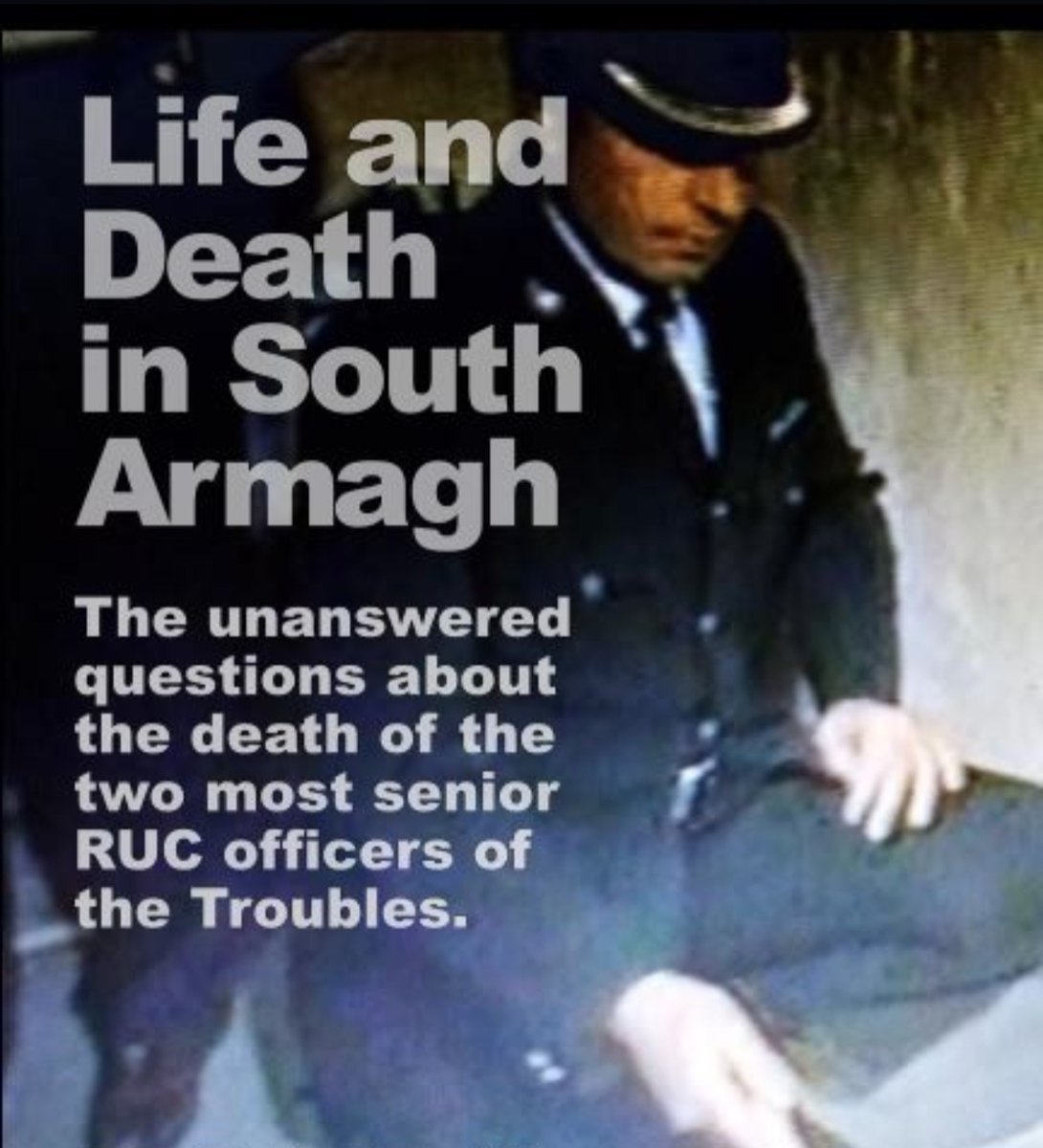
Murray had a survival instinct. He led the operation that wiped out the East Tyrone IRA. He refused to pose with the dead mens weapons. Harry Breen, Deputy Commander H Division was, instead, pushed in front of the cameras - with fatal consequences. He never forgave the Chief Constable Jack Hermon for putting a target on his back. See @CovertHistory for that story.
2
8
8
1,950
Covert History Ireland & UK Magazine retweeted
Jun 3
And then there was one. Frank Murray, Chief Superintendent, Special Branch Armagh, didn't die in the Chinook crash on the Mull of Kintyre in 1994, because he pulled out of the trip.
MI5 FLIES A FALSE FLAG. - Village Magazine share.google/Rao6EnBRSJt5Xqv…
2
18
50
12,951