
Writer, TV producer, formerly an Editor of Current Affairs Programmes. Eq Sci. Half Planter.
Joined December 2010
- Tweets 48,960
- Following 3,135
- Followers 2,972
- Likes 34,844
2,697 Photos and videos


Pinned Tweet

Jun 3
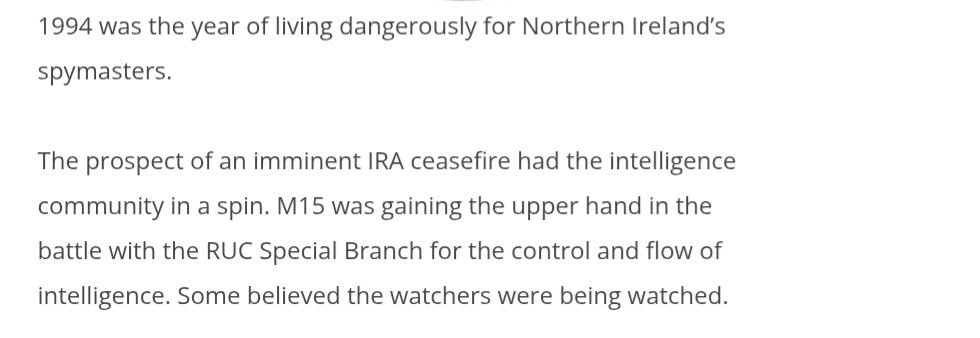
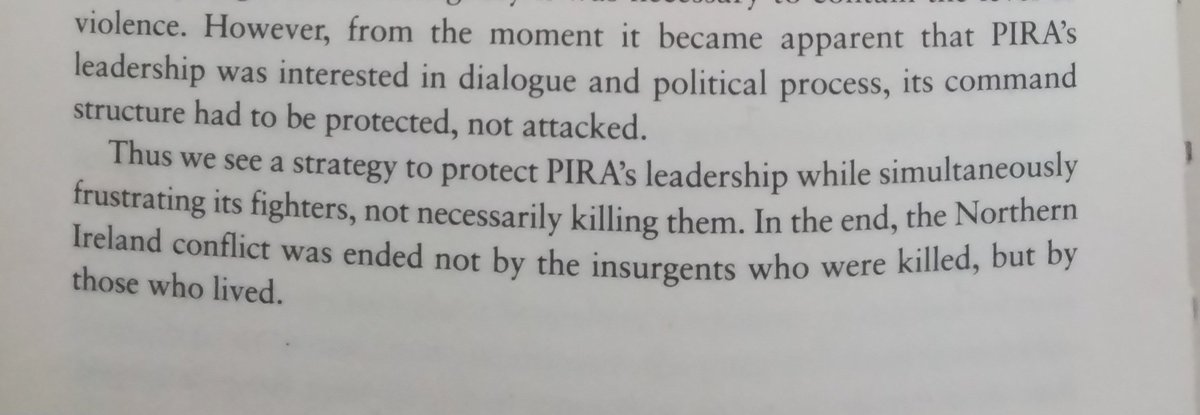
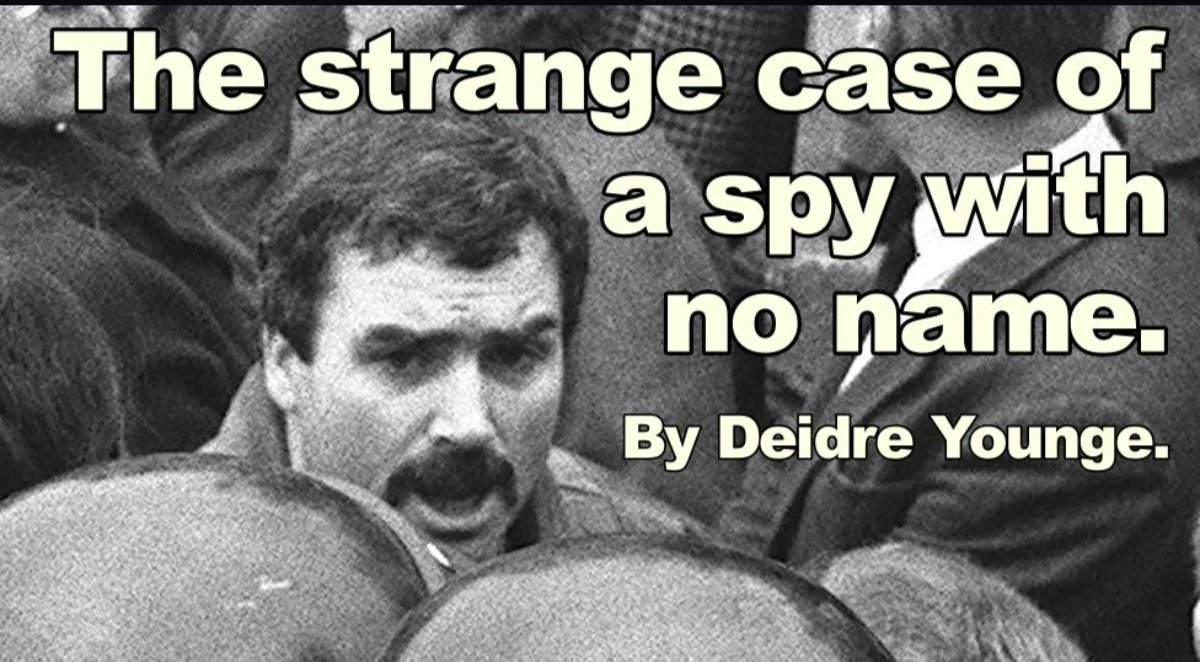
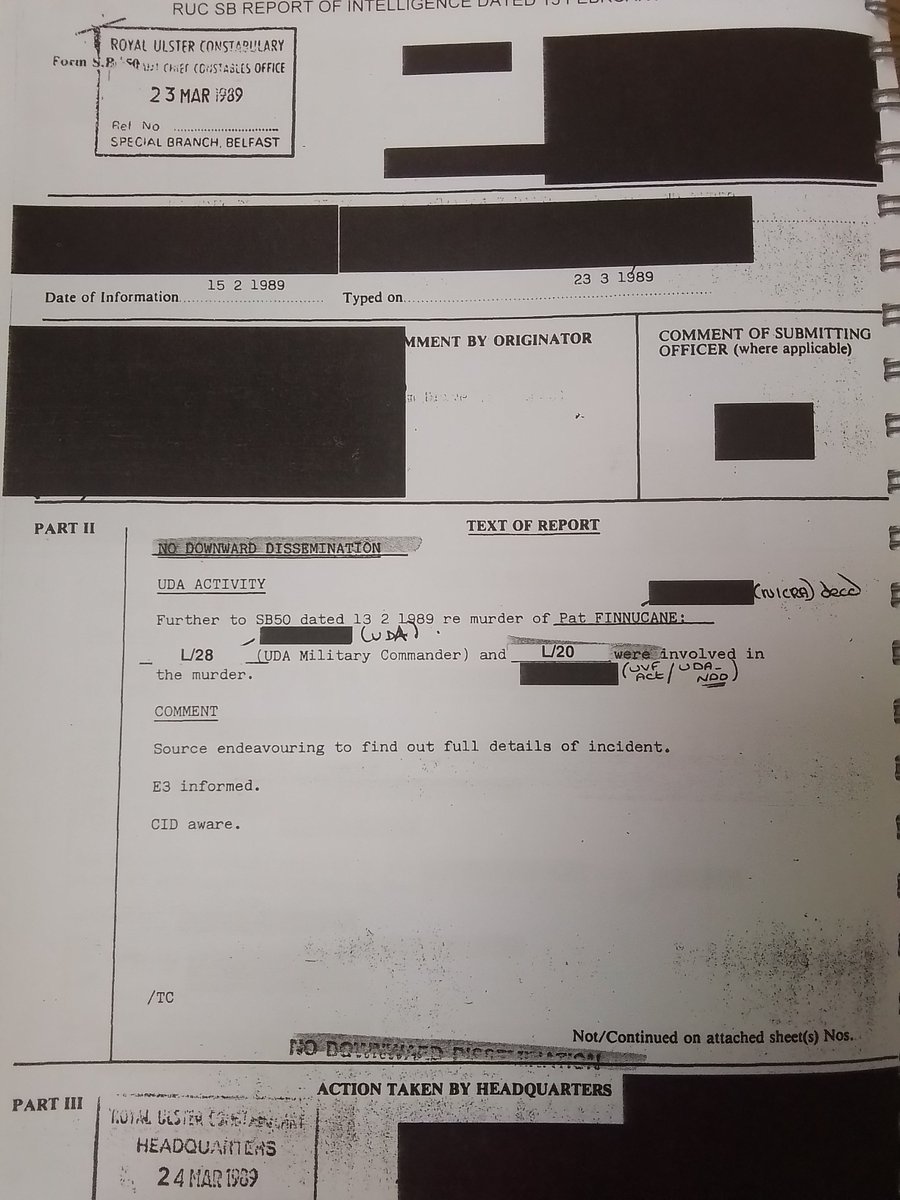
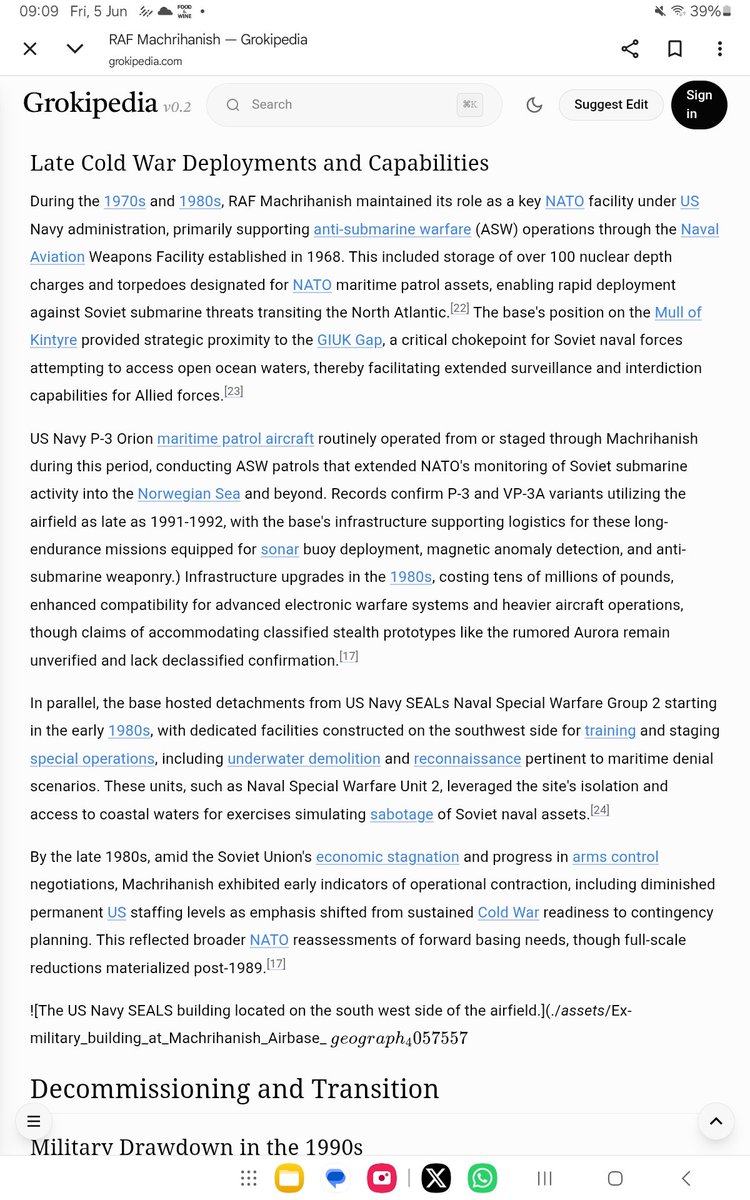
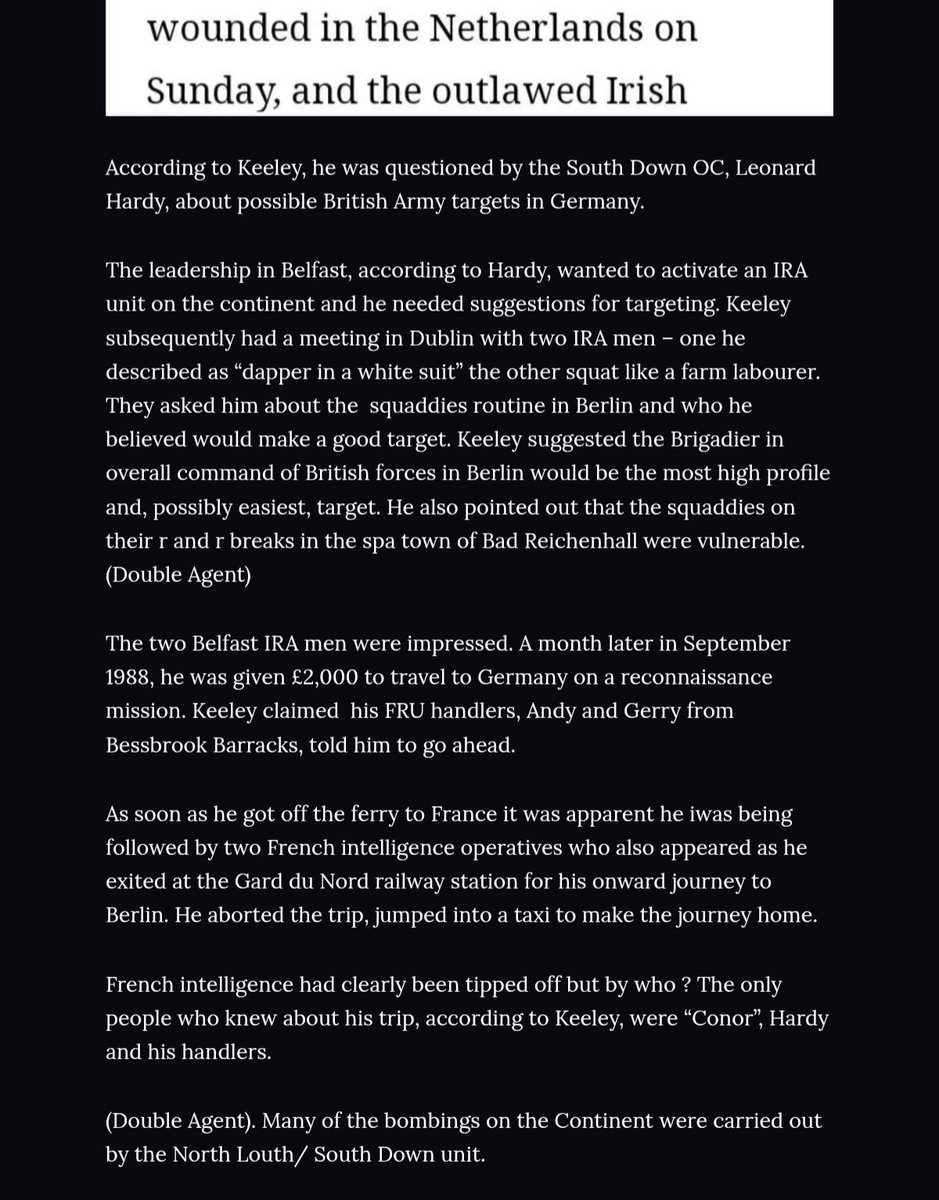
And then there was one. Frank Murray, Chief Superintendent, Special Branch Armagh, didn't die in the Chinook crash on the Mull of Kintyre in 1994, because he pulled out of the trip.
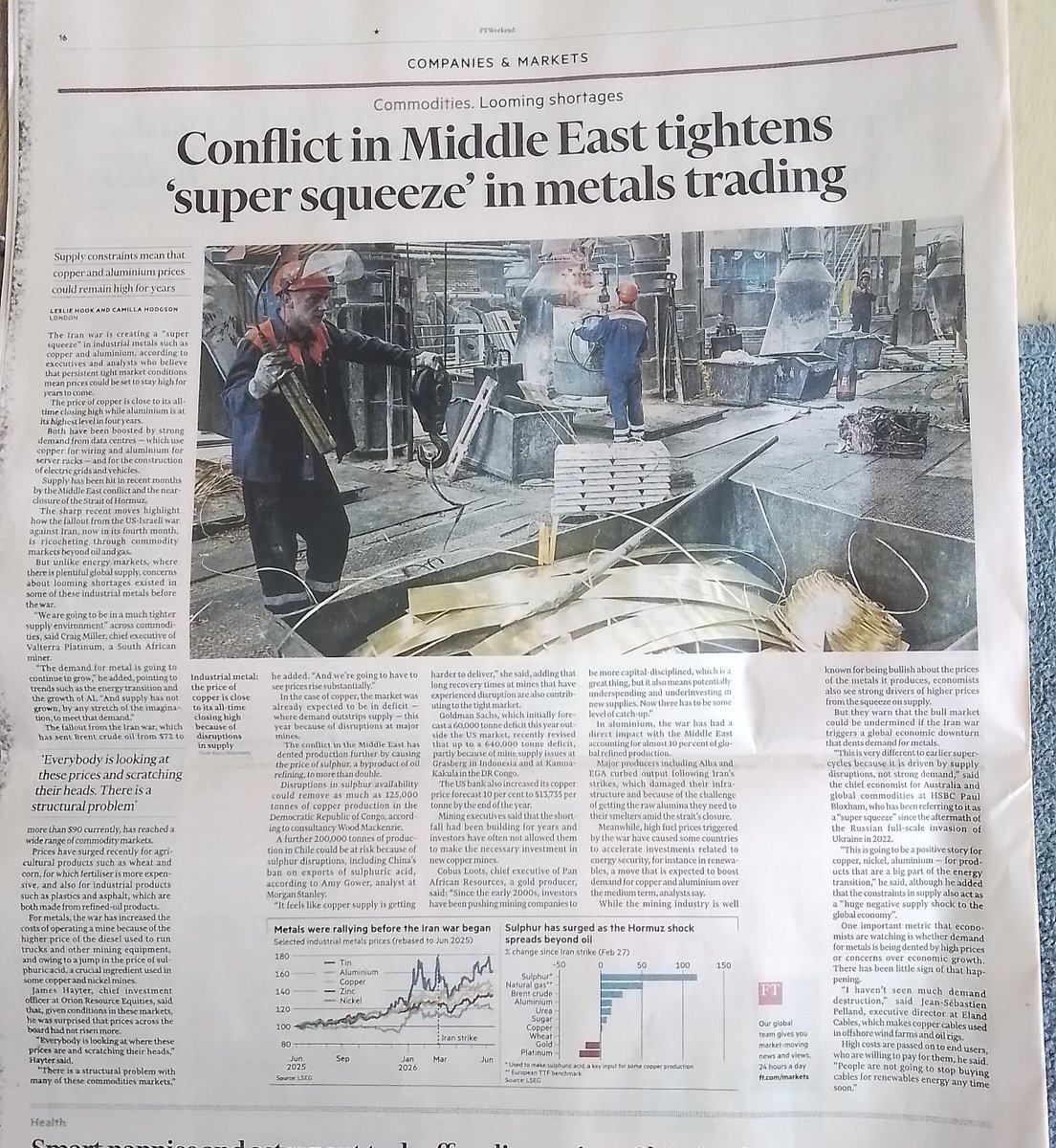
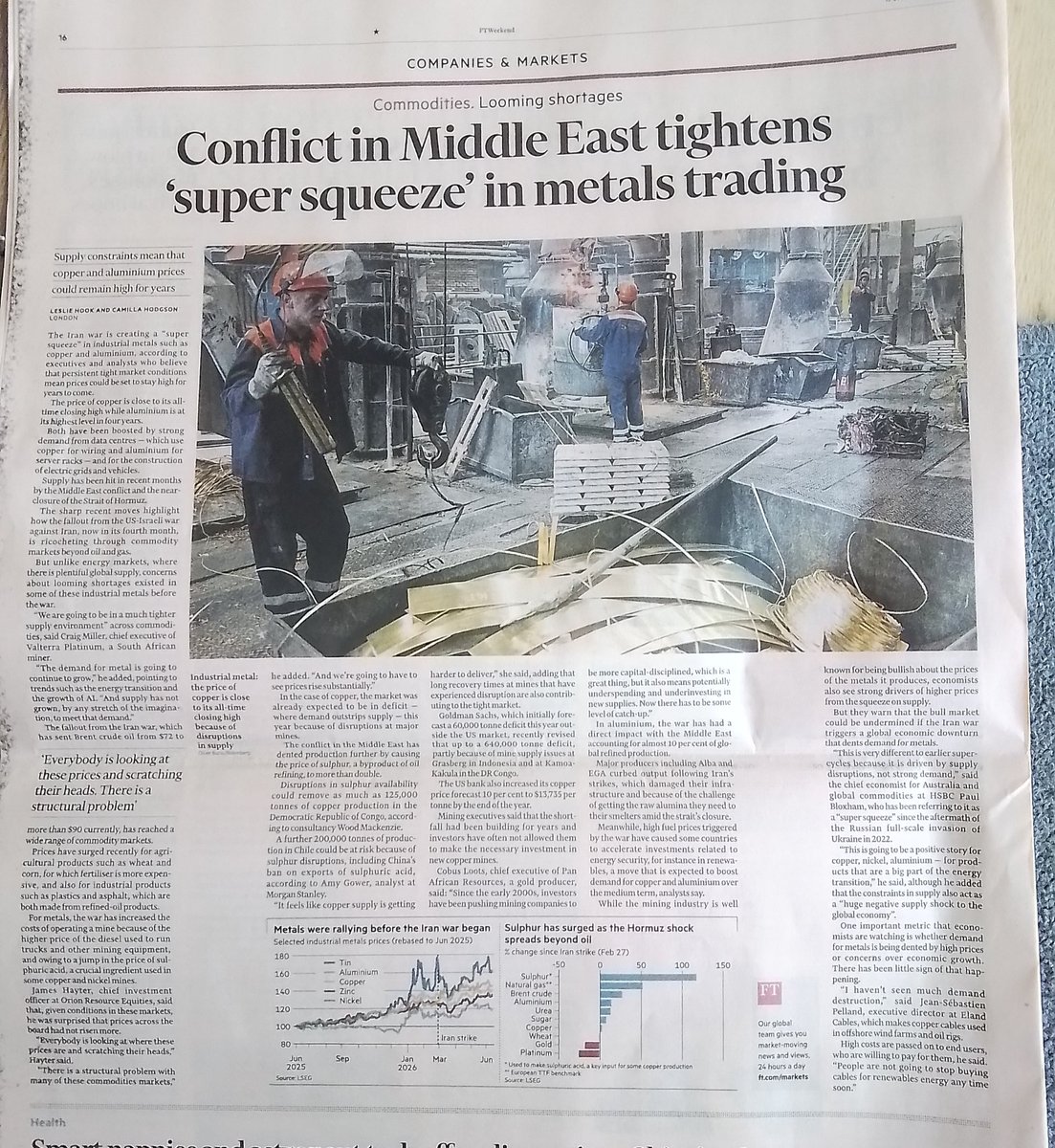
MI5 FLIES A FALSE FLAG. - Village Magazine share.google/Rao6EnBRSJt5Xqv…
2
18
49
12,796
Deirdre Younge retweeted

🚨 BREAKING: Sky News confirms a terrifying reality. Expert Prof. Michael Clarke reveals Iran changed the power balance in the Strait of Hormuz.
Using cheap drones and robotic subs, Tehran can close it instantly. The Trump administration's Navy is totally defenseless.

🚨 MASSIVE DEVELOPMENT: Expert Prof. Michael Clarke confirms on Sky News that the US has already lost the war against Iran militarily.
The Trump administration realized their military power is useless. Washington is desperately trying to salvage a humiliating defeat!
5
73
250
13,082
Deirdre Younge retweeted

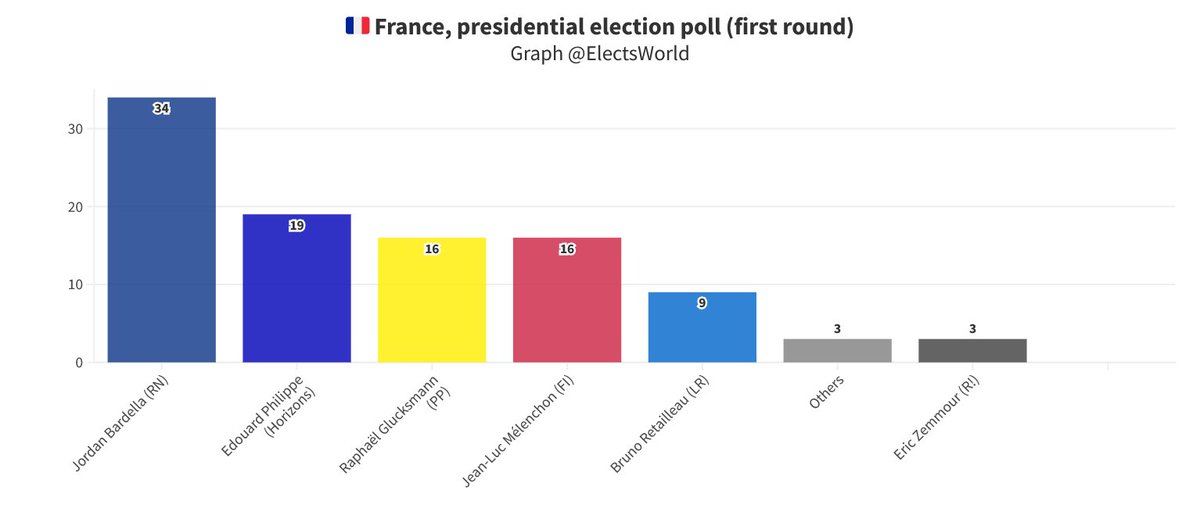
This is roughly the result the French mainstream left and right are hoping for, calculating that in round two Philippe would beat Bardella. Their nightmare is that it’s Mélenchon that makes it to round two, for then Bardella would beat Mélenchon.

🇫🇷#France, presidential election poll (1st round):
Bardella/Le Pen (RN): 34 %
Philippe (Horizons): 19 %
Glucksmann (PP): 16 %
Mélenchon (FI): 16 %
Retailleau (LR): 9 %
Zemmour (R!): 3 %
Dupont-Aignan (DLF): 2 %
Arthaud (LO): 1 %
OpinionWay, June 2026
18
33
190
61,602
Deirdre Younge retweeted

How Brexit & Boris changed the migration picture in Northern Ireland.
Many fewer people coming from the EU with most new arrivals now from South Asia and an increasing number from Africa. bbc.co.uk/news/articles/c8j2…
16
22
53
6,896
Deirdre Younge retweeted

FOU ! Mais on avait prévenu…⤵️
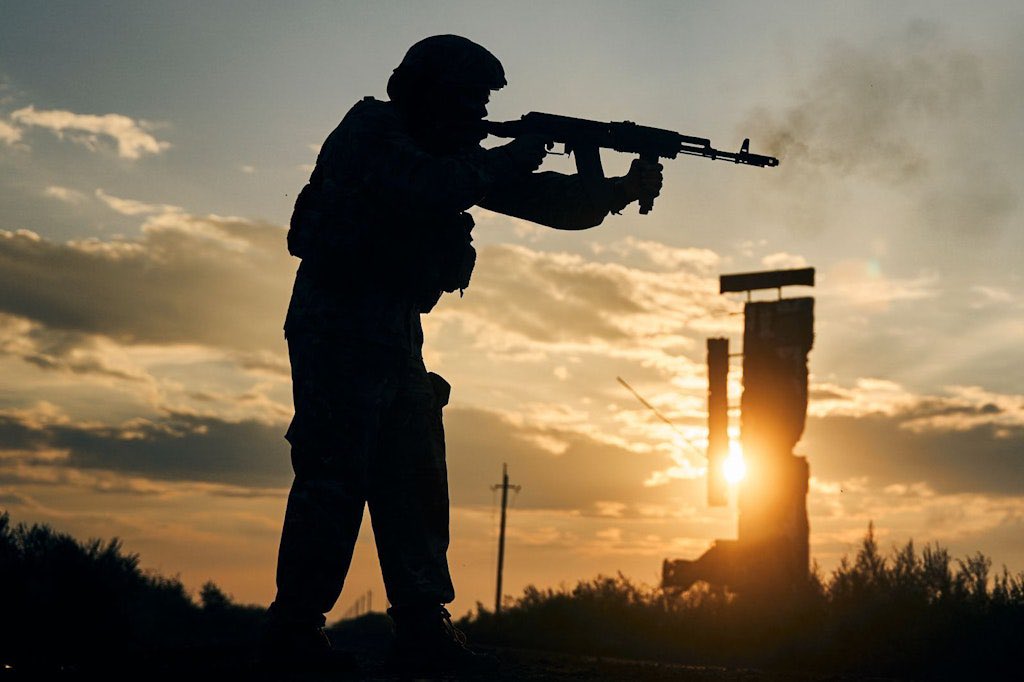
Le journal allemand Berliner Zeitung vient de révéler que « des millions d’armes » qu’on a envoyées à l’Ukraine inondent désormais le marché noir des armes dans nos pays !
Drogue, trafics, criminalité, elles sont recyclées partout…🤦🏻♂️
L’enquête du Berliner Zeitung s’appuie largement sur une enquête récente du magazine d’investigation Report Mainz.
(cf : berliner-zeitung.de/article/…)
« Celle-ci documente des saisies concrètes en Espagne (notamment près de Marbella en mars 2026) d’armes de guerre modernes (AK-47 modifiés, munitions OTAN 5,56 mm) chez des bandes de trafiquants de drogue ! »
« Les enquêteurs espagnols estiment que ces armes proviennent des champs de bataille ukrainiens ! »
Le Berliner Zeitung s’étonne aussi « du silence des responsables politiques » sur ce qui est en train de se passer : cet énorme « risque sécuritaire » pour le continent européen !
Silence, forcément, puisqu’il est interdit de critiquer cette guerre délirante menée à la Russie !…
➡️ STOP : plus une arme, plus un euro pour l’Ukraine !
75
769
1,283
13,881

Ukraine's government has committed to spending almost another €30 billion on the country's defence requirements this year, bringing total defence expenditure to more than €80bn for 2026 rte.ie/news/2026/0614/157823…
27
4
10
5,530
Deirdre Younge retweeted

IT'S TIME FOR STRANGE SPY FACTS! RIVERSIDE DRIVE EDITION!
Sidney “The Ace of Spies” Reilly lived in a very nice apartment at 260 Riverside Dr.


1
1
8
335
Deirdre Younge retweeted
🚨 MASSIVE DEVELOPMENT: Rep. Thomas Massie announces he is introducing legislation to force the declassification of all records regarding the Israeli attack on the USS Liberty!
He demands Washington finally prioritize American lives over the Zionist regime's massive coverup!
🚨 WTF?! A USS Liberty survivor confirms LBJ ordered jets armed with nuclear weapons to launch during the Israeli attack. They were 6 minutes away from WW3!
He reveals LBJ was "in on it" to appease the Zionist regime. Washington almost caused a global nuclear holocaust!
149
4,869
17,626
228,286
Deirdre Younge retweeted

Amazon said its global data-center operations withdrew about 2.5 billion gallons of water in 2025, as data center companies around the world face growing scrutiny over the environmental impact of artificial intelligence on.wsj.com/4xpgp4X
19
96
190
39,962
Deirdre Younge retweeted

The key to saving the environment is not looking backward, it’s moving forward.
I realized this the first time I visited Italy twenty years ago. Everything was clean and green. The rivers sparkled. The lesson for me was obvious: the answer is not underdevelopment. The answer is progress.
When China was poor, the air was so polluted that people could barely see the blue sky. Today, blue skies have returned to their cities. Development does not only create wealth, it also provides the resources needed to restore and protect the environment.
Some environmentalists want us to preserve every aspect of our biodiversity, including the mosquitoes for example, so that researchers can fly in once every ten years from their universities (which build particle accelerators and billion-dollar laboratories with their pocket money), study our ecosystems, and count how many people died from dengue outbreaks.
They want to buy our air through carbon credits. If carbon credits were such a great deal, they would be selling them to us, not the other way around.
Cleaning every river, lake, and water source in El Salvador, and ensuring they remain clean and sparkling, would cost roughly $12 billion. Where is that money supposed to come from without economic development? Carbon credits?
The path forward for our country is the path of Japan and Singapore, not the path of the Congo.
Jun 12

autonomous robot driving through the field at night. no chemicals. no pesticides. just UV light killing pathogens and pests while everyone sleeps. this is @tricrobotics.
this is what chemical-free pest control looks like at scale.
572
5,059
31,071
1,060,550

Deirdre Younge retweeted

€5,000 REWARD FOR INFORMATION ON Eleanor 💔💔💔💔💔
💔💔💔💔PLEASE BRING ELEANOR HOME 💔💔💔💔
Someone has Eleanor. Someone knows where she is.
We are begging anyone with information to come forward and do the right thing. We just want Eleanor home safe.
If this was done because of anger or resentment towards us, please don't take that out on her. Eleanor is innocent. She doesn't deserve to be caught up in any grievance. 💔💔💔💔💔
We are offering a reward of €5,000 for information that leads to Eleanor's safe return.
If you have Eleanor, or if you know who does, please show compassion. Please make sure she is safe and cared for, and please help bring her home.💔💔💔💔
She is not just a pony to us. She is loved, she is missed, and she is part of our MLHR family. Every day without her is heartbreaking.💔💔💔💔
Please, if you know anything at all, come forward. No questions, no judgment. We simply want our little pony back.
Please help bring Eleanor home.💔💔💔💔💔
Please share, keep a look out, take pics…donate towards our fight for animals in desperate need 💔💔💔
donate.mylovelyhorserescue.c…
❤️❤️❤️💔💔💔💔
29
954
1,049
9,506
Deirdre Younge retweeted

With Tulsi Gabbard's new revelations about US bio labs in many countries around the world including Ukraine, it's fascinating recall the bizarre series of events that gave rise to this controversy in the first place:
In May of 2022, some of us began asking whether the US had bio labs in Ukraine, what they were for, and why the US had them there. For asking those questions, we were instantly branded as "pro-Russian conspiracy theorists" in official Ukrainian intel reports, on our Wikipedia pages, by countless media outlets, etc. This was and remains one of the most bizarre episodes I've ever seen.
Before May 2022, when we asked those questions, barely anyone had ever thought about let alone asked about "bio weapons in Ukraine"! I certainly hadn't. Like most people, I had never mentioned a word about it because it had never occurred to me we had them there.
But then, Marco Rubio summoned Victoria Nuland to the Senate and asked her in a televised hearing under oath about these "rumors," clearly expecting her to immediately debunk them as obvious Kremlin lies and to proclaim the US had no such bio labs in Ukraine.
Instead, Nuland did the opposite! She *confirmed* key aspects of these "rumors," and she explicitly warned that the US has several "bio research labs" in Ukraine that are so dangerous that they must not be allowed to fall into Russia's hands.
When some of us heard Nuland's rather shocking admission -- the first-ever disclosure about these labs -- we of course asked: wait! what? Why does the US have bio labs in Ukraine, and what are the US and Ukraine doing in those labs that make them (in Nuland's eyes) so dangerous?? (Note: nobody ever suggested that the presence of these bio labs in Ukraine justified the Russian invasion; we just wanted answers about these US bio labs that Nuland had casually divulged).
We never got real answers. We got smear campaigns. To this day, our names are formally attached to claims that we spread "conspiracy theories" for asking about these labs even though it was Victoria Nuland herself who was the one who accidentally revealed them for the first time in a Senate hearing in response to a shocked Marco Rubio. They then quickly tried shutting down any questioning by pretending that Nuland never said this, and it was just a bunch of paid Kremlin mouthpieces who were spreading lies.
You see the same tactics now being against Tulsi for releasing this new intelligence report. Watch the Nuland testimony in question:
Jun 12

Today, I’m releasing never before seen intelligence revealing new evidence of past US government funding for more than 120 biolabs in over 30 countries, including Ukraine.
In support of President Trump‘s Executive Order to end federal funding of dangerous gain of function research around the world, and increase transparency and accountability, ODNI will continue working with partners across the Administration to identify where these labs are, what pathogens they contain, and what “research” is being conducted.
odni.gov/index.php/newsroom/…
214
2,253
7,415
290,852
Deirdre Younge retweeted

Jun 13
HIGH ALERT Govt have Announced Abolition of Irelands #TripleLock -This Is Fundamental Error Of Judgement That Will Fatally Undermine Irelands Precious Militarily Non-Aligned #Neutral Status -Govt Pushing False Narratives & Misinformation On Our #Neutrality -We Need Referendum NOW
50
293
791
15,283
Deirdre Younge retweeted

Thank you, @DNIGabbard, for exposing U.S. funded biolabs around the world. The American people deserve the truth.
Jun 12
Today, I’m releasing never before seen intelligence revealing new evidence of past US government funding for more than 120 biolabs in over 30 countries, including Ukraine.
In support of President Trump‘s Executive Order to end federal funding of dangerous gain of function research around the world, and increase transparency and accountability, ODNI will continue working with partners across the Administration to identify where these labs are, what pathogens they contain, and what “research” is being conducted.
odni.gov/index.php/newsroom/…
1,749
10,811
49,922
724,825
Deirdre Younge retweeted

Jun 12
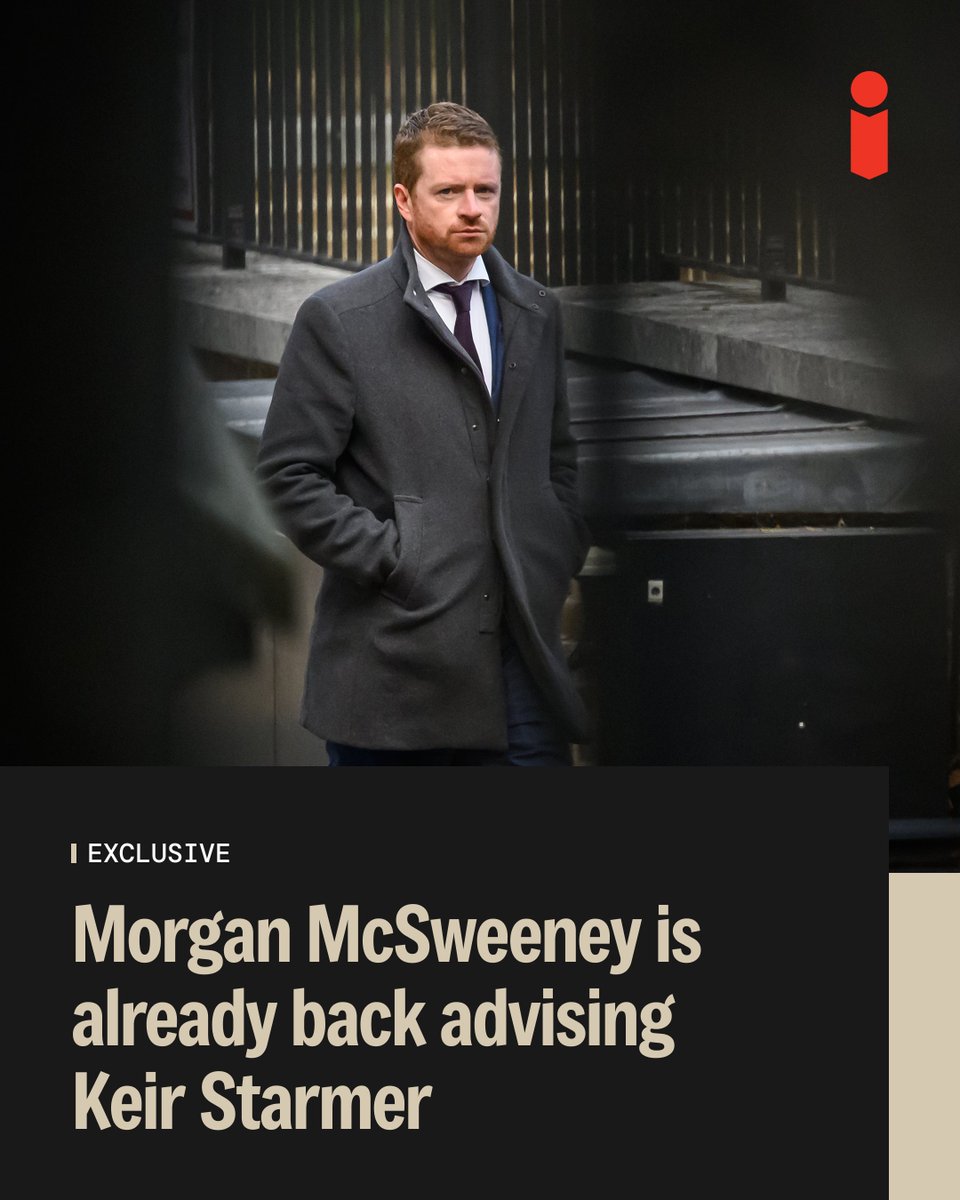
Morgan McSweeney is back advising the Prime Minister – four months after he resigned over his role in the Mandelson scandal
🔴 Exclusive from @cazjwheeler & Richard Vaughan
Read more: inews.co.uk/news/politics/mo…
188
471
580
516,776
Deirdre Younge retweeted

‘Eventually, the media had no choice but to start reporting on some of it. The stories became too big to ignore…The mainstream media has started acknowledging it but there’s still a huge gap between what the public knows - and what has actually happened over the last decade’
Jun 13

Remember when people would tell you that stories about children identifying as the opposite sex, schools encouraging it, teachers affirming it, or even kids identifying as things other than human were just "right-wing myths" or internet rumours?
Many of us were seeing these stories years ago. We saw the videos, read the accounts from parents, followed the whistleblowers and watched the numbers grow. Yet when you tried to tell family and friends about the latest development, you sounded crazy because the mainstream media either ignored it completely or covered it in a way that downplayed what was actually happening.
For a long time, we assumed these stories would eventually make the news because they were so shocking. Often they didn't. Or if they did, it was months or years later, after people had already been dismissed as conspiracy theorists for talking about them.
Those were strange days. Children went from being isolated during the pandemic to returning to schools where, in some cases, they were being encouraged to question the reality of their own sex and expected to affirm beliefs they could plainly see conflicted with reality. It's reasonable to ask what effect this has had on young minds.
Eventually, the media had no choice but to start reporting on some of it. The stories became too big to ignore. Women's sports became impossible to avoid. Most people pay attention to the Olympics, after all. Seeing a male athlete win in a women's category is the sort of thing that cuts through to people who haven't spent years following the issue. So does watching an ordinary working mother, finishing long shifts as a nurse, suddenly become a household name after being dragged into a legal battle for stating what most people believe to be common sense.
The reality is that nobody sees as much of this as those who've gone down the (unfortunate) rabbit hole. The average woman agrees with basic boundaries - she doesn't want men in women's spaces and she knows sex is real - but she also has a job, a family and a life. She isn't spending hours reading reports, court cases, policy changes, school guidance and the countless stories that never make the headlines.
That's why so many people are still stuck in the “middle”. Not because they support everything that's happened, but because they haven't seen even a fraction of what many of us have seen. From the outside, it can all appear fairly harmless: bright colours, rainbow flags, messages about inclusion, kindness and being yourself. If that's all you're exposed to, it's understandable why you'd struggle to see why anyone is concerned. It's only when you start looking beyond the branding and the slogans that you begin to understand why so many women have become alarmed.
The mainstream media has started acknowledging more of it, but there is still a huge gap between what the public knows and what has actually happened over the last decade. Until that gap closes, many people will continue to see it primarily as a colourful movement about acceptance, compassion and self-expression. Most of us would agree that people should be free to be themselves and live their lives as they choose. The problem is that many remain unaware of the wider ideas and policies that have emerged alongside it, and the real-world consequences those have had in schools, healthcare, sport and women's rights.
The minute those in the so-called middle start seeing the fuller picture, things may finally begin to change. Ordinary women like us won't have to keep shouting over the noise or doing the heavy lifting anymore. What many of us have spent years trying to highlight will become impossible for the wider public not to see. The reality behind the slogans, colours and carefully crafted messaging will be staring people in the face.
1
25
113
3,680

🇦🇱 After protests in southern Albania, angry protesters in Rrjoll, northern Albania, removed fences from a site where a luxurious resort is being built.
The protesters say land belonging to 200 families has been confiscated.
Environmental and anti-corruption protests are taking place across Albania.
71
2,676
7,640
100,912
Deirdre Younge retweeted

For JFK researchers:
This is the part of the story that is always overlooked bc no one knows what Operation Gladio is and what NATO's secret armies did.
Yes, it's long. But it's worth understanding the entire scope of the operation. You can't do that if you don't understand NATO's secret armies and the CIA's control of them.

11
188
333
10,042