
💋
Joined January 2018
- Tweets 91,615
- Following 1,475
- Followers 16,598
- Likes 159,831
3,610 Photos and videos











Crafty P 🪥🖼🎨 retweeted

Thursday’s Mexico vs South Korea game will include a tamale break 😂🫔 🇲🇽🇰🇷
13
52
490
18,526
Crafty P 🪥🖼🎨 retweeted

22h
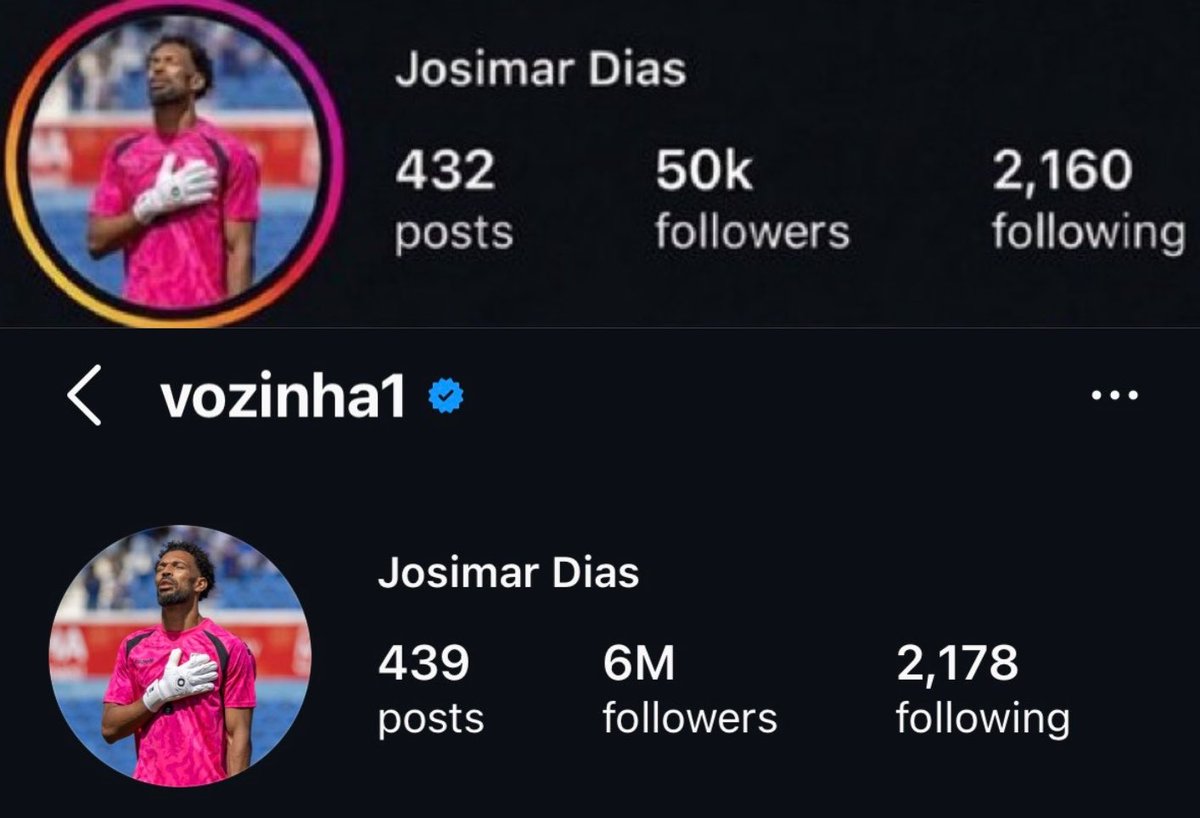
Cape Verde’s goalkeeper has gained 6 million followers overnight after his historic performance against Spain.
The World Cup is the greatest tournament ever
79
565
10,319
104,032
Crafty P 🪥🖼🎨 retweeted

🌊Beach Hazards Statement continues through early Thursday morning. Long-period S-SW swell will generate hazardous conditions including sneaker waves and strong rip currents. Stay back from the water’s edge, stay off of jetties and piers, and NEVER turn your back on the Ocean!
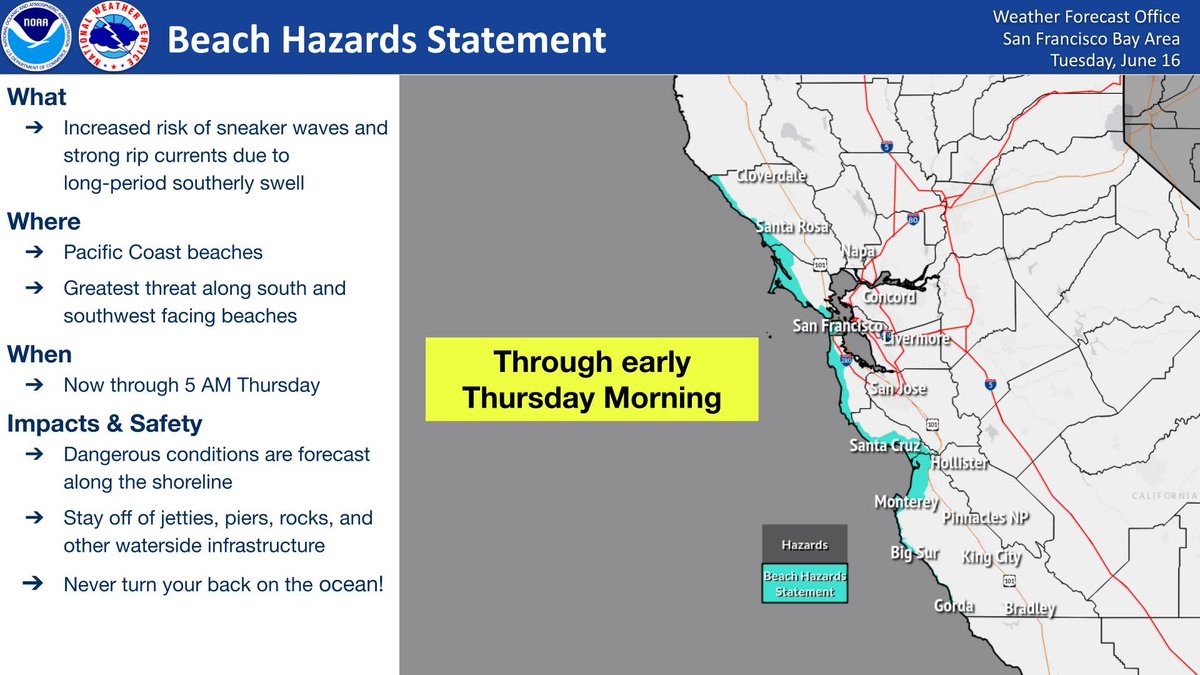
ALT The Beach Hazards Statement for Pacific Coast beaches continues through 5 AM Thursday morning. Long-period S-SW swell will generate hazardous conditions at the beach, including sneaker waves and strong rip currents. Stay back from the water’s edge, stay off of jetties and piers, and NEVER turn your back on the ocean.
12
16
5,133
For the amount of drama that comes with money I don't understand why people accept it or donate it.
1
26
558
Crafty P 🪥🖼🎨 retweeted

Jun 16
Grande Oliver 💪 en paz descanses 🕊😭
Community note
Este vídeo não é real. É uma homenagem que foi feita através de Inteligência Artificial da página do Instagram: @Promptkillers
Não é real, é um vídeo de I.A
instagram.com/reel/DZlU4tCuh…
42
591
14,687
1,667,933
Crafty P 🪥🖼🎨 retweeted

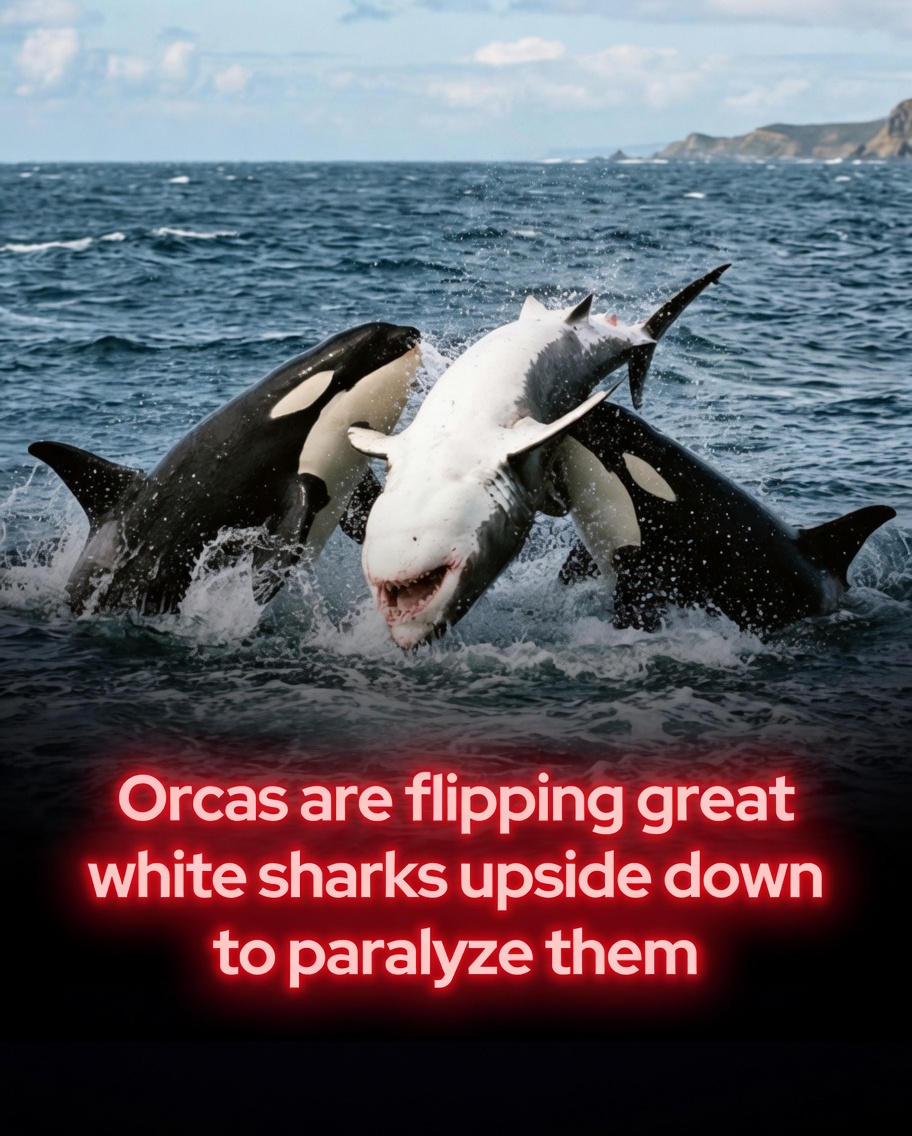
Orcas have been observed flipping great white sharks upside down before surgically removing their livers.
While great white sharks are among the ocean’s most formidable predators, orcas have developed a highly effective hunting tactic to take them down.
Researchers studying a pod of killer whales in the Gulf of California have documented this sophisticated strategy: the orcas flip juvenile great white sharks onto their backs, triggering a condition called tonic immobility. This natural reflex puts the shark into a temporary trance-like state, leaving it paralyzed and defenseless.
In three separate documented encounters, the pod known as “Moctezuma’s pod” was seen chasing young great whites to the surface, rolling them over, and then precisely extracting their massive, nutrient-rich livers.
The liver is the ultimate prize. In great white sharks, it can make up as much as 25% of their body weight and is loaded with energy-dense oils that the sharks use for buoyancy. For orcas, it represents one of the highest-calorie meals available in the ocean.
After securing the liver, the orcas were observed sharing it among pod members, strong evidence that this specialized hunting technique is culturally transmitted and learned across generations.
This behavior adds to the growing list of remarkable hunting traditions developed by different orca populations, which include creating waves to wash seals off ice floes, deliberately beaching themselves to catch sea lions, and even hunting large whales.
What makes the discovery especially notable is that the victims are juvenile great whites. Adult great whites often flee an area entirely when orcas appear, sometimes abandoning productive hunting grounds for months. Younger sharks, however, appear less experienced at recognizing the threat.
Scientists believe that changing ocean conditions and shifting nursery habitats may be bringing more young great whites into contact with these skilled orca hunters, opening up new opportunities for this dramatic predation strategy.
[Higuera-Rivas, J. E., Pancaldi, F., Villegas, M., et al. (2026). Novel evidence of interaction between killer whales (Orcinus orca) and juvenile white sharks (Carcharodon carcharias) in the Gulf of California, Mexico. Frontiers in Marine Science, 12, 1667683.
DOI: 10.3389/fmars.2025.1667683]
14
95
511
28,469
Crafty P 🪥🖼🎨 retweeted

🚨 #ALERTA | Hay peleas entre hinchas de Argentina y Argelia en Times Square.
442
594
6,837
2,977,624

Crafty P 🪥🖼🎨 retweeted

Jun 15
España: "por qué no podemos marcar ningún gol?"
Una tribu de cabo Verde ayer a la noche:
104
4,447
53,521
1,039,661

Jun 16
❤️
Jun 15

⚡️⚽️LIGHTNING UP THE PITCH: Unbelievable video shows lightning dazzling the sky above a stadium in Monterrey, Mexico, during a match between Sweden and Tunisia on Sunday.
2
298
Crafty P 🪥🖼🎨 retweeted

Jun 16
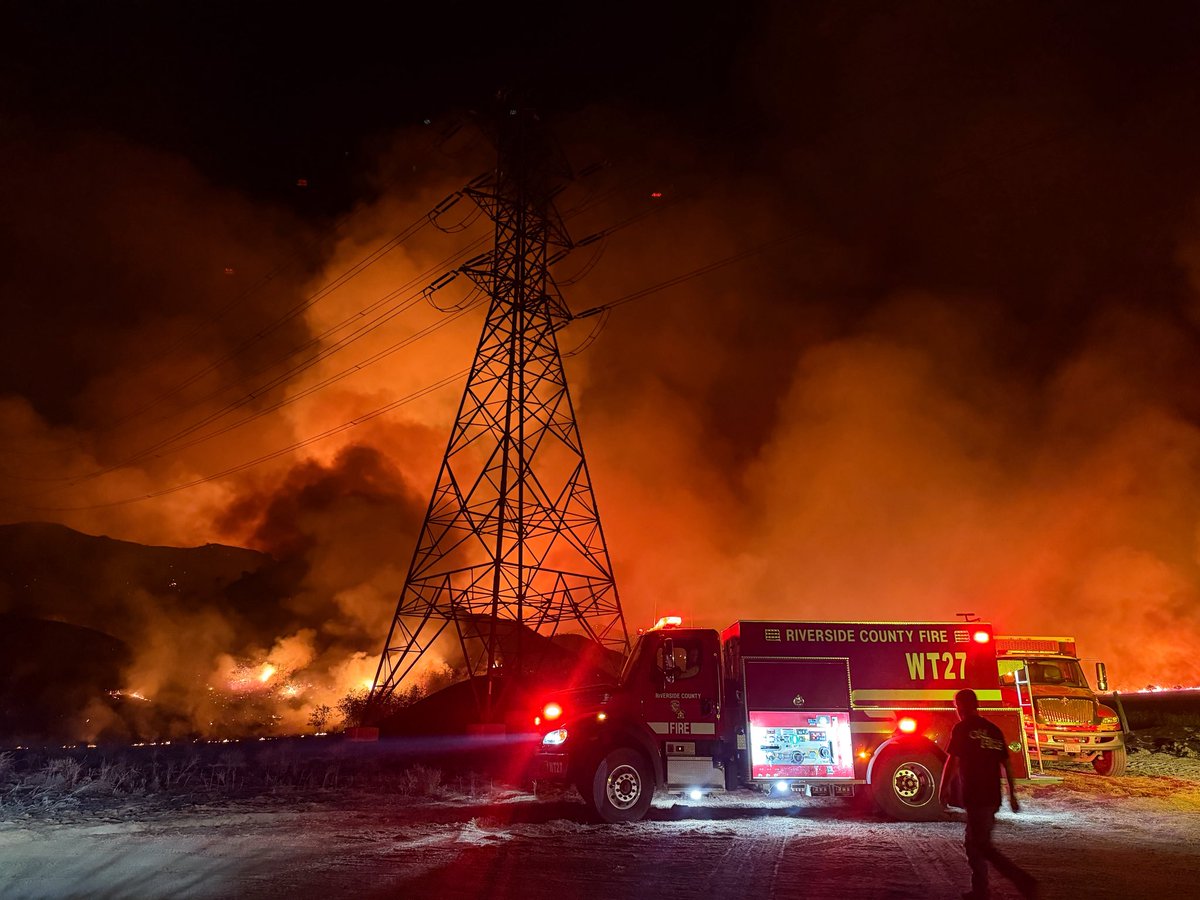
For those of you seeing the large glow this evening, the fire is looking much better for the first time all day. Firing operations are being conducted and Highway 60 is still closed and traffic along the 10 is a nightmare due to that but other than that progress is being made.
#shorefire #breaking
12
37
235
7,513
Jun 16
Finally!
Jun 15

#BREAKING: The Florida teenager accused of killing his stepsister aboard a Carnival cruise ship last year has been taken into the custody of the U.S. Marshals and will be held behind bars ahead of his upcoming trial.
The 16-year-old suspect was indicted as an adult by a federal grand jury on charges of murder and aggravated sexual abuse in the November 2025 killing of his stepsister, Anna Kepner. He has pleaded not guilty. abc7.la/Sm8gGf

2
4
576
Jun 16
👀👀

296
Jun 16
3
5
7
1,446
Jun 16
I am a little annoyed because I am super confused on what I actually did but I am too tired to deal with it.
1
5
464
