
Assoc Prof Implementation Science, Adelaide University I JBI | Nurse Scientist - Knowledge Translation | Qual Synthesis | Methodology I EBHC
Joined November 2009
- Tweets 5,112
- Following 1,070
- Followers 1,597
- Likes 3,830
645 Photos and videos
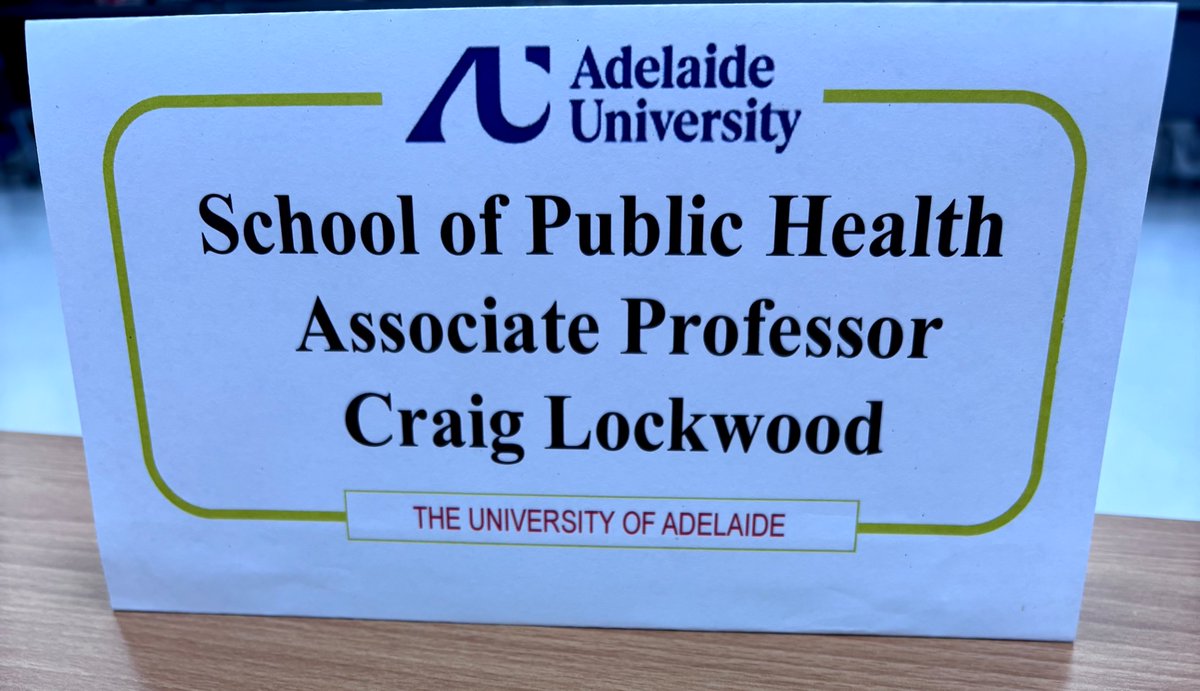
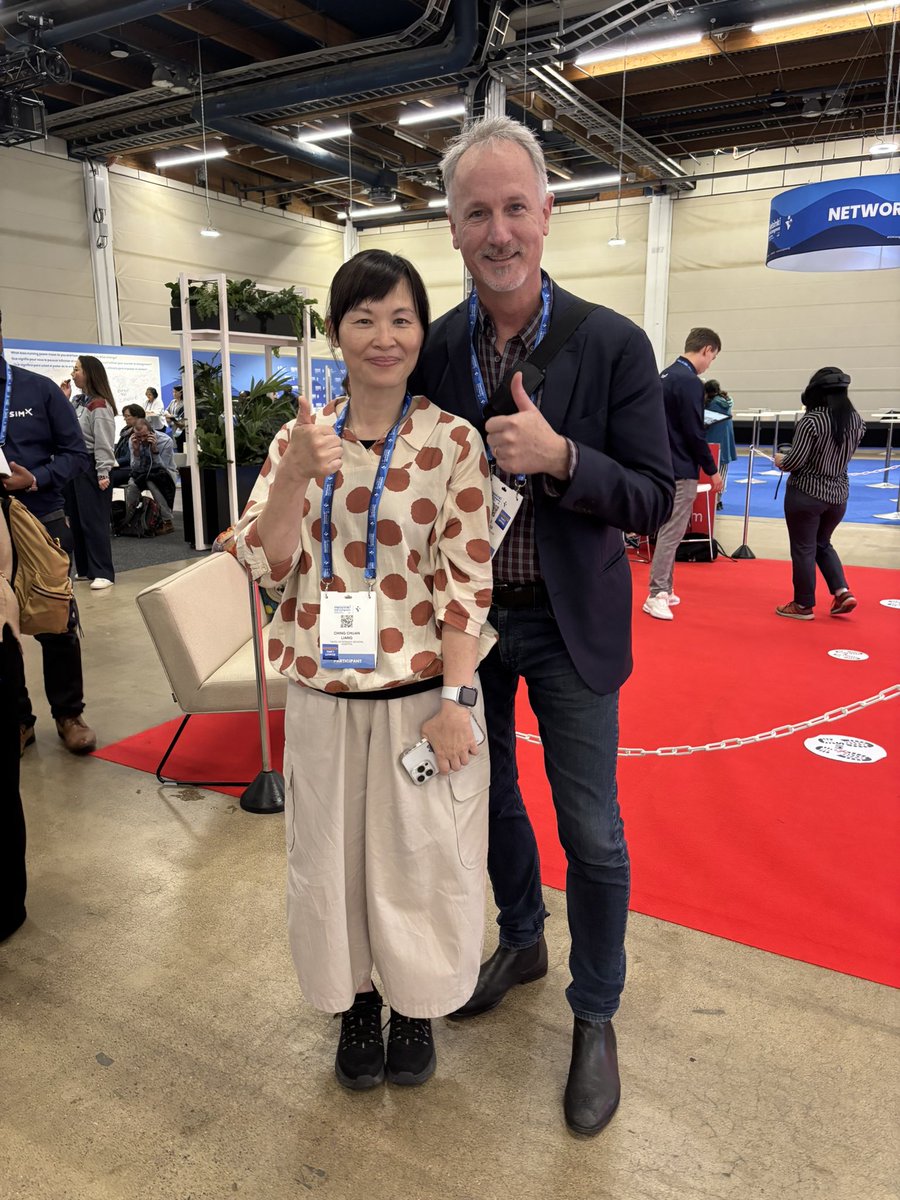
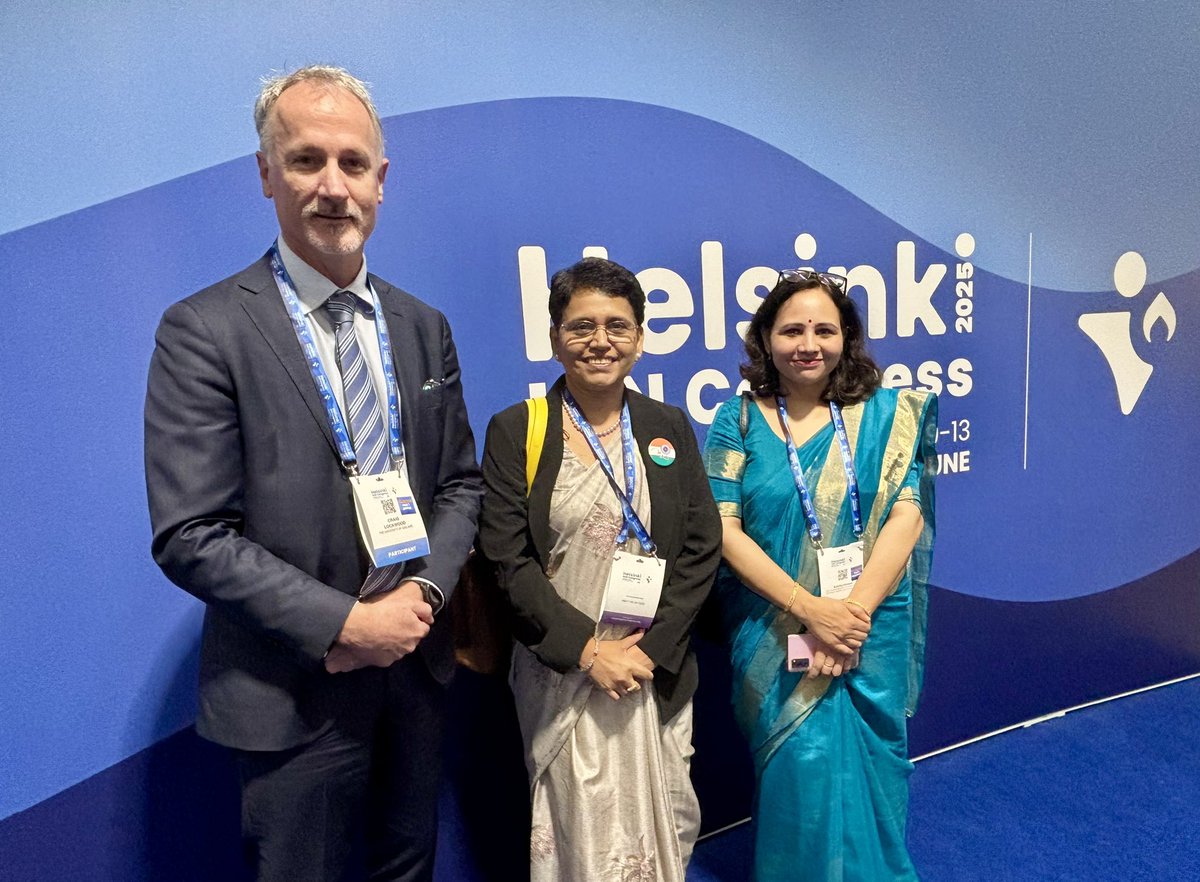
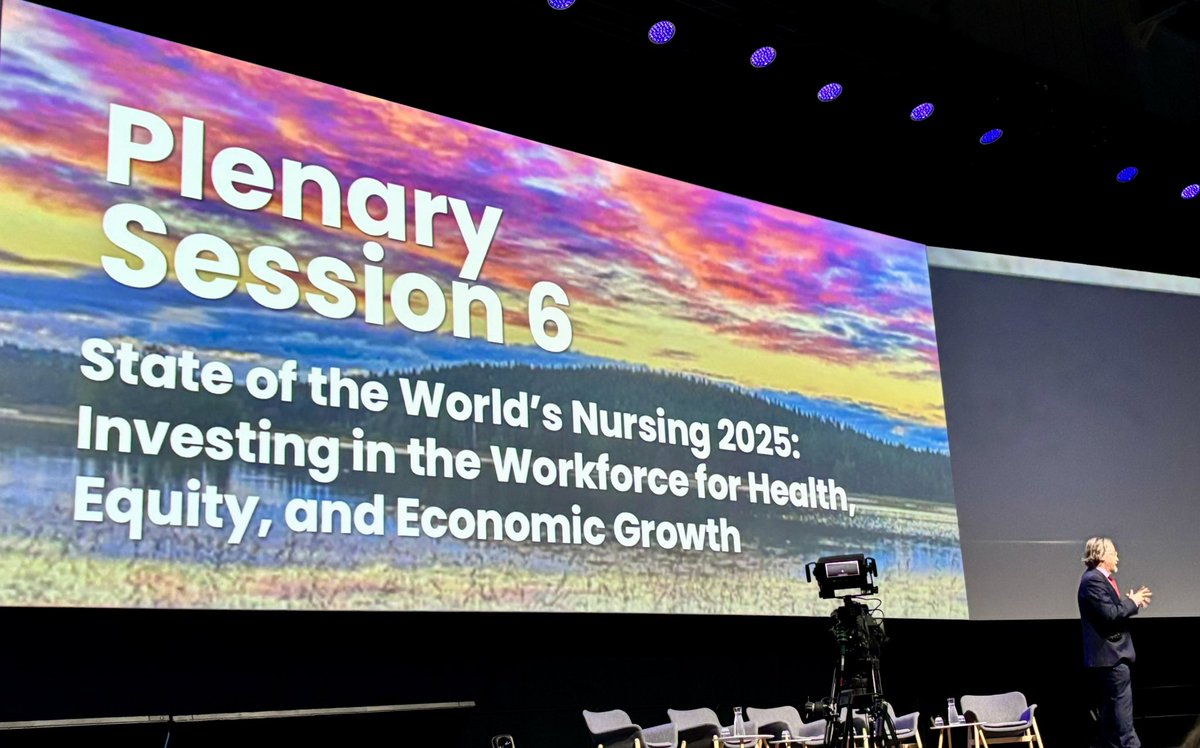
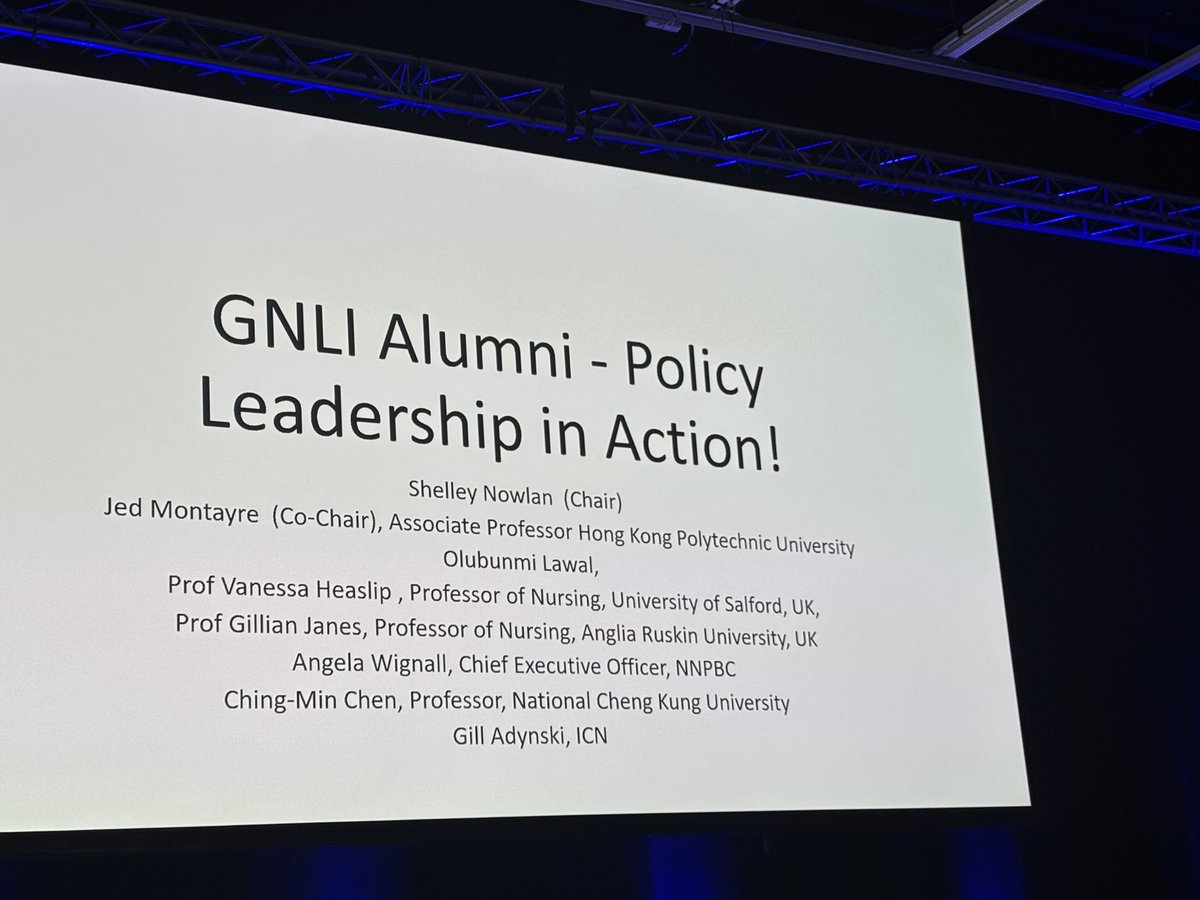
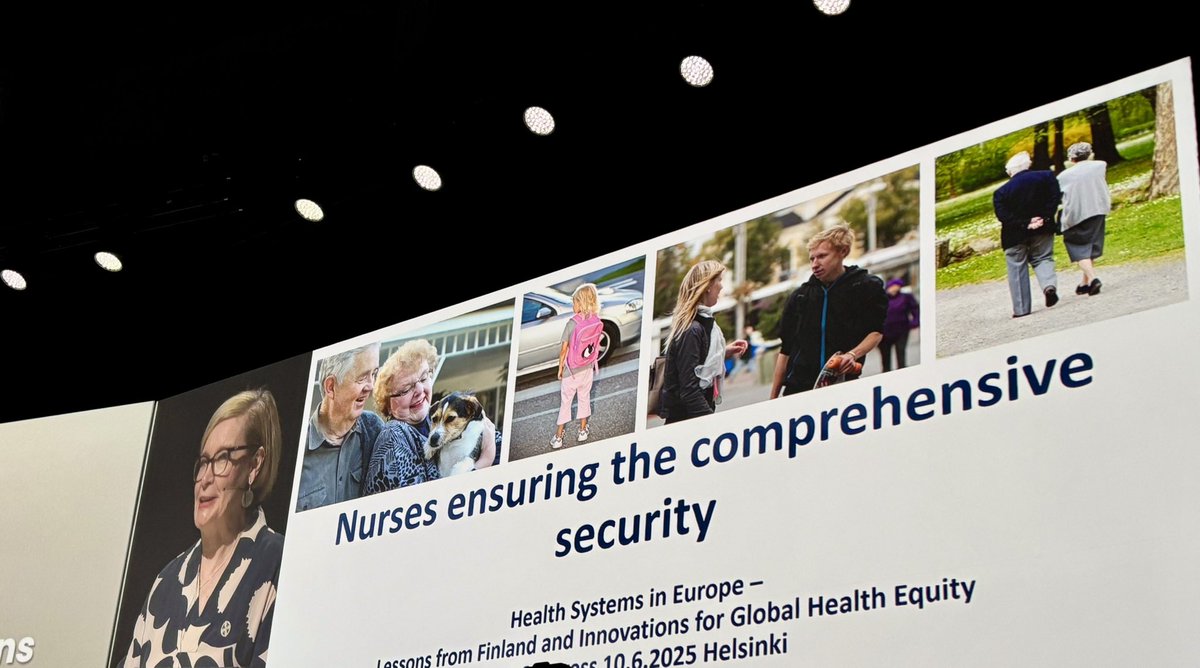
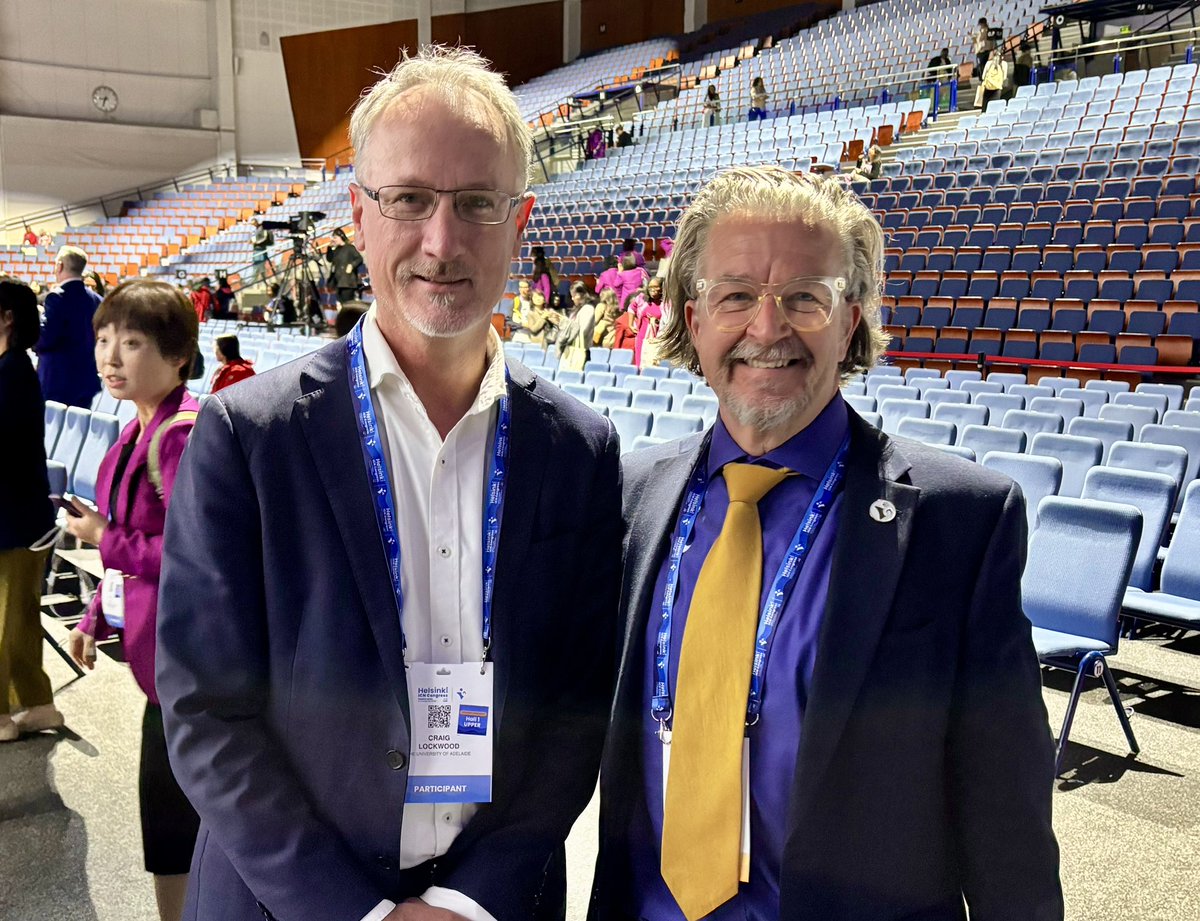
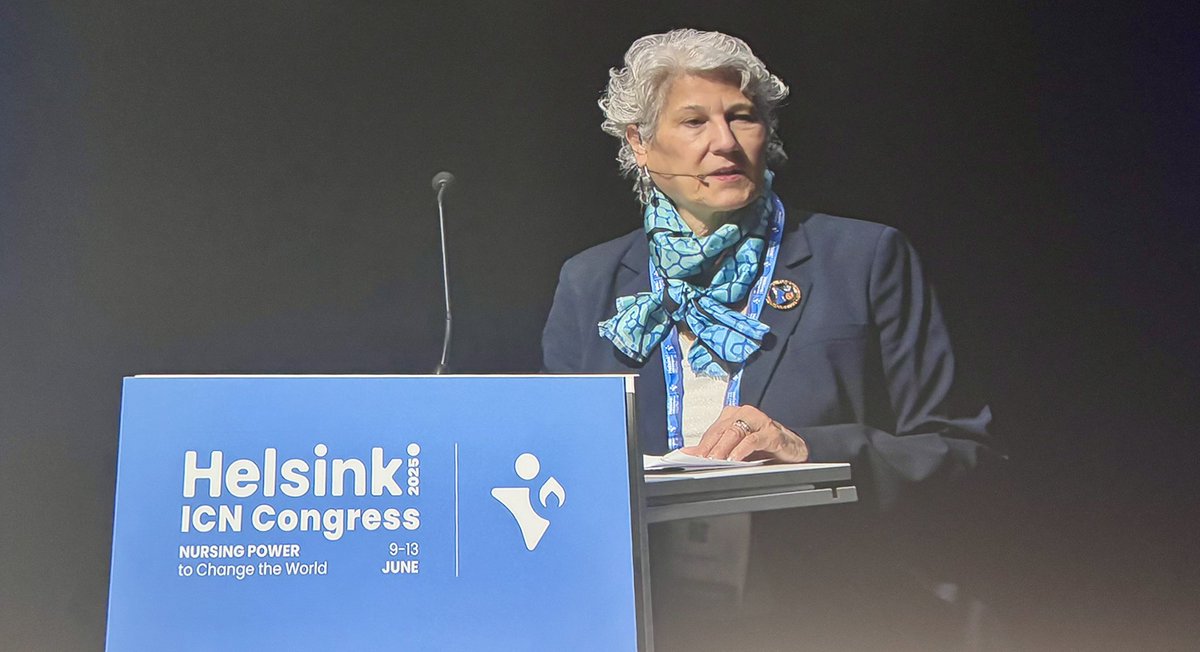
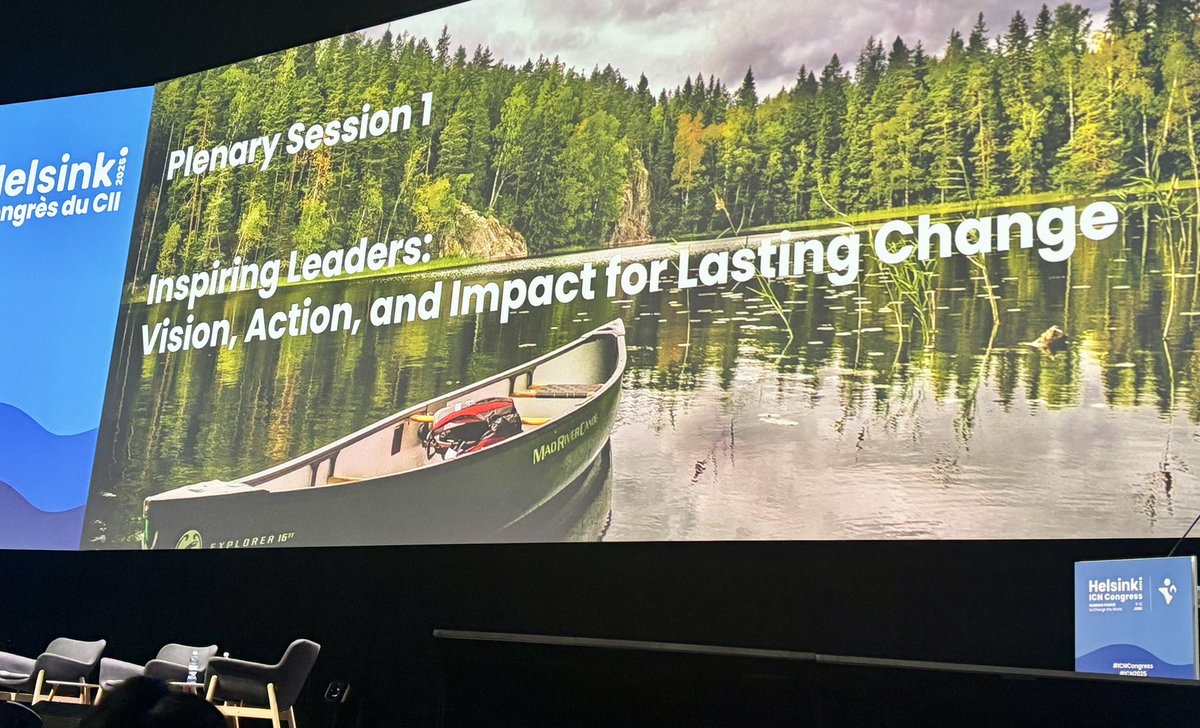
Perhaps I have underestimated the value of writing books and book chapters? I stopped years ago, might need to come back to this long format. Are there other long format options aside from books?

Every writing teacher who told you "be concise" accidentally murdered your best ideas.
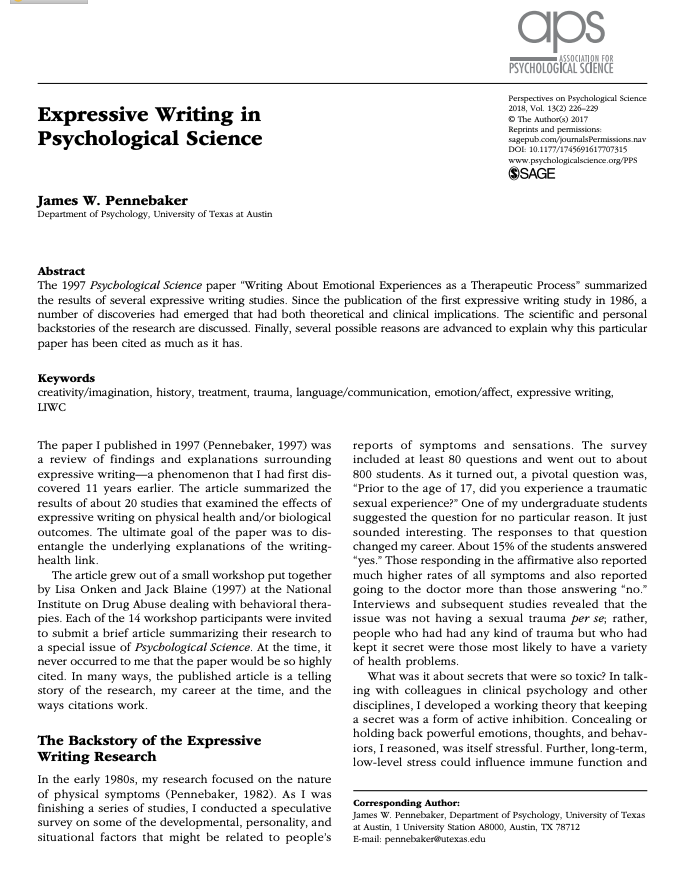
In 1987, psychologist James Pennebaker ran an experiment that broke every assumption about how human creativity works. He divided college students into two groups and gave them the same creative writing prompt. Group A had to write for 15 minutes without stopping, elaborating on every thought that surfaced. Group B had to write concise, polished responses in the same time frame.
The elaborate writers didn't just produce more ideas. They produced fundamentally different types of ideas. Brain scans showed their prefrontal cortex entered a state resembling REM sleep, where distant neural networks suddenly started talking to each other. The concise writers showed patterns identical to focused problem-solving mode, which actively suppresses creative connections.
Six months later, Pennebaker tested both groups again. The elaborate writers had continued generating novel solutions to unrelated problems at twice the rate of the concise group. The act of elaborative writing had permanently rewired their associative thinking patterns.
The advice sounds logical. Cut the fat. Trim the excess. Get to the point faster. What they missed is that ideation and communication are completely different cognitive processes, and optimizing for one destroys the other.
When you write elaborately, your brain enters what cognitive scientists call "divergent thinking mode." Each additional sentence forces your mind to find new angles, make unexpected connections, discover relationships between concepts that would never surface in a stripped-down version. The elaboration itself becomes the thinking tool.
Watch what happens when you try to explain a simple concept in 2000 words instead of 200. Your brain refuses to repeat itself. It starts mining deeper layers, pulling up examples you forgot you knew, connecting dots that seemed unrelated five minutes ago. The constraint of length becomes a creativity multiplier because your mind has to work harder to fill the space meaningfully.
Most people reverse this process. They think first, then write down the conclusions. They treat writing as a documentation tool for thoughts that already exist. This kills the discovery mechanism completely.
Real creative thinking happens during the writing, not before it. The elaborate sentences force your brain to search its entire knowledge network for supporting ideas, contradictory evidence, parallel examples, deeper implications. Every time you expand a thought, you're asking your neural pathways to surface material that stays buried when you think in headlines.
Professional researchers figured this out decades ago. They don't brainstorm in bullet points. They write massive exploratory documents where every paragraph spawns three new questions. They let themselves ramble across pages because they know the rambling is where breakthrough insights hide. The connections emerge in the elaboration, not despite it.
There's another layer most people miss. When you write elaborately about a topic, you're not just exploring what you already know about it. You're discovering what you didn't realize you knew about it. The act of expansion forces you to reach into adjacent knowledge areas, pull connections from unrelated experiences, surface insights that were sitting just below conscious awareness.
Pennebaker's follow-up studies revealed something even stranger. Students who wrote elaborately about completely unrelated topics showed improved creative problem-solving across all domains. The cognitive muscle of elaborative thinking transfers. Train it on one subject, and it enhances your ability to find novel solutions everywhere else.
Your brain was designed to think in stories, not summaries.
Feed it complexity and watch creativity multiply.
Community note
Pennebaker's expressive writing studies compared writing about traumas to superficial topics for health benefits, not elaborate vs. concise writing for creativity or with brain scans showing REM-like states. No such 1987 experiment exists in his research. cssh.northeastern.edu/pandemic-teach… en.wikipedia.org/wiki/James_W._…
1
1
62
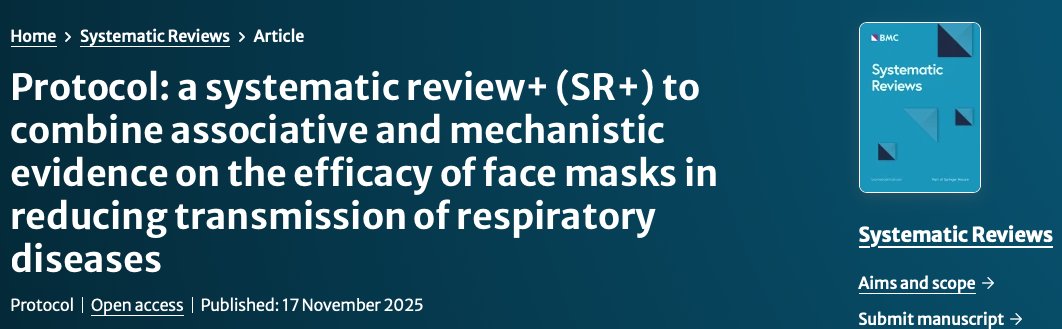
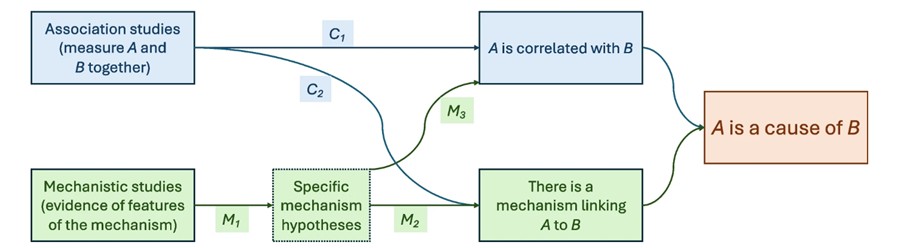
Reviews that measure effects lack explanatory power; this protocol describes SR , tests effect plus mechanism of action.

To mask or not to mask – a recently published protocol article proposes that using interdisciplinary methodology is the key to reliable answers 😷
Read the article in "Systematic Reviews" here: doi.org/qvm3
@trishgreenhalgh @Jon_Williamson_ @CraigSL01
1
1
102
Craig Lockwood, RN, MACN retweeted

Feb 22
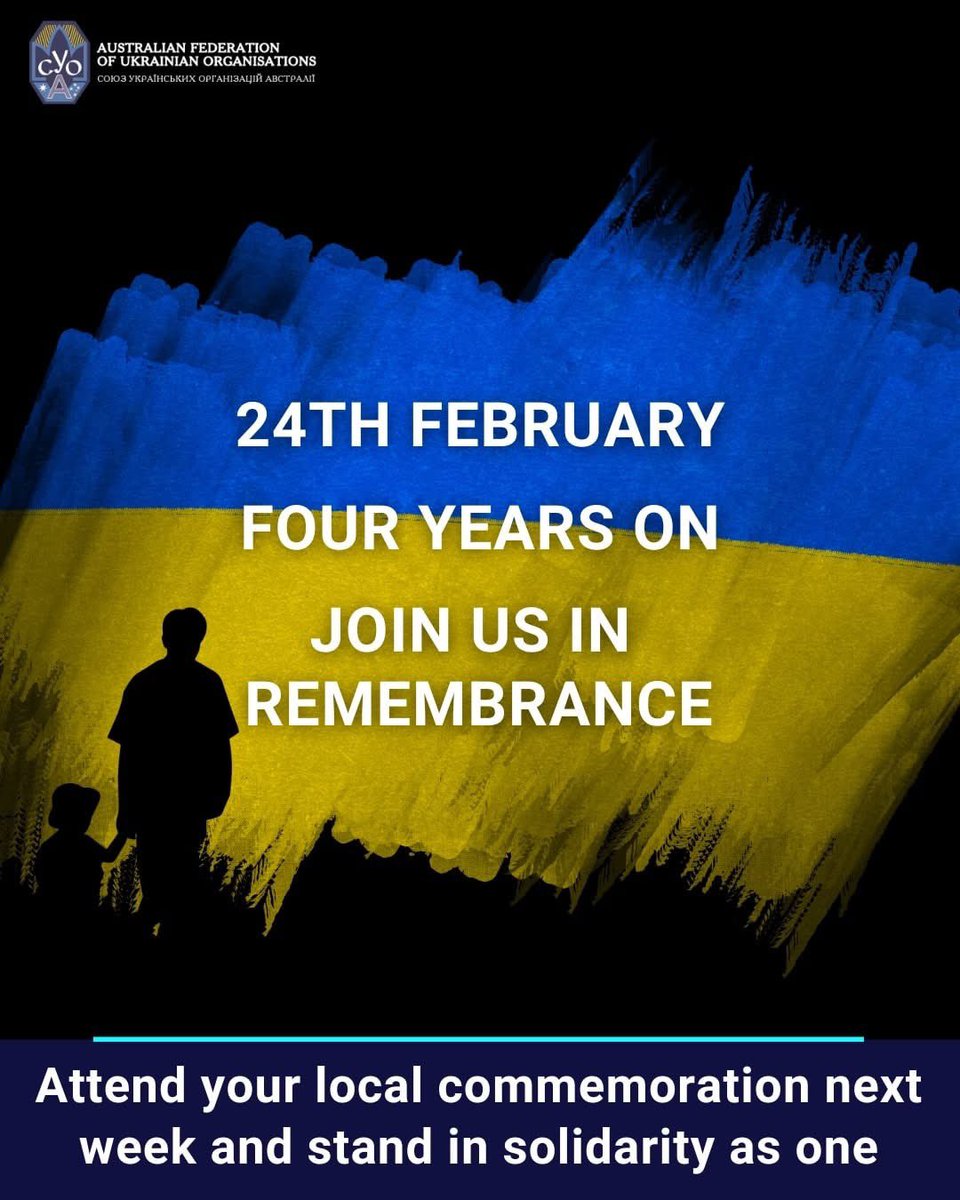
Four years ago, Russia launched its full-scale invasion of Ukraine…Four years of loss. Four years of courage. Four years of defending freedom.
I call on my Australian friends to stand with the Ukrainian community in capital cities across Australia. Join us in Sydney, 6pm at St Mary’s Cathedral Square.
Full list of events: bit.ly/4kqUAfi
Your presence matters. Ukraine is not alone. 🇺🇦
19
112
373
13,486
when #peerreview includes a statement that no AI systems were used in the process of study evaluation, yet the peer review report includes:
🔬 Study Design and Methodological Rigor
📊 Data Extraction, Reporting & Analysis
📚 Literature Review and Contextualization
😳😳
1
2
187
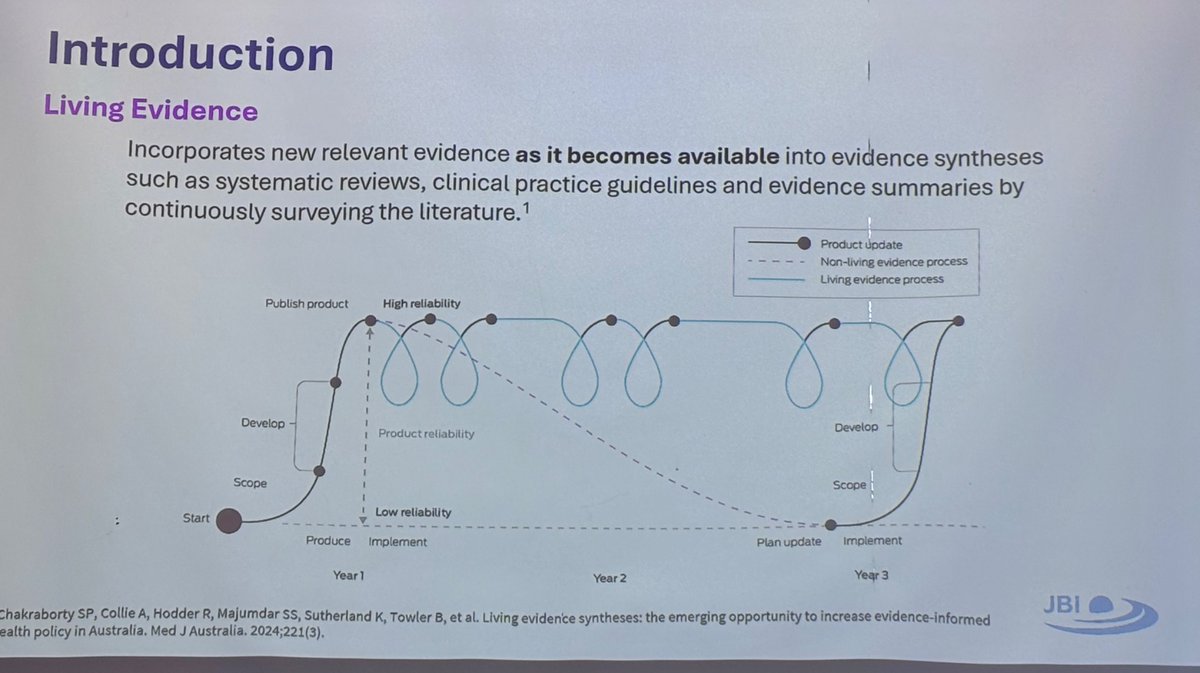
Dr Ashley Whithorn on living evidence rapid reviews and automated surveillance methods in Transfer Science
2
65
Craig Lockwood, RN, MACN retweeted
Jan 26
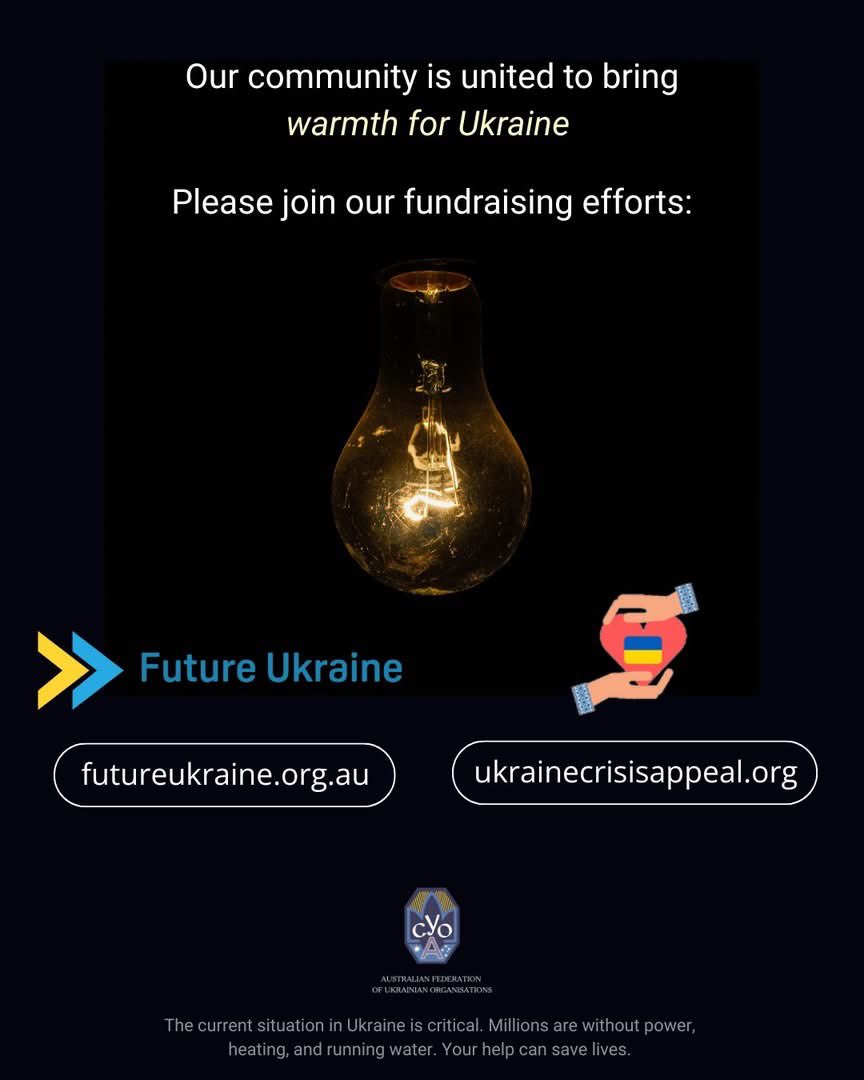
As Russia has weaponised winter, I urge Australians to support the Warmth for Ukraine fundraising campaign launched by the Ukrainian community.
The situation in Ukraine is critical:
⚠️ Millions of people are without electricity, heating, or running water
⚠️ A state of emergency has been declared in the energy sector
⚠️ Every power plant in Ukraine has been targeted by Russia
⚠️ Temperatures are plunging to –20°C overnight
📢 Please consider donating to the AFUO-supported campaigns:
💙 Ukraine Crisis Appeal: ukrainecrisisappeal.org
💛 Future Ukraine – Warmth for Ukraine: futureukraine.org.au/events/…
Every contribution helps keep families warm and saves lives this winter.
6
104
184
3,502
The number of duplicate submissions in 2026 is already concerningly high! Authors who think they can publish the same work with the same methods & same data in multiple journals risk being excluded at the level of publishing houses, not journals.
cheat at your own risk!
1
75
Advances in systematic review methods via AI is the most current hot topic; but there is deeper work to talk about. Testing the limits of traditional review methodology without immediately seeking a transition to AI thinking 'faster is the answer'. Read more: @trishgreenhalgh
1
52
Craig Lockwood, RN, MACN retweeted

23 Dec 2025
Many questions in healthcare research involve a notion of cause and effect, so it’s no surprise that causal inference is currently undergoing a surge in popularity in health research.
Health researchers need to fully understand the underlying assumptions
bmj.com/content/391/bmj.r261…
7
55
211
25,265

9 Dec 2025
to be very clear, this is unethical, unacceptable and will always result in a public name and shame...
54
6 Nov 2025
How about editorial process?
3 Nov 2025

MDPI is committed to increasing transparency and embracing openness throughout the research process.
Open peer review is one way MDPI shows its commitment to enriching the scientific record by ensuring transparency and openness.
1
62
16 Oct 2025
Is there a worse airport than @SydneyAirport for transfers? 3 busses - 20minute waits between busses…people missing flights all morning.
102

In recognition of #WorldHeartDay, JBI is offering free access to #Cardiovascular #EBP resources from the JBI EBP Database on #AtrialFibrillation & #CardiovascularRiskFactors.
📩Download the free resources: ow.ly/q16w50WZWOO
#JBIEBHC @worldheartfed
ALT Blue and purple background with text overlay - Download free access EBP point-of-care resources from the cardiovascular field. JBI EBP Database. JBI logo
3
5
898
22 Sep 2025
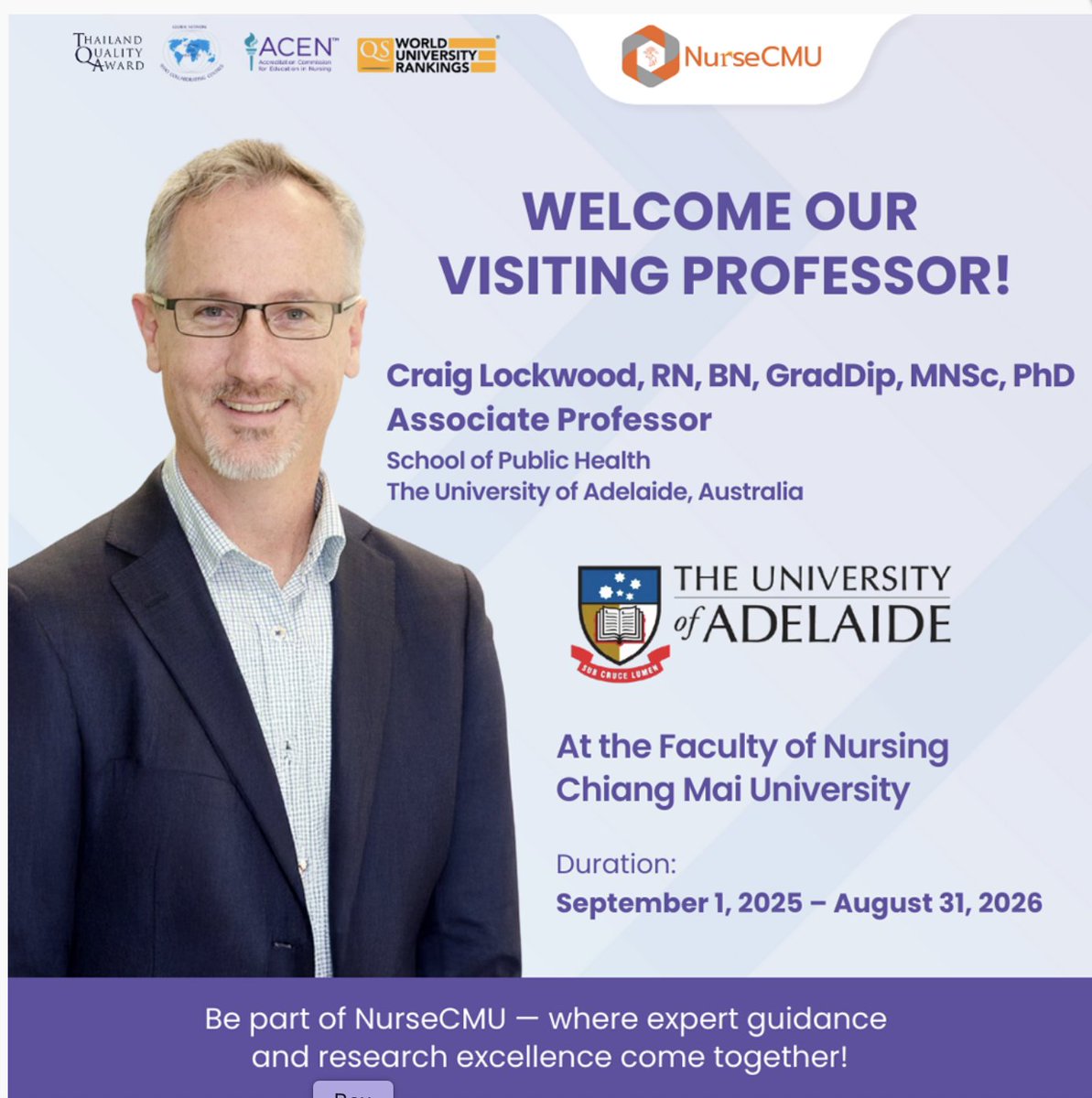
Very much looking forward to representing @UniofAdelaide, School of Public Health, JBI and working with the Faculty of Nursing, @cmuofficial_tw, a great university with dynamic Faculty leadership.
2
102
Craig Lockwood, RN, MACN retweeted

13 Aug 2025
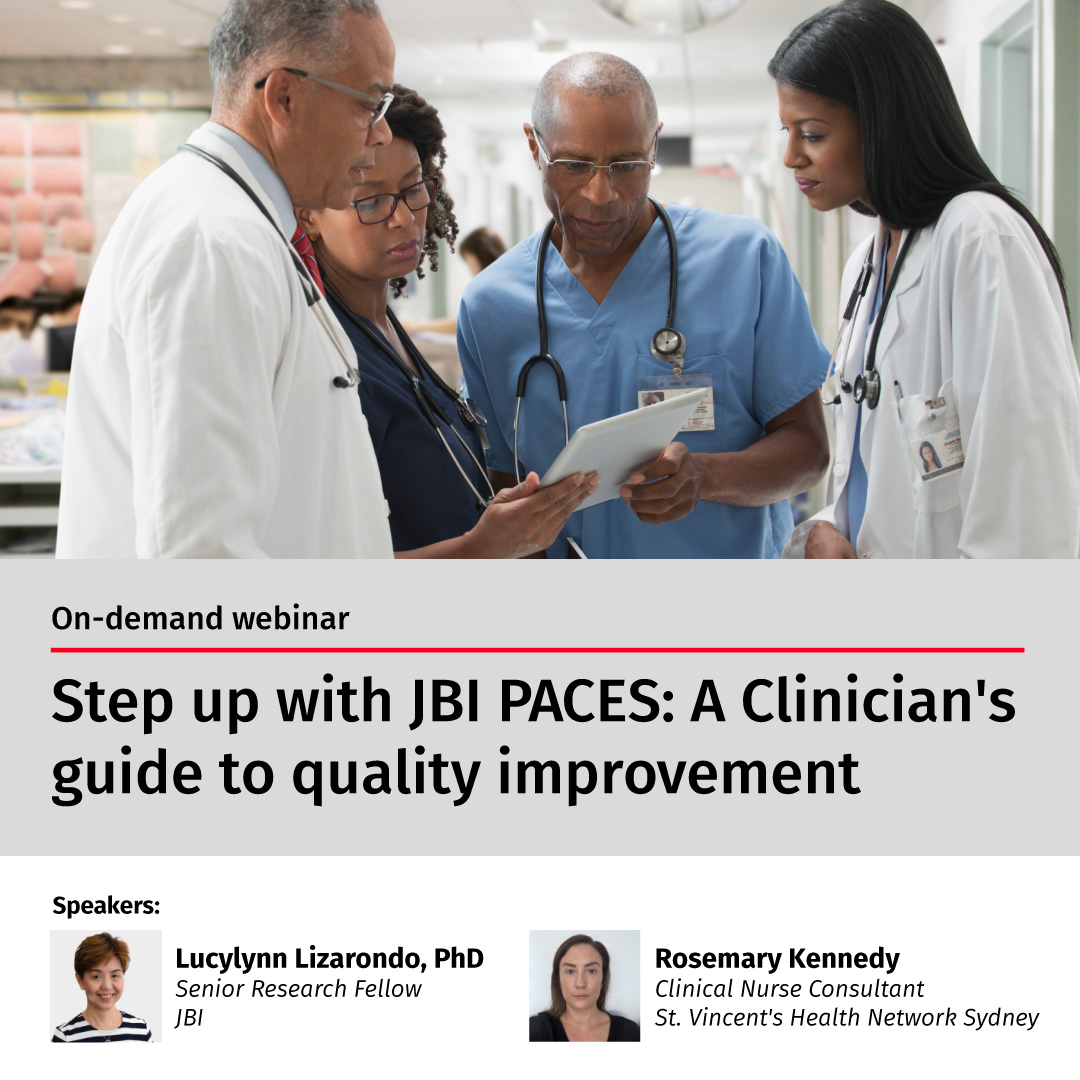
Improve care outcomes with evidence-based QI strategies. This @JBIEBHC on-demand session supports clinicians in driving sustainable, patient-centered improvements. Watch now: ow.ly/VcbQ50Wycek
#ClinicalExcellence #QualityImprovement
1
3
4
258
Dr Sonia Hines and Dr Hien Ho, emphasise the importance of developing and publicly registering an a priori protocol in the latest 'editorial in motion'
Watch here at ow.ly/Cl5B50WsowG
#JBIEBHC #EBHC #EvidenceSynthesis #Research

2
6
317
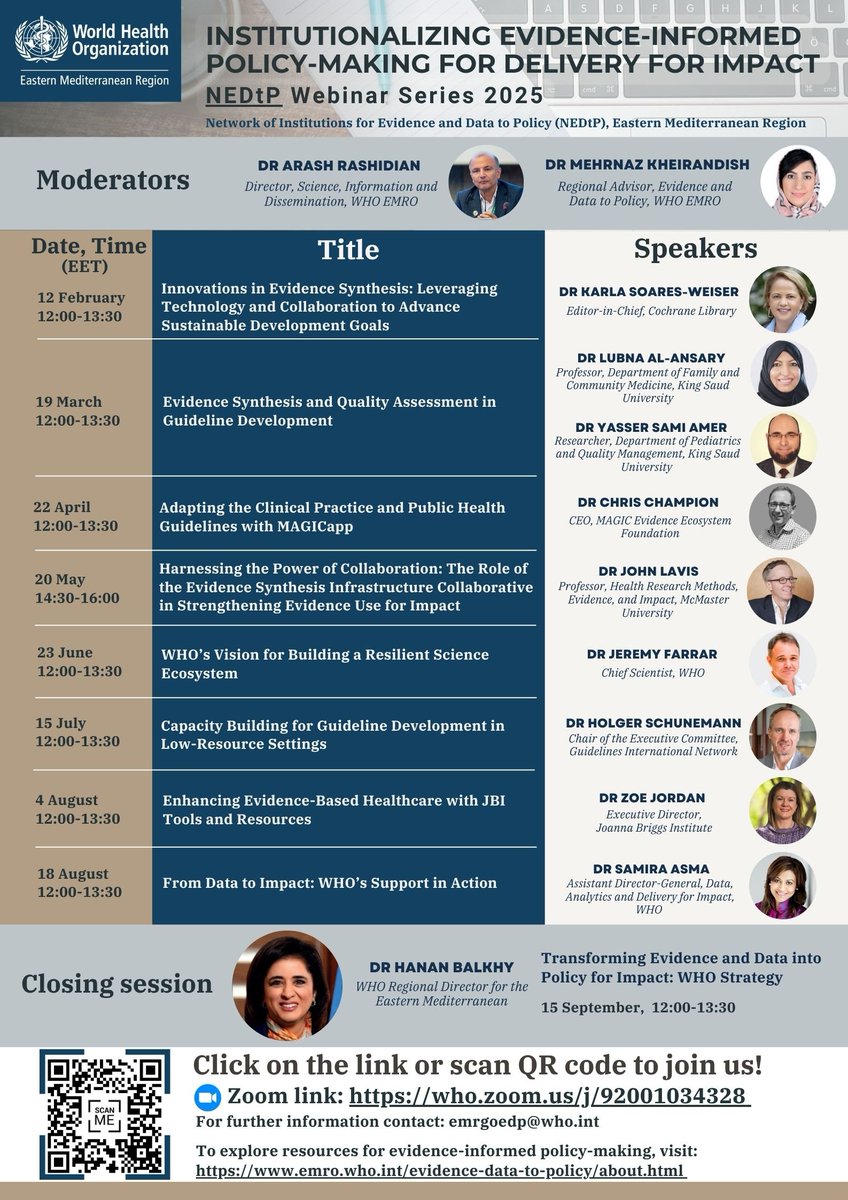
Join Prof @zoejordan15, Executive Director at JBI, for the webinar, 'Enhancing Evidence-Based Healthcare with JBI Tools & Resources' as part of the NEDtP Webinar Series @WHOEMRO.
Mark your calendars for 4 August 12pm (EET). 🗓️
Access webinar: who.zoom.us/j/92001034328
#JBIEBHC
3
3
365
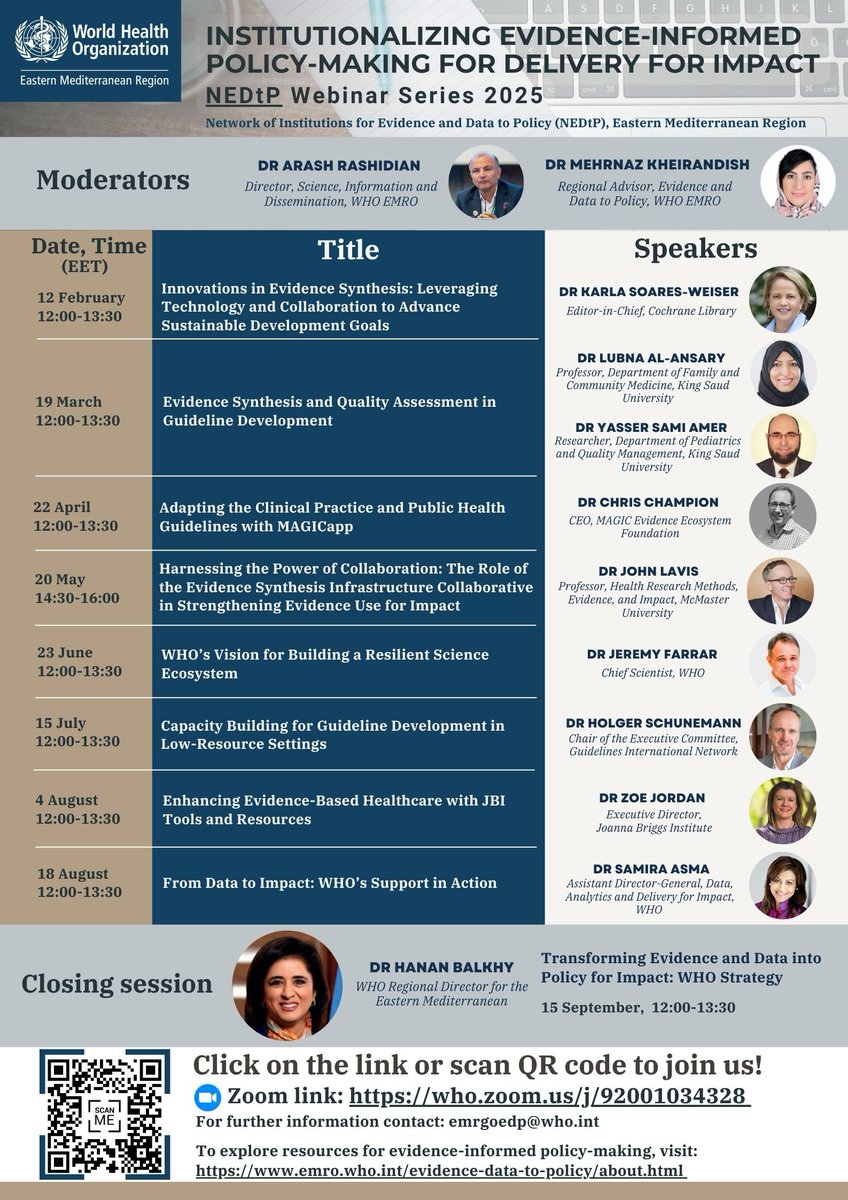
Join Prof @zoejordan15, Executive Director at JBI, for the webinar, 'Enhancing Evidence-Based Healthcare with JBI Tools & Resources' as part of the NEDtP Webinar Series @WHOEMRO.
Mark your calendars for 4 August 12pm (EET). 🗓️
Access webinar: who.zoom.us/j/92001034328
#JBIEBHC
3
3
374
The latest #JBILIVE webinar hosted by @wkhealth and chaired by @alexamcarthur1, 'Putting evidence to work: Practical tools for clinical change' is available to watch now!
Watch here now: ow.ly/xjhL50WfeWY
#JBIEBHC #EBHC #EBP
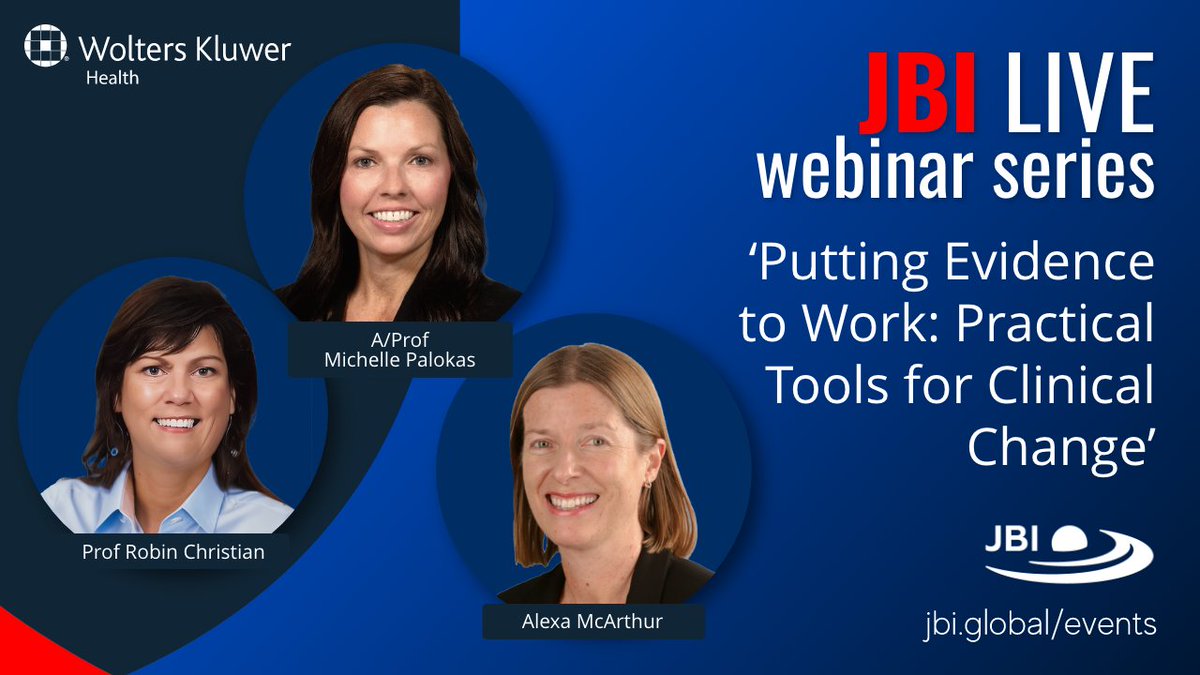
ALT Wolters Kluwer Health. Profile image of Robin Christian. Prof Robin Christian. Profile image of Michelle Palokas. A/Prof Michelle Palokas. Profile image of Alexa McArthur. Alexa McArthur. JBI LIVE webinar series. 'Putting evidence to work: practical tools for clinical change' JBI logo. jbi.global/events
1
220