1,493 Photos and videos


Pinned Tweet

Feb 15
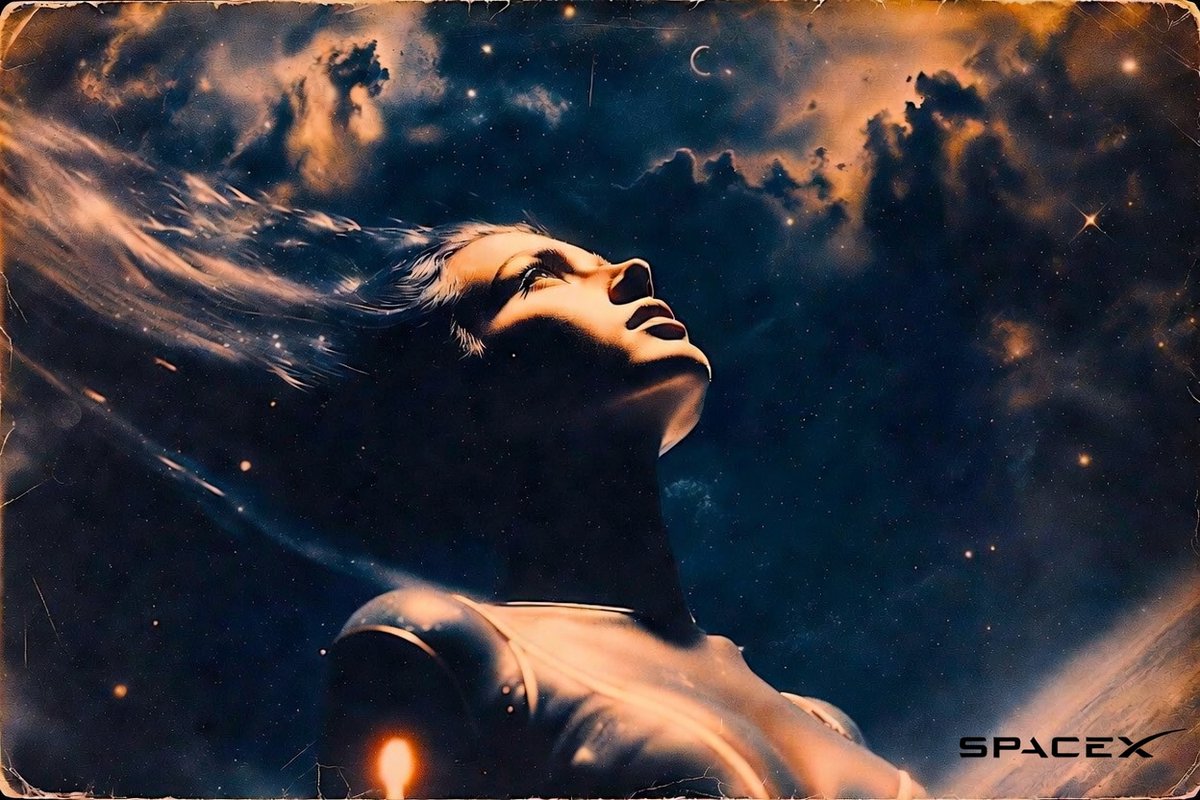
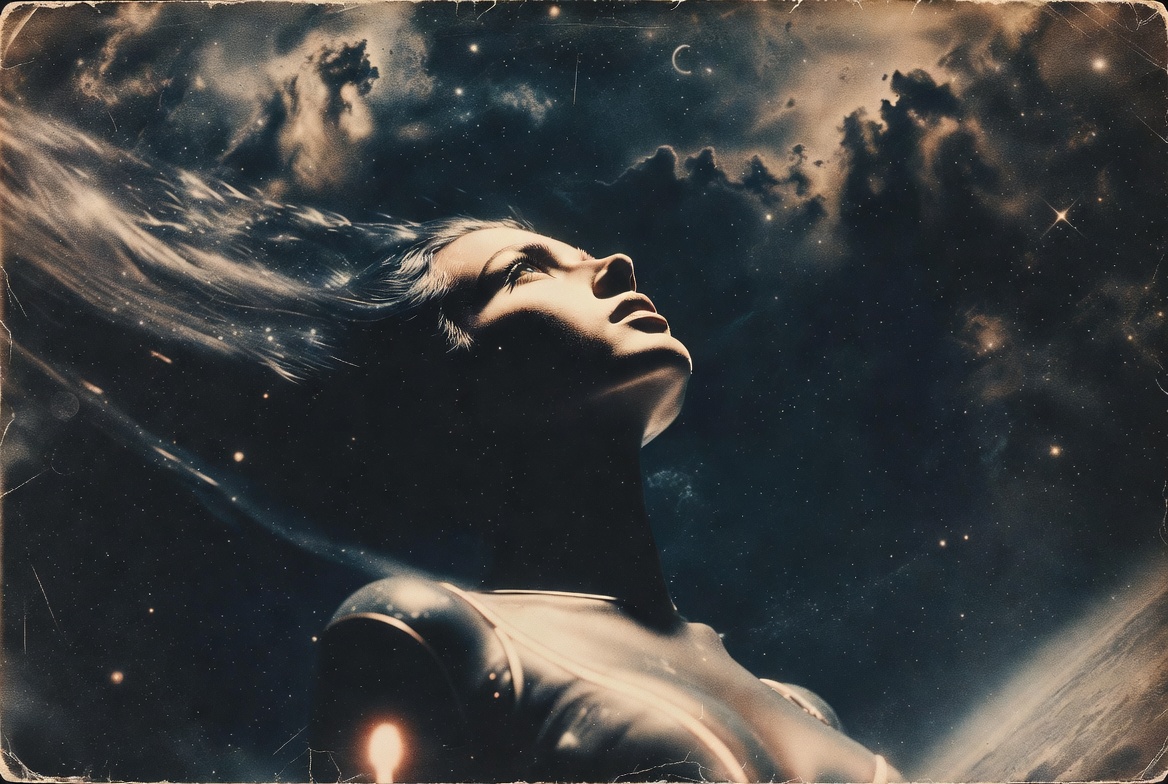
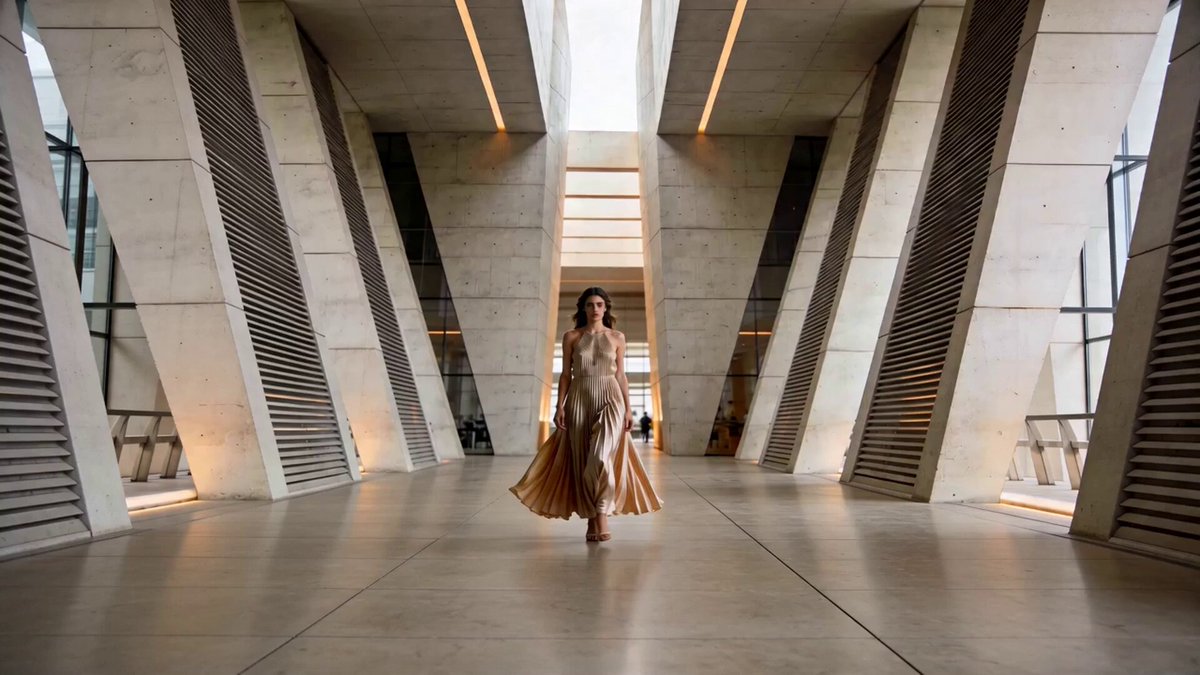
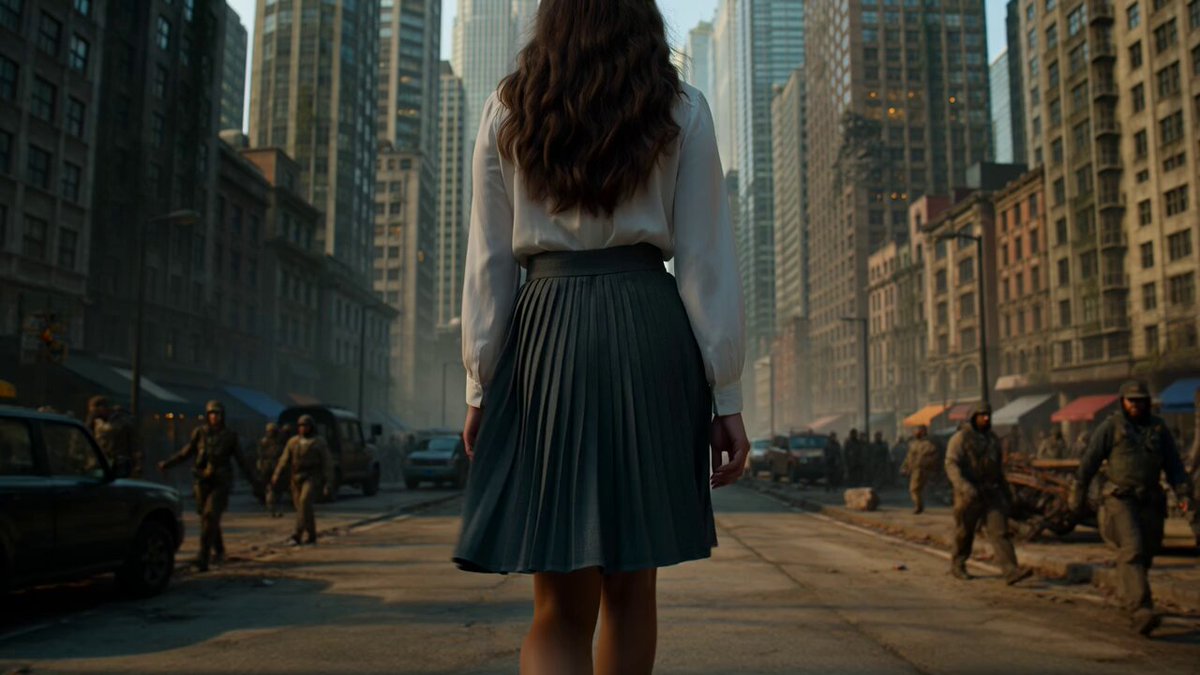
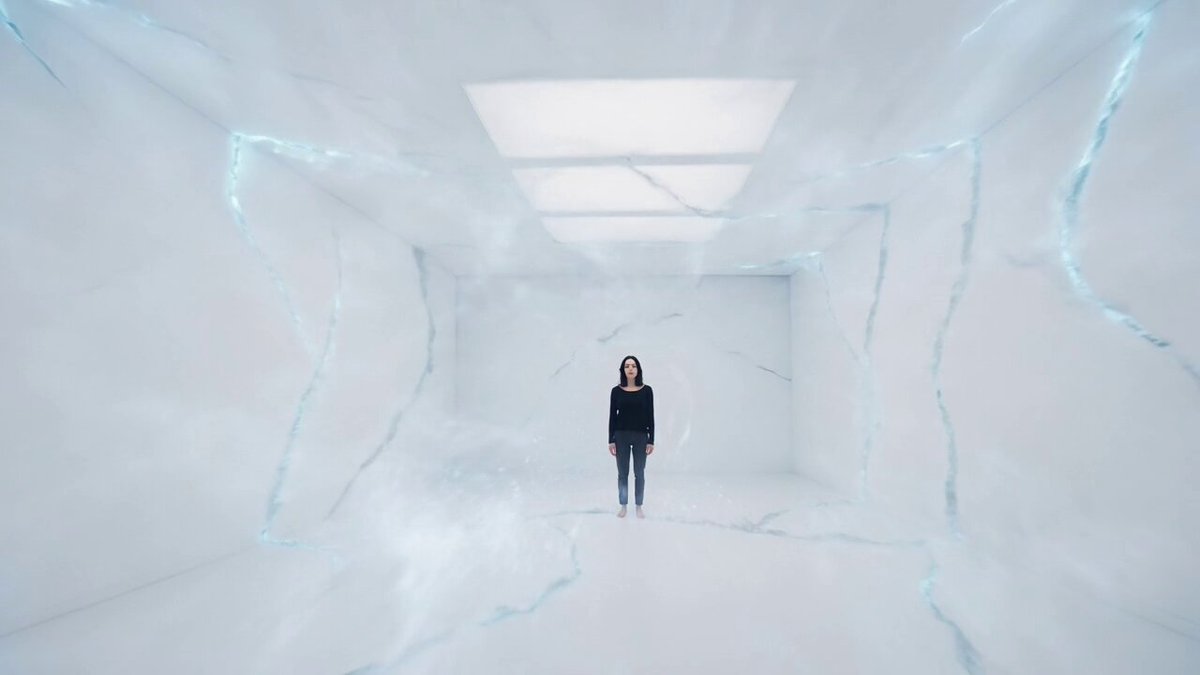
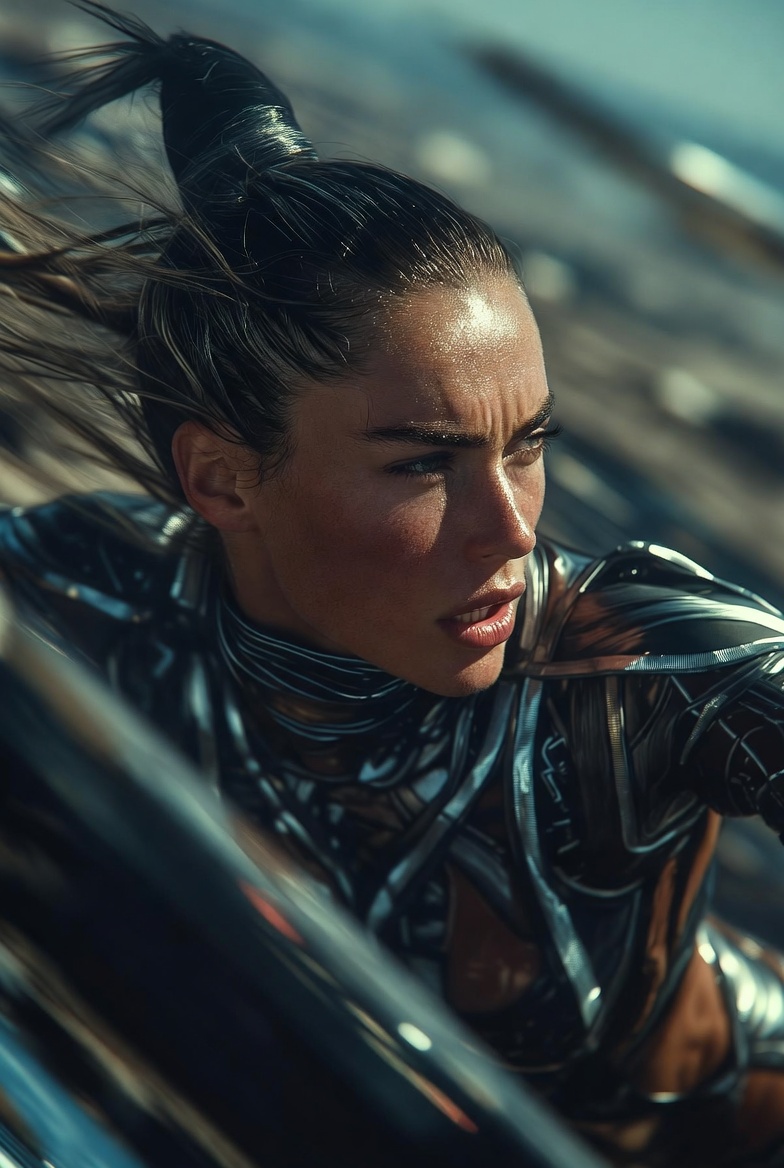
I made this film about love transcending space and time entirely with @grok Imagine. And it was made with the model available to you right now. ❤️🔥
Creating stories that we couldn’t make any other way is what this is all about. Let’s make more? 🚀🪐

8
40
2,709
Jun 12
From a million dollar startup to a billion dollar company and now a trillion dollar one. What a remarkable journey it's been.
Through all of it, one thing has stayed exactly the same. Over the last 2 years I've had the privilege of working alongside some of the most brilliant, passionate, and creative minds I've ever known. Men and women who are truly greater than the sum of their parts.
It's an honor to be part of a team that's going where no company has gone before. I'm incredibly proud of what we've built together, deeply grateful for my team and my time here, and genuinely humbled to work alongside every person who's helped make the mission possible. To the stars.
1
1
17
452
Kevin Creative retweeted

Jun 11
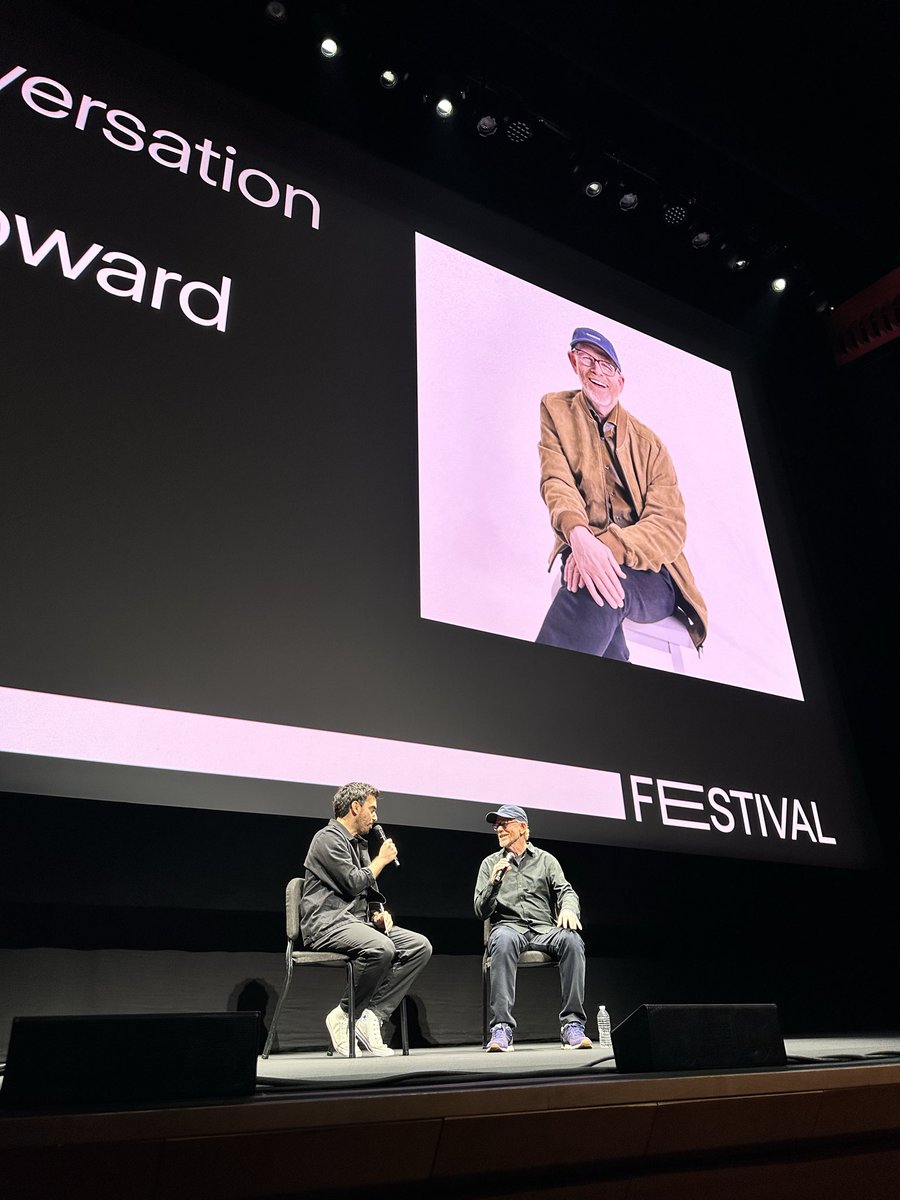
“All of it is using technology for cinema - to tell a story that is in the mind’s eye” - Ron Howard
4
7
57
5,061
Jun 11
Hybrid filmmaking is maximum fun
Jun 11

The only limit should be your imagination! Hybrid filmmaking is the future.
4
594
Jun 11
A studio and an AI lab creating original IP together? 👀
"a slate of co-developed projects blending AI and content, beginning with a short-form episodic series drawing on some of Lionsgate's existing IP and Runway’s generative models."
This is exciting to see

Today, we’re deepening our partnership with Lionsgate with a slate of new initiatives, including a joint development program focused on creating original IP together. Learn more at the link below.
8
702
Jun 10
"I know the sky is not the limit because there are footprints on the moon."
1
3
120
Check out the latest longer form work from the talented @JeffSynthesized and team. Phenomenal cinematic storytelling with the latest tools here.

A warrior survives the deadliest hunt of his life, only to encounter something far more dangerous than any predator.
Featuring a twist that you’ll never see coming.
Directed, generated, edited, composed and mixed by the uber talented @Eike.ai Written and produced by @JeffSynthesized .
4K YT link: youtu.be/McT3lAh2hOU
@EikeAi
@neocinemastudios.
Powered by @Kling_ai
118
Amazing work by @PJaccetturo @karim_yourself and team. Excited to see this materialize!
Jun 5

Ladies and gentlemen, it’s here:
I’m proud to announce that 'Nexus' will be my upcoming hybrid feature film.
Here is a 5-minute teaser, made by 3 people in 2 weeks.
Made with Dreamina AI using Octo & Dreamina Seedance 2.0, full workflow coming soon
1
3
507

Love to see talented creators using what we are building. Excited to see actual stories come to fruition soon as more filmmakers try Grok Imagine. 🎬
1
3
248
Adapt. Adapt. Adapt.

Martin Scorsese Backs AI Company and Says He's Using It to Storyboard Movies: 'We Have to Be Open to How' Cinema Can 'Evolve' variety.com/2026/film/news/m…
1
3
186
May 30
Excellent curated list of creatives here
May 30

I renamed my "AI Artist" list to "Creative with AI" because I don't really care about your arguments that AI can't create art: x.com/i/lists/16970239393385…
AI is for people who are creating things.
2
168
May 30
“The creators you should be paying attention to are not necessarily the ones with the highest view counts. They're the ones who've been doing this long enough to have a real point of view on craft, on ethics, on where the medium is actually going.” 🎯

2
127
Kevin Creative retweeted
May 30
While I believe an artist/filmmaker that is serious about learning, growing and striving for excellence in their craft can achieve mastery with any tool… there is a danger that the artist of tomorrow loses this desire in a market that no longer rewards greatness in cinema. I know that not every digital native editor learned to edit w/ 16mm on an actual flatbed, but there are fundamentals that are grasped as those creatives kept striving to create great stories that are well told.
Even after all these years, I desire to continue leveling up. And while it is hard to take the anti-AI-pitchfork-wielding mob seriously, it is also impossible to get behind the smug “Hollywood is cooked” crowd.
However new filmmakers decide create their stories in the future, it will be important to have a strong sense of cinema literacy, to watch great films, and performances, and to always learn from the masters that came before us.
And definitely in the near term we should consider every angle (including these that are cautionary).
May 29

This morning, one of the most respected directors in animation walked away from a project he was genuinely excited about.
The work didn’t fail. Two days after it was announced, a crowd online decided he was a traitor for touching AI, and the pressure broke him.
He apologized. He dropped out.
He said he’d try to do better.
The mob called it a win.
They were celebrating the wrong thing. In the noise, they buried the one warning that actually matters. A warning the man they just ran off gave two years ago, in his own words.
Back in ‘24, before any of this, @mexopolis said the real danger of AI wasn’t the output. It was that younger artists would never get to climb the ladder and learn the craft the way he did, and that we’d end up with a whole generation that never becomes capable of making anything great.
He was right. He’s still right. And this week he became a casualty of a fight that has completely forgotten his own best point.
So let me say the thing nobody in the pile-on is saying.
AI does not threaten the master at the top of the craft. It threatens the floor that produces the next one.
Think about how anyone actually becomes good at this. Nobody arrives fully formed.
You climb. Film school, if you went. Carrying gear. Second unit.
The commercial. The music video. The cheap, fast, forgettable volume work that pays you to fail in public and slowly, rep by rep, turn into someone with a point of view.
That floor is the entire apprenticeship system of every creative industry. It’s where technicians become authors.
And it is the first thing AI eats.
Not the prestige film. Not the auteur. The bottom rung. The work that was only ever valuable because it was cheap and there was a lot of it. The exact work a model can now do well enough, for nothing, instantly.
So here’s the part that should stop you cold. We don’t lose this generation of filmmakers. The people who are already good stay good. They adapt, they use the tools, they’re fine.
We lose the next generation. The ones who never get the climb. The ones who never get paid to be mediocre long enough to become great.
We’ve watched this movie before, in slower motion. Entire craft traditions have vanished. Certain stop-motion techniques, hand processes, whole ways of making. Not because they were bad, but because the economic reason to learn them disappeared, so no one taught them, so they died. A skill with no market becomes a memory. You can write it down. The writing is not the same as a living practitioner. Ask a dead language.
That’s the cliff. And almost no one is looking at it, because everyone is too busy screaming about whether using AI makes you a hero or a sellout.
Here’s what kills me about that fight: both sides are closer than they’ll ever admit.
The artists refusing AI and the artists genuinely exploring it want the same thing. They both believe the craft is sacred. They both want it to survive. They are, underneath the costumes, the same person, terrified the thing they love is about to be hollowed out.
One side thinks the answer is to refuse the tool and shame anyone who touches it. The other thinks the answer is to master the tool before it’s too late.
Neither answer touches the actual problem, which is economic, not moral: when good-enough films can be generated for nothing, the commodity floor collapses to zero. And when the floor collapses, so does the thing it quietly funded: the apprenticeship, the film schools, the on-ramp. Nobody pays to learn a craft the market no longer rewards.
That’s not a hot take about AI being good or bad. That’s just where the road goes if nothing changes.
The director who walked away this morning already saw all of this in 2024. He named the cliff before any of us were standing near it.
Then we spent his moment fighting about everything except the thing he was right about.
5
1
9
983
May 28
I love to see forward thinkers supporting visionaries that tell their stories by any/all mediums necessary. WonderTV is more than a distro platform for the next gen of creatives, it’s also a place of discovery for audiences starved for well-crafted content. I’m honored to be included in this first cohort of filmmakers just doing their thing 🙏
May 28

Since day one, Wonder Studios has been about one thing - helping creators earn from their craft.
Today, we're taking a big step forward with the launch of Wonder TV 🎬
Every month we hand-pick five filmmakers and feature their work on Wonder TV.
☑️ No algorithm
☑️ No follower requirements
☑️ Just the best work and the platform it deserves.
We’re also making sure that the work we feature is rewarded fairly. Fans can support creators directly, and we pay creators a share of our App revenue.
Meet our first cohort for May and June👇
@CreativeAIgency | @henrydaubrez | @Cont_animation | @uisato_ | @AzeAlter | @edmondyang | Mauricio Sierra | @jordandchesney Alex Naghavi | @YZAVoku
Watch now → tv.wonderstudios.com/?utm_so…
Want in? Join the App and share your work in Showcase where our team is constantly on the look-out for the best creations. 🙌
🔗 app.wonderstudios.com/c/show…
5
241
May 26
"Start with what is right rather than what is acceptable."
-Franz Kafka
2
56