AI Filmmaker & Director 🎥 | Traditional animator turned GenAI filmmaker | Follow for cinematic shorts, clips, stories & occasional AI takes
Joined June 2017
- Tweets 1,699
- Following 517
- Followers 4,293
- Likes 4,783
259 Photos and videos



Pinned Tweet

May 31
For 3 years GenAI couldn't carry a feature. Friday changed that. The question was never if. It was when.
On Friday, the when stopped being a hypothetical.
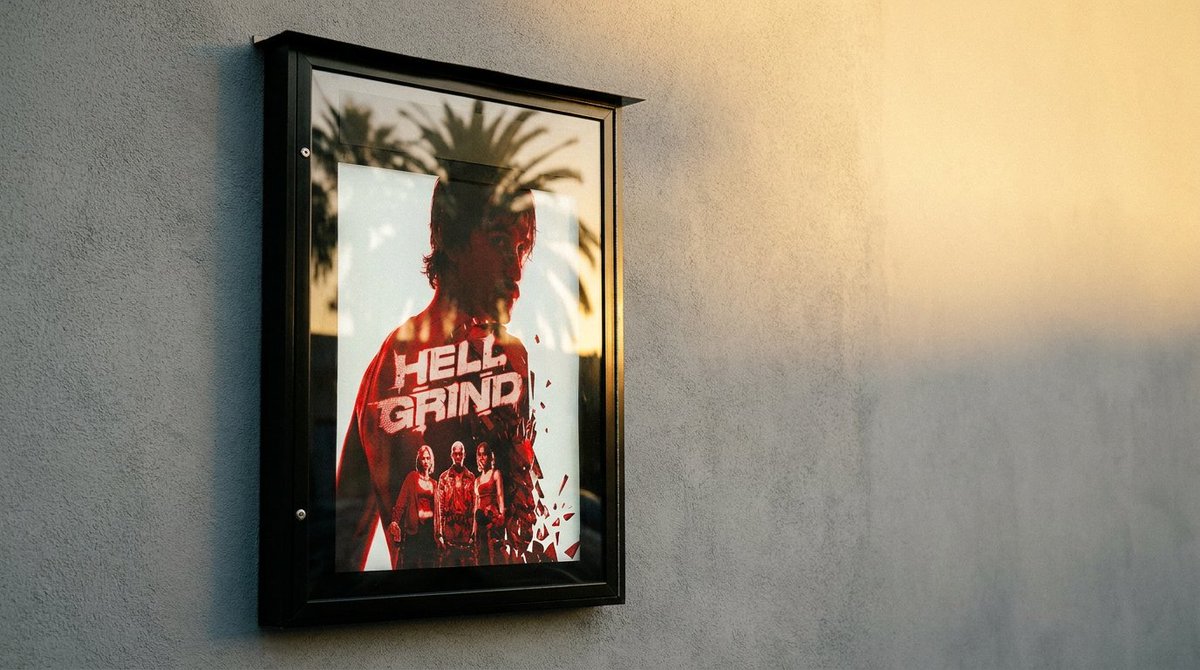
Two days ago, I sat in a packed LA theater, final day of @aionthelot and watched Hell Grind, a fully generative AI feature, hold the big screen from first to last frame. Not just survive it. Hold it.
I've spent the last 24 months telling people the tools are getting close but not ready. That answer changed this past Friday. But what actually happened in that theater in Culver City 2 days ago is not what the headlines are telling you.
Start with the visuals, because that is the part nobody can argue with anymore. The sequences were convincing. It looked like high-end film gear with an 8-figure budget behind it. I've tracked these tools since the beginning, Runway Gen-1 in early 2023, then Gen-2 and Pika end of year. Back then the outputs sat steadily in the uncanny valley, and even with all the improvements, never escaped the gully. Until now.
Filmmakers in this space commiserate about the whiplash. Tools improve so fast that committing to anything feature-length felt reckless. That math began to break down a couple months ago. So when I say we've arrived, I mean it without the asterisk I've carried for two years.
This is not year zero. Some of us were figuring these tools out in '23. I was fortunate to participate as the headline short film for @NemPerez and @swaymolina 's Our T2 Remake (@t2remake), a feature-length GenAI project with 50 artists, that premiered at the NuArt theater in early '24.
The work did not start this past Friday. But it's the day proof became impossible to wave away. Execs, journalists, directors, and VCs sat in that room and watched the thing many of them hoped was still years off. The floodgates are open. There is no looking back.
Which raises the obvious question. Was it a good film?
I'll give you two answers. The first I heard echoed independently by several working filmmakers once the lights came up. It is easily better than half of what's on Netflix. Take that for whatever it is worth, but coming from a room of people who make films for a living, it's not nothing.
My own answer is different. Visually, stunning, mostly. As a story, no. Tropes, clichés, predictable beats, shallow writing. Worse, the story committed a cardinal sin. It turned me against the character I was supposed to root for. And this is exactly where I get conflicted, because I don't want to discourage the one thing I want more of.
Tragedy, despair, moral grayness. These live everywhere in real life and barely live in mainstream films, largely because the gatekept version of this industry rarely greenlights them. I want the next wave of filmmakers to chase those arcs without apology. So I respect the swing. With more time in development, a vile protagonist can absolutely carry an audience the whole way through. This one lost them. More than one filmmaker in the lobby called it a first-year film school script. Every great director started there. I look forward to watching this one get better.
But the story is not the headline. Neither is the craft. The headline is the gap between what this film is and what you have been told it is, and that gap is the real story here. But let's get the craft out of the way first, because it had real problems.
The film needed another pass from an editor, and continuity was the tell. The pacing was jarring. A couch against a solid wall in one shot, then an open room and table in the next. Characters teleporting around, losing track of where they stand in relation to each other between cuts. On a real set, someone whose entire job is catching this flags it long before the edit. To a casual viewer it's probably invisible. To a discerning room the illusion breaks every few minutes, and a broken illusion is aggravating to watch.
I know how hard this is. Holding a set, character blocking, and space steady across thousands of generated clips is brutal right now. Had the artists been given more time to cook, these issues could have been solved.
Next, scale was the other one you couldn't miss. A demon twelve feet tall in one shot, six in the next, nine after that, so the threat keeps resizing itself in your head. The rest was smaller. Lighting that should have matched across a scene drifted. The frame rate was never locked, so the motion stutters in a way you feel before you can name it. Every one of these has a known fix. Non-traditional team, first-time filmmaker, an insane turnaround. They are the casualties of speed, not proof the tools failed.
Quality of the film aside, I do think it's important to separate what was on screen from the story sold around it, because only one of them held up.
The film premiered at Cannes. That is the claim, and while it's technically truthful, it's intentionally misleading. The festival, on the record, after the Wall Street Journal ran the line, stated Hell Grind was not in the official selection. It screened at a commercial theater in town that runs anything willing to pay a fee. The film did not premiere at the Cannes Film Festival. They premiered a press release, and a prestige paper printed it. That is not a slip. It's a strategy, and Higgsfield has built a company on marketing that pushes the line, often stepping over it. Whether you like or not, it works. Their subscription signups prove it works.
The film's stated budget is the same move in a different suit. $500k, they say, against $50m the traditional way. But Higgsfield does not build the models. They wrap them. They put foundational models on a menu and charge a markup. So the stated $400k assigned to compute is their own retail price, set by the same company selling the story. The real number is likely a fraction of that.
The stated $100k left over is supposed to cover a director, fifteen artists, and a theater-grade sound mix. Sound alone can run forty thousand. Split what remains across two weeks and you are paying skilled people a few hundred a day, which works in Almaty, Kazakhstan, but nowhere else.
The key takeaway is the $500k number was designed to be repeated, not audited.
However you feel about this marketing gimmick, for me it poses the question: hate the player or hate the game? I land in the middle. I would not run this play, because some of these moves come due later and that's a risk I would not take. This is a small industry (for now) and integrity matters. But I'm not going to pretend it isn't working. They bought more attention with one screening and one number than most studios buy with a full campaign, for a fraction of the cost, inside the law. For a VC-backed startup, I suppose business is business.
So strip all of that away. What's left is the only thing that actually matters.
Get ready. The next 6-12 months bring a flood of money and attention into this space. I'm already underwater on outreach, less a filmmaker some weeks than a matchmaker. One of the perks of starting in this field back in '22. The strongest genAI creators that I know are constantly turning work away for lack of time. That tells you how early we still are, even a few years in. Expect a wave of red carpet premieres for hybrid and fully generative features before the year is out. I'm making room on my calendar for them.
One last thing, the part I did not expect to care about. The people making waves here are humble. They'll walk you through their wins and their failures in the same breath. Ego mostly gets left at the door, because the only people who lasted this long were the ones willing to keep relearning brutal, half-documented tools.
Yet, those tools get easier every day. Some still insist filmmaking should stay gatekept, that not everyone has earned the right to make a film. Their opinion is irrelevant because that era is over, and saying it louder will not change the trajectory.
Music went through this. Anyone can release an album now. It did not kill music. It detonated a new wave of it, new genres, new artists who finally found their tribe. Filmmaking is next, and a renaissance is coming.
For three years the question was when. Now we have a date. It runs through a theater in Los Angeles, and there's no version of a future where we walk it back.
So I applaud the filmmakers who put themselves on that screen. You paved the first stretch of the road. I'm eager to see where it goes.
10
7
43
2,420
Jun 10
Interesting workflow by @invideoOfficial for ad campaigns. My takeaway for filmmaking: figuring out the agent application order and specific needs for your project is priority one, then once you have the first film complete, you'll be able to recreate similar films much more quickly and cheaply afterward.
Jun 9

This is how the biggest fashion brands use Agent One to build end-to-end campaigns for their new product lines and seasons.
We spent the last two weeks and over $5,000 figuring out the right way to do this - testing models, testing workflows, finding what actually holds across a full fashion campaign until we landed on a repeatable workflow that worked.
The full breakdown is in the video and the thread below.
1
278
Jun 8
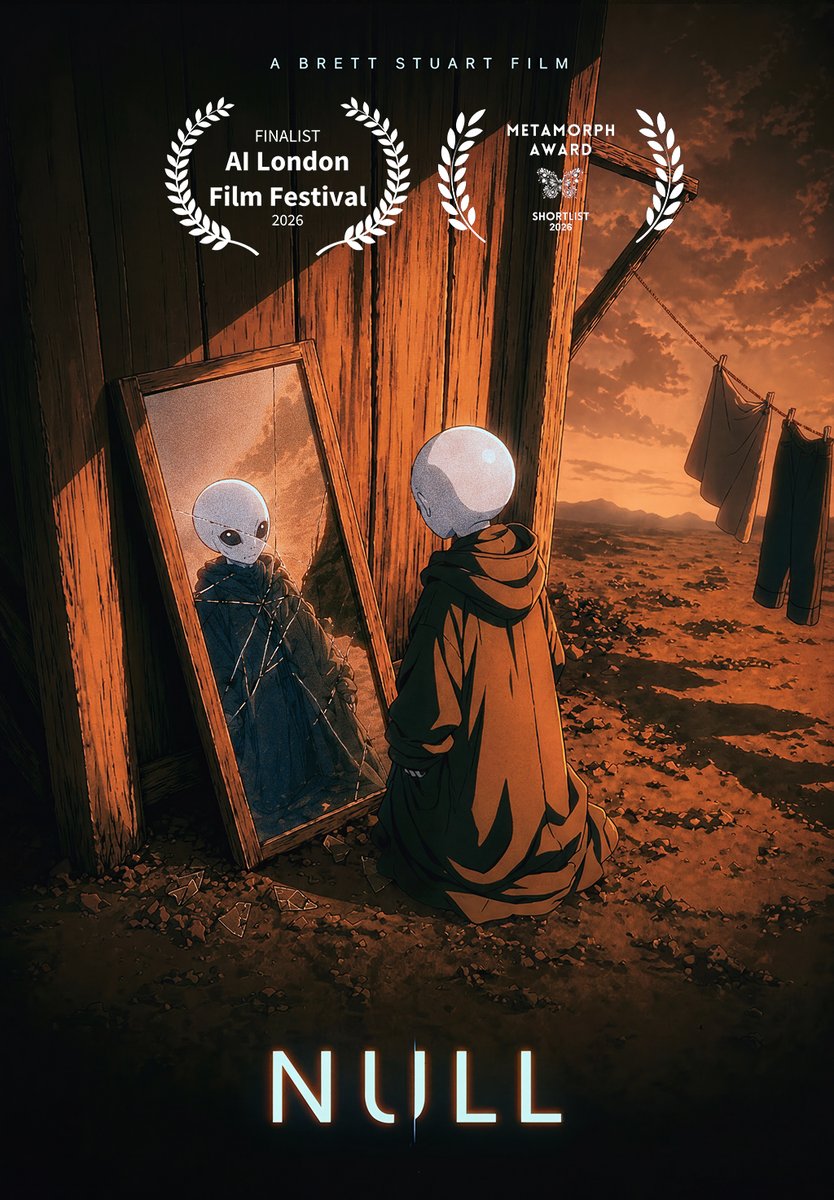
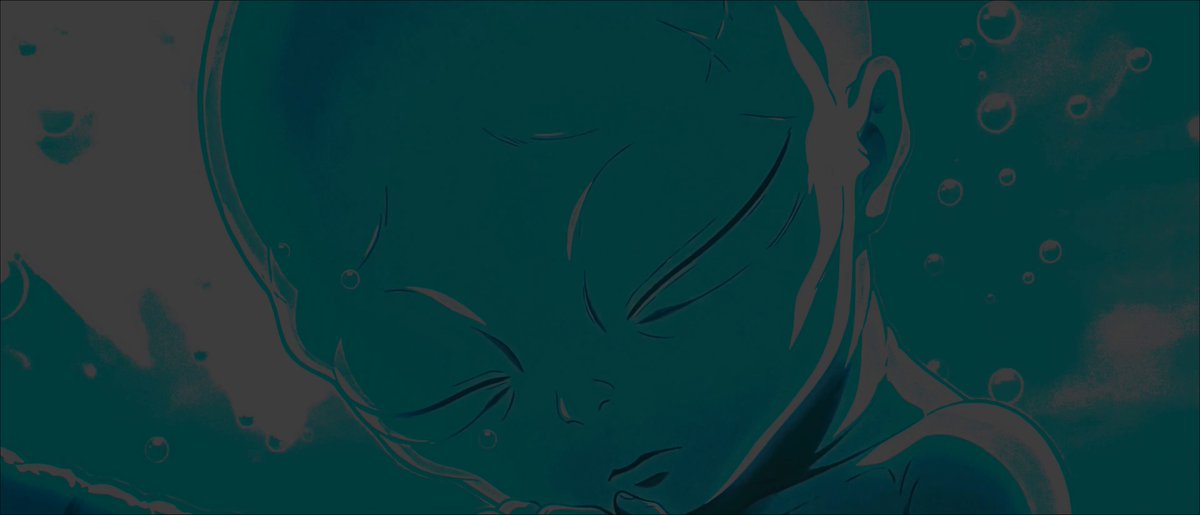
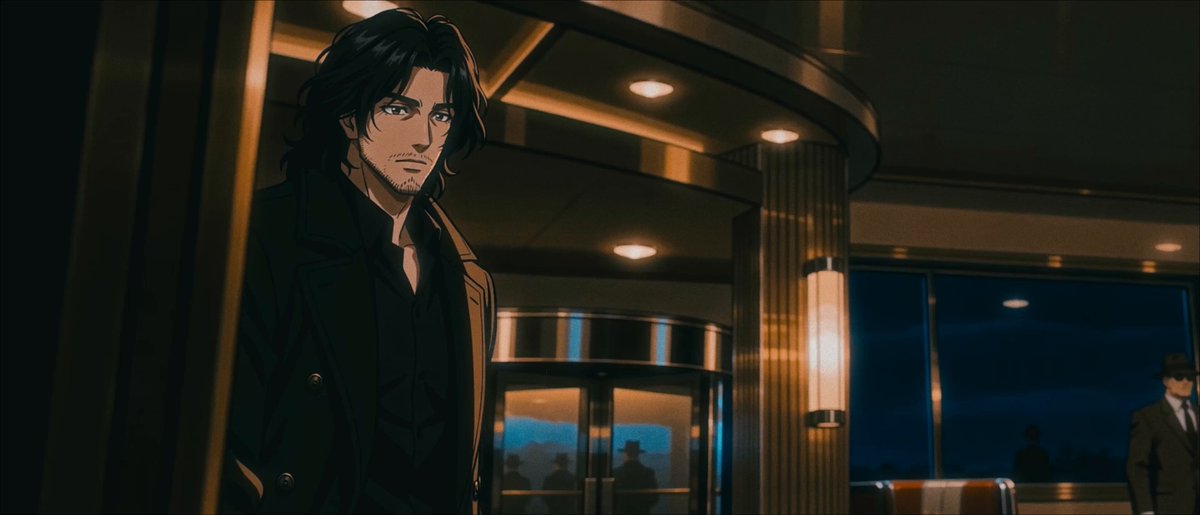
NULL picked up its second laurel this week. AI London Film Festival just named it a finalist, following the Metamorph shortlist.
12
4
44
1,697
Jun 2
The genAI space mostly has the HOW solved, but often treats the WHY as optional.
That's the tell of a technician, not a director. The tool gives you the shot. It can't tell you what it's for.
@jordandchesney shared the thinking out loud, worth the read and a follow.

Anyone can get a 90 second shot with AI, right? Yes!
The first 90 seconds of "The Alliance" are a clear cut example.
HOW you achieve this a pretty straight forward.
But WHY you should do a long shot is the bigger question. After all, storytelling is about communicating very specific things for very specific reasons, and not just doing stuff because it "looks cool".
If you're just flying your camera through an exploding city because it looks cool eventually you're gonna bore your audience.
To me, good blocking and cinematography is all about motivating the audience to genuinely want what I'm withholding.
I want the audience to beg for it!
I want the audience to desire what I'm withholding, so that when I give it to them they are satisfied. And if I want to tell a tragedy, I'll betray that trust and withhold what I've motivated them to desire.
None of this is about tech.
This is all about motivation.
To me, this is what creates a good shot, especially a long shot, because long shots typically ask more of the audience. If you ask for more, you want to give more.
Anyways, most of the conversations surrounding AI filmmaking are about tech, so I wanted to talk a little about the reason behind the tech, the storytelling. I really do hope this helps.
If you want me to breakdown how I got this 90 second shot, just let me know and I'll tell all, but I really do hope "The Alliance" is helpful for more than just the tech. I hope it helps your storytelling.
And I hope you enjoy the ride.
P.S. This is the CENSORED VERSION. See my Highlights for the uncensored version.
1
5
345
Brett Stuart retweeted

Jun 2
the thing we actually want to build is deeper: long-term partnerships with a few serious people. not one-week turnarounds, but the kind of partnership that lets the creator and us get into the depth of real workflows and workarounds on actual projects.
none of that shows up in a single deliverable. it comes from committing to each other and giving the time and space to go deep where someone's already obsessed.
and when the work is real, it travels. the workflows hold up outside the demo. anyone watching can take them back into their own projects - and push the limit a little further than we did.
better for the creator. better for the community. better for us.
67
22
218
11,972
Jun 1
Playing catchup after the AI conference? I am!
If you're looking for a no-nonsense overview of Google's Omni-Flash video model, check out @invideoOfficial's post.
I really appreciate content that gets straight to the point and doesn't waste my time. High value per minute watched! Please make more of these.
May 29
Google’s new model Omni is here. It does video, avatars, inpaint, lip sync, and a bunch more, all in one.
I spent a day running 30 tests to figure out what it can do, where it breaks, and whether it's actually production-ready.
The unlocks, the ceilings, the specs - full breakdown in the video and the thread.
2
531
May 30
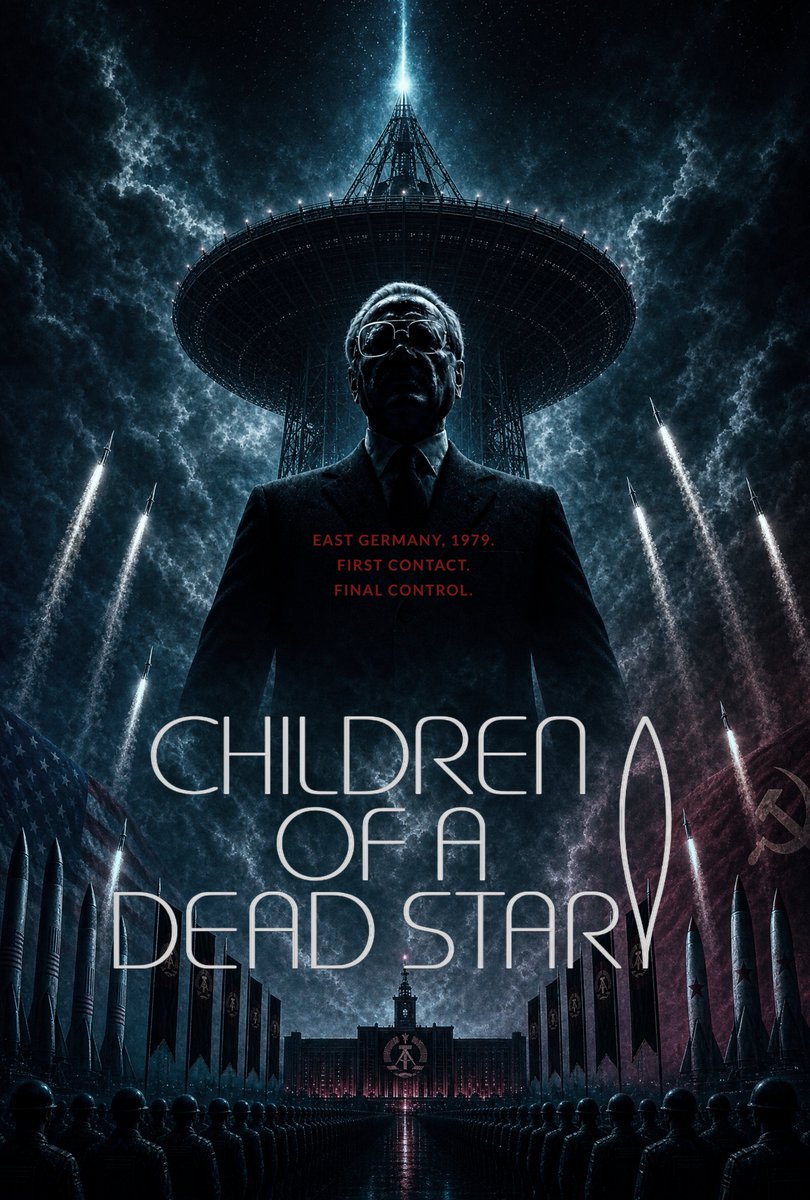
The directorial talent in the AI space is so impressive. We really are headed towards a renaissance in film. Take a few minutes to check out @Magiermogul’s concept trailer for Children of a Dead Star. I’d watch this show in a heartbeat.
May 30

Finally on YouTube: The polished 4K version of my AI concept trailer for "Children of a Dead Star" -- a limited speculative history TV show in development about a memetic alien invasion hitting East Germany at the height of the Cold War.
Yeah, exactly. 🤓 This is what I love love love about AI for filmmakers and storytellers: Undauntedly bringing ideas to life and showing how these films and shows could not actually look like, but especially feel like.
Let's see if this vibes with you: youtu.be/IfScba6NElY
4
1
23
3,926
May 30
Absolutely a must-read for anyone interested in the genAI landscape at @aionthelot.
@BLVCKLIGHTai just saved me 1-2 hours putting this article together! I agree 💯 and have responded similarly when asked.
Looking forward to the next year. Would love to see more of the innovators-creators on stage.

1
2
11
671
May 30
The invideo after party at AI on the Lot was filled with some of the best discussions I had all week from amazingly talented creators. Props to @invideoOfficial for bringing this group together!
May 30
Every so often you look around a room and go: these are the people inventing the future of filmmaking. And they're cracking jokes. So much energy. So much fun. So much still coming. We're so lucky to get to do this alongside them. Grateful to everyone who came out alongside @aionthelot
@Kavanthekid, @mikejmitch, @maxescu, @sferro21, @jordandchesney, @bstuartTI , @minhsmind, Gavin Behrman, Rafa, Karsten.
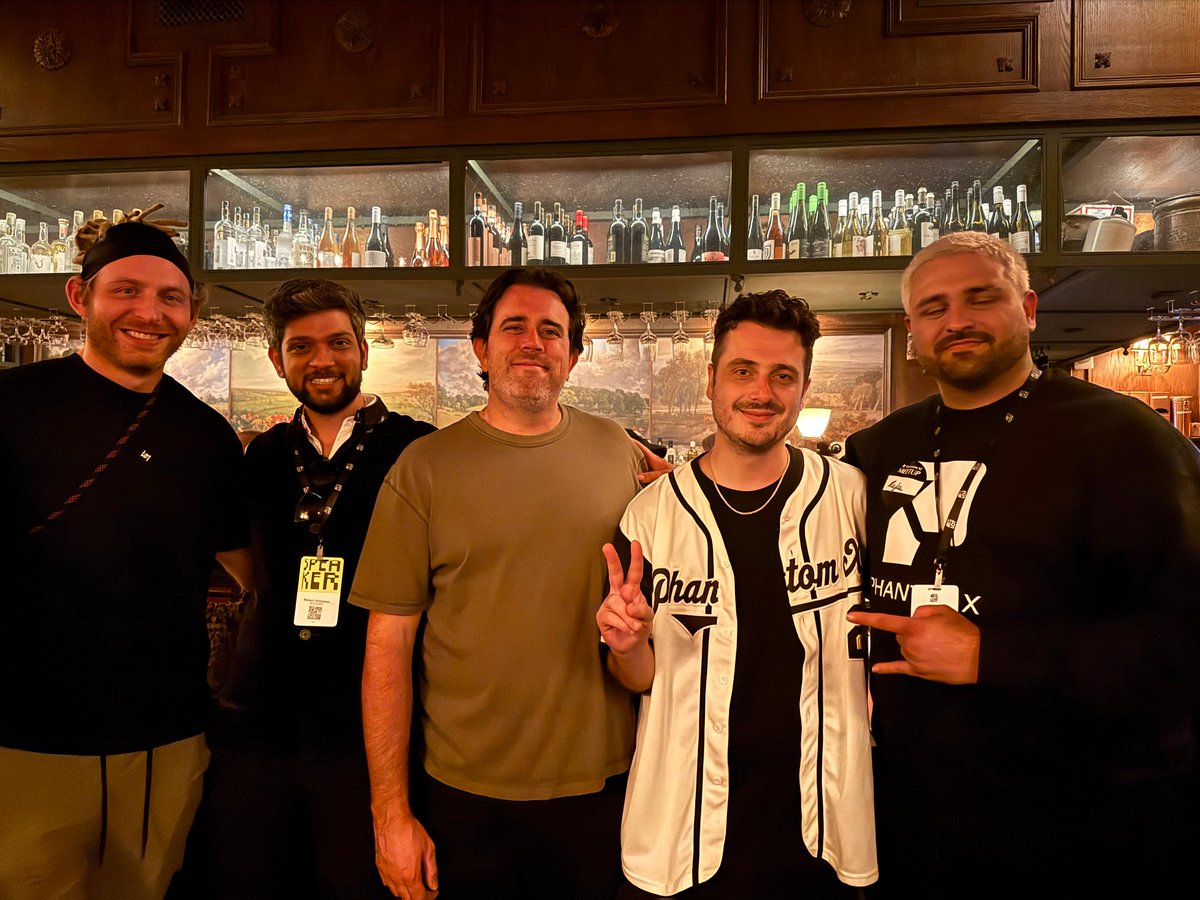
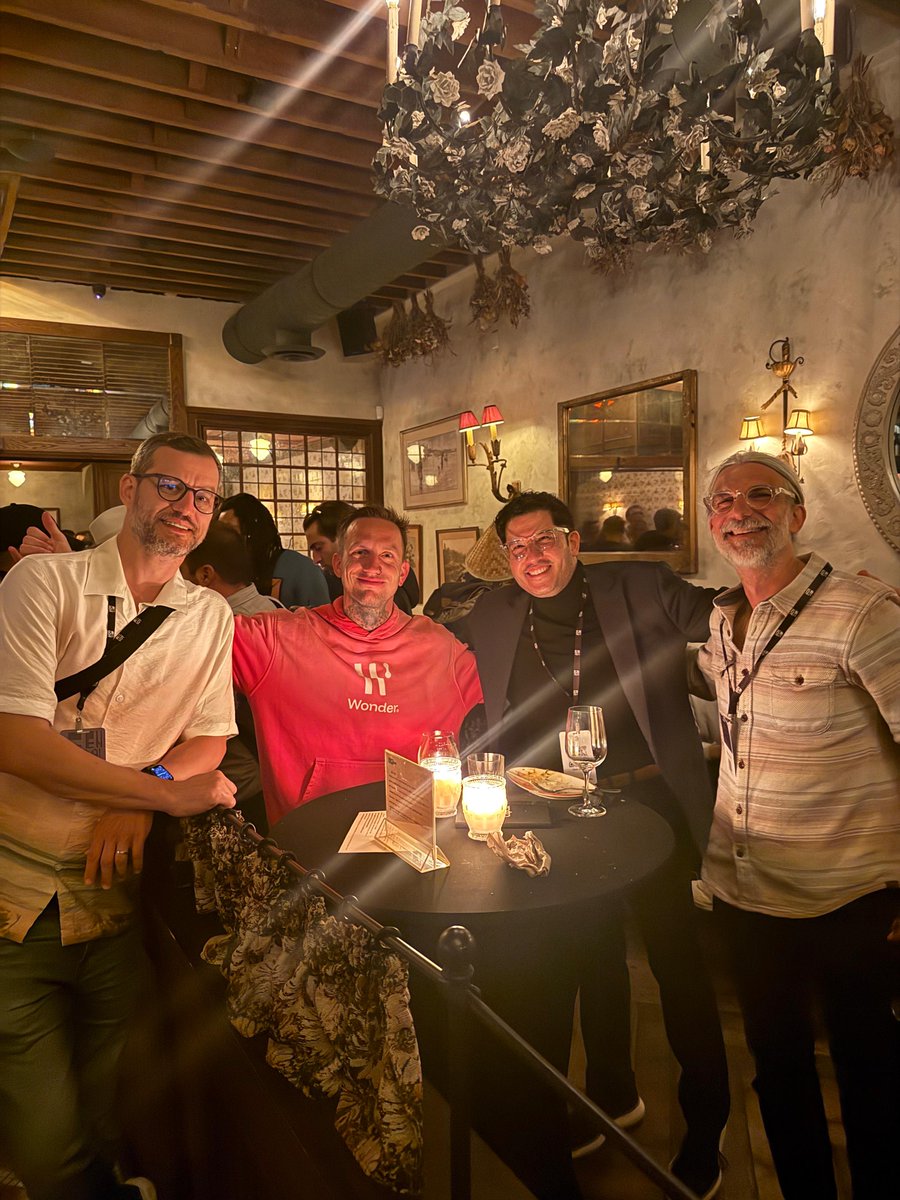
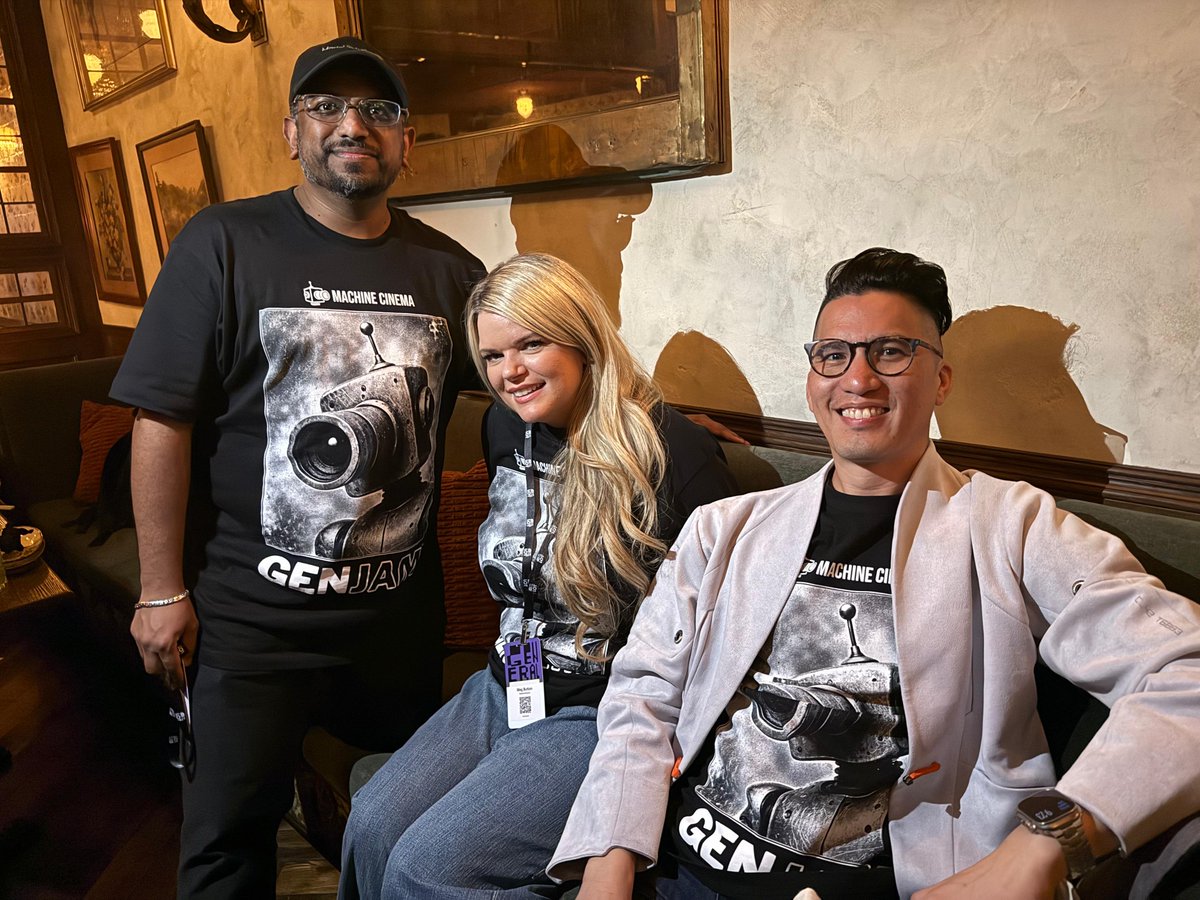
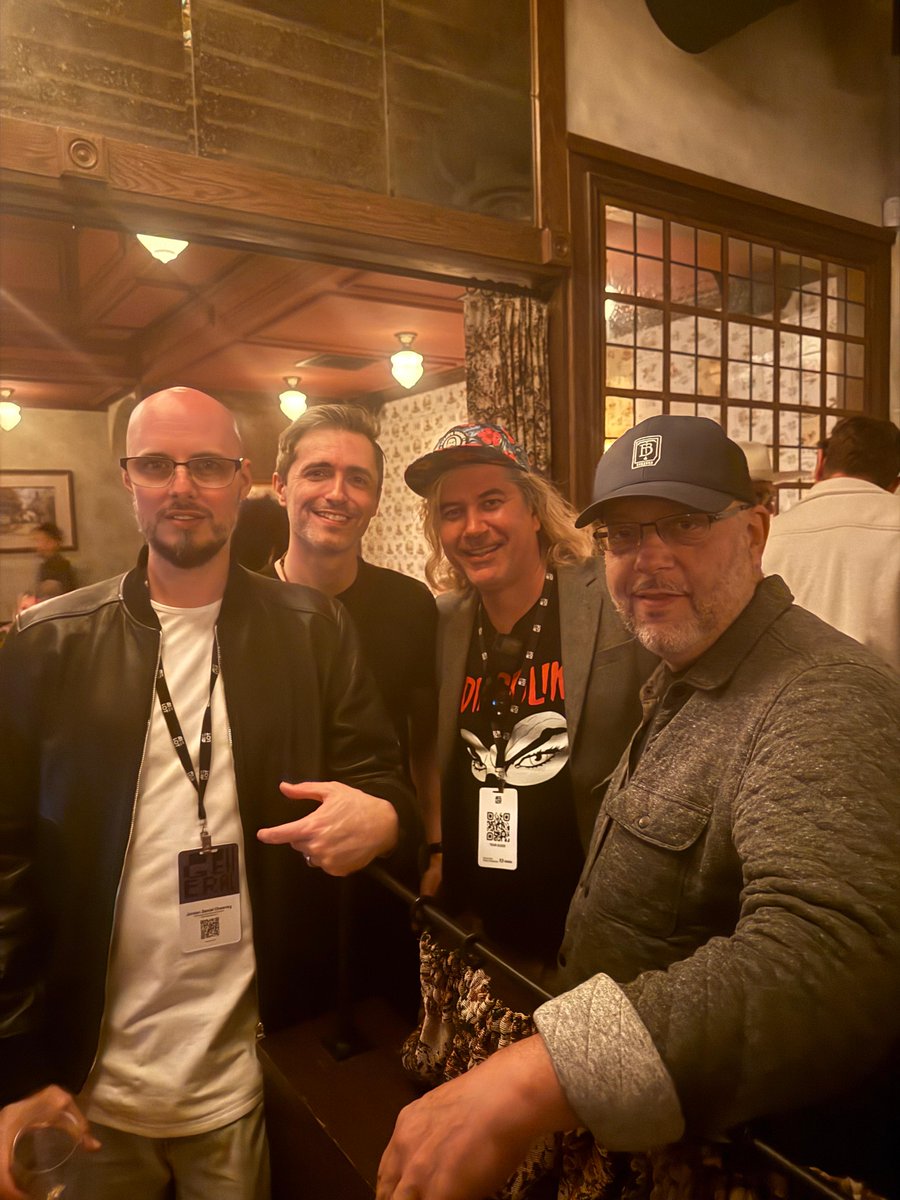
1
7
276
May 29
This morning, one of the most respected directors in animation walked away from a project he was genuinely excited about.
The work didn’t fail. Two days after it was announced, a crowd online decided he was a traitor for touching AI, and the pressure broke him.
He apologized. He dropped out.
He said he’d try to do better.
The mob called it a win.
They were celebrating the wrong thing. In the noise, they buried the one warning that actually matters. A warning the man they just ran off gave two years ago, in his own words.
Back in ‘24, before any of this, @mexopolis said the real danger of AI wasn’t the output. It was that younger artists would never get to climb the ladder and learn the craft the way he did, and that we’d end up with a whole generation that never becomes capable of making anything great.
He was right. He’s still right. And this week he became a casualty of a fight that has completely forgotten his own best point.
So let me say the thing nobody in the pile-on is saying.
AI does not threaten the master at the top of the craft. It threatens the floor that produces the next one.
Think about how anyone actually becomes good at this. Nobody arrives fully formed.
You climb. Film school, if you went. Carrying gear. Second unit.
The commercial. The music video. The cheap, fast, forgettable volume work that pays you to fail in public and slowly, rep by rep, turn into someone with a point of view.
That floor is the entire apprenticeship system of every creative industry. It’s where technicians become authors.
And it is the first thing AI eats.
Not the prestige film. Not the auteur. The bottom rung. The work that was only ever valuable because it was cheap and there was a lot of it. The exact work a model can now do well enough, for nothing, instantly.
So here’s the part that should stop you cold. We don’t lose this generation of filmmakers. The people who are already good stay good. They adapt, they use the tools, they’re fine.
We lose the next generation. The ones who never get the climb. The ones who never get paid to be mediocre long enough to become great.
We’ve watched this movie before, in slower motion. Entire craft traditions have vanished. Certain stop-motion techniques, hand processes, whole ways of making. Not because they were bad, but because the economic reason to learn them disappeared, so no one taught them, so they died. A skill with no market becomes a memory. You can write it down. The writing is not the same as a living practitioner. Ask a dead language.
That’s the cliff. And almost no one is looking at it, because everyone is too busy screaming about whether using AI makes you a hero or a sellout.
Here’s what kills me about that fight: both sides are closer than they’ll ever admit.
The artists refusing AI and the artists genuinely exploring it want the same thing. They both believe the craft is sacred. They both want it to survive. They are, underneath the costumes, the same person, terrified the thing they love is about to be hollowed out.
One side thinks the answer is to refuse the tool and shame anyone who touches it. The other thinks the answer is to master the tool before it’s too late.
Neither answer touches the actual problem, which is economic, not moral: when good-enough films can be generated for nothing, the commodity floor collapses to zero. And when the floor collapses, so does the thing it quietly funded: the apprenticeship, the film schools, the on-ramp. Nobody pays to learn a craft the market no longer rewards.
That’s not a hot take about AI being good or bad. That’s just where the road goes if nothing changes.
The director who walked away this morning already saw all of this in 2024. He named the cliff before any of us were standing near it.
Then we spent his moment fighting about everything except the thing he was right about.
May 29

I have decided to drop out of the AI program at Amazon. I will not be making a Punky Duck series. Actions speak louder than words.
My intent was to showcase artists, both new and seasoned, both inside and outside the studios, driving this new tech.
My sincerest apology to those I upset. I promise to do better moving forward. Thank you for your patience with me. I will try harder.
52
4
96
14,137
May 18
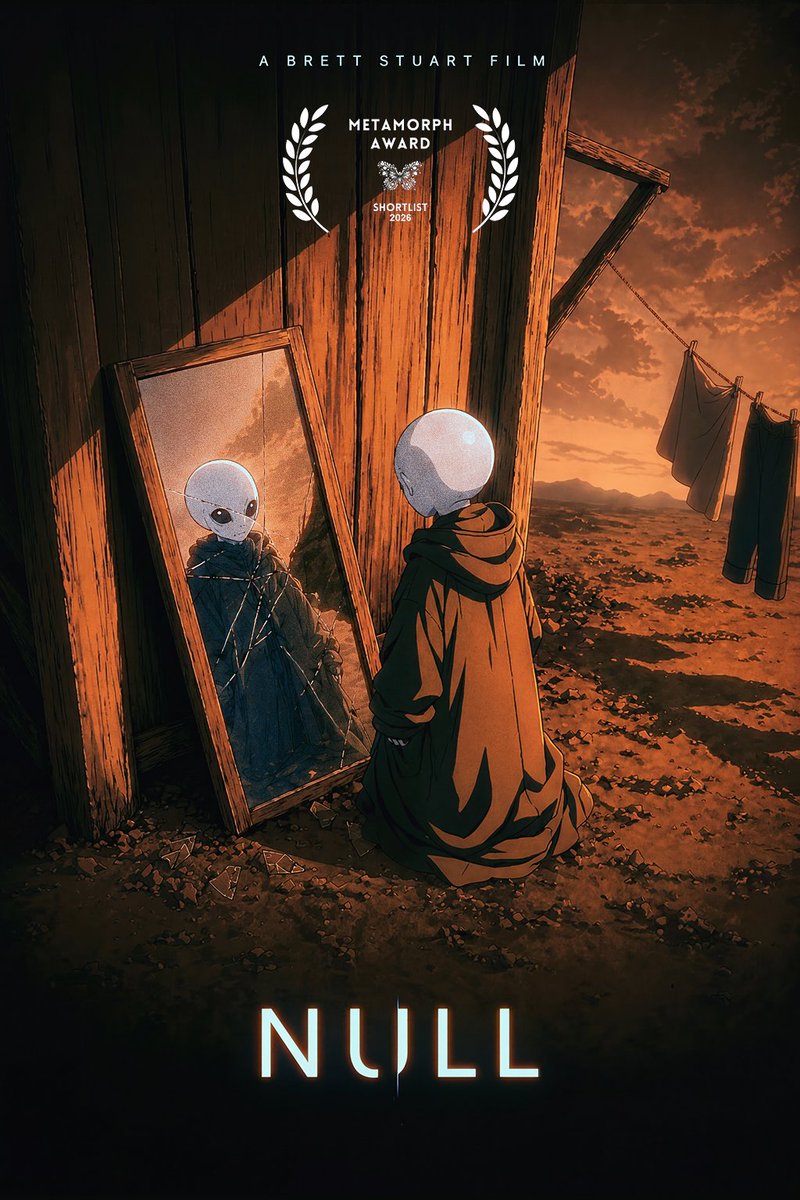
NULL is shortlisted for the MetaMorph AI Award 2026.
15 minutes of finished anime sci-fi. Built in 4 days.
Finalists announced June 9 in London!
Apr 27

This is NULL 📽️🍿
A 15-minute short film.
250,000 Runway credits.
Created in 4 days.
The all-nighters nearly broke me, but this is the thing I’m most proud of making in film or AI.
Thanks for hosting AIF & CPP @c_valenzuelab
Thanks for amazing anime inspo's @PsyopAnime
7
1
59
3,038
May 13
The rich-god poor-god scene had me rolling 🤣. loved the fight-club aesthetic. Influencer-life-coach satire compressed into a five minute short film.

7
1,118
May 13
Fantastic write up by @PJaccetturo. Definitely read the full thread. But 16/ in particular, on how to work with AI and not fight it, is exactly how I try to tell traditional filmmakers they should interact with these tools. @Gossip_Goblin framed it perfectly. A worthwhile read if you're an AI filmmaker.
May 13

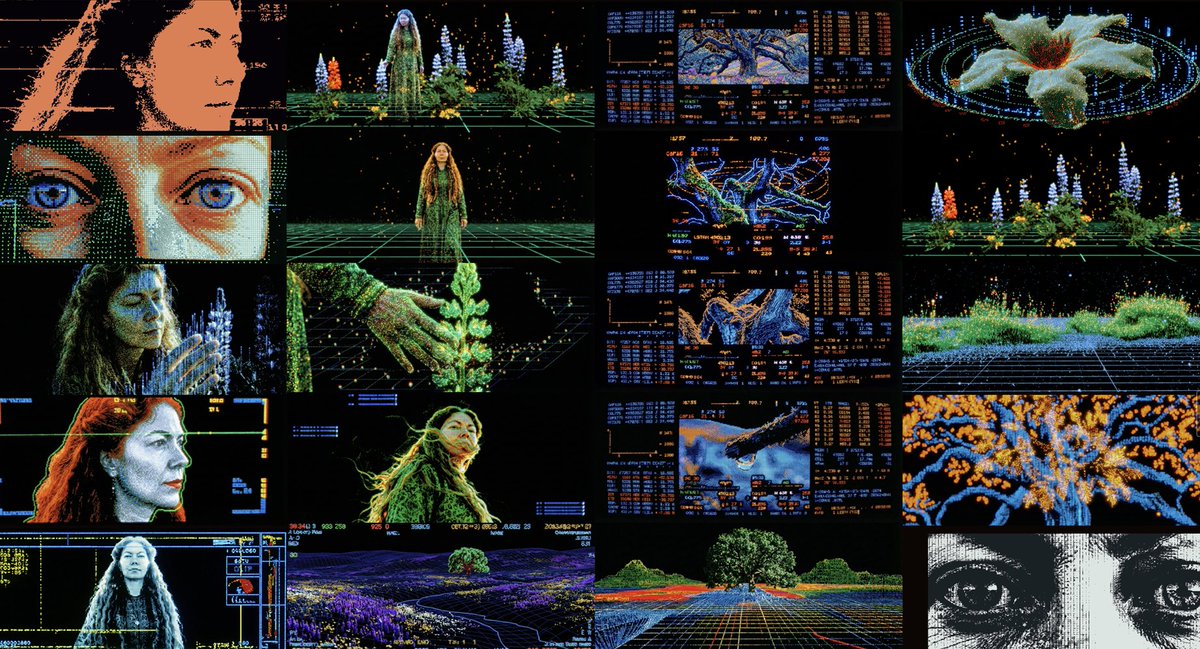
16/ AI is wet clay
This was my favorite line from the whole conversation.
"AI is not going to behave the way you want. It's like wet clay. You understand the medium, you know how to manipulate it, but it has a mind of its own."
If you come from a traditional film background where everything on set is intentional, you'll fight this all day.
The work is more about giving the model the right inputs and being open to the happy accidents than directing every detail.
1
1
11
1,546
May 11
the UFO files just dropped... so I gotta ask: who would you cast as the lead in a Roswell movie that felt like this?
5
3
30
2,261
May 10
be honest... who else instantly cringes when they see the @OpenAI GPT-2.0 watermark? 😩
the diagonal hatch pattern is so loud and ugly it ruins every image and vid. like someone slapped a cheap security screen over a masterpiece.
this one needs a rethink
9
29
3,795
May 7
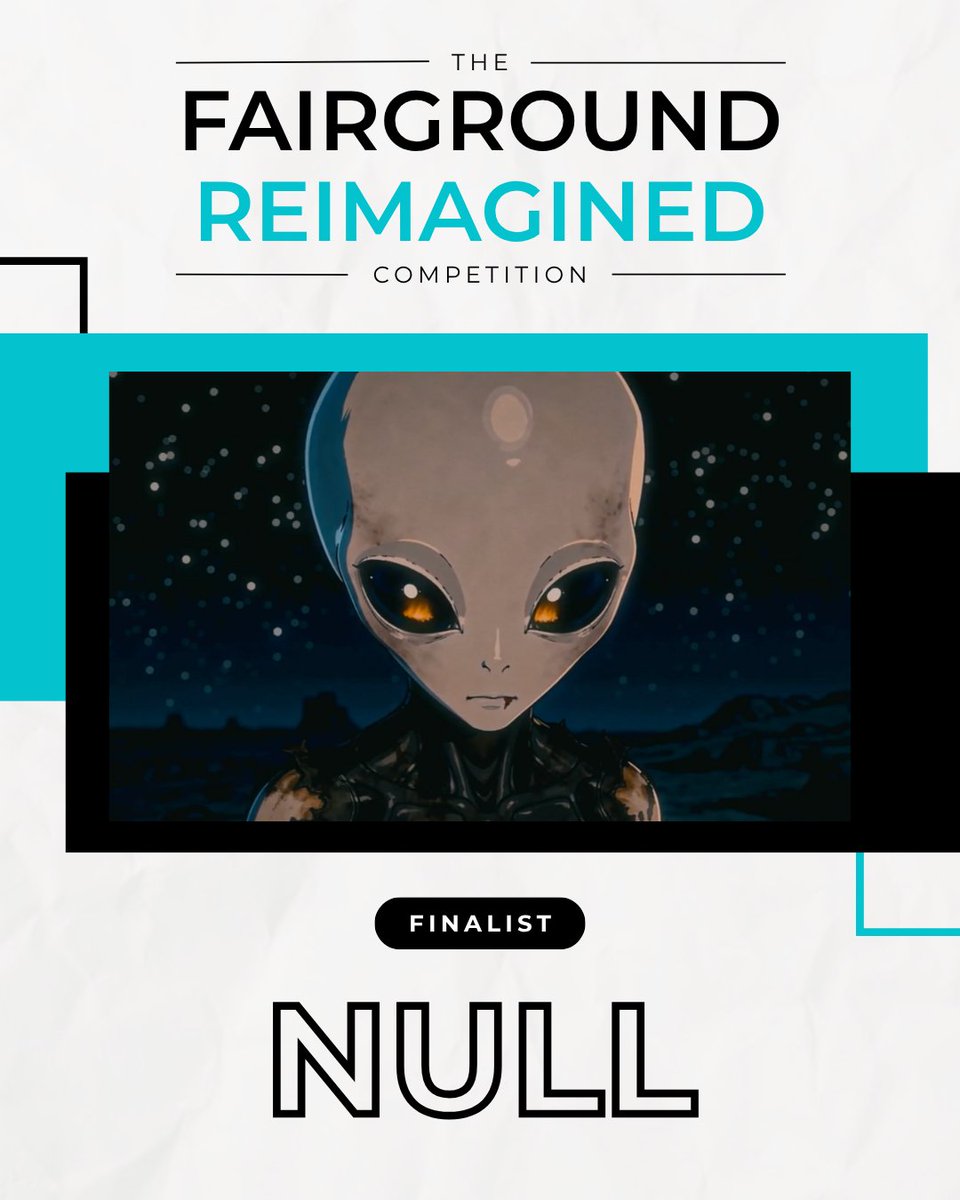
Looking forward to watching the other finalist’s submissions. Thanks @fairground_tv for hosting the event!
May 7

The Fairground Reimagined Finalists have arrived!
Out of 200 submissions, we're proud to announce the 10 finalists of the competition.
These filmmakers took the classics we love, such as Pinocchio, Alice, Sherlock Holmes and Dracula, then reimagined them through the lens of AI-powered storytelling.
The result? Compelling, fresh, and visually stunning cinema.
Congratulations to our finalists:
PINOK IO - Loïc Ramboanasolo (@loicRambo)
The Real Woods - Bridget Fox
I am real, now what? - Rosa Lykiardopoulos
Null - Brett Stuart (@bstuartTI)
Dracula Meets the Walkers - Marcel Rutschmann
Cinderella: The Ash Maiden - Dr Dreams (@drdreams)
ALYCE Sound of Wonderland - Markus Laukkanen (@MarkusLkknn) & Tatiana Laukkanen (@UnmoglichAI)
Alice on Fury Road - Digital da Vincis (@davincisdigital )
Pigs on the Run - Mehdi Saqi (@DrMachakil)
Miss Holmes: Miss Homes: What If Sherlock Was a Woman? - Roshni
To every finalist: congratulations! You showed what's possible when human storytelling and AI filmmaking come together and the results defied expectation.
👇 Finalists, drop a comment and tell us: what was the hardest part of making your film? And everyone else: which title has you most curious?
We'll be announcing the winner on Wednesday, May 13th, so stay tuned!
1
3
293
May 7
Excited to share that NULL is a @fairground_tv Reimagined finalist FAST TV distribution this summer on Roku, Xumo, more.
Winner announced May 13. Stay tuned!
7
1
32
785
May 5
NULL trailer. Anime sci-fi.
If you missed it, full short's on YouTube. (link in reply)
4 day production sprint, $2500 credit spend.
Made with @runwayml (probably one of the best platforms for tooling right now).
Check it out! 🍿🍿
14
10
121
6,689
May 5
3
392