
Joined October 2016
- Tweets 104,303
- Following 2,387
- Followers 12,345
- Likes 68,492
2,470 Photos and videos







Pinned Tweet

Food is not a human right.
Most people assume it must be. Food is a basic necessity for survival, so it feels natural to treat access to it as a fundamental right. But when activists and politicians declare that “everyone has a right to food”, they are not talking about a right in the traditional sense. They are claiming a positive right – an entitlement that others must be forced to fulfil.
This view confuses needs with rights. A genuine right, properly understood, is a claim of non-interference. You have a right not to be killed, assaulted or stolen from. These rights impose a duty on others to refrain from certain actions. They do not require anyone to provide you with food, shelter or healthcare.
A “right to food", by contrast, means that farmers, truck drivers, shopkeepers and taxpayers can be compelled - through taxation, regulation, or outright seizure - to supply it. This turns productive people into obligated servants of those who claim the right. It is not a right; it is a claim on other people’s labour and property.
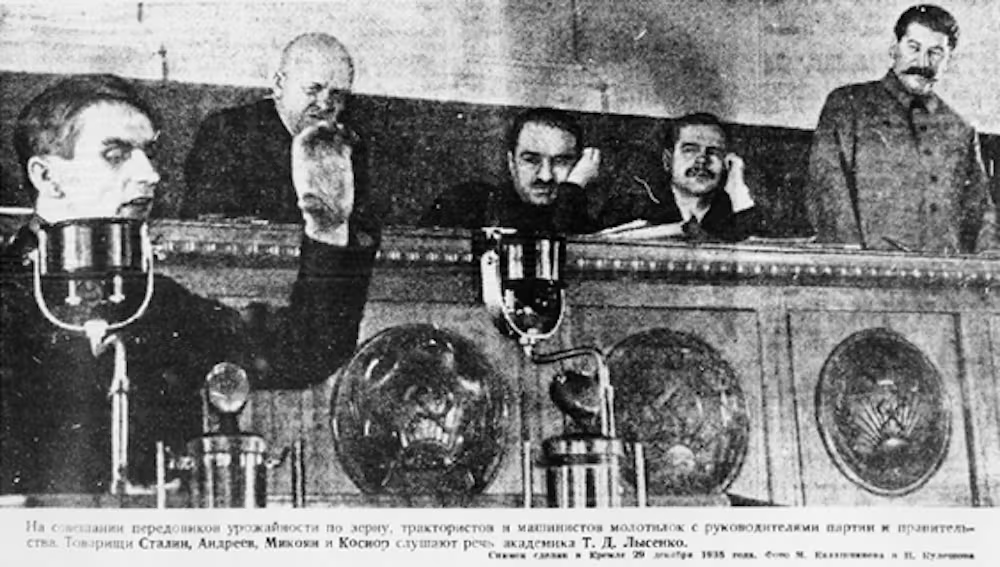
Once the state accepts a duty to guarantee food, it must also claim the power to control production, prices and distribution. History shows what follows: central planning, shortages and the expansion of coercive authority over those who actually produce the food.
You cannot have both a right to other people’s labour and genuine individual rights at the same time. One must give way to the other.
31
61
202
4,152
We're not defending trillionaires, we're defending the system that makes trillionaires possible.
Jun 12

the trillionaire defense force has already assembled
1
3
14
296
If you think a trillion dollars is an absurd amount of money, you're right.
The U.S. government owes 36 trillion.
Somehow we've stopped acting like that's insane.
3
3
17
269
Nothing makes the left more angry than someone else's success.
Jun 12

Hasan Piker: “Elon Musk is a fucking failure and yet in spite of his failures, because he happened to be at the right place at the right time, he has failed upwards with his endless wealth. He’s a horrible person, an unbelievably insecure person, and yet he’s the richest person on the planet. We know he doesn’t fucking work hard because he Tweets all the goddamn time”
1
1
4
192
Creative Deduction retweeted

Incentives matter.

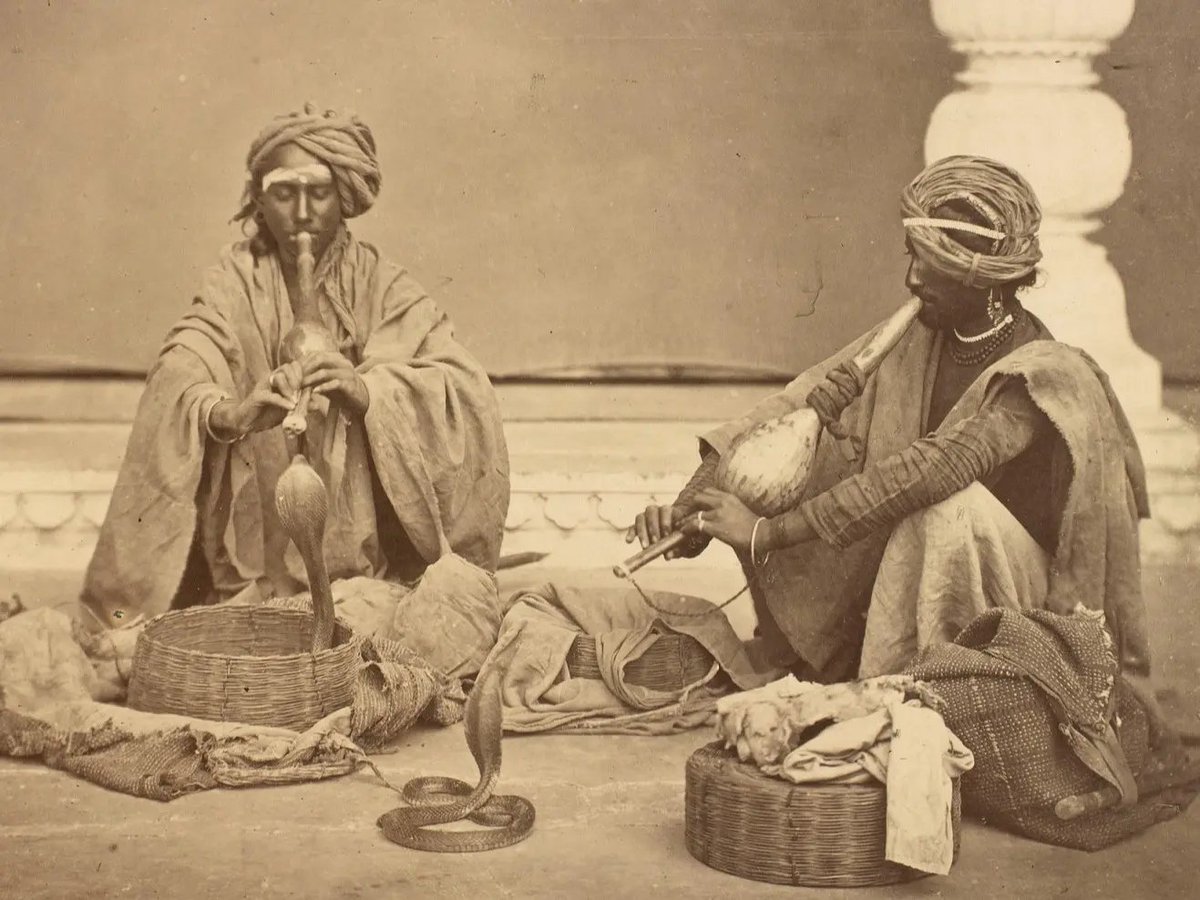
When the British colonial government in India tried to solve a cobra problem they offered a bounty for every dead snake. What happened next became one of the most famous lessons in economics - and explains why so many policies fail because they don't take account of incentives.
In an attempt to reduce the number of venomous cobras in Delhi, the authorities introduced a reward for every cobra killed and handed in. At first, the policy appeared to work: dead cobras were brought in and payments were made. However, local entrepreneurs quickly realised there was easy money to be made. They began breeding cobras specifically to kill them and claim the bounty.
When the government discovered the scheme and cancelled the programme, the breeders were left with thousands of now-worthless snakes. Rather than keep feeding them, they simply released the cobras back into the wild. The cobra population, which had been temporarily reduced, ended up larger than it was before the bounty was introduced.
This episode became known as the “Cobra Effect” - a textbook example of perverse incentives. By creating a financial reward for dead cobras, the government unintentionally created a market for live ones. The policy did not account for how people would respond to the incentive it created.
The same pattern appears whenever governments try to engineer outcomes through crude rewards or punishments without understanding how individuals will adapt. Good intentions are not enough. When policy ignores human ingenuity and self-interest, it often produces the exact opposite of what was intended.
1
1
1
123
Creative Deduction retweeted

Jun 12
When I give my savings to @elonmusk they multiply. When I give them to you and all of the US government, they disappear.
Jun 12

Elon Musk just became the world's first trillionaire.
The typical American household would have to work more than 11 MILLION years to make Elon Musk's level of wealth.
We need a wealth tax.
644
5,405
40,769
708,076
When the British colonial government in India tried to solve a cobra problem they offered a bounty for every dead snake. What happened next became one of the most famous lessons in economics - and explains why so many policies fail because they don't take account of incentives.
In an attempt to reduce the number of venomous cobras in Delhi, the authorities introduced a reward for every cobra killed and handed in. At first, the policy appeared to work: dead cobras were brought in and payments were made. However, local entrepreneurs quickly realised there was easy money to be made. They began breeding cobras specifically to kill them and claim the bounty.
When the government discovered the scheme and cancelled the programme, the breeders were left with thousands of now-worthless snakes. Rather than keep feeding them, they simply released the cobras back into the wild. The cobra population, which had been temporarily reduced, ended up larger than it was before the bounty was introduced.
This episode became known as the “Cobra Effect” - a textbook example of perverse incentives. By creating a financial reward for dead cobras, the government unintentionally created a market for live ones. The policy did not account for how people would respond to the incentive it created.
The same pattern appears whenever governments try to engineer outcomes through crude rewards or punishments without understanding how individuals will adapt. Good intentions are not enough. When policy ignores human ingenuity and self-interest, it often produces the exact opposite of what was intended.
1
22
67
2,971
Creative Deduction retweeted
I prefer to live in a world where Elno can become a trillionaire than a world where Thomas Piketty can make everyone poor.
My enemy isn't the world's financial elite, it's the cultural elite.
33
173
1,272
24,880
Elon Musk has become the world’s first trillionaire and the left predictably demand that his wealth be taxed and redistributed. They treat his fortune as if it were a vast hoard of cash and resources sitting idle, waiting to be seized and consumed.
But this view fundamentally misunderstands what Musk’s wealth actually is. The overwhelming majority of his net worth consists of equity in Tesla and SpaceX. These valuations do not represent current goods that can be consumed today. They represent the market's expectation of future production - future cars, future satellite launches, future technological advances, and the future profits those activities are anticipated to generate.
Capital is not a homogeneous pool of present wealth. It is a structure of production oriented toward future consumption. When investors buy shares in SpaceX or Tesla, they are forgoing current consumption in order to invest in projects that will only deliver value years or decades later. Confiscating that equity through punitive taxation and using it for present consumption - food, housing, welfare - does not simply transfer existing resources; it disrupts and destroys the capital structure that is expected to produce those future goods.
Musk’s “trillion” is not money in the bank. It is a claim on future value that only exists if the underlying companies are allowed to continue creating it.
5
12
20
1,028
Creative Deduction retweeted
Amongst a long list of deluded central planning fiascos, Kim Jong-Il’s giant rabbit undertaking stands out as one of the more bizarre.
In 2007, the former South Korean dictator sought a creative solution to the country's chronic food shortages and famine. He contacted a German farmer named Karl Szmolinsky, renowned for breeding giant, 10-kilogram continental rabbits. The communists bought 12 bunnies for $115 each. Arrangements were made for the breeder to travel to the secretive state to help establish a state-run rabbit breeding program that would solve the protein deficiency, though he cautioned that breeding giant bunnies is a low yielding undertaking - the meat output is relatively meagre compared to a rabbit’s huge appetite for carrots and potatoes and the project was likely to do more harm than good.
Smolinsky never made it to Pyongyang. The trip was cancelled. Smolinsky speculated that Kim Jong-Il's appetite got the better of him and that the rabbits were likely cooked and served to the country’s elites at a lavish state banquet celebrating the dictator’s 65th birthday.
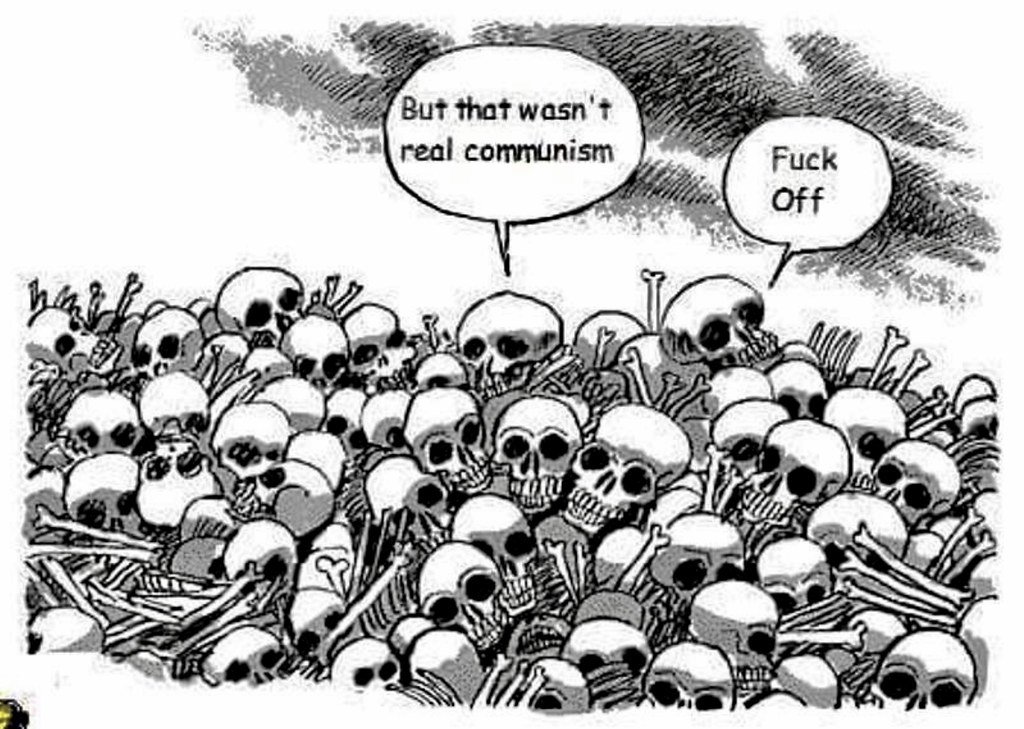
Central planning rarely works out as intended. The ill-fated North Korean bunny experiment resembles other agricultural fiascos such as Fidel Castro’s super cow and Mao Zedong’s war on sparrows – desperate undertakings to compensate for the deficiencies of collectivist farming. The obvious lesson, that it was the socialist economic model - not nature - that was to blame for the low yield, was sadly ignored.
2
5
9
556
Creative Deduction retweeted

Jun 13
Don’t worry about Elon becoming rich with his own money.
Worry about politicians becoming rich with your money.
1,846
32,403
138,807
1,107,304
Creative Deduction retweeted

Jun 12
May I ask...is stabbing people racist ?
Or only talking about it...

"We say very clearly no to racism in our society."
First Minister of Northern Ireland Michelle O'Neill condemns the violent disorder that has taken place in Belfast in recent days, describing it as "pure racism in its vilest form".
Belfast live updates: trib.al/kI70nUY
792
5,133
31,578
395,731
Creative Deduction retweeted

Jun 12
Elon Musk has done more for workers than any democratic socialist politician ever has.
Jun 12

NEW: Juan Hernandez, a welder who says he took “just another contract job” at SpaceX for $28/hr in 2015, is now a millionaire as shares soar.


36
377
3,842
82,560
Creative Deduction retweeted

Jun 12
He’s floated Space X. How many consumers are being price gouged buying rockets? I ask again — give me an example of how Musk becoming a trillionaire (only on paper — he doesn’t have a trillion dollars under the bed) affects you.

Are you being facetious? Such levels of wealth distort democracy with access to power. Such concentrations of wealth are bad for the consumer - it eliminates competition by swallowing up competition via M&As, market dominance etc. and don’t get me started on the term “self-made”
223
451
4,365
138,169

Creative Deduction retweeted

Jun 12
I agree. Natural rights refer to the exercise of abilities you already have, i.e. that are inherent in your nature. You have a voice, so you must be free to speak. You have a mind, so you must be free to think. But your rights cannot compel the actions of others.
Food is not a human right.
Most people assume it must be. Food is a basic necessity for survival, so it feels natural to treat access to it as a fundamental right. But when activists and politicians declare that “everyone has a right to food”, they are not talking about a right in the traditional sense. They are claiming a positive right – an entitlement that others must be forced to fulfil.
This view confuses needs with rights. A genuine right, properly understood, is a claim of non-interference. You have a right not to be killed, assaulted or stolen from. These rights impose a duty on others to refrain from certain actions. They do not require anyone to provide you with food, shelter or healthcare.
A “right to food", by contrast, means that farmers, truck drivers, shopkeepers and taxpayers can be compelled - through taxation, regulation, or outright seizure - to supply it. This turns productive people into obligated servants of those who claim the right. It is not a right; it is a claim on other people’s labour and property.
Once the state accepts a duty to guarantee food, it must also claim the power to control production, prices and distribution. History shows what follows: central planning, shortages and the expansion of coercive authority over those who actually produce the food.
You cannot have both a right to other people’s labour and genuine individual rights at the same time. One must give way to the other.
1
1
125
Creative Deduction retweeted

Jun 12
"Tesco’s profit margin runs at about 3.3 per cent. Sainsbury’s manages 2.1. Polanski calls these “record profits”" thecritic.co.uk/zack-polansk…
10
15
144
3,897
Creative Deduction retweeted

Jun 12
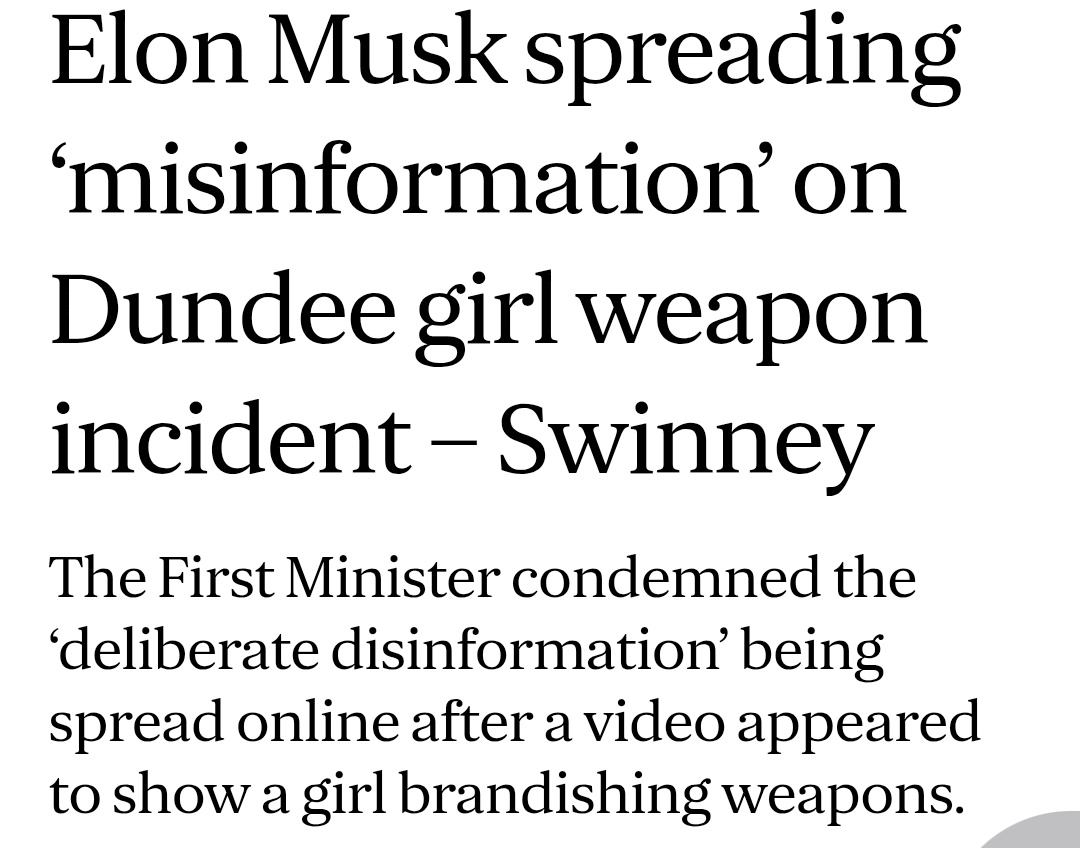
Social media is the strongest weapon against government misinformation. That’s why tyrannical governments ban it.




4
148
653
14,793
Creative Deduction retweeted

Jun 11
...sort of like moving to a white Christian country and then complaining about all the white Christians?

Complaining about nightlife when you *checks notes* choose to live in Soho is like living in South Kensington and complaining about the museums.
Or moving to Hackney and grumbling about creatives. Living in Richmond and hating green space.
It's all getting a bit silly, isn't it?
60
1,697
18,442
300,361
Maybe if the left stopped trading in conspiracy theories, and instead reversed their policy of performative failure to recognise the legitimate concerns around immigration, we could start to address the real reasons behind the anger.

Caroline Lucas: "We need to recognise that what happened on the streets of Belfast was being orchestrated by the far right, by Elon Musk, by a network of people who actually want this to happen, so it wasn't quite as spontaneous as it looked.. and that has to be stopped"
4
164