
مهتم بـ: الأمن الوطني الخليجي - القدرات العسكرية والتقنية - نظم الدمار الشامل - مراكز القوى - الشؤون الفكرية والاقتصادية
Joined March 2021
- Tweets 3,342
- Following 2,135
- Followers 595,643
- Likes 161
1,338 Photos and videos

Pinned Tweet

Jun 4
خارج السياق | بسبب التعديلات التقنية المفروضة من قبل منصة X وخوارزميات المحتوى، سأقوم بين حين وآخر بعمل "إعادة نشر - ريتويت“ لتعليقات المتابعين الكرام على منشوراتي والتي من شأنها إثراء الحوار حول المادة المنشورة.
- لذا فإن إعادة النشر لا تعني دعمًا ولا موافقةً على توجهات أصحاب الحسابات المتفاعلة، وأي إعادة نشر فستكون معنية بالتفاعلات المتعلقة بسياق منشوراتي فقط.
55
234
581
115,041
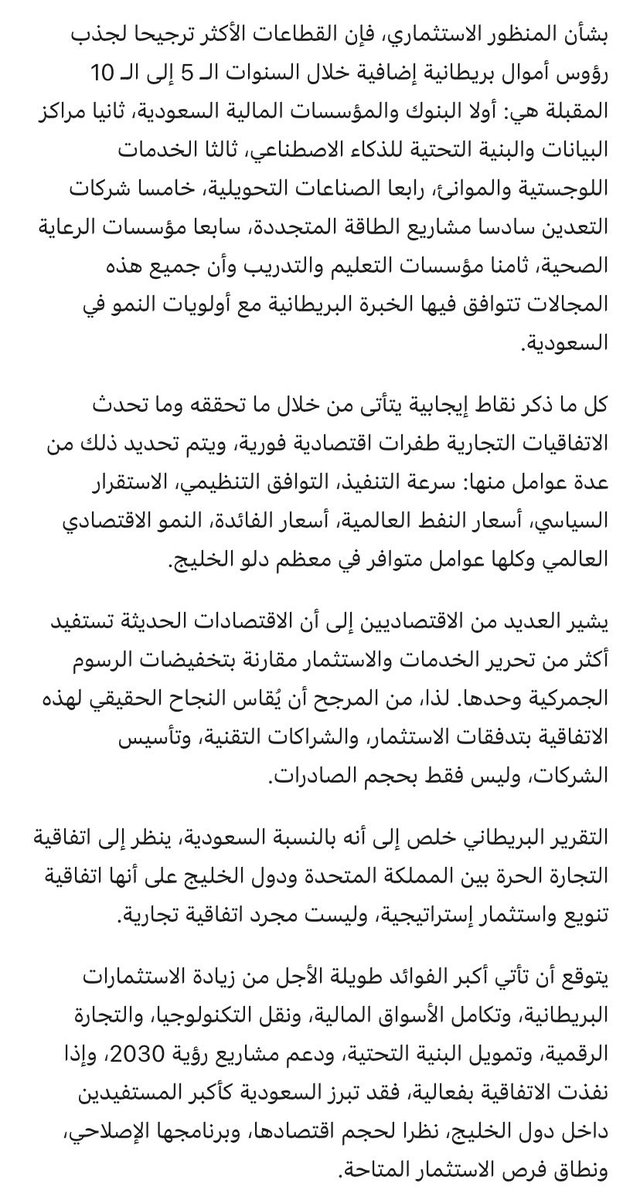
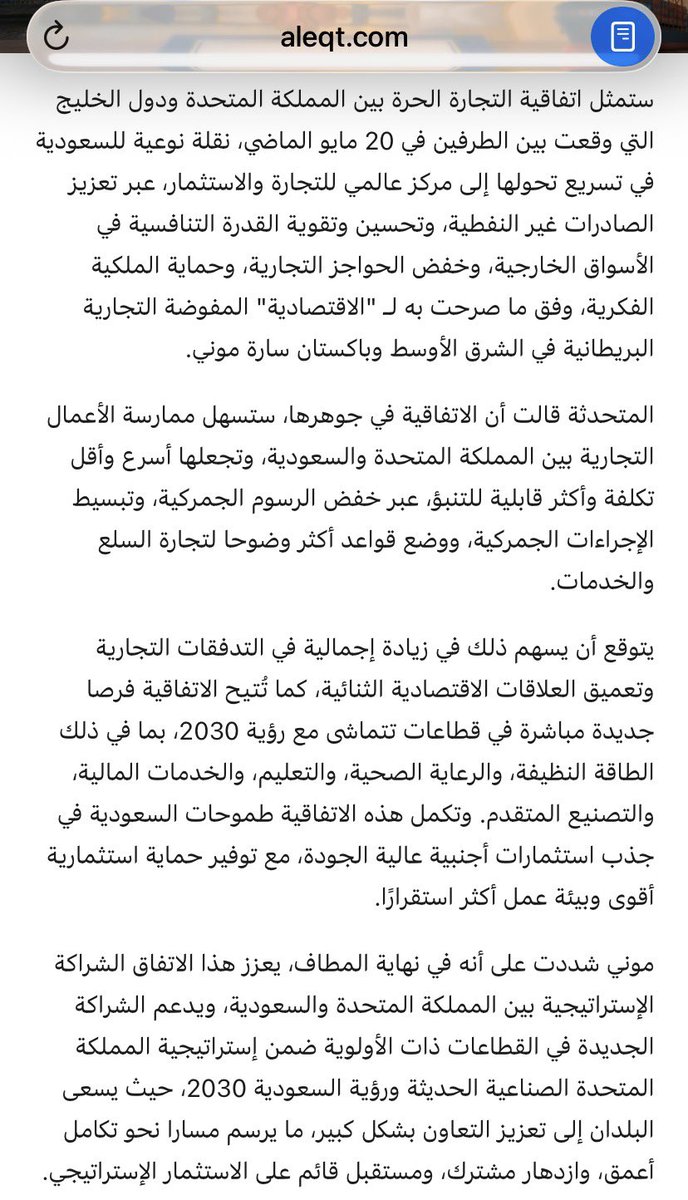
المفوضة التجارية البريطانية: اتفاقية التجارة الحرة بين السعودية والمملكة المتحدة ودول الخليج التي وقعت 20 مايو الماضي، ستمثل نقلة نوعية للسعودية في تسريع تحولها إلى مركز عالمي للتجارة والاستثمار.
- وزارة التجارة والأعمال البريطانية: بالنسبة للسعودية، ينظر إلى اتفاقية التجارة الحرة بين المملكة المتحدة ودول الخليج على أنها اتفاقية تنويع واستثمار إستراتيجية، وليست مجرد اتفاقية تجارية.
12
122
197
21,638
رأي | الجانب الإيراني يتعمد إظهار الرفض الحزبي لتوقيع الاتفاق، والجانب الأمريكي يتعمد إظهار الرفض الإسرائيلي.
- أخطر ما يخشاه المفاوض الإيراني هو الصورة الرمزية أمام شعبه ووكلاءه وليس التيارات المتشددة، وأخطر مايخشاه الرئيس ترمب هو تحريض الديموقراطيين ضده وليس إسرائيل.
24
123
221
32,111
دعوة للمشاركة | لماذا على العالم أن يشكر السعودية؟
- شكرًا وامتنانًا للسعودية على استجابتها الفاعلة لتقليل صدمة أسواق النفط وبالأخص على الاقتصادات الناشئة، في أسوأ أزمة طاقة عالمية هي الأعنف منذ سبعينيات القرن الماضي.
• شكرًا للسعودية على إدارتها لموسمي العمرة الرمضانية والحج بكفاءة قياسية رغم ظروف الحرب واضطراب الحركة الجوية والإمدادات اللوجستية.
• شكرًا للسعودية على دعمها وتبنيها الكامل لجهود الوساطة الباكستانية لصالح المنطقة، رغم التشابكات المربكة والمزايدات الفارغة والابتزازات المغرضة.
• شكرًا للسعودية على تمسكها التاريخي بموقفها إزاء إقامة دولة فلسطينية رغم كل المهددات وكذلك المغريات.
• شكرًا للسعودية على إقرارها حزمة من الإجراءات اللوجستية والإعفاءات لتنظيمية الطارئة خصوصًا في قطاعي الطيران والنقل، إجراءات لم تكن متاحة للإقرار والتنفيذ إلا ضمن اتحادات سياسية كالاتحاد الأوروبي، وخلال مدة تصل إلى 3-6 أشهر في حالات الطوارىء، بينما تم إقرار وتنفيذ غالبيتها خلال 72 ساعة فقط.
• شكرًا للسعودية على عدم قطع أو تقليص برامجها الإغاثية والإنسانية والإنمائية، رغم كل الظروف المنطقية للقطع أو التقليص، ورغم كل المزايدات والحملات الإعلامية المغرضة التي انطلق بعضها من دول تعتمد بشكل أساسي على تلك البرامج.
- هذه أمثلة موجزة من عندي لتغطية الموقف السعودي أثناء الحرب - أمثلة متواضعة لا ترتقي لتغطية الجهود الضخمة - لذا كرمًا، أريد منكم مساعدتي بالمشاركة، وسأقوم بإعادة النشر للمداخلات المثبتة بالوقائع. على أن أجمعها كلها وأدرجها في فيديو وثائقي واحد.
140
1,055
1,547
140,310
وزارة الخارجية الباكستانية: التوقيع الإلكتروني على الاتفاق بين الولايات المتحدة وإيران حدد بشكل رسمي ليوم غد.

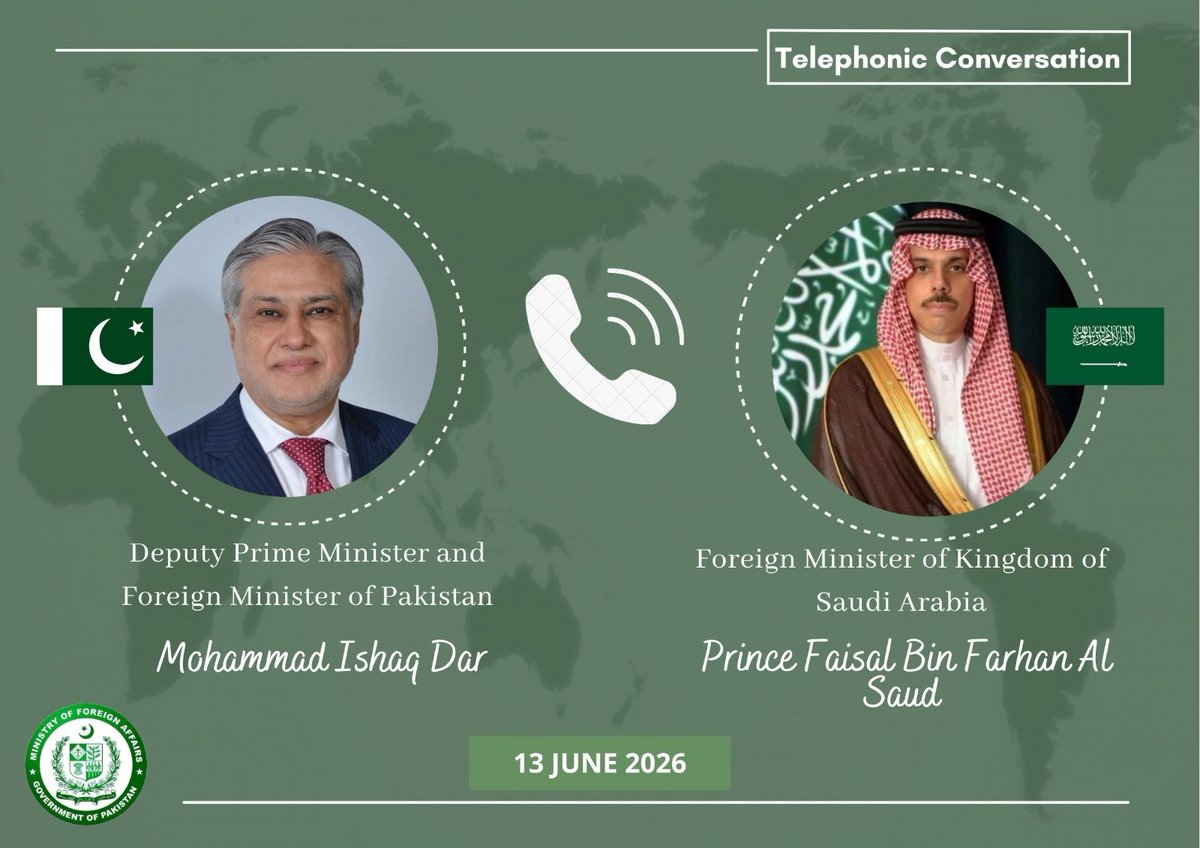
Deputy Prime Minister / Foreign Minister Senator Mohammad Ishaq Dar @MIshaqDar50 held a telephone conversation today with the Foreign Minister of the Kingdom of Saudi Arabia, Prince Faisal bin Farhan @faisalbinfarhan.
They welcomed the US–Iran negotiations in their final stage, with the electronic signing ceremony scheduled for tomorrow, and expressed the hope that this important development will contribute to lasting peace and stability in the region.
The Saudi Foreign Minister appreciated Pakistan’s consistent and sustained efforts in support of mediation and dialogue throughout the process.
Both sides also discussed the forthcoming Regional Four Foreign Ministers (R-4) meeting, scheduled to be held in Egypt later this month.
15
230
386
56,284
Jun 12
الاتفاق المرتقب والمبني على الأداء:
• تدمير المواد النووية وإزالتها.
• تفكيك البرنامج النووي الإيراني.
• عدم الإفراج عن أي أموال إيرانية إلا بعد الوفاء بالالتزامات.
• فتح مضيق هرمز.
• توقف إيران عن تمويل الجماعات الإرهابية.
- وصف مسؤول أميركي أن هذه هي أبرز بنود الاتفاق، وهو اتفاق مشروط بالأداء.
• رأي:
- الرئيس ترمب لم يعد يرغب بأي مناورات حتى ولو كانت إعلامية أو شعبوية، لذلك اضطر الوزير عراقجي للمسارعة بتوبيخ وسائل الإعلام الإيرانية.
- في ظل غياب السيطرة المحكمة على أنشطة الدولة في إيران، وتعرض المفاوضين للتهديدات والتشويش حتى قبل إعلان موافقتهم، تبدو مهلة الستين يومًا إجراءً منطقيًا للتحقق من قدرة الموقّعين على الالتزام ببنود الاتفاق.
31
311
586
92,200
Jun 12
رأي | من أعجب المنطلقات الطائفية التي تعاني منها المنطقة، أن تعلن السعودية عن اكتشاف نقش أثري أو مخطوطة أو أثر مادي لأحد الرموز الدينية، فتجد من يناقش السعوديين في مدى دقة وموثوقية ذلك الاكتشاف بحجة الدفاع عن رمز ديني آخر -وهذا الطائفي المسكين - لا يعلم بأن السعوديين يكنون الاحترام لكلا الرمزين ويرون أنفسهم أحفادًا لأولئك الأوائل، ولا يعلم أنهم يكتشفون كل حين أثرًا جديدًا في أرضهم يخص كل من عاش عليها من أجدادهم، وليس للإعلان عن تلك الآثار علاقة بأي تطورات سياسية أو تراشقات طائفية.
- عبادتك لشجر أو حجر في أرضٍ ما، لا يعني أحقيتك بملكيتها أو حتى انتسابك لأصحابها.
53
722
1,585
155,864
ملفات كريستوف retweeted
Apr 1
معلومة وليست رأي | بناءً على البيانات المنشورة في الصحف ووسائل التواصل والتصريحات الشفهية منذ 28 فبراير الماضي، فإن حجم الأخبار التي أثبتت مصداقيتها في سياق الحرب الحالية، لا يتجاوز 35٪، أي أن 65٪ من الأخبار المنشورة صنفت كأخبار مضللة بعد مدة من الزمن.
- الرئيس ترمب لوحده، أعلن أكثر من 6 مرات خلال اقل من 20 يوم عن نيته في إنهاء الحرب، وجميع إعلاناته كانت بهدف المناورة والتأثير، وكذلك بالنسبة للجانبين الإيراني والإسرائيلي.
- الجميع يبشر بتغيير كبير في المنطقة لما بعد الحرب، وآخرون باتوا يهددون ويتوعدون بتغيير حلفائهم ومحاسبة جيرانهم في الشرق والغرب، وغالبية ذلك بسبب تأثير البيانات المضللة، أما الدول والقادة والحكومات دائمًا يرون أن بناء مواقف استراتيجية وسياسات مستقبلية، وسط الفوضى وتحت ضغط البيانات المضللة، يؤدي إلى خسائر فادحة، لذا فإن الجميع يتمسك بثوابته حتى ينقشع الغبار، وحينذاك يبدأ البناء الاستراتيجي واتخاذ القرارات المفصلية.
- الاندفاع السريع للتصديق والتكذيب، سمة وسائل التواصل، ولكن في دوائر صنع القرار فإن الخبر الصحيح يخضع للتحليل والتدقيق والمطابقة عدة مرات، وقد لا يؤخذ به، فضلًا عن الخبر المضلل.
61
623
1,042
223,884
Jun 11
أهلًا بك.
العقاب سيطال الجميع بغض النظر عن جنسيته ودوافعه.
الدفاع والغيرة ليست مبررًا للإساءة ومخالفة القوانين والأعراف، وهذا يشمل كل مناحي الحياة والتعاملات، حتى في الدين الإسلامي؛ لا يجوز لك الإساءة للأديان الأخرى ومقدساتها بحجة الدفاع عن الإسلام ومقدساته.
تحية.

خلاص يتعاقب السعودي اللي يوقف ويغار على بلده والدول الخليجة مغرديها والمرتزقه تسب فينا وفي حكامنا ونسكت
صح
ننتظر مبادراتهم .. ونشوف
58
145
380
147,119
Jun 11
تحذير مباشر | لكافة المسؤولين والمواطنين والمقيمين في دول الخليج العربي:
الملك عبدالعزيز والشيخ زايد، وكافة القادة المؤسسين لدول الخليج، والقادة والرموز المعاصرين.
- خط أحمر -
168
597
1,337
550,845
Jun 11
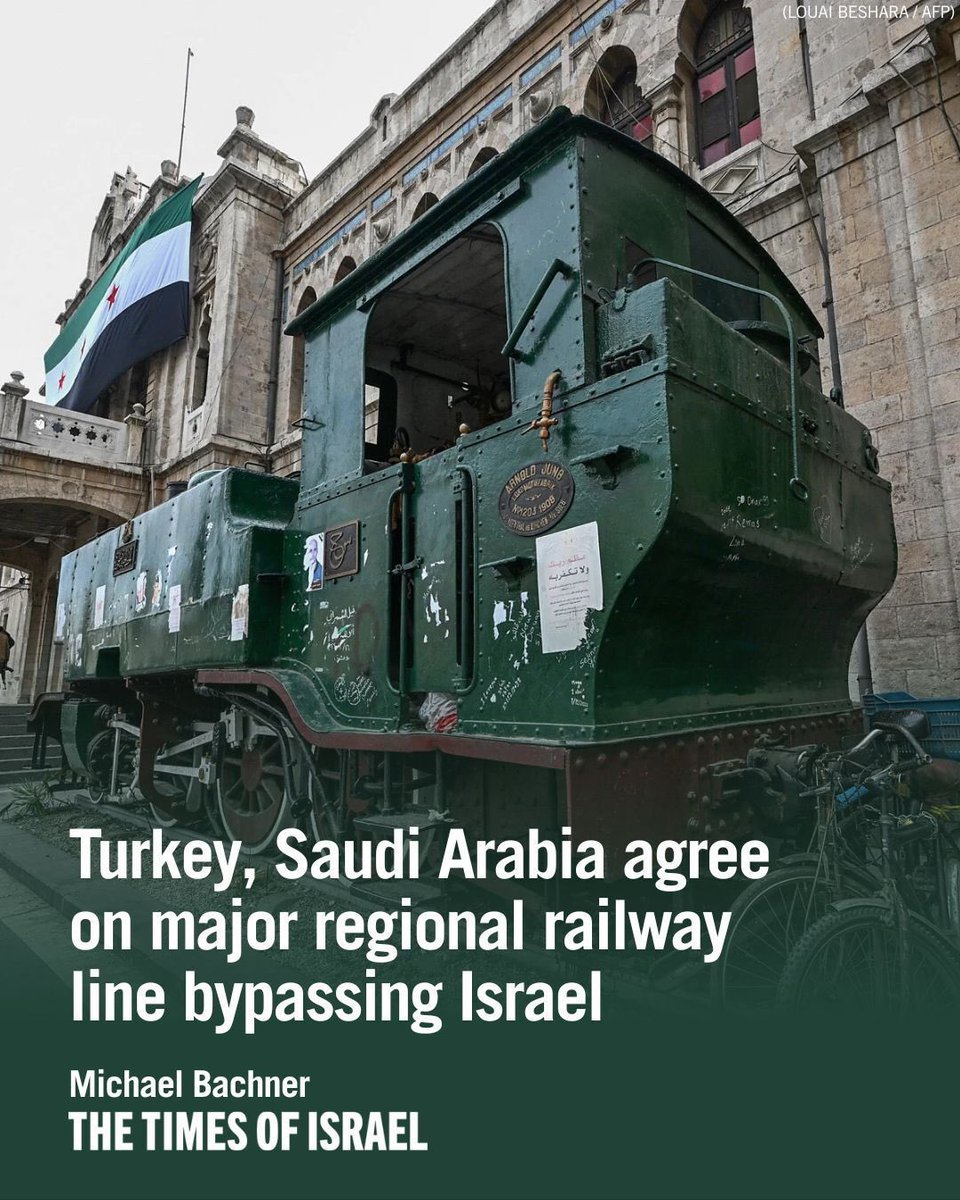
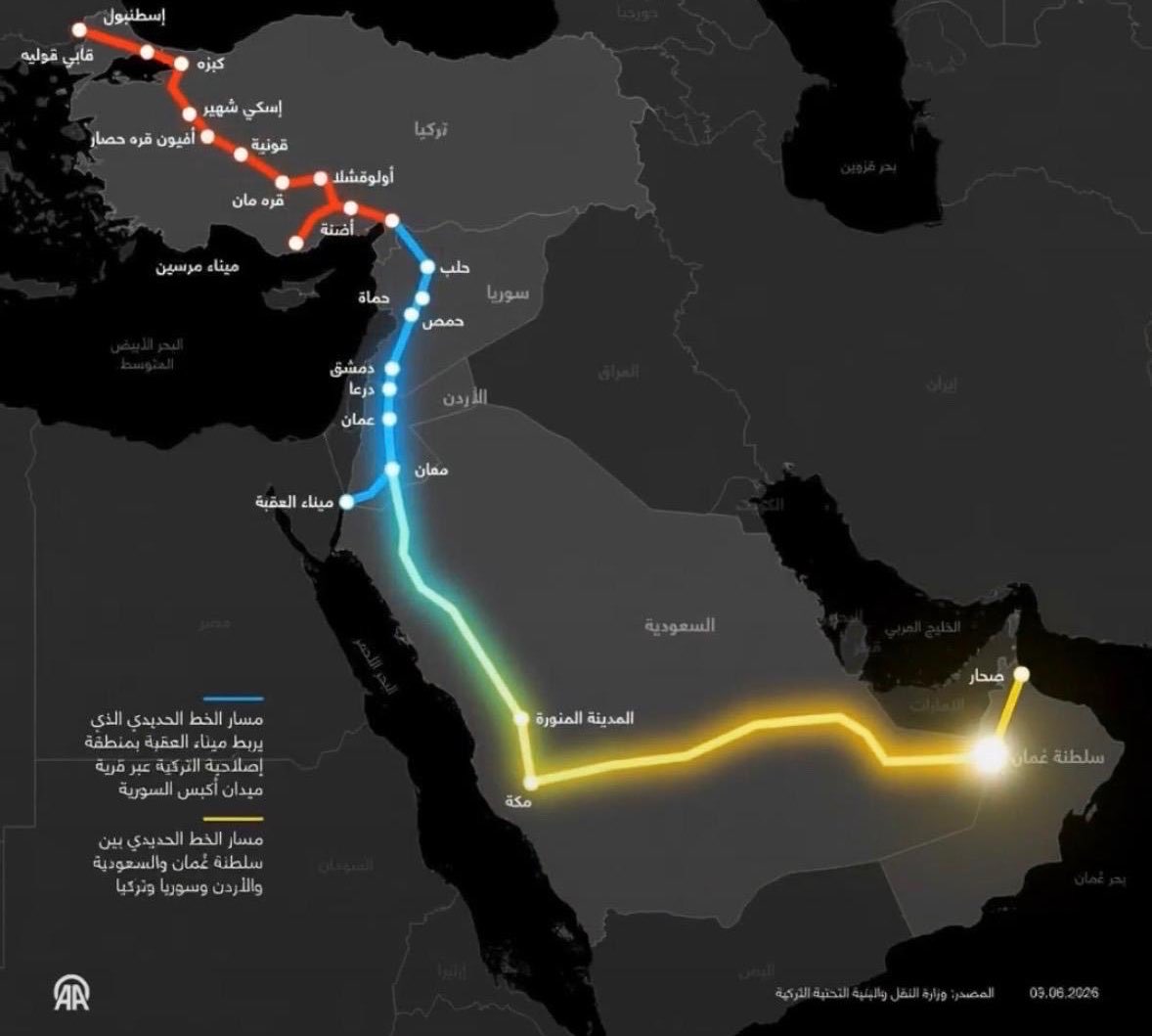
تايمز أوف إسرائيل: السعودية وتركيا اتفقتا على إنشاء مسار جديد لا يمر عبر إسرائيل، في حين دعمت إسرائيل والولايات المتحدة في عام 2023 خطة طموحة لربط الهند بالشرق الأوسط، وإسرائيل بأوروبا، إلا أن ذلك كان مشروطًا بتوقيع اتفاق تطبيع بين القدس والرياض. توقفت الجهود الأمريكية الواسعة للتوسط في مثل هذا الاتفاق بسبب مطالب السعوديين بتقدم لا رجعة فيه نحو إقامة دولة فلسطينية كشرط مسبق، بينما رفضت حكومة رئيس الوزراء بنيامين نتنياهو اليمينية المتطرفة هذا الطلب رفضًا قاطعًا.
35
434
763
85,296
Jun 11
- كلما ساءت أزمة العراق، ازدادت أرباح سوريا.
- المفارقة الاستراتيجية هي أن إيران أغلقت مضيق هرمز لمعاقبة أعدائها.
النتيجة، أموال النفط العراقي تتدفق الآن إلى حكومة دمشق والتي تصفها طهران بأنها خصم بينما العراق، الشريك العربي الأقرب لإيران، يرقد على أجهزة الإنعاش.
- نقاط الاختناق لا تختار ضحاياها، الجغرافيا هي من تفعل.
Jun 10

The strangest oil trade of 2026 isn't happening at sea.
It's 700 tanker trucks a day crossing the Iraq–Syria desert.
The biggest winner is a government that barely produces oil at all.
Hormuz shut → Iraq lost 90% of export revenue.
Baghdad will take ANY outlet.
So 2 land corridors opened: al-Waleed in Anbar (31 March) and Rabia/Yarubiyah (20 April) the latter sealed since 2013.
Destination: Baniyas, Syria's Mediterranean port. Then by sea to Europe.
The numbers are medieval and massive at once:
500–700 trucks/day, 30 tonnes each.
Baniyas unloading capacity up 30%, 120k bpd flowing. Baseline 150k bpd, target 350k.
Moving just 50k bpd of crude takes 1,000 trucks running nonstop, this is a pipeline made of wheels.
💰The economics
Here's the desperation premium: SOMO is paying $20–22 per barrel to move fuel oil by land.
By sea it costs cents.
Iraq signed for 650k tonnes/month anyway because the alternative isn't a cheaper route.... It's zero.
Damascus collects on every barrel: transit fees, storage, port charges, plus cheap Iraqi fuel.
At $2–3/bbl that's $8–13M/month, rising to $21–30M at full flow.
For al-Sharaa's empty treasury, possibly his most reliable hard-currency stream.
The worse Iraq's crisis gets, the more Syria earns.
The structural irony is that Iran shut Hormuz to punish its enemies.
Result, Iraqi oil money now flows to a Damascus government Tehran calls an adversary while Iraq, Iran's closest Arab partner, sits on life support.
Chokepoints don't choose their victims, Geography does.
19
320
754
192,212
Jun 10
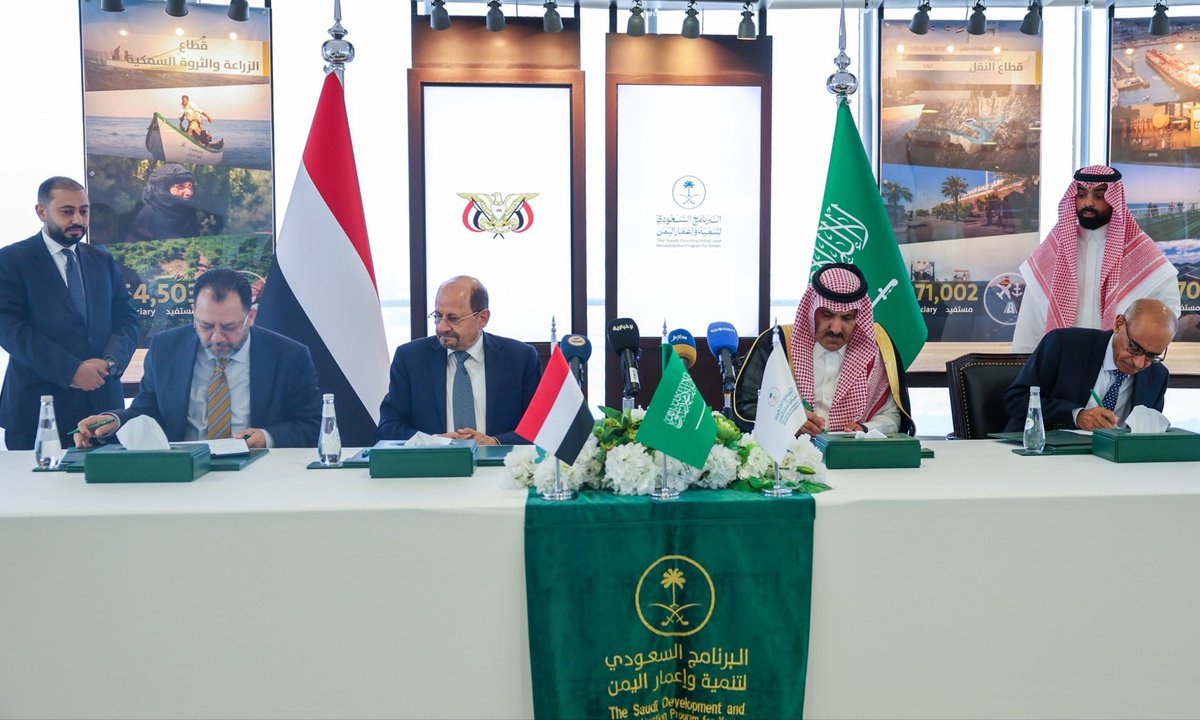
حقيقة وليست رأي | رغم تأثر برامج الدعم الإنسانية والإغاثية حول العالم وتحذيرات الأمم المتحدة ومنظمة الصحة العالمية من تراجع التمويل الدولي للبرامج الإغاثية والإنسانية، ورغم ظروف الحرب والتضخم التي يمر بها الاقتصاد العالمي، لم تسجل برامج الدعم والإغاثة السعودية حتى اليوم أي انخفاض أو تقليص، وبتوقيع اتفاقية دعم اليمن أمس، سجلت ارتفاعًا جديدًا:
- التفاصيل:
• وقع البرنامج السعودي لتنمية وإعمار اليمن اتفاقية مع الحكومة اليمنية، للمساهمة في استدامة أعمال "بترومسيلة“ كشركة حكومية، بما يعزز من قدراتها ويرفع كفاءة أدائها واستمرارية خدماتها؛ لدعم الحكومة اليمنية.
- اتفاقية توريد مشتقات نفطية دعمًا لتشغيل محطات توليد الكهرباء بمختلف محافظات اليمن، بقيمة 150 مليون دولار، لتغذية أكثر من 70 محطة وتعزيز استقرار خدمات الكهرباء واستمرارية تشغيلها، ودعمًا للقطاعات الحيوية والخدمية المرتبطة بالطاقة الكهربائية، في ظل ارتفاع درجات الحرارة، وبما يسهم في تحفيز الحركة التجارية، وخلق فرص العمل، وتعزيز النمو الاقتصادي في اليمن.
21
330
532
42,792
Jun 10
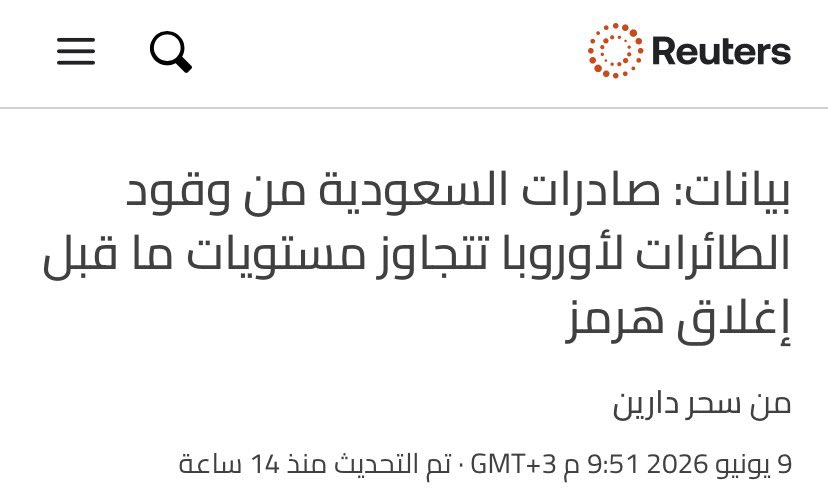
قبل أقل من شهرين، كانت وكالة الطاقة الدولية قد حذرت من احتمال وصول أوروبا إلى مستويات حرجة من النقص في وقود الطائرات، واليوم تشير تقارير رويترز إلى أن السعودية تضخ إلى أوروبا كميات تفوق ما كانت تصدره عندما كان مضيق هرمز مفتوحًا.
- هذه ليست مجرد صادرات إضافية، بل قدرة استراتيجية ناتجة عن مرونة البنية التحتية السعودية وقدرتها على إعادة توجيه الإمدادات نحو الأسواق الأكثر احتياجًا، وعلى إثرها استحقت وصف "البنك المركزي لأسواق النفط“
65
813
1,390
169,558
Jun 9
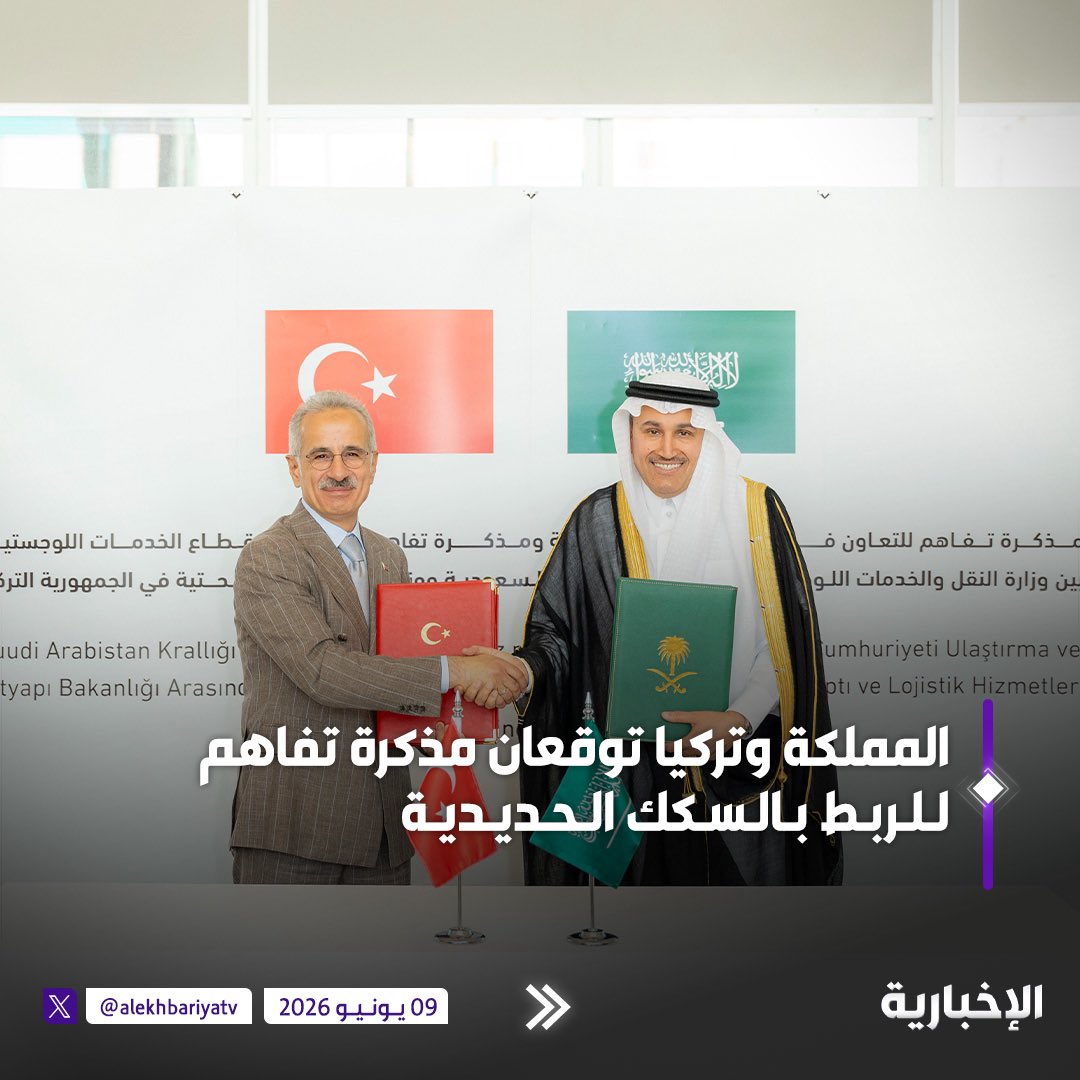
تركيا: السعودية أنجزت شبكتها الحديدية حتى الحدود الأردنية، وأكملنا من جهتنا شبكتنا حتى سوريا، وسنعمل على تشكيل لجنة رباعية تضم السعودية وتركيا والأردن وسوريا لمتابعة مشروع الربط بالسكك الحديدية وتنسيق الخطوات التنفيذية في أسرع وقت.
59
538
1,219
131,735
Jun 9
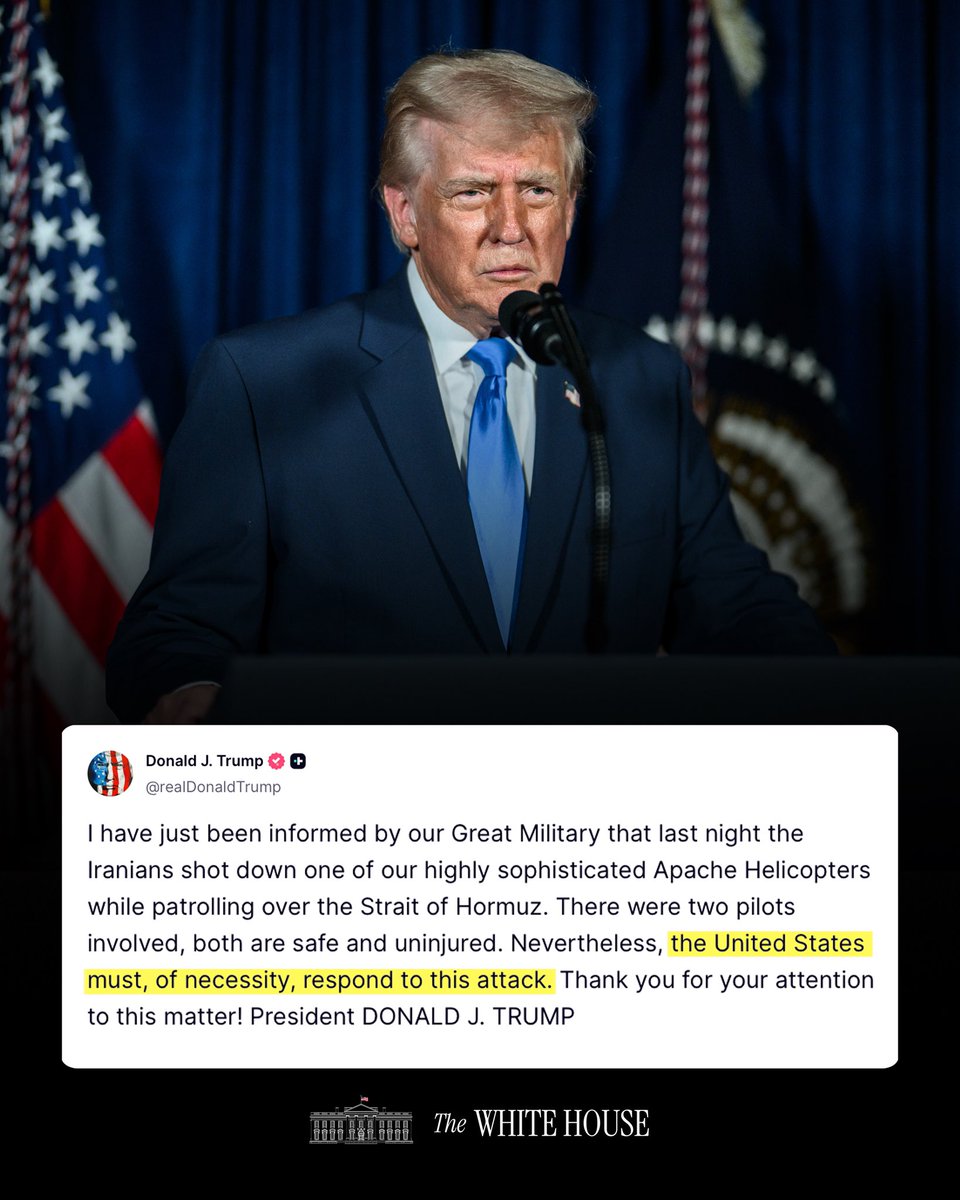
الرئيس ترمب: القوات الإيرانية أسقطت مروحية أباتشي أميركية خلال دورية فوق مضيق هرمز، وسنقوم بالرد.
14
109
234
32,202
Jun 9
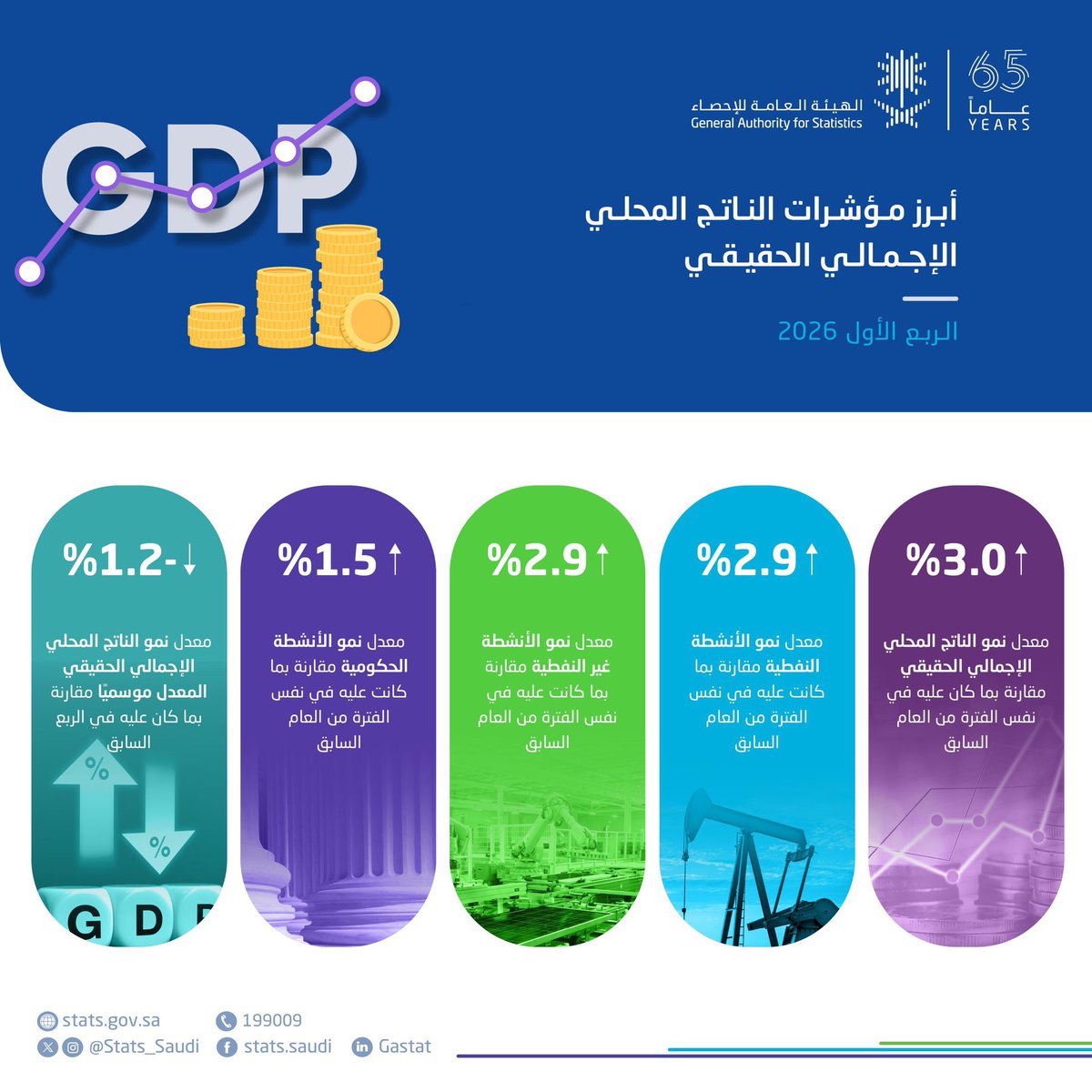
رغم ظروف الحرب، اقتصاد المملكة العربية السعودية ينمو 3٪ في الربع الأول من هذا العام.
Mar 18

حقيقة وليست رأي | السعودية - بفضل المولى - حالة خاصة جدًا:
• يتم تهديد الاستثمار الدولي، فيأتي التعويض الإلهي فورًا من النفط والمعادن وبشكل مضاعف.
• يتم تهديد خطوط الإمداد النفطي واللوجستي، فيتم الإعلان عن خطوط بديلة لتتحول الأزمة إلى قصة نجاح عالمية.
• حتى في ذروة القلق من أصوات الاعتراض الجوي، يأتي صوت المآذن صادحة بذكر المولى تعويضًا وطمأنةً للبشر والحجر.
- منشور قد يكون مليئًا بالعاطفة، ولكنه مسنود بالوقائع المشهودة.
- للسعوديين مع العوض الإلهي قصة قديمة، منذ عهد الملك عبدالعزيز، منذ أزمة تولي رعاية الحرمين غربًا وتفجر آبار النفط شرقًا.
27
351
540
81,014
Jun 9
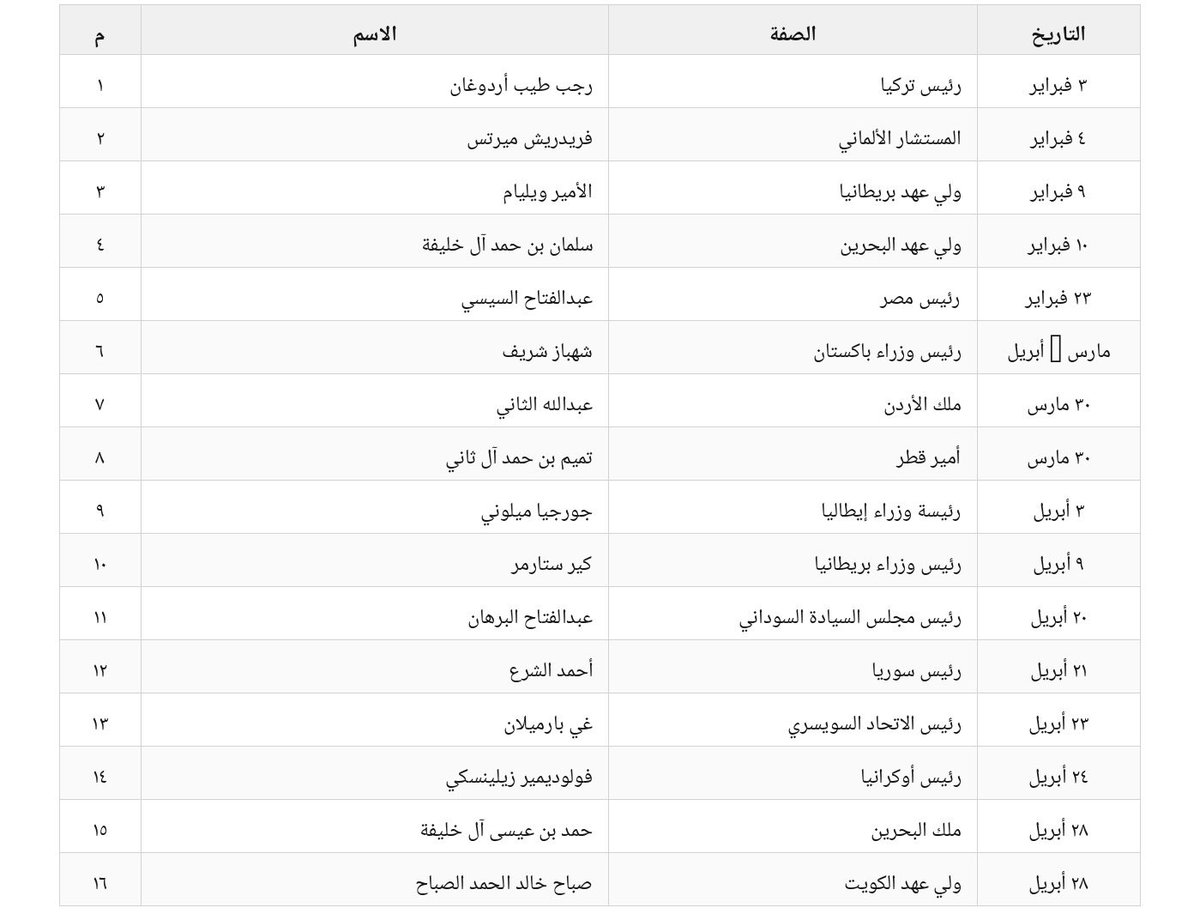
معلومة شبه مؤكدة | شبكة ربط سككي وكهربائي ولوجستي ورقمي، خليجية، قد تكون هي الأضخم في تاريخ الشرق الأوسط. وبالتوازي سيتم العمل على ربطها بسوريا وتركيا ومصر، ومستقبلًا قد تنضم اليمن ولبنان.
76
506
1,176
267,164
Jun 8
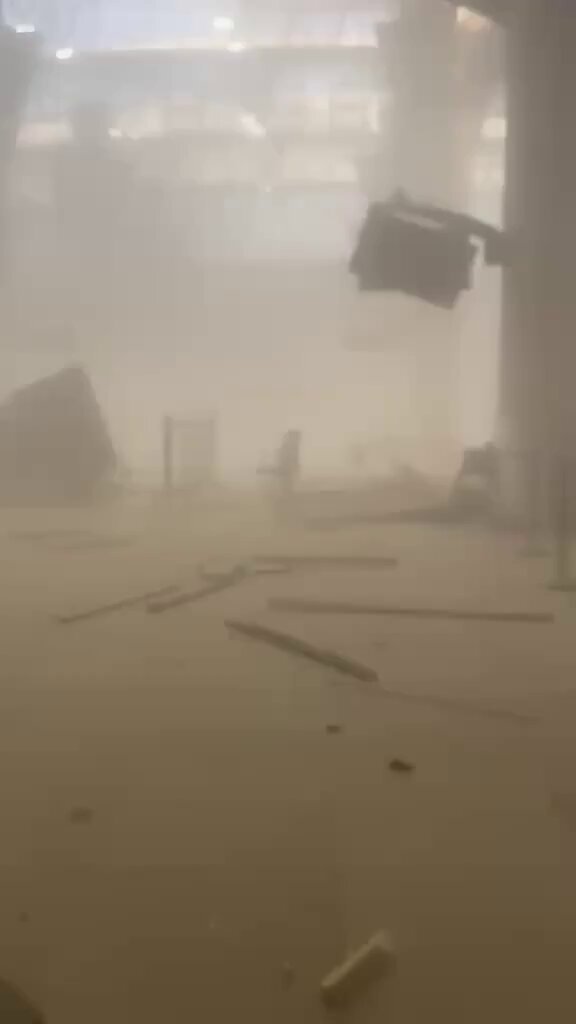
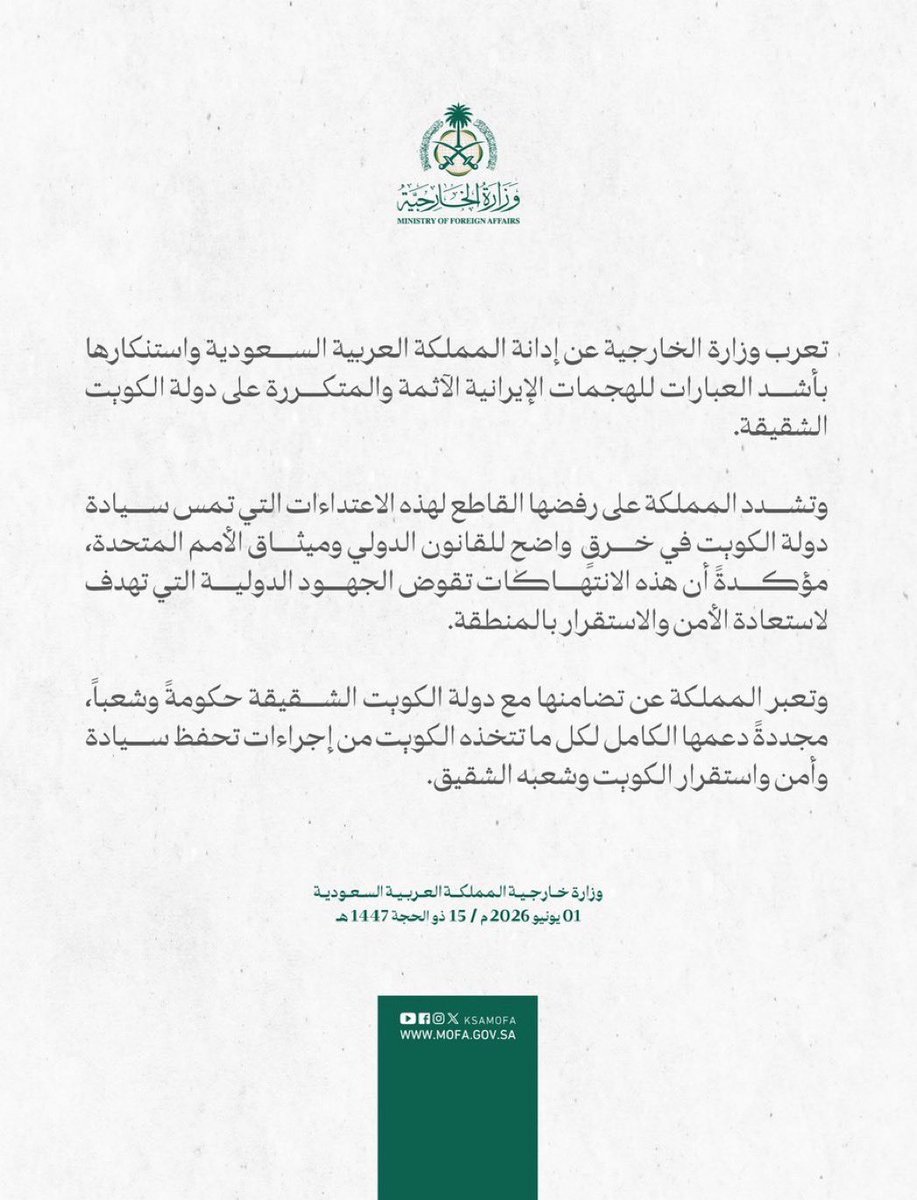
رأي | كخليجي - عربي، تجاهل كل ما يجري بين إيران وإسرائيل، وأعد النظر في الحدث الأبرز الذي يهمك ويعد تطورًا كبيرًا في سياق المنطقة. وهو؛ قصف مطار الكويت المدني.
- القصف الإيراني تم أثناء الهدنة مع أمريكا، وكان ردًا على القصف الإسرائيلي في لبنان، أي أن الكويت لم تكن طرفًا وكذلك أمريكا التي كانت ملتزمة بالهدنة.
- نشطاء الحرس الثوري الإيراني يطرحون فرضية خلف الكواليس، أن الكويت هي لبنان الخليج، وأي خسارة للنفوذ الإيراني في لبنان سيعني خسارة للنفوذ الأمريكي في الكويت.
- دول الخليج وعلى رأسها السعودية، لا تهتم بأي فرضيات أو تداعيات أو تهديدات، فالموقف التاريخي ثابت: الكويت هي السعودية والسعودية هي الكويت، والأمر يشمل دول الخليج كافة، فهي دول لم لن تكون عناصر هامشية في معادلات مشوهة تفرض عليها سواء من جيرانها أو من الخارج، والوساطة "وفق الأمر الواقع“ هي السبيل الأوحد لإيقاف نمط الخسائر الإيرانية المتراكمة دون توقف.
56
529
1,078
207,915
Jun 6
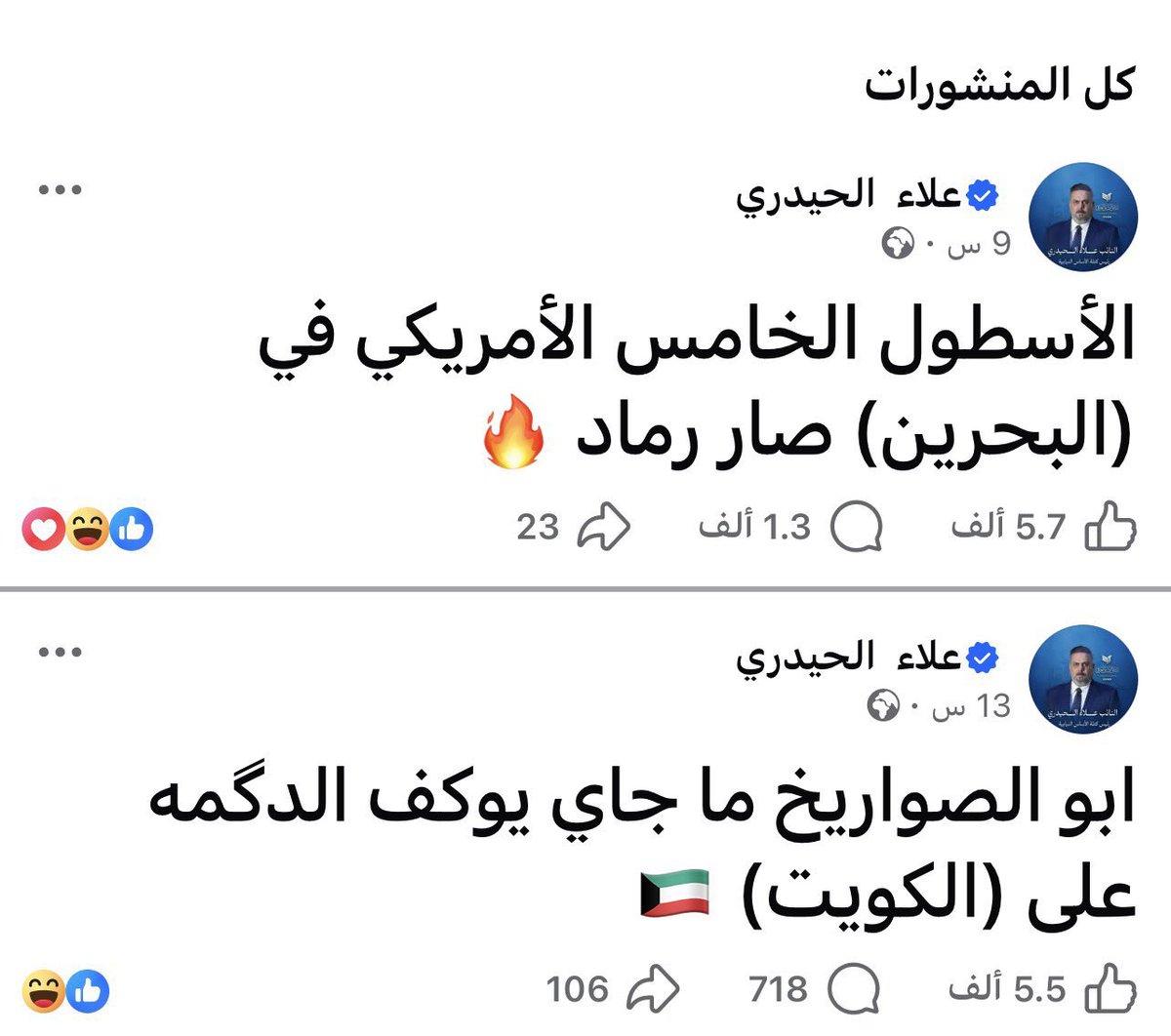
منشورات متداولة | رئيس كتلة نيابية في مجلس النواب العراقي، يتبنى الهجمات على الكويت والبحرين.
47
370
761
140,191
Jun 6
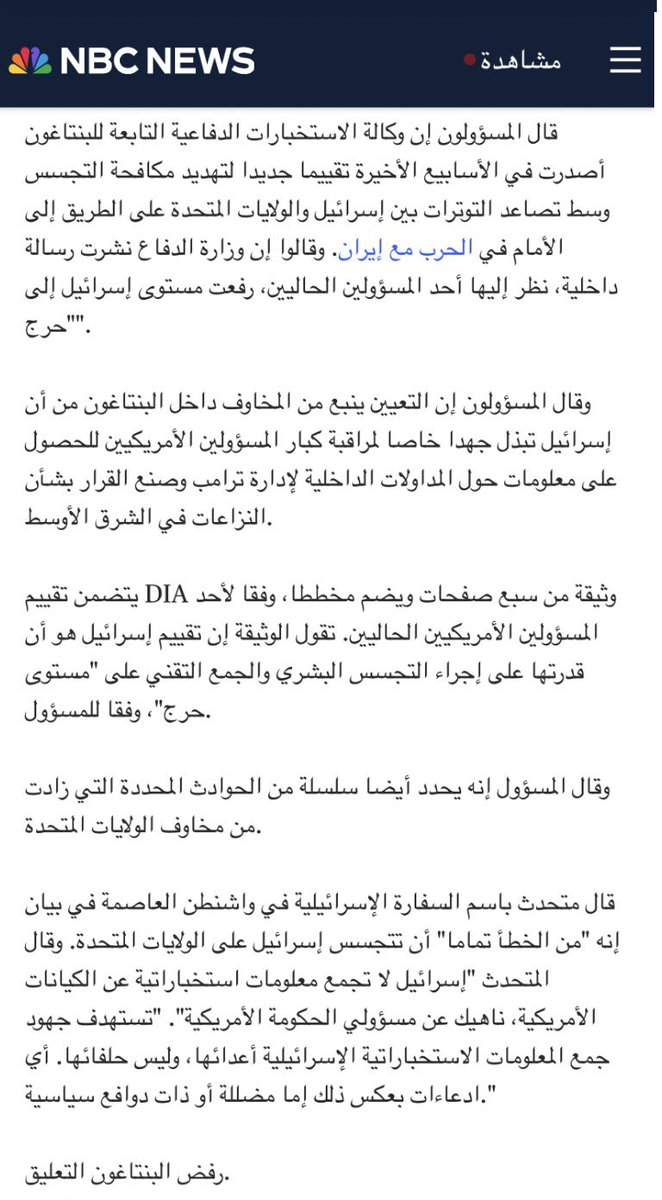
NBC news: البنتاغون يرفع تهديدًا بمكافحة التجسس الإسرائيلي على الولايات المتحدة إلى أعلى مستوى - مستوى حرج.
- مخاوف أمريكية من أن التجسس الإسرائيلي على المؤسسات والمسؤولين الأمريكيين أصبح أكثر عدوانية من المعتاد.
- إسرائيل تنفي والبنتاغون يرفض التعليق.
23
372
633
84,955