Joined November 2020
- Tweets 2,649
- Following 123
- Followers 1,083
- Likes 3,033
162 Photos and videos
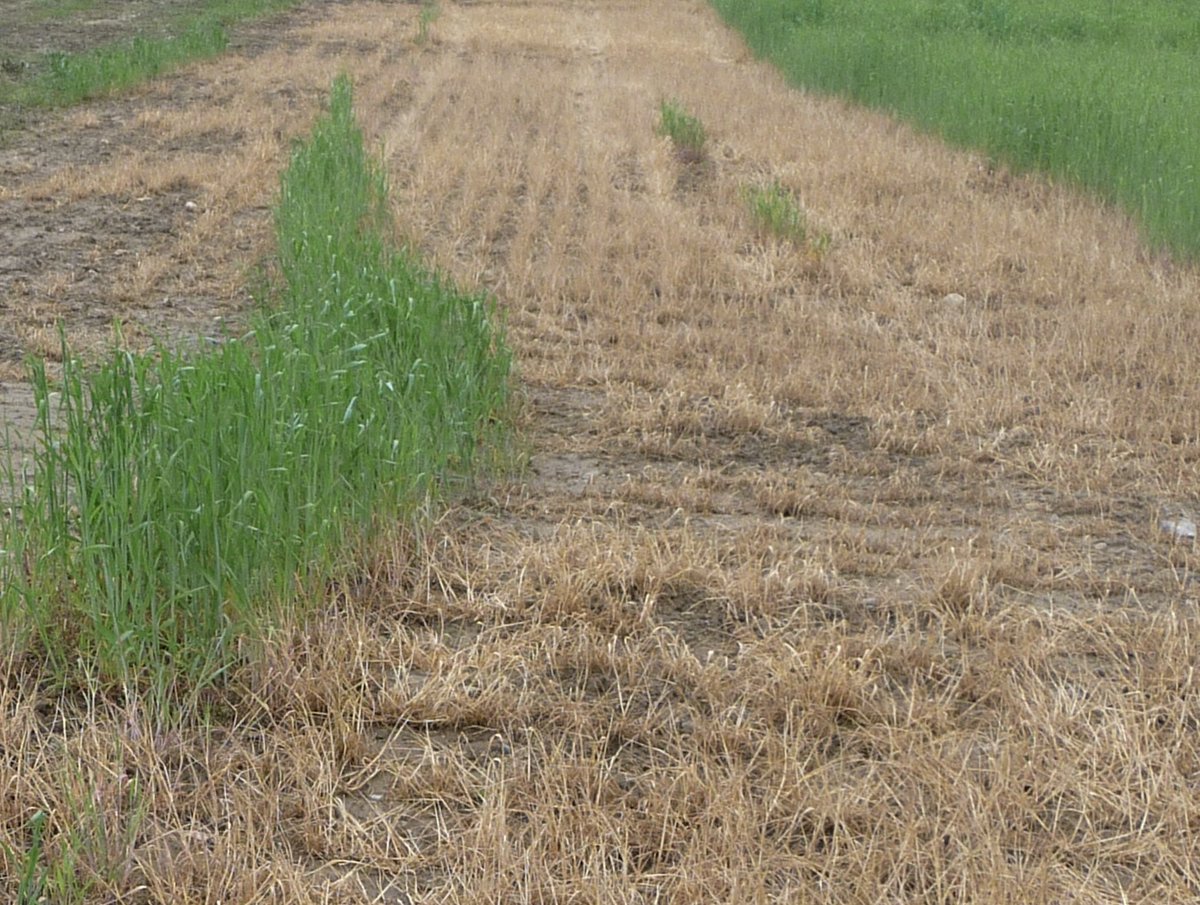
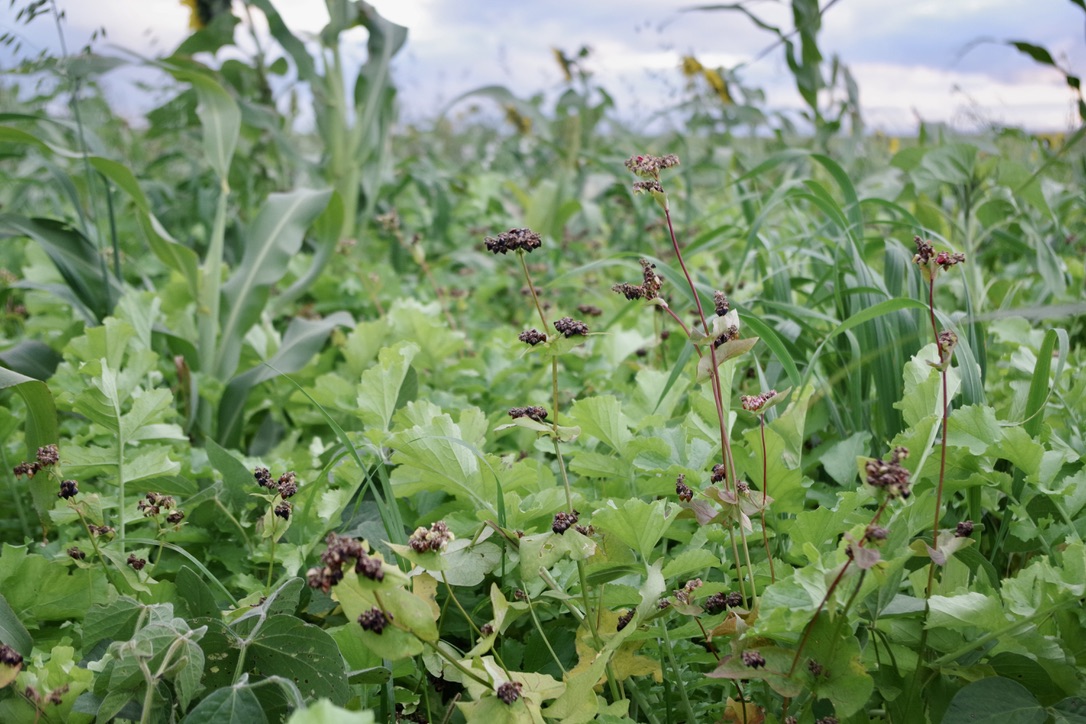
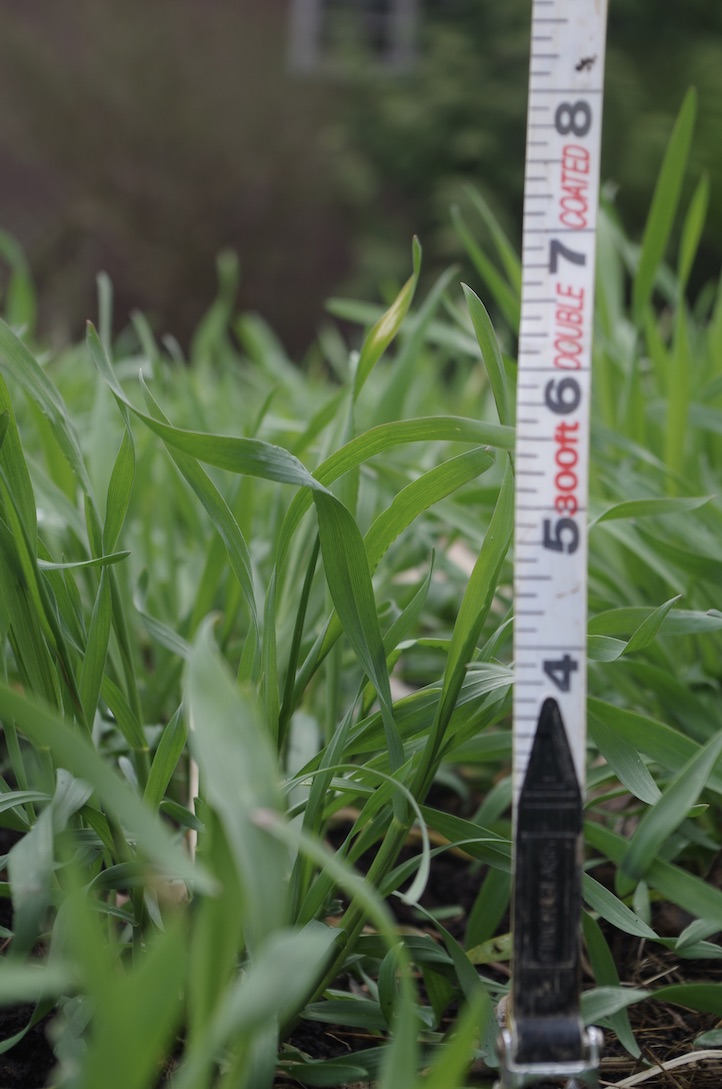
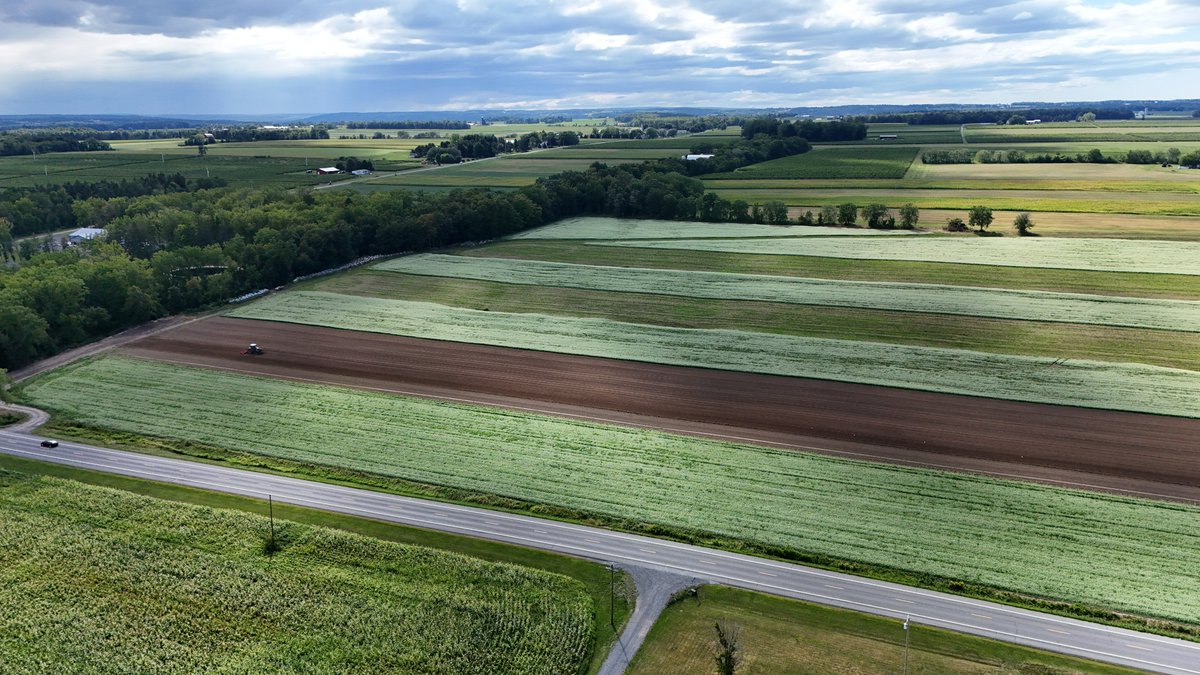

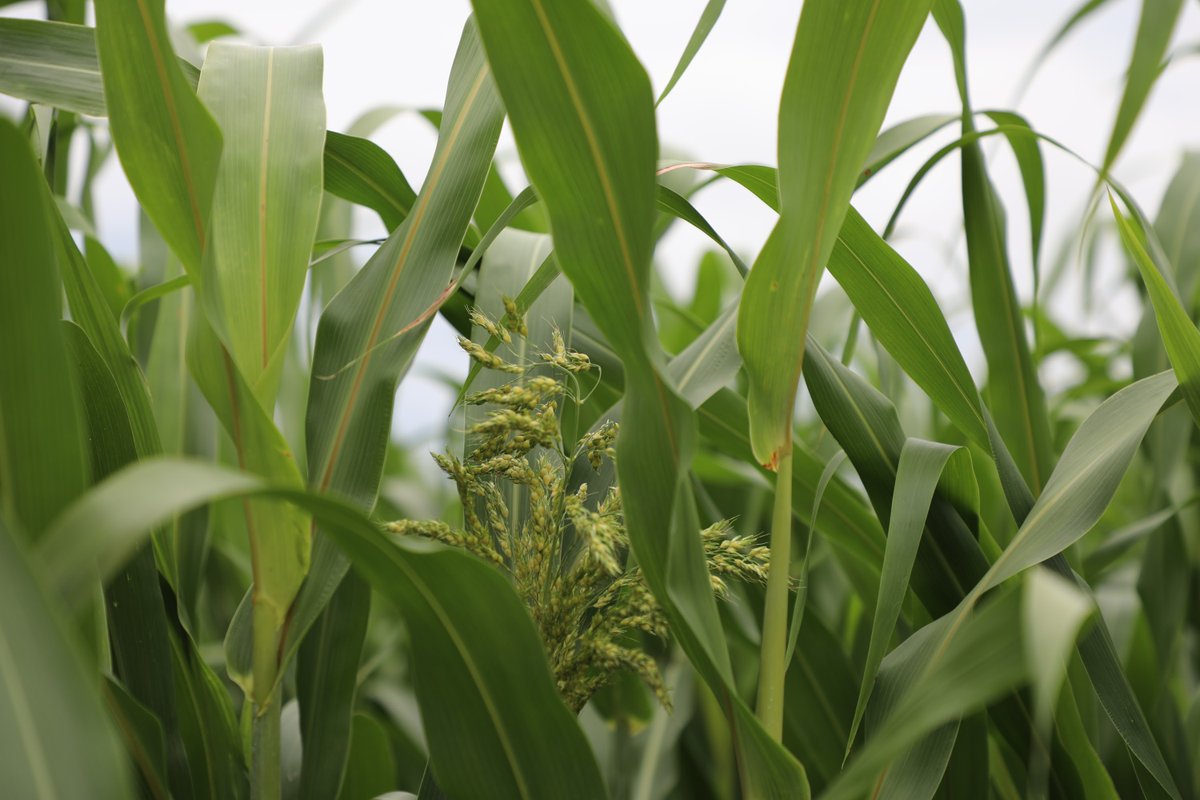
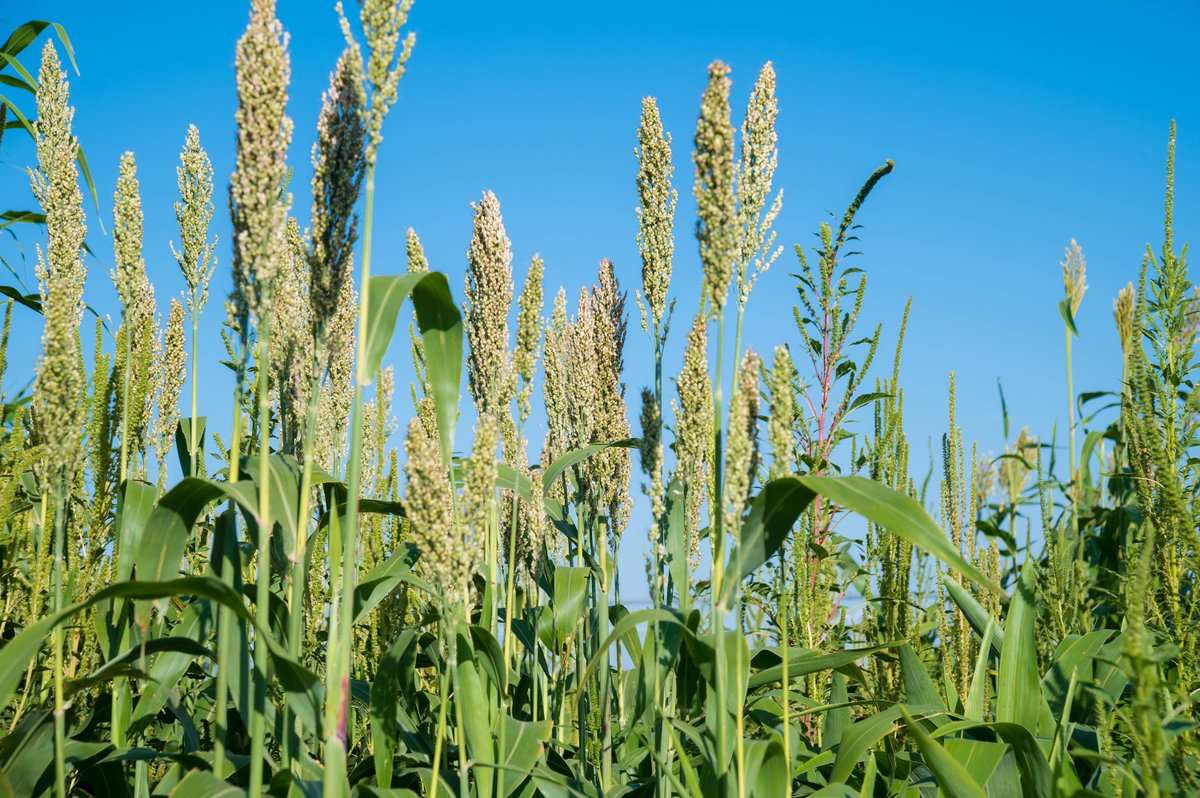
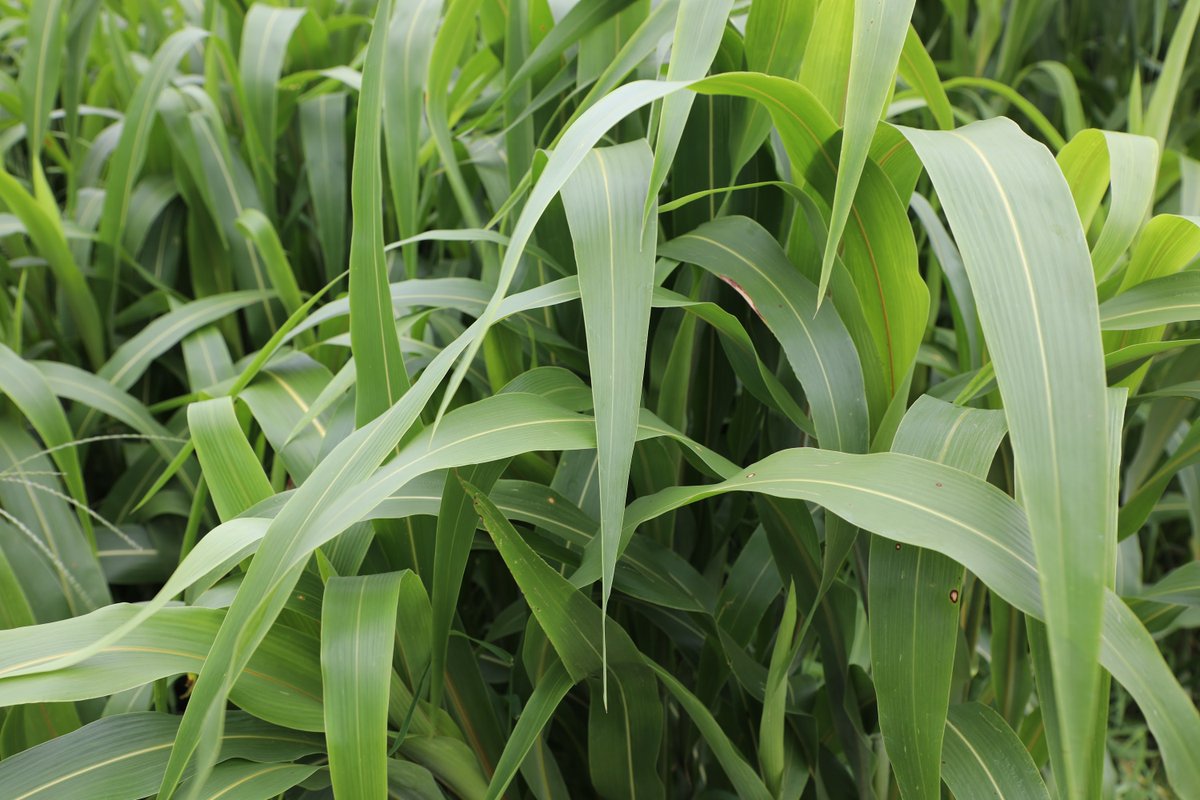
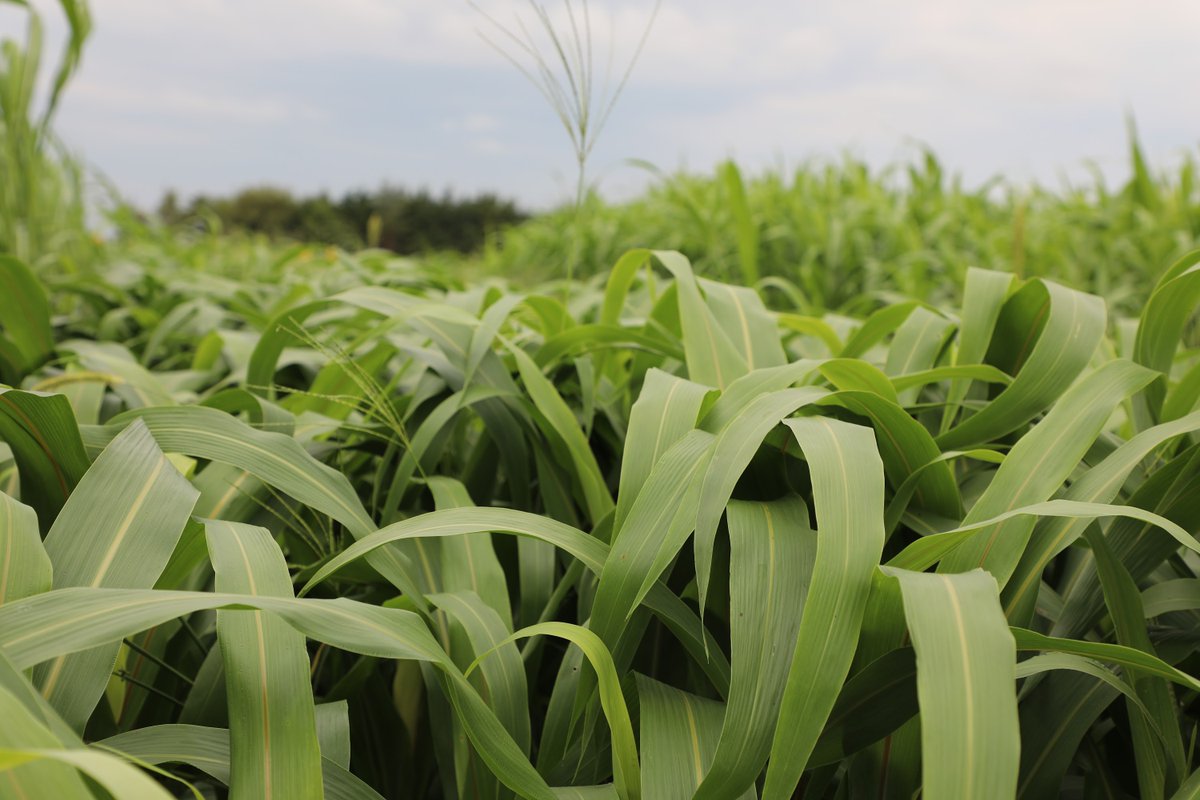
Indeed. Likewise, for building a lot of soil organic nitrogen with a full-summer #covercrop, mid June in the Northeast US is a good time to put in sorghum-sudangrass with sunn hemp. This grass-legume combo makes the greatest amount of organic matter. covercrop.org/cover_crops/su…

When summer heat rolls in, nothing builds biomass like sorghum.
Whether you need single-cut, high-tonnage forage or a multi-graze workhorse, there's a sorghum product built for your operation. You just have to know what to look for.
Forage sorghum thrives in stockpile grazing mixes and single-cutting situations. Sorghum sudan is the better fit when you're planning multiple cuts or grazes across the season.
Beyond that, the traits get more specific: BMR (brown mid-rib) varieties are worth seeking out if you're feeding livestock. PPS (photoperiod sensitive) types shine in long-season situations. And if volunteer sorghum is a concern, a male sterile (MS) variety keeps things clean.
Not sure where to start? Our team is happy to help, give us a call and together we'll find the right fit. 402-469-6784
#CoverCrops #SoilHealth #regenerativeagriculture #covercropping
1
98
Seaman Knapp was an Extension agent (the first Extension agent!) here in the Finger Lakes of New York. I did cover crop field days on his grandson's farm.
Apr 22

Each year, NIFA joins @APLU_News to sponsor a lecture presented at the APLU Annual Meeting honoring historical figures who shaped the Land-grant University System.
This year, nominations are open to honor Seaman A. Knapp. Submit nominations by June 5: nifa.usda.gov/about-nifa/par…

1
62
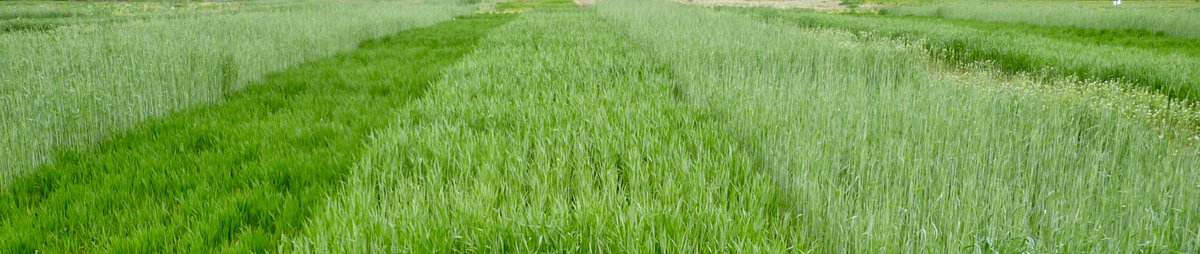
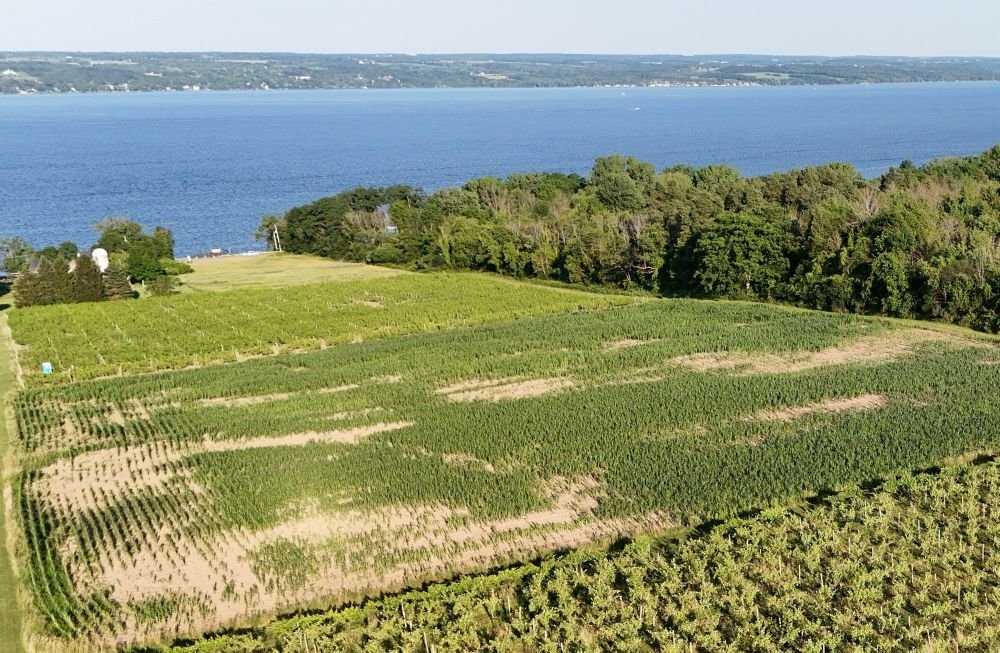
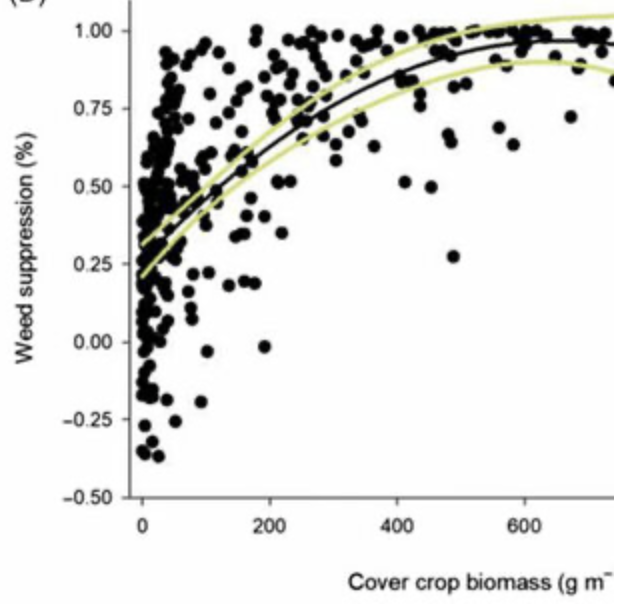
#Covercrop stands must have #nogaps. How big is a gap? For small grains 11 cm can do the job, 22 cm is a gap. For wheat, "narrow row spacing of 11 cm enhanced crop competitiveness and effectively suppressed R. raphanistrum" over winter in Faisalabad.
cambridge.org/core/journals/…
83
Labor efficiency is a high priority on vegetable farms worldwide. It takes different forms in different places. Cover crop practices require high labor efficiency as well, and we could use research to find improvements.
May 21

In China… smart farming blends simplicity with technology 👨🌾
Farmers plant vegetable seedlings while sitting, using locally made tools designed to fit their needs — a scene that reflects years of hard-earned experience and an innovative adaptation to the land and agricultural conditions.
1
4
243
Third key to cover crop success: Kill On Time
Terminate when plants will kill completely
Herbicide: Susceptibility depends on both temperature and growth stage. Time application when both are correct.
Don't miss a spot! 10/10
1
92
Third key to cover crop success: Kill On Time
Terminate when plants will kill completely
Winter kill: Young plants like Crucifer rosettes are much hardier than older ones that started to bolt or bulb in the fall. Check for runts that survived winter. 9/10
70
Third key to cover crop success: Kill On Time
Terminate when plants will kill completely
Cultivation or shallow tillage: Separate roots from shoots or roots from soil 8/10
75
Third key to cover crop success: Kill On Time
Terminate when plants will kill completely
Roller crimping: make sure there is enough biomass and that the stems are brittle. No immature tillers. 7/10
111
Third key to cover crop success: Kill On Time
Terminate when plants will kill completely
Mow killing: make sure all potential growing points are higher than the mower blade. Early flowering is often best, 6/10
70
Third key to cover crop success: Kill On Time
Terminate when plants will kill completely
Chose an effective method for the species, growth stage and season. 5/10
1
1
78
Third key to cover crop success: Kill On Time
Always terminate before there is a risk of seed production. Watch mixes closely, any component can become an unwelcome volunteer. 4/10
2
101
Third key to cover crop success: Kill On Time
To minimize tillage and speed soil warming in spring, terminate just after green-up. 3/10
2
78
Third key to cover crop success: Kill On Time
Wheat, triticale and rye are at very different stages. At these stages,terminating wheat gives an N credit, rye a big deficit. 2/10
1
8
825
Third key to cover crop success: Kill On Time
It is time for winter cover crop termination. The right time depends a great deal on management goals.
Here is a series of tweets on getting that right. 1/10
47
What caused gaps in winter cover crops you are terminating now?
What used to cause gaps, but you have fixed?
1
145
Second key to cover crop success: No Gaps
Broadcasting is common, but takes a lot of care. Do overlapping passes, and cover the field twice at different angles
Follow broadcasting with something that presses in the seed to get seed-soil contact.
2
109
Second key to cover crop success: No Gaps
Prepare the field so that the planter will not skip.
Use a planter that can handle stones, crop residue, crusting or others impediments to accurate placement.
Adjust the planter so that the seed furrow closes consistently and completely.
1
92
Second key to cover crop success: No Gaps
Why it matters: weeds will grow in even small gaps in the cover crop stand.
Now is a good time to evaluate winter covercrop stands and think about what could remedy any gaps.
Scouting is fast because the weed-filled gaps are easy to spot.
1
111
Second key to cover crop success: No Gaps
A series of tweets with things to think about.
52
Another example of exactly where biochar is valuable from my colleague Rebecca Nelson coming up in a few hours: events.cornell.edu/event/too…

My colleague Johannes Lehmann, is cofounder of the International Biochar Institute. He is quite measured about where it makes a valuable difference. Current research is on how to make it so that it has specific functional properties.
youtube.com/watch?v=n-CVGctl…
190