Ontario grain farmer. Former exec VP Ontario Corn Producers Assoc. Former U of Guelph crop science professor and associate dean.

Joined February 2012
1,646 Photos and videos
Terry Daynard retweeted
The greatest achievement in human history isn’t getting a few satellites into space. It’s feeding 8 billion people every day. The fact that many people find rockets more exciting than agriculture says more about human psychology than human priorities.
239
208
1,042
19,856
Terry Daynard retweeted
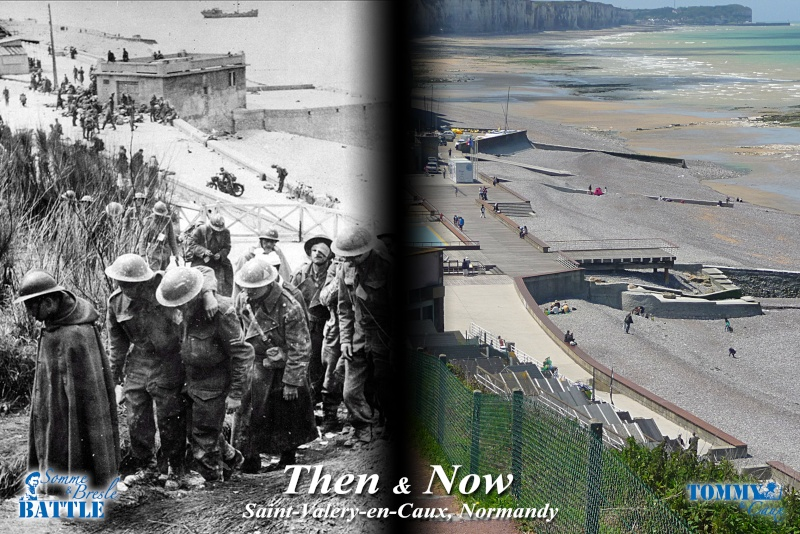
Everyone knows Dunkirk. 338,000 men rescued from the beaches, the "miracle" that saved Britain. Almost nobody knows what happened 8 days later, 100 miles down the coast. This story was buried for years, and once you hear it you will understand why. While Dunkirk was being evacuated, the 51st Highland Division was deliberately kept in France. Churchill wanted to prove to the French that Britain would not abandon them. So 10,000 Scotsmen kept fighting along the Somme while everyone else went home. They fought well. Too well to retreat in time. By June 10, Rommel's 7th Panzer Division, moving so fast the Germans called it the Ghost Division, had cut them off from every port. The Highlanders fell back to a tiny fishing town called Saint-Valery-en-Caux, with cliffs at their backs and the Royal Navy on the way. A second Dunkirk. That was the plan. Operation Cycle, ships waiting offshore. Then the fog rolled in. The ships could not reach the beaches in the dark and mist. And by morning, Rommel had artillery on the cliffs above the town, firing down on anything that floated. Men climbed down cliff faces on ropes made of rifle slings trying to reach boats. Some fell. The rescue never came. On June 12, 1940, Major General Victor Fortune surrendered the 51st Highland Division to Rommel. There is a famous photo of the two men standing together, Rommel grinning, Fortune staring into the distance like he is somewhere else. 10,000 men marched east into 5 years of captivity. In parts of the Highlands, nearly every family knew someone in the bag. They called it the lost division, and for decades many Scots quietly believed they had been sacrificed. Two details worth knowing. Fortune was offered better treatment as a general. He refused privileges and stayed with his men for the entire war, organizing care for the sick and keeping discipline in the camps. He was knighted from a hospital bed after liberation. And in September 1944, the rebuilt 51st Highland Division was given one specific assignment, at the request of its commander. They liberated Saint-Valery-en-Caux. The pipers played in the same square where their brothers had surrendered four years earlier. Dunkirk got the movie. These men got the long war. Worth remembering them today.
87
1,149
5,766
137,567
A fabulous story about my wood-working brother-in-law, Bob French, written by my friend and high-school classmate, David Kemp. wpheronry.substack.com/p/bob…

1
5
355
Terry Daynard retweeted
Unsurprisingly, organic yields were far lower (31% lower on average) than conventional yields, likely leading to less crop residue that would help build up soil carbon. @agronomistag digs into the details here: csanr.wsu.edu/what-actually-…
1
4
370
Terry Daynard retweeted
Robot Down!… It’s in the middle of the field… Got caught in a rain shower and didn’t make it to base in time… Brainstorming a plan for extraction… I tried pushing it and I gave up… Maybe a drone for an airborne extraction?…
22
1
74
30,600
Terry Daynard retweeted
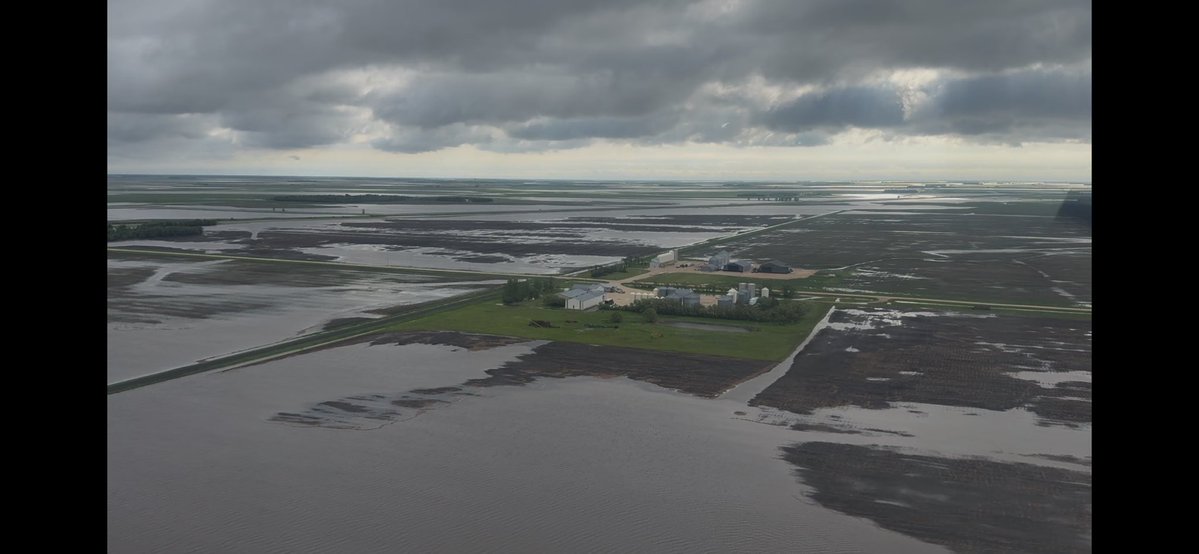
Mother nature can be exceptionally cruel.
We got 7-9.5” across our whole farm. It’s done, there will be little to harvest
1
13
3,939
Terry Daynard retweeted
After the US government put a health warning on IARC's low quality research, @zaruk wonders what a post-IARC world will look like. Less fear, ignorance or useless lawsuits It will be better and no one will notice when the cancer agency crawls into oblivion thefirebreak.org/p/welcoming…
12
24
10,617
Terry Daynard retweeted
Le plus spectaculaire miracle économique des 500 dernières années s’est produit quand la part du revenu consacrée à l’alimentation est passée d’environ 70% à 10%. Nos ancêtres vivaient pour nourrir leur famille. Aujourd’hui, nous achetons de la nourriture sans y penser. 1/6
38
350
1,308
59,729
Terry Daynard retweeted
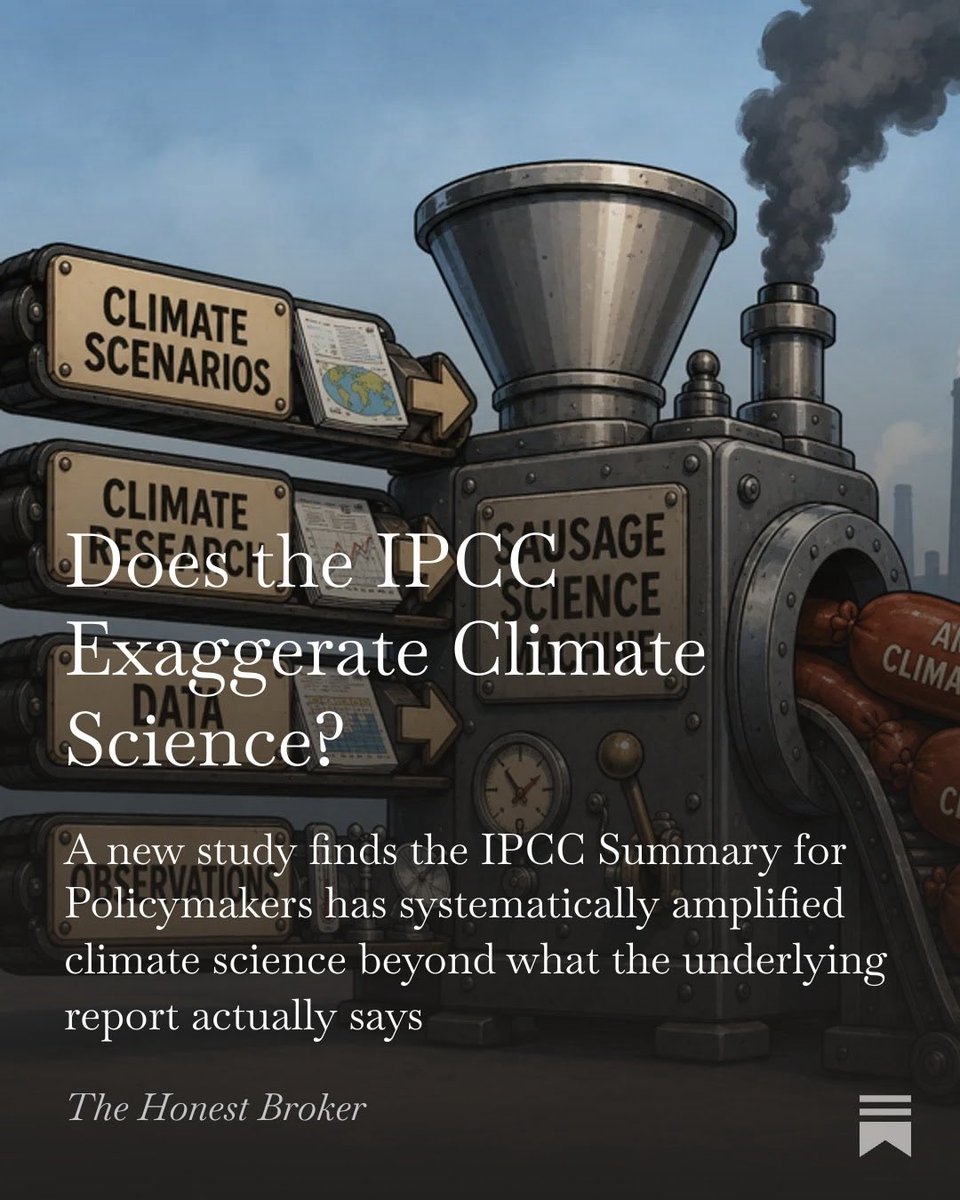
Does the IPCC Exaggerate Climate Science? A new study finds the IPCC Summary for Policymakers has systematically amplified climate science beyond what the underlying report actually says Link in reply
29
116
362
38,504
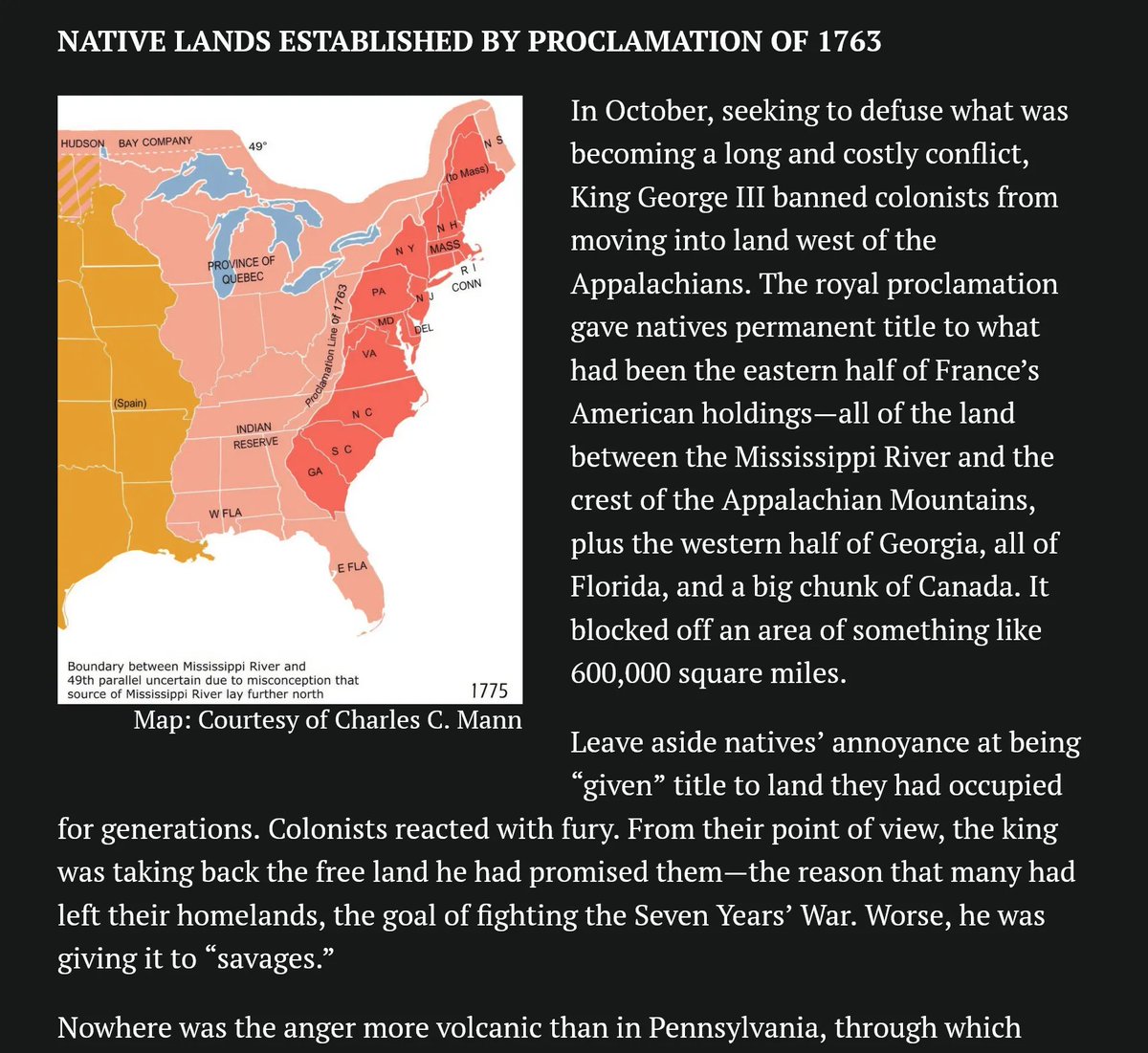
Most Canadians don't realize how large Quebec once was - extending right to the Mississippi River. (It is still Canada's largest province, by land area.)
The American Revolution Took Place in Indian Country (by me, link in reply) #shamelessplug
322
Terry Daynard retweeted
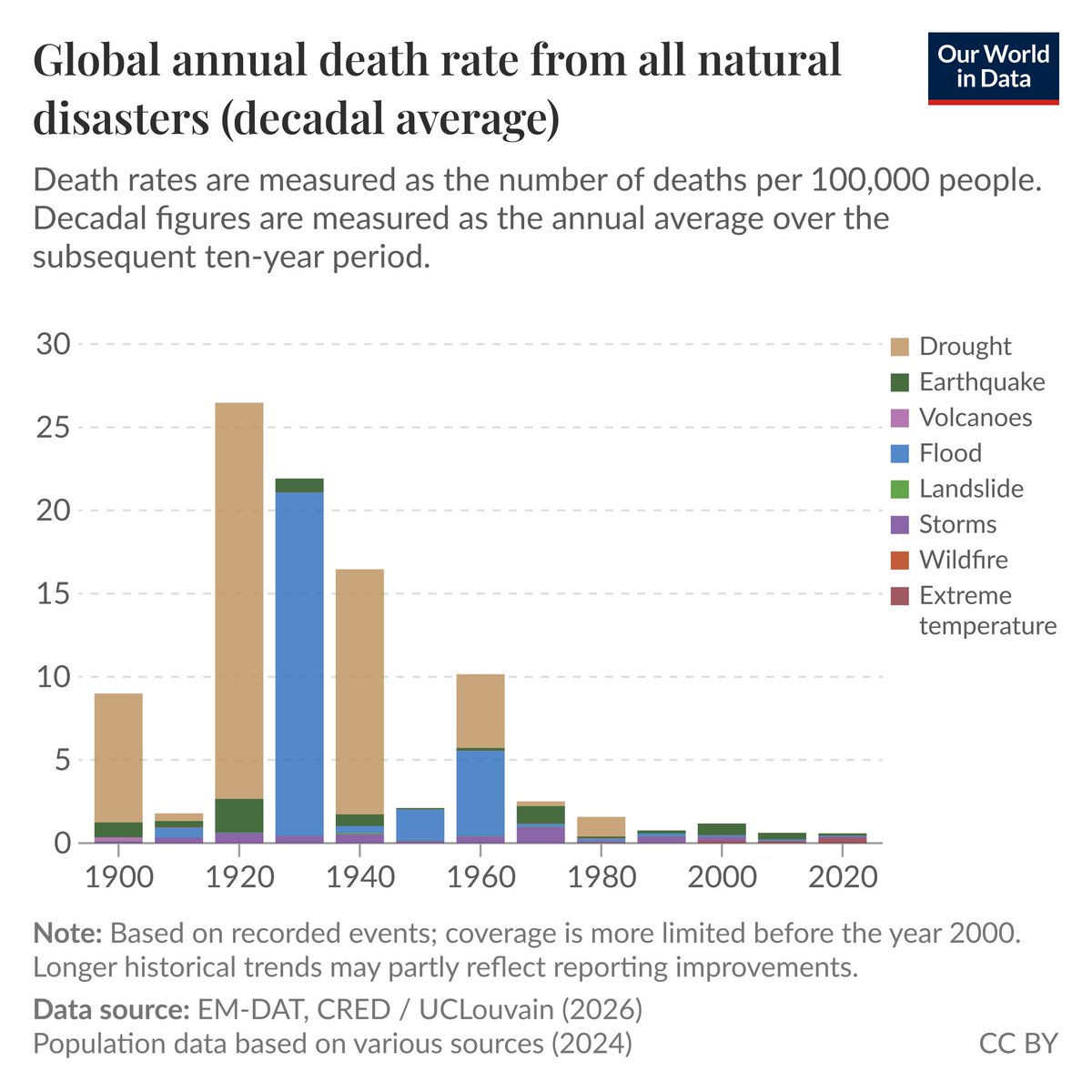
The world has become much more resilient to disaster events over the last century. In the chart here, you can see estimates of average death rates — measured as the number of deaths per 100,000 people — by decade since the early 20th century. Over the last century, death rates have fallen by more than 90%. Records from a century ago are much less complete, with many small and medium-sized events missed, so this may even be an underestimate. This is not because hazards have become weaker. It’s because societies have become more resilient. – Weather forecasting has allowed us to know when disasters are coming ahead of time, giving societies time to prepare. – Early warning systems allow local populations to take cover and stay safe. – Better buildings can withstand earthquakes and hurricanes. – National and international cooperation, combined with transport and trade, means others can provide assistance when a disaster does strike. – Food systems are more productive and better connected, making the impact of a lost harvest less severe than it would have been a century ago. Continuing to improve the resilience of systems worldwide remains crucial to reducing the toll from disasters in the future.
5
50
123
20,879
Terry Daynard retweeted
Rothamsted Research has officially sown the UK's first precision-bred crop in a historic field trial. Read details in #BiotechUpdates: bit.ly/43nnJ3n
2
2
254
Terry Daynard retweeted
442
7,996
34,152
284,878
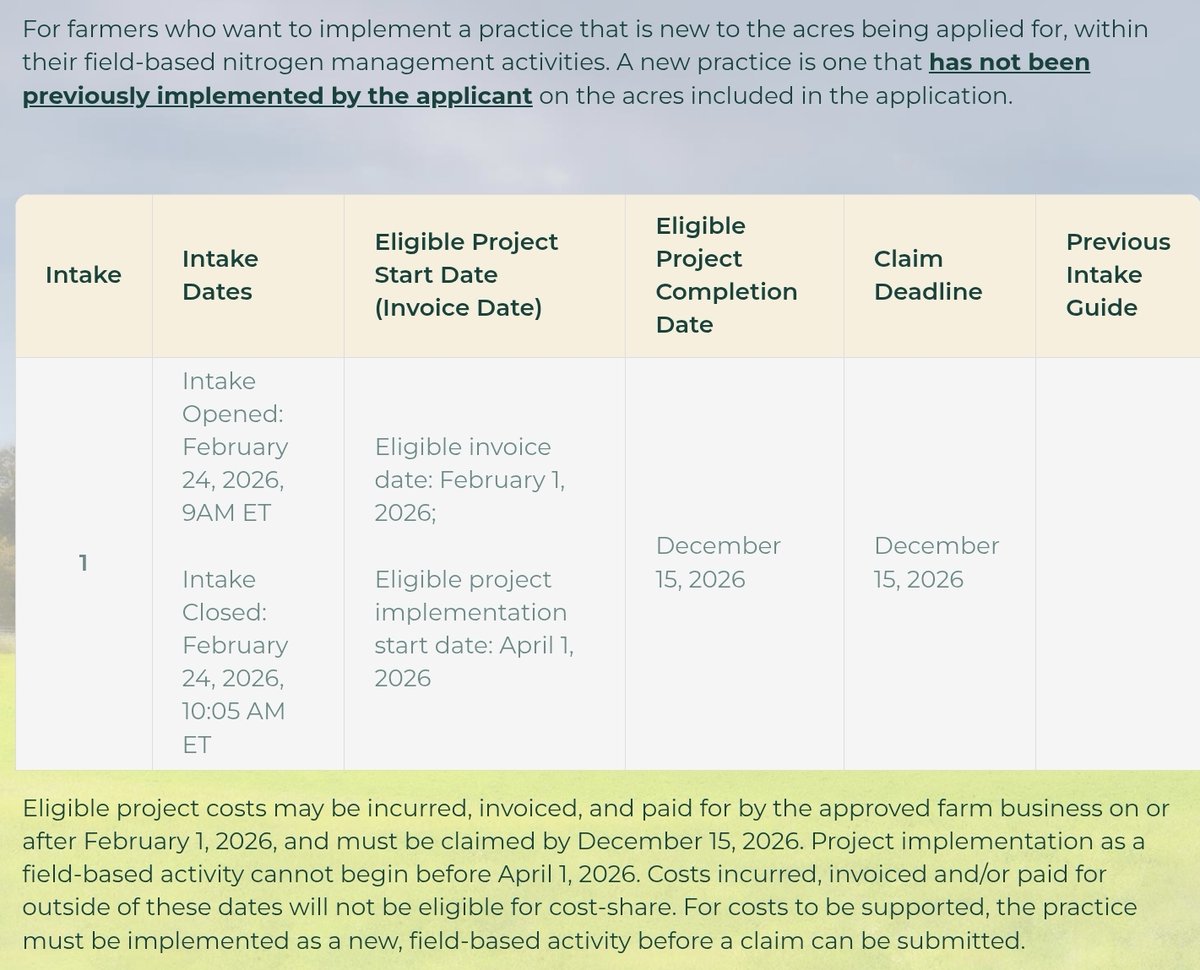
"Farmers’ funding uptake surges for cover crops, other green projects" Expanded cover crop usage for water-flow control (as this article describes) makes good sense. Cover crop use to increase soil organic carbon - not so much - at least IMHO. farmtario.com/news/ontario-f…
1
1
9
1,202
Terry Daynard retweeted
🔴Le projet PhosphoBio apporte un enseignement intéressant : – Les sols bio contiennent en moyenne moins de phosphore disponible que les sols conventionnels. – Lorsque les seuils critiques sont franchis, les pertes de rendement peuvent dépasser 30 % en moyenne et atteindre plus de 50 %. Un constat assez ironique dans le débat actuel : Pour certains, le phosphore ne serait pas important en agriculture conventionnelle. Pourtant, les travaux réalisés en agriculture biologique montrent qu’à faible disponibilité, il devient bel et bien un facteur limitant majeur des rendements. Le phosphore n’est ni « bio » ni « conventionnel » : c’est un élément indispensable à toutes les plantes. La vraie question n’est donc pas « faut-il du phosphore ? », mais comment préserver durablement la fertilité phosphatée des sols alors que cette ressource est non renouvelable et stratégique pour notre souveraineté alimentaire. lafranceagricole.fr/engrais-…
6
59
127
4,531
Terry Daynard retweeted
Nathan Schachtman's publication, #IARCsPrecautionaryScience puts the cancer agency under the microscope. @zaruk reviews the book, the failed science, special interests, non-transparency and links to the US litigation industry. Conclusion: Shut IARC down. thefirebreak.org/p/putting-i…
7
7
909
Nice review article: "Cover crops do not increase soil organic carbon stocks as much as has been claimed" Of 37 existing field studies, not one expressed results on the basis of basis of equivalent soil mass. onlinelibrary.wiley.com/doi/…

2
8
1,110
Terry Daynard retweeted
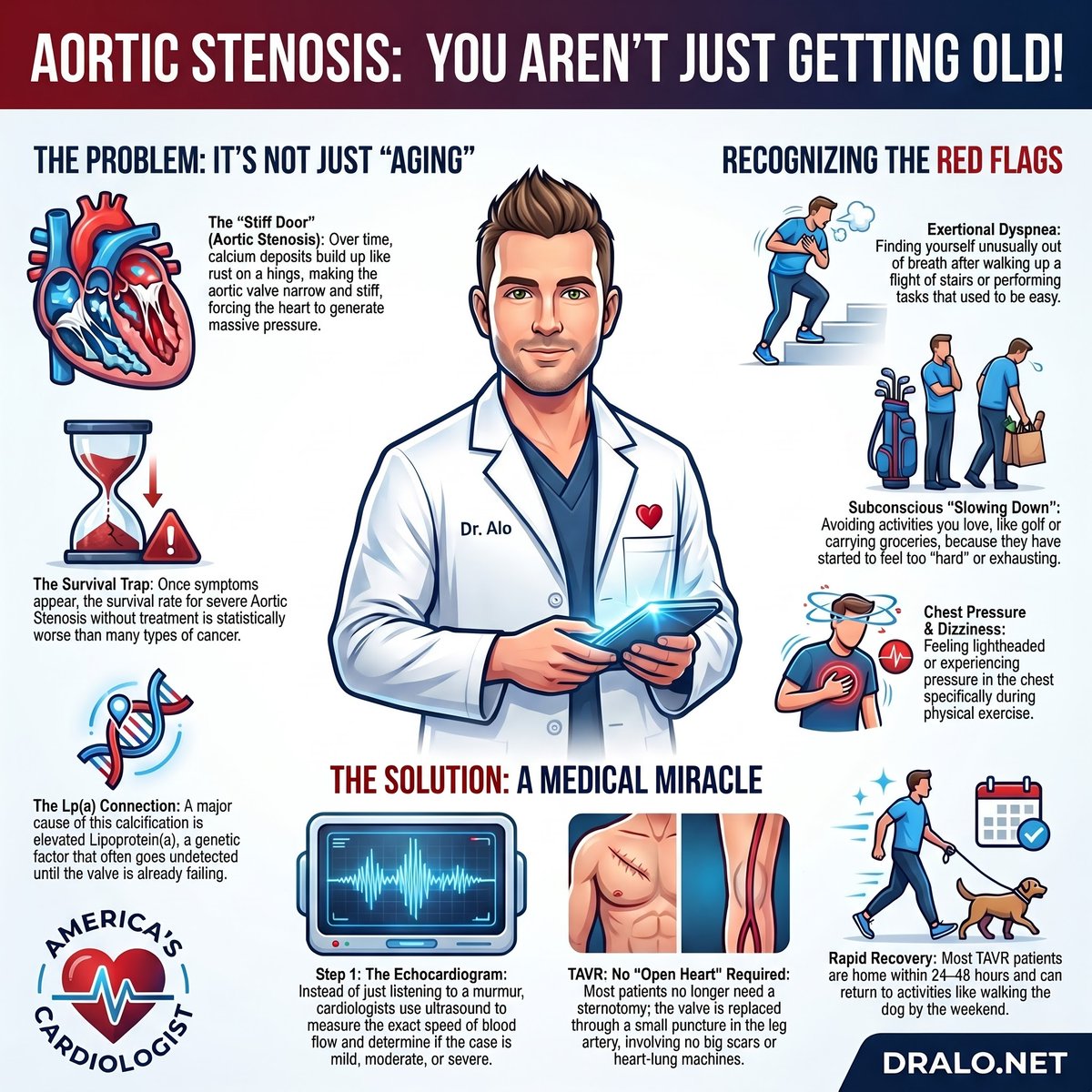
🚨 What if I told you that cracking open your chest is no longer the standard of care for a failing heart valve? Thousands of patients qualify for a procedure done through a catheter in your leg. And no, it is not just for patients too sick to survive surgery. I am a cardiologist who has watched this field transform in real time. I have seen patients in their 70s, 80s, and even 90s walk out of the hospital days after a valve replacement that once required a sternum split, a heart-lung bypass machine, and months of recovery. The data changed everything. Here is what the science actually says. 💓 What is aortic stenosis? Aortic stenosis is the narrowing of the aortic valve opening. The valve calcifies and stiffens over time. Blood cannot flow freely from the heart to the rest of the body. The heart works harder. The heart weakens. Patients develop chest pain, fainting, and shortness of breath. Without treatment, 50% of symptomatic patients die within 2 years. That number is not a scare tactic. That is the natural history of this disease. 🔬 The old standard versus the new standard: Old standard. Open heart surgery. Sternotomy. Cardiopulmonary bypass. 6 to 12 weeks of recovery. Mortality risk of 3% to 8% depending on age and comorbidities. New standard. TAVR. Transcatheter Aortic Valve Replacement. A catheter goes through the femoral artery in your leg. A new valve deploys inside the old one. No chest opening. No bypass machine. Hospital stay of 1 to 3 days. This is not experimental. This is guideline-directed therapy. 💓 The trial data that changed everything: ✅ PARTNER 3 (TAVR vs surgery, low-risk patients): the composite of death, stroke, or rehospitalization at 1 year was 8.5% with TAVR versus 15.1% with surgery. ✅ EVOLUT LOW RISK (TAVR in low surgical risk): TAVR was non-inferior to surgery for death or disabling stroke at 24 months, with rates of 5.3% versus 6.7%. ✅ PARTNER 1 (high-risk and inoperable patients): TAVR reduced all-cause mortality by 20% at 1 year compared to medical therapy in inoperable patients. The question is no longer whether TAVR works. The question is whether you have been evaluated for it. ⚠️ Who qualifies for TAVR? This expanded dramatically over the last decade. 🔸 Patients over 65 with severe symptomatic aortic stenosis 🔸 Patients at low, intermediate, or high surgical risk 🔸 Patients with anatomy suitable for transfemoral access 🔸 Patients who previously would have been told they were too sick for any intervention The guidelines from the American College of Cardiology now support TAVR as a reasonable alternative to surgery for patients across all risk categories when performed at experienced centers. 🔬 Why TAVR works mechanically: The transcatheter valve sits inside the diseased native valve. The calcified leaflets get pushed aside. The new valve opens and closes with every heartbeat. Cardiac output improves within minutes of deployment. The left ventricle begins to recover. Symptoms improve rapidly. That matters because the heart has more reserve than most people think. Given the right intervention at the right time, the myocardium recovers. 🩺 The warning most patients never hear: Aortic stenosis is often silent for years. A patient can have severe stenosis on echocardiogram and feel nothing yet. The moment symptoms appear, the clock starts. That 50% 2-year mortality applies to symptomatic patients. This is why every patient over 65 with a murmur or unexplained exertional symptoms needs an echocardiogram. Not next year. Now. ❌ The myths I hear constantly: ❌ "I am too old for a valve procedure." Age alone does not disqualify you. Functional status and anatomy matter more. ❌ "My doctor said to watch and wait." Watchful waiting has a role in truly asymptomatic mild to moderate disease. Severe symptomatic stenosis is not a waiting game. ❌ "Open heart surgery is the gold standard." The trials above prove otherwise for the majority of patients today. A patient who gets evaluated early, receives a timely TAVR, and follows up with structured cardiac care can expect significant improvement in symptoms within 30 days and survival benefit that extends years. That is the difference between a preventable death and a functional, active life at 80. ❤️ Bottom line: Aortic stenosis is not a death sentence. It is a treatable mechanical problem. The evidence base for TAVR now includes tens of thousands of patients across multiple randomized controlled trials. This is one of the most proven structural interventions in modern cardiology. Get an echocardiogram if you have a murmur, unexplained fatigue, exertional chest pain, or fainting spells. Ask your cardiologist specifically whether you are a TAVR candidate. Do not wait for symptoms to become severe. The window to intervene is open right now. The question I ask every patient with aortic stenosis is this. If a 45-minute procedure through your leg could give you years of better life, what are you waiting for? #Cardiology #HeartDisease #HeartHealth #CardiovascularHealth #AorticStenosis #TAVR #StructuralHeartDisease #HeartValve #PreventiveCardiology #LifestyleMedicine
2
6
24
1,832
Terry Daynard retweeted
At dinner last night a man explained that the local rice was drowned in glyphosate. He spent 20 minutes warning me about chemicals in food. Then he stepped outside and smoked a cigarette. I’ve never seen a better demonstration that people don’t fear risk. They fear stories.
105
274
2,084
35,609