Time for some truth: Earth's species are virtually certain to experience cataclysmic >1.8°C warming by 2026-99.
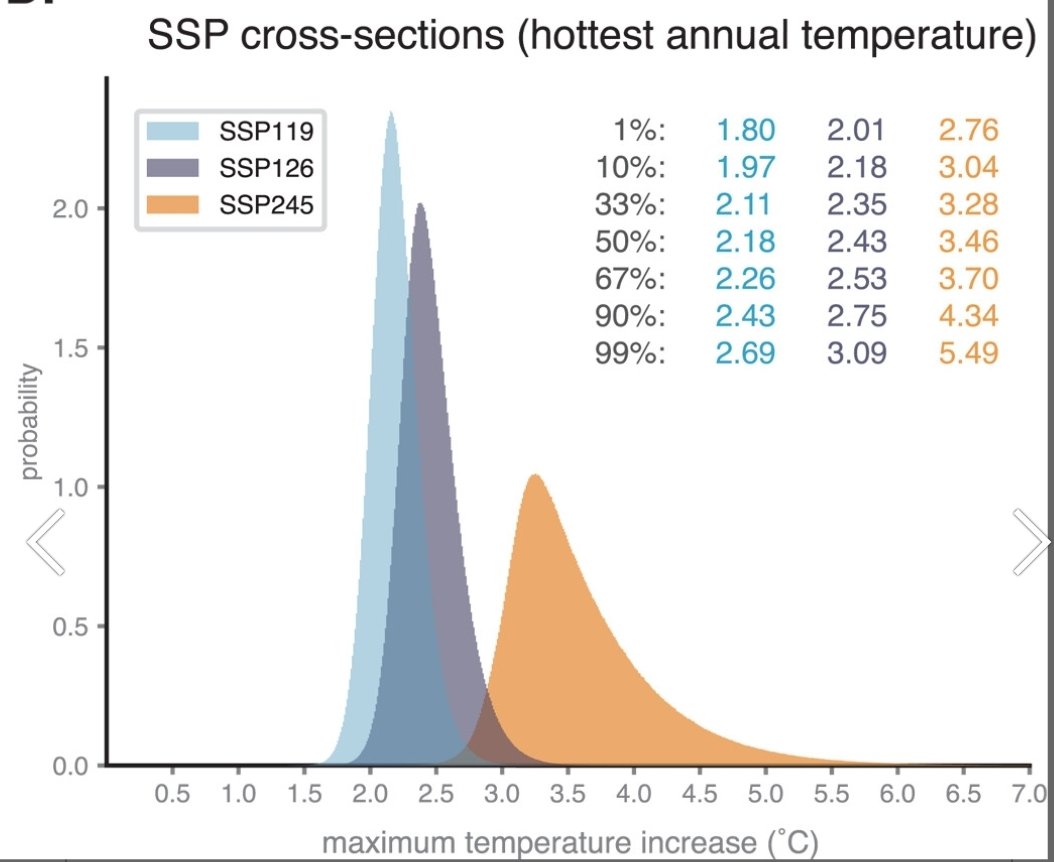
'SSP1-1.9, net-zero CO2 emissions mid-2050s.. deep negative emissions.. maximum annual temperature.. “virtually certain” to exceed 1.80°C (median prediction: 2.18°C)'
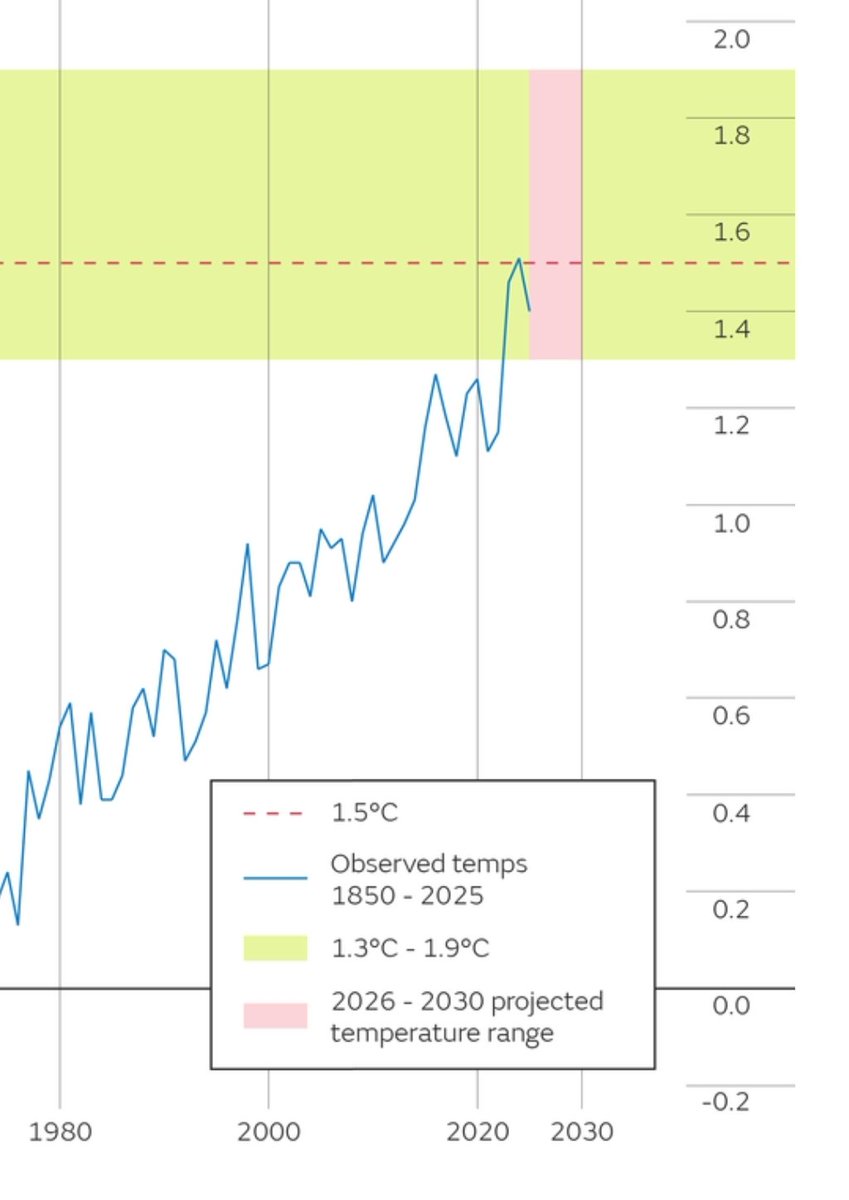
ALT Global average temperature (part of diagram)
It is likely (75% chance) that the 2026-2030 five-year mean will exceed 1.5°C above the 1850-1900 average. It is considered exceptionally unlikely (less than 1%) that any single year will exceed 2°C above the 1850-1900 average in the next five years.
The five-year predicted average temperature in the central tropical Pacific (Niño 3.4 region) indicates a tendency towards El Niño conditions, particularly in 2027 and 2028, it says.
2027: a record-breaking year?
New report suggests more global temperature records ahead
Author: Grahame Madge
05:00 (UTC 1) on Thu 28 May 2026
https://www.metoffice.gov.uk/about-us/news-and-media/media-centre/weather-and-climate-news/2026/new-report-suggests-more-global-temperature-records-ahead
capitalism's best-case scenario: habitat & wildlife destruction and pollution ruin conditions that may have limited mass extinction as species suffer 2.18-4.34°C by 2100
ALT Fig 2
Probability of peak warming in response to cumulative emissions. (a) Probability that the peak forced temperature response (compared to the 1850–1899 pre-industrial baseline) remains below a range of thresholds as a function of remaining cumulative emissions, predicted by CNNs initialized using observations in 2023. Vertical dotted lines denote the remaining emissions under three decarbonization scenarios. (b) The CNN-predicted derived distributions for the peak forced response by 2100, corresponding to the cross-sections shown as vertical dotted lines in (a). (c) As in (a) but for the maximum annual temperature by 2100. (d) As in (b), but for the maximum annual temperature by 2100 (i.e., corresponding to the cross-sections shown as vertical dotted lines in (c)).
Data-Driven Predictions of Peak Warming Under Rapid Decarbonization
Shows 2.43°C central estimate for hottest annual temperature SSP1-26 (and 5.49°C extremely unlikely hottest annual temperature SSP2-45)
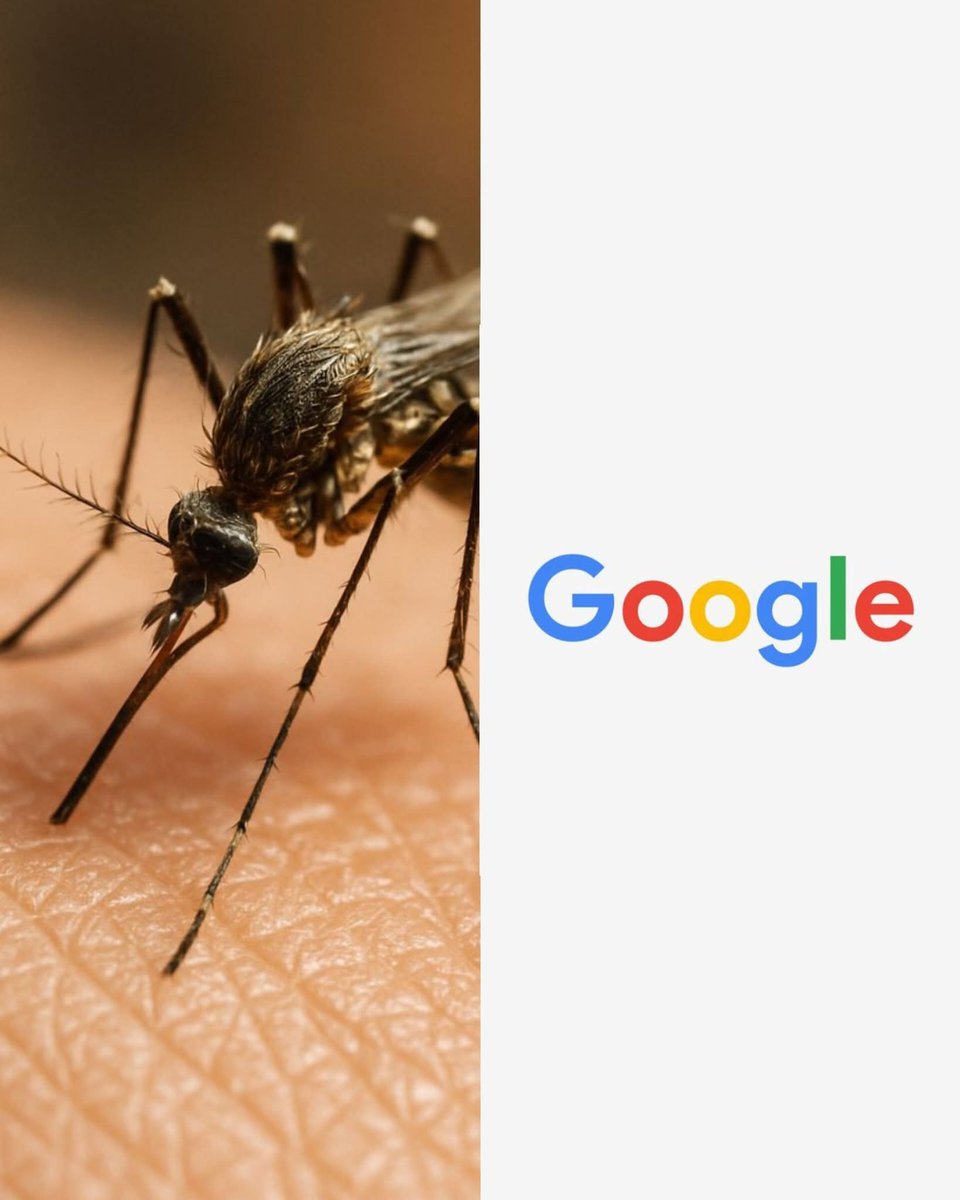
Google tiene permiso pendiente para liberar 32 millones de mosquitos en Estados Unidos.
No son modificados genéticamente.
Están infectados con Wolbachia — una bacteria natural que impide su reproducción y colapsa la población silvestre desde adentro.
Los resultados previos son difíciles de ignorar:
Una prueba en California casi eliminó los mosquitos en tres sitios. Otro ensayo en Singapur redujo el dengue un 70% en 12 meses.
Google ya liberó más de mil millones en cuatro continentes.
El público tiene hasta el 5 de junio para comentar ante la EPA.
La biotecnología como infraestructura.
Esto es lo que viene.
BITCOIN BIOLÓGICO.
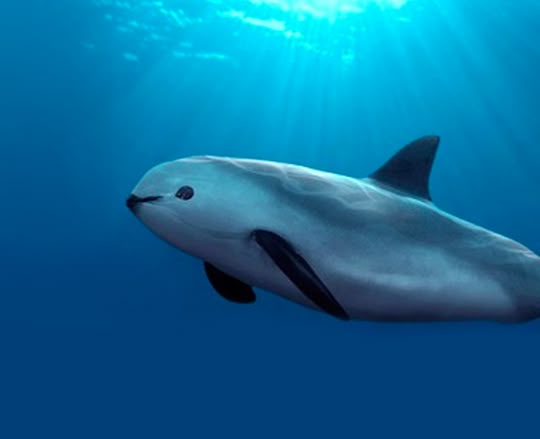
Así llaman al buche de totoaba el órgano que el crimen organizado usa para pagar precursores de fentanilo.
El resultado: la vaquita marina al borde de la extinción total.
Menos de 10 ejemplares confirmados en el planeta.
No es solo tráfico de especies.
Es una cadena de suministro criminal donde el ecosistema paga la factura.
Esto es exactamente lo que pasa cuando no hay precio para la biodiversidad.
[1/7]
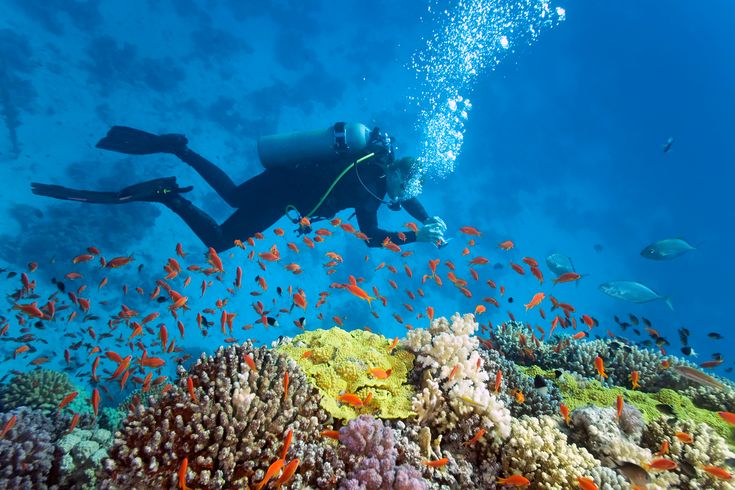
El segundo arrecife de coral más grande del planeta casi desaparece para instalar toboganes.
Y el gobierno que lo frenó no lo hizo por activismo.
Lo hizo porque la gente alzó la voz
Y lo que no sabía era que las matemáticas no cerraban.
Abro hilo 🧵
[7/7]
No iban a construir un parque sobre arena.
Iban a construirlo sobre la infraestructura que mantiene viva toda la economía de esa costa.
Mahahual sigue en pie.
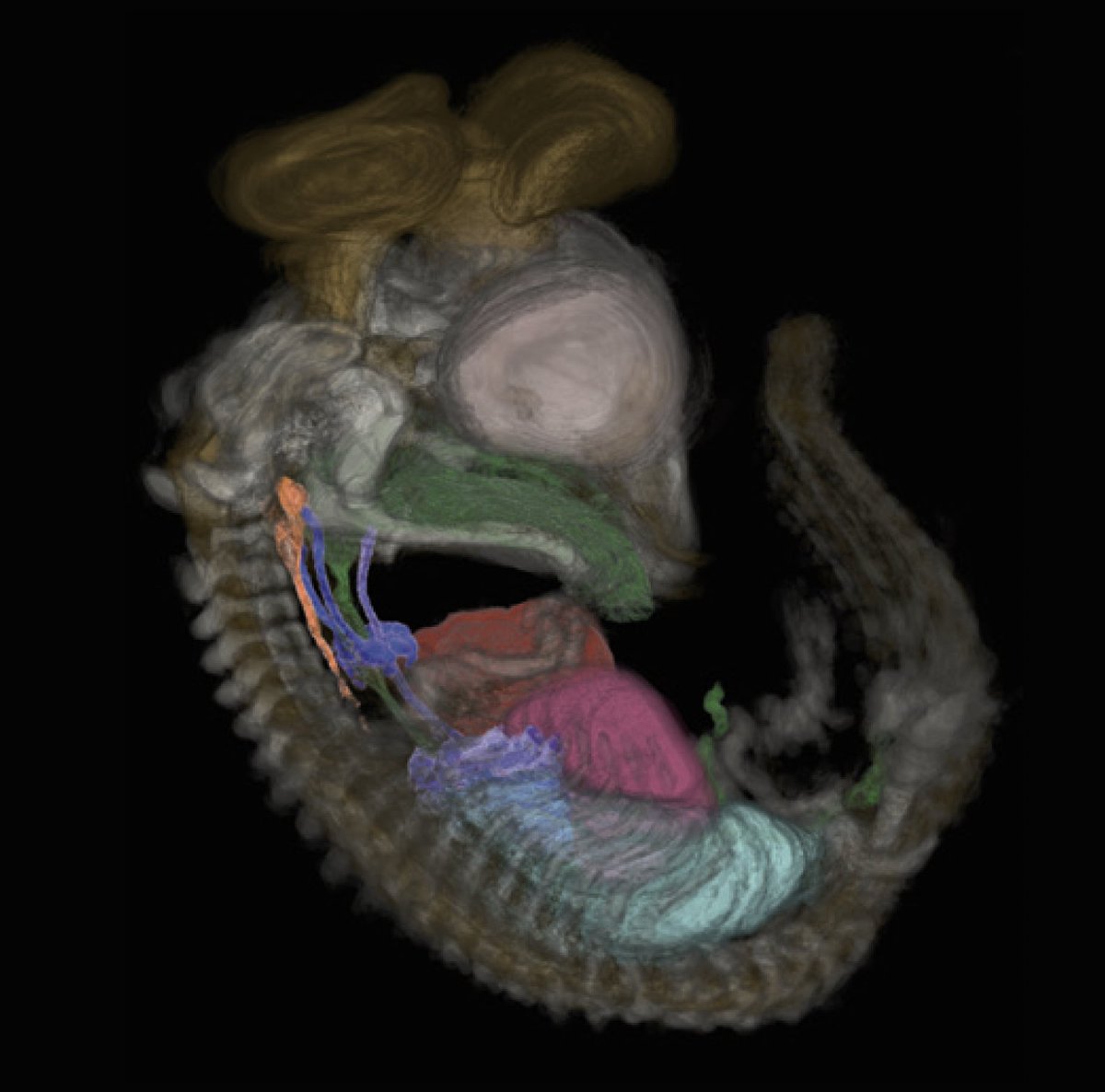
Big paper coming out soon.
Using AI, we mapped embryos of mice, alligators, turtles, rhesus macaques, and chickens in 3D and at single-cell resolution.
We discovered something truly remarkable...stay tuned!
Art for @MarineCreatures 🌊
These are not just 3D pieces.
They are containers of reality:
Plastic from beaches.
Data from the ocean.
Impact turned into form.
Art × Data × Nature ♻️