The Agenda™️
Joined May 2020
- Tweets 66,023
- Following 852
- Followers 533
- Likes 335,982
4,151 Photos and videos


CSWC Andy retweeted

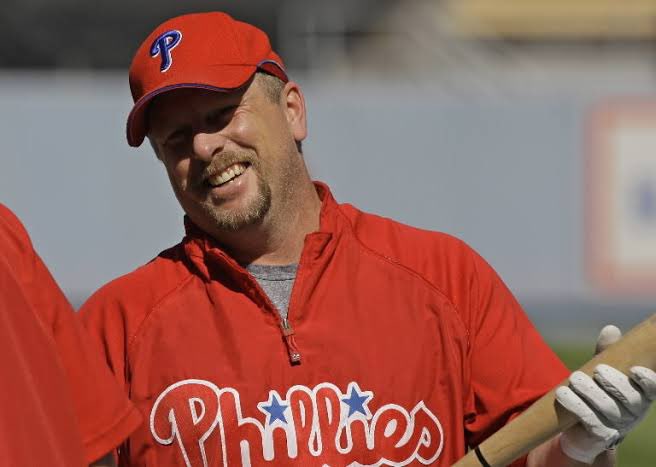
Remember this dude?
Matt Stairs, OF/PH
Montreal Expos 1992-1993
Boston Red Sox 1994
Oakland As 1996-2000
Chicago Cubs 2001
Milwaukee Brewers 2002
Pittsburgh Pirates 2003
Kansas City Royals 2004-2006
Texas Rangers 2006
Detroit Tigers 2006
Toronto Blue Jays 2007-2008
Philadelphia Phillies 2008-2009
San Diego Padres 2010
Washington Nationals 2011
#RingTheBell #Athletics
6
7
39
3,320
CSWC Andy retweeted

19h
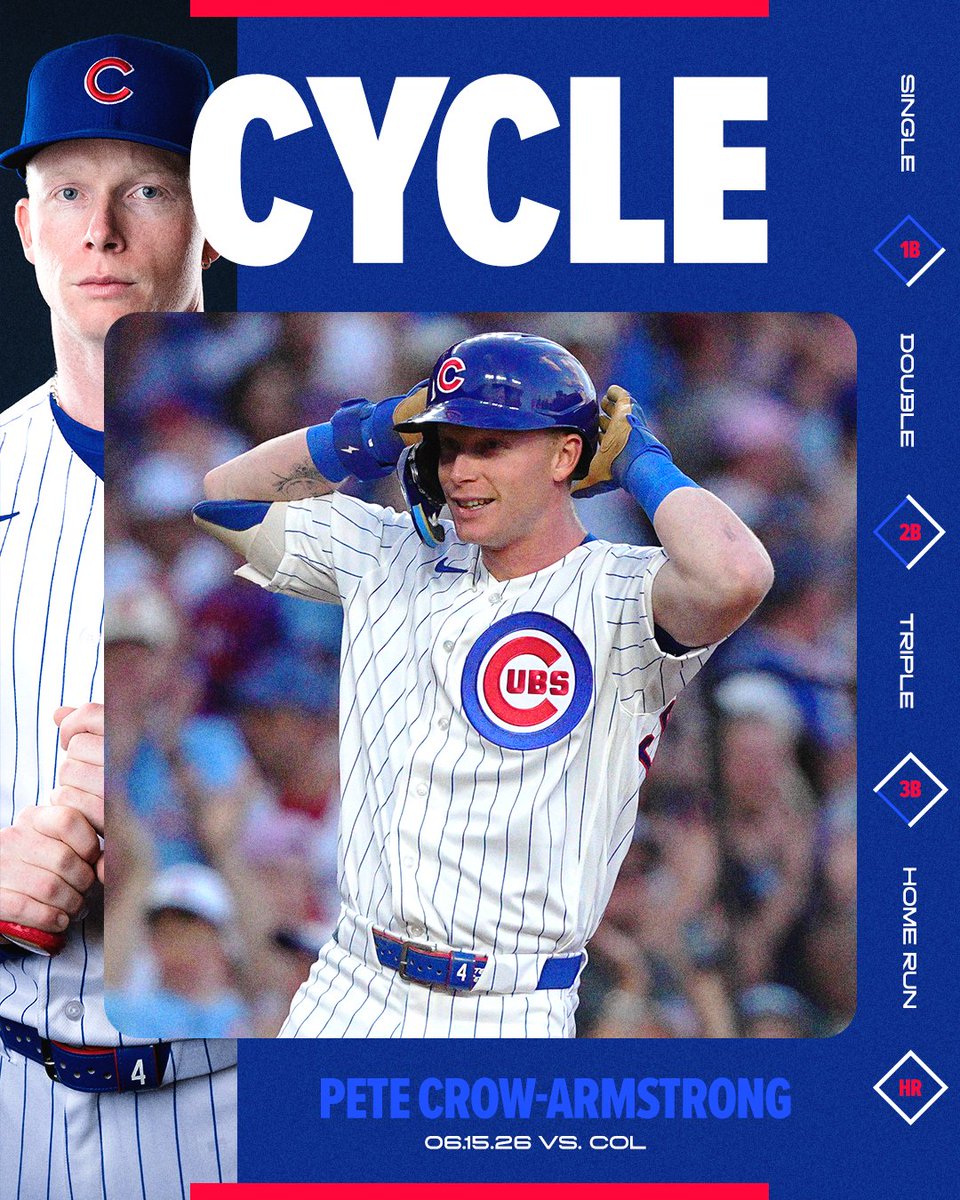
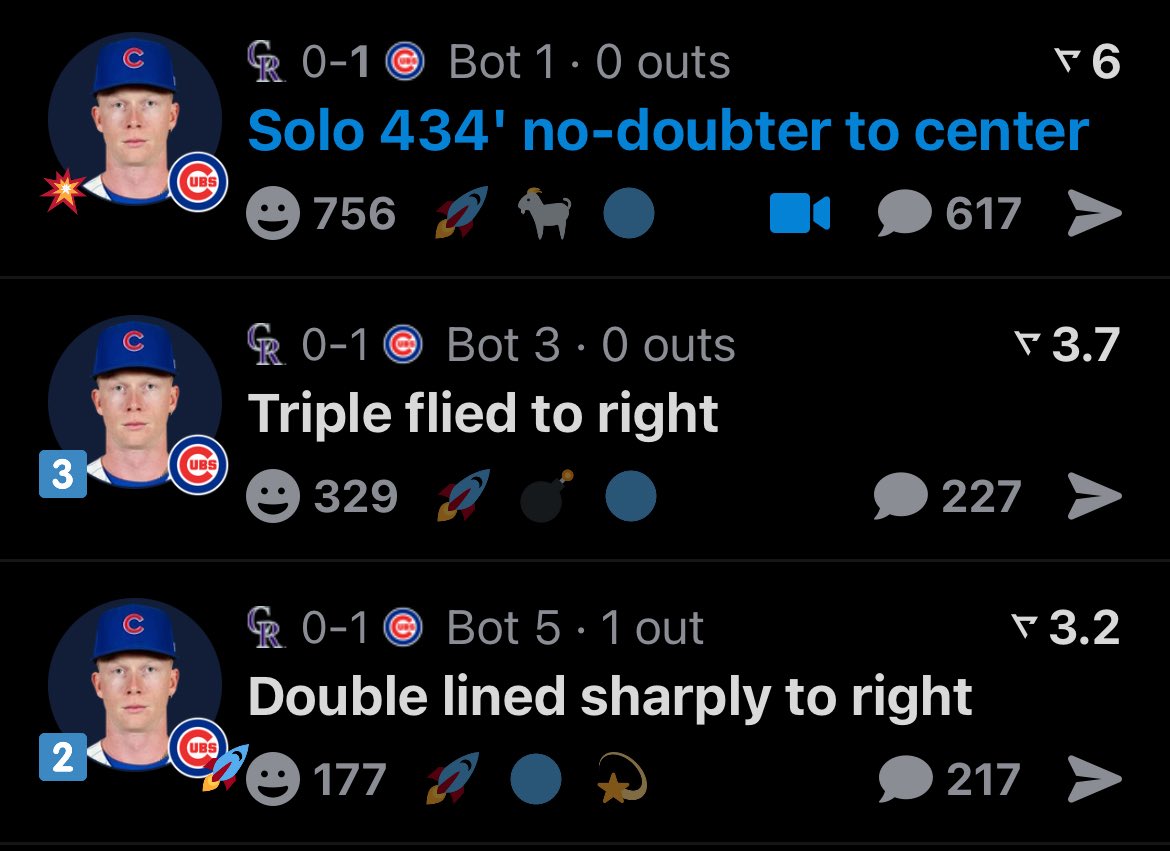
PETE CROW-ARMSTRONG HAS HIT FOR THE CYCLE.
217
2,068
10,098
407,806
CSWC Andy retweeted

PCA is gonna flirt with a back to back 30/30 season at age 24 and children and 20-somethings who just doom scroll on their iPhone’s their parents bought have the audacity to base their bad opinions on a few 30 second clips they see think he’s overrated
17
24
547
14,016

CSWC Andy retweeted

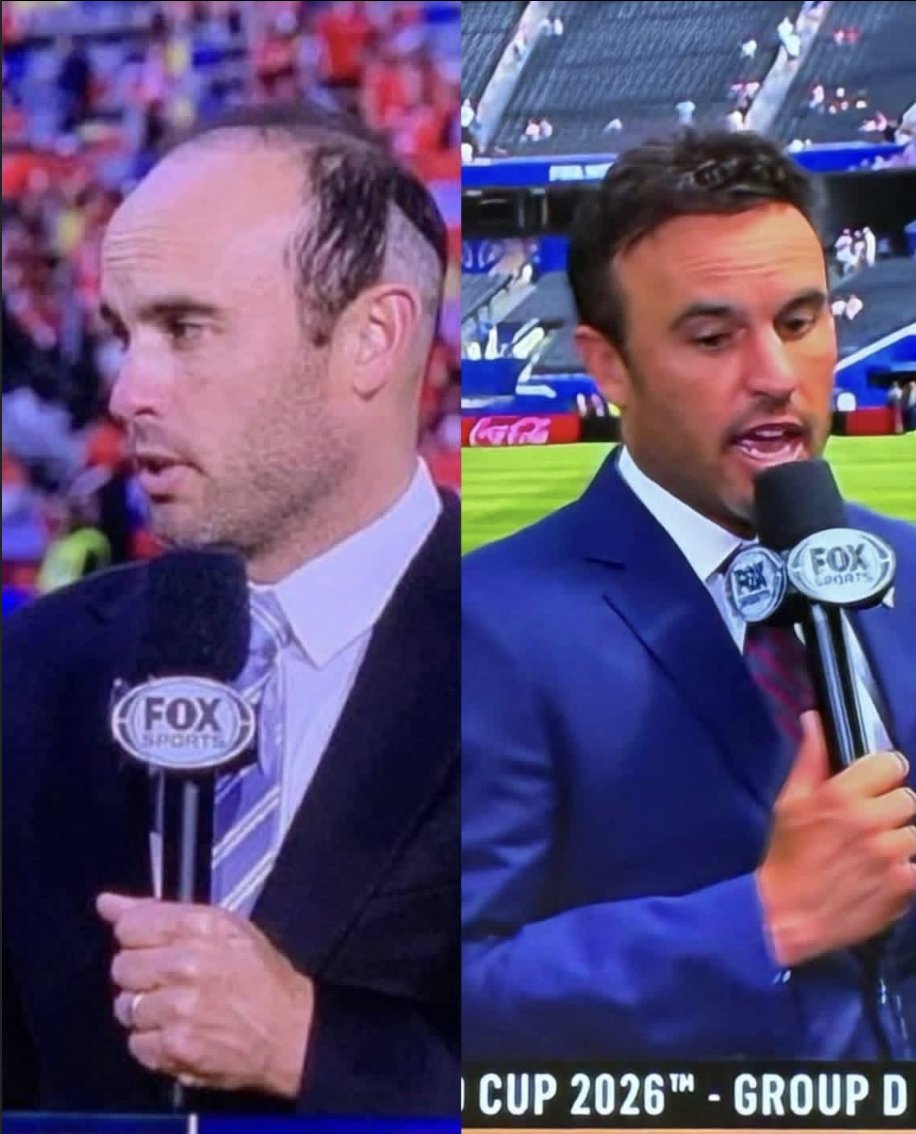
Landon Donovan hairline is the real comeback story of the World Cup 😂
533
1,625
37,538
3,540,256
CSWC Andy retweeted

Jun 12
USA. A Mexican restaurant. We had not yet ordered anything, and the food was already arriving.
Chips. Salsa. Unrequested. Free.
I stopped the waiter. "We have not earned these."
"They just come with the table, man."
They come with the TABLE. In my land, hospitality is a debt. Every gift creates an obligation, weighed carefully, returned in the proper season with interest of feeling. Here, the gift arrives before you have even proven you can pay for dinner.
This is not an appetizer. This is a declaration: we trust you. Eat.
I ate with the gravity the moment deserved. And then — I must report this calmly — the basket emptied, and a new one appeared.
"Did we…?"
"Refill," the waiter said. "It's bottomless."
Bottomless. They have wells of salsa. The supply lines of this nation are beyond anything my ancestors imagined.
My friend warned me. "Don't fill up on chips, dude."
Too late. I had accepted three baskets. Honor demanded each one be finished — an unfinished gift is an insult. By the time my actual food arrived, I was a ruined man.
I was not hungry. I was not comfortable. I had been defeated by a courtesy.
Generosity that arrives before the request cannot be repaid. It can only be survived.
I know the rule now. I have made my peace with the basket. One basket. Two at the most.
Who am I deceiving. There is no number of baskets I would refuse. The trust of a nation is in that salsa, and I intend to honor all of it.

1,935
16,511
148,986
16,497,275
CSWC Andy retweeted

Jun 13
Wait, the former goalie who didn’t know who Nelson Mandela was gets to vote on awards?
2
1
1
245
CSWC Andy retweeted

Someone went MacKinnon/Wedgewood/Landeskog on their Hart Ballot
And then also has Wedgwood/Blackwood on the all-star teams.
Yeah….. not good
Jun 12

For a ninth consecutive year, in the interest of transparency, @thePHWA is revealing all voters' NHL awards ballots. You can find them all here: thephwa.com/2026/06/12/phwa-…
34
14
490
96,148
CSWC Andy retweeted

You mean re-electing the Liberal Party of Canada didn't fix anything?!? Shocking.....

Household debt outpaced income so far this year ctvnews.ca/business/inflatio…
65
560
3,894
65,314

15 STRIKEOUTS!
Jacob Misiorowski has the most Ks by any pitcher in a game this season 🤯

Maddux 🤝 Misiorowski
The @Brewers ace finishes what he started with a 95-pitch shutout!
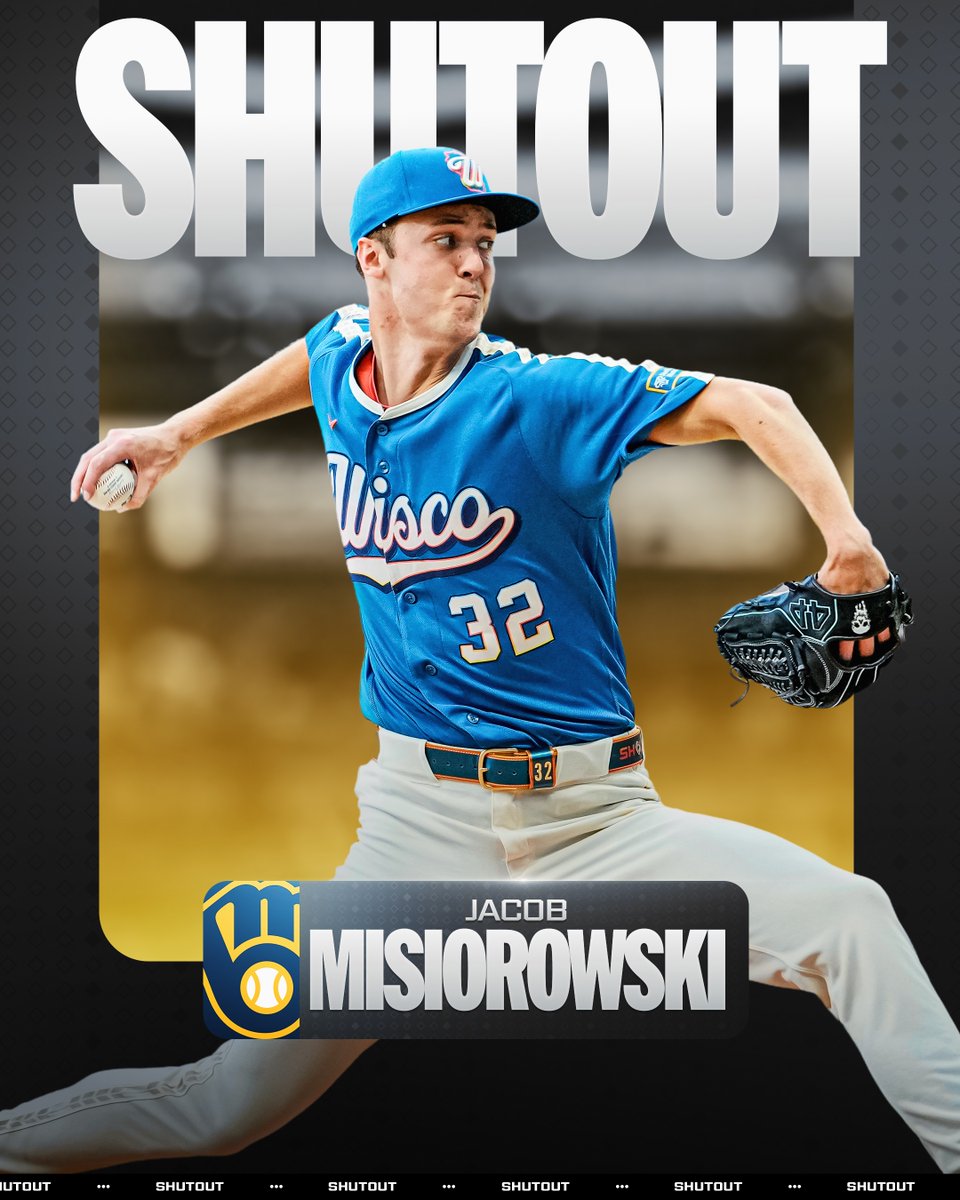
ALT Jacob Misiorowski Shutout Milwaukee Brewers Jacob Misiorowski throws a pitch wearing a light blue Brewers City Connect uniform with a light blue cap and black glove.
177
1,361
10,163
6,902,510
CSWC Andy retweeted

Today in 1973, the greatest horse race in history was run.
Secretariat won the Belmont Stakes by 31 lengths to become the Triple Crown winner and set a world record time that has never been beaten!
🎥: CBS Broadcast
706
3,363
27,693
3,313,672
CSWC Andy retweeted

This day in Vancouver #Canucks history, June 11, 1994:
The Canucks force a Game 7 with a 4-1 win over the New York Rangers in Game 6, capped off by Jim Robson’s famous “He will play” call as an injured Trevor Linden made his way to the bench.
🎥: Canucks094 / YouTube
8
19
127
13,274

Nurse and Draisaitl for Demko and DeBrusk
Jun 11

Reporting w/@SportsnetSpec
Darnell Nurse asks for trade, agrees it’s time for a fresh start
sportsnet.ca/nhl/article/sou…
1
199
CSWC Andy retweeted
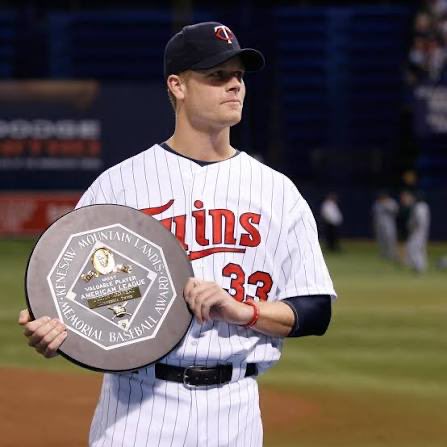
Remember this dude?
Justin Morneau 1B
Minnesota Twins 2003-2013
Pittsburgh Pirates 2013
Colorado Rockies 2014-2015
Chicago White Sox 2016
#MNTwins
34
40
696
63,089
CSWC Andy retweeted

Jun 11
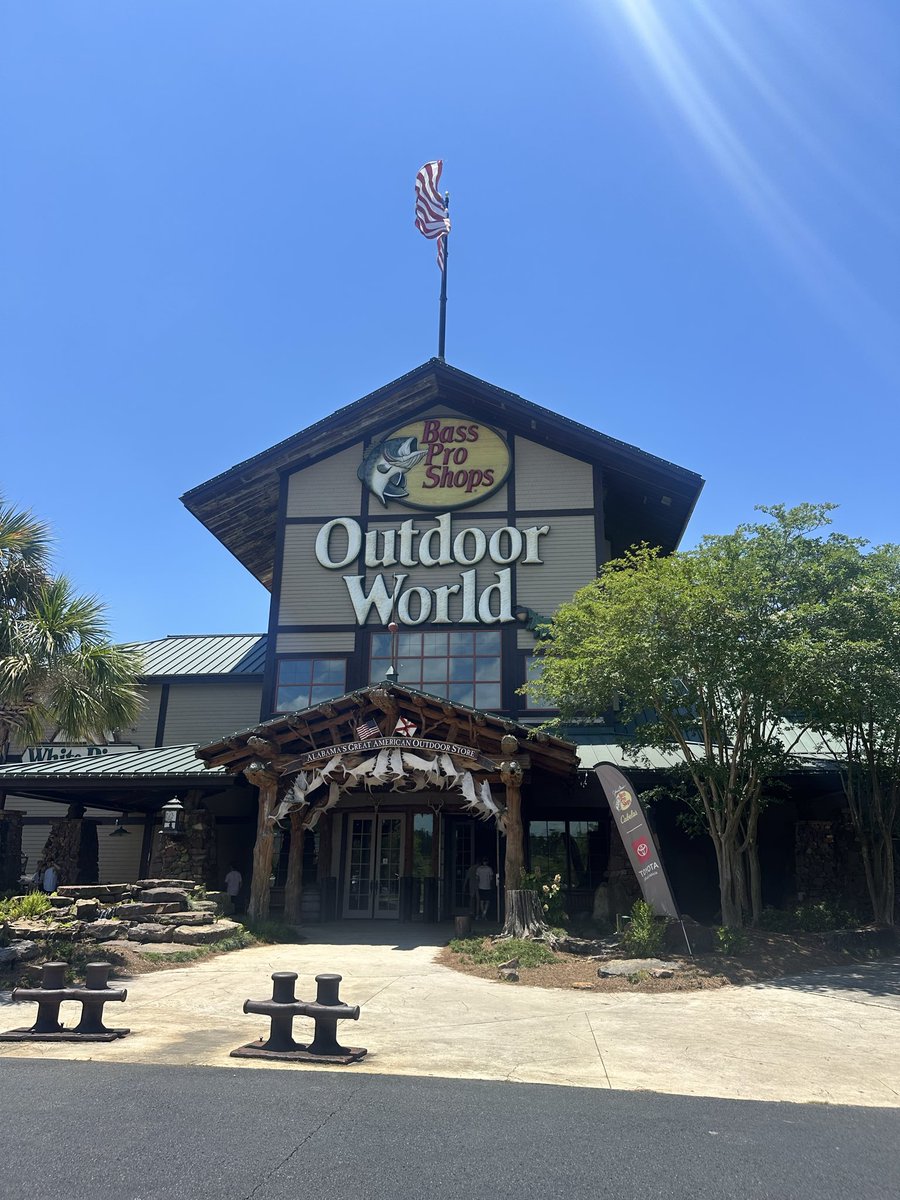
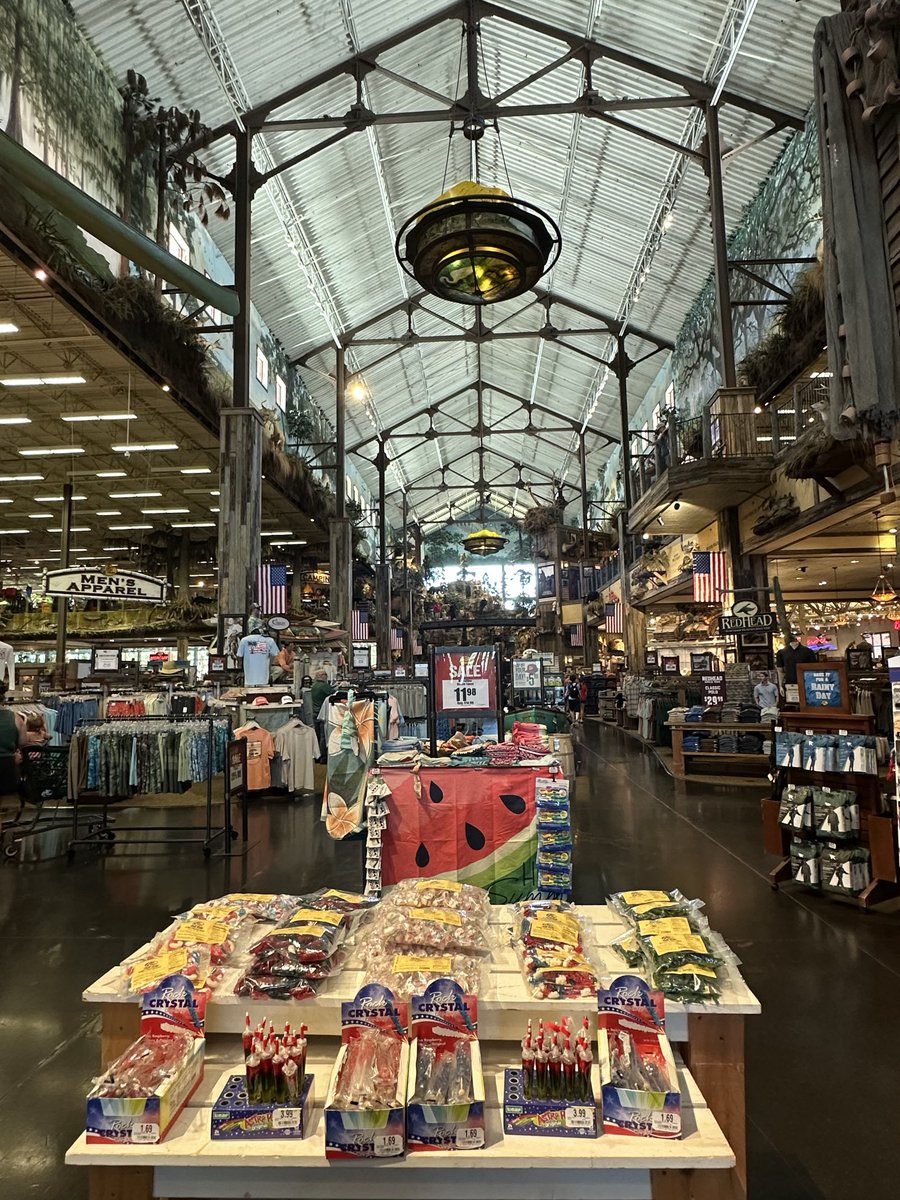
We found another surreal place on our way. I know some people will say I’m too positive about everything I see, but this place was crazy. They had a shooting range in the store.

3,427
6,852
169,168
10,380,279
CSWC Andy retweeted

Jun 11
Reporting w/@SportsnetSpec
Darnell Nurse asks for trade, agrees it’s time for a fresh start
sportsnet.ca/nhl/article/sou…
432
441
3,220
1,229,051
CSWC Andy retweeted

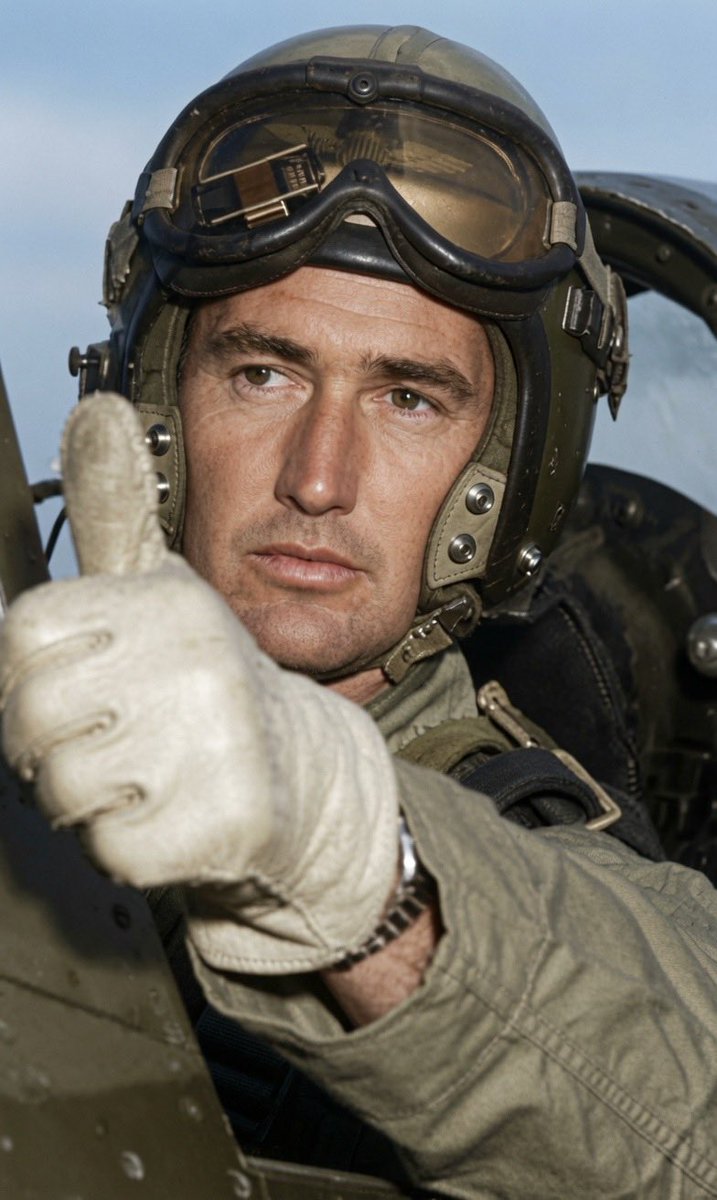
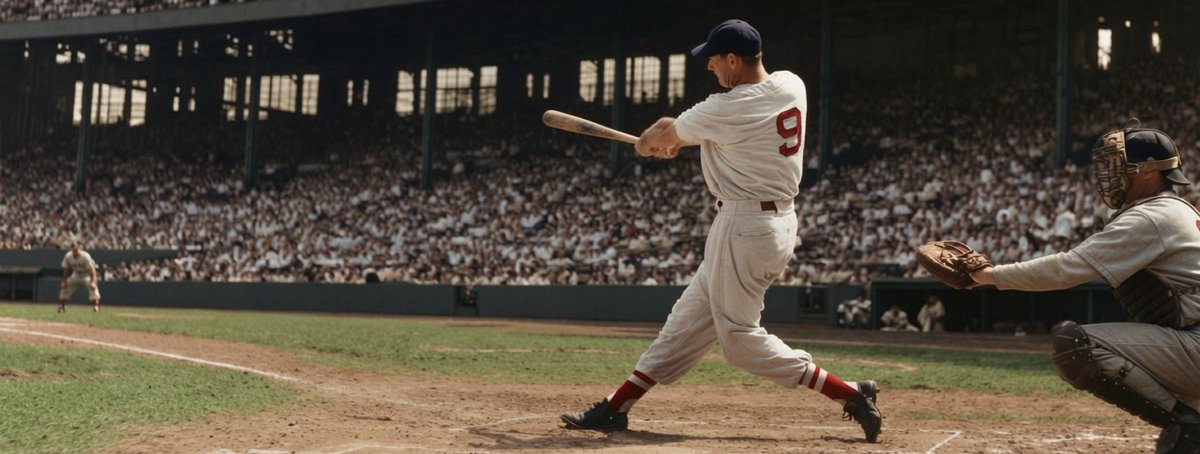
🇺🇸 Most Badass Ballplayers: Combat Veteran Edition #2 Ted Williams
Ted Williams, widely regarded as the greatest pure hitter who ever lived, was one badass ballplayer.
Born August 30, 1918, in San Diego, California.
He made his major league debut with the Boston Red Sox in 1939 and quickly became one of the most feared hitters in baseball. In 1941, at just 22 years old, he hit .406, the last time any player has hit over .400 in a season.
He followed that up by winning another batting title in 1942. By the end of the 1942 season, Williams was already a superstar and widely considered the best hitter in the game.
Then, after the attack on Pearl Harbor, Williams enlisted in the United States Marine Corps and trained as a pilot.
He missed the 1943, 1944, and 1945 seasons, three full prime years of his career, while serving stateside during World War II.
When he returned in 1946, there were questions about whether he could pick up where he left off.
He answered them immediately, winning the American League MVP award in his first season back.
Over the next several years he continued to dominate, winning the Triple Crown in 1947 and another batting title in 1948.
When the Korean War broke out, Williams was recalled to active duty as a Marine Corps pilot.
In 1952 and 1953 he flew 39 combat missions over North Korea in the F9F Panther jet.
He often flew as wingman for future astronaut John Glenn.
On one mission his plane was hit by the enemy and caught fire. He made a successful belly landing and jumped out and ran off the wingtip to safety.
He was hit by enemy fire at least three times during his tour.
After Korea, Williams returned to baseball in 1953 and continued one of the most remarkable careers in baseball history.
He was inducted into the Baseball Hall of Fame in 1966.
Ted Williams, superstar athlete, answered the call for his country twice.
Thank you, Ted! 🫡🇺🇸⚾

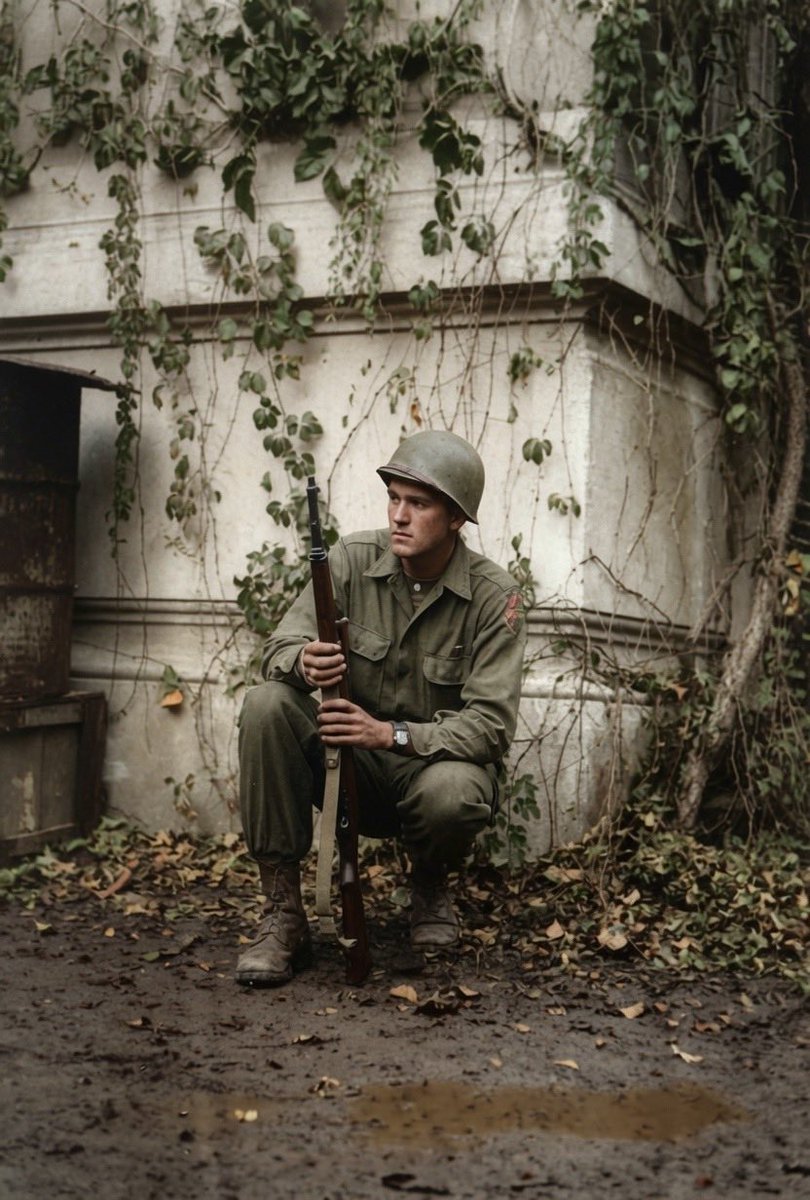
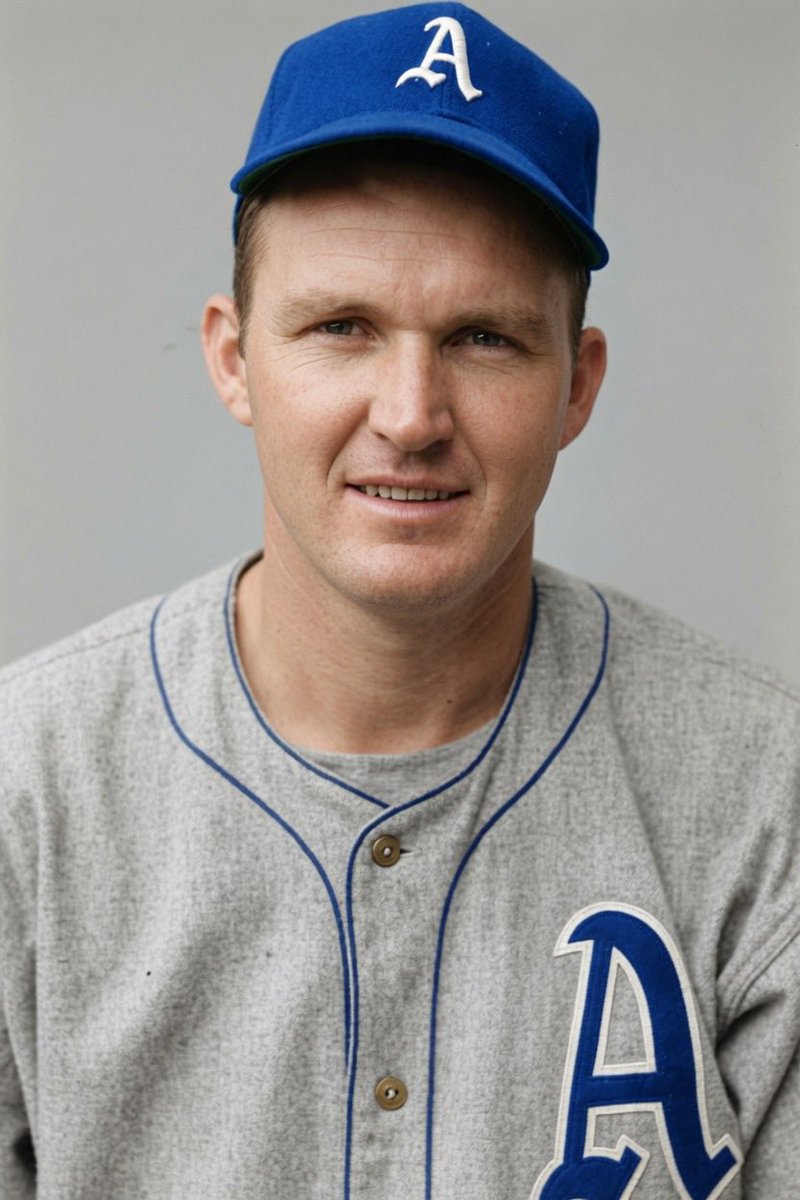
🇺🇸 Most Badass Ballplayers: Combat Veteran Edition #3 Lou Brissie
Lou Brissie, 1949 All-Star pitcher for the Philadelphia Athletics, was one badass ballplayer.
Born June 5, 1924, in Anderson, South Carolina.
He had already been scouted by Connie Mack’s Athletics and was expected to report to spring training, but after losing a brother in the war, Brissie enlisted in the United States Army instead.
He was sent to Italy as a squad leader in G Company, 351st Infantry Regiment, 88th Infantry Division.
On December 7, 1944, the third anniversary of Pearl Harbor, his unit was hit by a sudden German artillery barrage in the mountains near Florence.
An artillery shell exploded right beside him.
The blast shattered his left leg in 30 places, drove shrapnel into his right shoulder, both hands, and both thighs, and knocked him unconscious.
He lay in the snow and mud for hours before medics finally reached him.
When he was brought to a field hospital, doctors recommended amputating his left leg.
Brissie refused, telling them, “I’m a ballplayer. I can’t play on one leg.”
Over the next two years he underwent 23 surgeries and received 40 blood transfusions.
While he was still recovering on crutches, he received a letter from Connie Mack encouraging him to focus on healing and promising that the Athletics would give him a tryout when he was ready.
In 1947, just two and a half years after nearly losing his leg, he made his major league debut with the Athletics while wearing a heavy metal brace.
Over seven seasons in the majors (1947–1953) he compiled a career record of 44–48 with a 4.07 ERA.
His best season came in 1949 when he won 16 games and was selected to the All-Star team.
Brissie was awarded the Bronze Star and two Purple Hearts for his service.
Thank you, Lou! 🫡🇺🇸⚾
24
211
1,243
510,862
Lmao
Jun 11

The #SeaKraken have hired Patrik Allvin as vice-president and assistant GM, reuniting with GM Jason Botterill.
They previously worked together in Pittsburgh.
85
CSWC Andy retweeted

lol
Jun 10

does anyone have the clip of Larkin celebrating like he won the cup for a game 1 goal this year?
42
23
2,556
756,248
CSWC Andy retweeted

Jun 9
Ok ok, Vancouver is straight flexing at this point for the World Cup ⚽️

79
421
4,409
174,464