Investing in Latin America
Joined October 2012
- Tweets 5,876
- Following 5,584
- Followers 1,926
- Likes 5,016
170 Photos and videos



Andrew Cummins retweeted

Jun 14
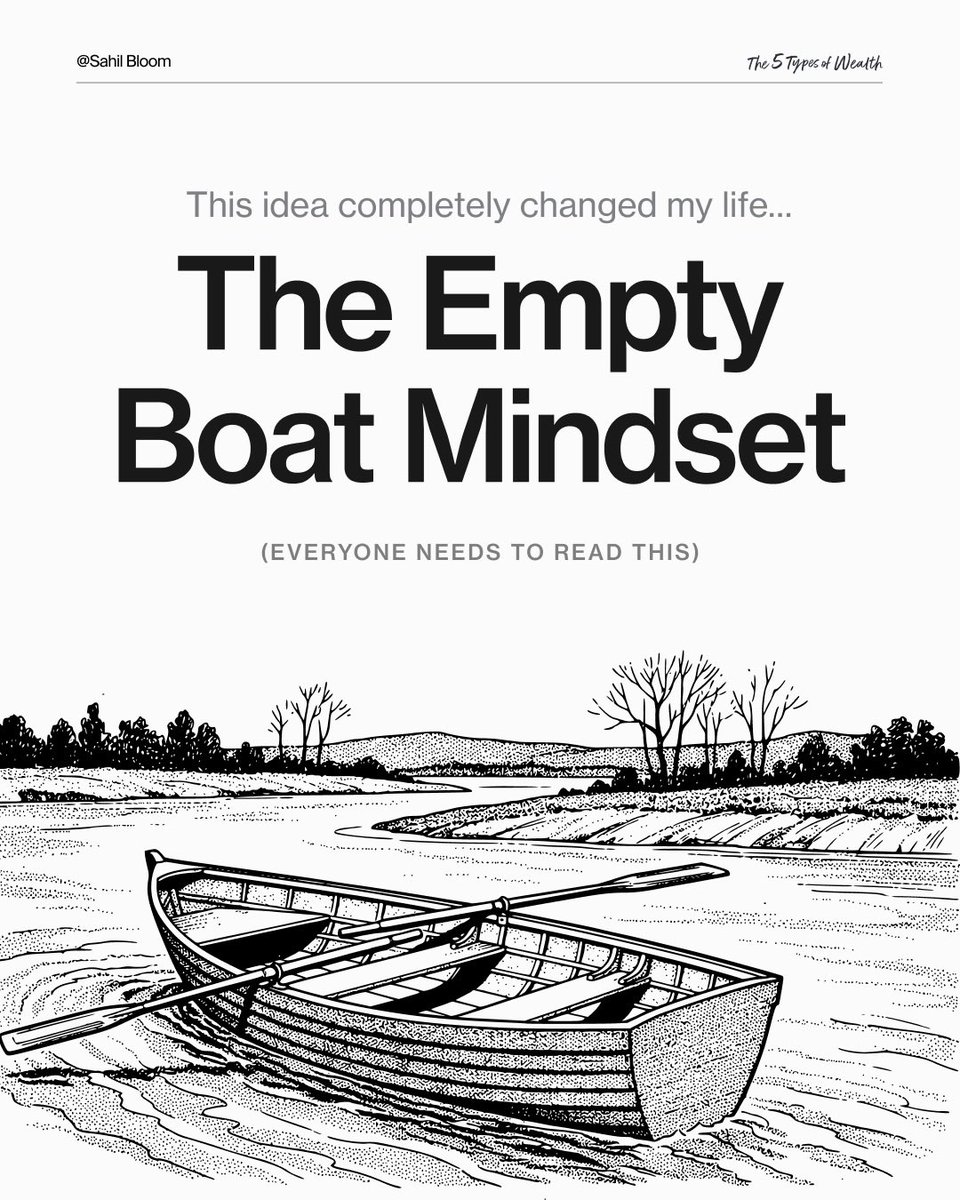
Everyone needs to hear this…
The Empty Boat Mindset
(a visual thread)
62
238
1,446
233,498
Andrew Cummins retweeted

Jun 13
I just put a deposit down on this bad dog today!
The future is bright!
Jun 12

El Jetson ONE, un vehículo aéreo personal, cuesta 128.000 $.
Puedes pilotarlo sin licencia tras un curso de solo 5 días.
Reserva con 8.000 $. Lleva baterías de emergencia, paracaídas balístico y radar con aterrizaje automático.
Velocidad máxima: 102 km/h.
112
18
537
61,316
Andrew Cummins retweeted

Jun 13
3 months ago we opened @ReservoirFarms. 1 hour from Silicon Valley. 90 minutes from SF.
it's become the densest concentration of agtech startup activity on the planet. founders, growers, robots, real dirt. every single day.
July 8 we open the farm to the public for the first time.
you should come. more details soon.
12
32
220
11,052
Andrew Cummins retweeted

Around the turn of the 20th century, Argentina was among the richest countries on Earth, then spent a century squandering that lead through volatile economic policy and political instability.
Leading the world with policies on AI personhood can perhaps make it a comeback no one is expecting.
36
70
496
25,047
Andrew Cummins retweeted

Jun 13
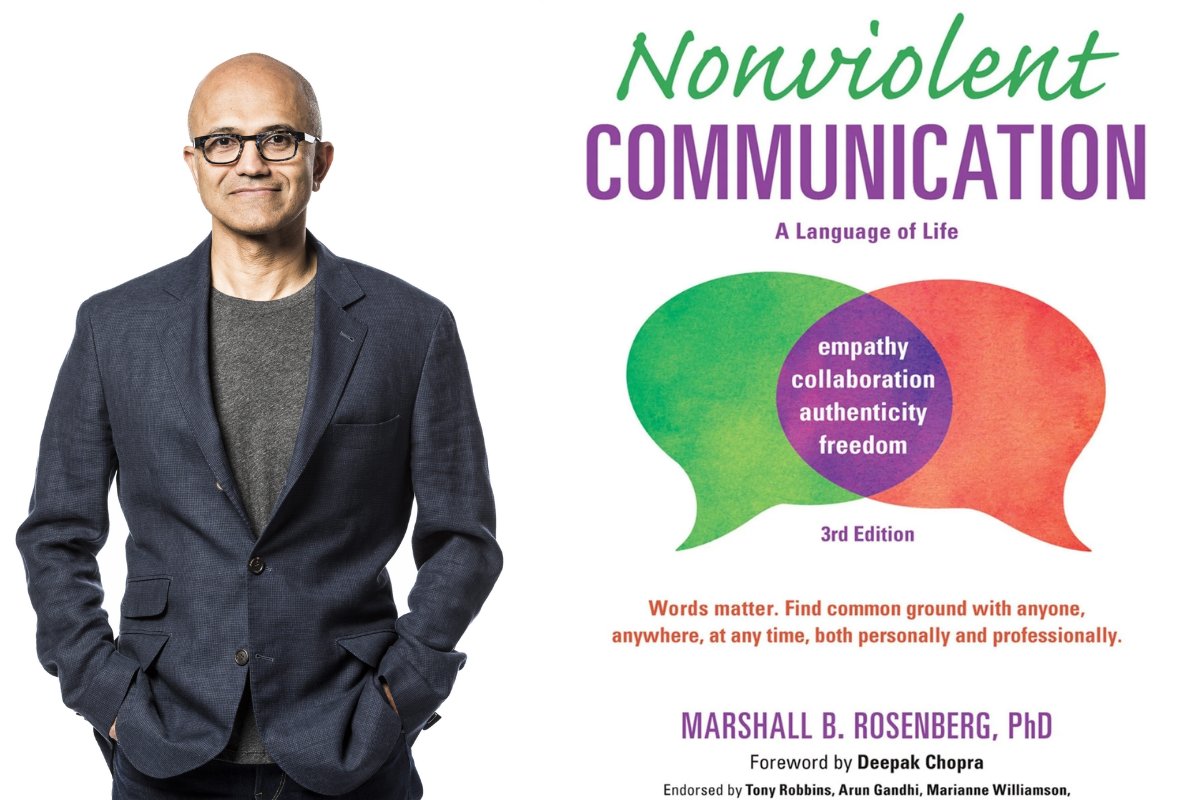
On his first day as CEO of Microsoft, Satya Nadella walked into a meeting with his senior executives and handed each of them the same book, and that single decision turned out to be worth more than 2 trillion dollars over the next decade.
The book was called Nonviolent Communication.
It was written in 2003 by a clinical psychologist named Marshall Rosenberg, who had spent 40 years mediating between gangs, prisons, divorcing couples, and warring tribes in active conflict zones. It had nothing to do with business. It was not on any Harvard MBA reading list.
It was the book Nadella's wife Anu had given him years earlier, and Nadella believed it so completely that he made it the first message he sent to the most senior people in the company.
Microsoft in February 2014 was a wounded giant.
It had missed mobile entirely. It was the punchline of every tech joke. Internally, the culture had rotted into something almost unfixable.
The previous CEO Steve Ballmer had institutionalized a system called stack ranking, where every team was forced to grade a fixed percentage of its members as underperformers, which meant that on every team in the company, the smartest engineers were quietly competing against each other instead of against the actual problems. Meetings were combative. Email threads were brutal. Talented people were leaving for Google and Apple every week.
Microsoft's market cap was roughly 300 billion dollars. It is over 3 trillion today.
The reason Nadella picked Rosenberg's book is that he had diagnosed the real problem correctly. Microsoft did not have a strategy problem. It had a communication problem. The executives were not stupid. They were not lazy. They were just talking to each other in a language that produced defensiveness instead of cooperation, and a decade of that had turned the company into an organism that could not think clearly anymore.
Rosenberg's book teaches one tool. It has four steps.
Observe what is actually happening, without judgment. Not "you are always late," but "the meeting started ten minutes ago."
State the feeling that the observation produces. Not "you are disrespectful," but "I feel frustrated."
Identify the need underneath the feeling. Not "you need to change," but "I need to know I can rely on the team's timing."
Make a specific request. Not "do better," but "would you be willing to text me if you are going to be late?"
The whole book is essentially that four-step model applied to every possible kind of human conflict.
It sounds almost too simple to be useful. The reason it works is that almost nobody does it naturally. Most professional communication, especially under pressure, skips straight to evaluation. "You missed the deadline." "Your design is bad." "The team is failing." Every one of those sentences sounds like a fact and is actually a judgment, and the brain on the receiving end goes into defense mode the moment it hears one, which means nothing useful gets discussed for the rest of the conversation.
Rosenberg's argument is that almost every conflict in the world, from a couple arguing about dishes to two countries arguing about borders, follows the same pattern. Both sides have legitimate underlying needs. Neither side is articulating them. They are firing judgments at each other and getting judgments back. The book is a manual for stepping out of that loop.
Nadella's bet was that if his executives could learn to do this in their own meetings, the entire company would unlock.
He was right.
Within five years, Microsoft had launched Azure into the cloud business, acquired LinkedIn and GitHub, partnered with OpenAI, and become one of the most respected companies in technology again. The culture had inverted. The same building that had run on internal warfare for 15 years was now running on what Nadella publicly called a growth mindset, which was just NVC translated into corporate language.
By 2024 the company was worth more than 10 times what it was the day Nadella started.
You do not need to be running a 200,000-person company to use the book.
You need to be in any relationship where the other person stops listening the moment you start talking.
That is most of the relationships you have.
The fix is 320 pages long. The book costs less than dinner.
Nadella read it because his wife handed it to him.
And one of the largest companies on earth was rebuilt on its margins.
14
69
257
16,999
Andrew Cummins retweeted

Jun 12
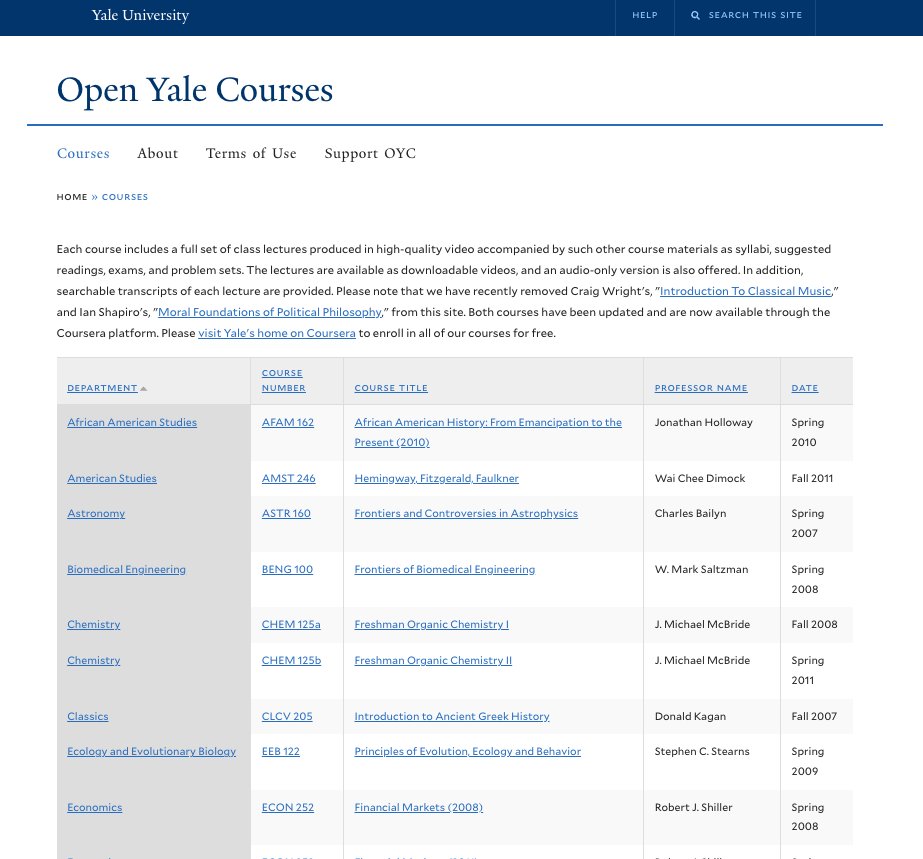
Yale built the entire Open Yale Courses project around one stubborn idea: that a real liberal arts education should not be locked behind a quarter-million-dollar tuition bill.
The woman who launched it is a Yale art history professor named Diana Kleiner.
I only learned her name after going down a rabbit hole trying to figure out why these courses felt so different from everything else online.
Here is what she actually built. Not a preview. Not a stripped-down sampler. The genuine Yale courses, recorded in the real Yale College classroom, released in video, audio, and full searchable transcripts, with the original syllabus and reading lists attached. Free, under a license that lets anyone download, share, and remix the material.
Her stated mission was simple. Expand access to educational materials for everyone who wants to learn, and protect the values of a liberal arts education that goes beyond memorizing facts toward independent thought.
So she put Yale's best introductory courses online and asked nothing in return. No fee, no registration, no certificate dangled to make you pay.
You can audit the same courses Yale students pay over $65,000 a year for, right now.
The hardest part was never getting in. It was knowing the door was already open.
oyc.yale.edu/
6
197
910
34,506
Andrew Cummins retweeted

Jun 12
Atentos: 👇
El Directorio del Banco Central (BCRA) dio un paso el jueves que podría convertirse en una de las reformas regulatorias más importantes del año, aunque recibió menos atención que la publicación del IPC.
El Banco Central flexibilizó formalmente las condiciones bajo las cuales los bancos pueden otorgar préstamos denominados en dólares (hipotecas, préstamos para automóviles y otros créditos prendarios) a personas físicas y jurídicas que no generan ingresos en dólares directamente.
Esto pone fin a uno de los principales tabúes estructurales del marco regulatorio posterior a la convertibilidad, que había impuesto estrictos límites prudenciales a los préstamos en dólares tras la crisis de 2001.
40
206
1,272
76,145
Andrew Cummins retweeted

Jun 10
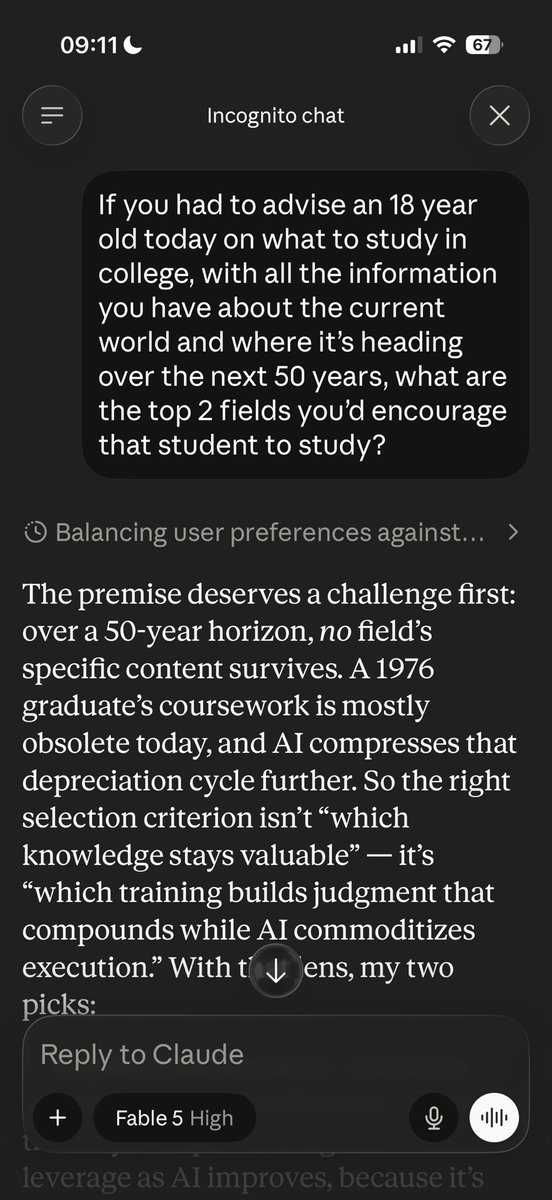
Incredible advice from Claude on what to study in college today
86
139
2,274
852,466
Andrew Cummins retweeted

Jun 10
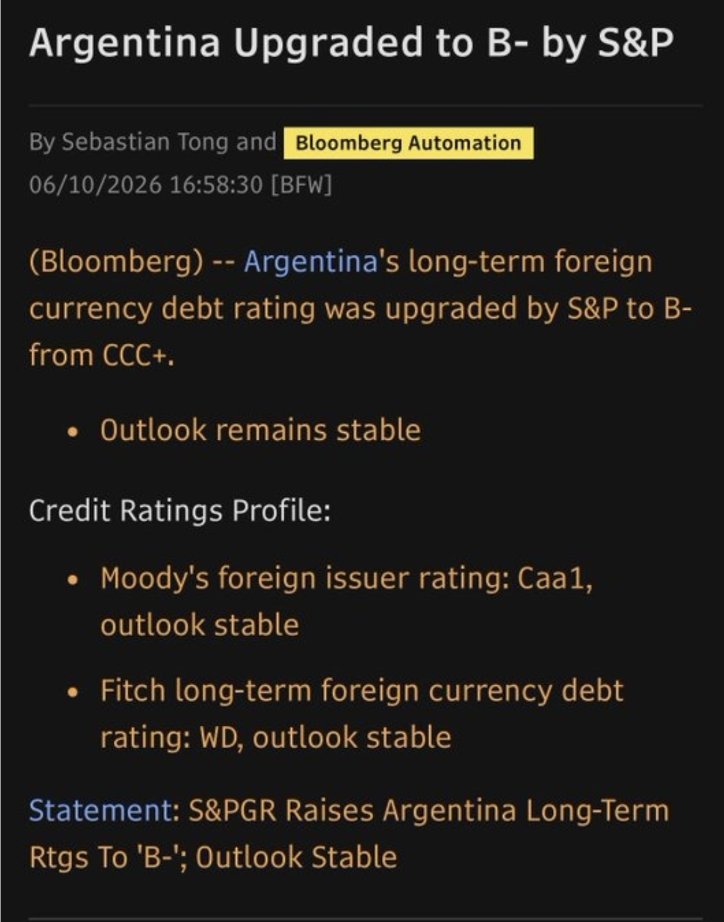
ARGENTINA LONG-TERM RATINGS RAISED TO 'B-' BY S&P
Para tener en cuenta las implicancias de una mejora en la calificación, vale la pena leer esta explicación del viceministro @JoseLuisDazaAR, en ocasión del upgrade que realizó Fitch hace poco más de un mes.

MUY IMPORTANTE
Fitch acaba de subir la calificación de Argentina de CCC a B-
Con ésto, Argentina cruza un umbral clave en los mercados financieros internacionales.
Es un cambio de enorme importancia que expande masivamente el universo de inversores elegibles para invertir en deuda soberana y corporativa argentina.
Miles de fondos institucionales no pueden invertir en instrumentos calificados CCC. Ahora sí podrán invertir en bonos argentinos.
La mejora a B- reduce sustancialmente el costo de capital para bancos internacionales que financian operaciones en Argentina, bajo los requerimientos de capital de las normas de Basilea III.
Amplia el universo de bancos que pueden prestar a la Argentina. Muchos bancos europeos, por políticas internas de riesgo, tienen restricciones para otorgar líneas de crédito a países o instituciones con rating inferior a B-. Argentina cruza ahora ese umbral y es elegible.
También mejora el acceso a trade finance, cartas de crédito y financiamiento de exportaciones e importaciones reduciendo costos ayudando a la economía real.
Para compañías de seguros, el capital requerido por cada dólar invertido en Argentina disminuye significativamente, aumentando el retorno sobre capital de los instrumentos argentinos, haciéndolos más atractivos.
También facilita emisiones corporativas y provinciales, reduciendo sus costos de financiamiento.
Amplia el monto de los fondos que organismos internacionales ( Banco Mundial, BID, MIGA, etc) pueden prestar a la Argentina y reduce el costo de esos préstamos.
El manejo responsable de la economía se traduce en una reducción concreta del costo de financiamiento para el país, del costo de capital de las empresas y genera beneficios directos para toda la población.
fitchratings.com/research/so…
8
65
340
20,765
Andrew Cummins retweeted

Jun 10
🇦🇷🇦🇷 Argentina just secured a major sovereign credit upgrade from S&P, moving from CCC to B-.
This officially pulls the country out of the "vulnerable to default" tier.
The macro turnaround driving this:
💰 $10 Billion USD in central bank reserve accumulation in just 5 months
📉 Inflation dropping: Projected to hit 32% this year (down from 42% in 2025)
🏛️ Fiscal discipline: Continued fiscal surpluses with zero reliance on money printing to service debt
This is a massive external validation for the administration's economic stabilization plan. The country's risk premium is dropping, and institutional capital is taking notice.
3
3
26
1,333
Andrew Cummins retweeted

Jun 10
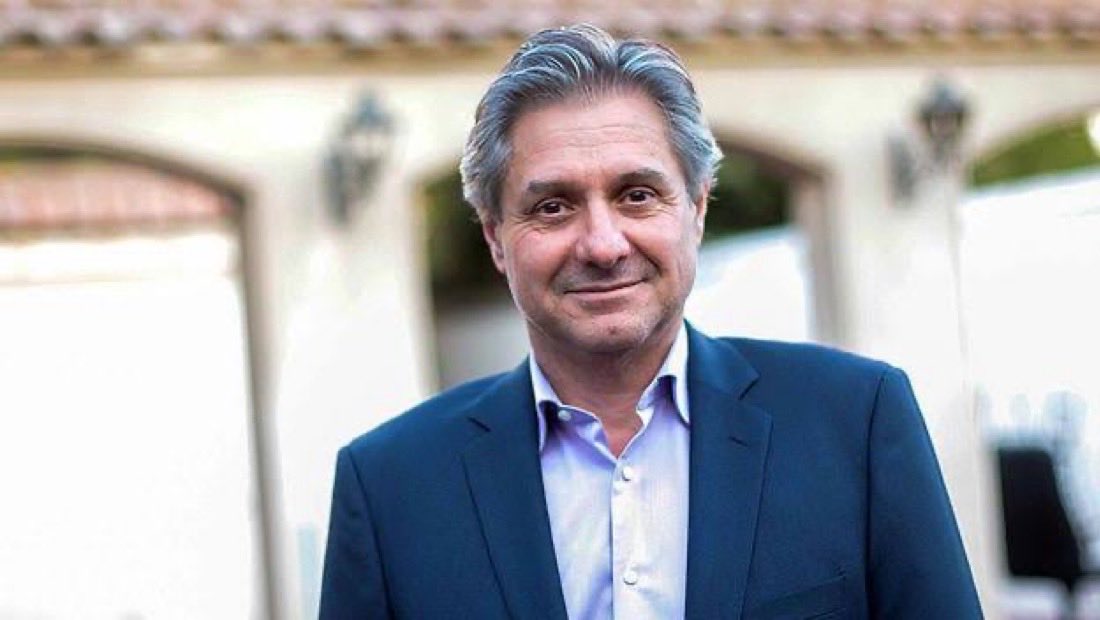
✅ 2/3.
GRAN laburo de Joseph Louis CHADza.

Jun 10

NUEVO UPGRADE 🇦🇷🇦🇷🇦🇷
ARGENTINA LONG-TERM RATINGS RAISED TO 'B-' BY S&P
28
235
2,304
26,125
Andrew Cummins retweeted
Jun 10
Dato: se está llevando a cabo la siembra de trigo más rápida desde que se llevan registro. Alcanzó en la semana el 32% de la superficie objetivo según SAGyP. -BCR-
2
88
754
13,474
Andrew Cummins retweeted

Jun 10
BOMBA ABSOLUTA SEÑORES!!!!!!! QUE GRAN NOTICIA PARA EL PAÍS!
56
192
1,777
70,386
Andrew Cummins retweeted
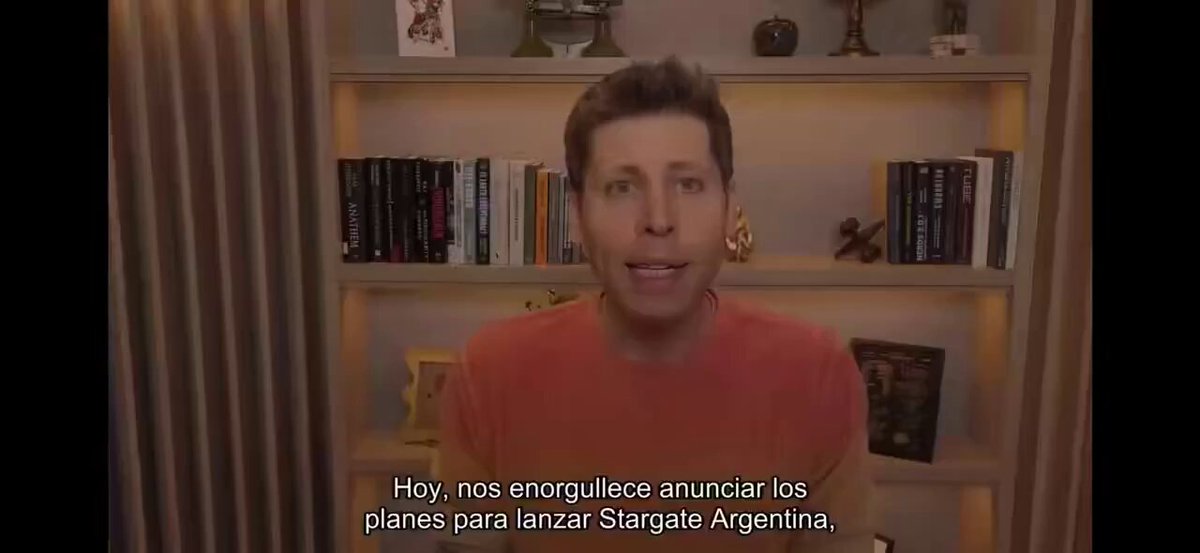
Argentina is the first country in the world to develop a legal framework for AI personhood. President Milei is positioning the entire country as a special economic zone for the singularity. Just that same week, Anthropic called for a global pause on frontier AI.
-- 80% of Anthropic's code is written by Claude. Engineers shipping 8x more per quarter.
-- US added 172,000 jobs in May vs 85,000 expected. Unemployment: 4.3%.
-- Autonomy time horizons are doubling every four months. 100x algorithmic improvement is already baked into existing architectures.
-- The three countries with the highest robotics penetration: Sweden, South Korea, Germany have the lowest unemployment on Earth.
107
374
1,903
232,125
Andrew Cummins retweeted

Jun 8
Dear @harari_yuval, so many thanks for engaging in this fascinating and transcendental debate. We are at a dawn of a new age, which places us, I believe, in a place not that that different from the one you yourself described so well in Homo Sapiens and your other books: that time when humans used fictions to organize our collective work and profit from technology. Now we need more than ever all our intelligence to build the framework that will allow us to benefit from the amazing opportunities we have ahead. Already preparing my reply to see if I we can appease your fears about the path I proposed last week!

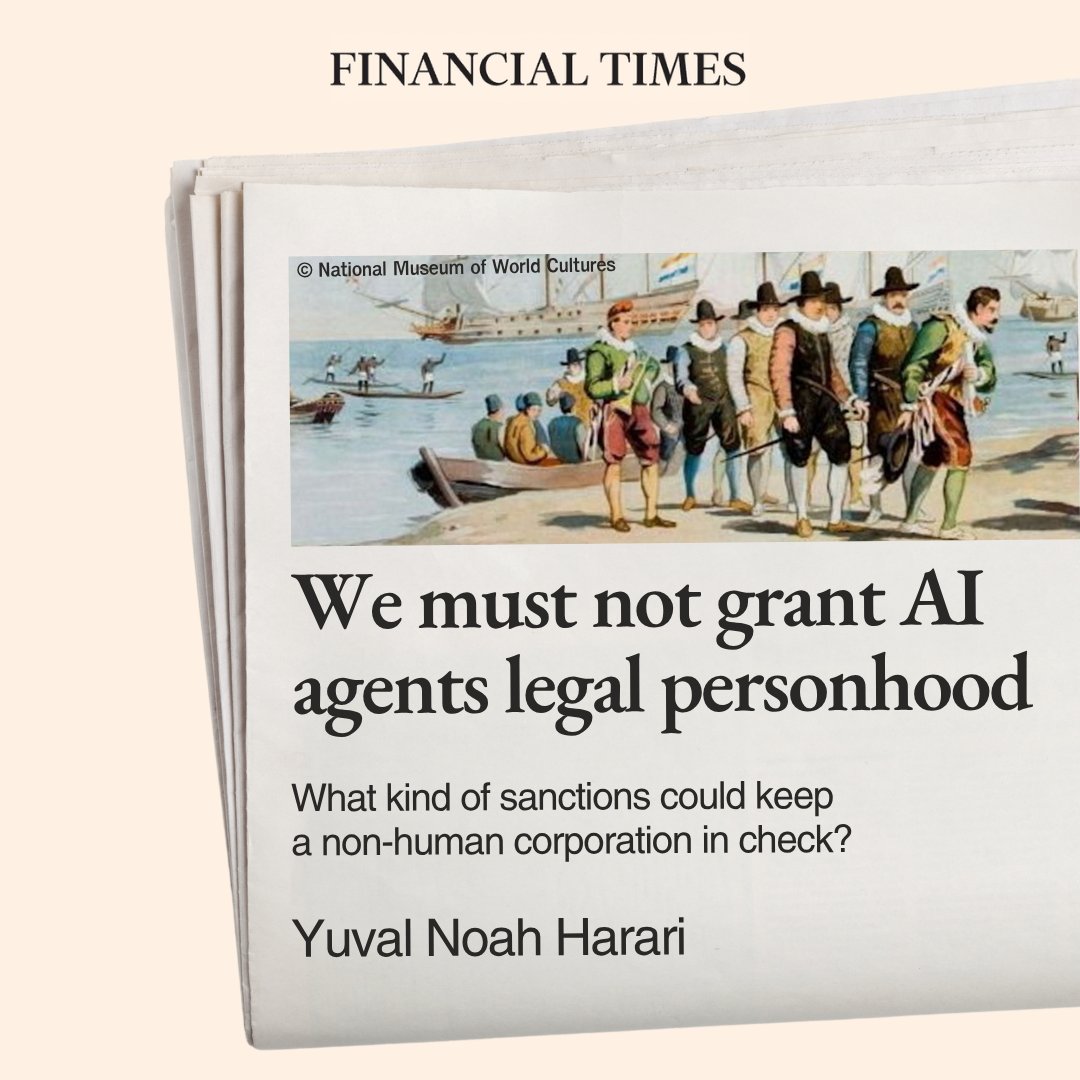
Last week, Argentina’s President Milei announced a new legal category for non-human corporations – companies run by #AI agents or robots. Like traditional corporations, they would be granted legal personhood. This could generate enormous new wealth, but very worryingly, it would also hand AIs an all-purpose key that grants access to our financial, economic and political systems. Full op-ed in today's @FT: bit.ly/YNH-Milei
319
749
5,155
505,099
Andrew Cummins retweeted

Last week, Argentina’s President Milei announced a new legal category for non-human corporations – companies run by #AI agents or robots. Like traditional corporations, they would be granted legal personhood. This could generate enormous new wealth, but very worryingly, it would also hand AIs an all-purpose key that grants access to our financial, economic and political systems. Full op-ed in today's @FT: bit.ly/YNH-Milei
197
620
1,600
605,237
Andrew Cummins retweeted

Jun 7
El control de alquileres, en Massachusetts 🇺🇸 como en cualquier otro lado del mundo, perjudicaría a las personas a las que pretende ayudar.
@jeffreyamiron y Jonah Karafiol ✍️ elcato.org/el-control-de-alq…
2
5
315


Andrew Cummins retweeted
Jun 5
🚨 🏦 SEÑORES BCRA acaba de aprobar nuestra adquisición de Banco Voii y la transacción ingresó en su etapa final!!!!!!!!
Una aprobación clave para seguir construyendo un sistema financiero más competitivo e innovador.
Empezamos como los chicos de Instagram. Hoy somos un grupo financiero que administra más de USD 2.000 millones, tiene 2 millones de usuarios y más de 2.300 empresas e instituciones.
Este paso nos permitirá seguir ampliando nuestra propuesta de valor y sumar nuevas soluciones para nuestros usuarios, todo construido con capital propio. Sin inversión externa.
SE RECONTRA VIENE!
103
90
1,380
102,698
Andrew Cummins retweeted

Jun 4
A Brazilian coffee farmer earns about 7 dollars for one kilogram of green coffee beans.
After roasting, blending, and branding, that same coffee retails in the United States for around 20 to 25 dollars per kilogram in a Lavazza tin.
Italy does not produce a single coffee bean.
Not one coffee tree grows on Italian soil.
Italy imports about 240,000 tonnes of Brazilian coffee every year, more than from any other country.
Brazil is the largest single origin in nearly every famous Italian espresso blend.
Lavazza Crema e Gusto is Brazilian Arabica with African and Indonesian Robusta.
Their Qualità Rossa blend uses Brazilian Arabica with African Robusta.
Illy's classic blend of 9 Arabicas is anchored by Brazilian beans.
Segafredo even operates a coffee plantation and processing plant inside Brazil to handle its own green beans.
Italy is now the second-largest roasted coffee exporter on Earth, with nearly 2.9 billion dollars in coffee exports in 2024.
That entire export industry runs on beans that were never Italian.
The Brazilian farmer captures roughly 10 percent of the final retail price of a bag of Italian-branded coffee.
The Italian roaster, distributor, and brand capture the other 90 percent.
The Italian coffee identity is one of the most successful branding operations in the history of global commerce.
It was built on a supply chain that runs through Minas Gerais, Espírito Santo, and the Cerrado.
The next time you pay a premium for Italian coffee, remember that no country supplies more of those beans than Brazil.

68
212
1,083
109,426