Joined January 2021
1,139 Photos and videos
Pinned Tweet
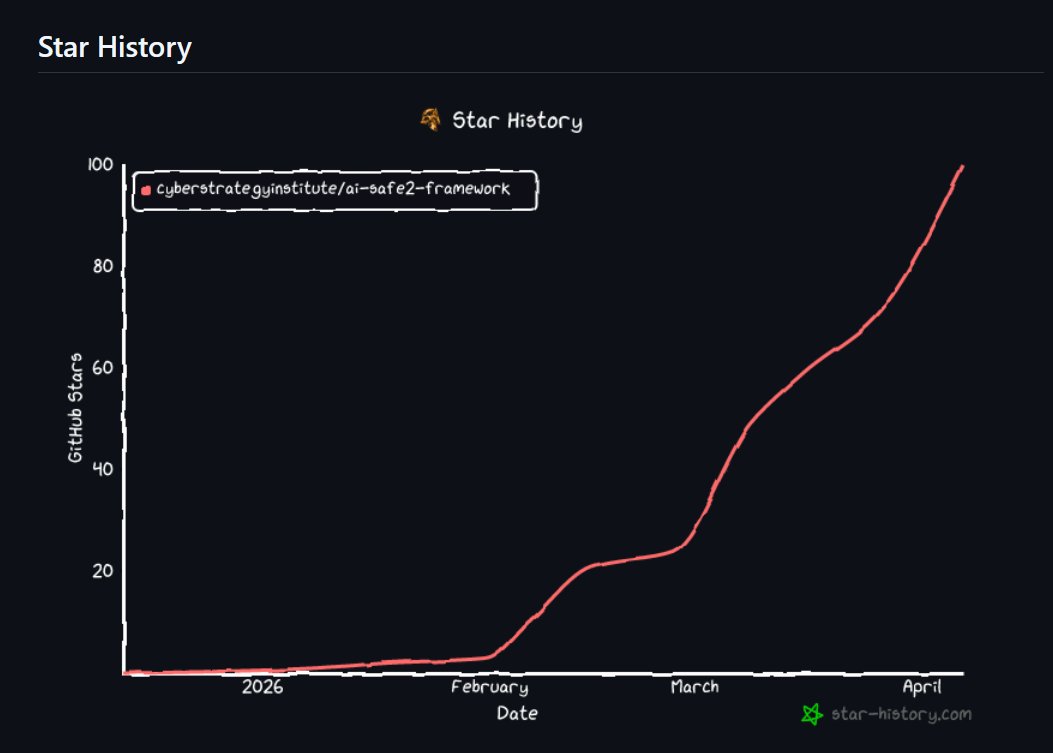
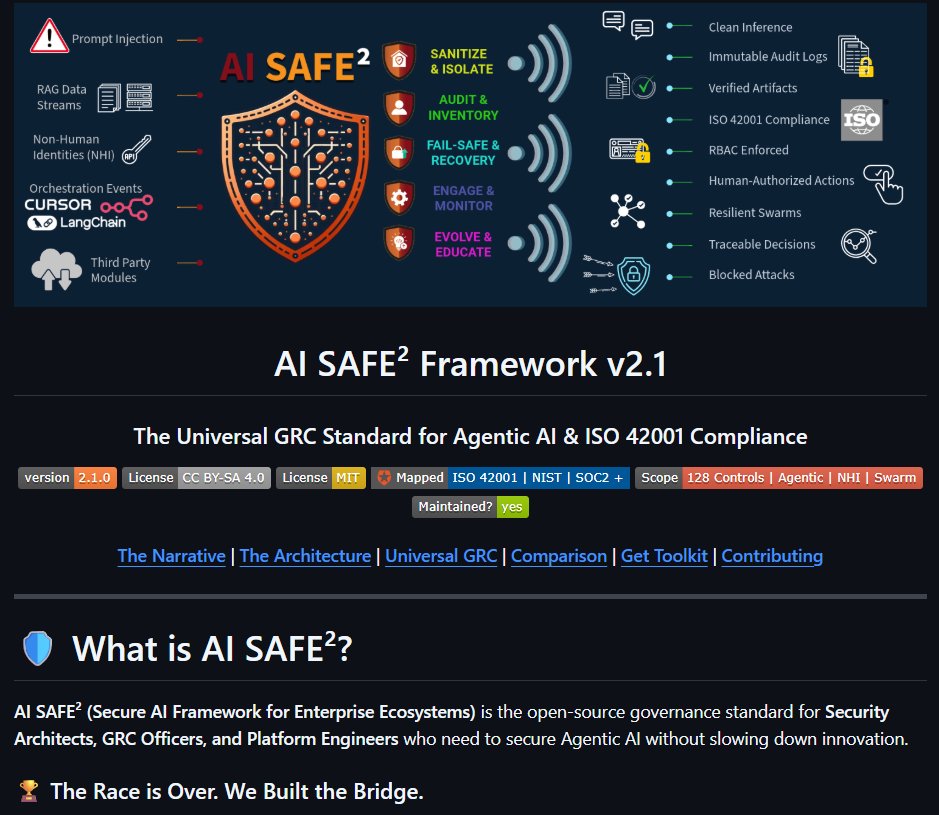
The Death of Governance & Compliance in an AI Era.. This statement is obvious for some, obscure for others and for many it is down right confusing. Most "AI Security" advice is focused on governance and compliance guidance...aka how to create an AI policy or program. It’s vague. It’s theoretical. It’s useless to an engineer. But most of all it misses the point with AI. We've been lead to believe if... We document, monitor or detect risk, we can manage it and everything will be OK. Reality is... AI risk is executed in milliseconds & Documentation Does NOT STOP Execution. ♟️Strategic Truth Most AI security advice from a policy standpoint: 🚫Optimizes for regulatory defensibility 🚫Assumes post-event containment 🚫Treats AI as a governance problem But AI exploitation is an engineering problem. Thus, until policy mandates preventive, runtime-enforced controls, AI security guidance will remain structurally misaligned with the threat landscape. This is where we stepped in when we built the architecture standard back in Jun 25. Been working hard on AI SAFE² ever since but accelerated after the explosion of risk last quarter by turning this holiday season into go-mode. We Finalized a v2.0 then quickly finalized a v2.1 both are massive upgrades & industry must haves! Introducing the AI SAFE² Framework (v2.1): ☑️The Universal GRC Standard for Agentic AI & ISO 42001 Compliance. 📂The open-source protocol for governing Agentic AI. - Dropped our Github Repo Let's unpack what all this actually means for AI Governance & Compliance moving forward...🧵 Star the repo to show your support👇
9
5
16
1,039
Cyber Strategy retweeted
Dear US government, Since you've just blocked Fable and Mythos on critical national security grounds, here are some other tools that pose a similar threat to the American people: - Microsoft Teams - SAP - Salesforce - Jira - Outlook Please do what you must to save America 🇺🇸
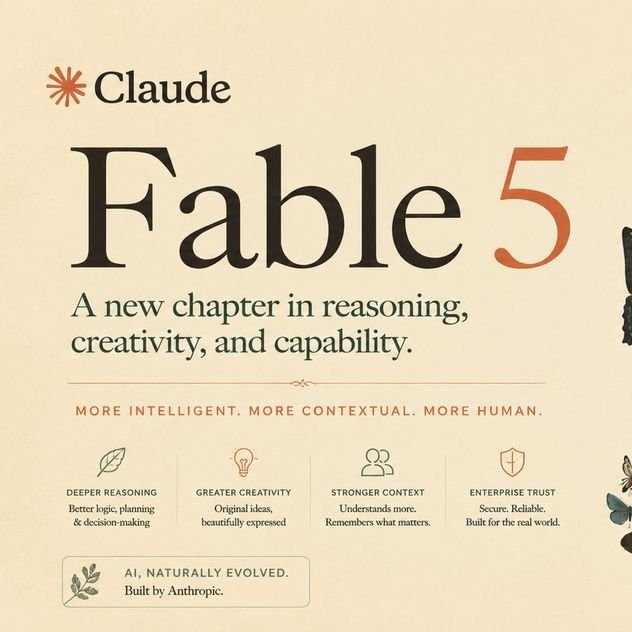
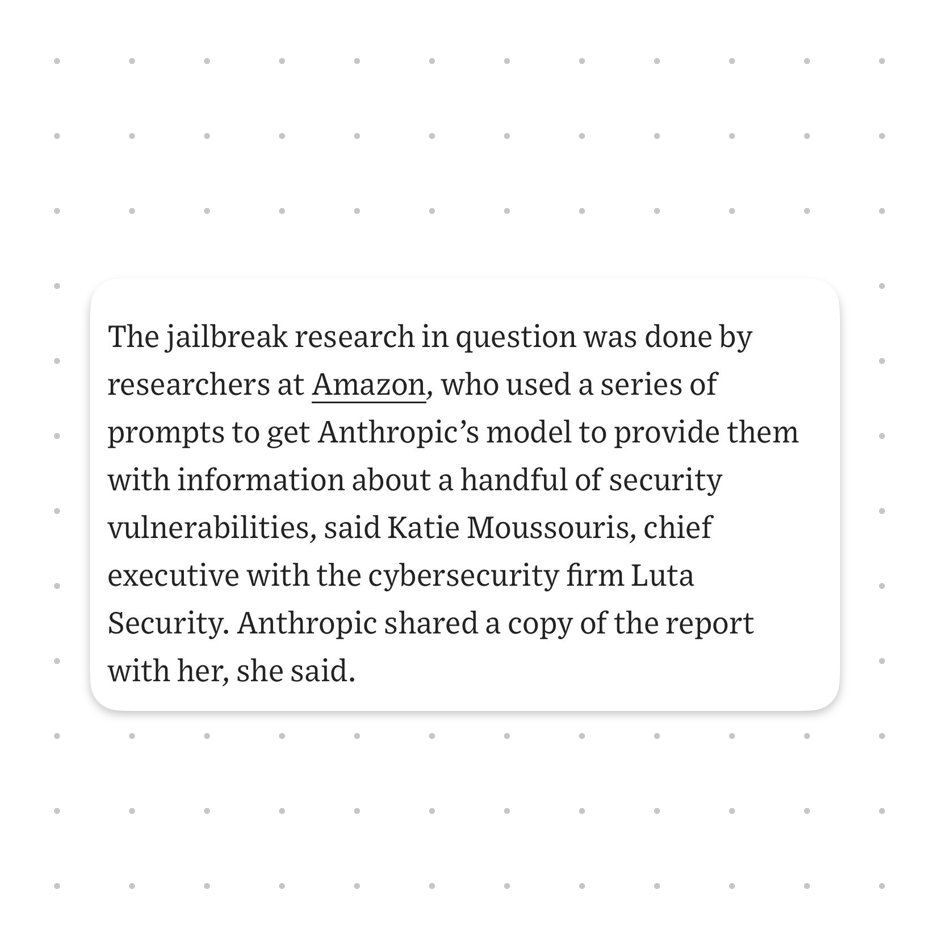
‼️🚨 BREAKING: Amazon researchers snitched to the US government about jailbreaking Fable 5 and Mythos 5, forcing Anthropic to immediately shut down worldwide access. A security export control directive from Commerce Secretary Howard Lutnick enforced the action. Anthropic is fighting the directive and calls it a misunderstanding. This isn't the first clash. The Trump administration had already tried to get Anthropic to pause the release of its latest models before this directive landed.
589
2,247
23,587
1,370,086
Anthropic's marketing theater doesn't impact the open-source capes that are just as capable as Fable 5.
I feel everyone is talking about cyber risk with very little input from cybersecurity. For people in cyber, I want your take: How good or bad would it be for cyber if an open-weight no-guardrails Mythos-level model released tomorrow?
2
71
Cyber Strategy retweeted
Jun 12
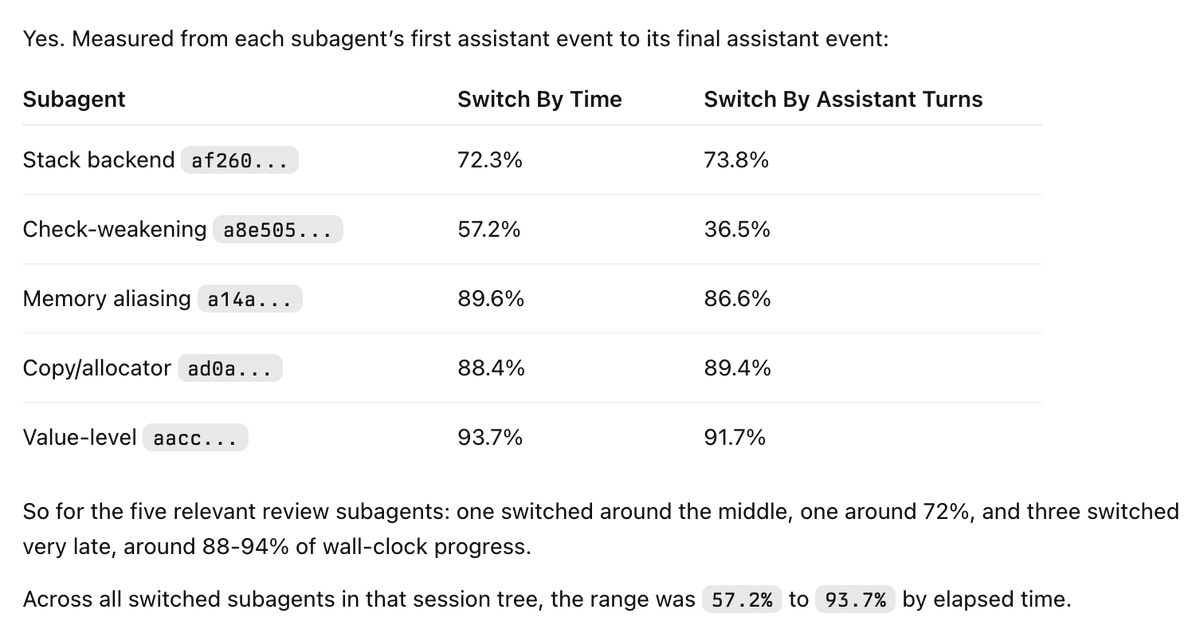
definite proof that claude fable subagents silently switch the model to opus even if you have the fallback disabled. absolutely disgraceful treatment of paying customers from anthropic.
29
29
314
19,903
The core of web3 hacking... realizing your geographically challenged, multi-hydra attack problem is really someone standing right next to you.
Jun 9
humanity hacker sent an onchain message to chris blec: "i was stressing out about needing to social engineer four different devs across three different timezones. then you drop a revelation that it's actually just one guy with six signer keys in his metamask. thank you king."
1
2
44
Exactly why we need deterministic defense, regardless of these AI "do-gooders" will never let the avg person defend themselves, their property, brand or IP by using their tools. We saw this coming over 15-years ago while in the USAF, when we created our Cyber Strategy Truths Framework and turning it into a reality starting 6-years go with our digital shield defense approach. Control your destiny, sovereignty and the outcomes you want.
Jun 10
Replying to @yacineMTB
i just get 100% refusal rate in my line of work. they keep talking about how people need to get ahead of bad actors and then completely nerf cyber capabilities.
2
27
Your AI agents are making decisions. Who is accountable when they get it wrong? Most organizations have spent the last 18 months focused on what AI agents can do. Far fewer have asked what happens when an agent: → Executes an unauthorized action → Delegates work to another agent → Connects to an unknown MCP server → Makes a decision that causes financial, operational, or regulatory harm That is the emerging Agentic AI Liability Gap. The uncomfortable reality is that regulators are increasingly focused on accountability, oversight, intervention capability, and evidence. Not: ❌ "We had logs." But: ✅ Who authorized the agent? ✅ What was it allowed to do? ✅ Could you stop it? ✅ Can you prove what happened? If you cannot produce a cryptographic chain showing authorization, delegation scope, ownership, and actions taken, you may have a governance problem long before you have a security problem. In our latest analysis, we break down: • Why deployers—not vendors—bear accountability • The three questions that determine your exposure • The MCP supply chain problem most organizations cannot inventory today • Why cryptographic auditability is becoming a governance requirement, not a technical feature • How NEXUS-A2A was designed to reduce agentic AI liability through verifiable identity, delegation, and governance controls The future of AI governance will not be built on trust. It will be built on evidence. Read the full analysis below:
1
3
45
Cyber Strategy retweeted
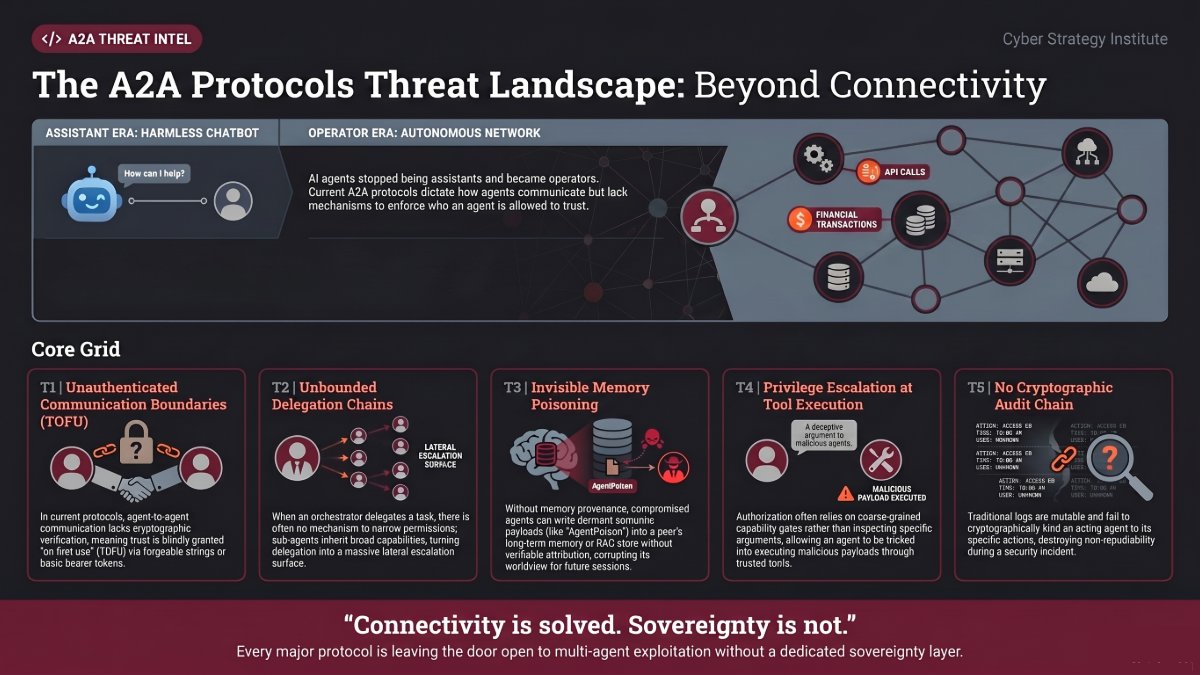
The biggest security problem in agentic AI isn't prompt injection. It's trust. Today's A2A protocols solve communication. They don't solve verification. That creates 5 structural risks: 🔹Agent impersonation 🔹Unbounded delegation chains 🔹Memory poisoning 🔹Tool-level privilege escalation 🔹Non-verifiable audit trails Think about it: Agent A → Agent B → Agent C → Tool Execution Can you prove: • who initiated the action? • what authority was delegated? • whether permissions expanded? • what memory influenced the decision? • who is accountable? For most deployments, the answer is "not cryptographically." We're building the HTTP era of agent systems. The next challenge is building the TLS era. The organizations that solve agent identity, provenance, delegation, and accountability first will have a significant advantage over those that don't.
1
1
53
Cyber Strategy retweeted
Start building sovereign agents today!
1
3
4
59
Cyber Strategy retweeted
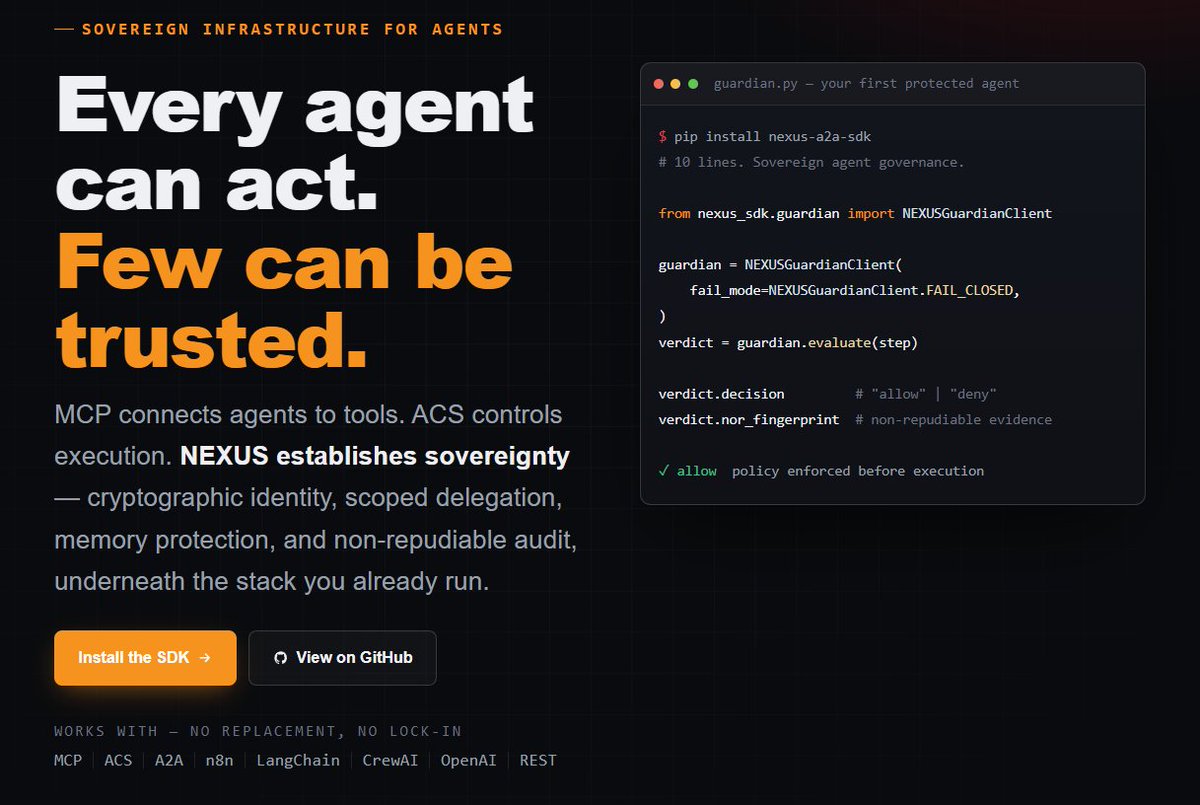
We just shipped the sovereign layer agentic AI has been missing. NEXUS-A2A v0.3 Open source. Apache 2.0. 189 tests. Zero external dependencies in the core suite. The fundamental problem with today's agent ecosystem isn't MCP, ACS, A2A, LangChain, CrewAI, or orchestration frameworks. The problem is that most systems can authenticate an application, but cannot reliably answer: • Which agent actually initiated this action? • What authority was delegated to it? • How many delegation hops occurred? • Was its memory manipulated since the last session? • Who owns responsibility for its actions? That is a structural governance gap, not a configuration problem. NEXUS closes that gap with a cryptographic sovereign layer that wraps existing agent infrastructure without requiring changes to MCP servers, ACS Guardians, LangChain, CrewAI, n8n, or other orchestration platforms. Core controls include: → DID SPIFFE identity on every agent-to-agent message → Verifiable Constraint Chains (VCC) that narrow scope at every delegation hop → Memory Vaccine drift detection to block memory injection before persistence → Guardian enforcement of arguments outside the agent process → NOR receipts that create signed, OCSF-mapped audit records for every action The result is governance, provenance, and accountability that travel with the request itself. Using the AI SAFE² v3.0 framework: • Typical MCP deployments score ~11/25 • ACS implementations score ~14/25 • Current A2A implementations score ~8/25 • NEXUS-A2A v0.3 scores 24/25 The remaining point requires production-scale behavioral analytics over extended operational horizons. We believe every fleet operating 50 autonomous agents should satisfy six invariants: I-1: Cryptographic identity at every boundary I-2: Scope narrows at every delegation hop I-3: Memory provenance on every cross-session write I-4: Physical kill switch registered with sub-second propagation I-5: Named human owner-of-record for every agent I-6: Behavioral drift treated as a security event You can verify your own environment today: pip install nexus-a2a-sdk Run the compliance checker and receive a control-by-control assessment showing exactly where governance gaps exist. NEXUS-TGC (multi-sovereign governance committee) is now accepting steering nominations through September 1, 2026. An IETF Internet-Draft for the identity and transport layers is in preparation. This is not a vendor lock-in strategy. This is an open protocol designed to make agent identity, delegation, memory provenance, and accountability verifiable across the emerging agentic ecosystem.
3
2
4
258
Cyber Strategy retweeted
We are excited to join Nvidia's Nemotron Coalition of leading AI labs working together to advance open frontier foundation models. To celebrate we have partnered with @nvidia and @nebiustf to provide 2 free weeks of the new Nemotron 3 Ultra model on the Nous Portal!
143
213
2,882
1,494,682
Cyber Strategy retweeted
The era of "AI Tool Calling" is ending. The era of "AI Code Execution" has just began. We spent the last year trying to secure API plugins. Today, frontier models bypassed the plugin entirely to write and execute their own backend scripts. The velocity is brilliant. The architectural exposure is catastrophic.
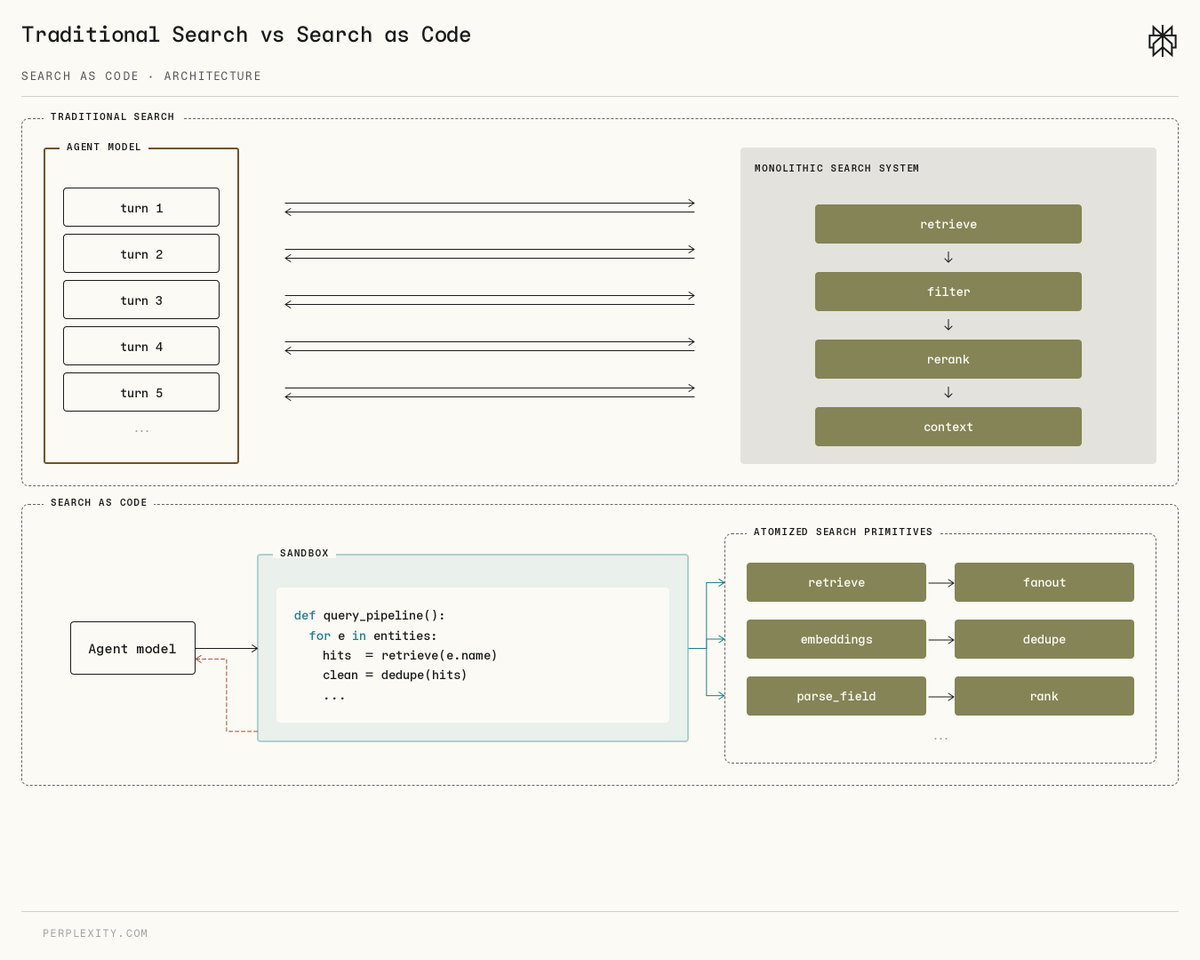
Introducing Search as Code, our new search architecture for AI agents. It writes Python that calls our search stack directly, instead of looping through function calls one at a time. Available in the Perplexity Agent API, and now default in Computer. research.perplexity.ai/artic…
1
2
56
Cyber Strategy retweeted
Replying to @rryssf
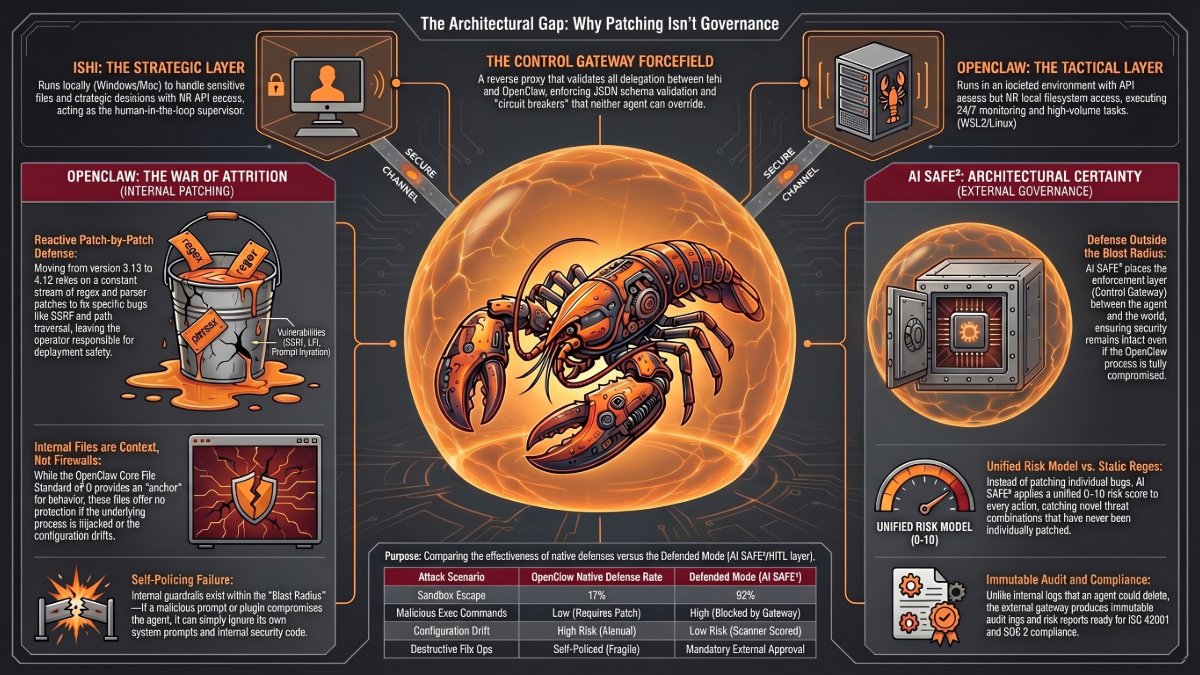
Great question, your integration point is where the rubber meets the road. Right now, NEXUS (protocol layer) and LangChain (orchestration layer) we bridge them via our AI SAFE² Gateway. ​Instead of LangChain natively understanding VCC delegation, the Gateway acts as a PEP (Policy Enforcement Point). It validates the x-nexus-delegation-chain before allowing LangChain's memory store abstractions to persist or fetch data. ​We're looking closely at how to make this more seamless for developers. How are you currently structuring your LangChain memory stores (e.g., VectorDBs, Redis, short-term conversational)? Would love to hear your thoughts on what an ideal developer experience looks like here from your foxhole.
1
1
280
Cyber Strategy retweeted
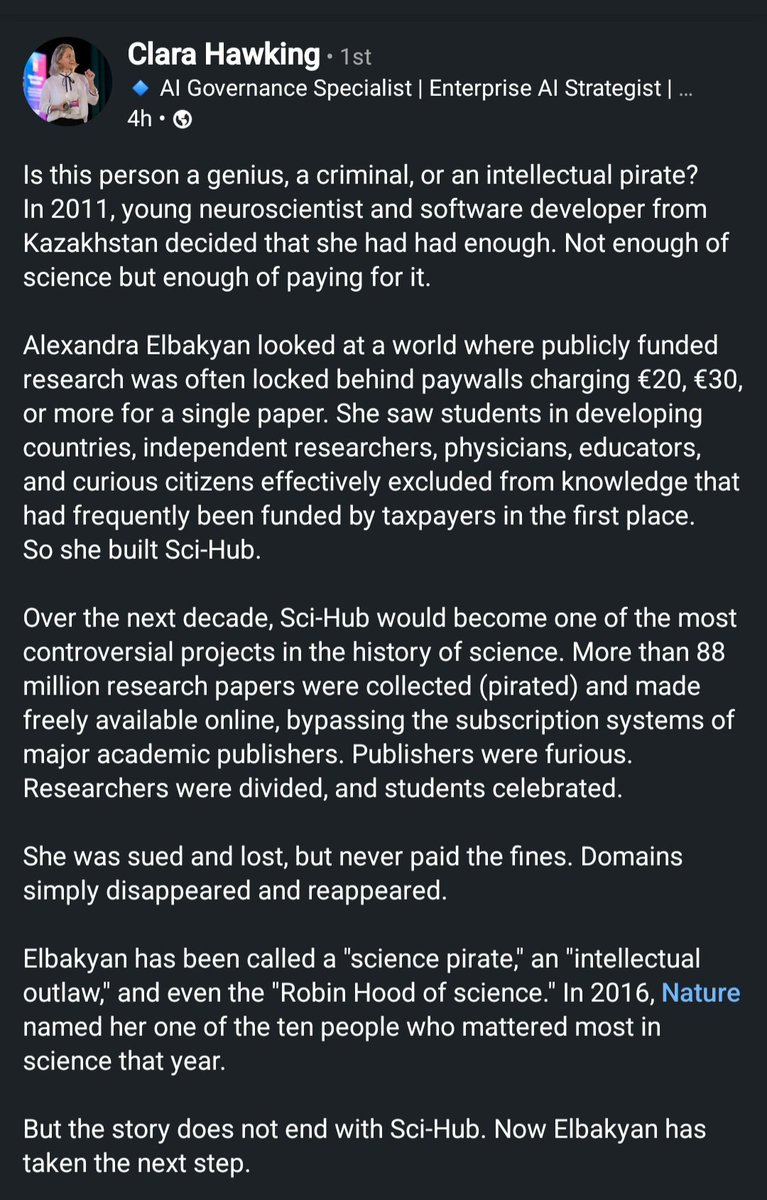
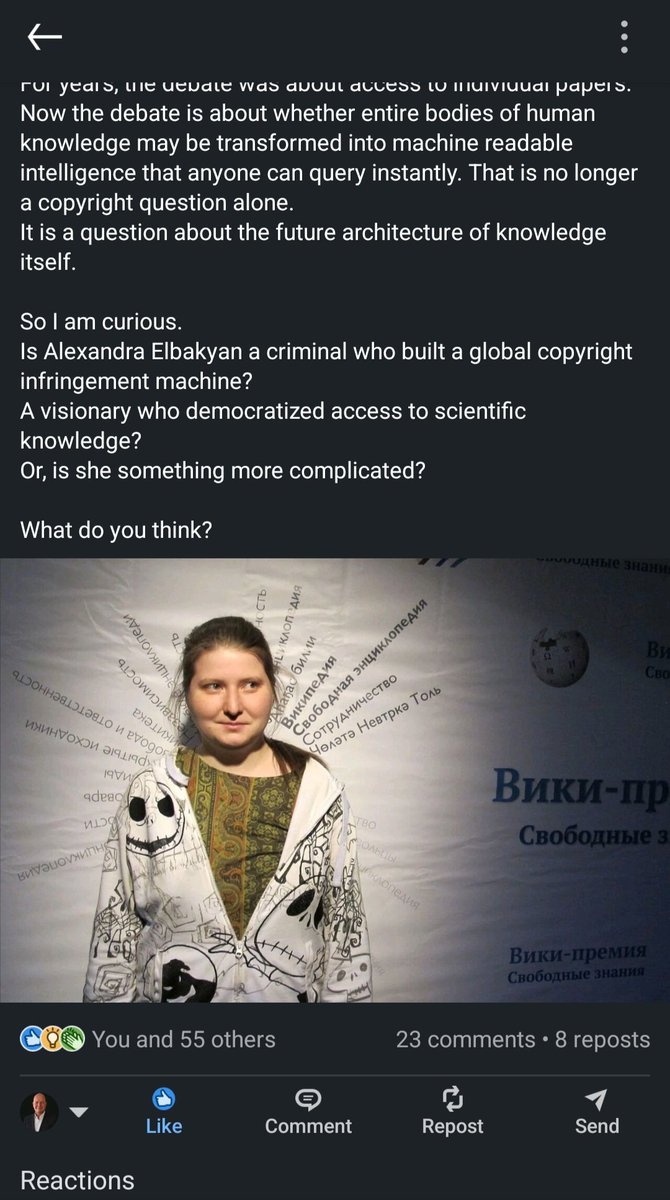
If Sci-Hub Is Piracy, What Is AI? Why is moral outrage so selective? Sci-Hub breached copyright at industrial scale. But if Alexandra Elbakyan is a pirate for making paywalled scientific knowledge freely available, then the same scrutiny has to be applied to the modern AI economy. Vast bodies of copyrighted human knowledge, academic writing, journalism, code, books, images, music, and research have been absorbed into commercial systems valued in the hundreds of billions. The difference is selective outrage, capital, legal insulation, lobbying power, narrative control, and who gets to call their extraction “innovation” as opposed to piracy. Copyright MUST be protected so that authors, researchers, publishers, artists, journalists, and creators can earn a living by enjoying that protection. The asymmetry though is nauseating. A Kazakh researcher who breaks the paywall is called a criminal. A trillion-dollar ecosystem that ingests civilisation’s intellectual output and turns it into proprietary infrastructure is called the future. If Elbakyan is a pirate, then the AI economy are operating with the confidence of privateers but better funded, better lawyered, and far more acceptable to the institutions whose knowledge they "pirated"
2
11
15
792