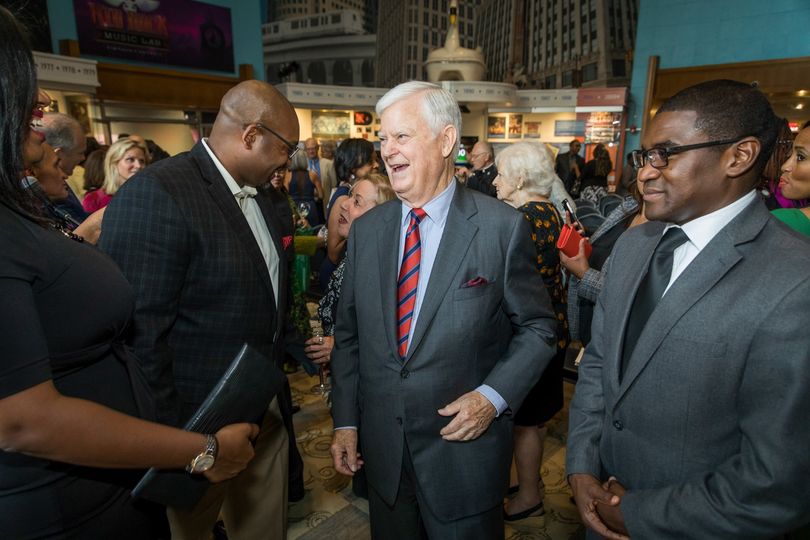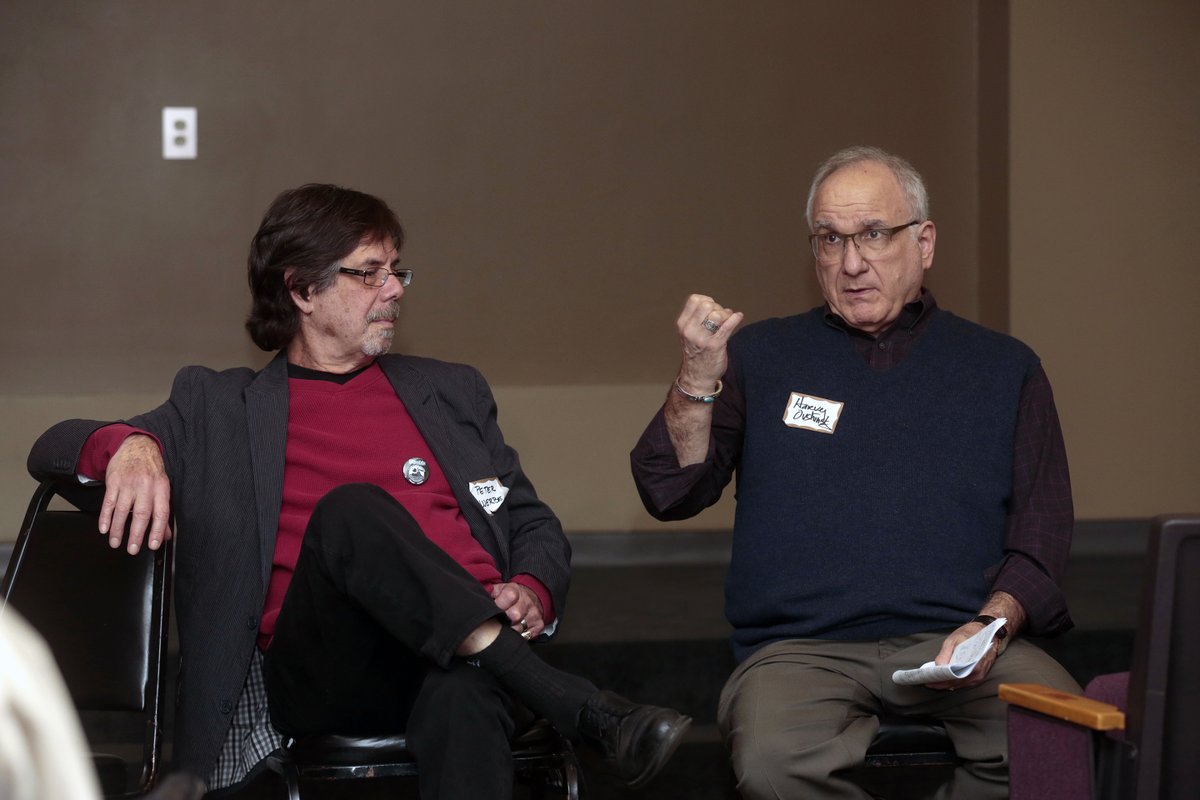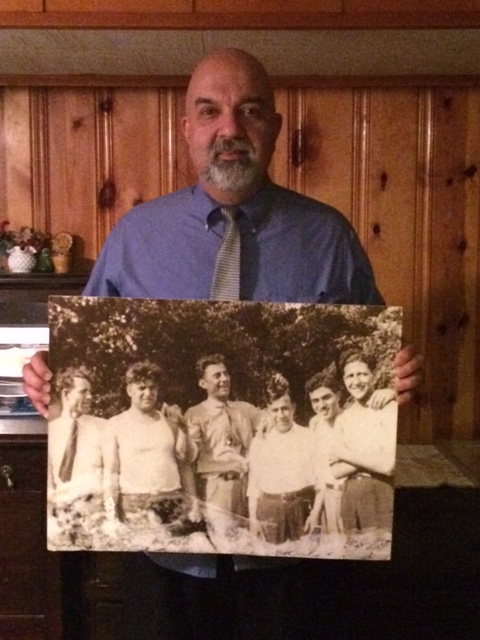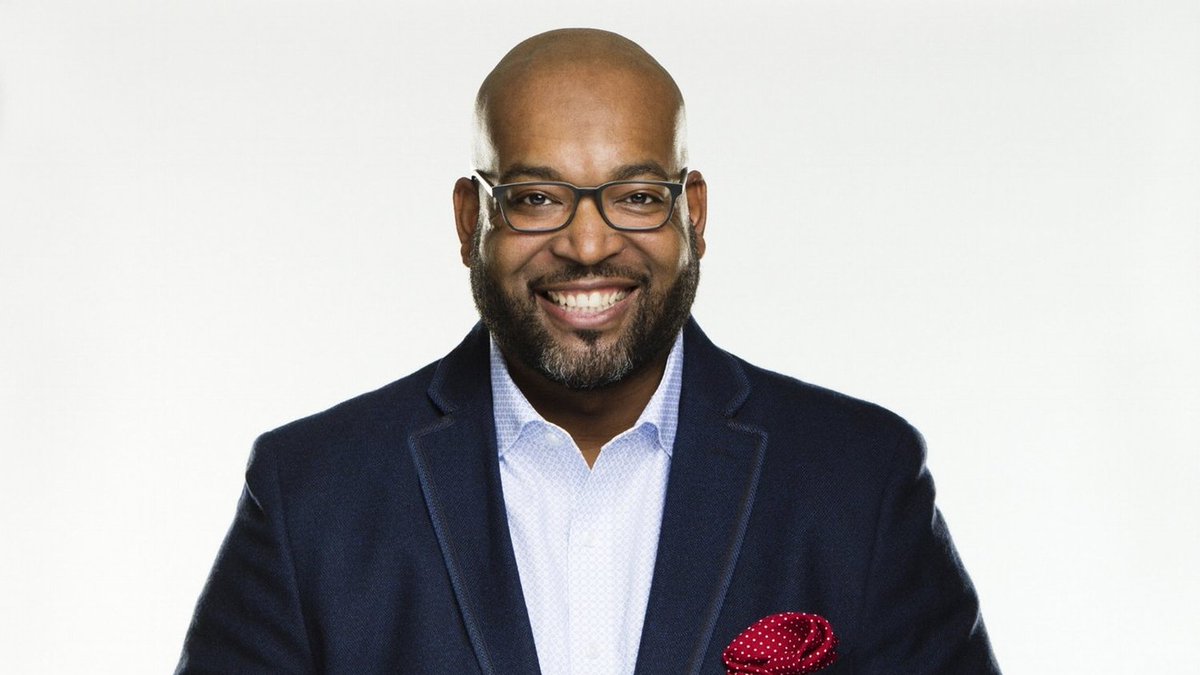
Register to join us! This month's Virtual Third Thursday Speaker Series will feature longtime Detroit journalists and activists Peter Werbe and Harvey Ovshinsky, in conversation with author and professor Tim Kiska: bit.ly/3jZTGZn
This week in @DHSDetroit 3rd Thursday series: A discussion of the past behind Diego Rivera's mural in the @DIA! @UAW_Archivist Gavin Strassel and muralist @MonroyElton will discuss the work and the industrial realities that inspired it. QR code registration is free (see image).
ALT Flyer with photo of a portion of the Diego Rivera Mural at the Detroit Institute of Art. Text reads, : Third Thursday Speaker Series: Rivera's Detroit Industry Murals. Thursday, September 16 6:30-7:30pm Free with Registration! Explore the radical roots of labor and art as we disucss Diego Rivera's Detroit Industry Murals in the Detroit Institute of Arts with Gavin Strassel from the Walter Reuther Library and muralist Elton Monroy Duran. Join us to discover the historical and social background behind Detroit's most famous paintings. Participation is free with registration (displays QR code to register).
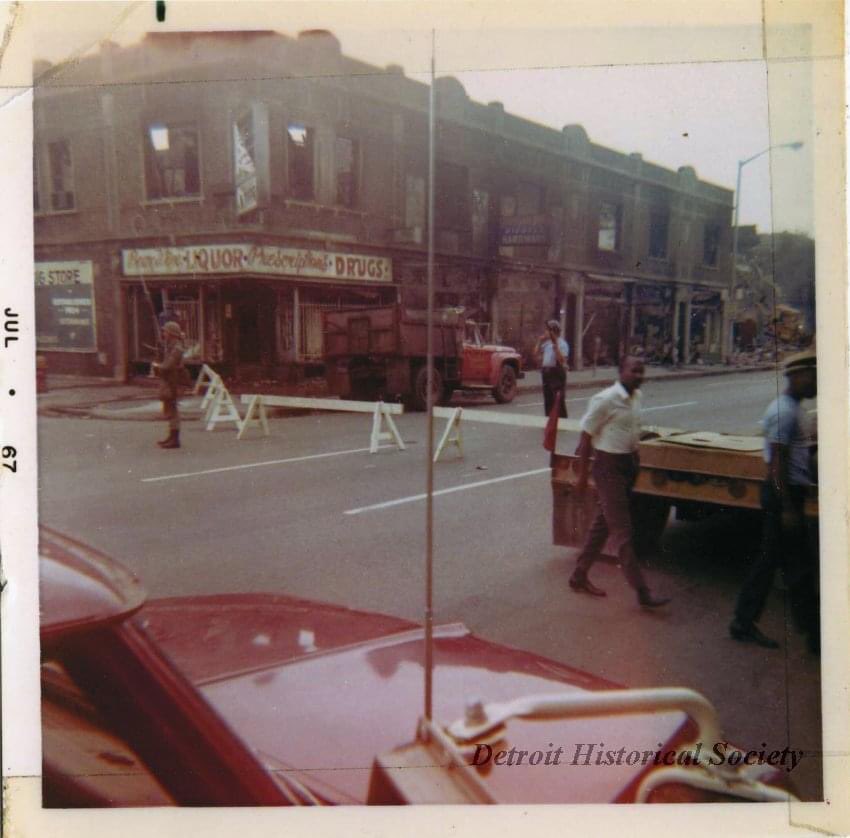
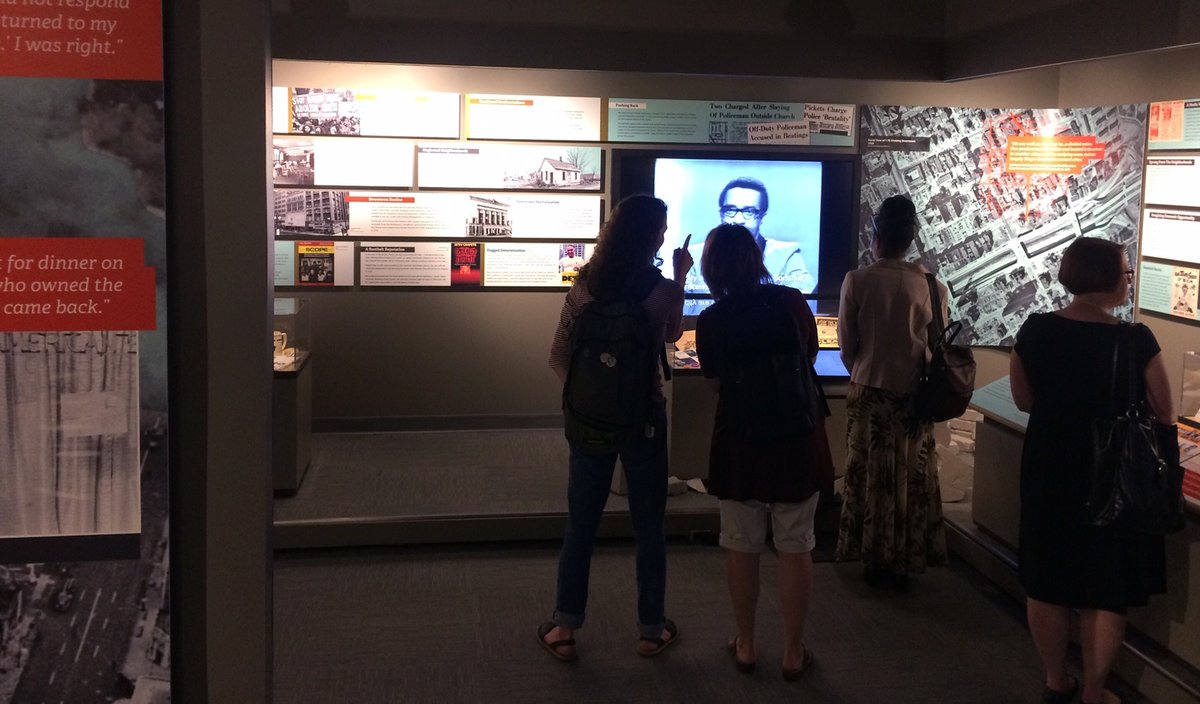
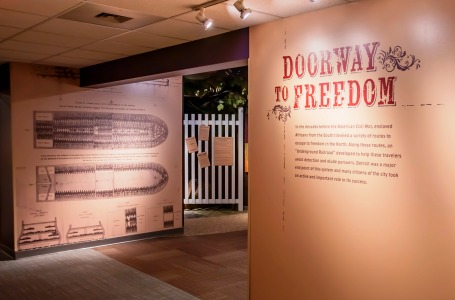
On July 23, 1967, a police raid on a "blind pig" on 12th Street led to several days of civil unrest in Detroit. In 2017, we partnered with over 100 organizations to mark the 50th anniversary of the crisis.
See the multi award-winning Detroit 67 Project exhibition still on display (& becoming permanent) at @DHSDetroit or learn more in our online encyclopedia at detroithistorical.org/learn/…
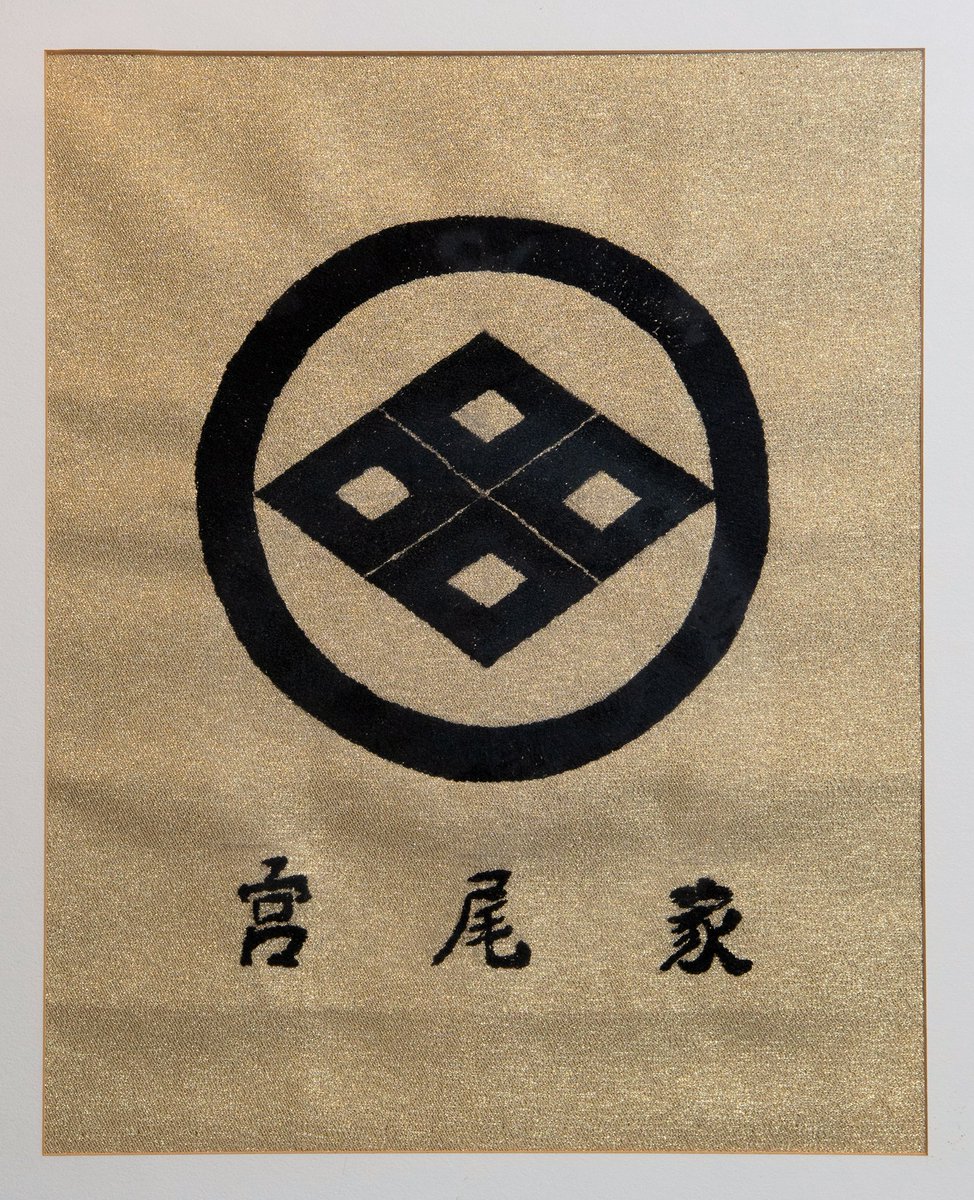
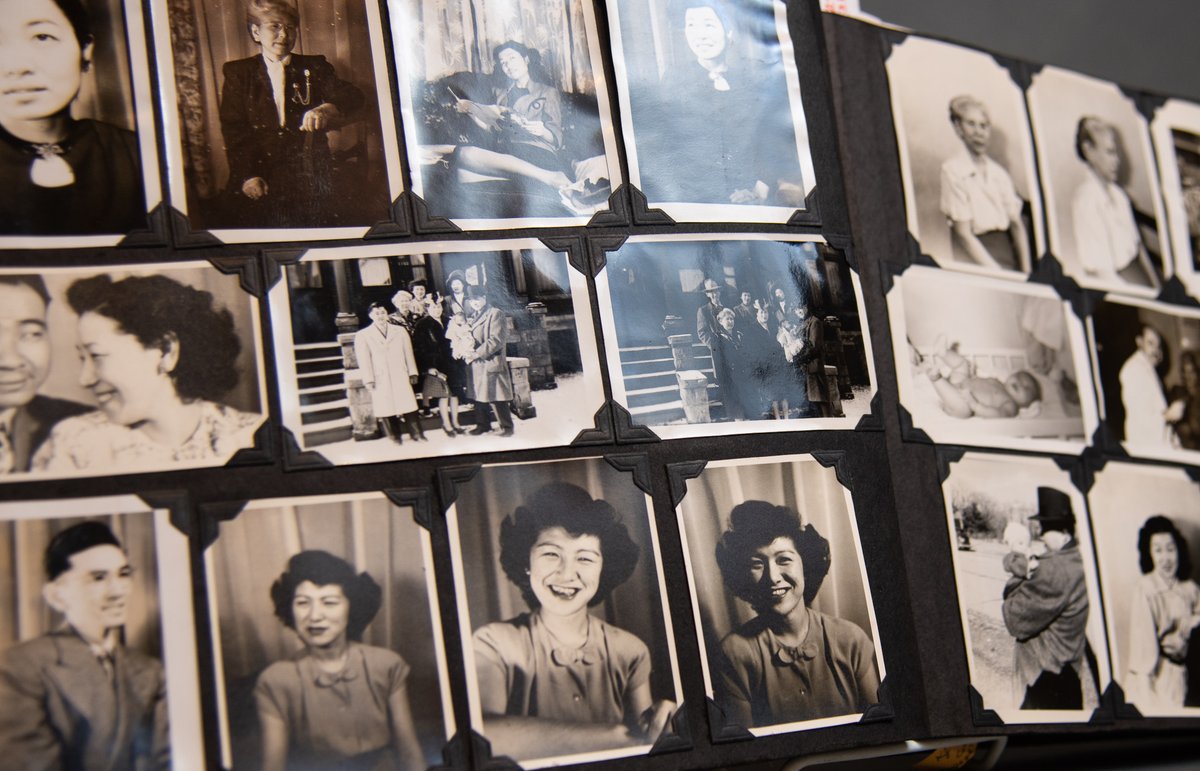
What makes a community? What makes a place feel like home–or more specifically, like a particular kind of home? This is a potent question to ask of Japanese Americans in metro Detroit, whose largest migration into the Midwest came as a direct result of WWII.
Opening on 7/17 in the Community Gallery at the Detroit Historical Museum, 'Exiled To Motown: A History of Japanese Americans in Detroit' explores themes of dispossession and resilience that are especially resonant for the API community today.
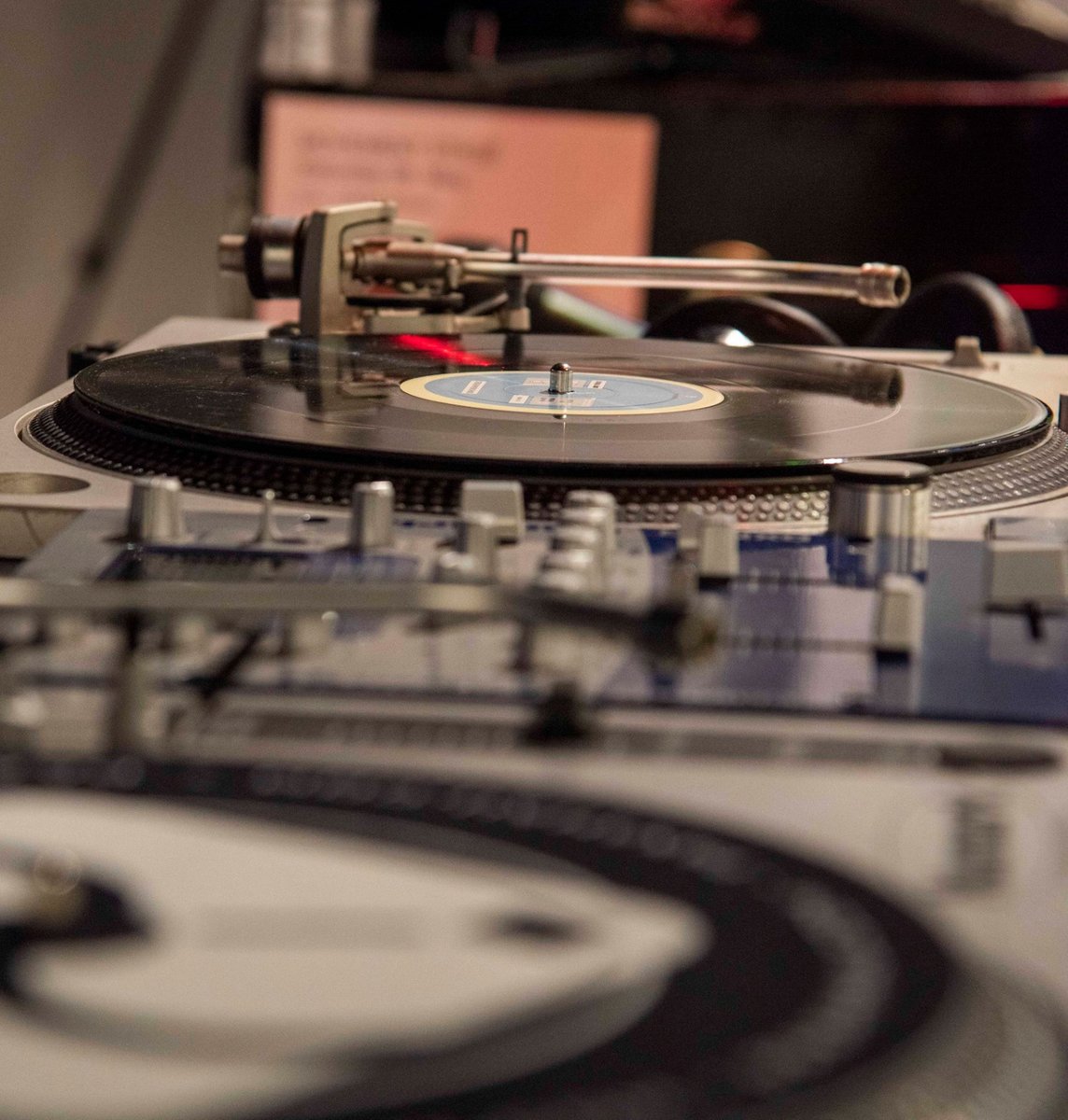
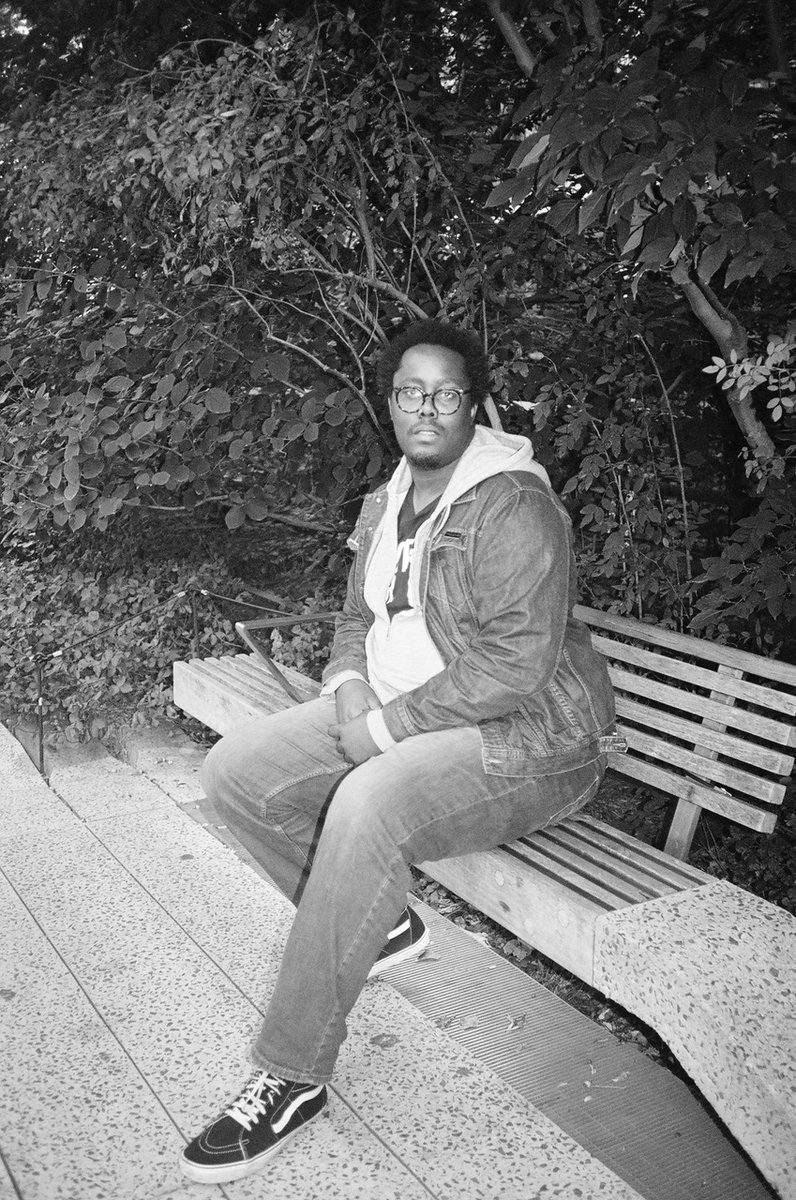
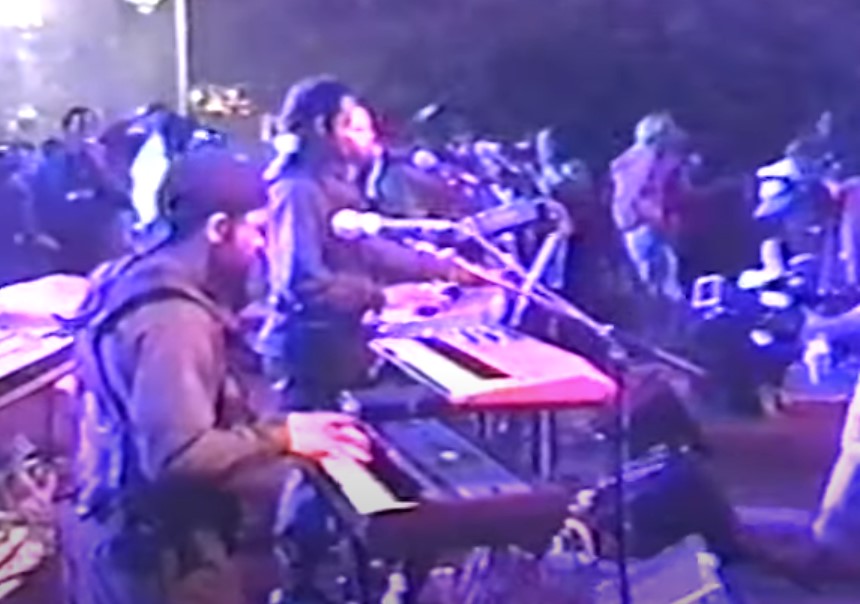
Tonight! Join us for our @D67project Virtual 3rd Thursday conversation with Professor Marlon Bailey & DJ John Collins on Black Pride and Techno in Detroit.
RSVP: bit.ly/3iAvXyO
Our 3rd Thursday Speaker Series returns next week for #pride w/a look at the intersections of race, sexuality & music in 1980s-90s Detroit.
Featuring Professor Marlon Bailey, author of Butch Queen up in Pumps & legendary techno DJ John Collins. RSVP: bit.ly/3iAvXyO
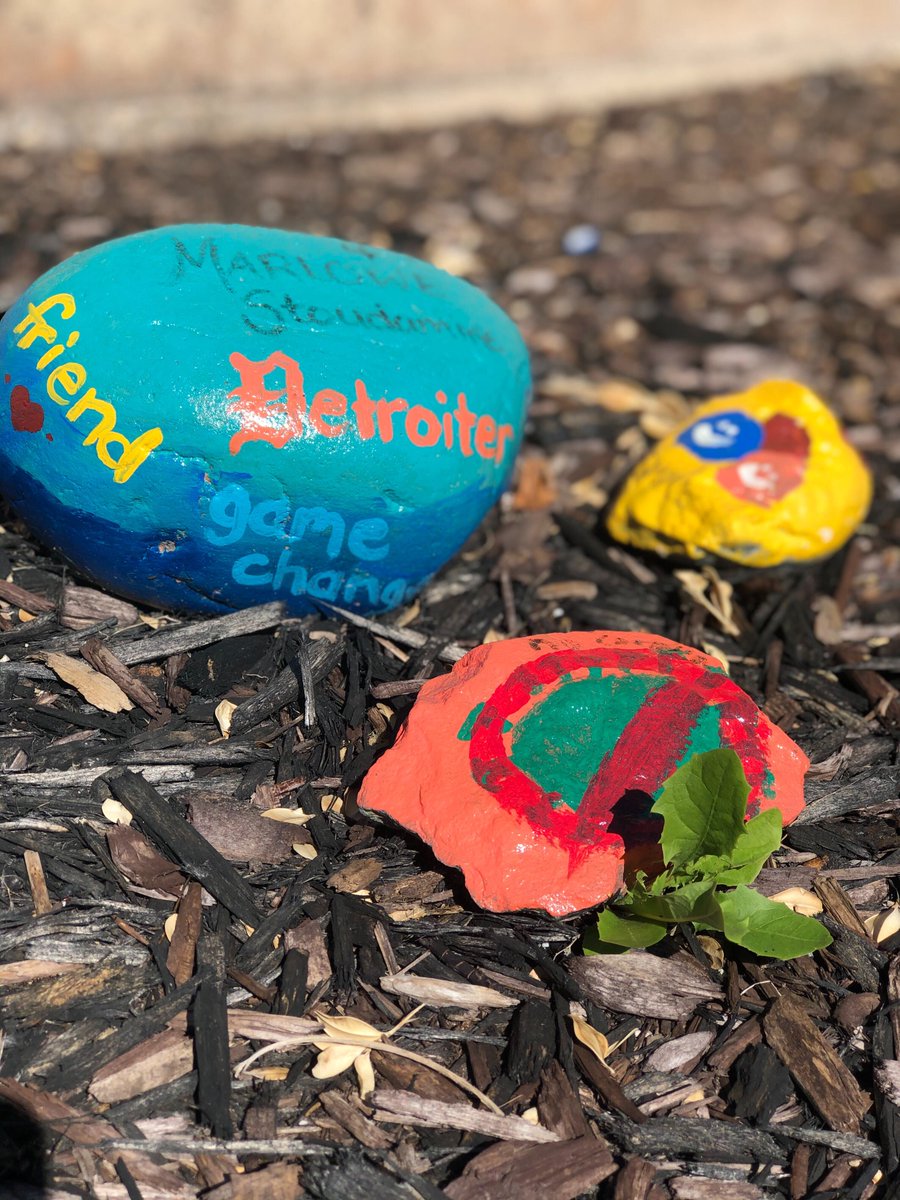
This Saturday! Join us at the Detroit Historical Museum for FREE ADMISSION all day when you decorate a rock for our community memorial garden.
More info: bit.ly/33ECY9k
Memories are always welcome at the Detroit Historical Museum, especially in our Covid-19 Memorial Garden. On Saturday, June 12 we’re inviting you to bring a decorated stone for the garden to get free admission to the museum.
Learn more: bit.ly/33ECY9k
Take a new look at significant sites in Detroit's history in the Black Historic Sites Committee Virtual Bus Tour on Saturday morning!
Tickets are available now at bit.ly/3oyhODj
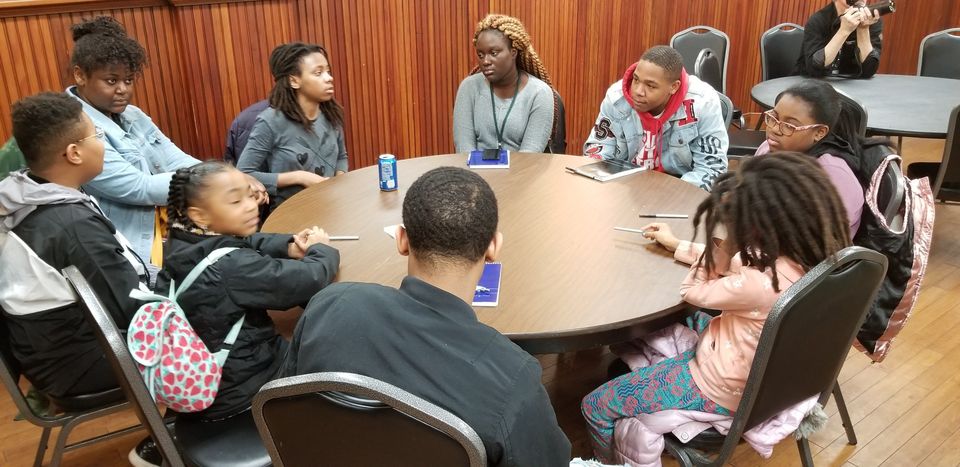
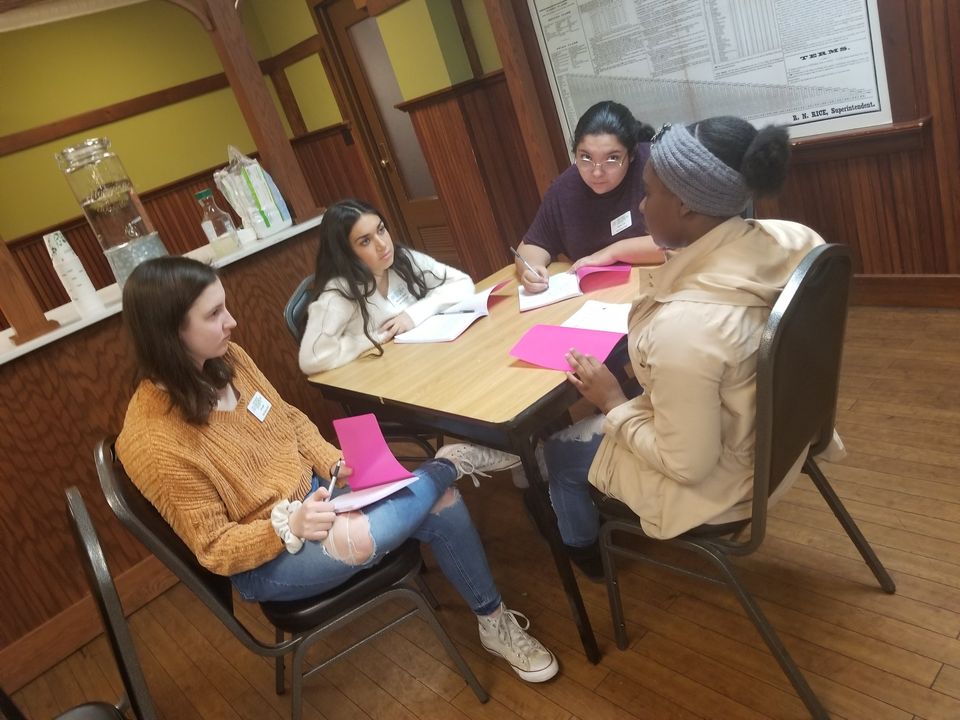
As part of the award-winning @D67project we launched an #oralhistory project to collect the stories of Detroiters who experienced 1967.
We collected 500 1sthand #Detroit67 accounts & have now expanded our work to collect stories of contemporary Detroiters w/2 new projects.
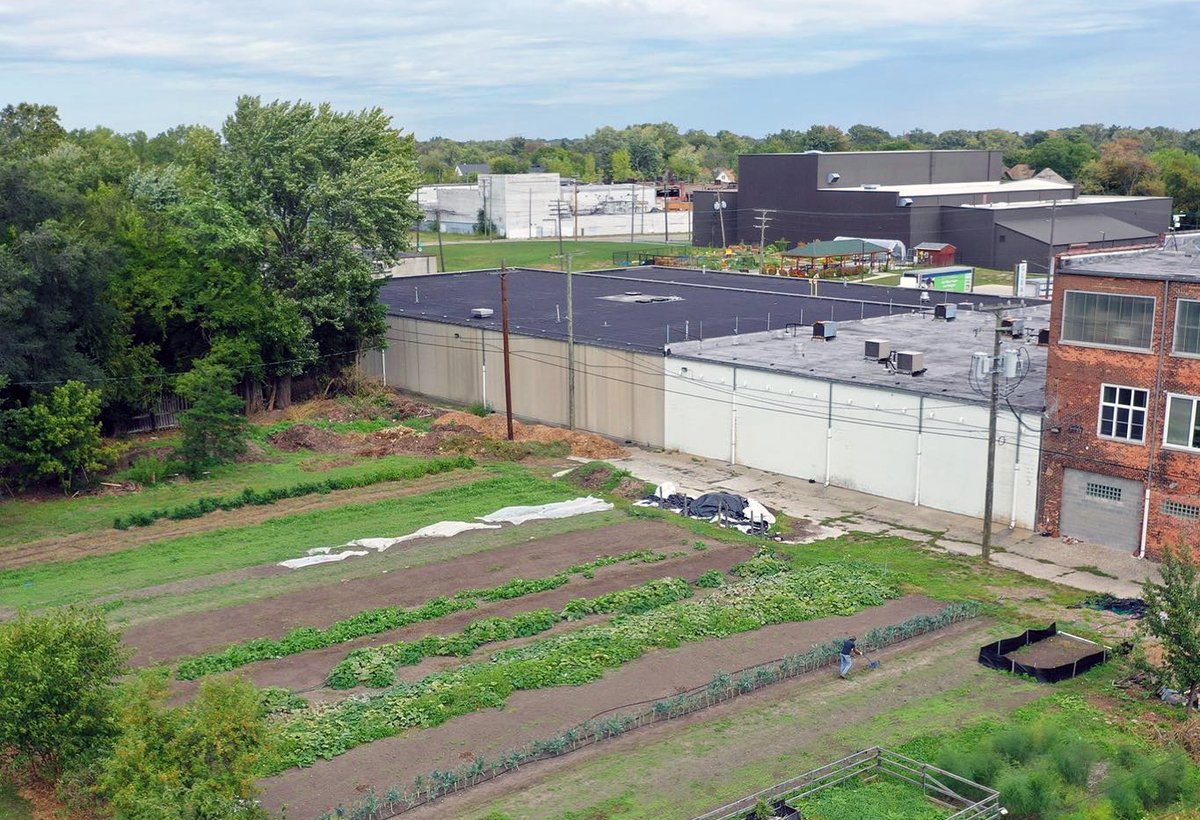
There are still a few spots left for our Virtual 3rd Thurs panel tonight! Hear about the current state of urban agriculture in the city & its roots in the past from Ashley Atkinson of Keep Growing Detroit & Meiko Krishok of Guerrilla Food.
🌱 Register at bit.ly/3tQiqFF
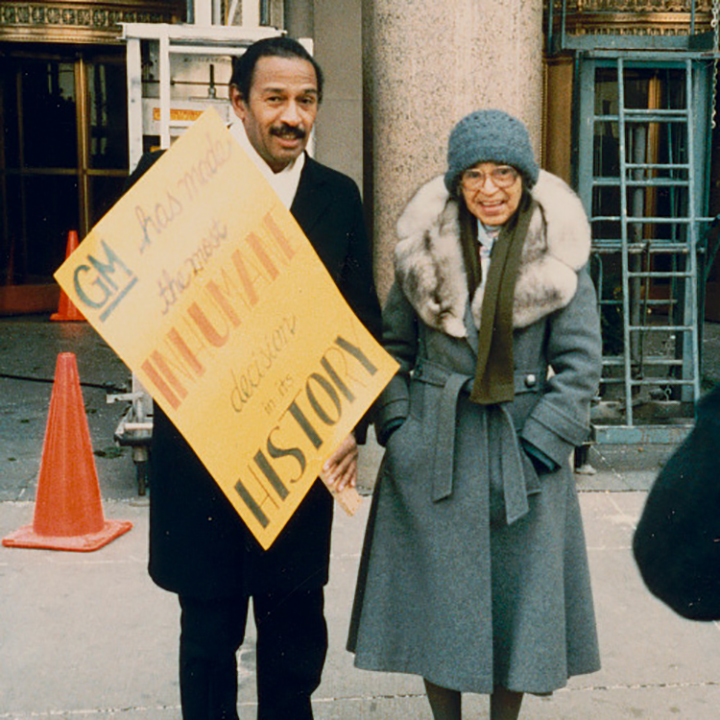
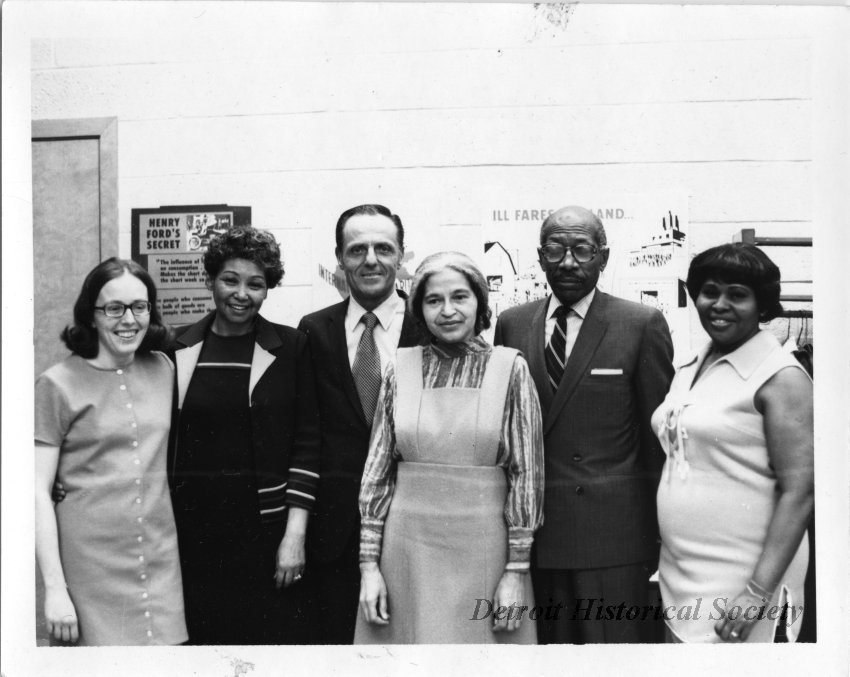
When she relocated to Detroit in 1957, Rosa Parks struggled to find steady employment due to her notoriety & her civil rights activism. After volunteering for his campaign, she was hired as an administrative aide to US Representative John Conyers, a post she held from 1965-1988.
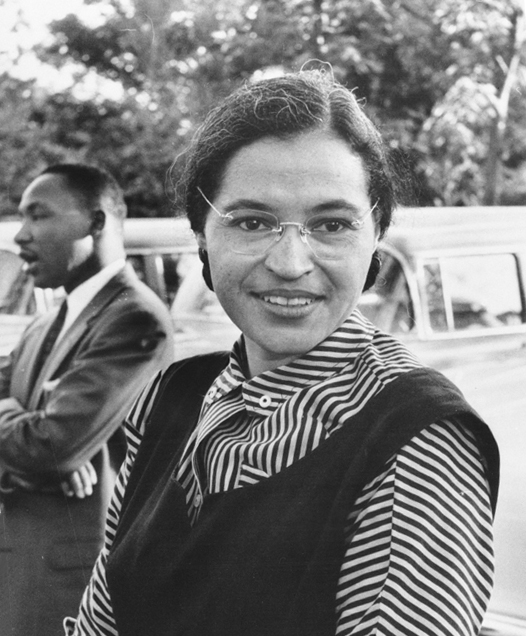
Learn more about Parks's incredible life and work from biographer @JeanneTheoharis in our Virtual Third Thursday Speaker Series event this week! Register at: bit.ly/3qr72OI
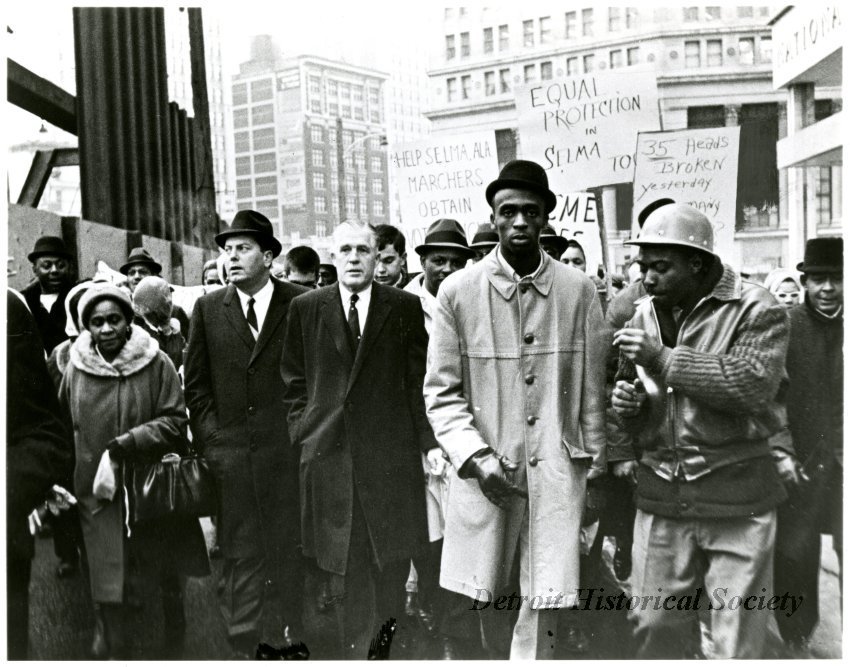
While her legacy is sometimes reduced to a single act of protest, Rosa Parks worked as a civil rights activist her whole adult life. During the nearly 50 years that she lived in Detroit, she also worked on behalf of labor and political causes.
Did you know that when she was arrested for not giving up her seat in 1955, Rosa Parks was sitting at the middle of the bus, not the front? And while the reason often given for her reluctance was that she was tired, she has said "the only tired I was, was tired of giving in"?
In her definitive biography of Parks, @JeanneTheoharis argues that the popular image of Rosa Parks softens her personality & motives, diminishing a remarkable lifetime of activism. Learn more in our next 3rd Thurs Speaker Series w/Theoharis on 3/18!
RSVP: 1066.blackbaudhosting.com/10…