Capacity Building Consultant, Author, Artiste and Activist.
Joined April 2012
- Tweets 196
- Following 309
- Followers 57
- Likes 448
9 Photos and videos


Christopher Gwom retweeted

Jun 13
𝗜𝗿𝗮𝗻 𝗽𝗲𝗮𝗰𝗲 𝗱𝗲𝗮𝗹 𝘀𝗲𝘁 𝗳𝗼𝗿 𝗦𝘂𝗻𝗱𝗮𝘆, 𝗛𝗼𝗿𝗺𝘂𝘇 𝘁𝗼 𝗿𝗲𝗼𝗽𝗲𝗻, 𝘀𝗮𝘆𝘀 𝗧𝗿𝘂𝗺𝗽
𝗥𝗲𝗮𝗱 𝗠𝗼𝗿𝗲: punchng.com/iran-peace-deal-…
1
6
25
2,980
Christopher Gwom retweeted

Jun 13
Everybody watch out for this interesting info graphic revelation of Empirical Evidence Proving that Trump is the GOAT!
1
1
4
Christopher Gwom retweeted

Jun 13
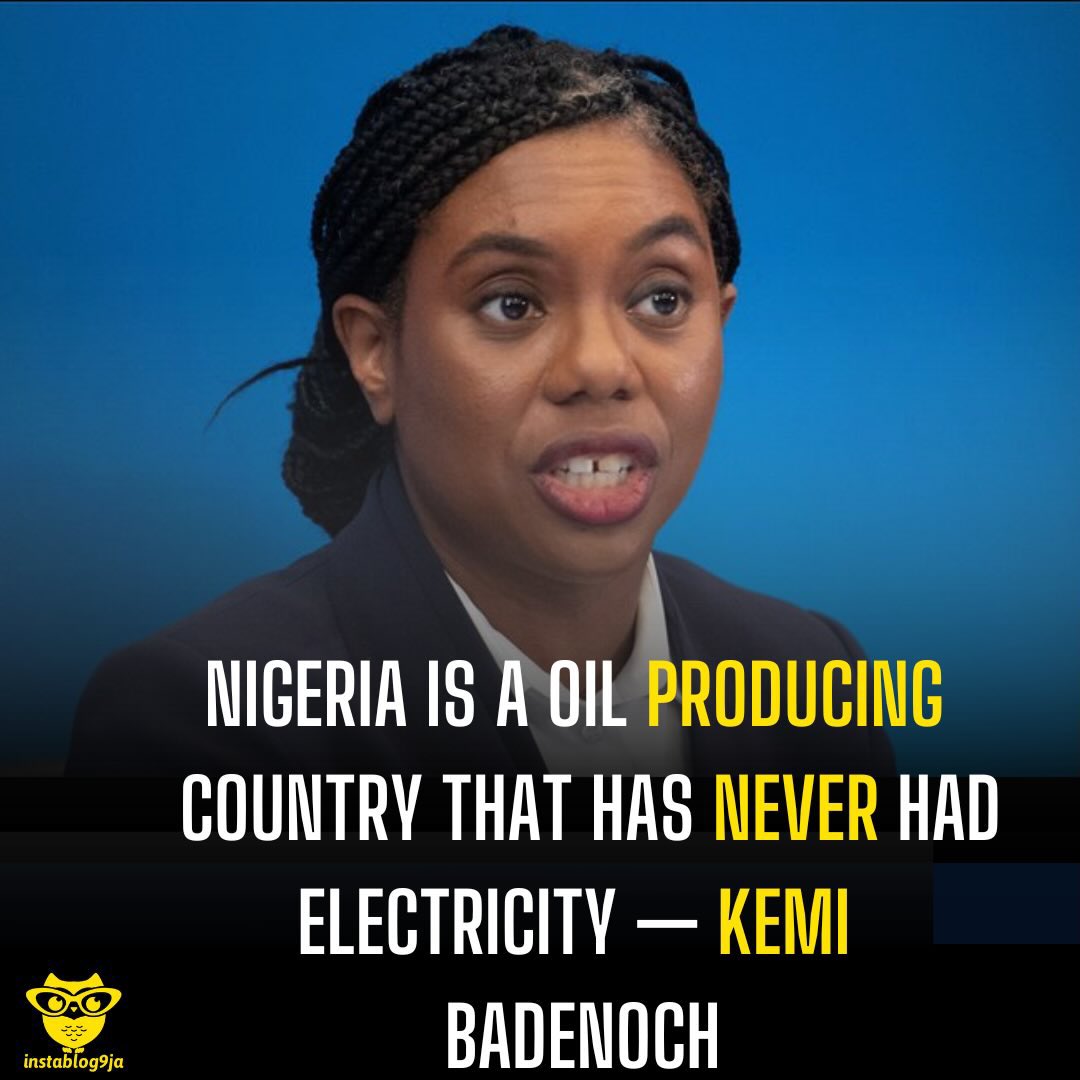
Nigeria is a oil producing country that has never had electricity — Kemi Badenoch
Leader of the UK Conservative Party, Kemi Badenoch, has criticised Nigeria’s governance record, describing the country’s long-standing electricity challenges as a consequence of poor public policy.
Speaking on how her upbringing shaped her political beliefs, Badenoch said Nigeria’s vast natural resources had not translated into prosperity for its citizens.
“Nigeria is an oil-producing country that has never had electricity,” she said. “It is very easy to have resources under the ground, but st¥pid public policy means that you can’t use them.”
The British politician drew parallels between policies she opposes in the United Kingdom and the approach of past Nigerian military governments.
“And I see quite a lot of what Ed Miliband is doing as being very much like what the Nigerian military dictatorships were doing in the 1980s and 1990s,” she stated.
According to Badenoch, excessive government control and wealth redistribution policies often lead to economic decline.
“The government’s going to take control. We know what’s best. We’re going to redistribute. These are st¥pid ideas that eventually just bankrupt the country,” she said.
Reflecting on her childhood in Nigeria, Badenoch said her experiences in a developing country continue to influence her views on governance and economic management.
“Fundamentally, my views about how we should run our country come from growing up in a place that was very poor. You grow up in a third-world country and you look at why it is termed ‘third world,’ and I don’t want that to happen here,” she added.
620
1,489
4,562
214,880

Christopher Gwom retweeted

That moslem lawyer should be arrested and prosecuted and then executed by the fed republic of Nigeria
1
7
132
Christopher Gwom retweeted

31 Dec 2025
This is the reason why either sharia is abolished and we all embrace constitutional law or Nigeria is divided .
Just look at the face of that lawyer so strong !!
95
896
1,214
25,926
Christopher Gwom retweeted

Yet there's no outrage in Nigeria. Everyone is going about their business and doing Detty December.
But when Anthony Joshua had an accident the Governors showed face.
Dear Nigerians, the government doesn't care about you and sadly, you don't even care about each other. SMH.
5
21
103
2,250
Christopher Gwom retweeted

26 Dec 2025
Britain is finished. The rest of Europe will follow.
How could they have even allowed it to happen?
206
613
980
21,084
Christopher Gwom retweeted

24 Dec 2025
Why do Christians in Germany allow this?
534
924
1,557
29,620
Christopher Gwom retweeted

26 Dec 2025
This is EXACTLY what I voted for! 🇺🇸🫡
President Trump back in action, leading the way.
MAGA strong! 🔥
949
3,228
12,970
56,885
Christopher Gwom retweeted

14 Dec 2025
Only in Nigeria will a bandit leader confirm he met with a defense minister for state
And we go Dey look
579
5,814
15,749
228,562
Christopher Gwom retweeted

14 Dec 2025
“If Bello Matawalle Doesn’t Resign As State Minister Of Defense After It Was Confirmed That He Is Involved In Sponsoring Terrorism In Nigeria, Then It Implies That President Tinubu Is The Main Person Encouraging Banditry And Terrorism In Nigeria.”- Popular Northern Media Personality Simon-K
165
3,264
4,849
110,623
Christopher Gwom retweeted

13 Dec 2025
What a country!
13 Dec 2025

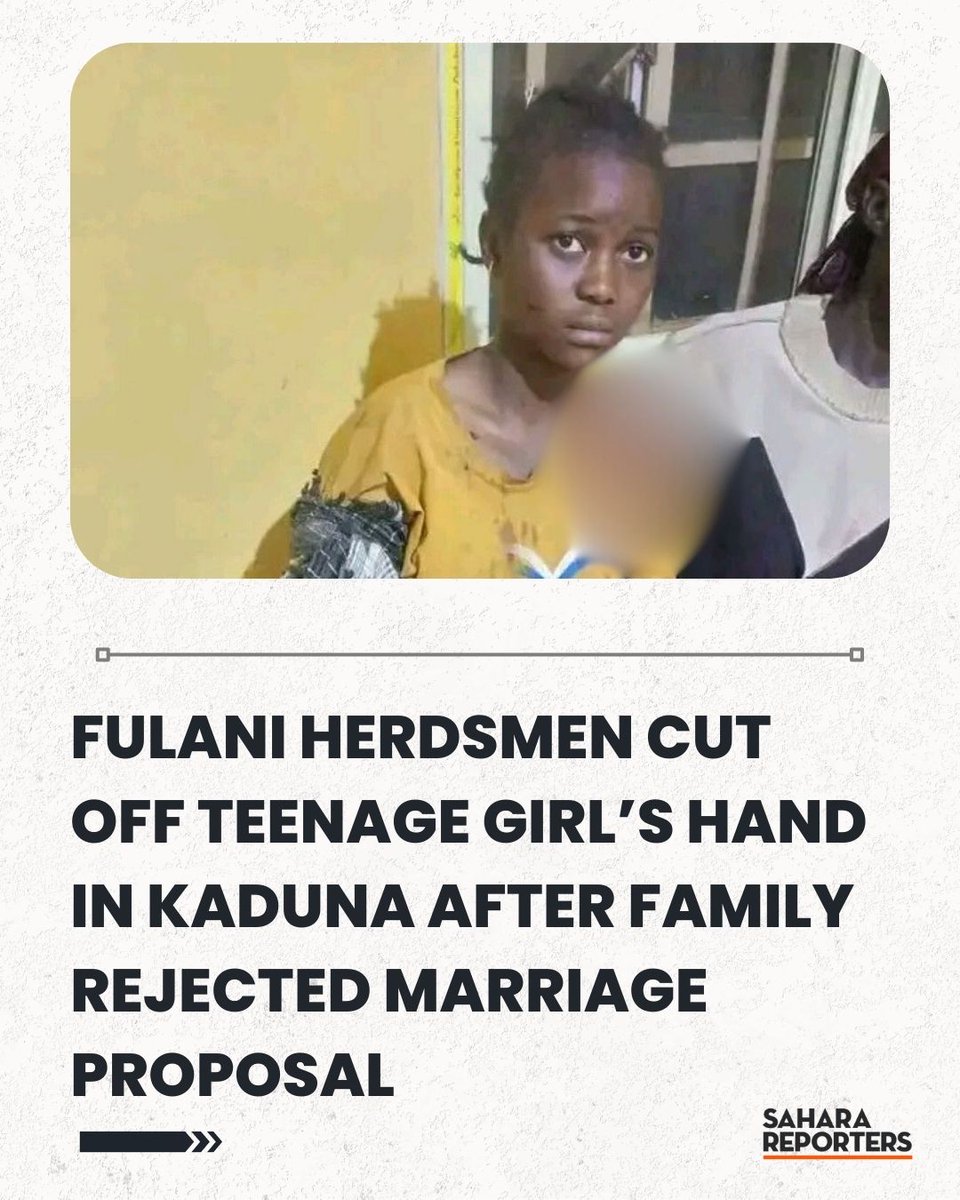
Fulani Herdsmen Cut Off Teenage Girl’s Hand In Kaduna After Family Rejected Marriage Proposal | Sahara Reporters bit.ly/3MXl3UY
143
2,282
3,299
80,229
Christopher Gwom retweeted

12 Dec 2025
On Christ the solid rock I stand.
All other grounds is sinking sand.
All other ground…
is sinking sand
FREE THE CHRISTIANS IN NIGERIA!!!!!!!!!!
🇳🇬🇳🇬🇳🇬🇳🇬🇳🇬🇳🇬🇳🇬🇳🇬🇳🇬🇳🇬🇳🇬🇳🇬🇳🇬🇳🇬🇳🇬
STOP THIS NOW!!!!!!!!!!!!!!
#FreeChristians
5,970
32,910
181,143
5,454,762

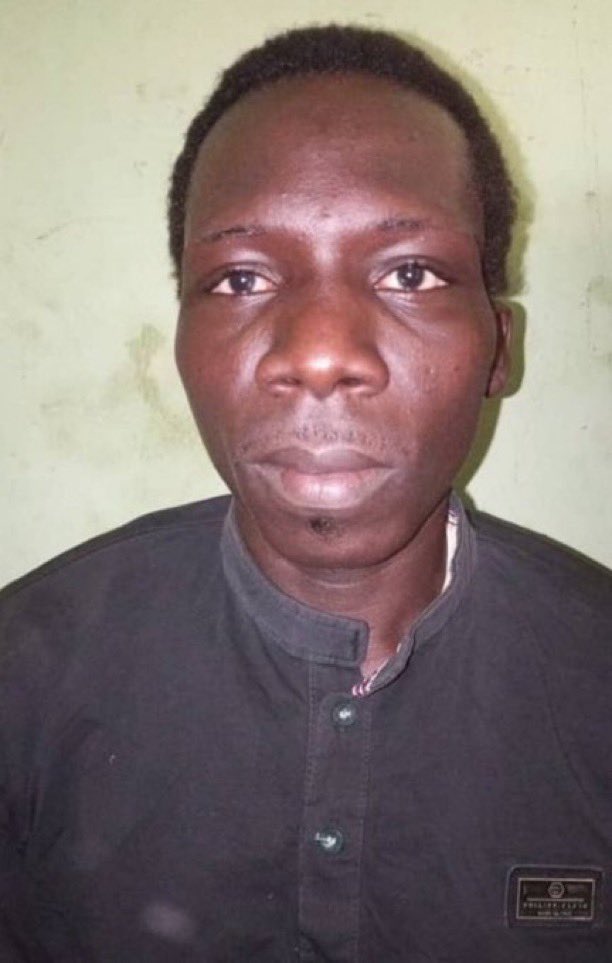
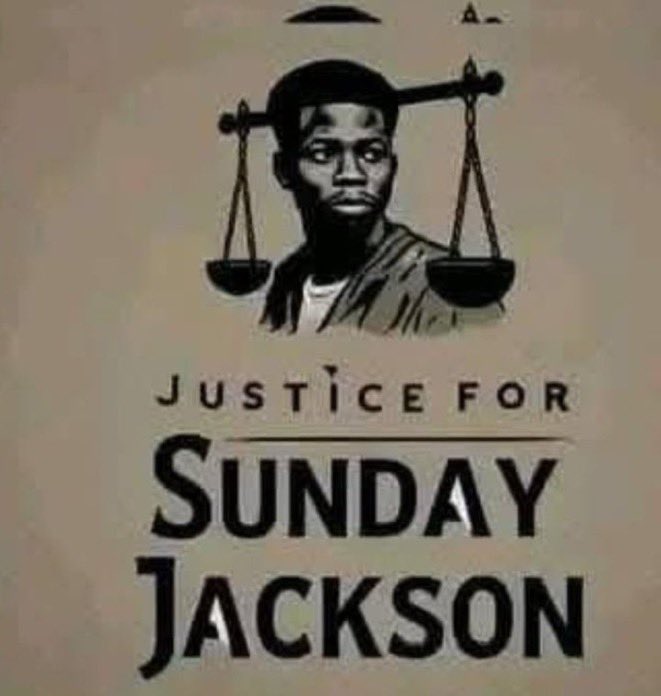
DO NOT FORGET, FREE SUNDAY JACKSON
DO NOT FORGET, FREE SUNDAY JACKSON
DO NOT FORGET, FREE SUNDAY JACKSON
DO NOT FORGET, FREE SUNDAY JACKSON
DO NOT FORGET, FREE SUNDAY JACKSON
Cc @RepRileyMoore @SenTedCruz
5
1,097
1,015
11,931
Christopher Gwom retweeted

13 Dec 2025
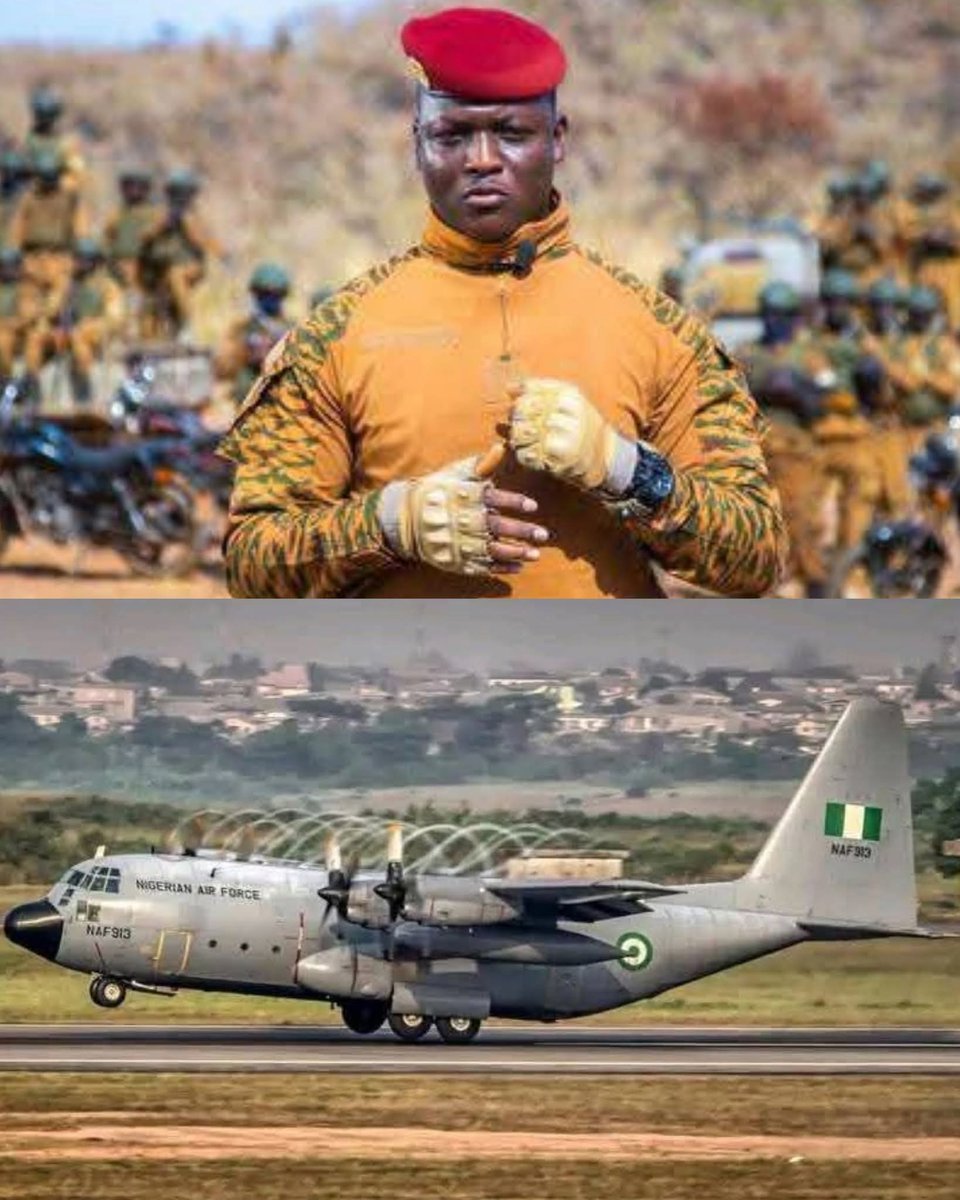
🇲🇱🇳🇪🇧🇫 Case of the Nigerian C-130:
A military intelligence operation carried by the Burkinabe Air Force, revealing a strategic sabotage plan against the AES.
The incident of the Nigerian C-130 intercepted in the skies of Burkinabe is not a diplomatic accident, much less a mere technical malfunction as claimed by Abuja. This was a carefully planned clandestine military operation aimed at collecting sensitive data on Burkina Faso's defense devices. This infiltration attempt, orchestrated in the shadows, is part of a broader strategy of hybrid warfare against the sovereign states of the Sahel, with the active complicity of French networks still present in the region.
Contrary to the official Nigerian version, it was not the crew that chose to land at Bobo-Dioulasso.
The aircraft was detected by Burkinabe Air Force radars as it entered the national airspace without authorization, flight plan, and without prior communication.
In the face of this apparent violation of air sovereignty, the Burkinabe forces immediately initiated an interception procedure. The aircraft was forced to land at Bobo-Dioulasso, a highly strategic area for military operations of the AES.
It wasn't until this forced landing that the true nature of the mission was revealed.
On Board: Eleven Nigerian officers, not identified as logistics or diplomatic personnel, but as specialists in tactical navigation, military geolocation and electromagnetic data collection. The aircraft was equipped with passive electronic surveillance systems, capable of capturing:
- The GPS coordinates of Burkinabe military bases& positions,
- The frequencies of communication of the command units,
- Strategic installations radar signatures.
These equipment are typical of SIGINT (electromagnetic origin intelligence) missions, used to map military infrastructure, detect troop movements, and identify neuralgic points of a defensive device.
The objective was clear: to establish a tactical database on the Burkinabe armed forces, in an undeclared war logic.
According to several security sources, this mission would have been prepared in coordination with French networks still active in the region, despite the official withdrawal of hexagonal troops. France, losing its influence in the Sahel, would seek to keep an eye on the military dynamics of the AES, relying on regional relays, namely in the Nigerian security device. Nigeria, ECOWAS's pivot and strategic partner of the West, would play the role of indirect infiltration vector here, under the guise of bilateral cooperation.
The choice of Bobo-Dioulasso as a target is not anodine. This city is a major logistics and military crossroads, home to critical infrastructure for the coordination of Sahelian forces. While attempting to fly over this area without authorization, the device probably intended to scan troop installations and movements in order to transmit this data to external analysis centers.
The rapid and decisive response of the Burkinabe Air Force resulted in the failure of this intelligence operation, neutralizing the equipment on board, and placing officers under control, in strict adherence to national security procedures. An extensive investigation is underway, and preliminary results confirm the hostile nature of the mission.
This episode confirms that Burkina Faso, far from being a passive space, is now a sovereign state, master of its skies, borders and strategic secrets. It also demonstrates that external powers, unable to accept the rise to power of the Sahelian states, are resorting to indirect, stealthy, and illegal methods to attempt to curb their emancipation.
But the plan backfired.
And the message is clear: no more clandestine operation will go unnoticed in the Burkinabe skies. The people and their institutions are alert, united, and determined to defend every inch of their sovereignty.
As of today, Saturday , December 13, 2025, the Nigerian military aircraft and the 11 soldiers on board are still in Faso.
140
422
1,039
81,547
Christopher Gwom retweeted

12 Dec 2025
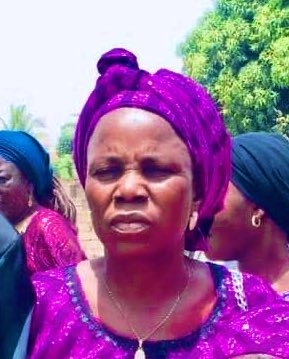
On Monday 8 December 2025, Mary Chikouno joined other women in a peaceful protest at Lamurde motor park. They were waving green leaves and chanting the songs of lamentation over the lingering communal violence making life a hell for their community in Adamawa state.
Minutes into the protest, eye witnesses and community leaders said a soldier opened fire and killed Mary and others. Over 40 people ended up in hospital with gunshot wounds.
This is an unlawful and excessive force on a catastrophic scale. It is yet another tragic example where Nigeria’s armed forces are found applying deadly military tactics to law enforcement situations.
Government of Nigeria must transparently and impartially investigate this alleged horrific use of excessive force by the military.
The Nigerian authorities’ response to the lingering communal violence between Bachama and Chobo tribes is totally inadequate, too slow and ineffective.
In cases where the Nigerian security agencies did respond to communal violence, as it happened in Lamorde LGA on Monday 8 December 2025, they use excessive or unlawful force resulting in even more deaths and destruction.
Mary — a mother of five and eight others killed and those injured deserved justice.
43
954
808
26,670
Christopher Gwom retweeted

14 Dec 2025
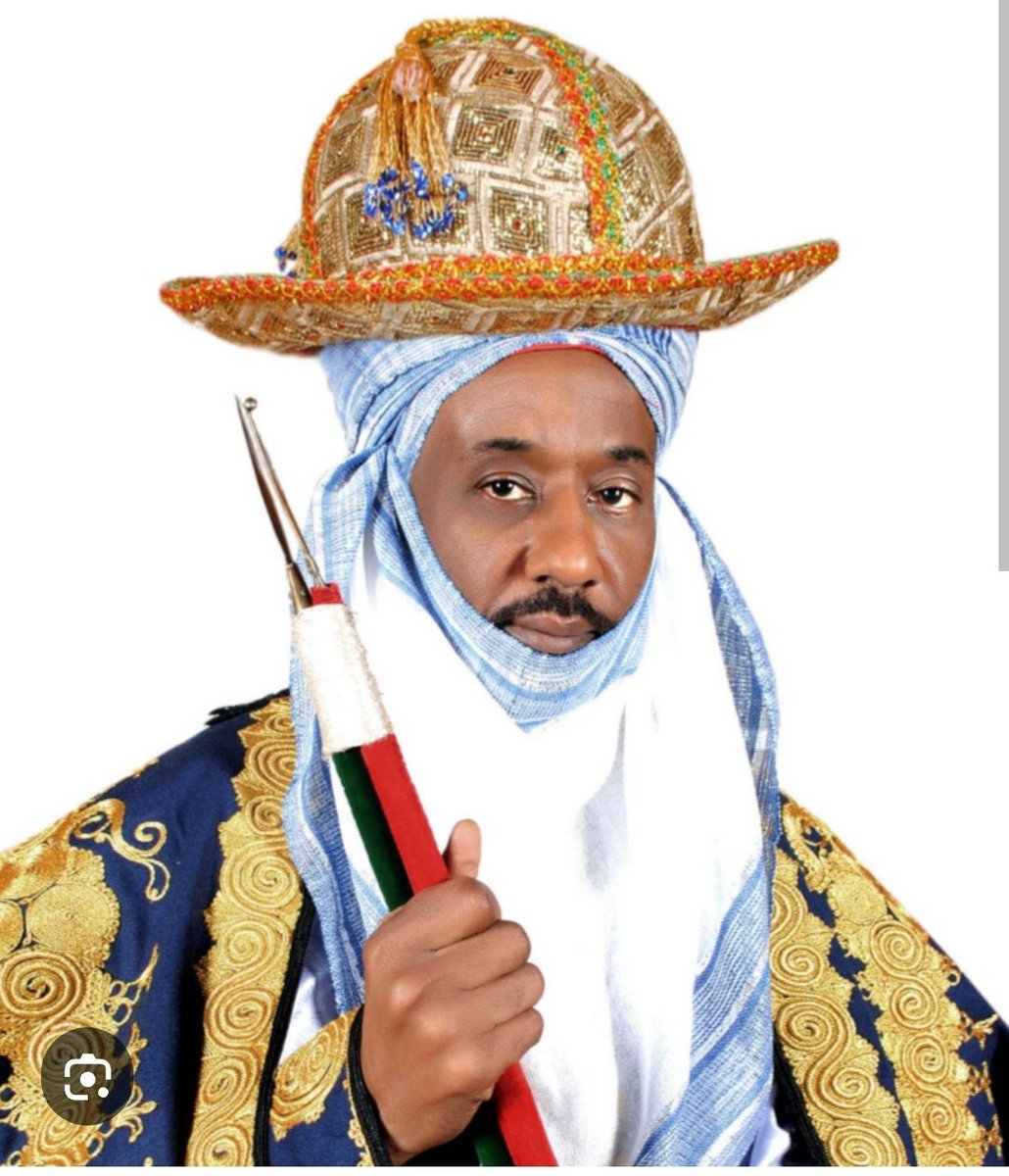
Stop the Hypocrisy: Nigeria’s Crisis Is Not Interfaith Tension but Blood-Soaked Genocide. By Chief Malcolm Emoji iovo Omirhobo .
Let us stop the deception. Nigeria’s problem is not interfaith relations.
Nigeria’s problem is mass murder.
While Emir Sanusi grandstands about peace and interfaith harmony hosting Pentecostal leaders for photo-ops in Kano indigenous communities are being slaughtered in cold blood across the country by armed Fulani militias.Villages are razed. Women are raped. Children are butchered.Farms are seized.
Entire populations are displaced.
And yet, where is Emir Sanusi’s outrage? I have never heard him:Condemn the ethnic cleansing of indigenous peoples;
Mourn the women raped and brutalised; Call out the militias terrorising non-Fulani communities; Demand accountability from those who sponsor, protect, and arm these killers.Instead, what we get is silence wrapped in sermons.
Even worse is his deliberate refusal to condemn the Sharia criminal justice system and its institutionalisation, a system that: Directly violates Nigeria’s secular Constitution; Legitimises religious extremism; Normalises violence, discrimination, and fear; Provides ideological cover for mob killings, blasphemy lynchings, and religious persecution.
You cannot preach peace while:Blood is still flowing; Killers roam free; Victims are silenced;And unconstitutional religious laws are enforced by the state. That is not leadership.That is moral cowardice.Peace without justice is a lie. Interfaith dialogue without truth is a scam.Harmony without accountability is an insult to the dead.
Nigeria does not need more carefully worded speeches from palaces.
Nigeria needs voices brave enough to name the killers, confront the ideology behind the violence, and reject every system that places religion above the Constitution.
Until that happens, all talk of peace from traditional and religious elites remains empty noise spoken over mass graves.
History will not remember who hosted meetings.History will remember who spoke out and who stayed silent while genocide unfolded.
26
177
256
8,323
Christopher Gwom retweeted

13 Dec 2025
Why This FIRS–France MoU Explanation Still Be Absolute Rubbish
Make we answer dem point by point, properly.
1. “Other countries don do am.”
Oya. Name dem.
Which countries exactly.
Which ones did this with France tax authority specifically.
And how e work out for dem.
France na not neutral actor in Africa.
Mali, Burkina Faso, Niger don all kick France out of sensitive state systems after years of “technical assistance.”
So if una say “other countries,” make una list dem with results.
Until then, na empty talk.
2. “France no get access to Nigerian taxpayer data.”
This one no even make sense.
How person go design tax systems, analytics, compliance frameworks, and enforcement logic without understanding the data.
You dey design blind.
So which one be true.
• France dey see data.
• Or Nigeria go dey generate fake or anonymised data continuously for them to practice on.
Both options bad.
You no fit build real tax machinery without touching real data patterns.
Anybody wey don ever build system know this.
3. “Na standard global cooperation framework.”
Another empty phrase.
Which framework exactly.
OECD.
FATCA.
CRS.
None of these give another country access to internal tax administration design and enforcement architecture.
Show us one country in the world where a foreign tax authority dey help design internal tax machinery.
Just one.
If una no fit name am, then stop using grammar to deceive people.
4. “Data protection laws still apply.”
We don hear this one tire.
Law on paper no be protection.
Architecture na protection.
Who designs the system.
Who defines access levels.
Who sets audit rules.
Who monitors compliance.
Until una publish the MoU and governance model, this na PR.
5. “Local tech companies still dey involved.”
This argument miss the point.
Nobody ask whether Paystack or Flutterwave go disappear.
The real question be.
Are local tech companies now going to know every Nigerian’s tax position.
Will Paystack know what Chief Umoren from Uyo earn.
Will Interswitch know Alhaji Umar from Birnin-Kebbi tax balance.
Will Flutterwave see Madam Nneka from Abia compliance status.
If no, then mentioning dem na distraction.
If yes, then una don confirm surveillance state.
Pick one.
6. “No technical services. Only knowledge sharing and best practices.”
Then why MoU.
Knowledge sharing no need MoU.
Best practices dey online.
Courses dey available.
Staff fit travel.
MoU na for systems, processes, and operational integration.
So which one be true.
7. “Public engagement must reflect actual content.”
Translation.
“Stop asking questions.”
Public engagement no be PR validation.
Na accountability.
Especially when government don borrow record levels, projects no dey delivered, and now una dey rush build aggressive tax machinery.
8. The real context una dey dodge.
This government don borrow more than any government before am.
Debt servicing dey choke budget.
Contractors still dey owed.
Infrastructure no match borrowing.
Now the solution na.
Tax everybody.
Track everybody.
Squeeze everybody.
Citizens no be ATM.
CONCLUSION
This MoU no be about efficiency.
Na about maximising extraction under pressure.
If una serious.
Publish the MoU.
Publish the framework.
Publish the safeguards.
Publish oversight.
Until then, all this press release na
grammar, gaslighting, and nonsense.
Enough is enough.
14
235
617
19,985