
Human Braking Performance | Founder @BrakingPerform | PhD Deceleration | Lecturer @Uni_Lancashire | Performance Consultant | Sport Scientist FCASES | S&C Coach
Joined January 2012
- Tweets 6,230
- Following 440
- Followers 9,652
- Likes 14,204
741 Photos and videos




Jun 7
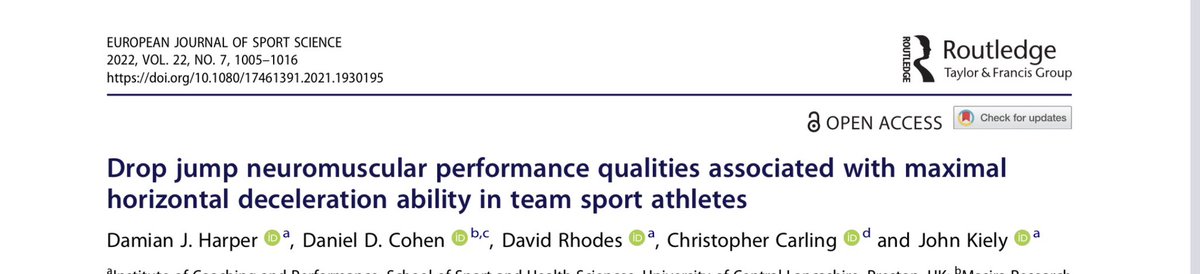
Drop jump neuromuscular performance qualities associated with horizontal DECELERATION…
🔑 Key Takeaways:
✔️ Players with greater DJ-RSI demonstrated superior DEC
✔️DJ-RSI seems particularly important for early DEC/braking steps
✔️ DJ 🟰 brake check proxy
#deceleration
1
11
64
4,184
Jun 7
Full text and many others can be accessed for FREE on the Human Braking Performance website…
humanbrakingperformance.com/…
@BrakingPerform
2
9
3,610
Apr 29
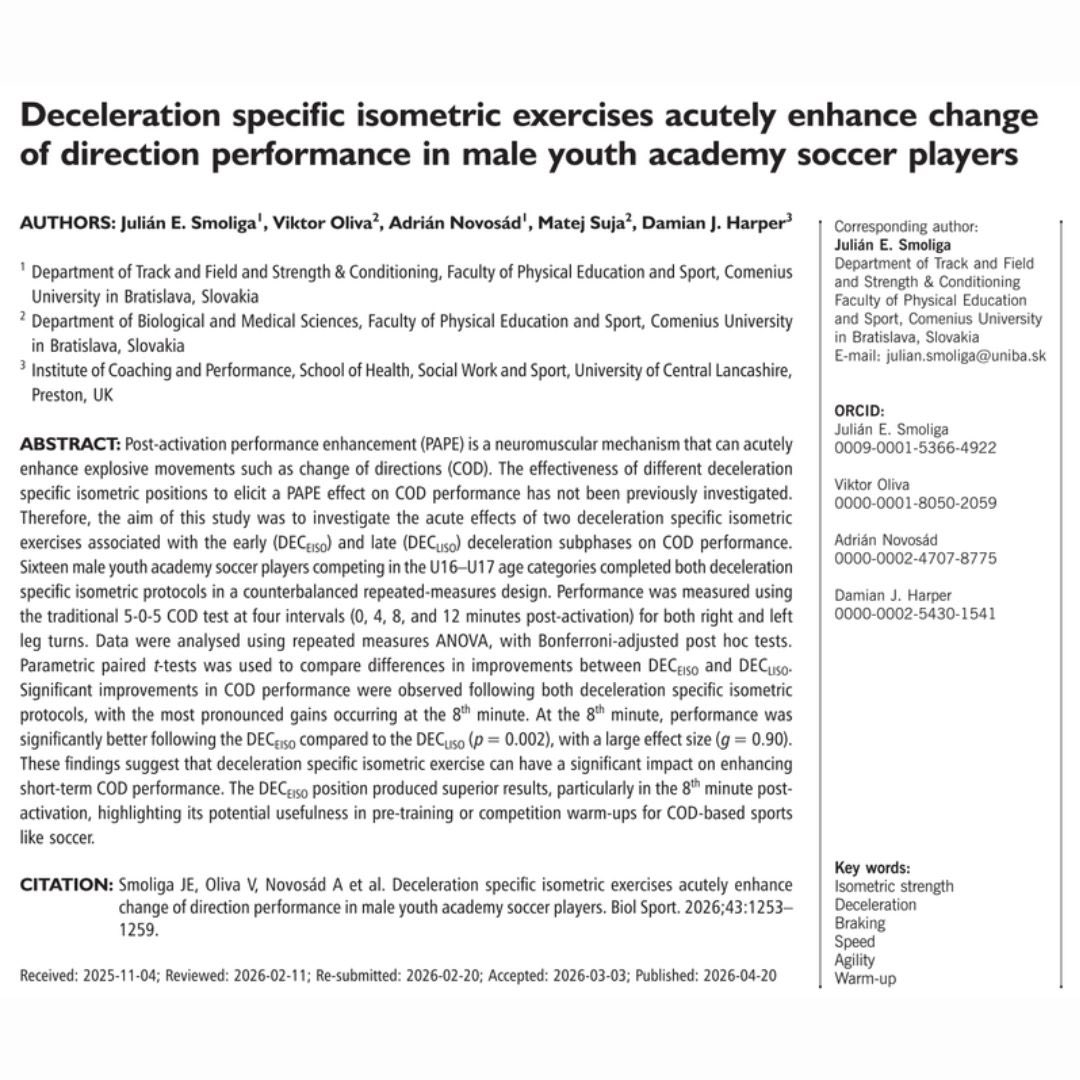
🚨 Just Published 🚨
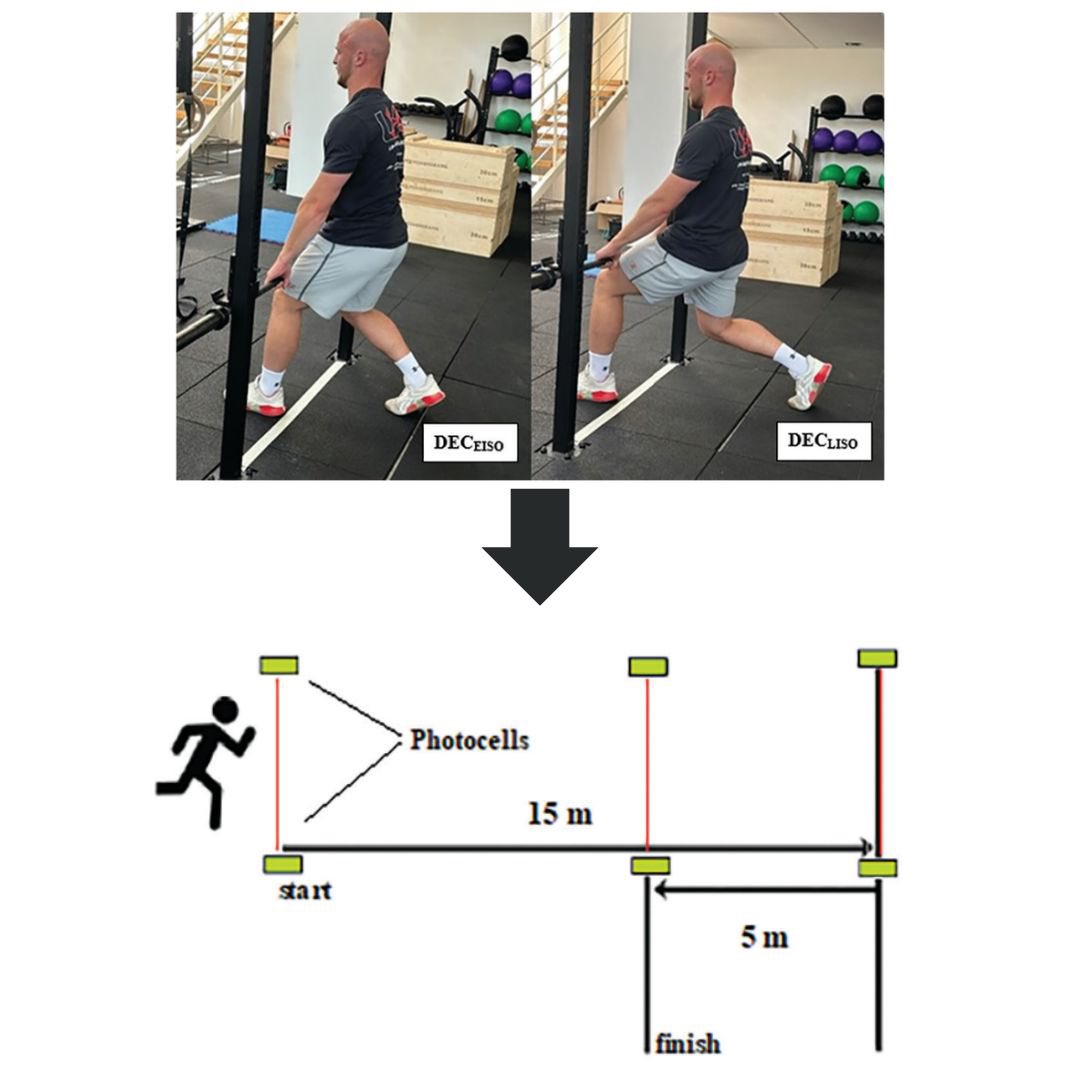
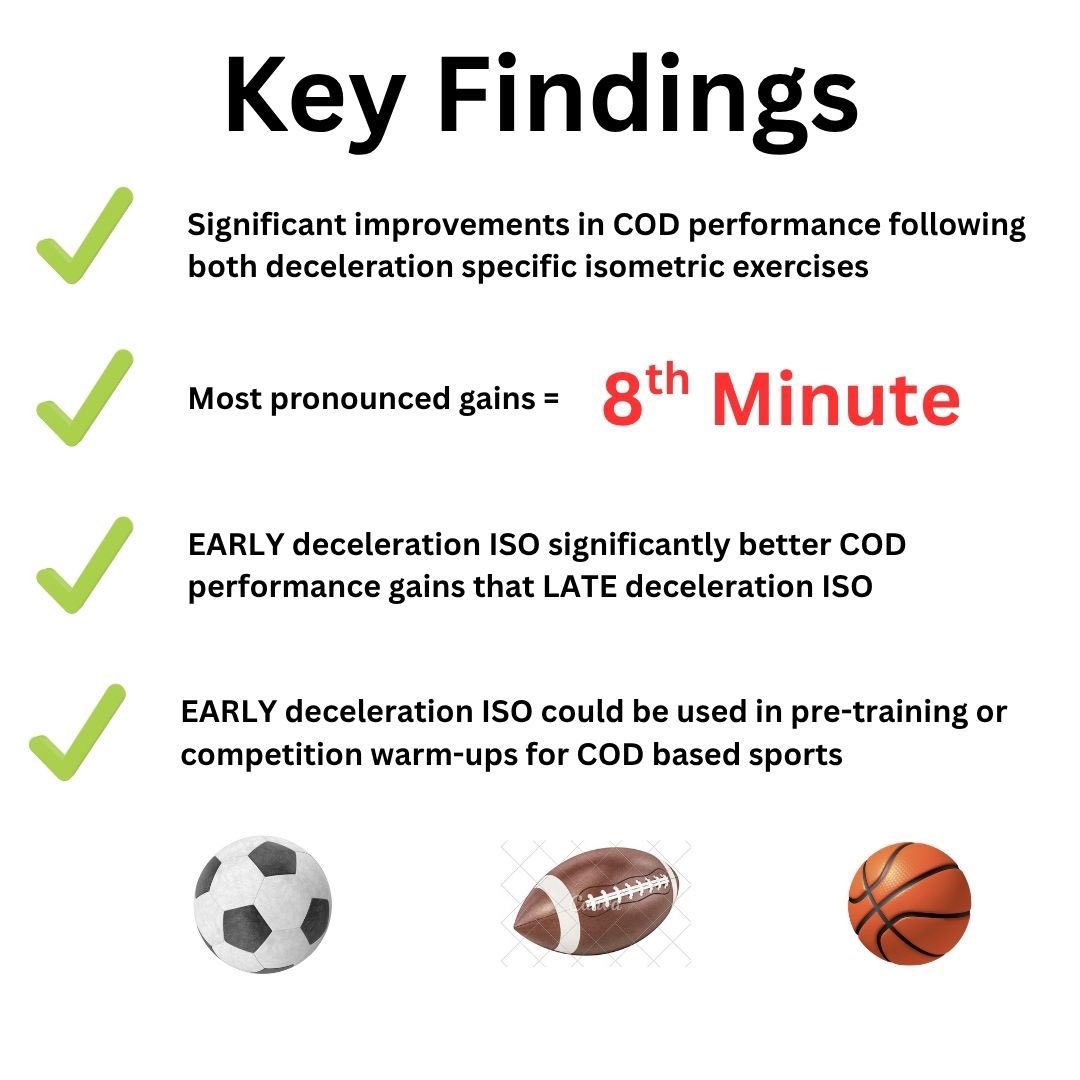
DECELERATION specific isometric exercises acutely enhance change of direction performance in academy ⚽️ players
✔️ 8th min most pronounced gains & with early DEC-ISO position
✔️ Application to pre-training or competition warm-ups for COD sports 🏈⚽️ 🏀👇
2
49
259
21,060
Apr 12
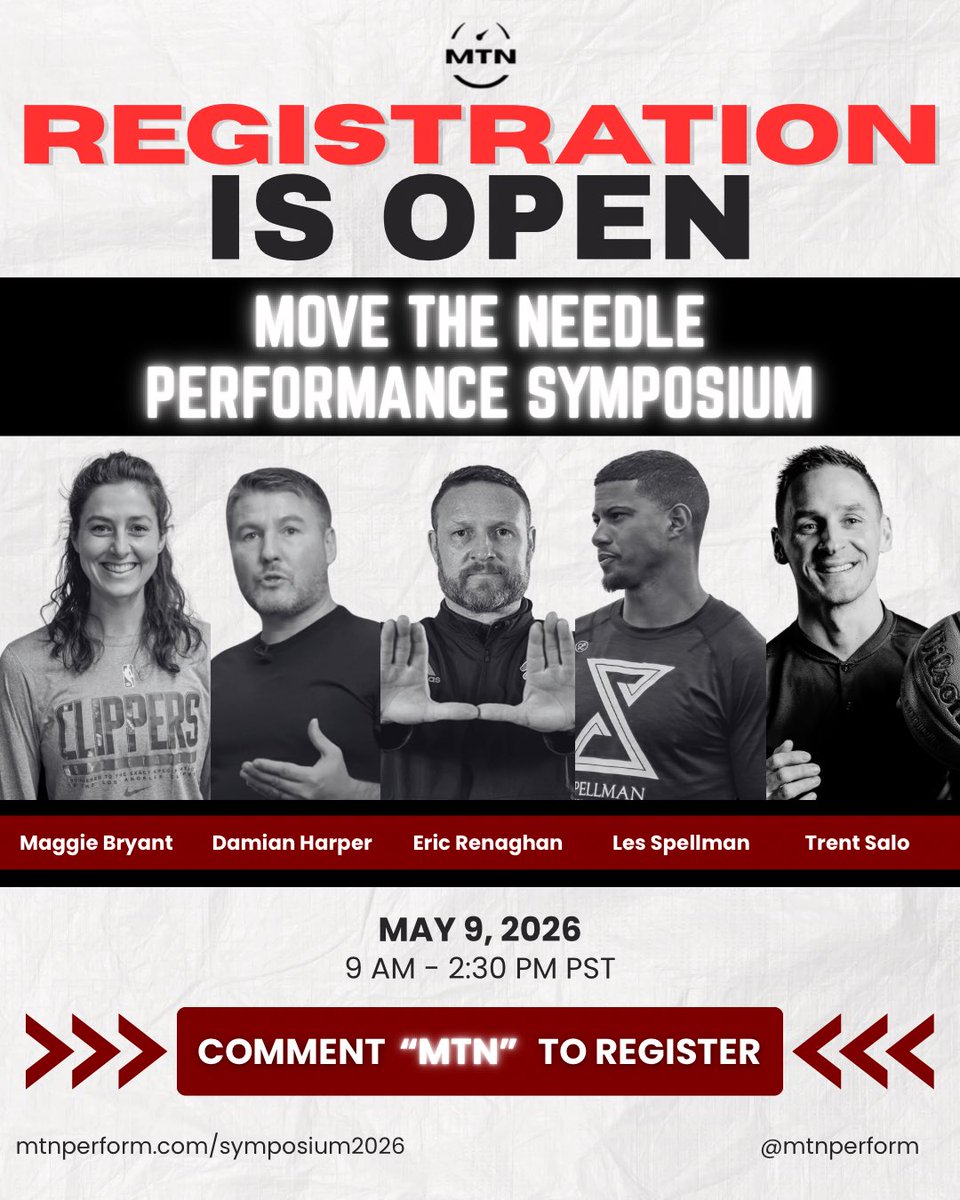
Awesome to be apart of the Move the Needle 2026 symposium alongside some amazing speakers!… 👇

Move The Needle Symposium registration is open! Elite line up, elite experience! 🔥
•
Virtual event, so you get 5 hours of world class material from your couch. Can’t beat it ⬇️
mtnperform.com/symposium2026
#MTNsymposium

1
1
2
1,230
Damian Harper, PhD retweeted

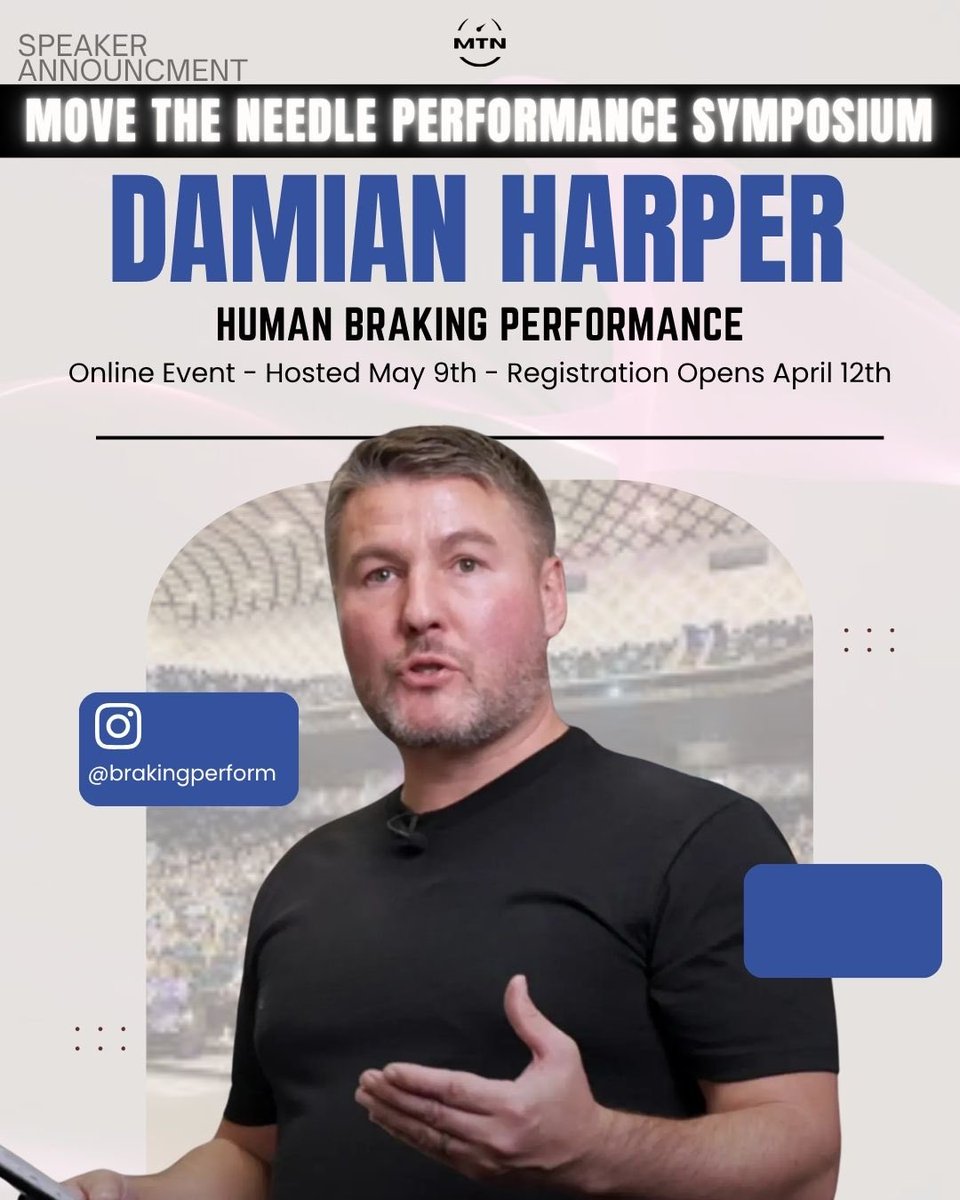
MTN Symposium Speaker 🚨
@DHMov will be joining us for this years MTN Symposium. Damian joins Maggie Bryant, Les Spellman, and Trent Salo as presenters
Last presenter announced at the end of the week!
Go to: mtnperform.com/symposiumwait… to guarantee your spot!
3
3
832
Damian Harper, PhD retweeted

Mar 31
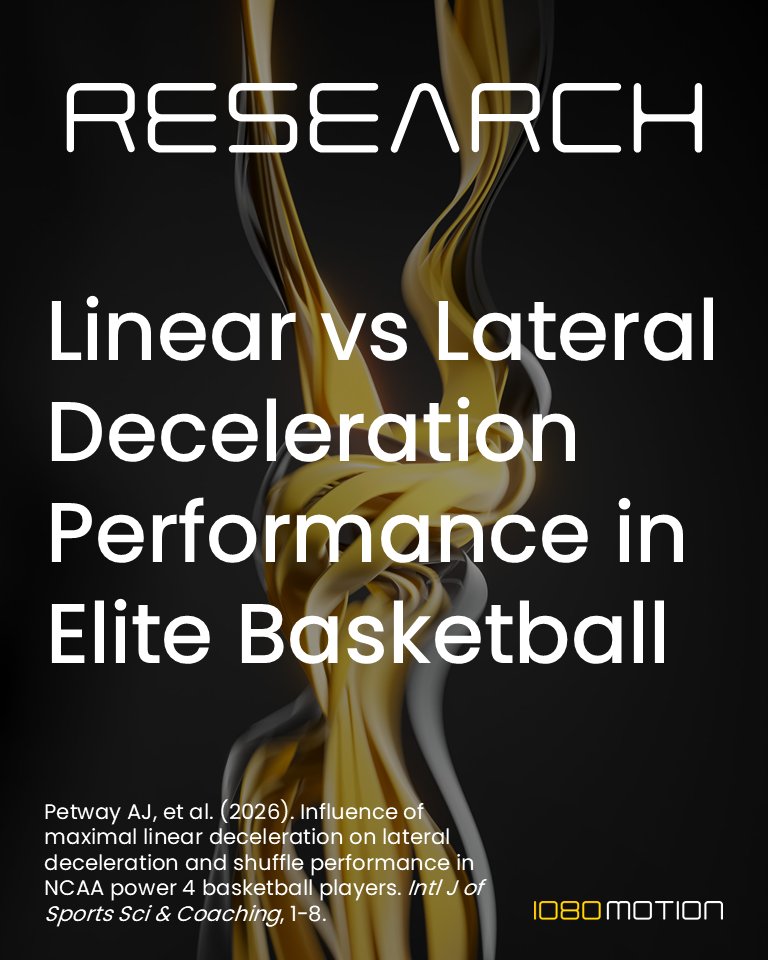
When athletes can handle higher speeds and control them, it shows up everywhere
Because braking capacity isn’t just a quality, it’s a separator
Total time can look the same, but how it’s produced isn’t: entry velocity decel = performance
Overview:
-Basketball demands high braking capacity in multiple directions, especially in defensive shuffling
-Total time alone misses how movement is produced, with deceleration possibly being a key driver
-This study tested whether linear braking ability differentiates lateral movement performance
Methods:
-124 NCAA Division I basketball players (Guards and Bigs) from 10 Power 4 programs
-Two tests: 10m ADA Test and m5-0–5 lateral shuffle test (both directions)
-Athletes were split into high vs low deceleration groups based on ADA results, then compared in shuffle performance
Results:
-Athletes with higher linear deceleration performed better in the lateral shuffle, with faster total time & higher deceleration
-Differences were meaningful across both Guards and Bigs, with moderate to large effect sizes
-Better performance was driven by a combination of higher entry velocity and greater braking
Discussion:
-Braking capacity is a key driver of multidirectional performance, better decelerators move better across tasks
-It separates athletes who can handle higher speeds and forces in multiple planes
-Treat deceleration as a KPI: profile it, train it, and expect it to transfer
🧠 Researchers: Adam Petway, @DHMov , @Dr_DanielCohen , @OlaAthletic1080
2
12
1,015
Mar 27
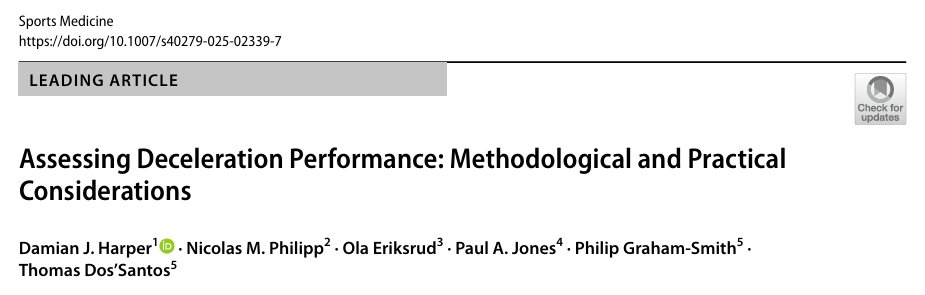
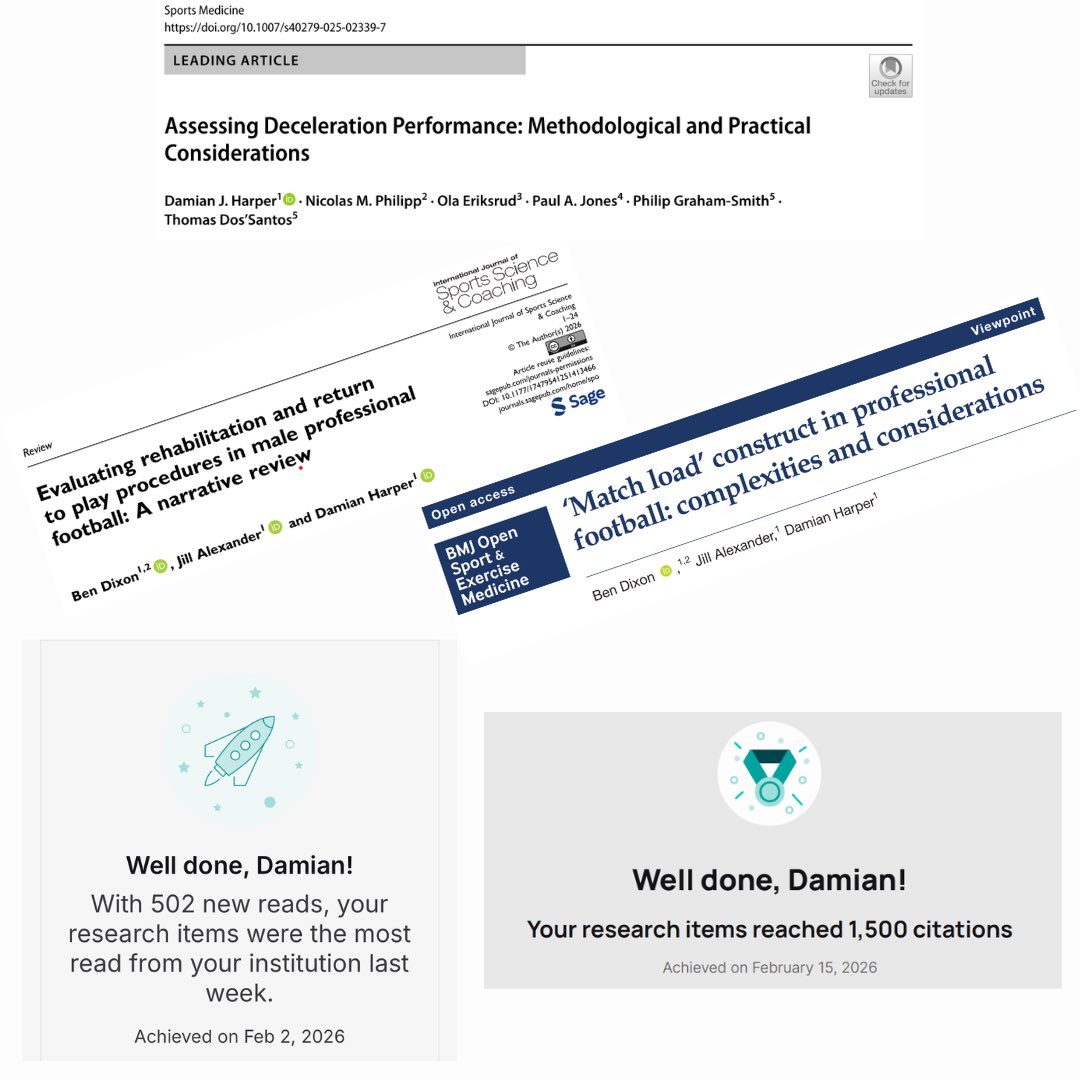
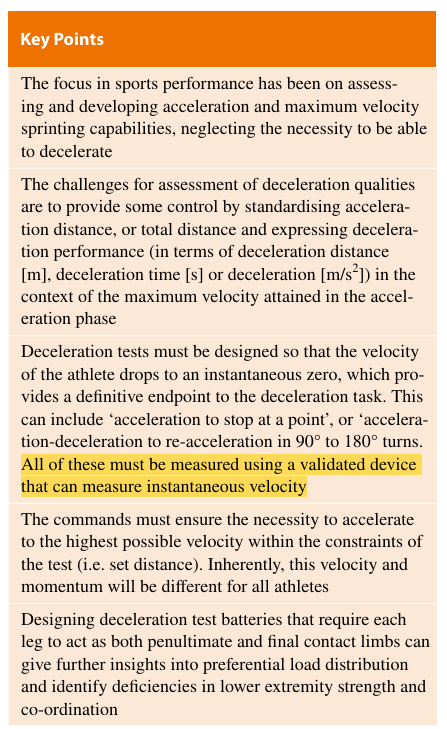
LEADING ARTICLE ON...
➡️ How to assess DECELERATION in applied settings?
❌"Focus in sports performance been on assessing acceleration & top speed, neglecting necessity to DECELERATE!"
✔️ "Obtaining ACCURATE information on DECELERATION critical"
KEY POINTS ⬇️
3
8
52
3,995
Mar 27
1
9
656
Mar 25
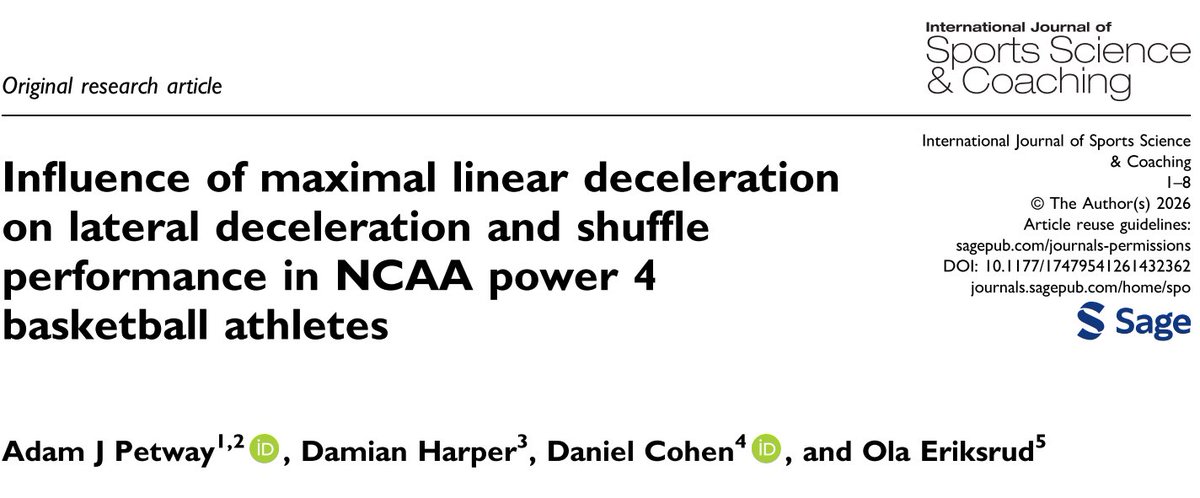
🚨 Just published 🚨
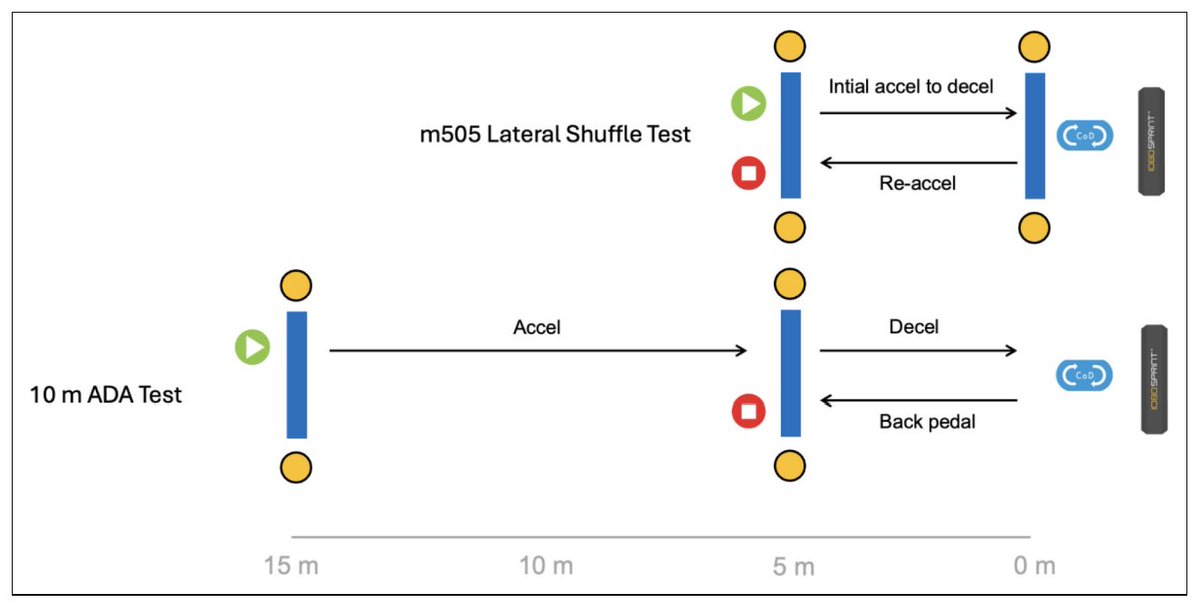
Influence of max linear deceleration on lateral deceleration & shuffle performance in NCAA power 4 🏀
10 teams, 124 players
📌 10m ADA Test
📌 5-5 Lateral Shuffle Test
✔️ Max linear deceleration differentiated lateral decelerstion ➕ shuffle performance
1
12
53
4,541
Damian Harper, PhD retweeted

Mar 15
Reminder why eccentric force capacity matters.
Damian’s work shows the real eccentric demands in sports.
Eccentric actions that attenuate forces can create an advantage or lead to damage.
Is your eccentric training doing enough?
Mar 13

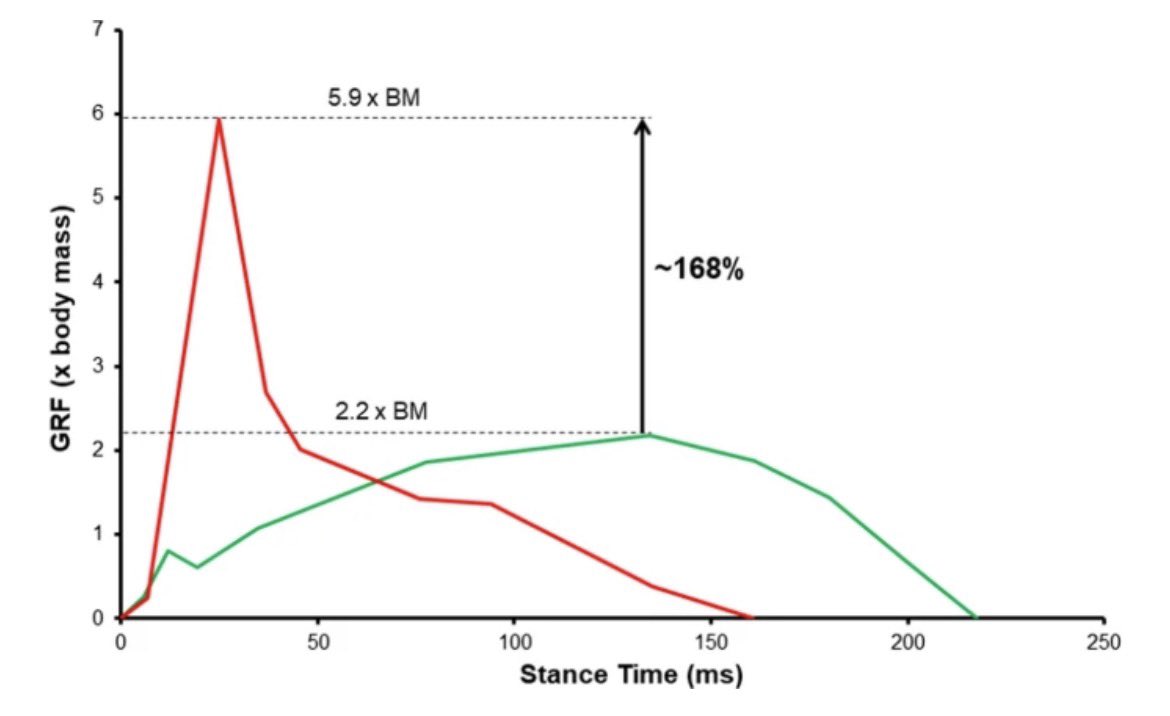
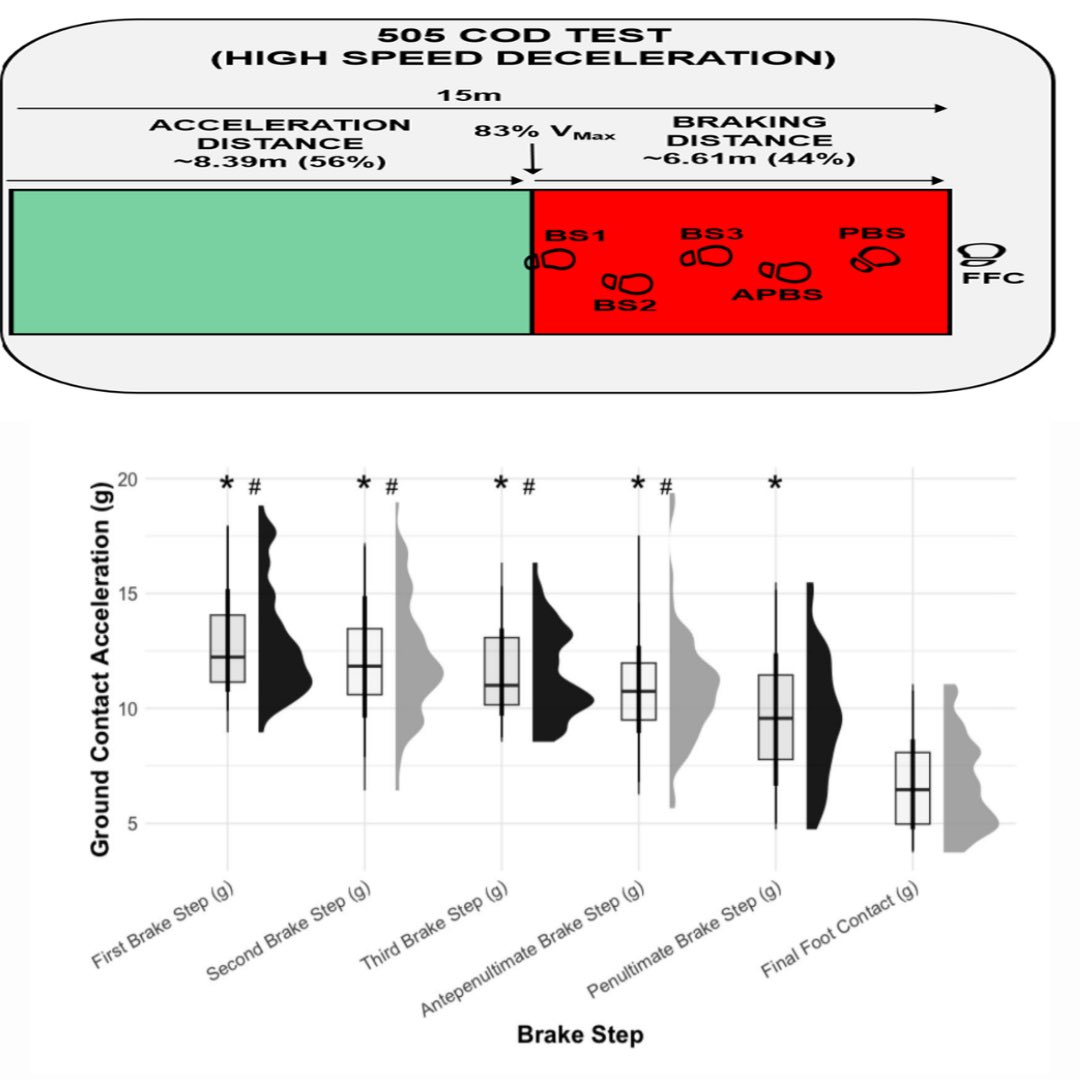
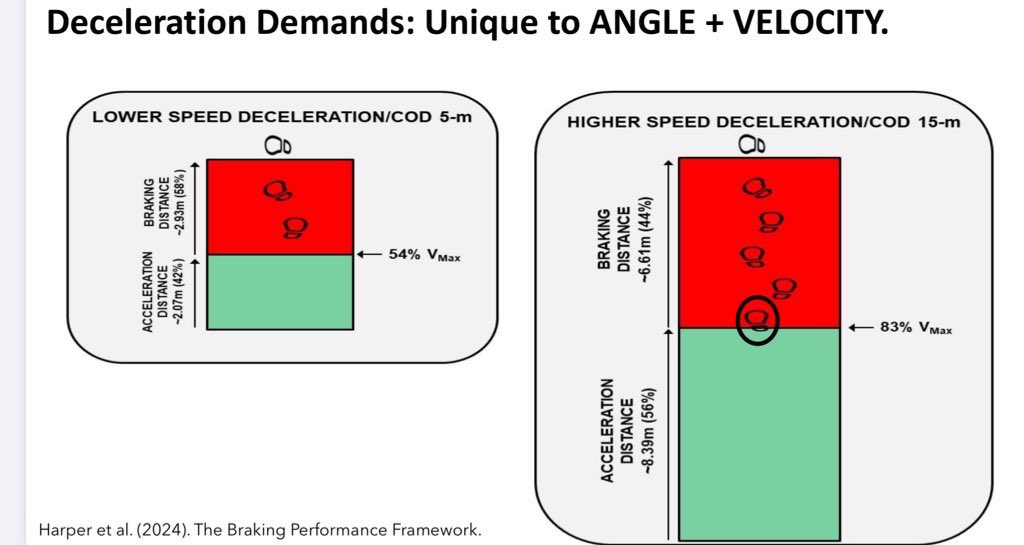
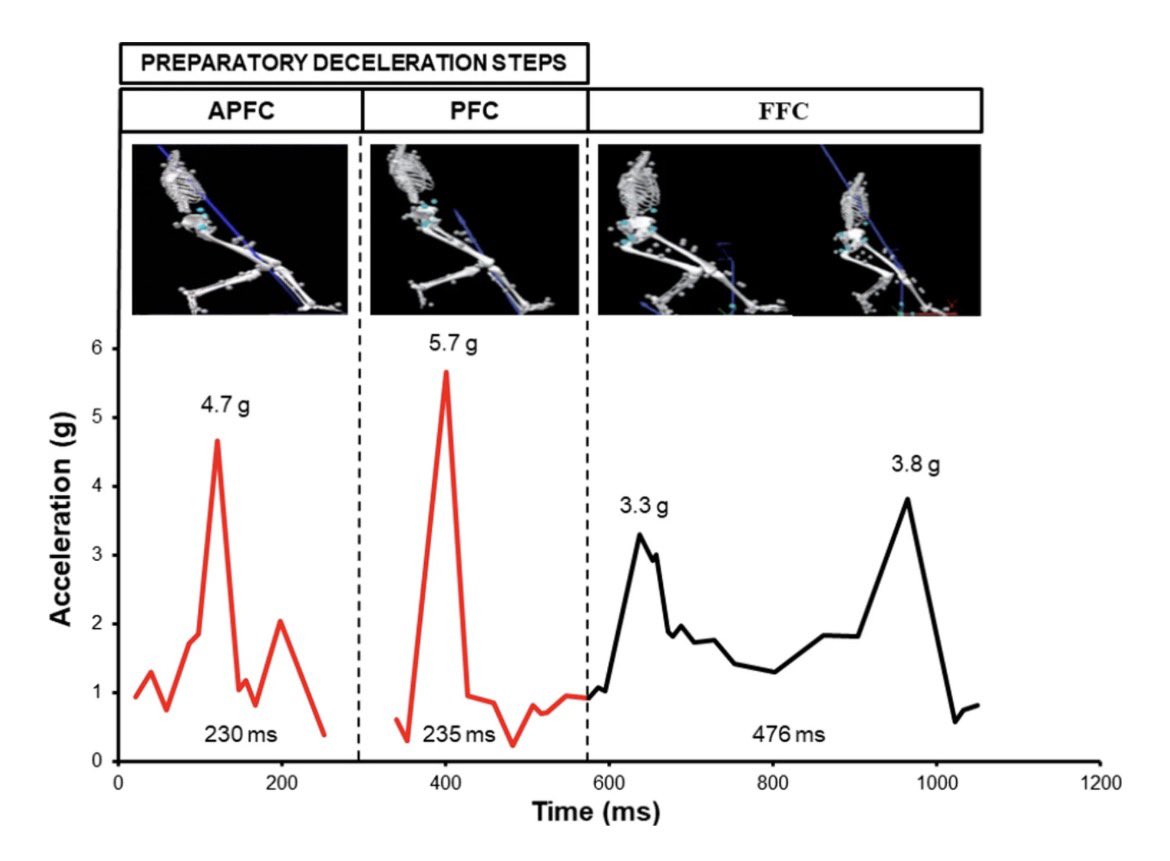
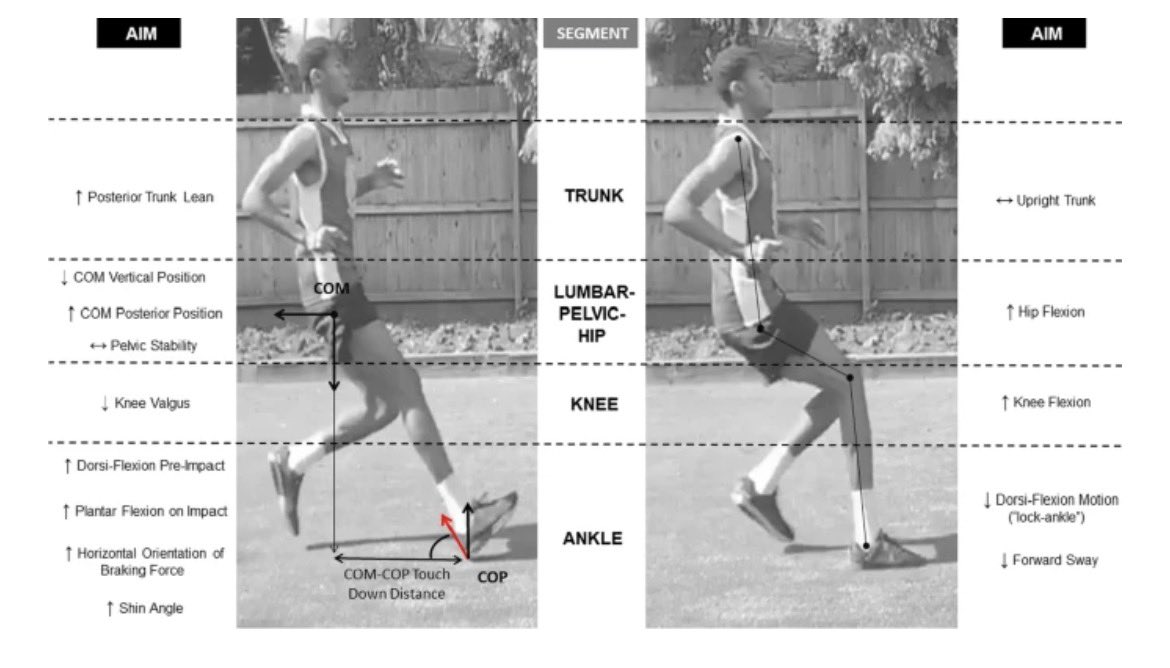
🚨 Biomechanical & neuromuscular performance requirements of horizontal deceleration…
📌 High Impact Forces ⚡️
(2.7 x ⬆️ than acceleration)
📌 Braking for Rapid COD 🔑
📌 High Eccentric Muscle Forces 🟰 Risk of Damage
📌 Braking Kinematics 🦵
🔐 link.springer.com/article/10…
1
5
21
4,051
Mar 13
🚨 Biomechanical & neuromuscular performance requirements of horizontal deceleration…
📌 High Impact Forces ⚡️
(2.7 x ⬆️ than acceleration)
📌 Braking for Rapid COD 🔑
📌 High Eccentric Muscle Forces 🟰 Risk of Damage
📌 Braking Kinematics 🦵
🔐 link.springer.com/article/10…
17
84
8,749
Damian Harper, PhD retweeted

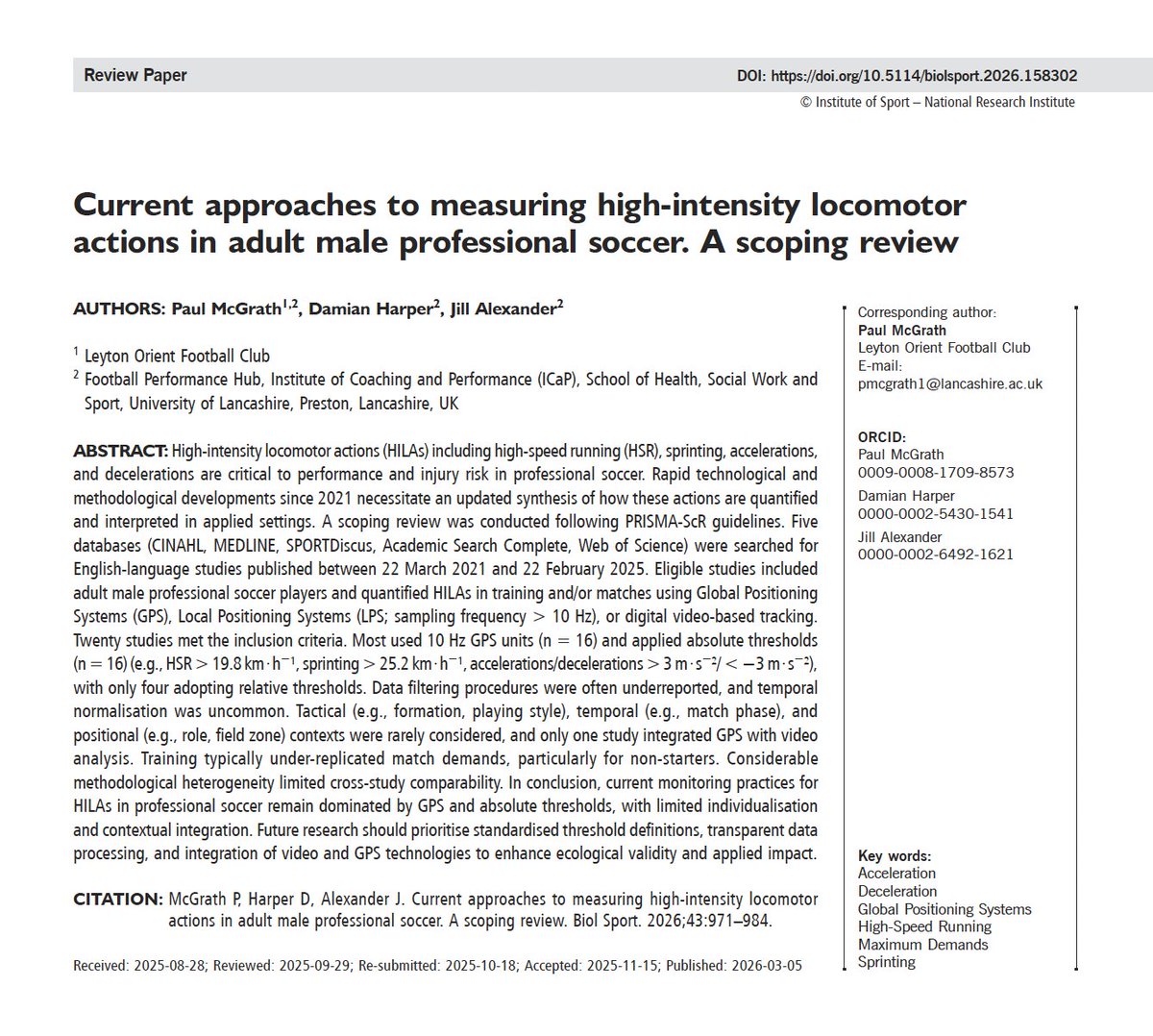
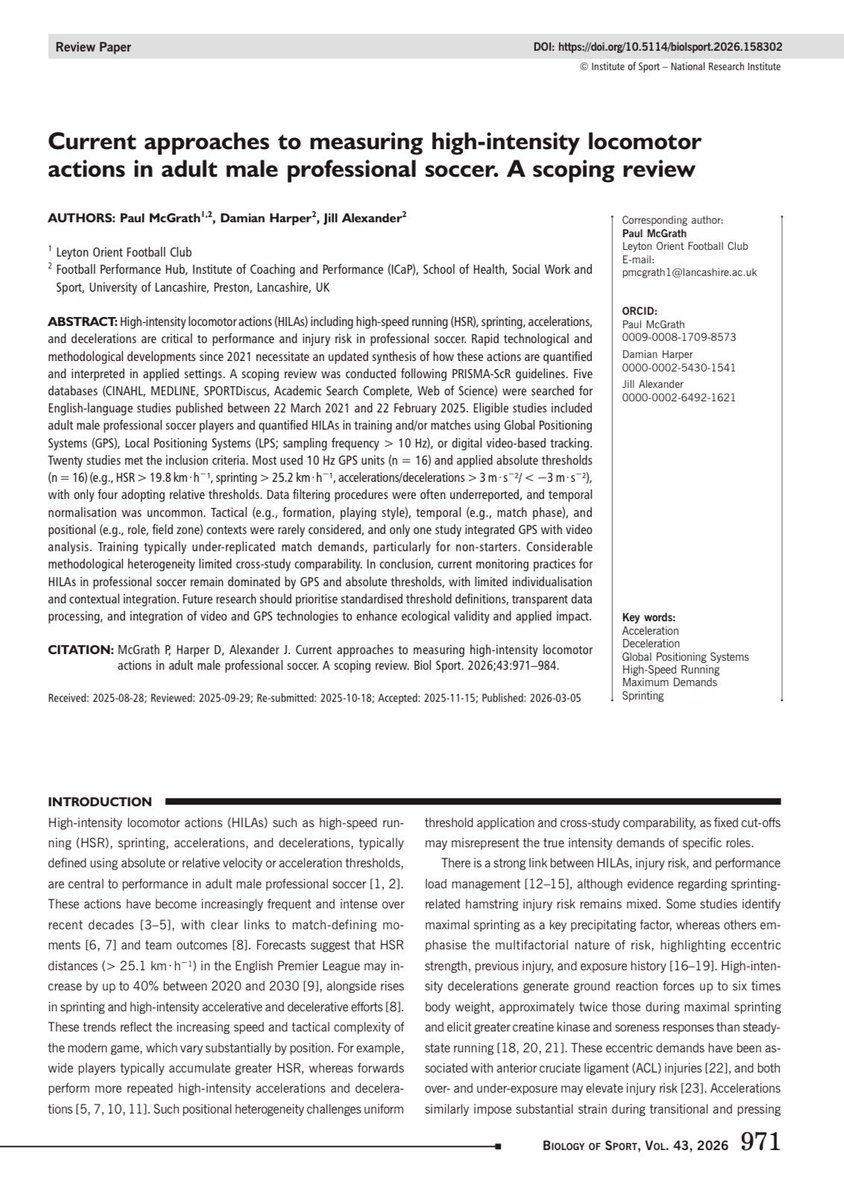
🆕"This review evaluated methodologies used to quantify high-intensity patterns in male elite ⚽️"
➡️ Providing recommendations to support more individualized & context-sensitive monitoring frameworks
👉@paulmcgrath_ @DHMov et al. 2026 🏴
📂Open Access: termedia.pl/Current-approach…
1
11
36
3,162
Damian Harper, PhD retweeted

New Paper Published 🚨
“Current approaches to measuring high-intensity locomotor actions in adult male professional soccer: A Scoping Review.”
termedia.pl/Current-approach…
1
5
30
1,943
Mar 5
🆕 Latest just published...
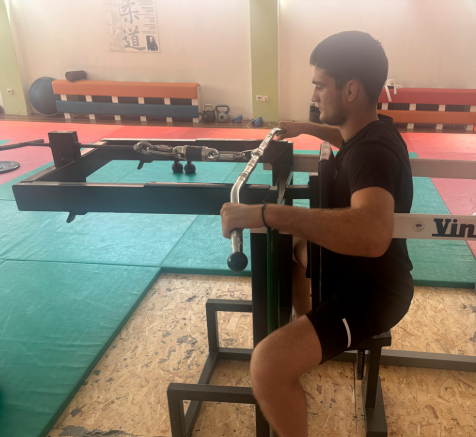
Intraday and interday reliability of horizontal upper body push and pull isometric strength qualities using @VALDPerformance Dynamo Max
Fantastic work from @Uni_Lancashire PhD student Ivan Curovic
🔓mdpi.com/2673-7078/6/1/26
#Isometric #Strength
7
894
Mar 4
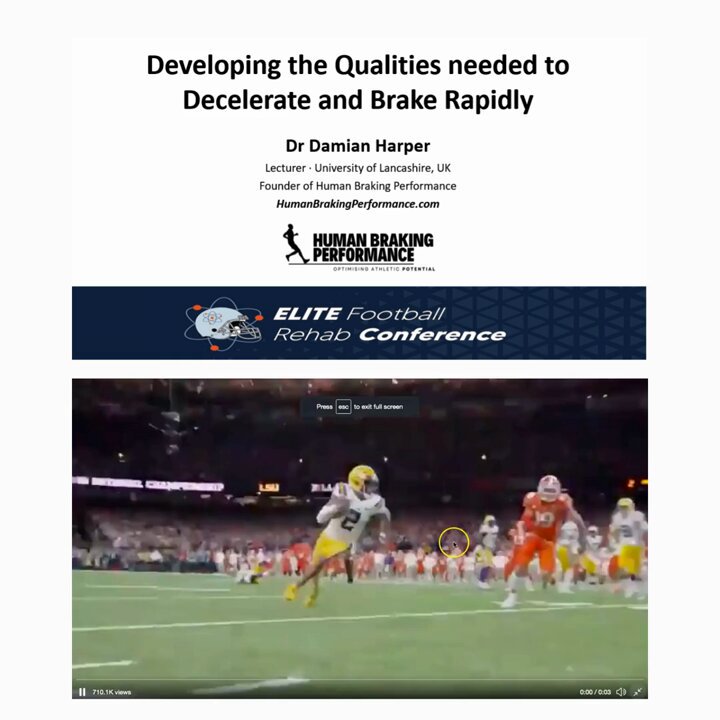
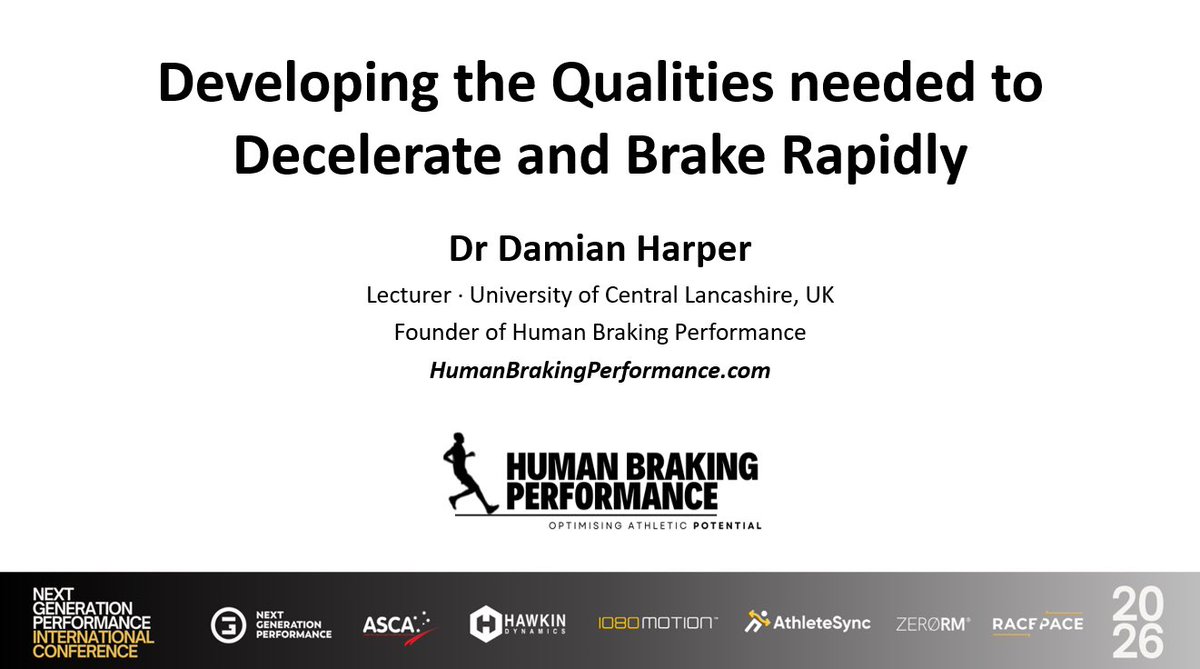
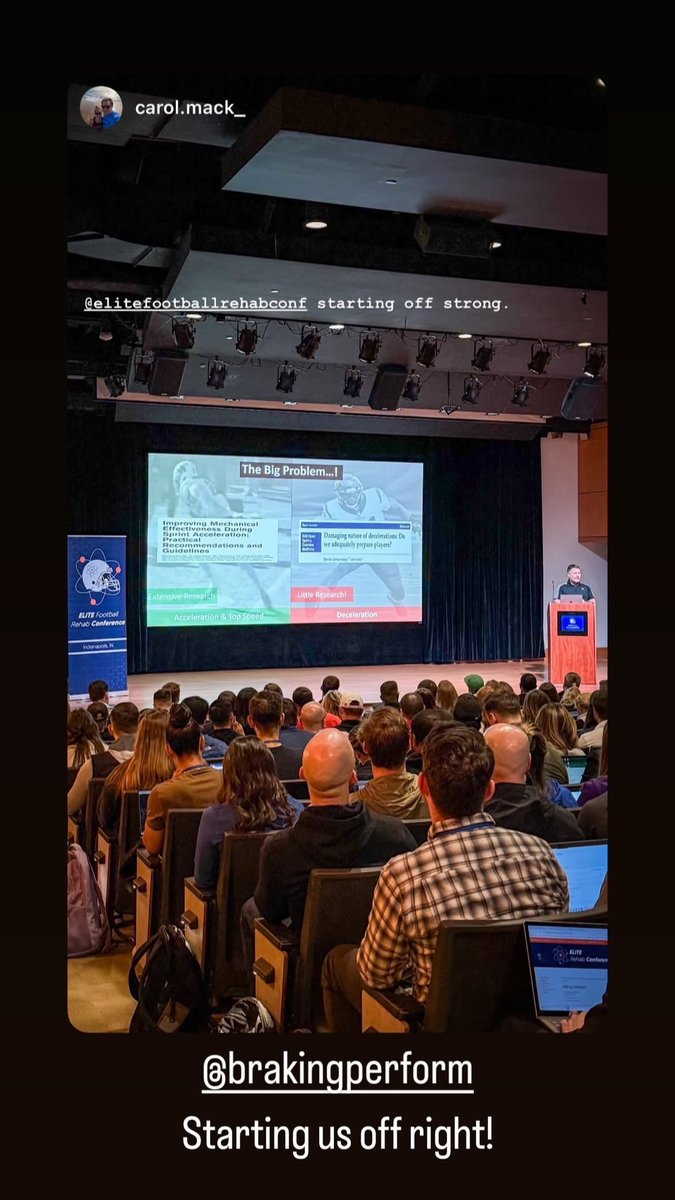
Developing the qualities needed to DECELERATE & BRAKE rapidly🏈
What a great few days at the Elite Football Rehab Conference in Indianapolis 🇺🇸
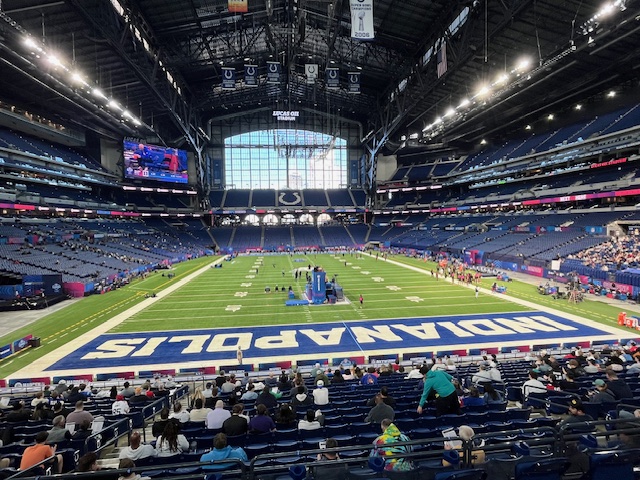
⚡️Bonus: Got to watch the NFL combine, and learn from some great performance practitioners!!
Thanks to @erikMeira for the invite

3
13
1,615
Feb 27
📍Lucas Oil Stadium, Indy 🇺🇸
NFL combine 🏈
Elite Football Rehab Conference 🎤
Human Braking Performance @BrakingPerform
4
608
Feb 25
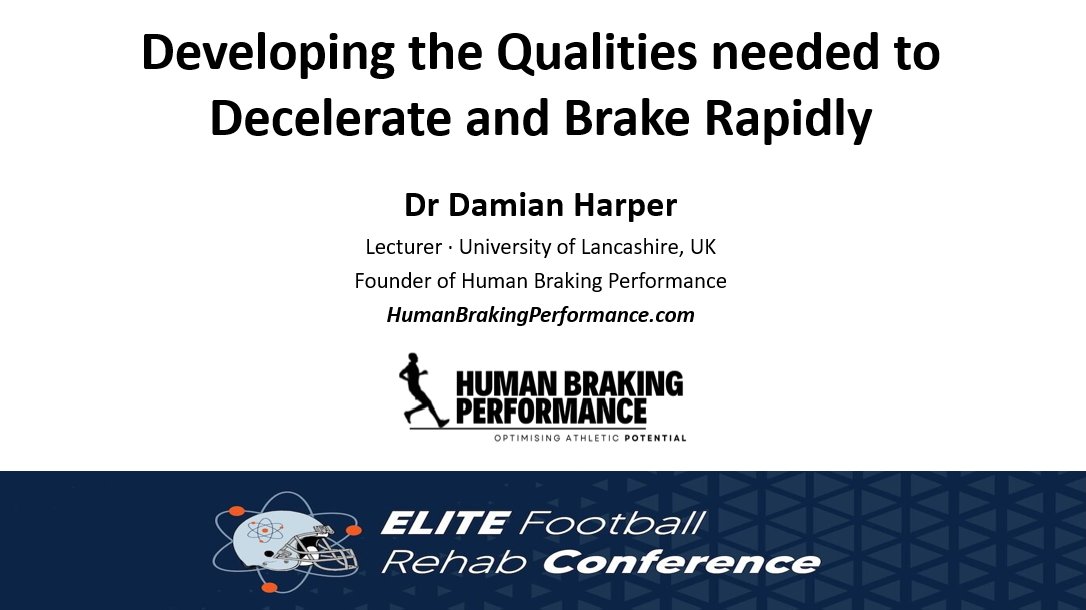
Excited to be presenting at the 2026 Elite Football Rehab Conference this week in Indy, USA! 🇺🇸✈️
NFL Combine Capital & Combine Week! 🏈
Honour to share some of my latest work on DECELERATION AND BRAKING alongside some of the best minds in the NFL and performance space.
#NFL
1
1
9
1,340

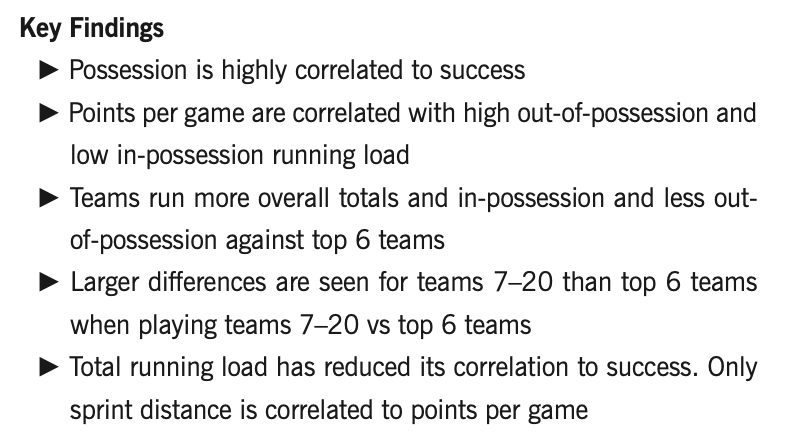
📊 Possession in Motion: What Really Drives Success in the Premier League?
Our new paper in @BiolSport tinyurl.com/453j4x9w
5 seasons in the #EPL
⚽️ Possession Matters
🏃 Running OOP is important
🏆 Teams respond to opposition quality
🏃💨 Only sprint associated to PPG
1
4
18
2,894