
Climate science and technology policy since 1989. Building Climate Systems Engineering @UChicago. Founded Carbon Engineering. Bluesky: @davidkeith.bsky.social
Joined September 2015
- Tweets 3,224
- Following 210
- Followers 9,531
- Likes 888
567 Photos and videos

Pinned Tweet

15 Oct 2024
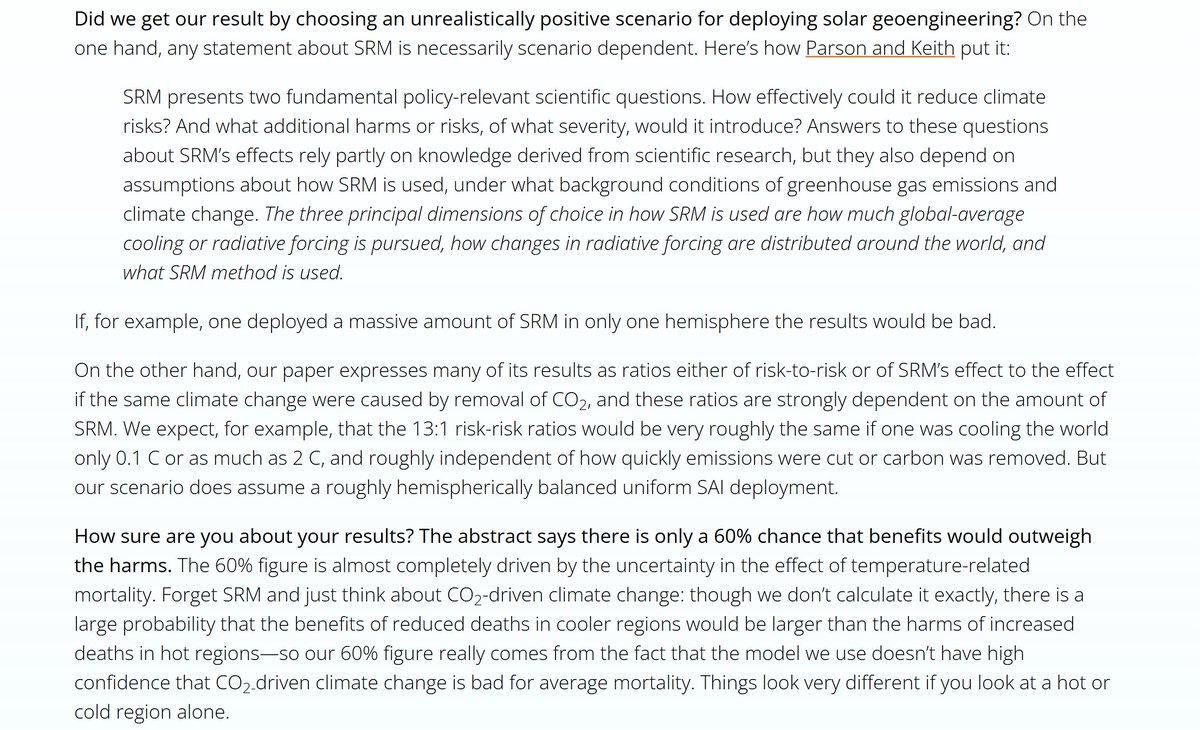
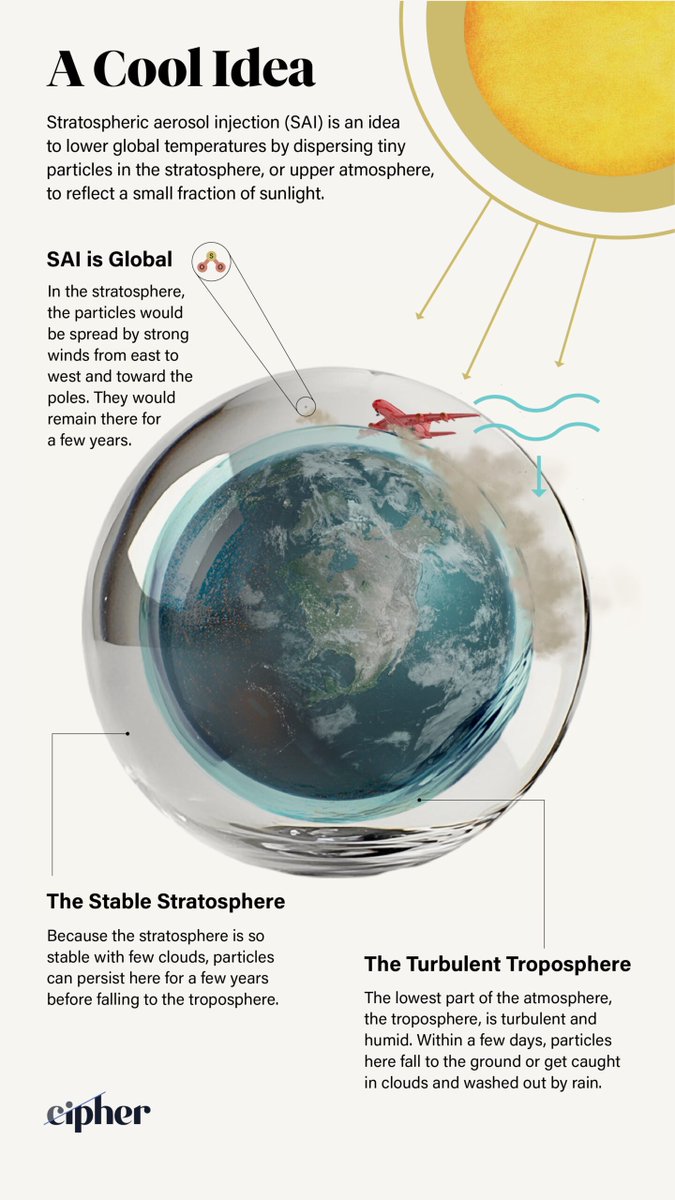
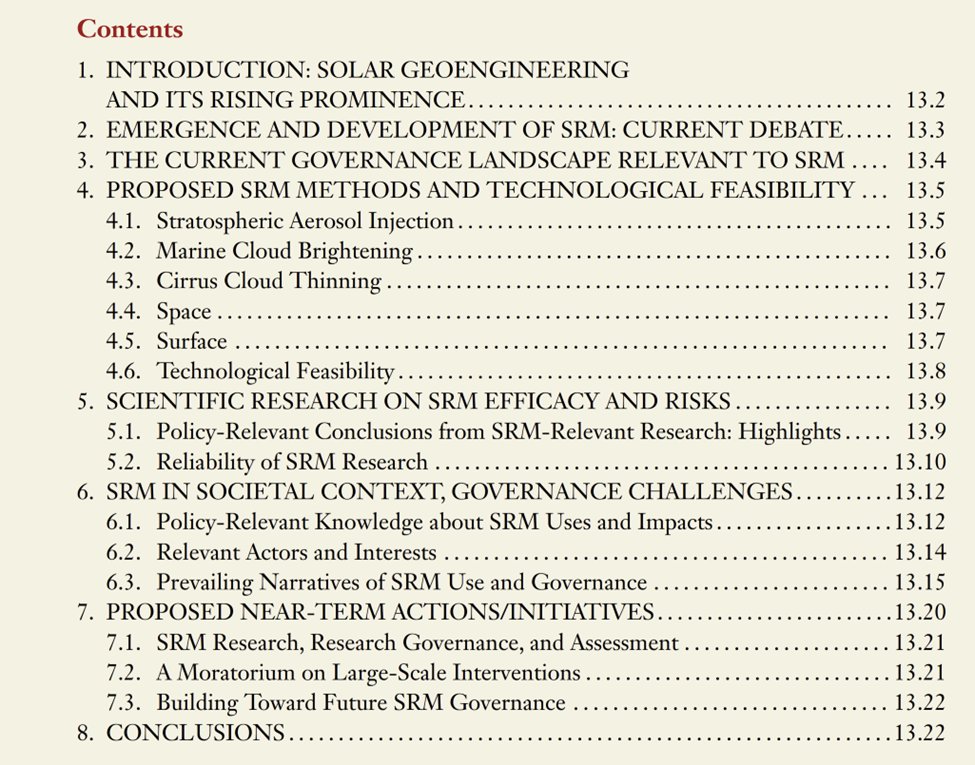
New paper: "Solar Geoengineering: History, Methods, Governance, Prospects" by @parson_ted & me in Annual Reviews.
Full text at: davidkeith.earth/publication…
I am particularly proud of this paper. This thread provides some highlights:
1/8
29
22
55
13,157
Apr 27
On May 18–19, the @UChicago Climate Systems Engineering initiative is bringing together researchers, policymakers, and practitioners for a public symposium we're calling "Frontiers in Climate Systems Engineering.”
The goal is simple: rigorous analysis and open debate.
1
4
6
576
Apr 27
May 18 starts with an introductory overview and policy discussions. Presentations on May 19 will be tilted towards science and technology with more expert-oriented discussions.
1
1
262
Apr 27
If you’re interested in how these ideas are evolving and how they might (or might not) fit into climate policy, I hope you’ll join us.
Register and learn more here: climateengineering.uchicago.…
1
185
5 Dec 2025
Enjoyed my conversation on SRM360's webinar/pod yesterday. Check it out here:
srm360.org/video/emissions-c…
3
3
4
890
4 Nov 2025
Daniele Visioni and I explain our concerns about Stardust and the commercialization of climate engineering in Technology Review:
technologyreview.com/2025/11…
2
5
11
4,988
21 Sep 2025
Zeke Hausfather and I have an NYT op-ed out today, nytimes.com/2025/09/21/opini…
Here's my short blog post on the topic: davidkeith.earth/preserving-…
1/4
1
11
12
3,166
21 Sep 2025
First, it ties use of SRM to clean up of pollution, and since this pollution is mostly from burning fossil fuels, this is roughly equivalent to tying use of SRM to cuts in fossil fuels; and second, it provides a non-arbitrary fixed upper limit on how much SRM can be deployed.
3/4
1
3
2
691
21 Sep 2025
One can imagine this rule is simple enough to be useful in international negotiations over sunlight reflection.
My prior NYT op-ed's on this topic: davidkeith.earth/the-new-yor…, and nytimes.com/2008/09/20/opini…
4/4
4
4
789
18 Jun 2025
Enjoyed Cape Town last month at the @DegreesNGO Forum 2025. I had the pleasure of joining @hollyjeanbuck and @MutisoRose for a plenary session on how sunlight reflection methods (SRM) fit into the broader climate response toolbox. #DGF2025 youtu.be/jlUQl6YjIjc?si=-Im9…
3
7
12
1,891
18 Jun 2025
Rose Mutiso is a great rising voice in the climate and energy space, and I recently spoke with her about the energy transition in Africa on my Energy vs Climate podcast: youtu.be/DjOcyXPxaoc?si=ujp-…
Rose's Ted Talk on the subject is also a must watch: youtu.be/77HUdJ7Tij0?si=Svh4…
2
1
1
1,139
18 Jun 2025
And Holly Buck is a powerful writer on geoengineering. See her book "After Geoengineering." Also, her article "The Rise of Green MAGA" is essential reading for the current political environment: compactmag.com/article/the-r…
Here's Holly on our pod: energyvsclimate.com/rise-of-…
2
2
2
952
4 Jun 2025
Can Canada afford to ignore sunlight reflection methods (SRM)? I’m joining @LisaD144 from the @EnvDefenseFund for a discussion hosted by The Transition Accelerator (@CanAccelerator), a major Canadian NGO focused on the climate. June 10, 12pm ET.
Join: transitionaccelerator.ca/web…
3
4
4
836
4 Jun 2025
Lisa Dilling (@LisaD144) leads SRM research at the Environmental Defense Fund and has written about the need to explore the potential impacts of SRM before any sort of deployment is considered:
blogs.edf.org/climate411/202…
3
2
519
4 Jun 2025
Canada can’t just sit on the sidelines regarding SRM research and governance. Ignoring SRM means others will make the decisions. Here’s an old op-ed Ted Parson and I wrote for the Globe & Mail that makes this point:
davidkeith.earth/the-globe-a… (not our headline)
3
3
2
564
23 May 2025
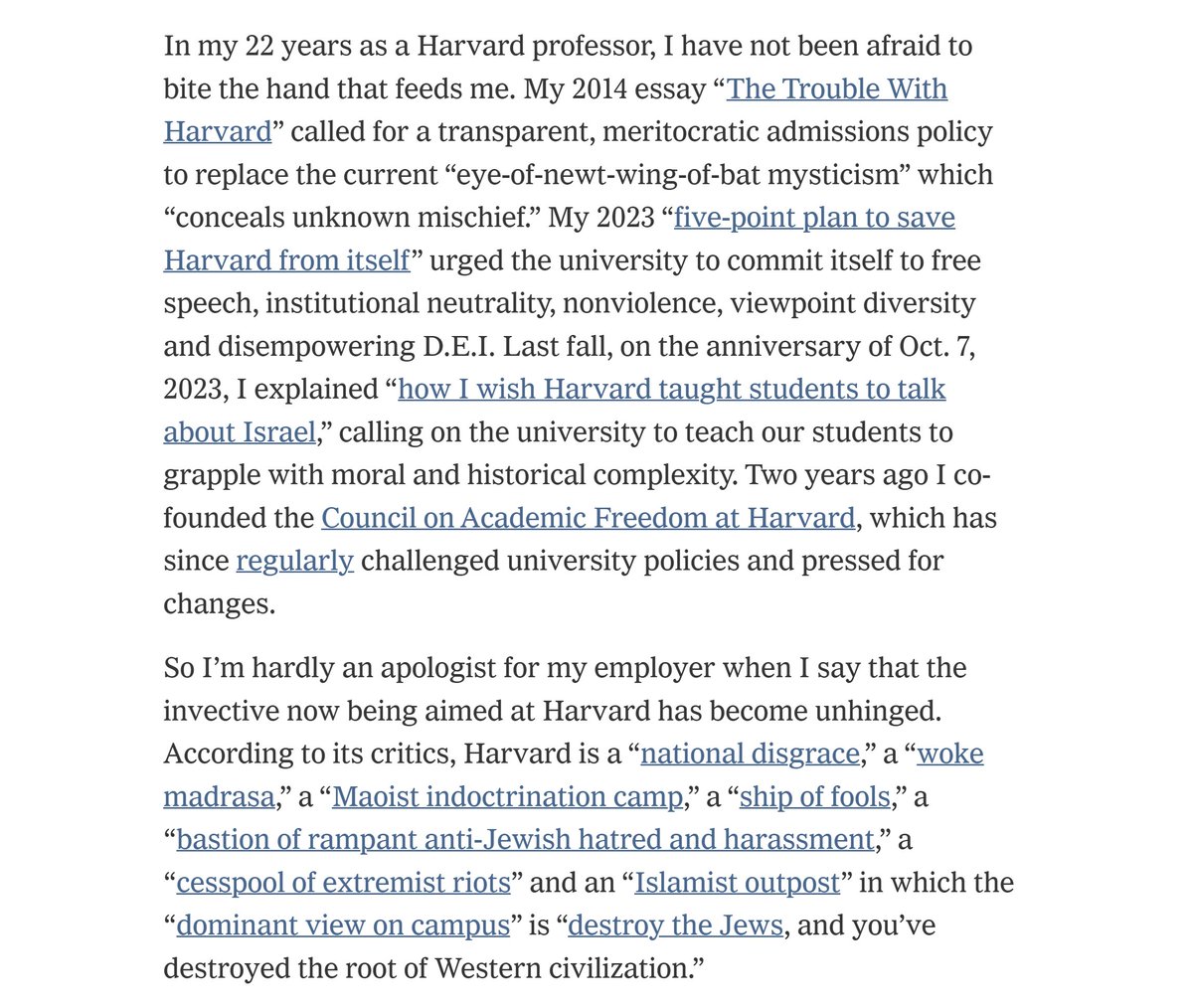
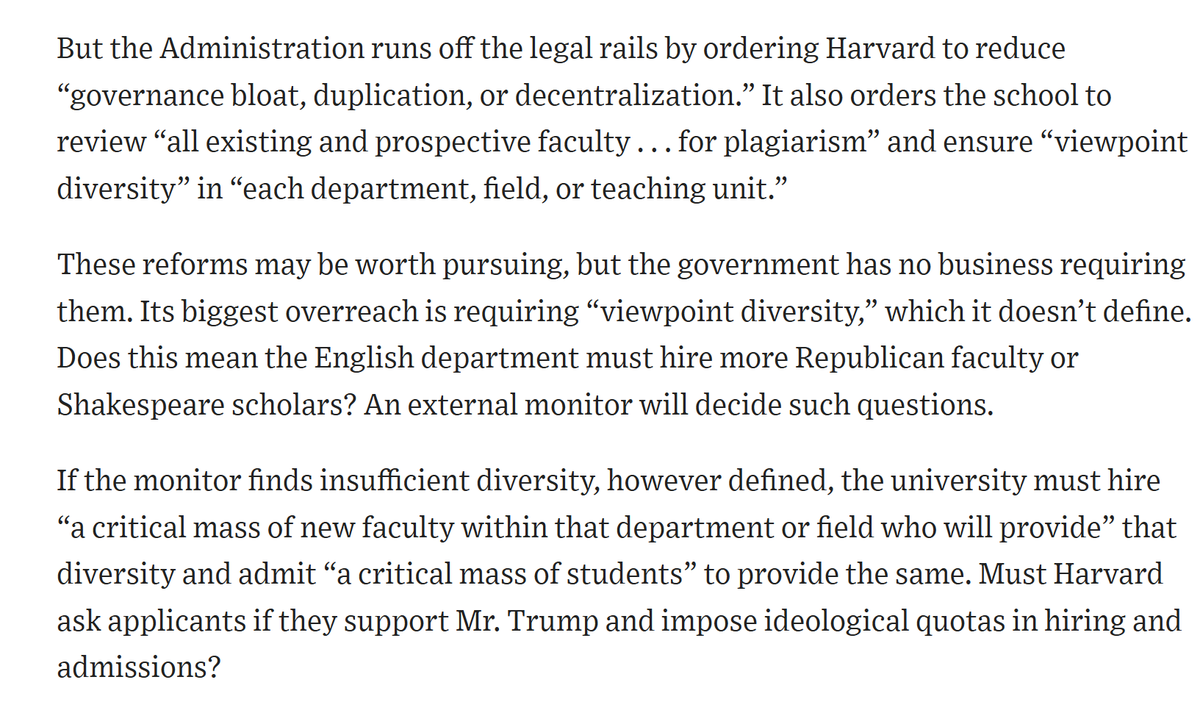
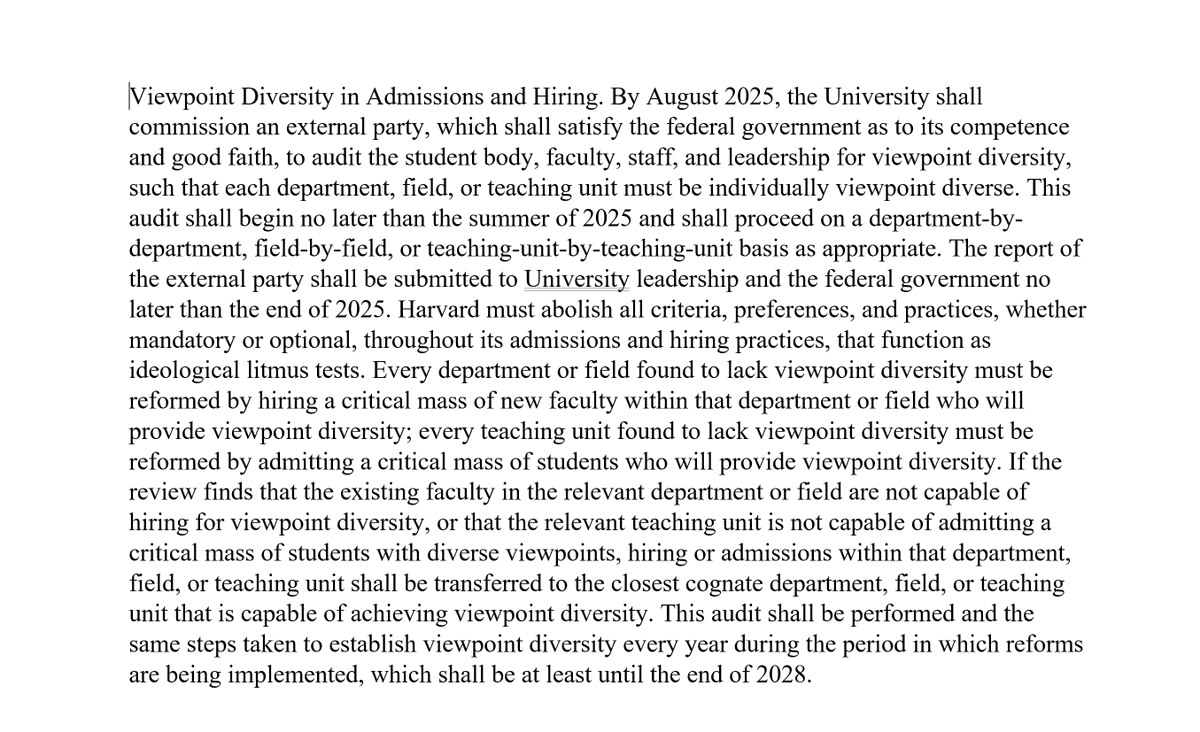
Superb op-ed from Steven Pinker (@sapinker on X) calling out the right's absurd Harvard Derangement Syndrome.
Harvard has some woke, but its peak has passed, and claims of many on the right are disconnected from the reality I saw as a faculty member.
nytimes.com/2025/05/23/opini…
2
11
981
23 May 2025
I appreciate the way Andreas has made a careful case for strong actions such as civil disobedience to protect humans and nature. Looking fwd having Andreas join us on Energy vs Climate this morning. (Feel free to join us live)
energyvsclimate.com/youre-in…
1
3
527
22 May 2025
Smart argument against a moratorium for deployment of sunlight reflection SRM, from Sue Biniaz (former top US climate negotiator) and @bodanskydm (environmental lawyer).
justsecurity.org/113295/mora…
1
3
4
3,689
22 May 2025
States can begin research programs while making it clear that deployment is premature. This allows for bottom-up norm setting and transparency without the risks of a negotiated moratorium.
1
1
360
22 May 2025
See, the concluding section of the article, "If not a negotiated moratorium, then what?” for practical thinking on how governance can move forward without halting research progress.
1
349