Joined July 2018
- Tweets 104
- Following 132
- Followers 92
- Likes 644
10 Photos and videos



1 Oct 2025
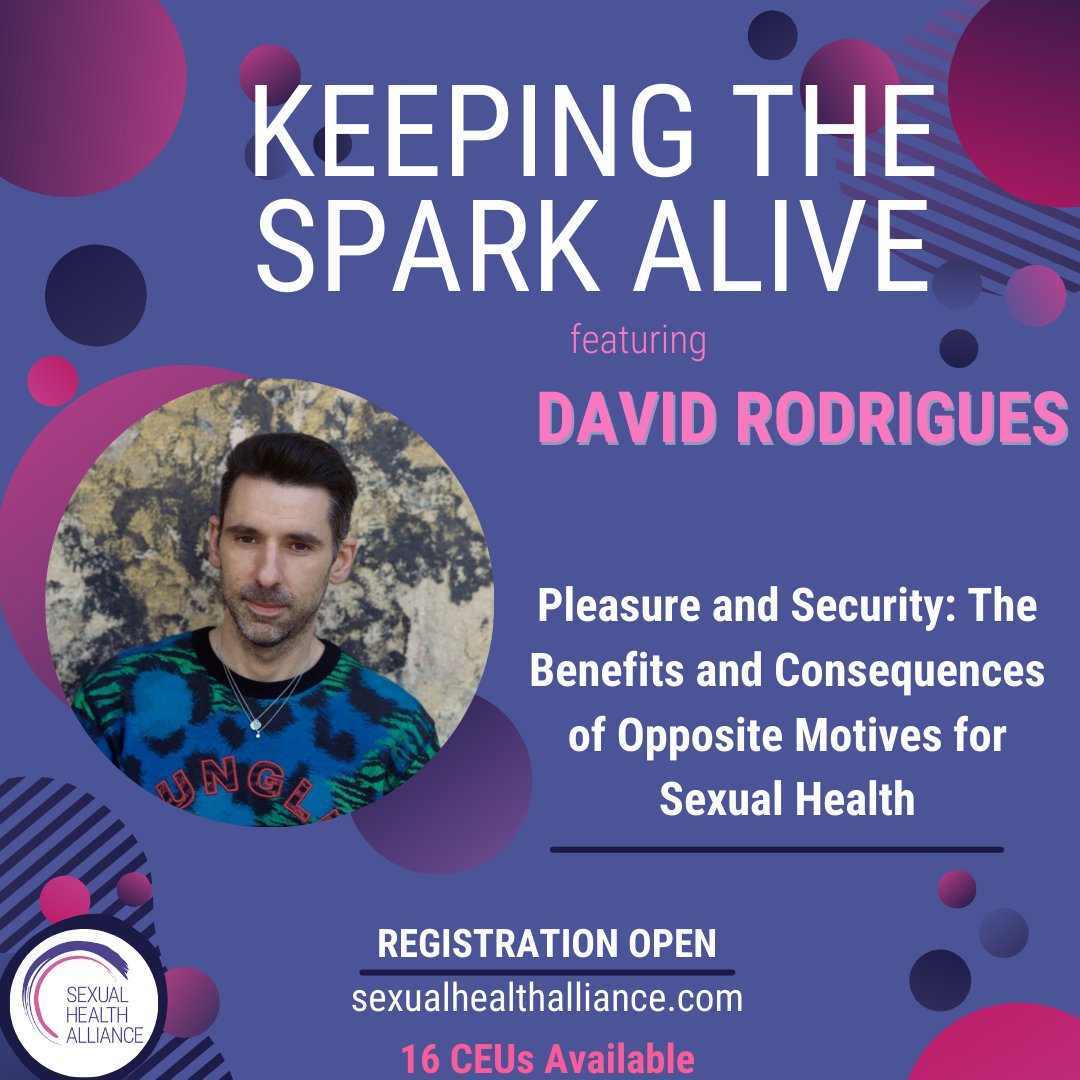
Proud to be part of this amazing team, led by friend @justin_mogilski ❤️
1 Oct 2025

It’s taken a while, but I’m proud to announce that our manuscript...
“How do people maintain consensual non-monogamy? An international development and validation of the Multiple Relationships Maintenance Scale (MRMS)”
...has been accepted for publication in @ArchSexBehav.
If you’ve been following my work, you know that this is a big deal. I’ve talked about this data a lot. My best public interview was probably with @ChrisWillx, but I only had an incomplete and unreviewed preprint to support my claims.
Well, here’s the full thing: osf.io/wxq4z
--
We collected data from ~5000 people across sixty-two countries who reported either only one (i.e., monogamous) or more than one (i.e., non-monogamous) romantic, sexual, or otherwise intimate relationship(s). Our aim was to characterize how people “do” consensual non-monogamy (CNM), where all partners are aware of and agree to have multiple relationships.
If you look at the majority of published scientific research on people who have multiple relationships (regardless of whether partners consent), you see a fairly ugly landscape: having multiple partners is related to relationship instability, competitiveness and conflict among partners, poor mental health, and worse family functioning.
However, the last two decades of research on CNM paints a different picture: one where partners are highly communicative, committed, intimate, and passionate, they encourage autonomy and agency in one another, they precaution against sexually transmitted infection, and they form supportive and enduring families to raise children.
Before I started this project, this paradox in the data confused me. My training in evolutionary psychology (and my personal experience) led me to expect that negative experiences, like jealousy and competition, were unavoidable. Sure, you could ignore them, but at what torture to yourself?
I first attempted to address this paradox by testing some evolutionary predictions in CNM samples. I was partially successful (and in some cases, not at all!).
Here, I looked at mate retention in these relationships: link.springer.com/article/10…
And here, I looked at jealousy (and replicated the mate retention findings): link.springer.com/article/10…
Still, I didn’t have a clear sense of why or how people in CNM relationships appear to make it work (though, in these first papers I outlined theorywork that has followed me to this day).
Then, in 2020 I published an article attempting to thread a needle: frontiersin.org/journals/psy…
My hypothesis was: compared to just anybody who wants to have multiple relationships, people practicing CNM are handling multiple relationships in a particular manner; one that reduces at least some of the usual risks and challenges. That is, maybe people in these relationships are doing things to precaution against threats like partner abandonment, competitive rivalry, sexual health risk, conflict over childcare, and damage to reputation. I wrote about this in the chapter I published in my handbook: psycnet.apa.org/record/2023-…
Well, the reason that this current paper is a big deal? It presents the data and logic to support this explanation, summarized into ~90 pages :)
This is the flagship manuscript, and so it is very detailed about the full dataset. Which is huge! There are many other manuscripts being written using this data. So, keep your eyes open.
I’m glad this is out of my hands now. Thank you to my immense and brilliant team. This was only possible through their combined efforts.
Critique is welcome, and expect more soon.
@gmiller, Peter Jonason, Katarzyna Grunt-Mejer, @jarkaVarella, @RhondaBalzarini, @DLRodrigues, @DrEliSheff, @LaithAlShawaf, @CsajbokZsofia, @DrThomasAG, @tamasdb, Cezar Giosan, Daniel Kruger, @DrDavidLey, @JustinLehmiller, @DrSchechinger, Amy Moors, @StefanoCiaffoni, Leif Edward Ottesen Kennair, Stephen Whyte, @zuzansterbova, Klara Bártová, Ryan Witherspoon, Magdalena Żemojtel-Piotrowska, Pavol Prokop, Virgil Zeigler-Hill, @PsychoSchmitt, Adil Saribay, Magdalena Lipnicka, Ivana Goláňová, Ezra Hampikian, @CostelloWilliam, @thatgirlevolved, Cory Cascalheira, and @MichelleLarva.
1
41
23 Sep 2025
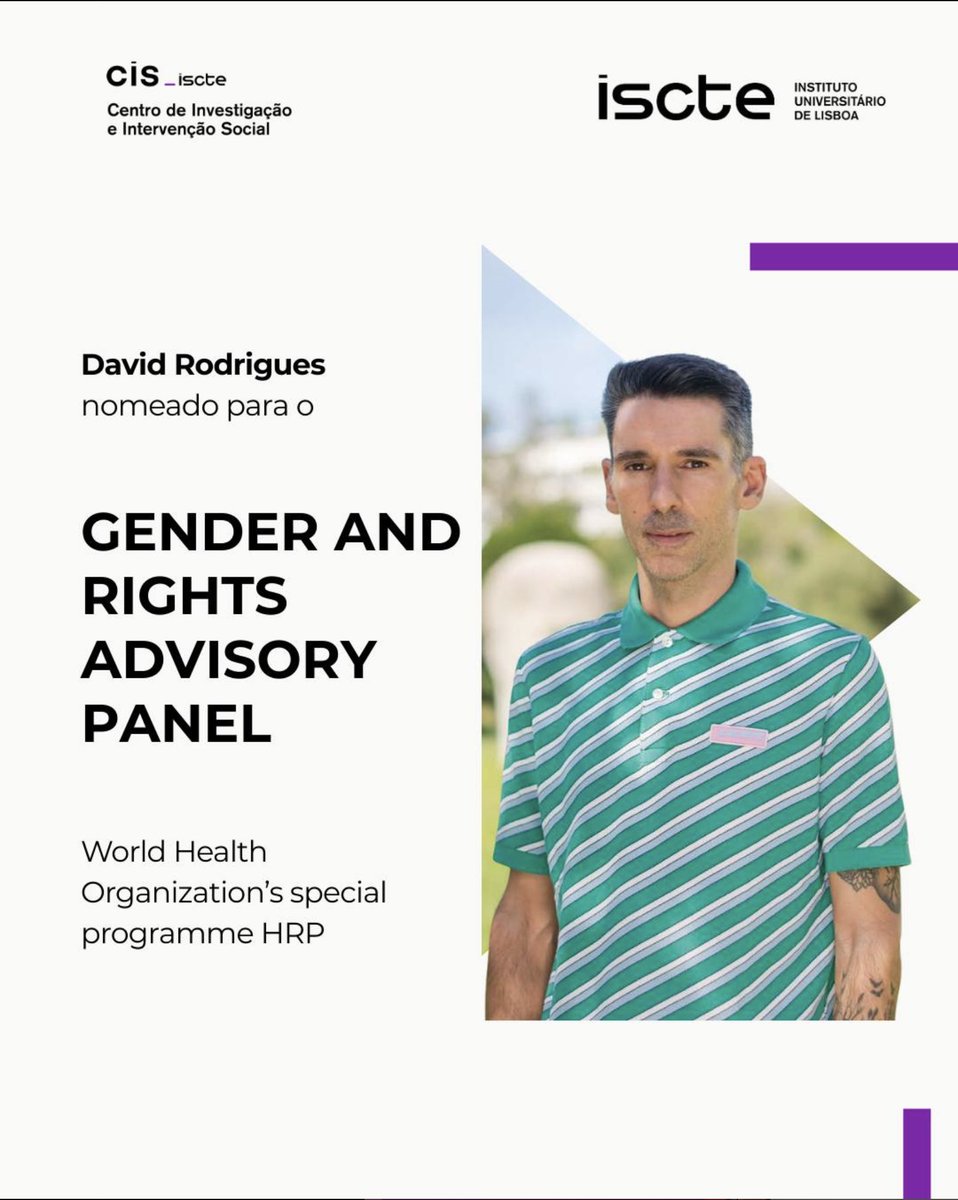
Very proud to be member of the of the Gender and Rights Advisory Panel (GAP) of the @HRPresearch at the @WHO
New adventures await!
@SocioDigitalLab
23
17 Sep 2025
Using a latent profile analysis, we identified three distinct profiles of individuals who are single in the US and Portugal. Check it out!
onlinelibrary.wiley.com/doi/…
24
David L. Rodrigues retweeted

15 Apr 2025
📈 Currently #Altmetric trending!
Made #OpenAccess until the end of May 2025, this article challenges the assumption that relationship and sexual satisfaction are heightened for those in monogamous relationships.
🔓 Read on here: spr.ly/6015FmCWP
1
5
6
346
12 Feb 2025
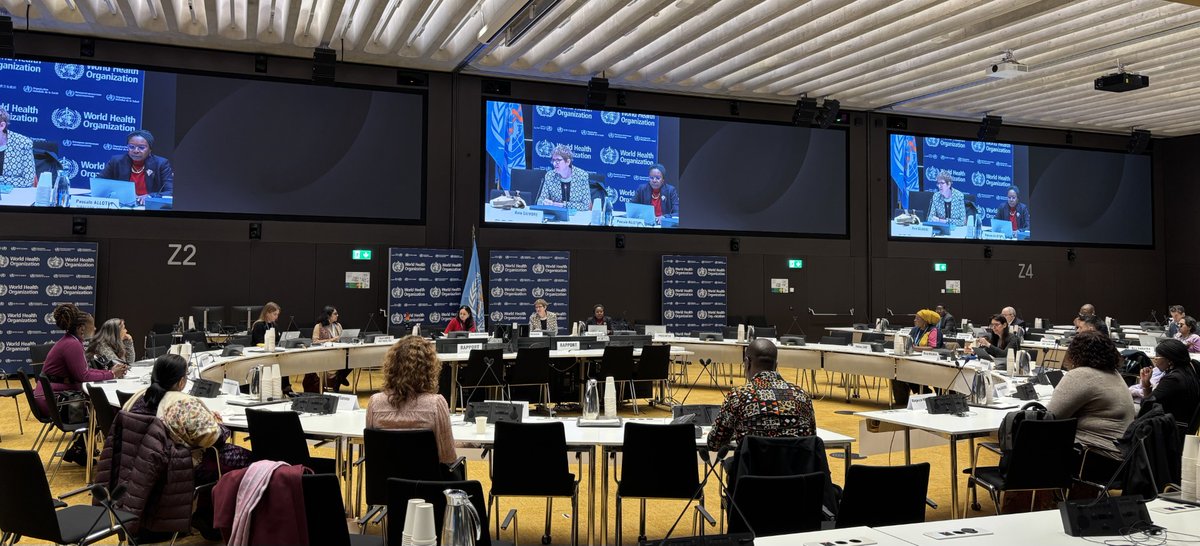
What an honor to be part of this meeting!
12 Feb 2025

Beyond proud to be hosting HRP's annual meeting of our gender and rights advisory panel at WHO in Geneva.
Since 1995, the panel has gathered to advise on all aspects of our work w/attn to gender equality and rights.
This is important and essential work.
1
29
5 Feb 2025
What an honor!
5 Feb 2025

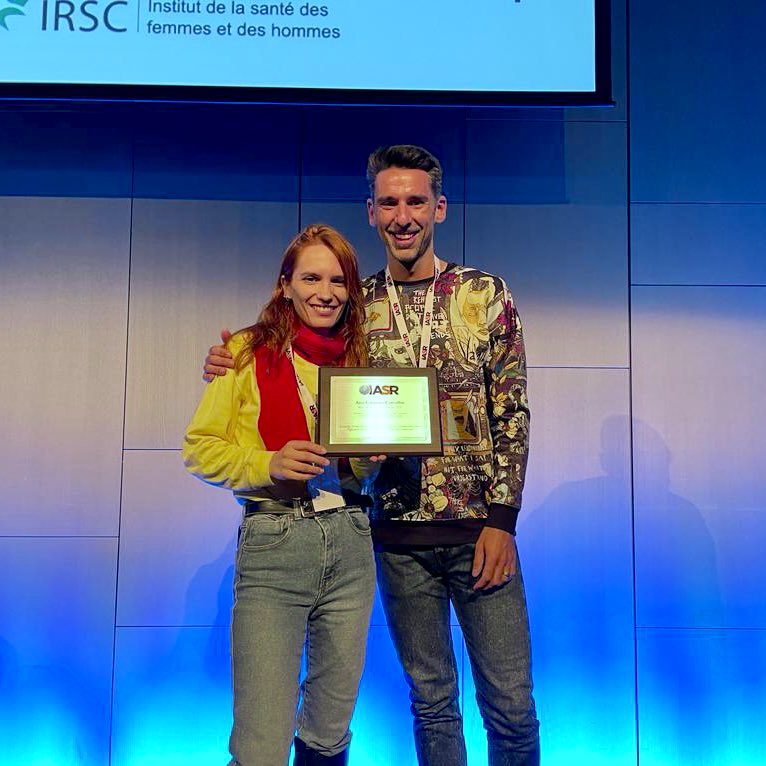
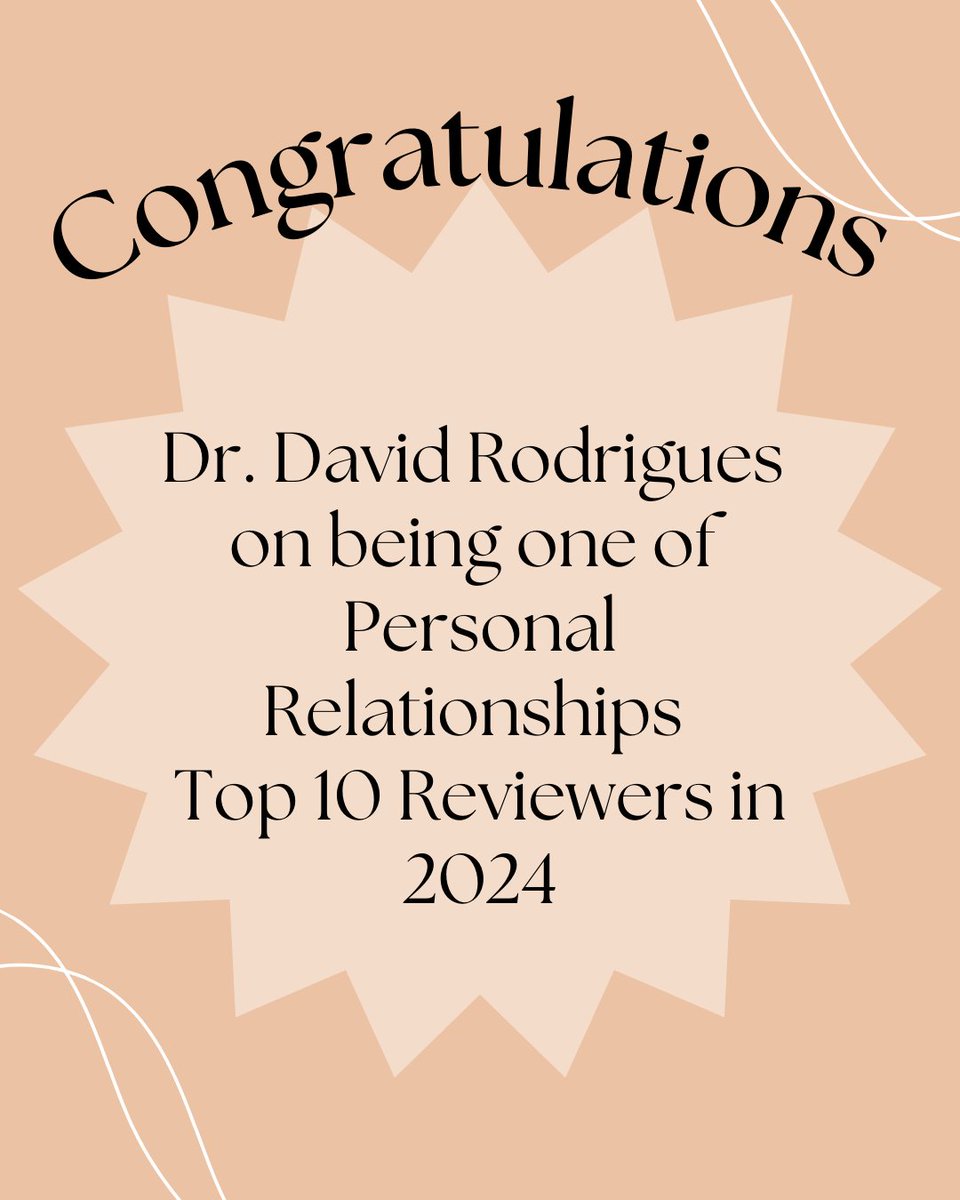
Congratulations to Dr. David Rodrigues on being one of Personal Relationships Top 10 Reviewers of 2024. Dr. Rodrigues is an Assistant Researcher with Habilitation and Vice-Director of CIS-Iscte in Lisbon, Portugal.
3
54
5 Nov 2024
📢 new paper out!
In two experiments, gender nonconforming targets tended to be stigmatized in several outcomes, but having more frequent and positive personal contact helped buffer this bias.
Check out my paper here: journals.sagepub.com/doi/10.…
@JoSoPerRel @ISCTEIUL
1
4
172
10 Oct 2024
Family and friend support is key to healthier non-monogamous relationships
see our work features on @psypost !
@RhondaBalzarini @ACMoors @TBrooks_SexPsy @Sex_Science
psypost.org/family-and-frien…
6
9
1,862

This week is Sexual Health Week 💜
@BrookCharity are talking all about the important links between mental health and sexual health through a wide range of resources and insights.
To find out more, check out brook.org.uk/shw/ ⬇️ #AreYouFeelingIt #SHW2024
3
4
426
6 Sep 2024
Proud to have our research on consensual non-monogamy published at the Journal of sex Research 💕
1 Sep 2024

Just published: Perceived Social Support Buffers the Consequences of Internalized Negativity Among Individuals in Consensual Non-Monogamous Relationships @DLRodrigues @RhondaBalzarini @ACMoors @kinseyinstitute @Sex_Science
tandfonline.com/doi/full/10.…
1
2
11
756
6 Sep 2024
This paper was also featured in a news piece by Luisa Oliveira for Revista Visão (PT only)
visao.pt/atualidade/sociedad…
1
40
10 Jul 2024
Discussões importantes a ter enquanto sociedade. Orgulho em ter a Ecem como minha aluna de doutoramento.
@ISCTEIUL @fct_pt
publico.pt/2024/07/10/p3/cro…
2
76
David L. Rodrigues retweeted

10 Jun 2024
Thanks @JoSoPerRel! This paper wouldn't have been possible without the efforts of 12 labs in 10 countries. A beautiful example of team science! @righettifra @RhondaBalzarini @_maalfe @betulurganci @DLRodrigues @johankarremans @RelationScience & other lovely twitterless coauthors

#ThrowbackThursday to @zoppolat et al. (2022), who tested the links between #COVID19 challenges, "technoference" (in the form of social media use and snubbing a partner in favor of a smartphone), and romantic relationship outcomes. doi.org/10.1177/026540752210…
2
17
812
23 May 2024
Proud to have published our paper in the #JSexResearch #SexScience #SSSS @Sex_Science
@RhondaBalzarini
1/2
22 May 2024
Issue 5 of #JSexResearch is now online with articles by @tiffmarcantonio @ozgetweets @L_JamesHawkins @DLRodrigues @Neooology @RhondaBalzarini @VWongsomboon @kmoilanen @vincengyu @ASU_OGBV
@kinseyinstitute @Sex_Science
tandfonline.com/toc/hjsr20/6…
1
1
4
319
David L. Rodrigues retweeted

6 May 2024
Exciting news! 🚀💫 with @mysexualhealth we are launching a free #course on Pleasure-Based Sexual Health. This free course is for healthcare providers, educators, and activists. Earn 6 CPD points on us!
Enrol for free today ✍️sexologycourses.com/courses/…
2
15
928
15 Jan 2024
15 Jan 2024

Online first in Archives of Sexual Behavior by Rodrigues et al. (2024): Examining the Role of Mononormative Beliefs, Stigma, and Internalized Consensual Non-Monogamy Negativity for Dehumanization
link.springer.com/article/10…
@TheIASR @ZUCKERKJ
1
4
251
5 Jan 2024
Very proud to have published this review at @ArchSexBehav, as a result of my habilitation at @ISCTEIUL
link.springer.com/article/10…
1
1
2
87
5 Jan 2024
Here I review evidence on the dichotomy between the views that most Western societies hold of consensual non-monogamy and the experiences of people in consensual non-monogamous relationships
Check it out!
33