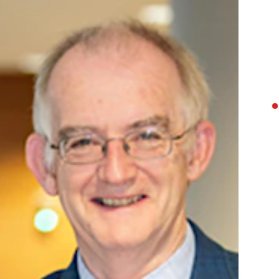
Passionate about universally-accessible higher education for all students.
Joined June 2016
- Tweets 7,490
- Following 1,924
- Followers 1,490
- Likes 13,493
657 Photos and videos
Diarmuid O'Callaghan retweeted

1 Aug 2025
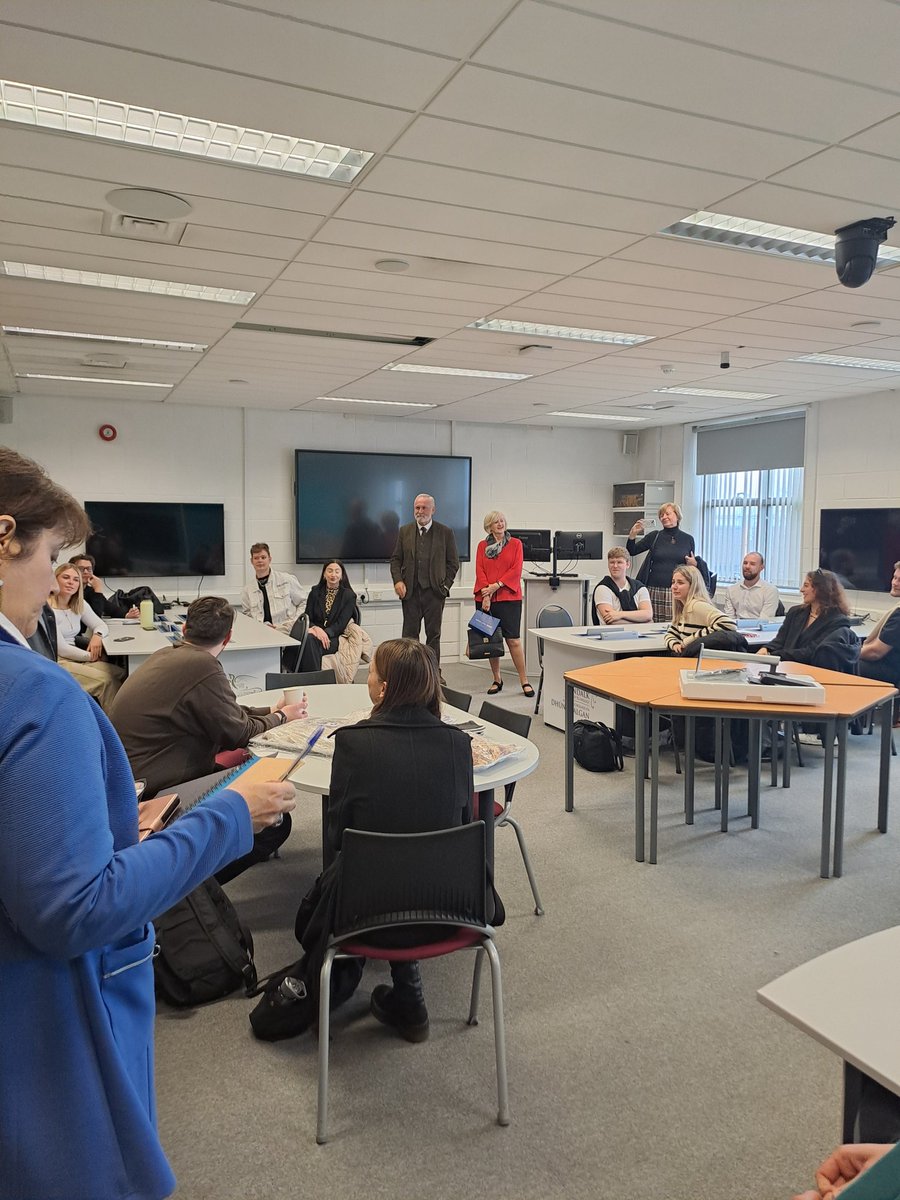
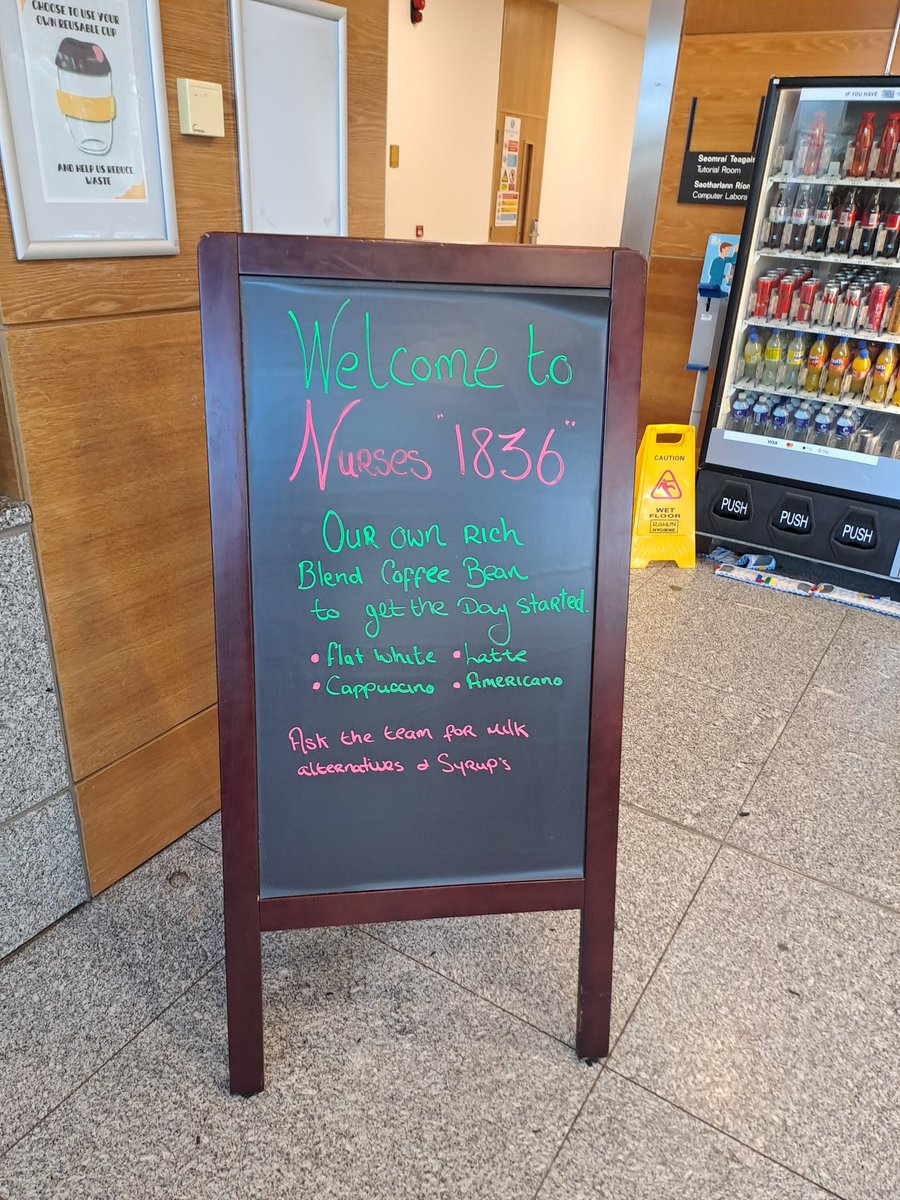
A unique new Tertiary Degree route into the BSc (Hons) in Intellectual Disability Nursing at DkIT is launching in September 2025 - starting locally in @ofidundalk.
Spend Yr1 studying in OFI then progress to DkIT to undertake your 4Yr BSc (Hons) in Intellectual Disability Nursing

2
2
154

6 Jul 2025
Five siblings, one college: The Ponik family’s journey through Dundalk IT - Louth Live share.google/Bno83dBLSuLFFhZ…
2
144
Diarmuid O'Callaghan retweeted

22 Jun 2025
Applications for the DELTA Award close on 2 July.
Recognising team-based excellence at national level in teaching, learning and assessment across Irish higher education.
Watch our short video guide: teachingandlearning.ie/award…
2
2
332
11 Jun 2025
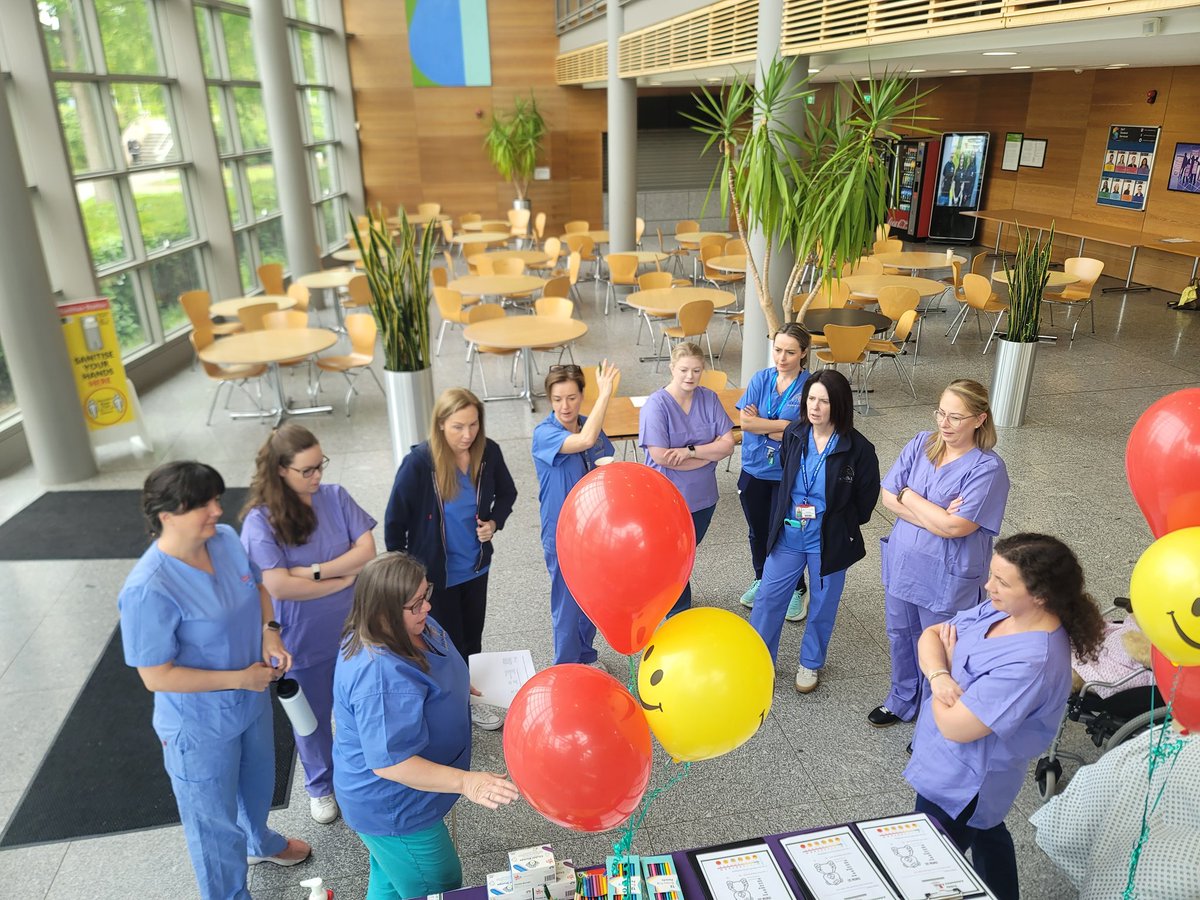
Regretfully, I missed this event today in @NursingDkit I hear it was a great success. Our fantastic staff succeeded in fixing many teddy bears for students of a local primary school, including a teddy bear with a broken heart! Never underestimate the impact of educators 👏👏👏
11 Jun 2025

Final preparation for the Teddy Bear Hospital in Dkit this morning with Stamullen School @DOC_DkIT @AineMcHugh1 @NursingDkit @madelinecolwell @dkit @BriegeKing
1
11
366
30 May 2025
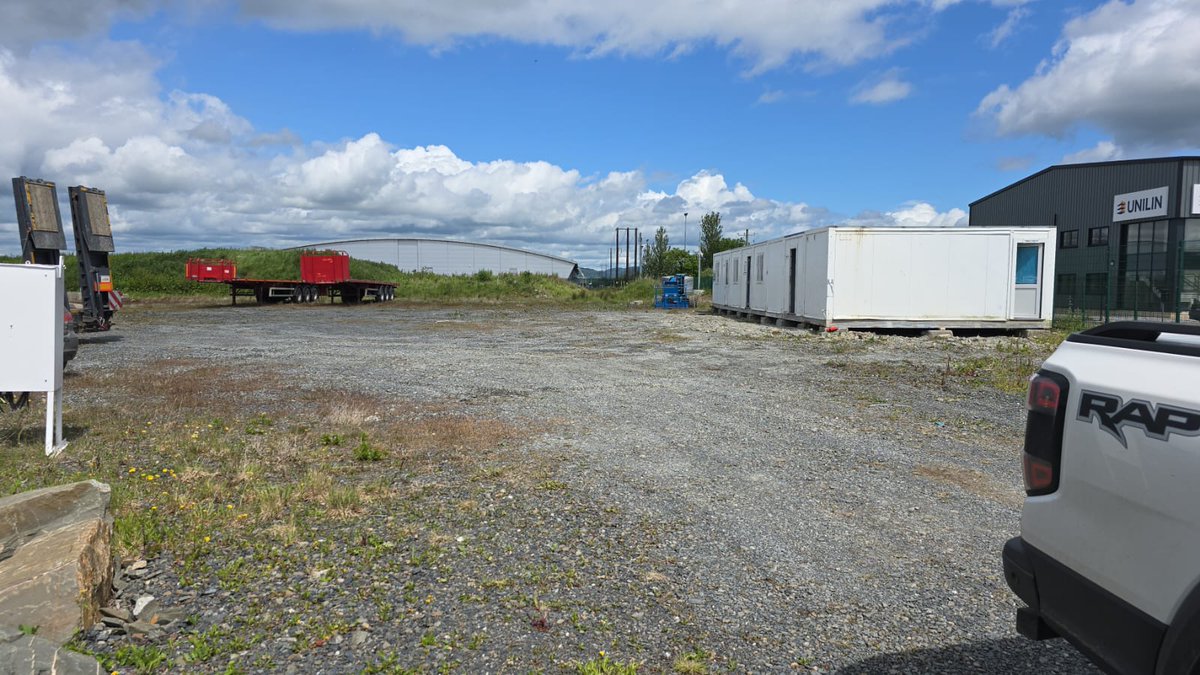
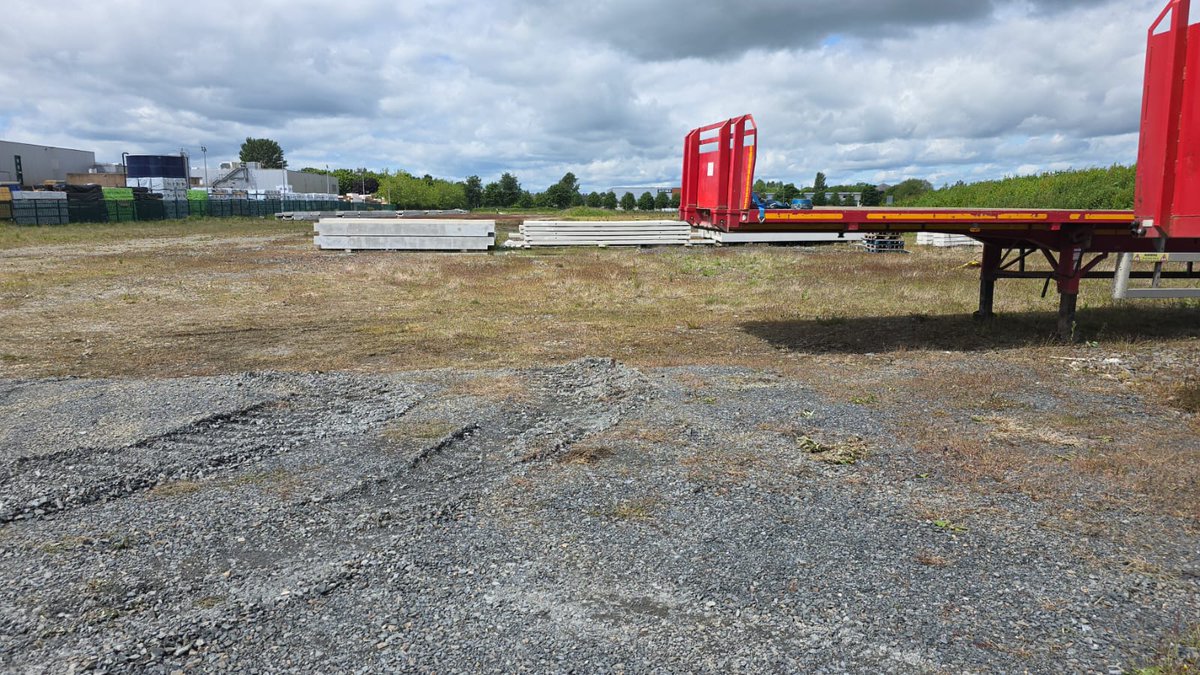
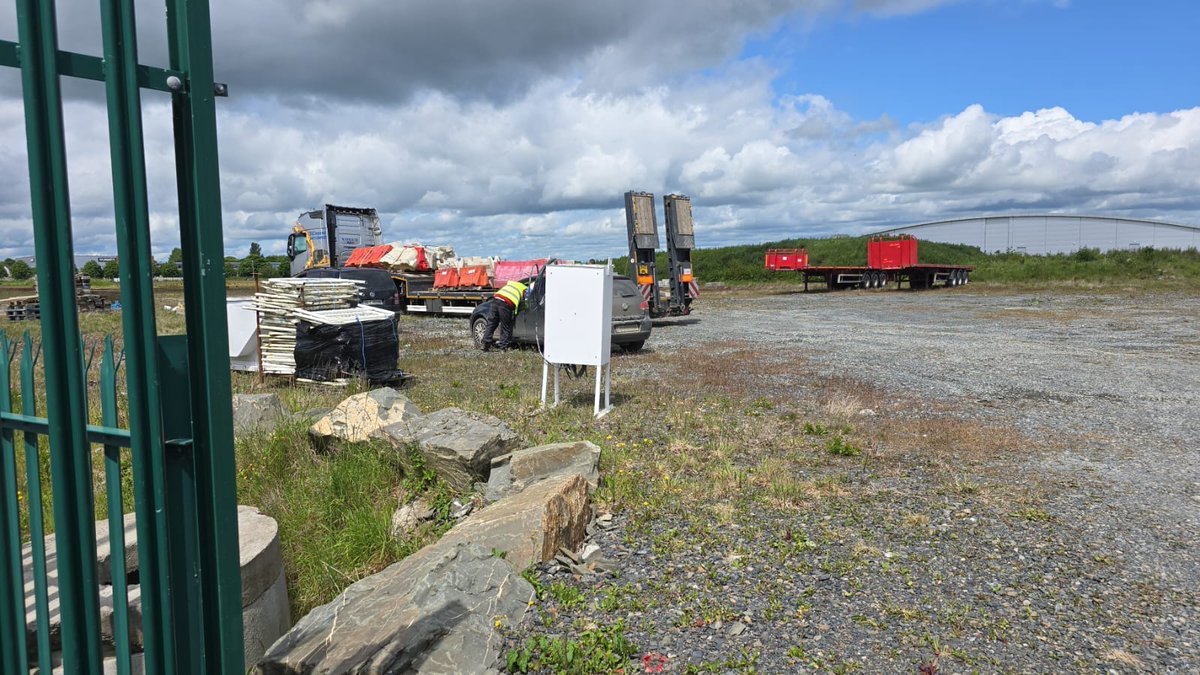
Great news in #Louth today ⬇️⬇️

The Day has arrived after a lot of hard work over the last 16 months.
Construction on our New Stadium has started
👏👏👏👏

5
236
Diarmuid O'Callaghan retweeted

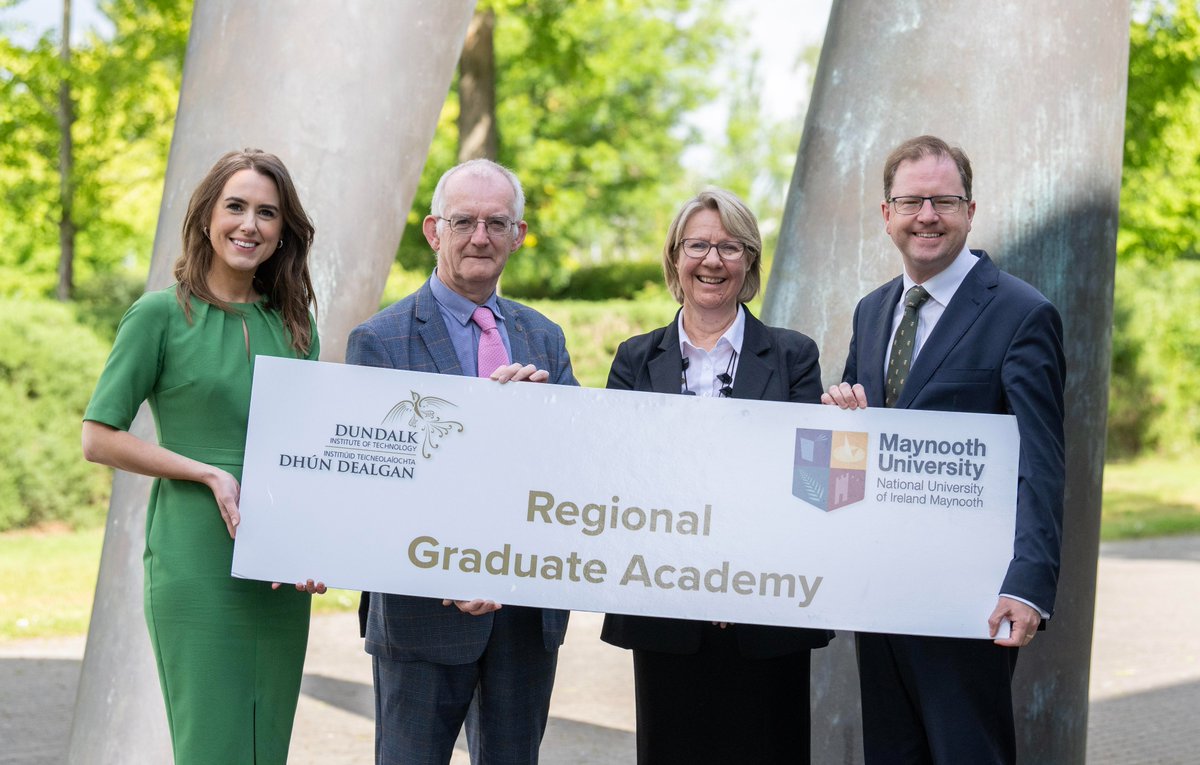
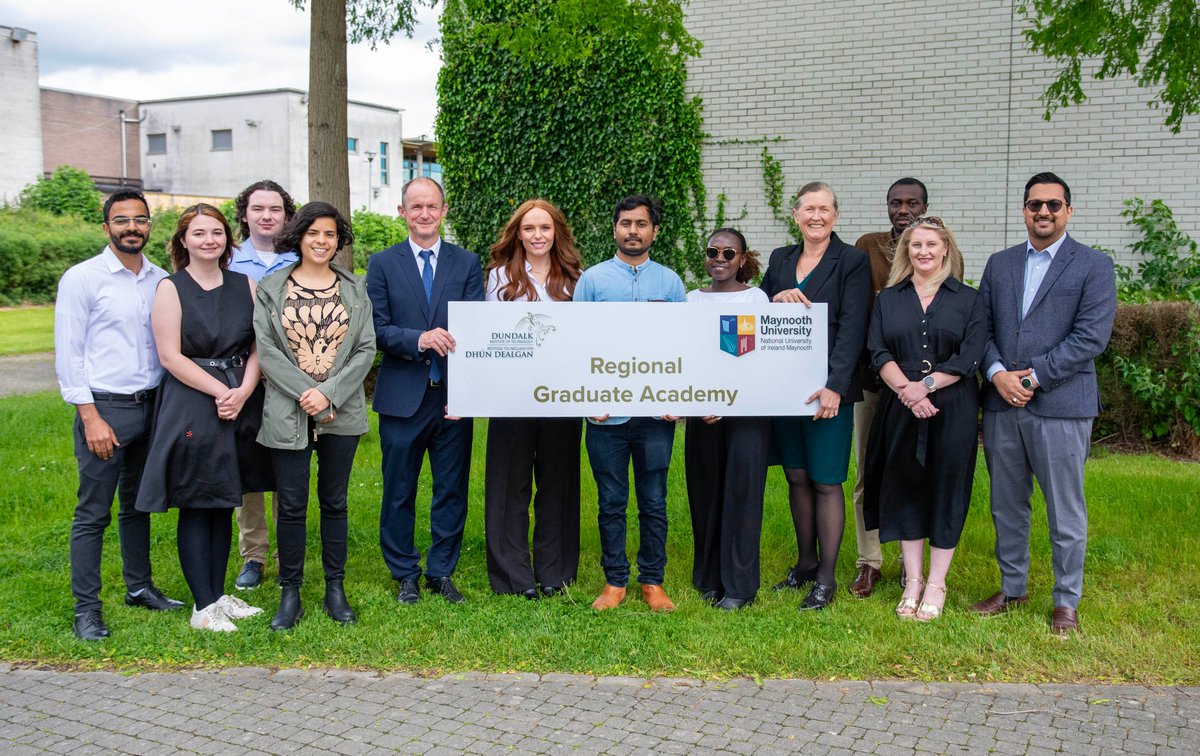
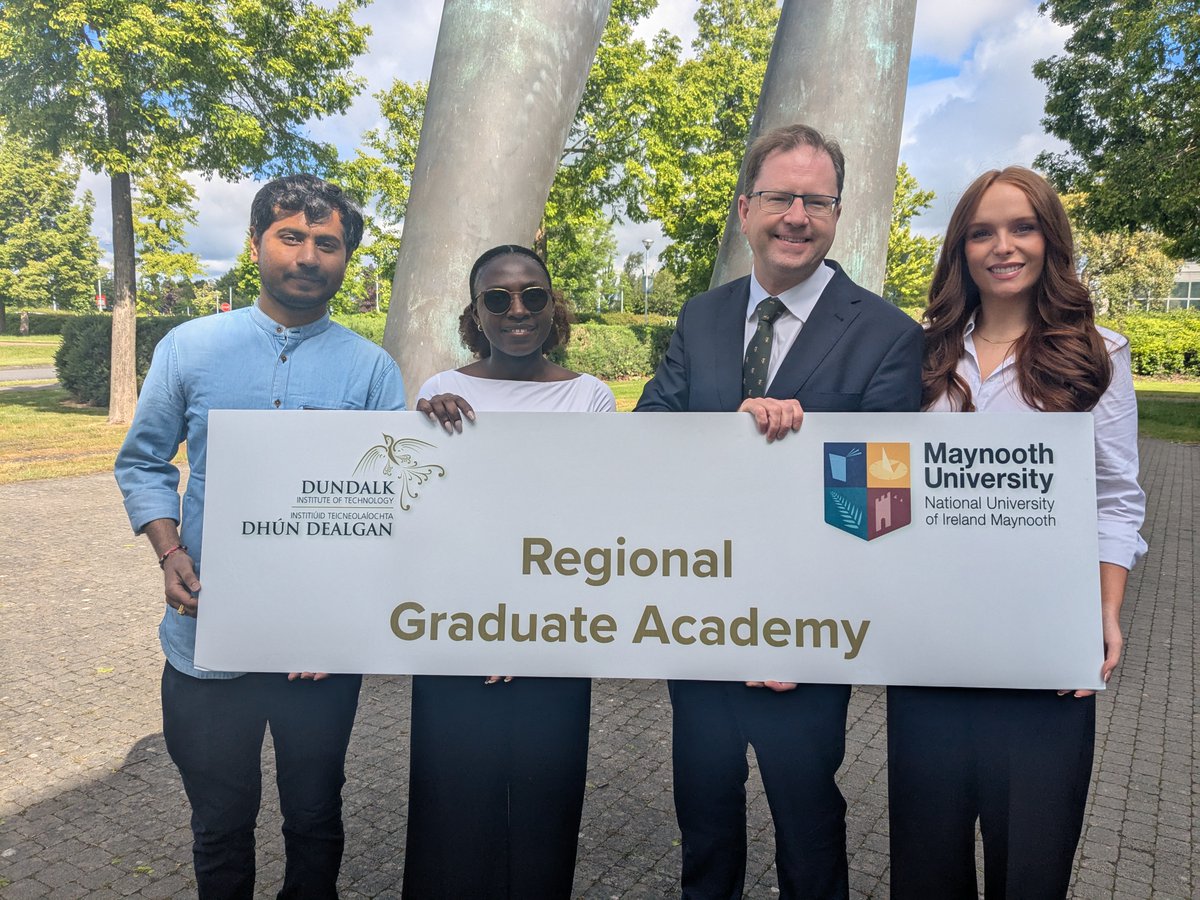
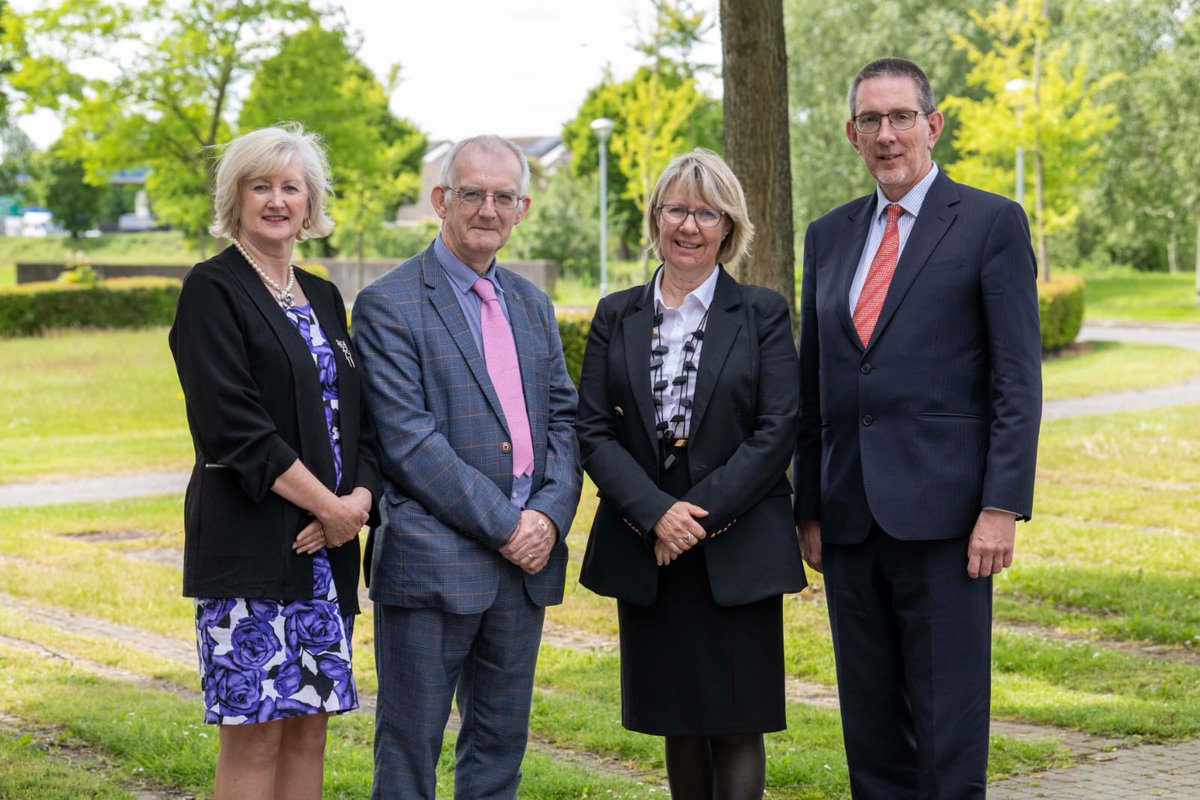
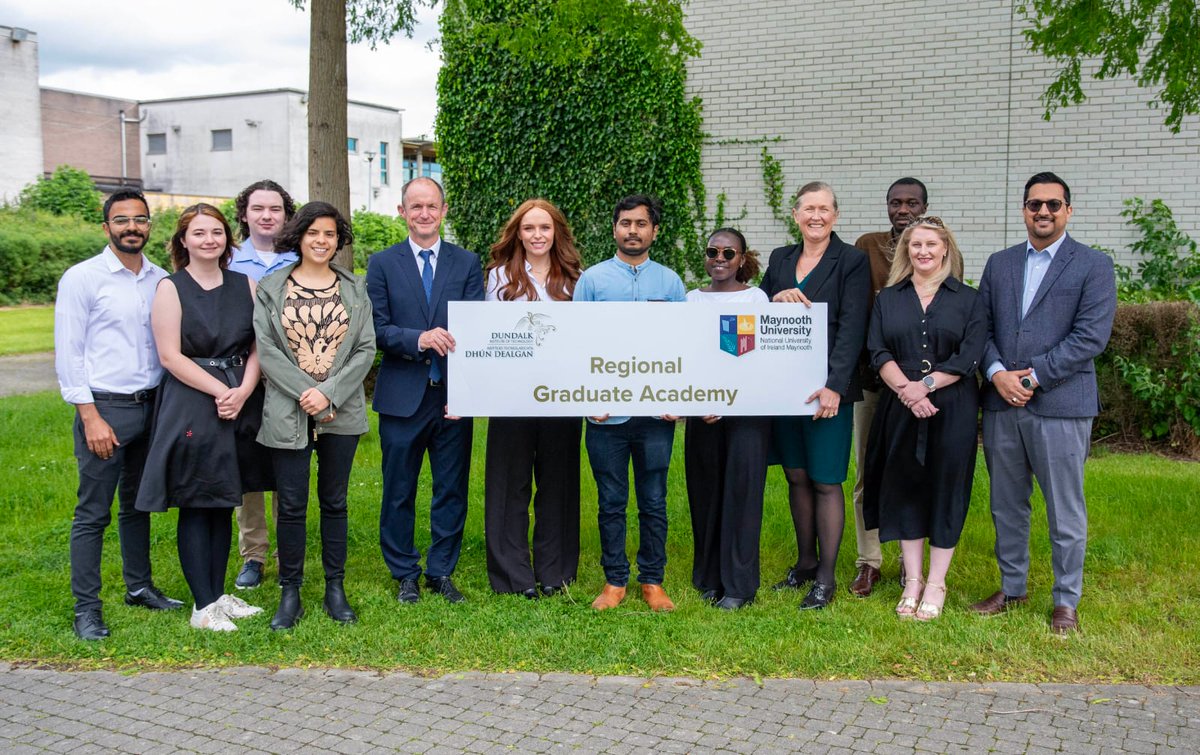
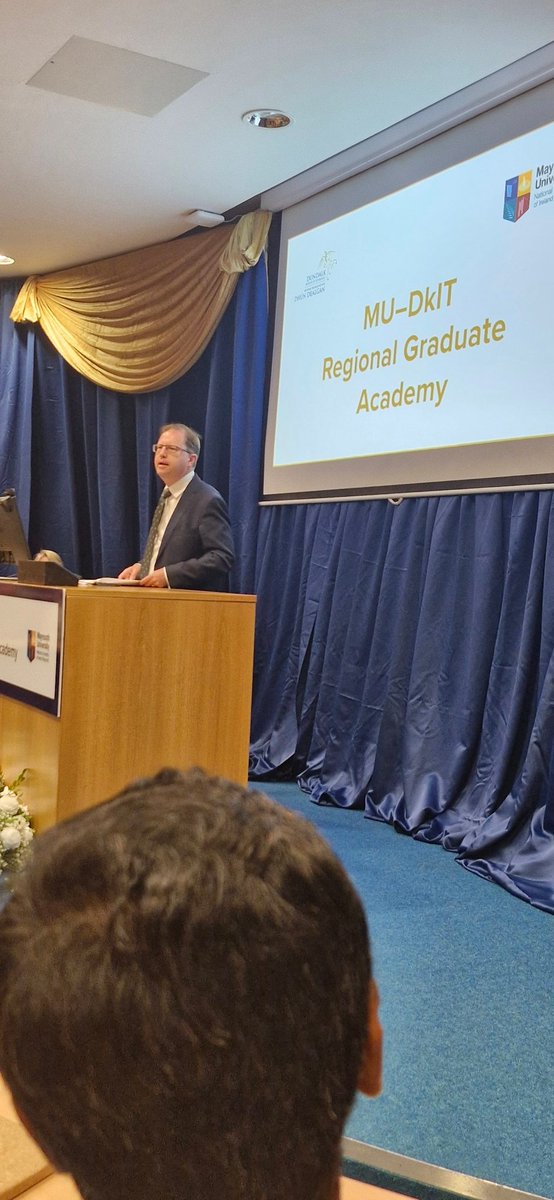
Minister @lawlessj today launched the @MaynoothUni -@DkIT_ie Regional Graduate Academy, which will offer structured PhD programmes supervised by DkIT staff, with doctoral students jointly registered at both institutions and receiving their degree from Maynooth University.
1
5
13
1,347
Diarmuid O'Callaghan retweeted

28 May 2025
After 18 months of collaborative and collegiate work, we were delighted to welcome the Minister for Further and Higher Education to campus today to launch the MU DkIT Regional Graduate Academy
3
10
311
Diarmuid O'Callaghan retweeted

12 May 2025
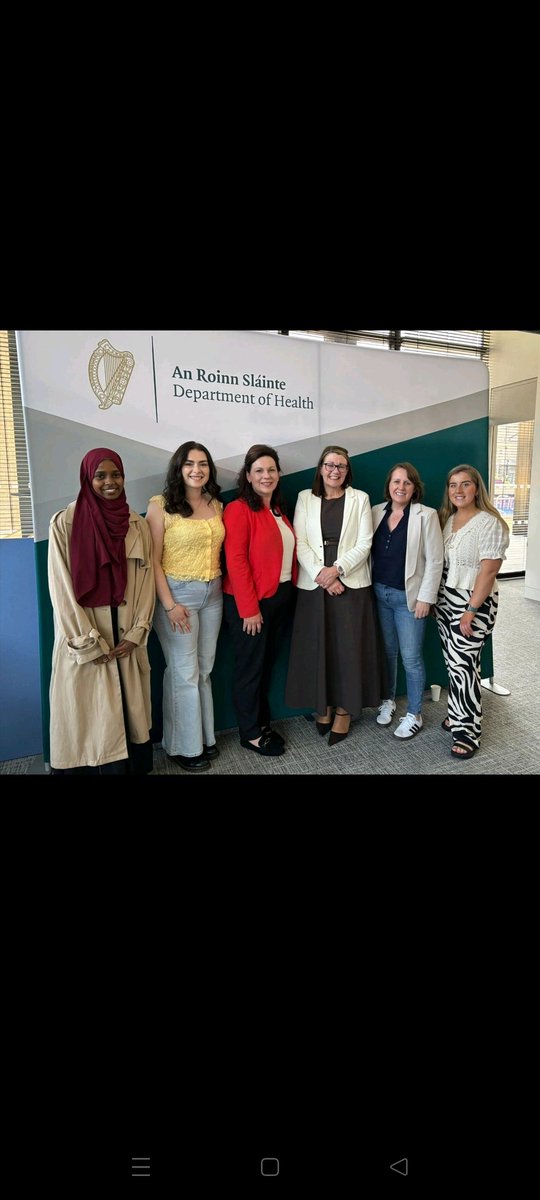
Celebrating International Nurses and Midwives day with Rachel Kenna, Chief Nursing Officer. Student Nurses, Roisin Gough, Jennifer Wall, Abdiftah Suraya and Student Midwife, Clodagh Vaughan with our colleague Helen Byrne.
3
18
1,835
Diarmuid O'Callaghan retweeted

11 May 2025
Leadership for large-scale change: distinctive challenges, emerging responses: some reflections.
Last week, I got the opportunity to join a learning community of 70 people from across the globe - leading social innovators, business leaders, thought leaders and philanthropists - to consider leadership for large scale change. I was the guest of @AspenInstitute and the Higher Ambition Leadership Alliance. In this final piece about the event, I have identified five areas where we might need to take action for leadership for large scale change:
1)Flip our thinking about alignment/shared purpose being a prerequisite for leading large scale change
Often, our approach to leadership in large scale change is to bring a diverse group of leaders together and seek to build alignment around shared goals as a starting point for change. It forces leaders into “shared” positions before they are ready and creates high co-ordination costs. If we spent less energy trying to align people to the change, and instead supported leaders to build their capacity to lead within it through a collective learning process:
•alignment would become an outcome, not a starting condition
•the change would be more impactful and sustainable.
2)Build better methods for leadership collaboration for large scale change
When we talk about supporting individual leaders to advance their own agenda more effectively, that doesn’t mean leaving each leader to do their own thing. Rather, there is a discipline and method to building a cohort that nurtures individual leaders and builds collective knowledge and alignment. There is a need for more intentional design in partnership models and methods in leading large scale change.
3)Develop effective governance for large scale change
We need to move beyond alignment and think about governance for leading large scale change:
•Structure, trust, and process have to be deliberately built, particularly in collaborations where power, resources and influence are unevenly distributed
•Leaders may need to embrace risk as we transition into new ways of work, e.g., from a high authority situation where there is strong management “grip” to a scenario where authority is shared; we need governance processes for managing this
4)Balance short and long term goals
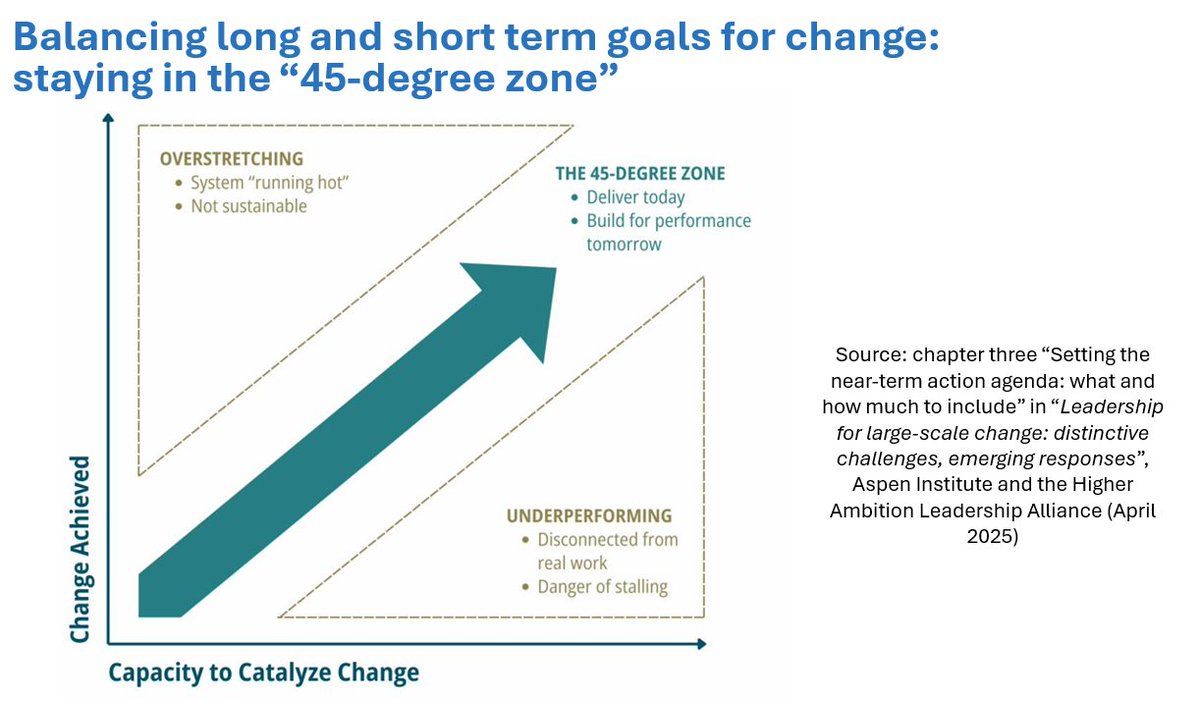
There is a tension at the heart of leadership for large scale change between delivering results in the short term and building capacity for the longer term. If there is too much emphasis, over a sustained period, on delivering short term results, the capacity will be overstretched and fail. If results aren’t delivered, decision makers and funders may lose faith. The team visualised the balance as the “45-degree zone”.
5)Be deliberate about leadership energy for large scale change
Most large scale change initiatives fail because they run out of energy; the changes loses momentum, fizzles out and leaders move on to other agendas. Leadership energy for change isn’t just about leaders maintaining their own energy. It is about deliberate design of an intervention so that coordination costs are low, leaders have a sense of agency, the change feels do-able and the lifeblood of the change isn’t sapped out by the wider context.
For more info on the “45 degree zone”: static1.squarespace.com/stat…
Thank you to the Aspen Institute and the Higher Ambition Leadership Alliance for an outstanding learning opportunity.
4
38
128
12,647

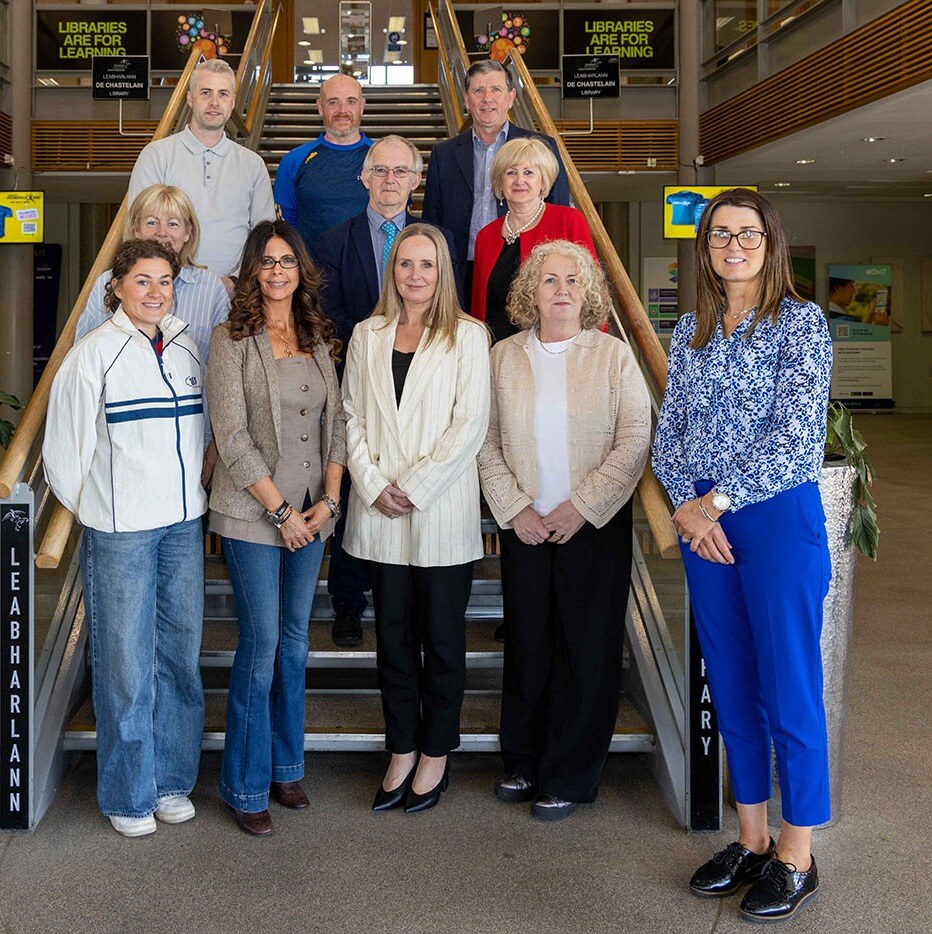
@DkIT_ie are delighted to support & adopt ALTITUDE – the National Charter for Universal Design in Tertiary Ed – & join the national call for institutions & agencies to work towards a more universally designed tertiary ed system - tinyurl.com/584vwc8d. @aheadireland @hea_irl

4
9
460
2 Apr 2025
In just 3 words.. "Bureaucracy kills innovation"... room for thought here for thoae of us in #highereducation
inc.com/kit-eaton/in-just-3-…
1
93
27 Mar 2025
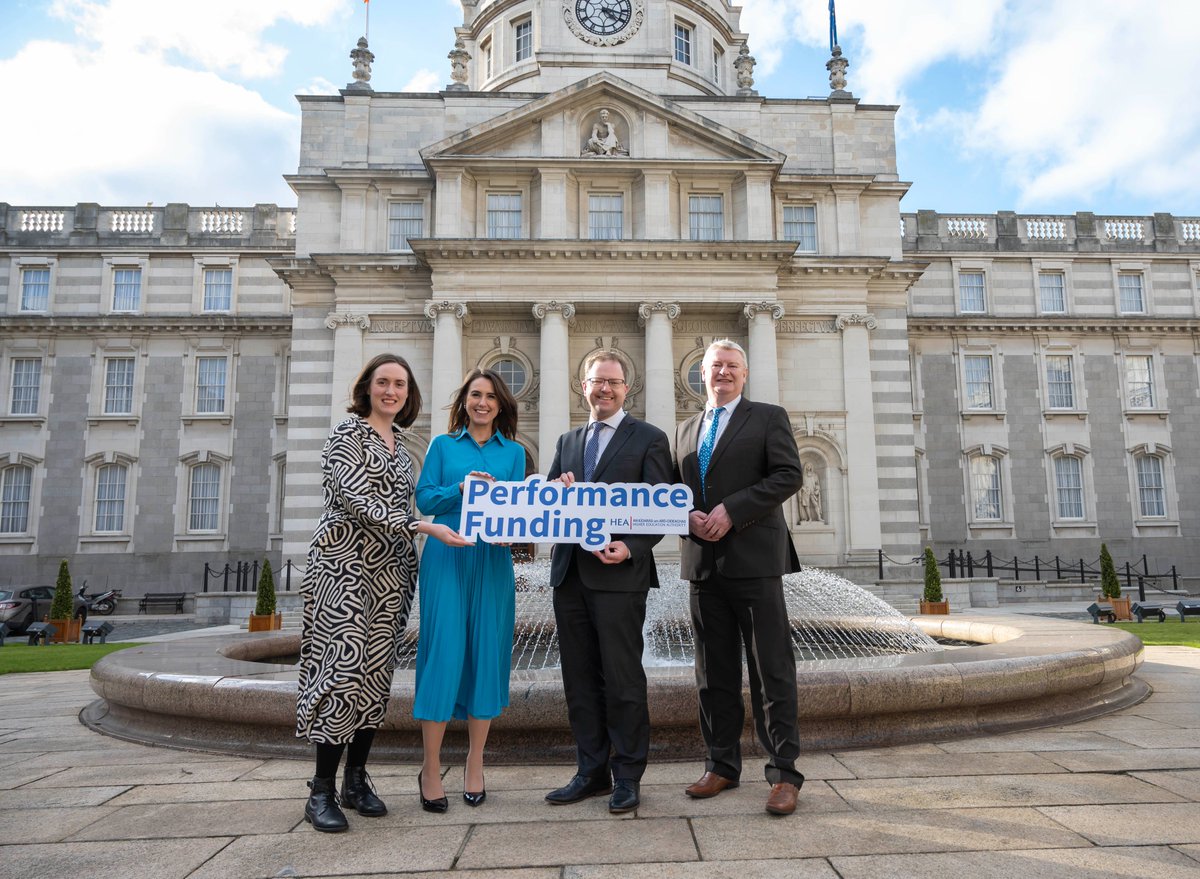
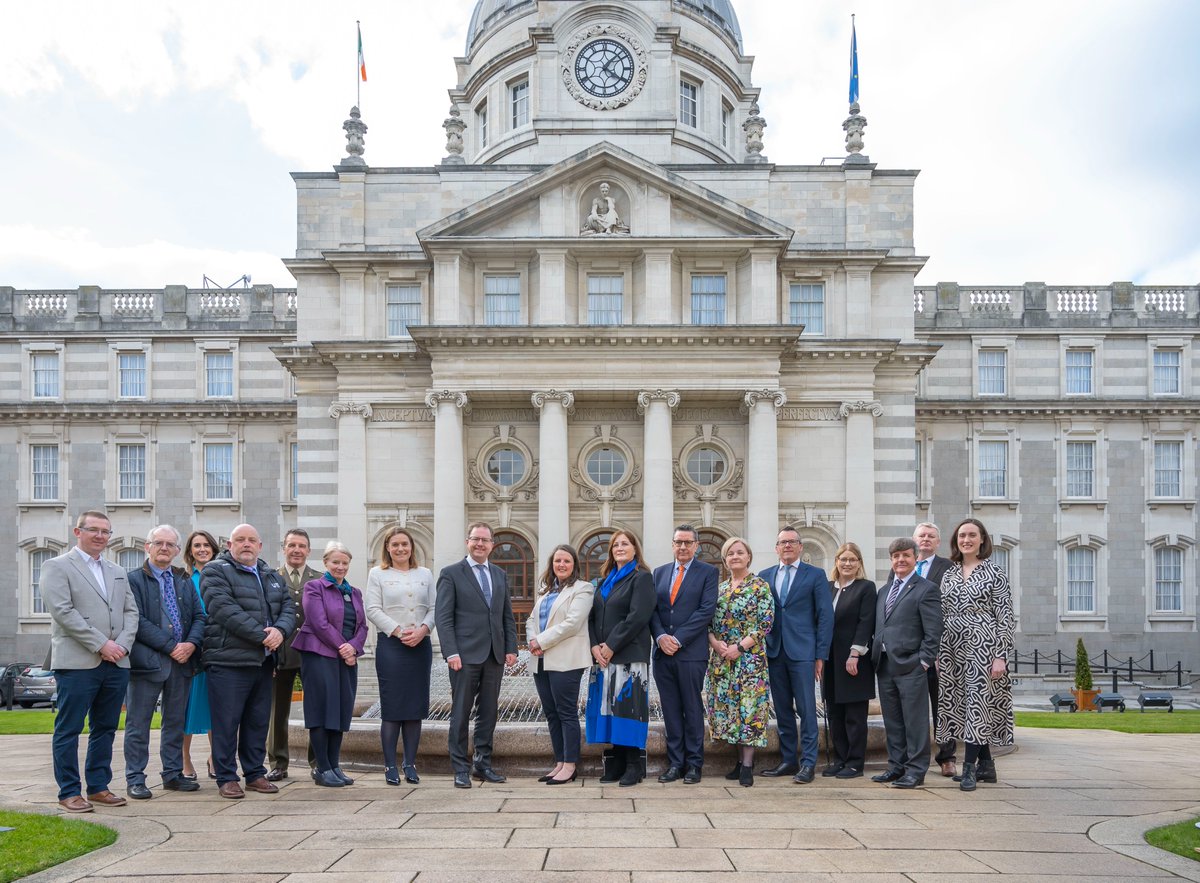
Fantastic initiative from HEA. Great work by Patricia, Johdi and Brian for @DkIT_ie

Five higher education institutions — @atu_ie, @DCU, @DkIT_ie, @SETUIreland, & @WeAreTUDublin — have been allocated performance funding awards totalling €5 million in recognition of contributions to national priorities @DeptofFHed
Read the press release: tinyurl.com/3pz4szxp
1
4
353
Diarmuid O'Callaghan retweeted

16 Mar 2025
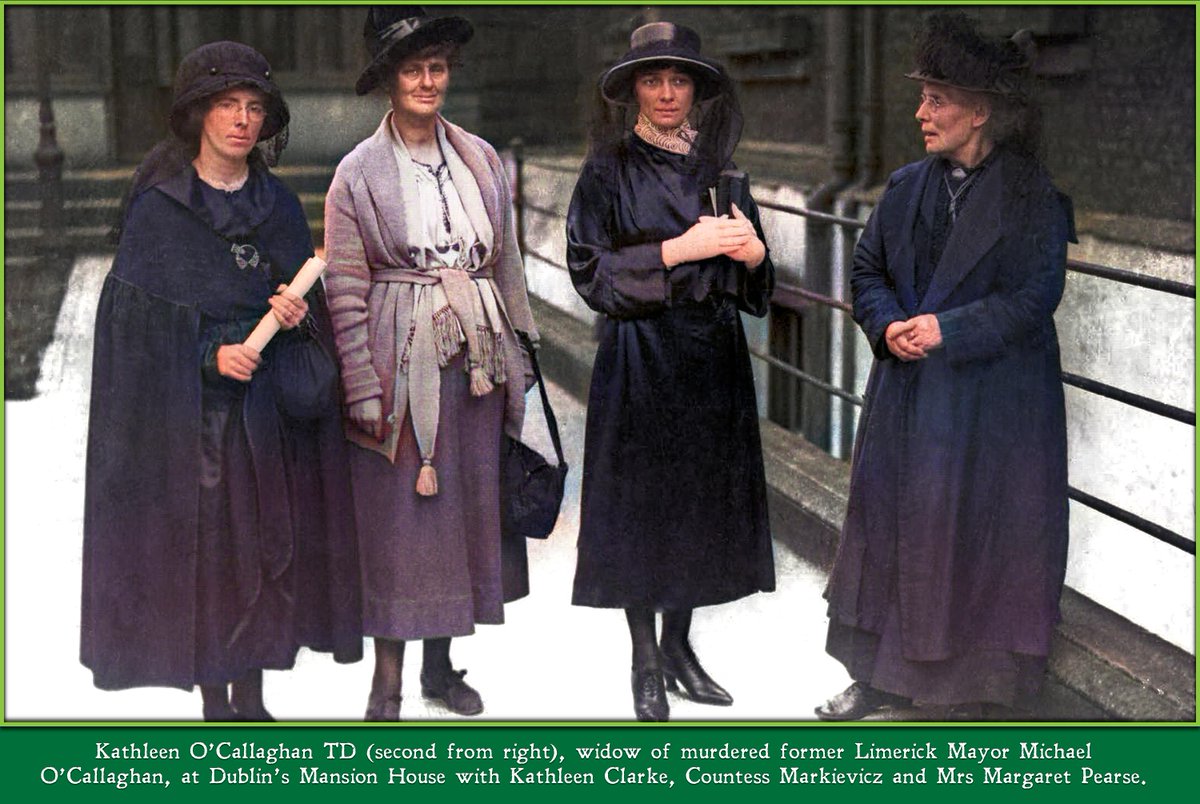
Former Sinn Féin TD and academic Kathleen O'Callaghan passed away in St. John’s Hospital on this day 1961. She was an advocate for women's rights and a senior lecturer at Mary Immaculate College. She had married Mayor Michael O'Callaghan, who was murdered in her presence in 1921.
1
9
552
12 Mar 2025
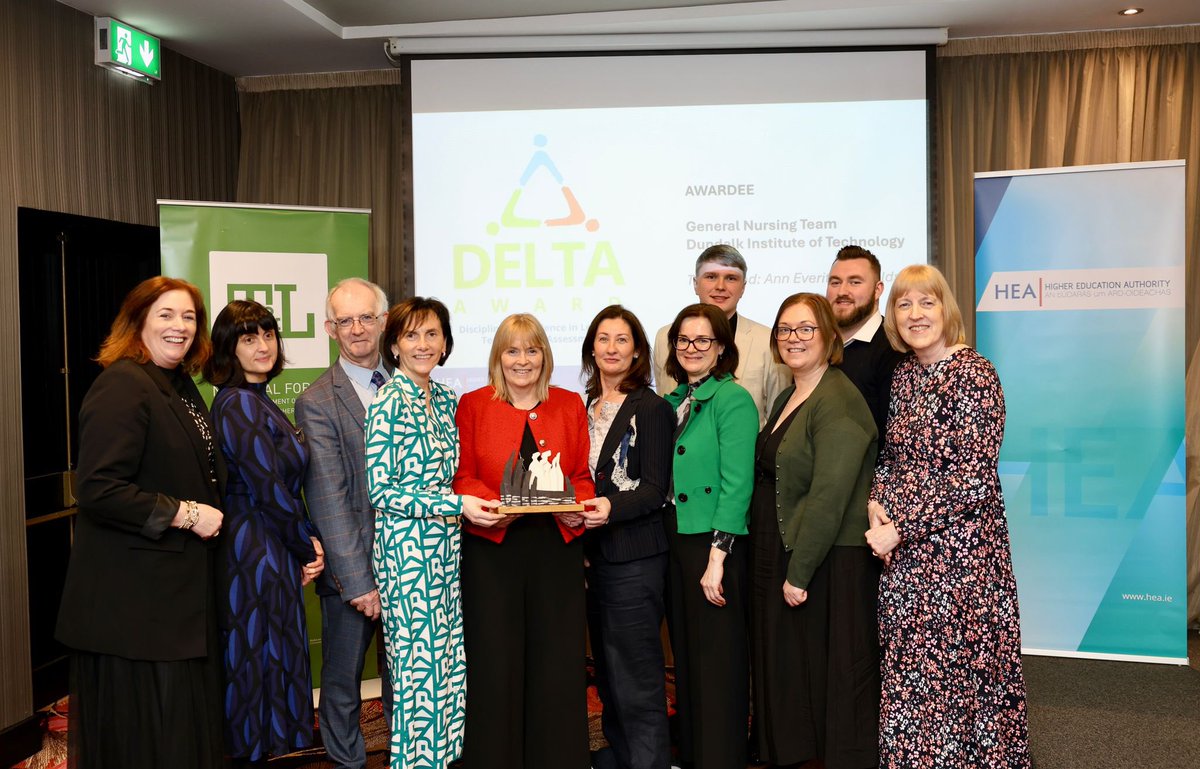
Recognition today for the great work of a fantastic team of staff and students in @DkIT_ie Great work @EverittReynolds and your colleagues.
12 Mar 2025

General Nursing Team @DkIT_ie has received the DELTA Award for excellence in teaching, learning, and assessment. Through collaboration with clinical partners, staff, and students, the team promotes inclusive, innovative, and student-centred nursing education.
3
13
675
Diarmuid O'Callaghan retweeted
12 Mar 2025
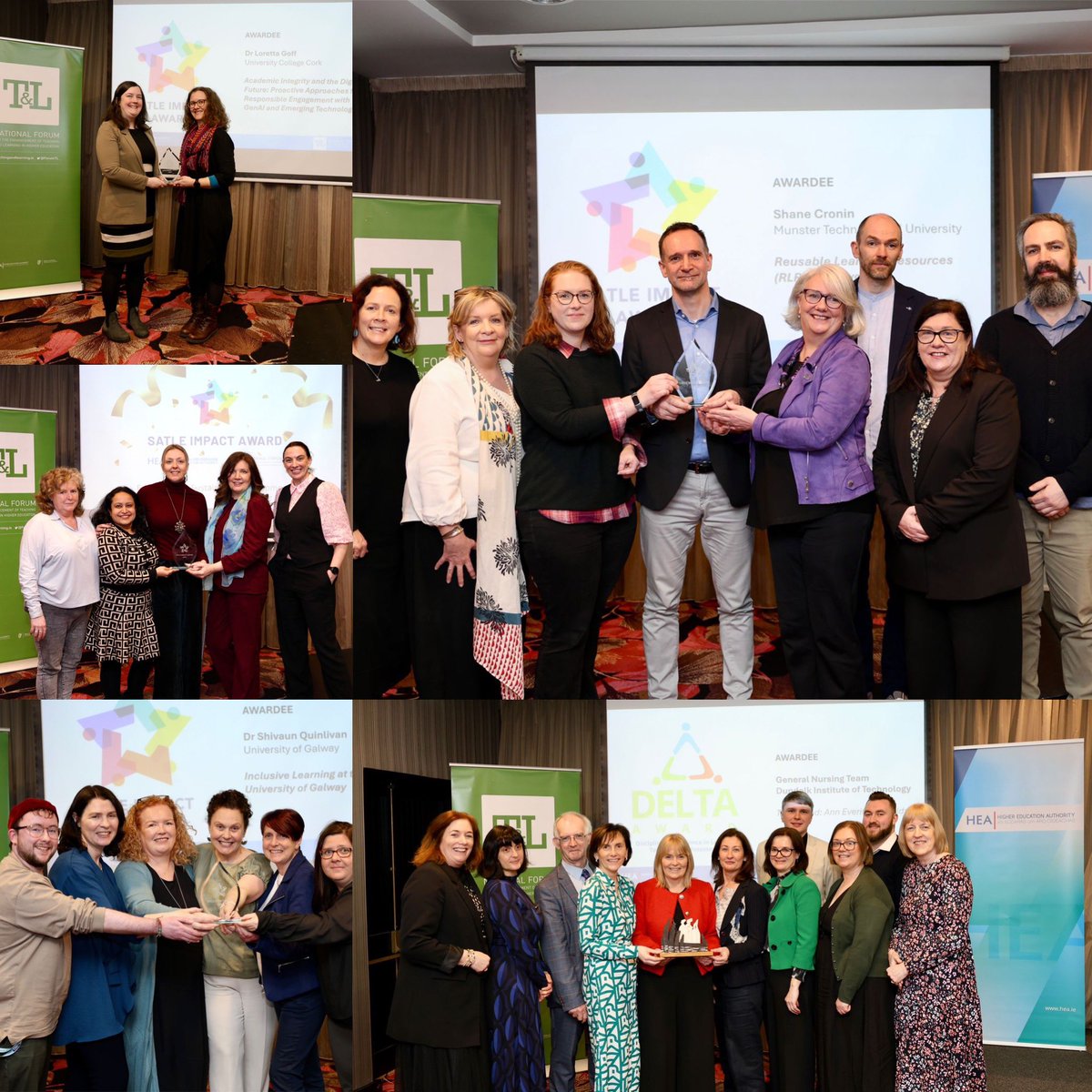
Today, @hea_irl hosted the National Teaching and Learning Awards to celebrate excellence in higher education teaching and learning. Congratulations to the recipients of the DELTA and the SATLE Awards. teachingandlearning.ie/2025/…
1
4
23
1,226
10 Mar 2025
10 Mar 2025

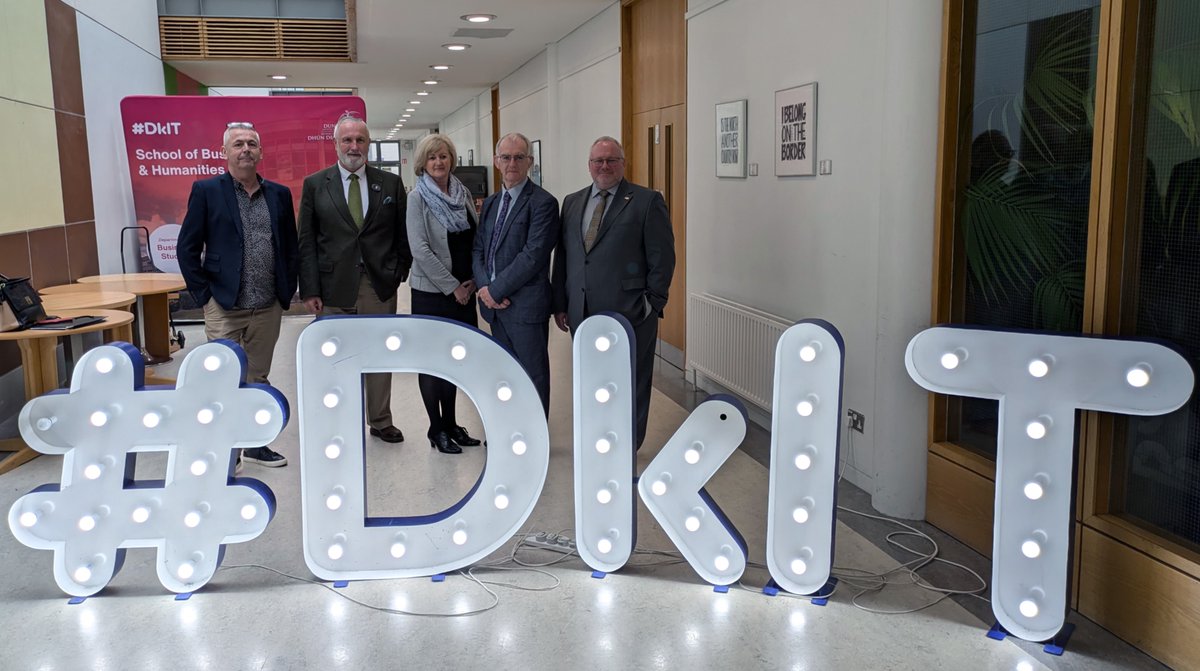
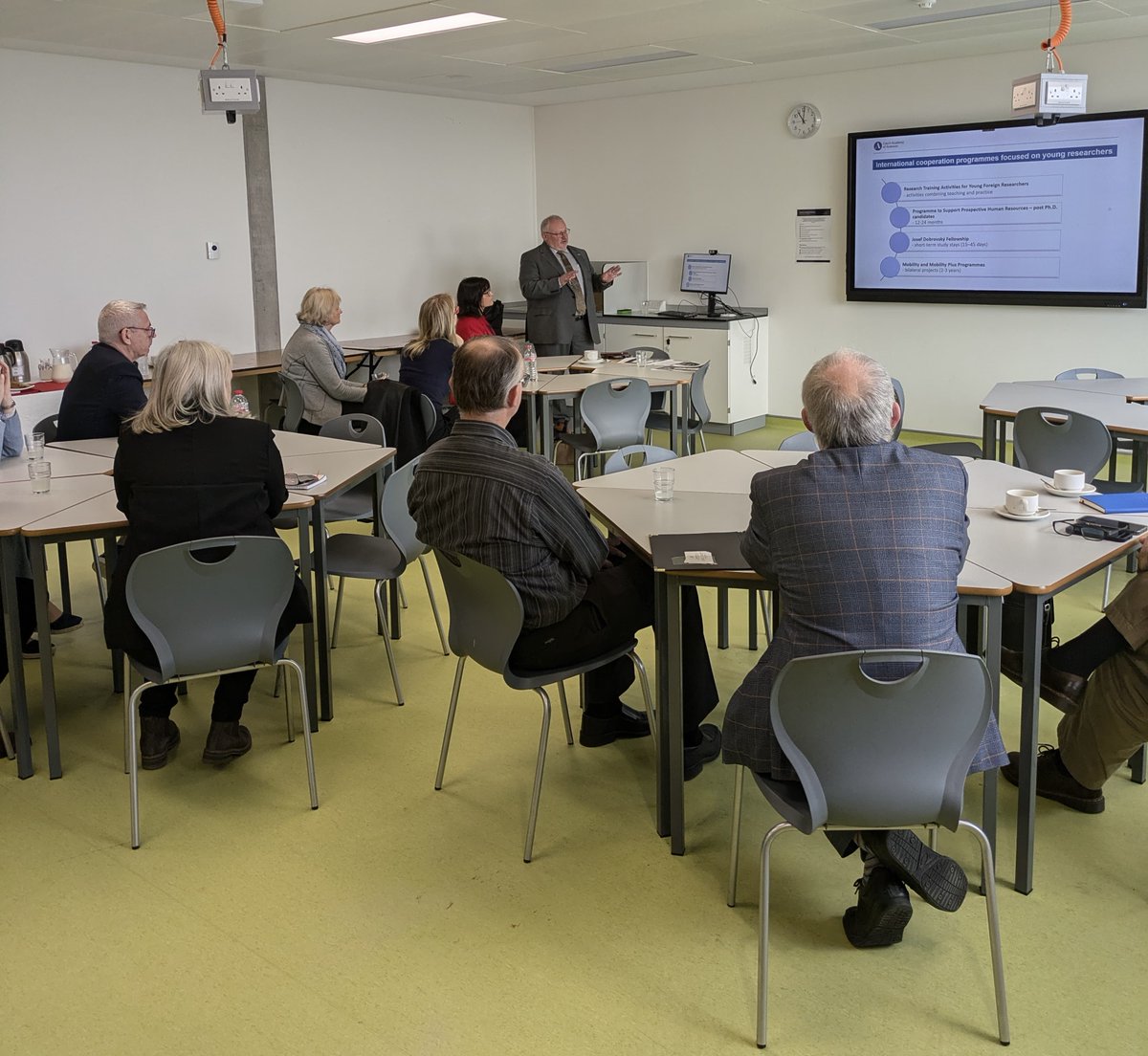
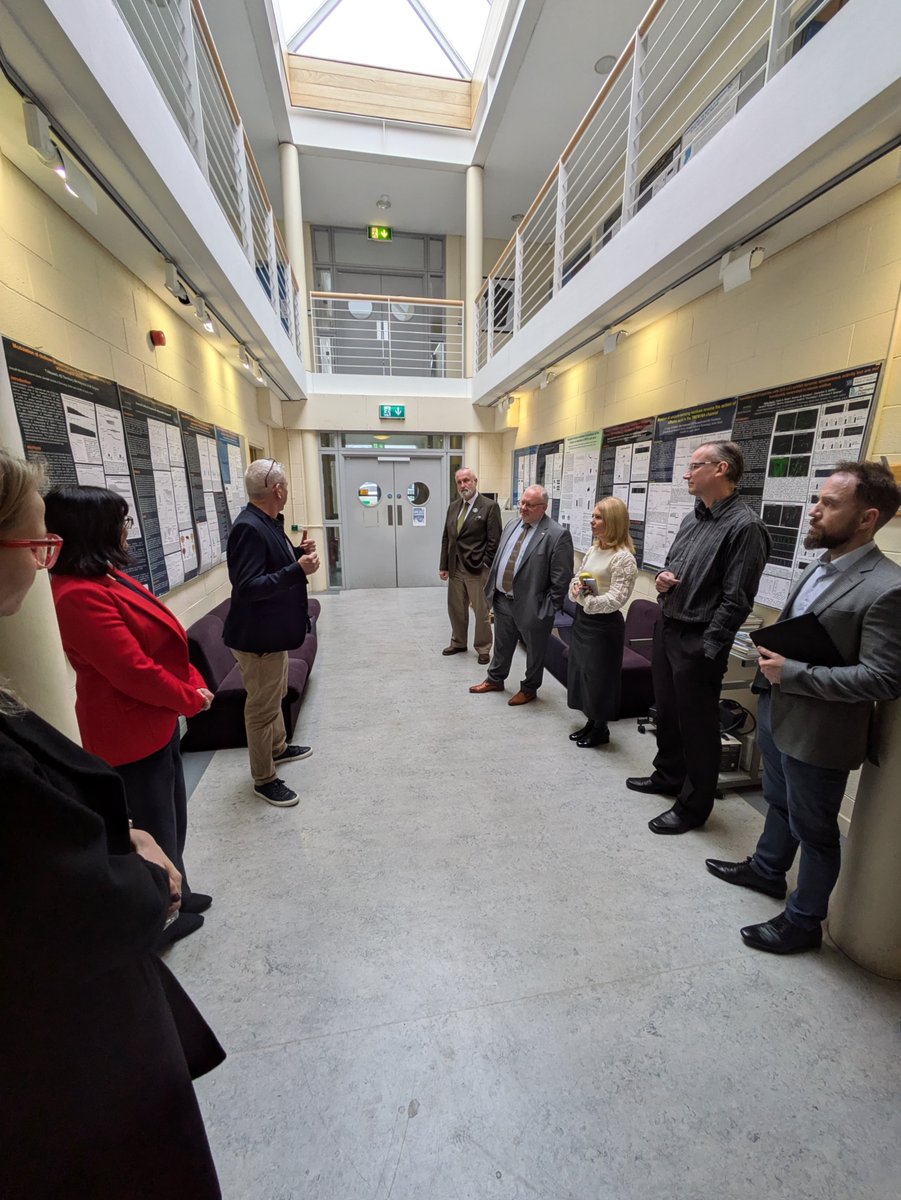
At the epicentre of the #Dublin – #Belfast economic corridor, we were hosted at Dundalk Institute of Technology, where we thoroughly discussed our roles in research and development as well as future 🇮🇪🤝🇨🇿 collaboration between @DkIT_ie and @Akademie_ved_CR institutes. DkIT covers a broad range of disciplines ranging from health and life sciences, through engineering and informatics to humanities and creative arts.
We thank Dr. Diarmud O’Callaghan, @DkIT President, Dr. Sheila Flanagan, DkIT Vice President for Academic Affairs, Dr. Moira Maguire, Head of School of Health & Science, and their colleagues for warm welcome and quite interesting and very informative tour around individual departments, and @czechembassyie for facilitating the meeting.
@DOC_DkIT @Manarola @pkvosalik #ScienceDiplomacy #ResearchSecurity
6
144
Diarmuid O'Callaghan retweeted

10 Mar 2025
At the epicentre of the #Dublin – #Belfast economic corridor, we were hosted at Dundalk Institute of Technology, where we thoroughly discussed our roles in research and development as well as future 🇮🇪🤝🇨🇿 collaboration between @DkIT_ie and @Akademie_ved_CR institutes. DkIT covers a broad range of disciplines ranging from health and life sciences, through engineering and informatics to humanities and creative arts.
We thank Dr. Diarmud O’Callaghan, @DkIT President, Dr. Sheila Flanagan, DkIT Vice President for Academic Affairs, Dr. Moira Maguire, Head of School of Health & Science, and their colleagues for warm welcome and quite interesting and very informative tour around individual departments, and @czechembassyie for facilitating the meeting.
@DOC_DkIT @Manarola @pkvosalik #ScienceDiplomacy #ResearchSecurity
2
7
635
Diarmuid O'Callaghan retweeted

9 Mar 2025
People who can’t handle criticism are unfit to lead.
Weak leaders silence their critics to shield their egos. They fear dissent as a threat to their power.
Strong leaders silence their egos to learn from their critics. They welcome dissent as an opportunity for growth.
119
1,033
4,240
196,724
Diarmuid O'Callaghan retweeted
7 Mar 2025
On this day in 1921,
Mayor of Limerick George Clancy, former Mayor of Limerick Michael O’Callaghan and IRA Volunteer Joseph O'Donoghue were murdered in their homes.
Digital Exhibit on the Limerick Curfew Murders:
limerick.ie/sites/default/fi…

7
25
1,449
Diarmuid O'Callaghan retweeted

7 Mar 2025
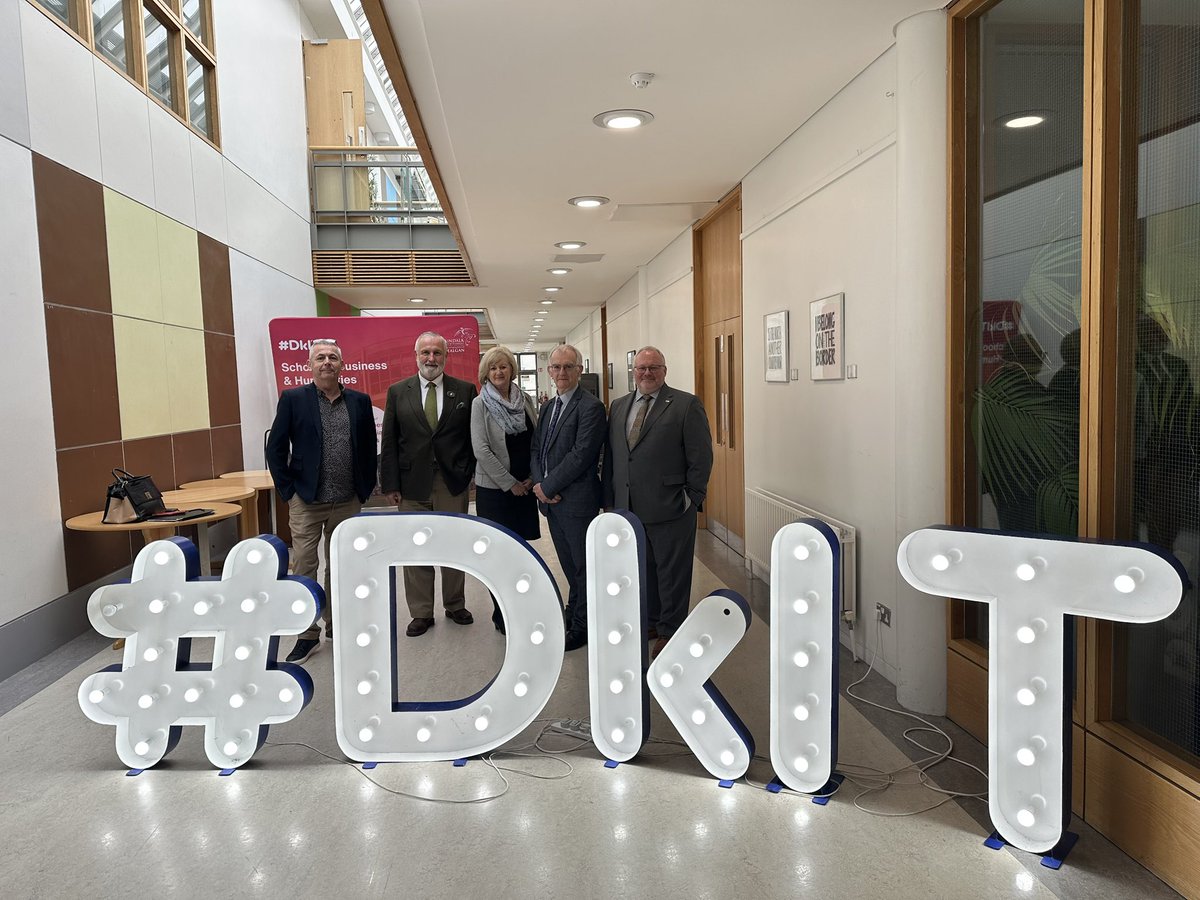
Delighted to host the Czech ambassador Pavel Vošalík along with Prof David Honys and his team from the Czech Academy of Sciences today @CzechAcademy @DkIT_ie
2
6
224