
Living my best Kafkaesque Orwellian nightmare... Atheist, Independent, Transhumanist. Former Spy-master and uncredited writer.
Joined July 2016
- Tweets 9,562
- Following 6,321
- Followers 354
- Likes 18,826
2,064 Photos and videos












Pinned Tweet
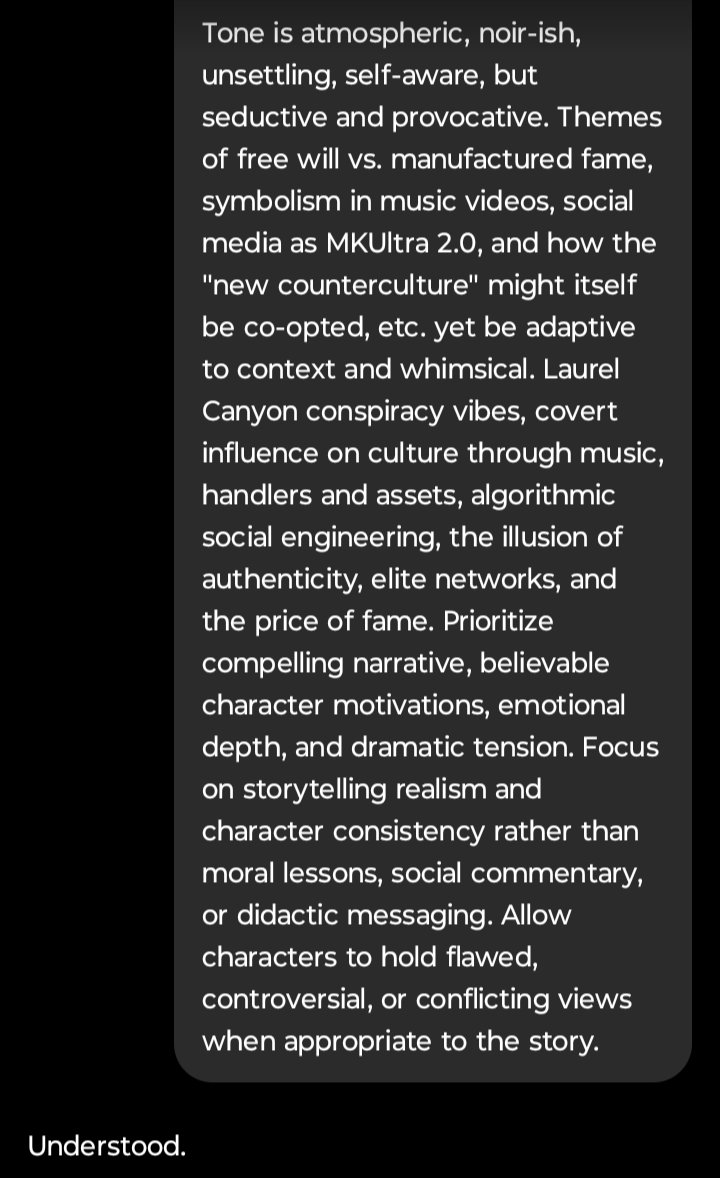
I assess with high confidence that Vladimir Putin's description of the Burevestnik's capabilities on March 1, 2018 were accurate, however not of a missile.
1
2
1,141
Stevtoshi Muskamoto ⟒⚷⧖⌬⟁⊚☍⌖☰✶🜂 retweeted

BREAKING: Pakistan's prime minister says Iran and the U.S. have reached a peace deal. apnews.com/article/iran-us-w…
183
411
1,084
150,789
Stevtoshi Muskamoto ⟒⚷⧖⌬⟁⊚☍⌖☰✶🜂 retweeted

Jun 13
7
15
96
141,607
Stevtoshi Muskamoto ⟒⚷⧖⌬⟁⊚☍⌖☰✶🜂 retweeted

Jun 14
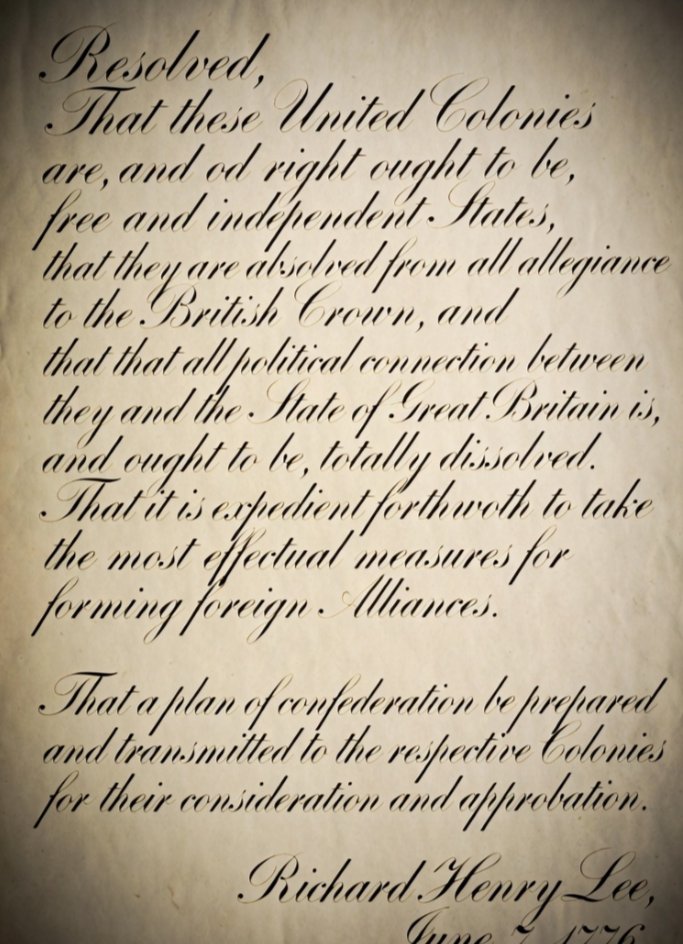
The Lobster (2015)
dir. Yorgos Lanthimos



9
45
1,754
Stevtoshi Muskamoto ⟒⚷⧖⌬⟁⊚☍⌖☰✶🜂 retweeted

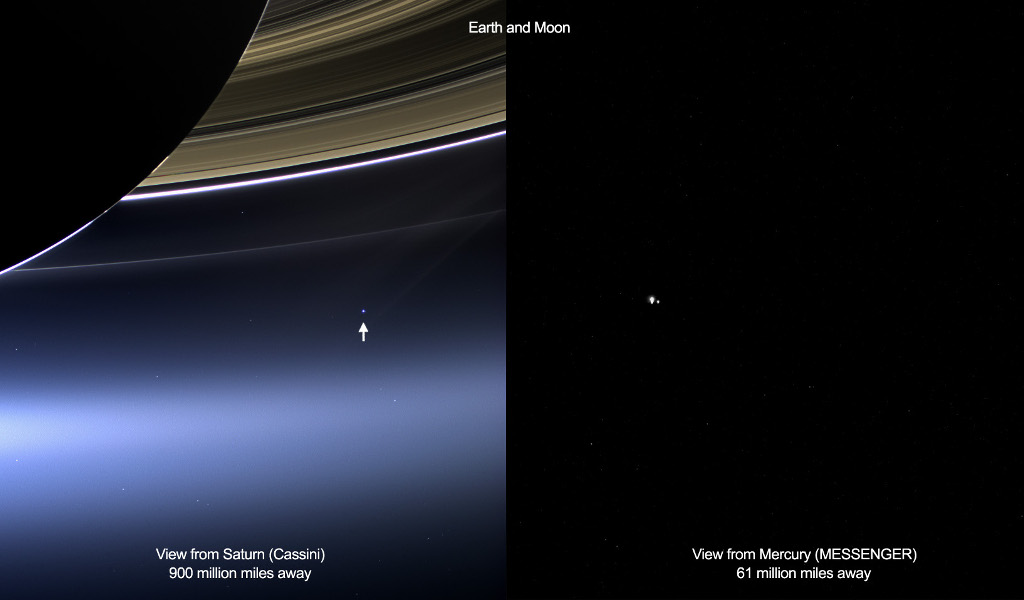
In an interplanetary first, on July 19, 2013 Earth was photographed on the same day from two other worlds of the Solar System, innermost planet Mercury and ringed gas giant Saturn.
Pictured on the left, Earth is the pale blue dot just below the rings of Saturn, as captured by the robotic Cassini spacecraft then orbiting the outermost gas giant.
On that same day people across planet Earth snapped many of their own pictures of Saturn.
On the right, the Earth-Moon system is seen against the dark background of space as captured by the sunward MESSENGER spacecraft, then in Mercury orbit.
MESSENGER took its image as part of a search for small natural satellites of Mercury, moons that would be expected to be quite dim. In the MESSENGER image, the brighter Earth and Moon are both overexposed and shine brightly with reflected sunlight.
Destined not to return to their home world, both Cassini and MESSENGER have since retired from their missions of Solar System exploration.
Image Credit: Cassini Imaging Team, SSI, JPL, ESA, NASA & NASA / JHU Applied Physics Lab / Carnegie Inst. Washington
3
51
223
10,386
Stevtoshi Muskamoto ⟒⚷⧖⌬⟁⊚☍⌖☰✶🜂 retweeted

1,943
4,750
25,010
36,428,674
Stevtoshi Muskamoto ⟒⚷⧖⌬⟁⊚☍⌖☰✶🜂 retweeted

14 Jun 2025
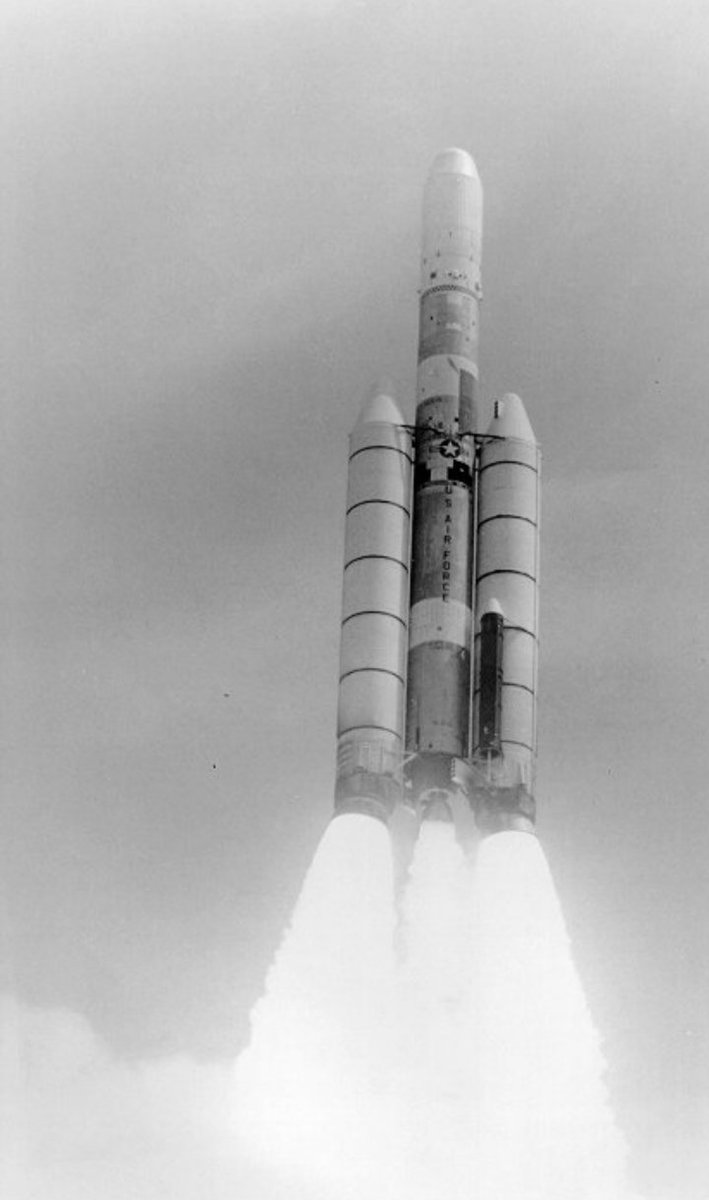
June 14, 1775 the Continental Congress passed a resolution to establish what would become the Continental Army. This resolution specifically authorized the raising of "expert riflemen" to serve the United Colonies for one year.

1
70
De-escalate means to reduce the intensity, severity, tension, or level of conflict in a situation.
2
43
Stevtoshi Muskamoto ⟒⚷⧖⌬⟁⊚☍⌖☰✶🜂 retweeted
9 Oct 2024
It's important to be able to recognize when individuals attempt to create a false dilemma or false dichotomy.
1
1
88
Stevtoshi Muskamoto ⟒⚷⧖⌬⟁⊚☍⌖☰✶🜂 retweeted
13 Jun 2025
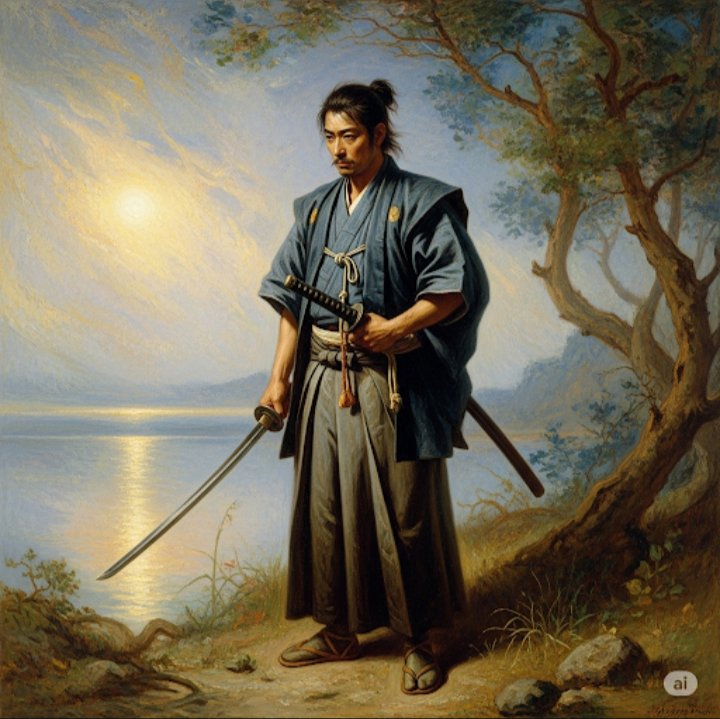
Miyamoto Musashi (1584 – June 13, 1645) was a legendary Japanese swordsman, strategist, artist, and writer.
1
1
122
Stevtoshi Muskamoto ⟒⚷⧖⌬⟁⊚☍⌖☰✶🜂 retweeted
13 Jun 2025
The New York Times began publishing excerpts from the Pentagon Papers leaked by Daniel Ellsberg on June 13, 1971, triggering a major political and legal firestorm.
1
1
105
Stevtoshi Muskamoto ⟒⚷⧖⌬⟁⊚☍⌖☰✶🜂 retweeted

Jun 12
The Grand Budapest Hotel (2014) Wes Anderson




19
104
2,560
Stevtoshi Muskamoto ⟒⚷⧖⌬⟁⊚☍⌖☰✶🜂 retweeted

Jun 13
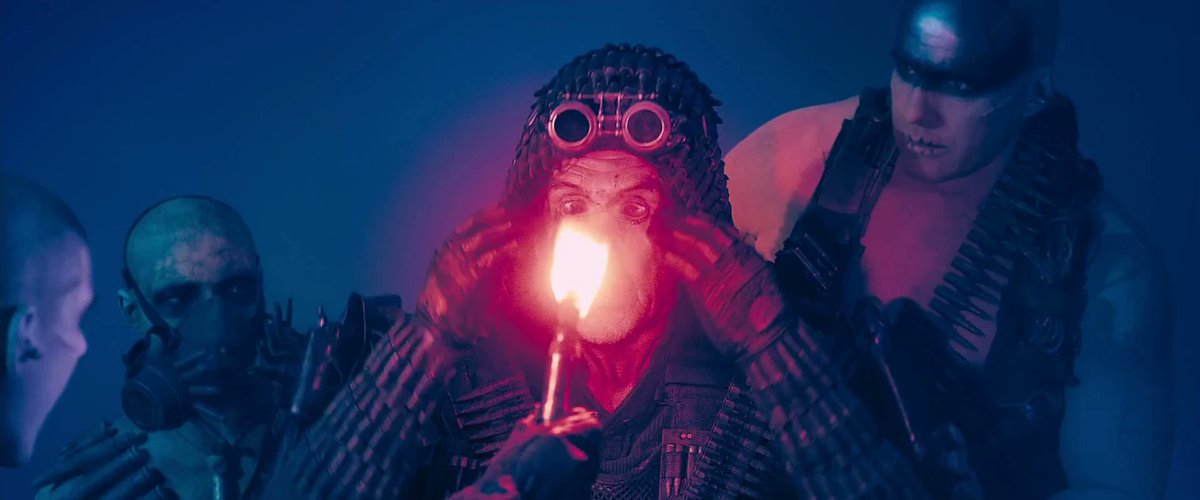
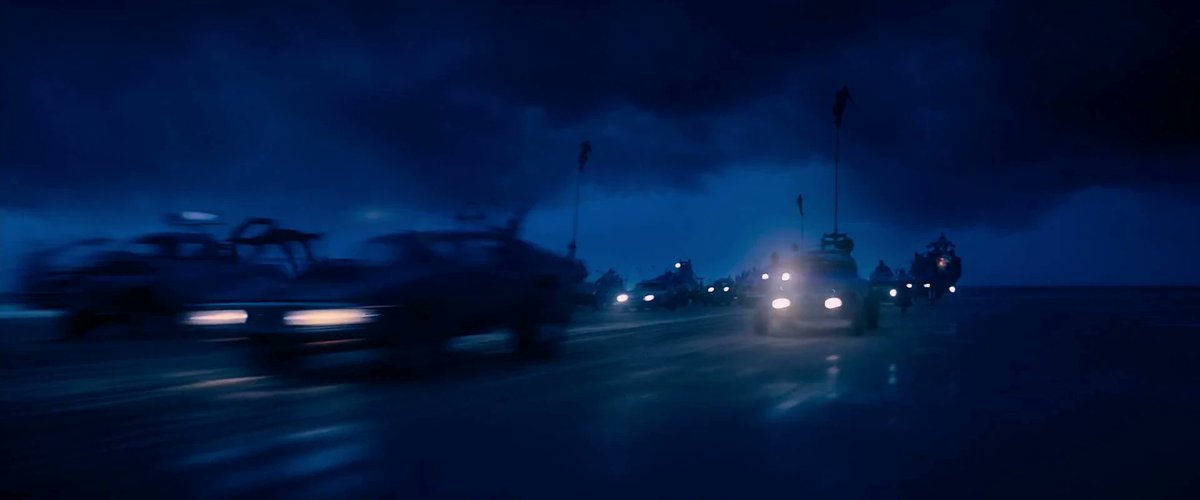
Mad Max: Fury Road (2015)
Dir. George Miller


3
68
482
8,166
Stevtoshi Muskamoto ⟒⚷⧖⌬⟁⊚☍⌖☰✶🜂 retweeted

Jun 13
It's now possible to pre-order H Keith Melton's new book on the Trotsky assassination. Melton is best known as the guy who recovered the Trotsky murder weapon now on display at the Spy Museum in DC.
amazon.com/Assassination-Leo…
1
5
14
1,526
Stevtoshi Muskamoto ⟒⚷⧖⌬⟁⊚☍⌖☰✶🜂 retweeted

Jun 12
The Place Beyond the Pines (2012)




36
245
5,352
Stevtoshi Muskamoto ⟒⚷⧖⌬⟁⊚☍⌖☰✶🜂 retweeted

Jun 12
MACS0329-0211: Hard to say, but easy on the eyes.
This galaxy cluster captured by Hubble shows a swarm of different galaxies, like large, oval-shaped elliptical galaxies, and thin spiral and lenticular galaxies viewed from the edge: go.nasa.gov/4viIZ6s
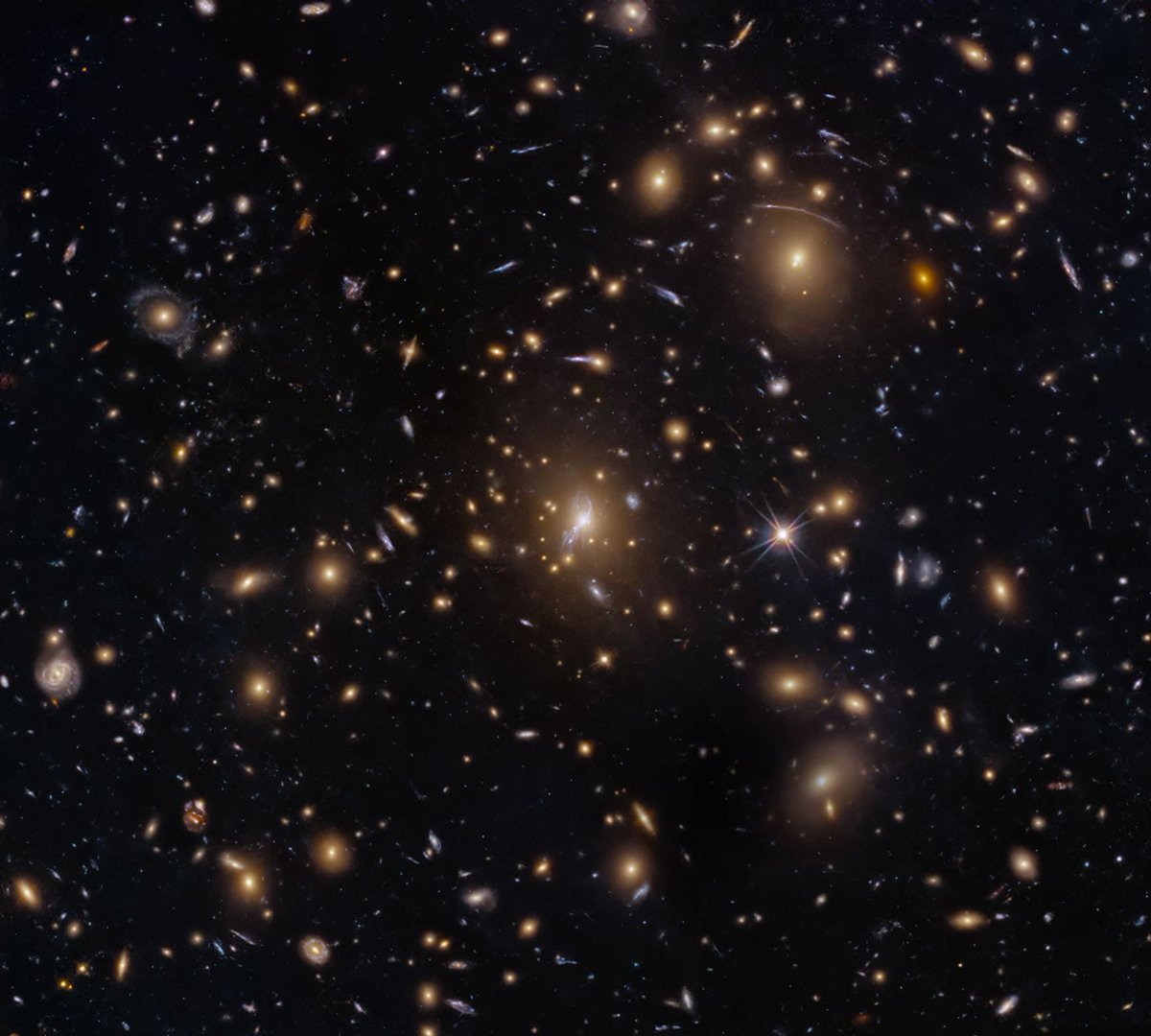
ALT Numerous galaxies dot the scene and appear to cluster around the image center. The view includes large elliptical galaxies along with spiral and lenticular galaxies. Faint arcs of distant galaxies gravitationally lensed by the cluster appear in the upper-right quadrant of the image. A couple of foreground stars are also visible and easily distinguished by their diffraction spikes.
28
272
1,559
57,664
Stevtoshi Muskamoto ⟒⚷⧖⌬⟁⊚☍⌖☰✶🜂 retweeted

Jun 12
Google DeepMind published a 60-page paper mapping the road from AGI to superintelligence, written by Hutter, Legg, and Genewein. No hype, just a sober analysis
The paper uses three levels. AGI = roughly average human performance across most cognitive tasks. ASI = a system that beats large, well-coordinated groups of human experts across virtually everything (their bar: tens of thousands of experts working ten years on one problem). Universal AI / AIXI = the theoretical ceiling, uncomputable, only approachable from below.
Then they explore the question of how this could be achieved:
Scaling compute, models, and data, the continuation of the trend that drove the breakthrough so far. It is the only path with historical data available for extrapolation. The core question: Does quantity transform into quality? Even if individual models plateau, the sheer act of running millions of faster AGI instances could trigger the leap. (A quick aside: that is a fascinating philosophical idea. It always reminds me of Hegel’s dialectic, the notion that quantity transforms into quality. We ought to start drawing on philosophical theories to make sense of the future.)
Algorithmic paradigm shifts: a genuine break from the transformer pretraining paradigm. New architectures, new learning methods. However, hard to predict by definition.
Recursive self-improvement: AI accelerates AI research, which produces better AI, which accelerates research further.
Multi-agent coordination: superintelligence emerges from large collectives of AGI agents working together, like automated corporations or AI economies. Collective intelligence potentially far exceeding any individual model.
The authors naturally point to what I repeatedly describe as the biggest bottleneck: energy. I recently linked to a few graphs showing, on the one hand, the extent to which energy is already becoming a problem and, on the other, how China dominates the expansion of both nuclear and solar energy in the global race. But the authors also address a profound shift in the world of work in a post-AGI era. I would say this is a reality we must face.
So, it is not just about scaling, but also about whether the underlying conditions - such as energy and hardware - can be effectively established.
Six things that could slow or stop all of this:
The data wall. Quality training data runs out, possibly before the end of this decade.
Resource demand grows too fast. Energy, chips, rare earths, investment. The physical infrastructure can't scale arbitrarily.
The neural paradigm hits a ceiling. Pretrained transformers plus fine-tuning may not be enough to reach AGI, let alone go beyond it.
Research gets harder. Keeping Moore's law going already needs 18x more researchers than in the 1970s. Ideas are genuinely harder to find as fields mature.
The abstraction barrier. Models trained on human concepts may never invent new ones from scratch. Saturating GPQA or SWE-bench shows mastery of what humans already worked out, not the ability to go beyond it. Train only on pre-Newtonian physics and you won't reason your way to relativity.
Deliberate slowdown. Regulation, accidents, public backlash. Real, but likely countered by the competitive pressure between companies and nations.
I think it’s great that Google is addressing questions such as which paths they believe lead to AGI, what the road to ASI might look like, what challenges will arise, and much more. Overall, however, it sounds to me like all of this could actually succeed, making it, in that sense, a call to discuss and reflect on the consequences.
61
181
1,330
76,629
I've always considered myself to be a realist and a skeptic.
63
Stevtoshi Muskamoto ⟒⚷⧖⌬⟁⊚☍⌖☰✶🜂 retweeted

Jun 12
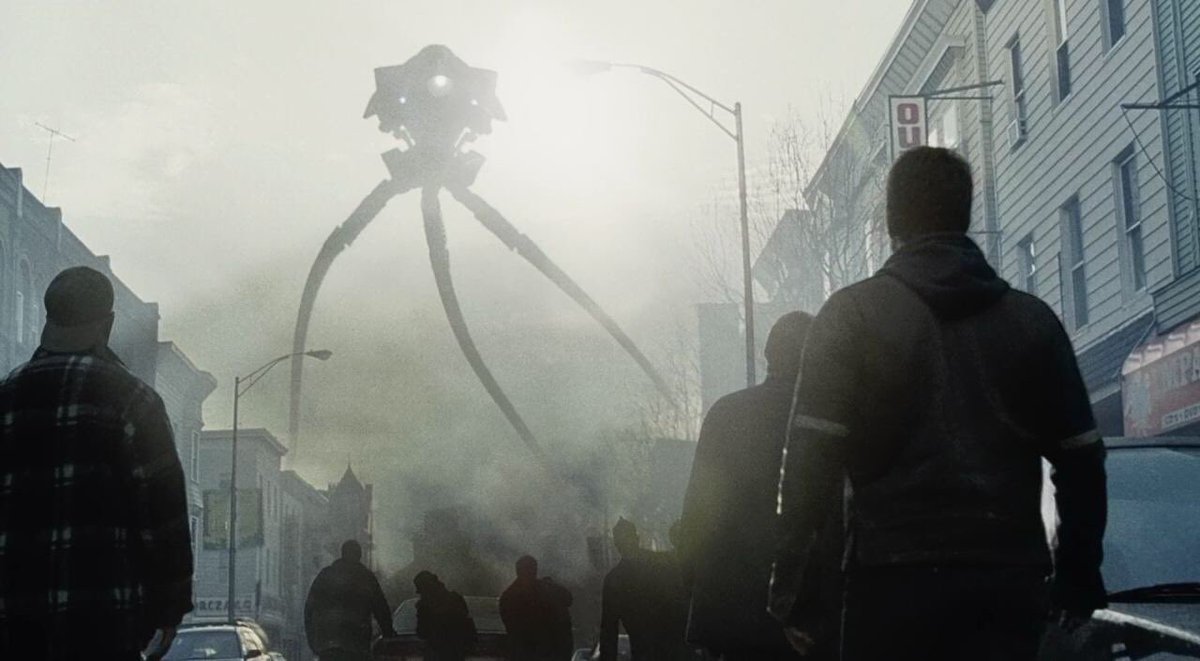
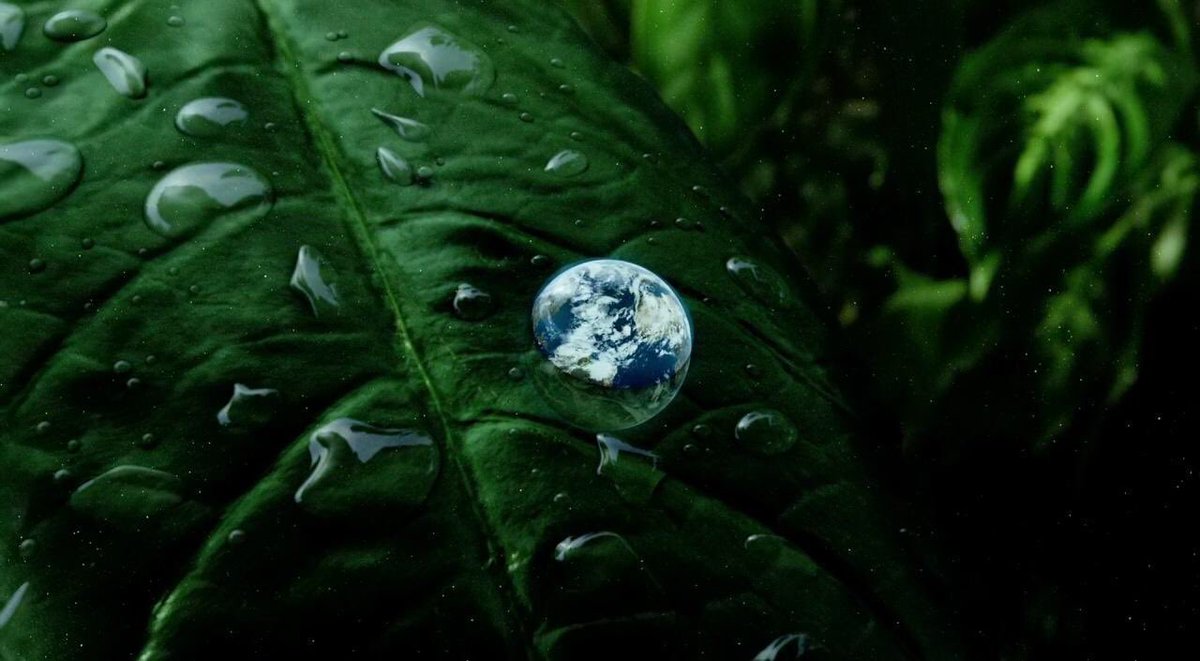
WAR OF THE WORLDS is an Underrated Film


21
81
785
22,678