
PGA. Attempting a lifelong task of organizing a scattered life using Blu-ray and DVD reviews. : "As an Amazon Associate I earn from qualifying purchases."
Joined June 2009
- Tweets 27,269
- Following 868
- Followers 8,414
- Likes 2,742
14,627 Photos and videos








Pinned Tweet

Jan 1
Happy New Year!
Published are our Poll Results of the Best Physical Media of 2025:
dvdbeaver.com/subsite/best_p…
Let's have a super 2026!
Thanks to all those who participated.
Best,
Gary

2
9
27
11,683
DVDBeaver retweeted
Jun 8
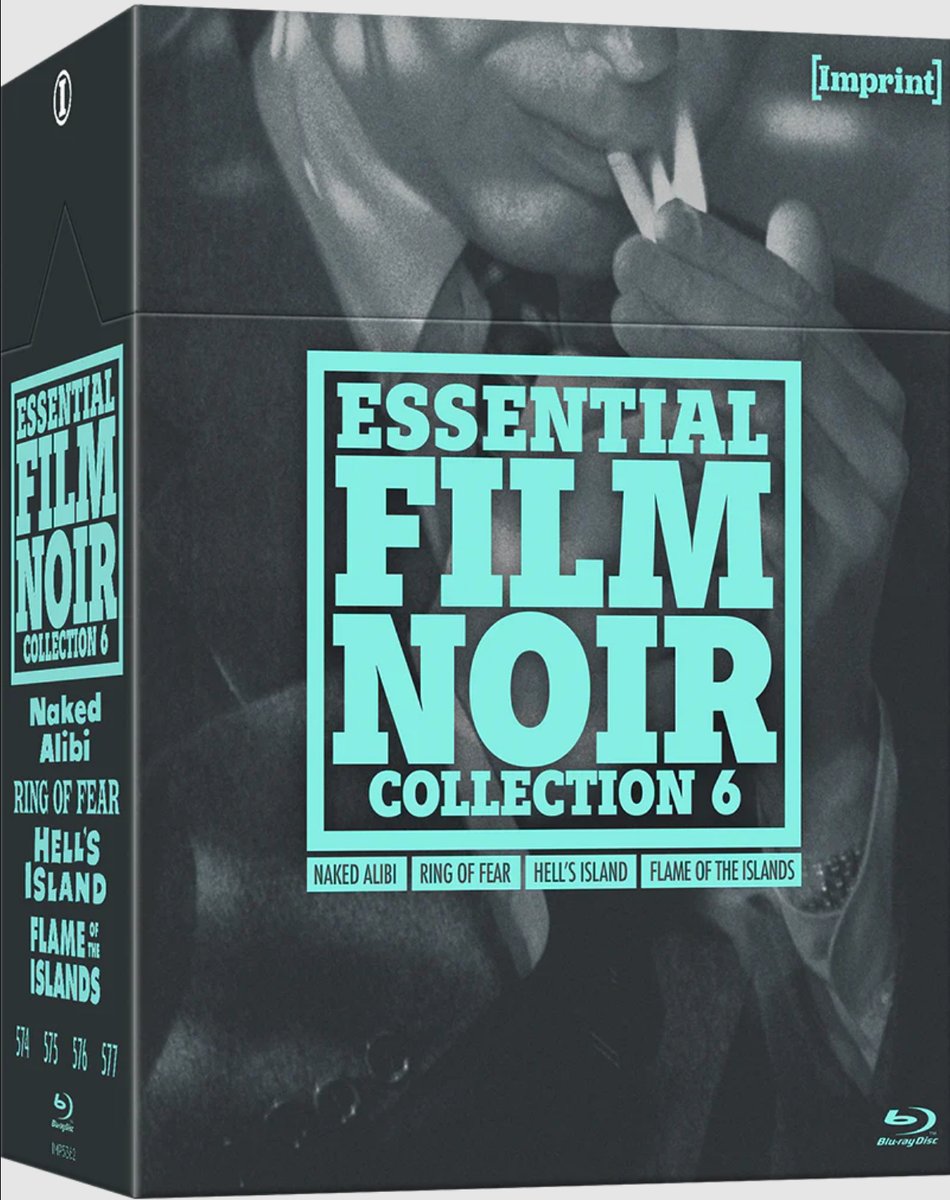
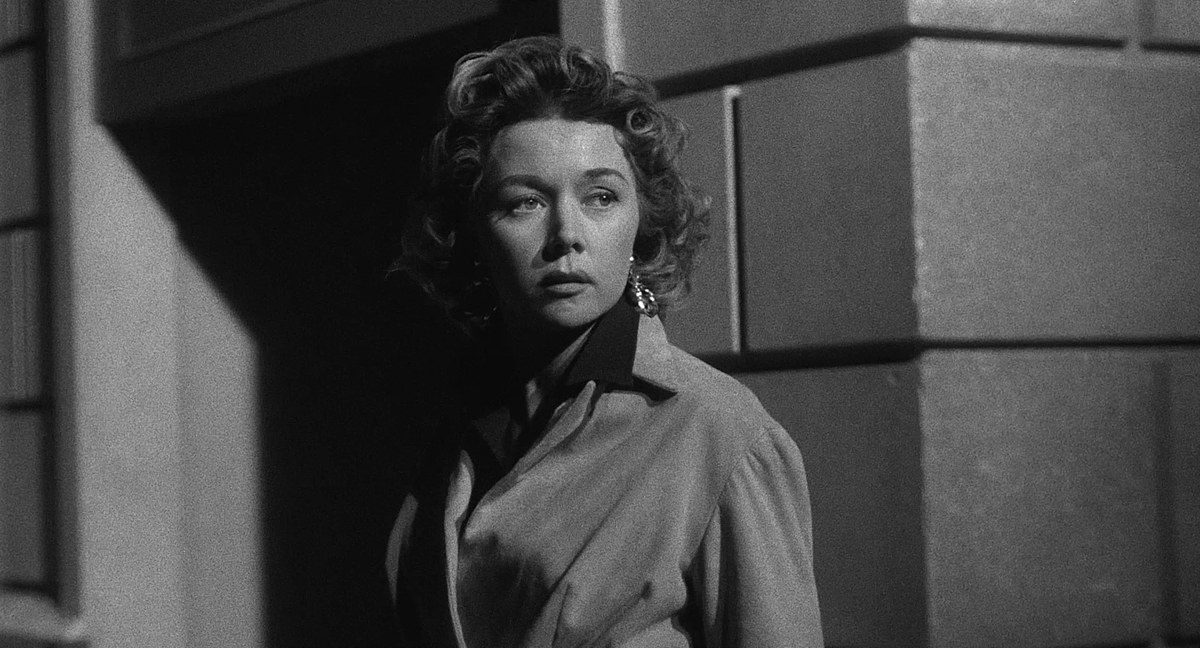
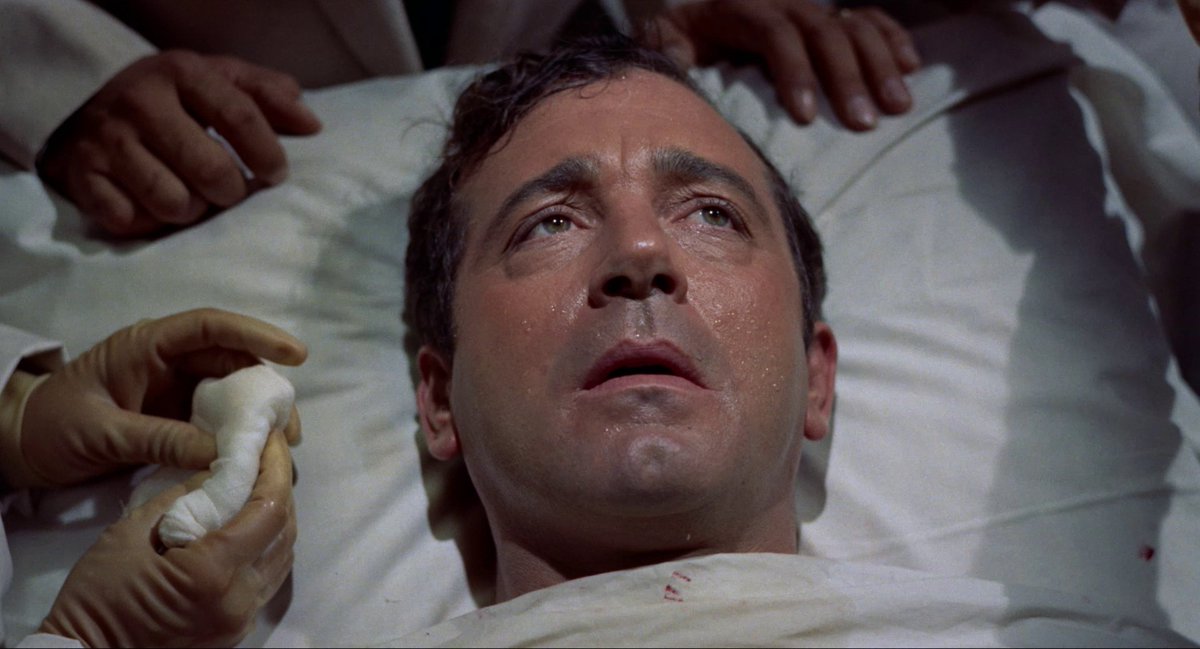
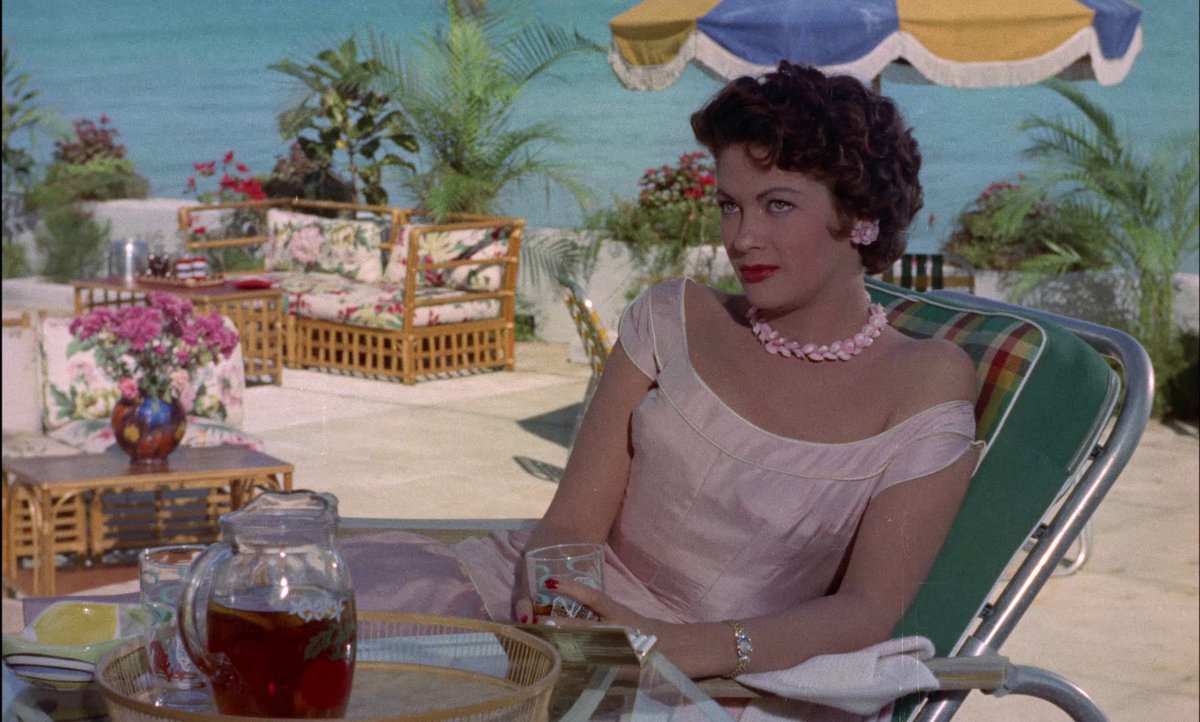
Essential Film Noir: Collection 6 (1954 - 1956) Blu-ray - Sterling Hayden, Gloria Grahame, Yvonne De Carlo, Howard Duff, Zachary Scott, Mickey Spillane, Gene Barry, John Payne, Mary Murphy @imprint_films
US: amzn.to/4g5YREJ
CAN: amzn.to/4uXIXRy
UK: amazon.co.uk/exec/obidos/ASI…
BONUS CAPTURES:
patreon.com/posts/essential-…
OUR REVIEW:
dvdbeaver.com/subsite/film2/…
From the dangerous streets of border towns to the lawless islands of the tropics, no corner of the world is safe from murder, revenge and greed in the sixth collection of Essential Film Noir.
For true lovers of film noir come four must-see tales from the edges of society, three of which are released on Blu-ray for the very first time!
Ring of Fear (1954), Naked Alibi (1954), Hell's Island (1955) and Flame of the Islands (1956)
***
Imprint's Essential Film Noir Collection 6 is a debatable addition for noir enthusiasts, showing glimpses of the cycle's evolution into mid-1950s B-movies with varied settings (border towns, circuses, tropical islands) and a mix of monochrome tension and color exoticism. Naked Alibi stands out as a taut, stylish revenge thriller with powerhouse turns from Sterling Hayden (The Long Goodbye, Dr. Strangelove or: How I Learned to Stop Worrying and Love the Bomb, Terror in a Texas Town, Crime of Passion, 5 Steps to Danger, The Killing, Suddenly, Johnny Guitar, Prince Valiant, Denver & Rio Grande, The Asphalt Jungle) - as a relentless ex-cop - and sultry Gloria Grahame (The Big Heat, The Glass Wall, The Bad and the Beautiful, Sudden Fear, Macao, In a Lonely Place, Crossfire, It's a Wonderful Life, The Nesting, Chilly Scenes of Winter, Blood and Lace, Odds Against Tomorrow, Not as a Stranger, Human Desire, The Good Die Young,) as a nightclub singer, elevated by Metty's chiaroscuro visuals that echo classics like Touch of Evil; it perfectly embodies noir's moral ambiguity and pursuit of justice outside the law. Ring of Fear delivers macabre circus-noir fun with a deranged killer (Sean McClory - Them!, The Quiet Man, Valley of the Dragons, Island in the Sky, Plunder of the Sun, Niagara, Storm Warning,) real-life cameos by Mickey Spillane (The Long Wait,) with animal-trainer, big-top impresario, Clyde Beatty, and pulpy revenge - campy yet gripping in its big-top atmosphere... although, a bona-fide piece of 'dark cinema' - it ain't. Hell's Island (Phil Karlson - 5 Against the House, Framed, Gunman's Walk, Hell to Eternity, Hornet's Nest, Kansas City Confidential, 99 River Street, The Scarface Mob, The Secret Ways, Tight Spot, Wife Wanted, The Phenix City Story,) mixes Maltese Falcon-style treasure intrigue with VistaVision glamour and a slimy villain, offering pre-Bond escapism laced with betrayal. John Payne (The Big Combo, 99 River Street, Hidden Fear, Larceny, The Boss, Silver Lode,) stars in Hell’s Island as Mike Cormack, a tough ex-cop and treasure hunter drawn into a dangerous tropical scheme involving betrayal, stolen emeralds, and double-crosses. Mary Murphy (The Wild One, A Man Alone, The Mad Magician, Make Haste to Live,) plays Janet Martin - the alluring female lead who becomes romantically and perilously involved with Payne’s character amid the film’s pulpy adventure-noir plot. Flame of the Islands is the most melodramatic, carried by, Canuck-born, Yvonne De Carlo's (Buccaneer's Girl, Casbah, Criss Cross, Silver City, Death of a Scoundrel, Band of Angels, McLintock!, Happy Ever After, The Captain's Paradise,) ambitious dreamer amid casino intrigue and past sins, blending racy Code-era thrills with island noir. Howard Duff (Shakedown, Woman in Hiding, Private Hell 36, All My Sons, Spy Hunt, Women's Prison, Johnny Stool Pigeon,) appears in Flame of the Islands as a charming yet opportunistic romantic lead opposite De Carlo, navigating the film's melodramatic mix of passion, crime, and tropical noir entanglements. While far from peak noir (Naked Alibi aside - it's a must-own,) the set's variety, strong performances, and insightful extras make it a vibrant snapshot of the genre's twilight - highly recommended for its three worldwide Blu-ray debuts and overall package. Thumbs down on Ring of Fear but both Hell's Island (strong John Payne, as always) and Flame of the Islands (always hypnotic De Carlo - moving into a midlife stage - but remaining healthy, confident, and alluring with two talented musical numbers) make these worth the indulgence. I'll be keeping this one.
1
9
2,125
DVDBeaver retweeted
Jun 6
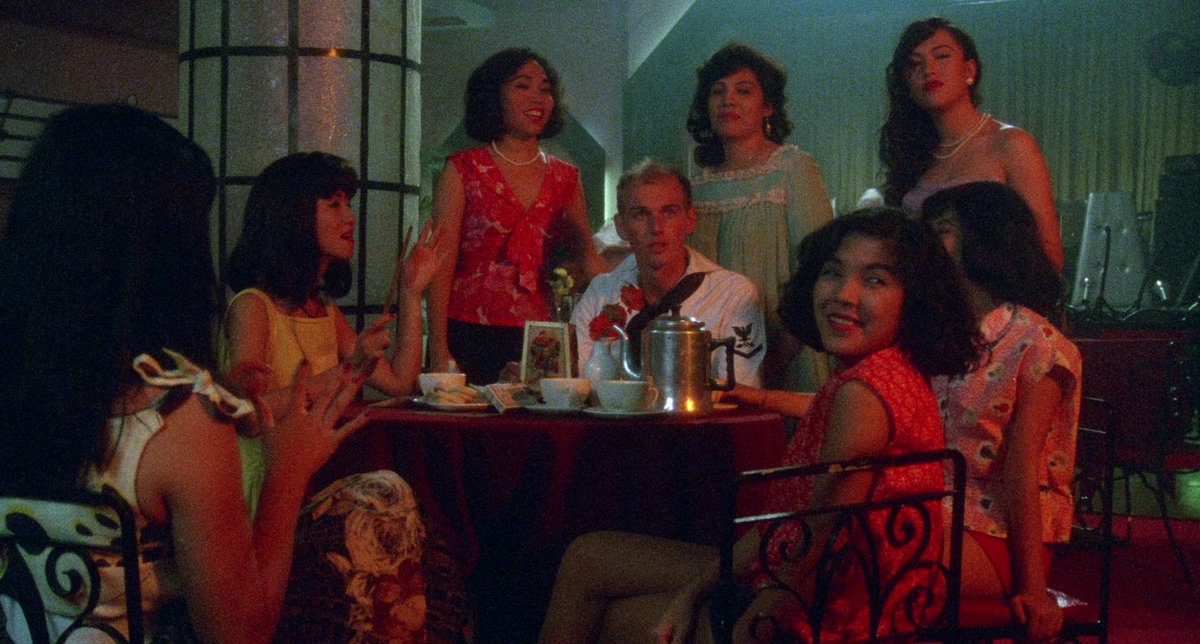
Angie Chen's "My Name Ain't Suzie" Blu-ray - Patricia Ha, Deanie Ip, Anthony Chau-Sang Wong, Angela Yu Chien, Betty Ting Pei @kani_releasing @VinegarSyndrome
US: amzn.to/4xbKftE
BONUS CAPTURES:
patreon.com/posts/angie-chen…
OUR REVIEW:
dvdbeaver.com/subsite/film2/…
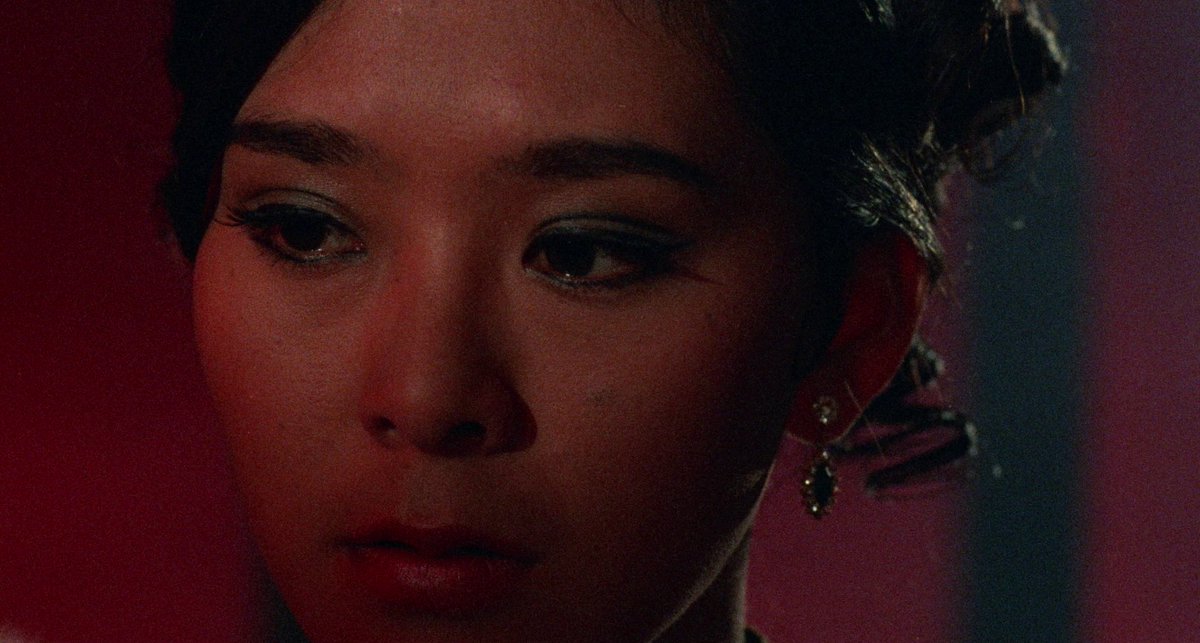
In her ambitious follow up to Maybe It's Love, Angie Chen offers a rebuke to the colonial imagination of films such as The World of Suzie Wong (1960). Instead, she brings the Hong Kong of the 50s and 60s to life on her own terms with the story of Shui-Mei (Patricia Ha), a “salt water girl” from the outskirts of the city, who finds a way out of poverty in the Red Light district of Wan Chai, Hong Kong. Over the years, she rises through the ranks, discovering a world of equal hardship and sisterly camaraderie, where colourful characters abound – among them Jimmy (Anthony Wong, in his debut role), a mixed-race kid looking for his father in the crowd of thirsty American sailors. Penned by John Chan Koon Chung (My Heart Is That Eternal Rose,) My Name Ain't Suzie brings a New Wave sensibility to the waning years of the Shaw Brothers Studio with a decade spanning epic that resourcefully reconstructs a bygone era of Cantonese cinema. A rags-to-riches story blending romance and brothel drama, Chen’s film is above all a tale of feminine resilience at the nexus of historical events and shifting colonial powers.
***
Angie Chen's My Name Ain't Suzie stands as a landmark feminist intervention in Hong Kong cinema. It directly challenges the exoticized, male-gaze romanticism of Hollywood's The World of Suzie Wong (1960) while delivering a sweeping, decades-spanning portrait of female agency, exploitation, and resilience amid post-war socio-economic upheaval. It features ambitious period reconstruction, resourceful use of sets and locations to evoke bygone eras of Cantonese cinema, and a blend of bright, colorful packaging with raw emotional depth and occasional spontaneous gore/violence. Screenwriter John Chan Koon-Chung (My Heart Is That Eternal Rose) contributes layered anecdotes and social observation. Cinematography by Robert Huke and strong art direction help bring authentic texture to the shifting decades. The film marks a transitional moment at Shaw Brothers, bridging studio traditions with more personal, auteur-driven storytelling. Patricia Ha (An Amorous Woman of Tang Dynasty, Nomad,) delivers a tour-de-force as Shui-Mei, evolving dynamically from fierce, ambitious youth to hardened survivor while retaining core vitality. Her performance anchors the film's emotional and thematic weight. My Name Ain't Suzie is a richly textured melodrama that transcends genre through its unapologetic centering of women's voices, its nuanced take on survival and agency, and its vivid reconstruction of a pivotal era in Hong Kong's cultural and economic history. It remains a powerful rebuke to Orientalist tropes and a testament to feminine resilience. Kani’s Blu-ray of My Name Ain’t Suzie is a worthy and long-overdue home video premiere that presents Angie Chen’s feminist Hong Kong drama in strong technical form with excellent new supplemental content. The 2K restoration revitalizes the film’s visual ambition, the audio is solid, and the extras provide rare firsthand perspectives from key creatives. For physical media collectors, Hong Kong cinema enthusiasts, and admirers of strong female-led stories, this is an essential upgrade and a fine example of boutique label care for overlooked classics. Highly recommended.

4
35
3,025
DVDBeaver retweeted
Jun 5
Sadao Nakajima's "Aesthetics of a Bullet" Blu-ray - Tsunehiko Watase, Miki Sugimoto, Mitsuru Mori @FilmsRadiance
US: amzn.to/4uTPywn
CAN: amzn.to/4obPK7J
UK: amazon.co.uk/exec/obidos/ASI…
BONUS CAPTURES:
patreon.com/posts/sadao-naka…
OUR REVIEW:
dvdbeaver.com/subsite/film2/…
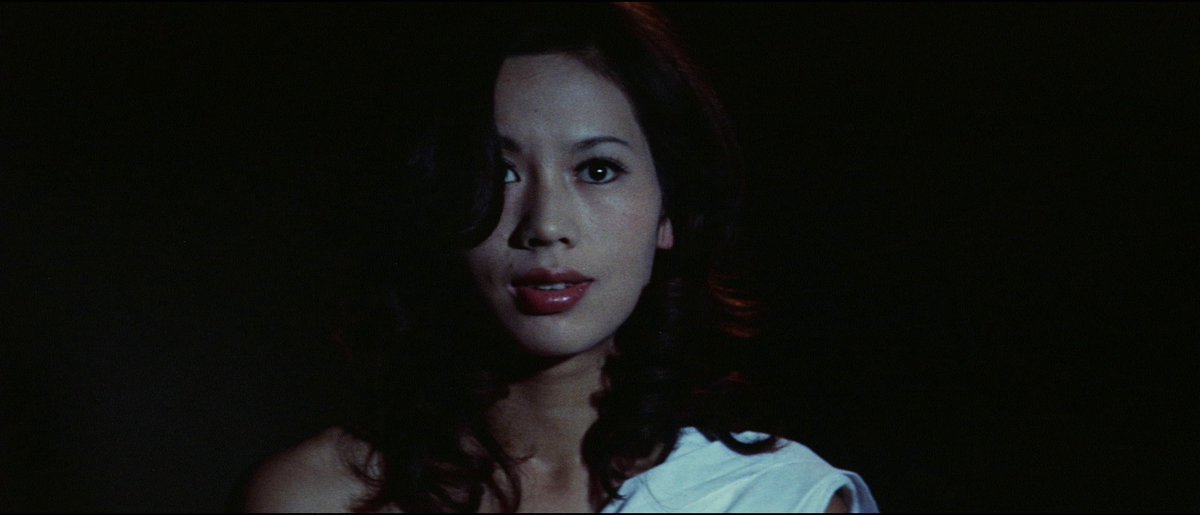
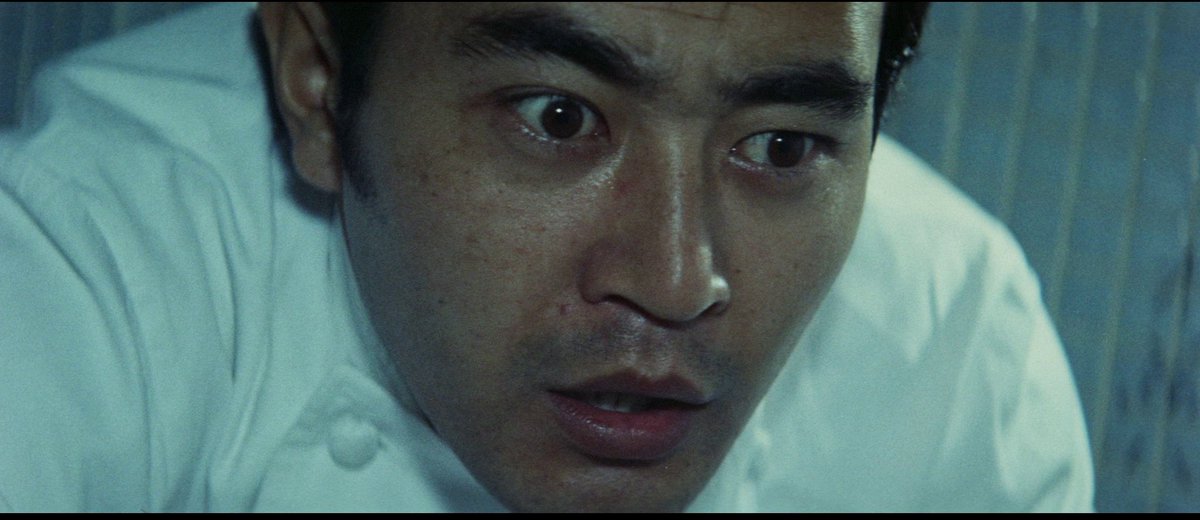
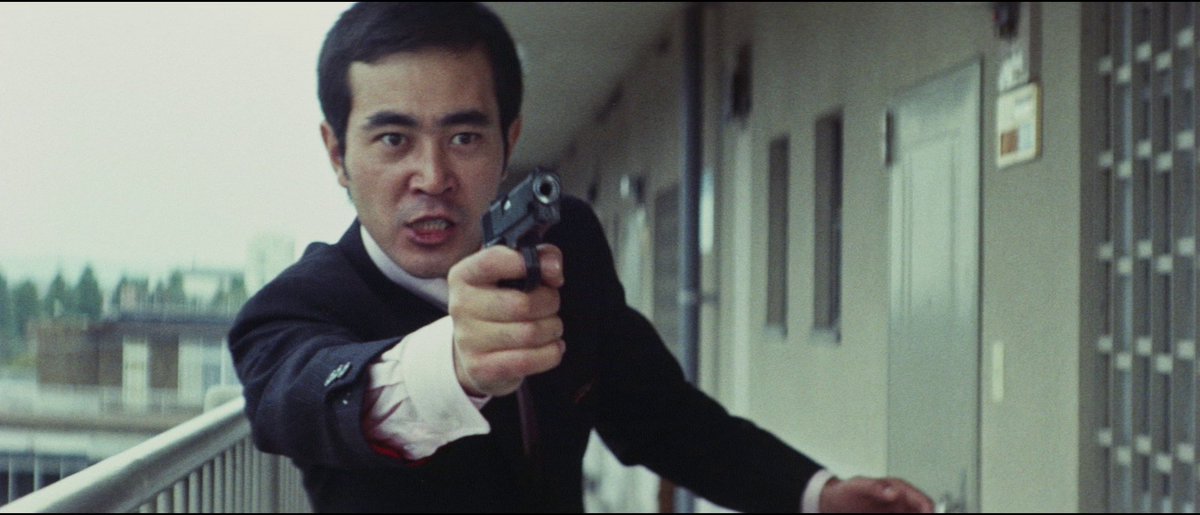
A yakuza gang selects a good-for-nothing street vendor to stir up trouble in enemy territory. With a flashy suit, a gun and a pocketful of money, he feels like a king but when trouble comes knocking, he realises that waving a gun and pulling the trigger are two very different things. After the major studios refused to finance it, director Sadao Nakajima (The Japanese Godfather Trilogy) took this project to New Wave bastion the Art Theatre Guild. With a deeply impressive performance by Tsunehiko Watase (Sympathy for the Underdog) that predates Robert DeNiro’s indelible turn as Travis Bickle in Scorsese’s Taxi Driver by three years, Aesthetics of a Bullet is a lost gem of 1970s Japanese cinema ripe for rediscovery.
***
Sadao Nakajima's Aesthetics of a Bullet is a gritty, unconventional Japanese yakuza film that blends exploitation elements with sharp social commentary and a proto-punk edge. What begins as a Cinderella-like ascent quickly unravels into a bleak character study of delusion, consumption, and hollow masculinity, highlighted by an arty style, memorable visuals (including recurring rabbit and eating motifs), unseen mob bosses, and a rocking soundtrack from the band Brain Police. The film stands out in the early 1970s yakuza genre for its satirical take on honorless crime and the emptiness of upward mobility in capitalist Japan. A co-production between Toei and ATG, the film cleverly merges exploitation grit, proto-punk energy, and arthouse introspection to deliver a savage character study wrapped in genre trappings. Koike is no noble anti-hero; he's an obnoxious, violent loser whose newfound power exposes his emptiness rather than elevating him. The gun becomes a central phallic symbol of borrowed authority - without it, he's a nobody; with it, he feels godlike, yet remains incompetent and pathetic. Unlike the more operatic or jitsuroku-style films of contemporaries like Kinji Fukasaku (whose Battles Without Honor and Humanity appeared around the same time), Aesthetics of a Bullet feels more personal and psychological, prioritizing Koike's internal unraveling over large-scale gang warfare. Miki Sugimoto (The Girl Boss Series, Zero Woman: Red Handcuffs, Terrifying High School Women's Violent Classroom, Terrifying Girls' High School: Lynch Law Classroom, Tokugawa Sex Ban) provides a strong supporting presence, adding emotional layers to Koike's relationships amid the sleaze and violence. Radiance Films’ Blu-ray of Aesthetics of a Bullet is a high-quality release that does justice to this underrated 1973 yakuza gem. With a solid restoration, faithful audio, and a rich selection of new and archival extras, it provides both an excellent viewing experience and valuable context for the film’s themes and production. For fans of 1970s Japanese genre cinema, this is a very worthwhile purchase that helps cement the film’s growing cult reputation. Highly recommended.
3
24
2,777
DVDBeaver retweeted
Jun 4
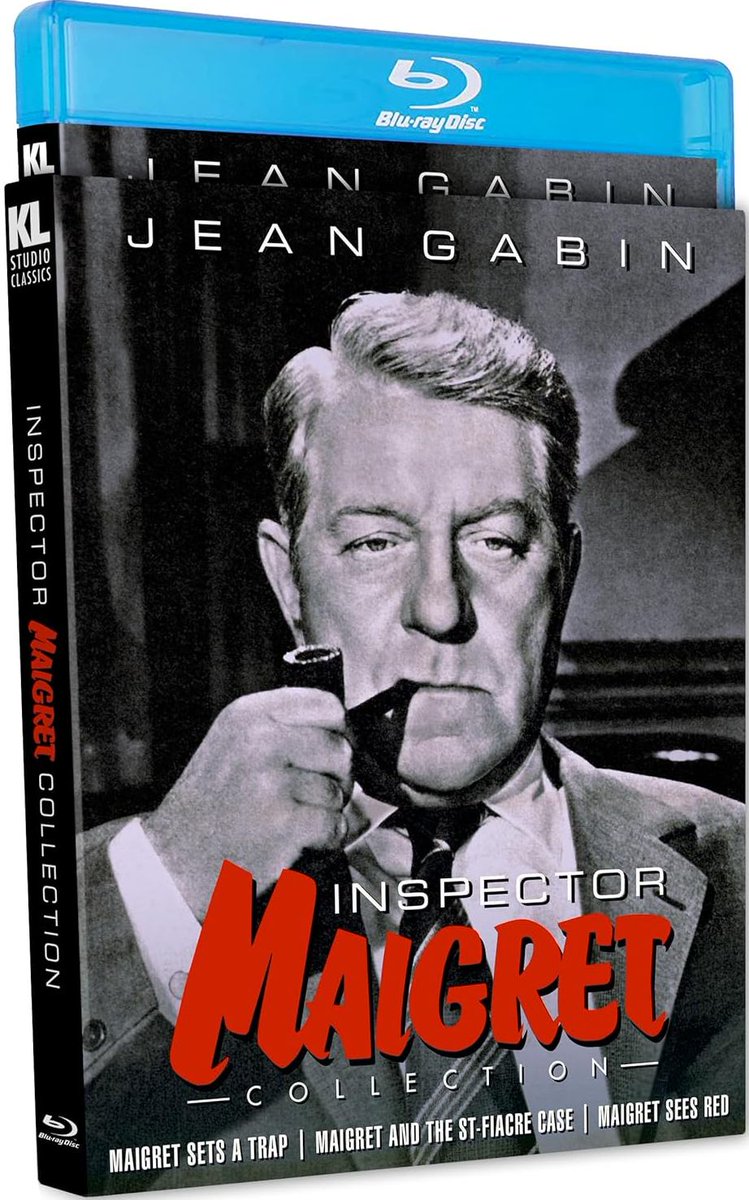
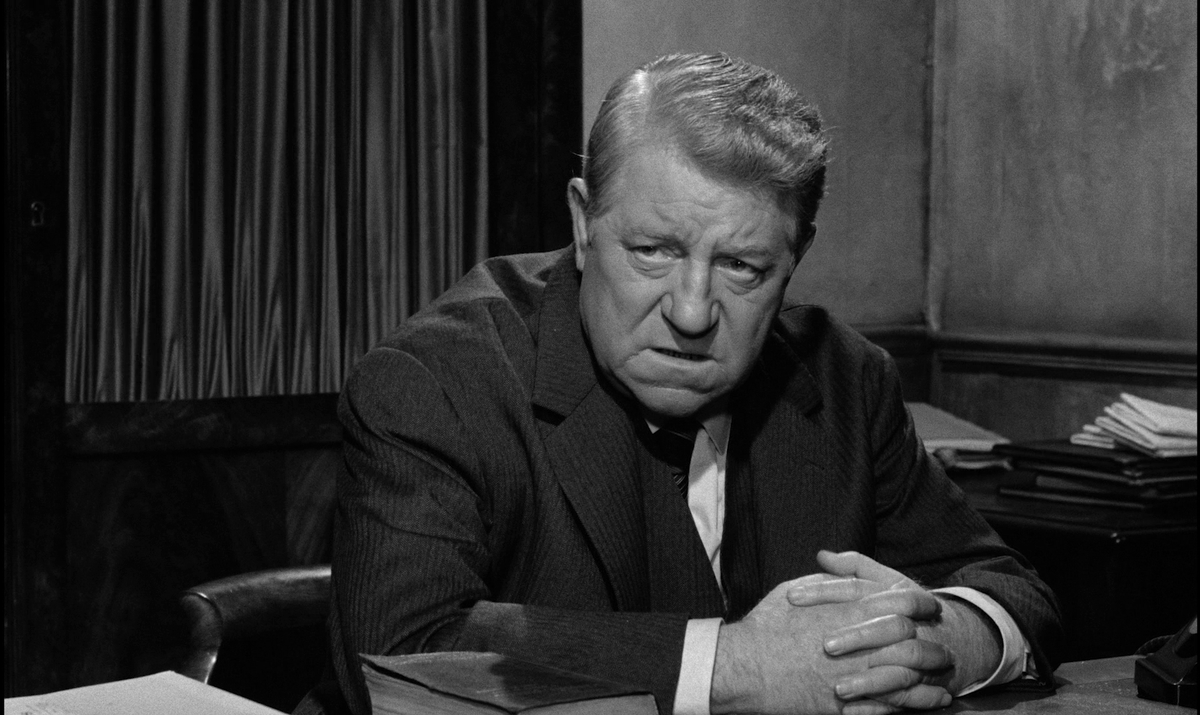
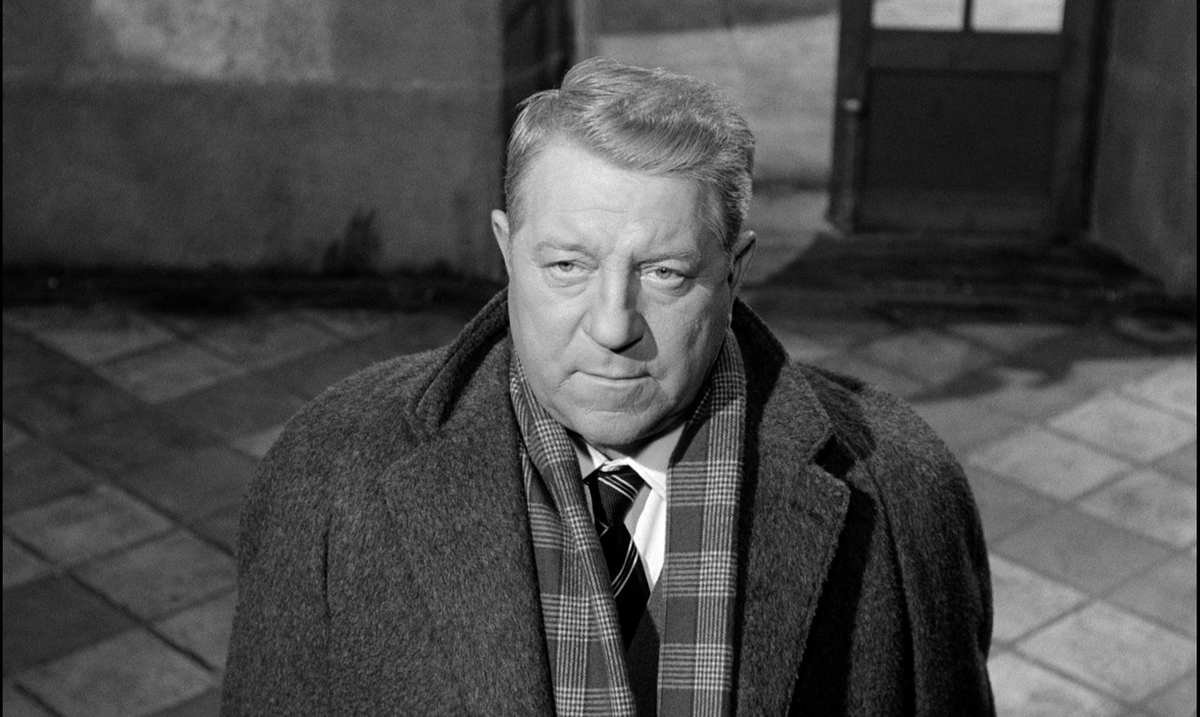
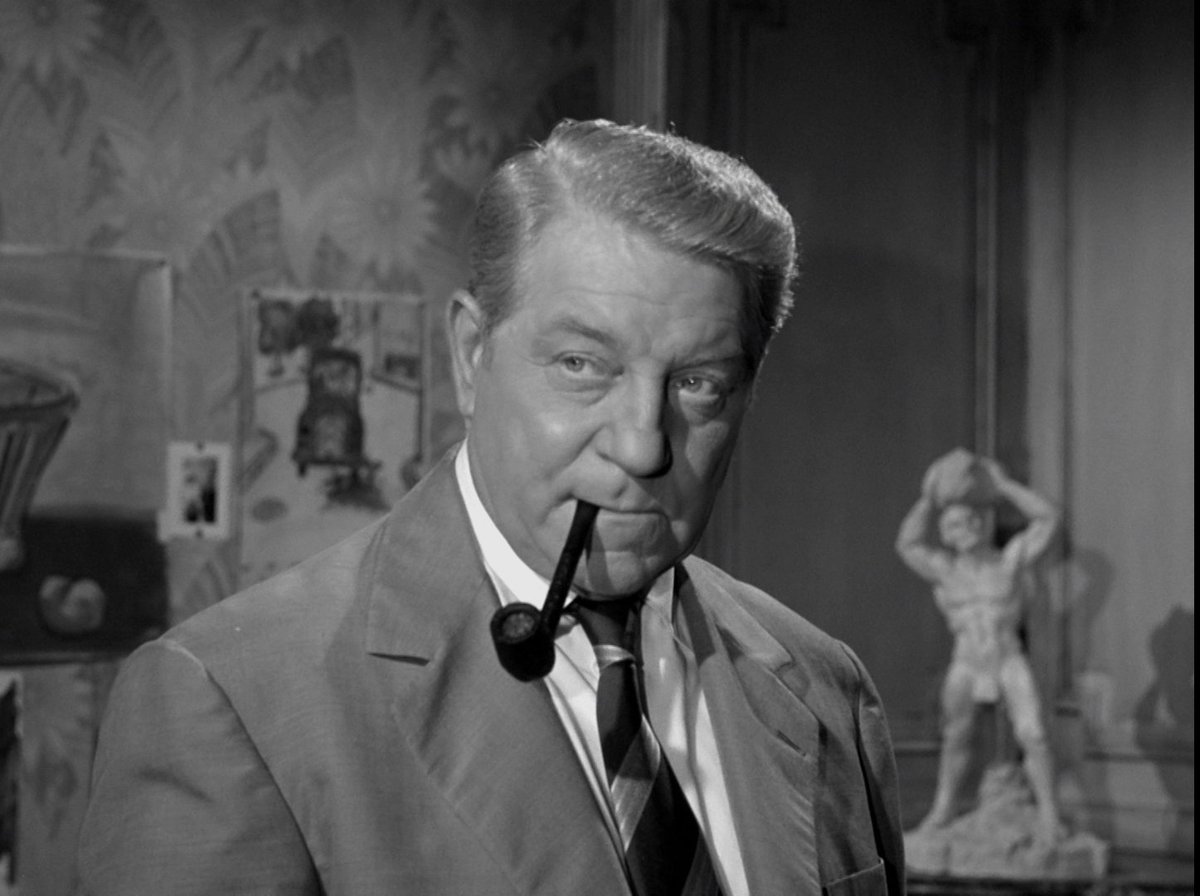
"Jean Gabin as Inspector Maigret" [Maigret Sets a Trap | Maigret and the St. Fiacre Case | Maigret Sees Red] Blu-ray - Jean Gabin, Annie Girardot, Lino Ventura, Françoise Fabian, Valentine Tessier, Michel Auclair, Paul Frankeur, Paul Frankeur, Marcel Bozzuffi @KinoLorber
US: amzn.to/4u41uu1
CAN: amzn.to/3RA7HAC
BONUS CAPTURES:
patreon.com/posts/jean-gabin…
OUR REVIEW:
dvdbeaver.com/subsite/film2/…
This three-film collection features screen great Jean Gabin (Touchez pas au grisbi) as Georges Simenon’s legendary, pipe-smoking sleuth. Maigret Sets a Trap (1958) – Inspector Maigret tries to trap a killer and discovers why a happily married, wealthy, and talented man should want to bump off women at night. Annie Girardot and Lino Ventua co-star in this suspenseful whodunnit. Maigret and the St. Fiacre Case (1959) –Maigret is summoned by the Countess to the Château de Saint-Fiacre (Valentine Tessier), where she shows him a letter she has received predicting the day on which she will die, hoping the great inspector can solve the identity of the secret ill-wisher. Michel Auclair and Paul Frankeur co-star. Maigret Sees Red (1963) – Gabin returns for his final outing in the role he was born to play. Three men, cruising Paris’s Pigalle district in a Chevrolet, shoot a bystander. When the police arrive, the body is gone. The good Inspector suspects a ring of U.S. mobsters when the trail leads him to a bowling alley where Americans gather and a mysterious femme fatale called Lily (Françoise Fabian) works.
***
Maigret Sets a Trap (1958) and Maigret and the St. Fiacre Case (1959) are the two films that form the first endeavors of Jean Gabin’s celebrated trilogy as Inspector Jules Maigret. Both are directed by Jean Delannoy and adapted from Georges Simenon novels. They represent a strong, cohesive pair that showcases the range of both the character and Delannoy’s classical approach to crime drama in late-1950s French cinema. While sharing key creative personnel - including cinematographer Louis Page (Speaking of Murder, camera operator on Port of Shadows) and contributions from writer Michel Audiard (The Professional, Greed in the Sun, Taxi for Tobruk, Hi-Jack Highway) - the films diverge significantly in tone, setting, structure, and visual style - one a tense urban police procedural with noir atmosphere and serial-killer suspense, the other a more intimate, melancholic, and “cozy” mystery rooted in personal history and provincial decay. Gilles Grangier's Maigret Sees Red represents Jean Gabin's final cinematic outing as Georges Simenon's iconic Parisian police commissioner Jules Maigret, following his earlier performances in Maigret Sets a Trap (1958) and Maigret and the Saint-Fiacre Affair (1959.) Adapted from Simenon's 1951 novel Maigret, Lognon and the Gangsters (with screenplay contributions from Grangier and Jacques Robert), the 87-minute black-and-white French-Italian co-production transplants Maigret's methodical, introspective detective style into a transatlantic gangster thriller. The trail leads to a lively bowling alley frequented by expat Americans, where the enigmatic femme fatale Lily (Françoise Fabian) works, blending underworld intrigue with procedural legwork. At their core, the films embody the classic Simenon-Maigret ethos: crime as a human puzzle rooted in psychology, environment, and quiet observation rather than flashy action or forensic gimmicks. Maigret operates with his trademark pipe-smoking calm, world-weary wisdom, and intuitive understanding of people, preferring to let suspects and witnesses reveal themselves through conversation and atmosphere. Gabin, then in his late 50s, delivers a commanding yet understated performances that feels lived-in and authoritative - his Maigret is less a brilliant showman and more a seasoned bureaucrat with deep empathy and stubborn persistence. Overall, these Maigret entries succeed as valedictory vehicles for Gabin's Maigret, offering brisk, character-driven neo-noirs that prioritizes psychological insight and Parisian authenticity over spectacle. All the film's employ Maigret’s intuitive, empathetic methods. Kino’s StudioCanal-sourced Blu-ray are solid, straightforward releases that bring these delightful Maigret films to North American audiences in very strong quality. Fans of classic French crime cinema and Jean Gabin (Port of Shadows, Hi-Jack Highway, Touchez Pas Au Grisbi, French Cancan, Razzia sur la chnouf, Speaking of Murder aka Le rouge est mis, La Grande Illusion, La bête humaine, Le Jour Se Leve,) will appreciate having these atmospheric, character-driven detective thrillers in their library. We give a very strong recommendation. These are great films.
1
2
1,023
DVDBeaver retweeted
Jun 3
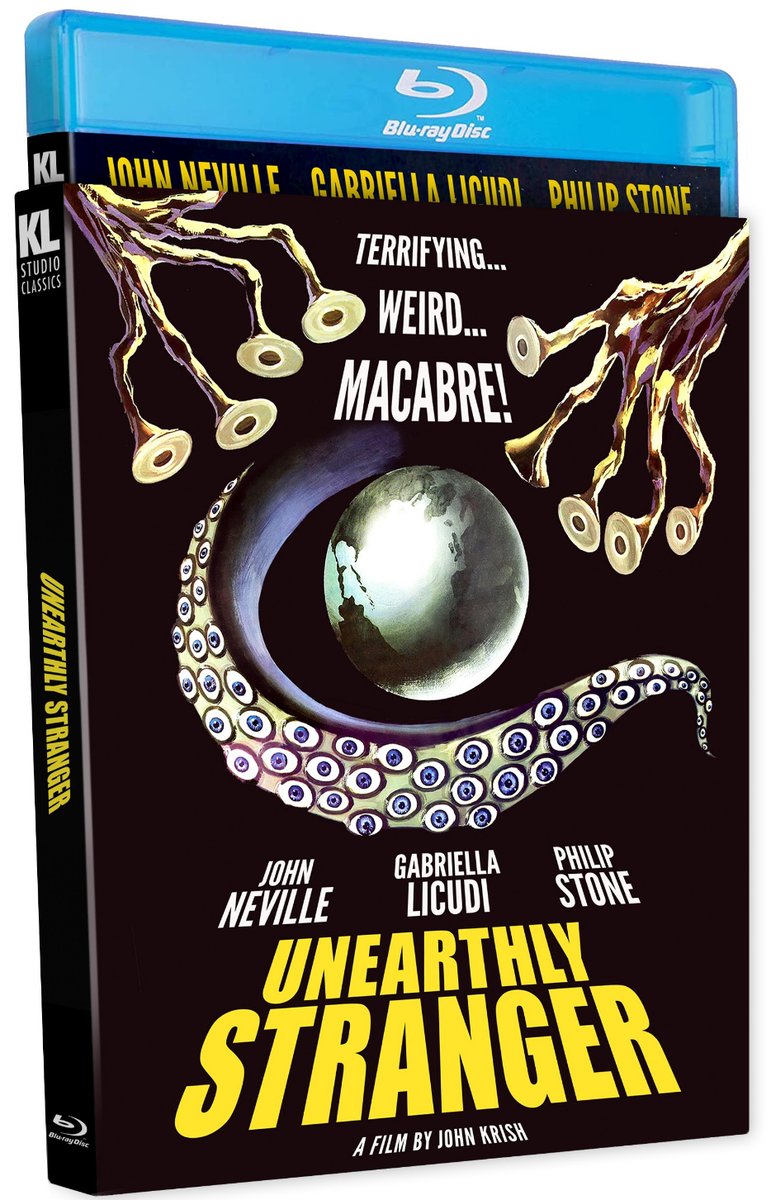
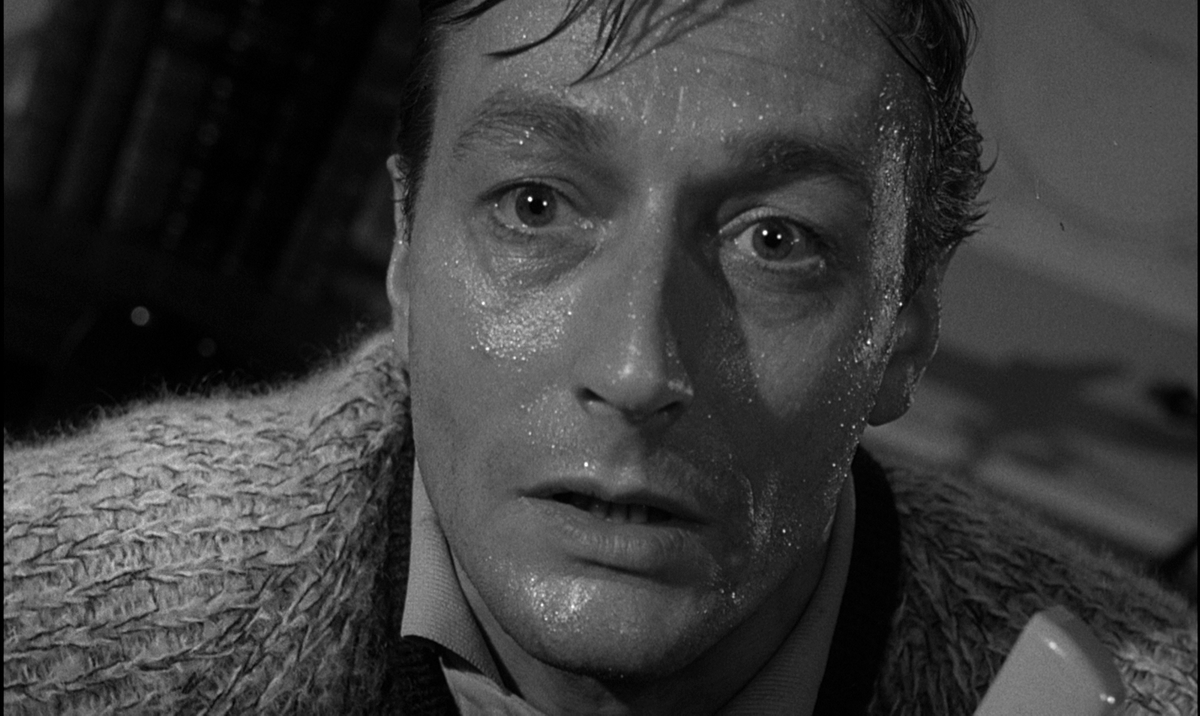
John Krish's "Unearthly Stranger" Blu-ray - John Neville, Philip Stone, Patrick Newell, Gabriella Licudi, Warren Mitchell, Jean Marsh @KinoLorber
US: amzn.to/4o2CXUK
CAN: amzn.to/3PHX0eK
BONUS CAPTURES:
patreon.com/posts/john-krish…
OUR COMPARISON:
dvdbeaver.com/subsite/film2/…
A cleverly conceived, eerily atmospheric sci-fi chiller, Unearthly Stranger stars John Neville (The Adventures of Baron Munchausen) as a scientist engaged in an experimental project like no other. TP91 is a secret and highly complex formula which will enable man to project himself through time and space, but when Dr. Munro (Warren Mitchell, Jabberwocky) succeeds in solving the first part of it he is found dead before he can pass on the invaluable result. His successor (Neville) quickly senses that both he and his new wife (Gabriella Licudi, Casino Royale) are now in grave danger. This original, intelligent and compelling thriller was directed by John Krish (Decline and Fall… of a Birdwatcher) and featured Philip Stone (The Shining), Patrick Newell (The Avengers) and Jean Marsh (Willow) in wonderful supporting roles.
***
John Krish’s Unearthly Stranger is a lean, dialogue-driven British science-fiction thriller that punches far above its modest B-movie weight. It exemplifies the intelligent, low-budget strain of 1960s British genre cinema that favored paranoia, atmosphere, and social subtext over special effects or spectacle. As Krish’s first theatrical feature (he came from documentary and later contributed to The Avengers,) the film demonstrates remarkable economy and visual ingenuity within severe constraints - few locations, minimal cast, and virtually no optical effects. What emerges is a chamber-piece study of distrust, otherness, and quiet invasion that still feels unsettling today. Everyday details, such as Julie removing a hot casserole dish from the oven bare-handed, land with quiet horror because they are played completely straight. The cast elevates the material significantly. John Neville (The Adventures of Baron Munchausen, A Study in Terror, Billy Budd) brings a convincing mix of intellectual intensity and emotional unraveling to Davidson; his growing hysteria never tips into camp. Gabriella Licudi (Casino Royale, The Fall of the Roman Empire,) often cast as exotic “decoration,” here delivers a genuinely enigmatic and poignant performance as the alien who begins to question her mission through human connection. Patrick Newell’s (The Canterbury Tales, The Avengers, The Strange Affair, The Magnificent Seven Deadly Sins) Major Clarke is a standout - jovially sinister, bureaucratic, and faintly ridiculous in a way that makes the security state itself feel alienating. Philip Stone provides gravitas as the senior scientist, while Jean Marsh (The Changeling, The Eagle Has Landed, A Day in the Death of Joe Egg, Frenzy, The Roman Spring of Mrs. Stone, The Limping Man) makes the most of her limited screen time, her final reveal landing with real impact. The ensemble treats the pseudoscientific dialogue with straight-faced conviction, which is essential to the film’s effectiveness. Unearthly Stranger is frequently compared to I Married a Monster from Outer Space (1958) and Invasion of the Body Snatchers, but it is quieter, more intimate, and more socially pointed. Its greatest strength is its restraint and atmosphere. On a tiny budget it creates genuine unease without monsters or explosions. The final twist is genuinely chilling in its implications. Limitations include occasional plot holes (lax security for a project of this importance), heavy reliance on exposition, and some dated pseudoscience. Gender politics can feel uncomfortable to modern viewers - Julie is objectified and ultimately neutralized as a threat - though the film’s deeper critique of male institutions provides some counterbalance. Today it remains underrated, occasionally resurfacing in discussions of British B-movies and paranoid sci-fi. It was selected by film historians Steve Chibnall and Brian McFarlane as one of the most meritorious British B-films of 1945–1970. Its influence is subtle but visible in later low-key invasion narratives. This Kino Blu-ray release marks the first major U.S. edition of Unearthly Stranger and it bests the earlier region 'B' Network disc on every front. For fans of 1960s British sci-fi, paranoia thrillers, and understated genre cinema, this is a strong and long-overdue presentation that does justice to John Krish’s intelligent little chiller. Warmly recommended.
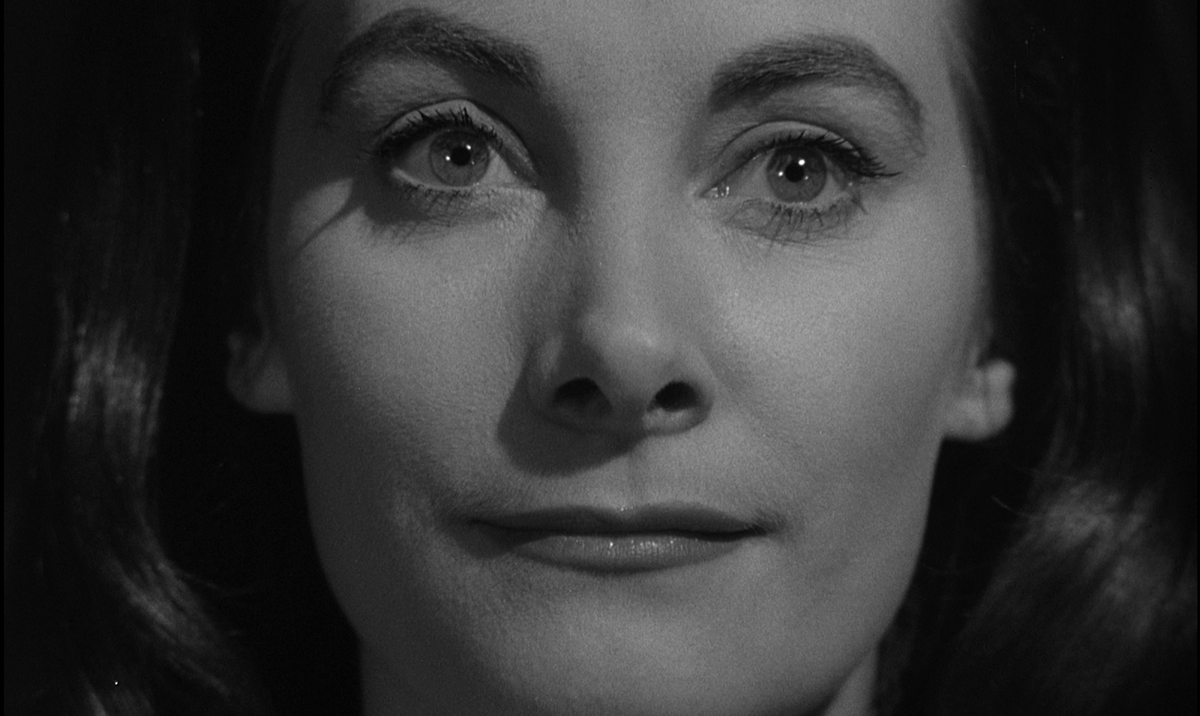
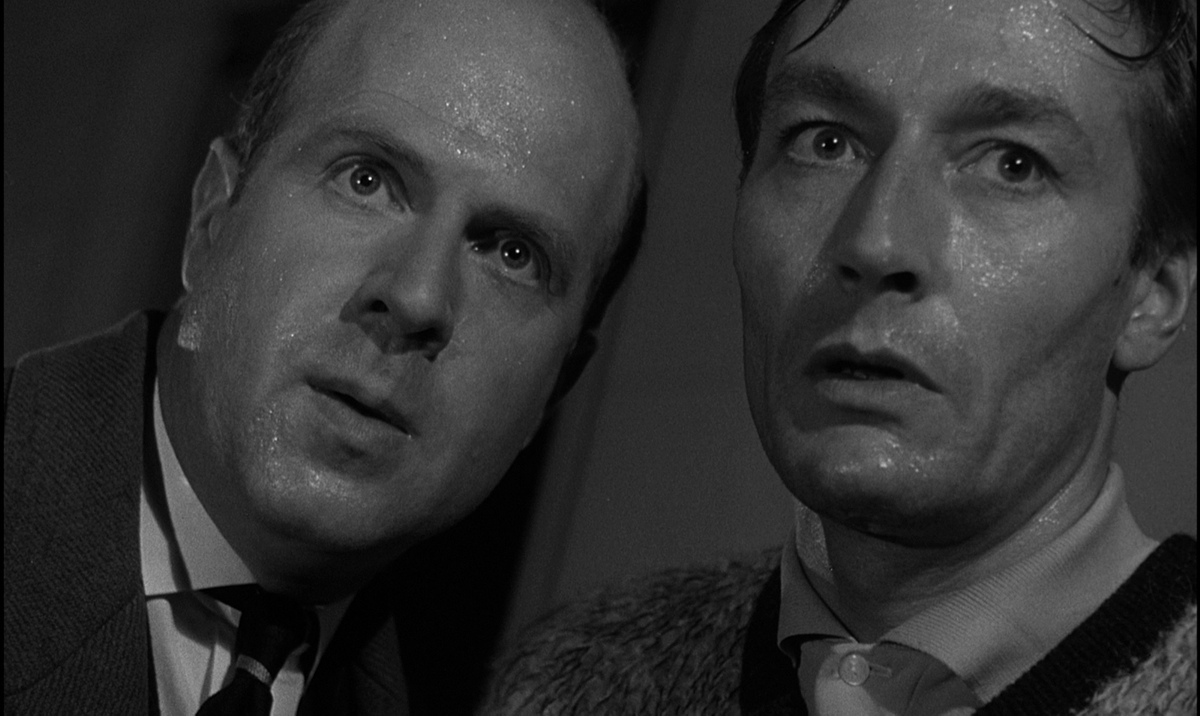
4
8
1,527
DVDBeaver retweeted
Jun 6
Christian Petzold's "Undine" Blu-ray - Paula Beer, Franz Rogowski. Maryam Zaree, Jacob Matschenz @IFC @ifcfilms @VinegarSyndrome
US: amzn.to/4dVdWru
BONUS CAPTURES:
patreon.com/posts/christian-…
OUR REVIEW:
dvdbeaver.com/subsite/film2/…
Christian Petzold’s “Undine” (2020) is a mesmerizing modern reimagining of the classic German water nymph myth, blending romantic drama, folklore, and subtle urban commentary. Paula Beer stars as Undine Wibeau, a historian who lectures on Berlin’s architectural evolution and urban development, whose life is bound to the ancient legend: if her human lover betrays her, she must kill him and return to the water. When her married boyfriend Johannes abandons her, the myth begins to assert itself, but a chance encounter—sparked by a shattering aquarium—with industrial diver Christoph (Franz Rogowski) leads to a passionate, fated romance filled with underwater wonder, architectural models, and quiet magic.
***
Christian Petzold's Undine is a hypnotic, modern fairy tale that reimagines the 19th-century German Romantic legend of the water nymph while weaving it into contemporary Berlin’s layered history, architecture, and emotional undercurrents. Paula Beer (Petzold’s Afire) stars as Undine Wibeau, a historian specializing in Berlin’s urban development, who delivers lectures on the city’s transformations - most notably the Humboldt Forum, a 21st-century reconstruction of an 18th-century palace that embodies the idea that “progress is impossible.” When her married lover Johannes (Jacob Matschenz) betrays and abandons her, the ancient myth asserts itself: as an undine who has taken human form for love, she is bound to kill the betrayer and return to the water. A shattering aquarium meet-cute with industrial diver Christoph (Franz Rogowski - Victoria) sparks a profound, seemingly fated romance that challenges this destiny. Undine is the first in Petzold’s planned elemental trilogy, marking a bold evolution: more overtly mythic yet deeply tied to his preoccupations with identity, history’s ghosts, and the quiet magic in fractured modern lives. A delicate, textured fable that feels both timeless and urgently contemporary. IFC’s Blu-ray of Undine is a welcome and high-quality North American debut for Christian Petzold’s hypnotic modern fairy tale. With a fine transfer that showcases the film’s visual poetry, excellent lossless audio that enhances its sonic subtlety, and insightful scholarly extras anchored by the strong commentary track and booklet, it stands as a recommended purchase for fans of arthouse cinema and Petzold’s elemental explorations. The Blu-ray captures the quiet magic and emotional resonance of the film without distraction, making it an essential addition to any collection of contemporary European auteur releases. DVDBeaver love Christian Petzold (Jerichow, The State I Am In, Yella, Ghosts, Barbara, Phoenix, Afire) - Undine is certainly recommended.



2
3
1,338
DVDBeaver retweeted
May 28
Jesús Franco's "Ilsa, the Wicked Warden" 4K UHD - Dyanne Thorne, Lina Romay, Tania Busselier, Angela Ritschard, Peggy Markoff, Esther Studer @KinoLorber @KLStudioClassic
US: amzn.to/43vOnqF
CAN: amzn.to/3S2ThJe
BONUS CAPTURES:
patreon.com/posts/jesus-fran…
OUR REVIEW:
dvdbeaver.com/subsite/film2/…
The final installment of the controversial Ilsa saga finds the former accomplice of Nazis, Stalinists, and oil barons now operating a psychiatric clinic in an unnamed Latin American country, where political prisoners are tortured. A young woman (Tania Busselier) has herself committed in order to locate her captive sister, but quickly realizes she has entered a hell of sexploitation from which she cannot escape. Dyanne Thorne plays Ilsa to camp excess but it is the ingenue, Lina Romay (Female Vampire,) who steals the show as Ilsa’s pet prisoner, a woman who withstands Ilsa’s abuse and manipulates her fellow prisoners, doing anything to stay alive long enough to turn the tables on cinema’s most diabolical villainess.
***
Ilsa, the Wicked Warden, directed by Jesús Franco occupies a strange, liminal place in the Ilsa mythos. It is not an official sequel to She Wolf of the SS, Harem Keeper of the Oil Sheiks, or Tigress of Siberia. Originally released as Greta – Haus ohne Männer, it was a standalone women-in-prison sexploitation film that was later retitled and redubbed in some markets to cash in on Dyanne Thorne’s notoriety. In certain versions, the name “Greta” was even altered to “Ilsa.” This bootleg status gives the film a slightly different flavor from the Don Edmonds-directed entries while still delivering the series’ core cocktail of sadism, abundant nudity, and larger-than-life female villainy. Rosa Phillips (Angela Ritschard - Blue Rita, Jack The Ripper,) escapes the remote Las Palomas Clinic in the South American jungle, only to be recaptured and declared dead. Her sister Abby (Tania Busselier - Countess Perverse,) infiltrates the facility under a false identity with the help of Dr. Milton Arcos (Jesús Franco himself, uncredited) to discover what happened. Inside the clinic, “treatment” for supposed sexual deviancy (nymphomania, lesbianism, etc.) consists of forced nudity, electroshock “therapy,” beatings, and systematic sexual exploitation. Greta (Dyanne Thorne - Point of Terror, The President's Analyst, Love with the Proper Stranger, Naked City TV series,) runs the institution as her personal fiefdom, while her lover and chief enforcer among the inmates, Juana (Lina Romay - Night of the Skull, Lorna the Exorcist, Female Vampire, Night Has a Thousand Desires, The Sadist of Notre Dame and The Bare Breasted Countess - credited in Wicked Warden as 'prisoner #10',) maintains a brutal hierarchy. The most insidious element is the secret pornographic film operation: male visitors and prisoners are brought in to have sex with the women, who are filmed against their will and sold on the black market. At its core, the film explores institutionalized sexual violence and the commodification of the female body. The clinic’s “therapy” is indistinguishable from pornography and torture. By having the women forced to perform in films within the story, Franco creates a meta-layer of exploitation that comments (perhaps unintentionally) on the genre itself. Power flows through sadomasochistic relationships: Greta dominates Juana, who in turn dominates the other inmates. Consent is nonexistent; survival often depends on playing along with the system or rebelling violently. Compared to the earlier films, Ilsa, the Wicked Warden feels less focused on its title character and more like a conventional (if extremely nasty) WIP picture with Franco’s usual eccentricities. It lacks some of the campy charm or wartime iconography of She Wolf, but it compensates with rawer sexual politics and that unforgettable gruesome finale. It stands as one of the more extreme entries in the 1970s women-in-prison cycle, alongside films like Barbed Wire Dolls (also Franco) and Caged Women. My $0.02 - best of that WIP genre? I'd lean to Female Prisoner #701: Scorpion (exploitive with dashes of softcore sexuality,) the most quintessential 1970s exploitation WIP flic? - Jack Hill's (under the Corman aegis) The Big Doll House (shot in Philippines) and the best-made American-made effort? Jonathan Demme's - Caged Heat with the always delightful Barbara Steele. Kino Lorber’s Cult 4K UHD of Ilsa, the Wicked Warden is a very welcome release for fans of Franco, Dyanne Thorne, and 1970s Euro exploitation. The new 2160P transfer delivers the best picture quality the film has received to date, the audio is cleaned up as much as the source allows, and the supplemental package is genuinely strong, highlighted by the substantial Stephen Thrower featurette and the extended Lucas / Bissette discussion. While the film itself remains a rough, sleazy, and polarizing entry in the loose Ilsa cycle, this edition finally gives it the respectful high-definition treatment it deserves. For collectors building the Kino Cult Ilsa set or anyone interested in Franco’s women-in-prison work, this is a recommended upgrade.

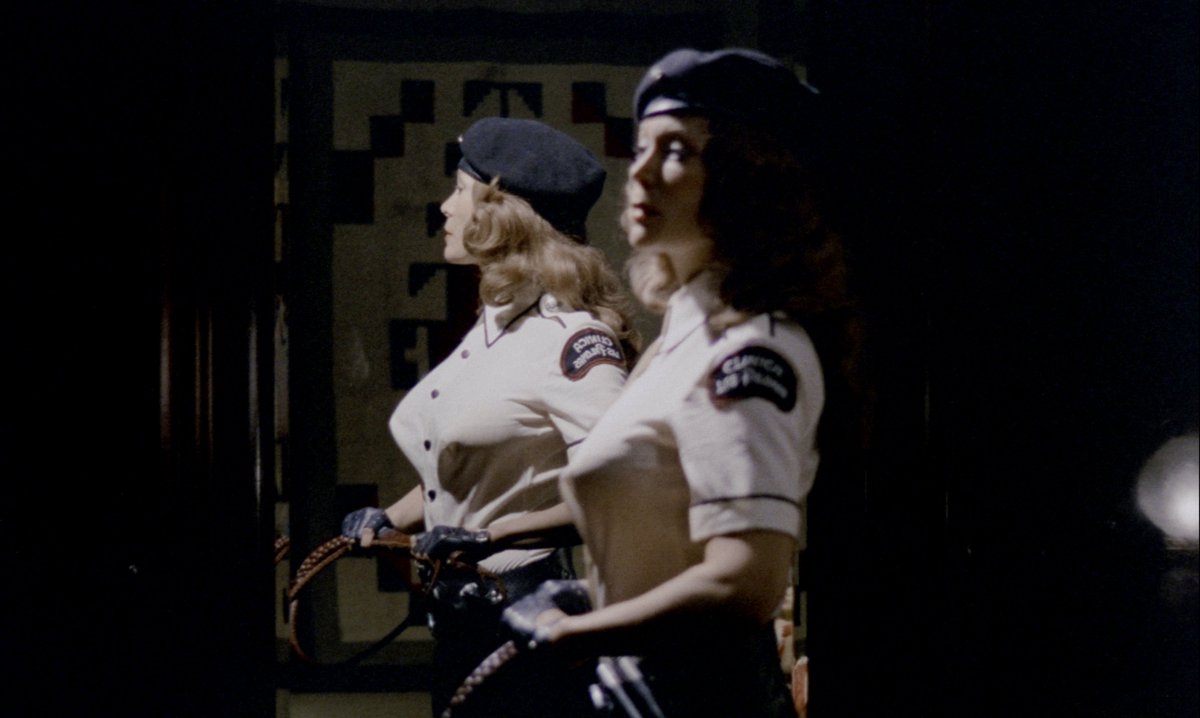

1
4
41
2,844
DVDBeaver retweeted
Jun 1
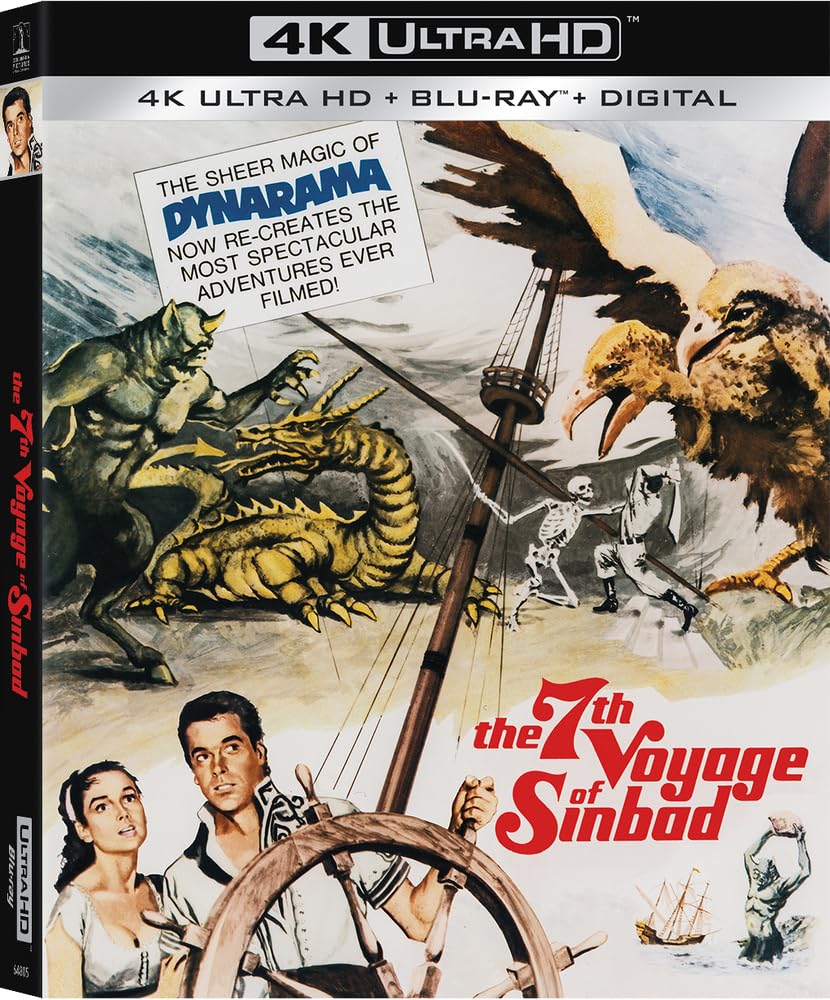
First Harryhausen in 4K UHD?
amzn.to/4vprbqf
The legendary Sinbad (Kerwin Mathews) sets off on a dangerous journey to the mysterious Island of Colossus to break the spell cast over his beloved princess (Kathryn Grant) by a diabolical magician (Torin Thatcher). Before he can save her, Sinbad must battle an awesome collection of mythical monsters: the man-eating Cyclops, a saber-wielding skeleton, a ferocious two-headed bird called the Roc and a fire-breathing dragon, all animated by the stunning visual effects mastery of Ray Harryhausen.
1
10
906
DVDBeaver retweeted
May 31
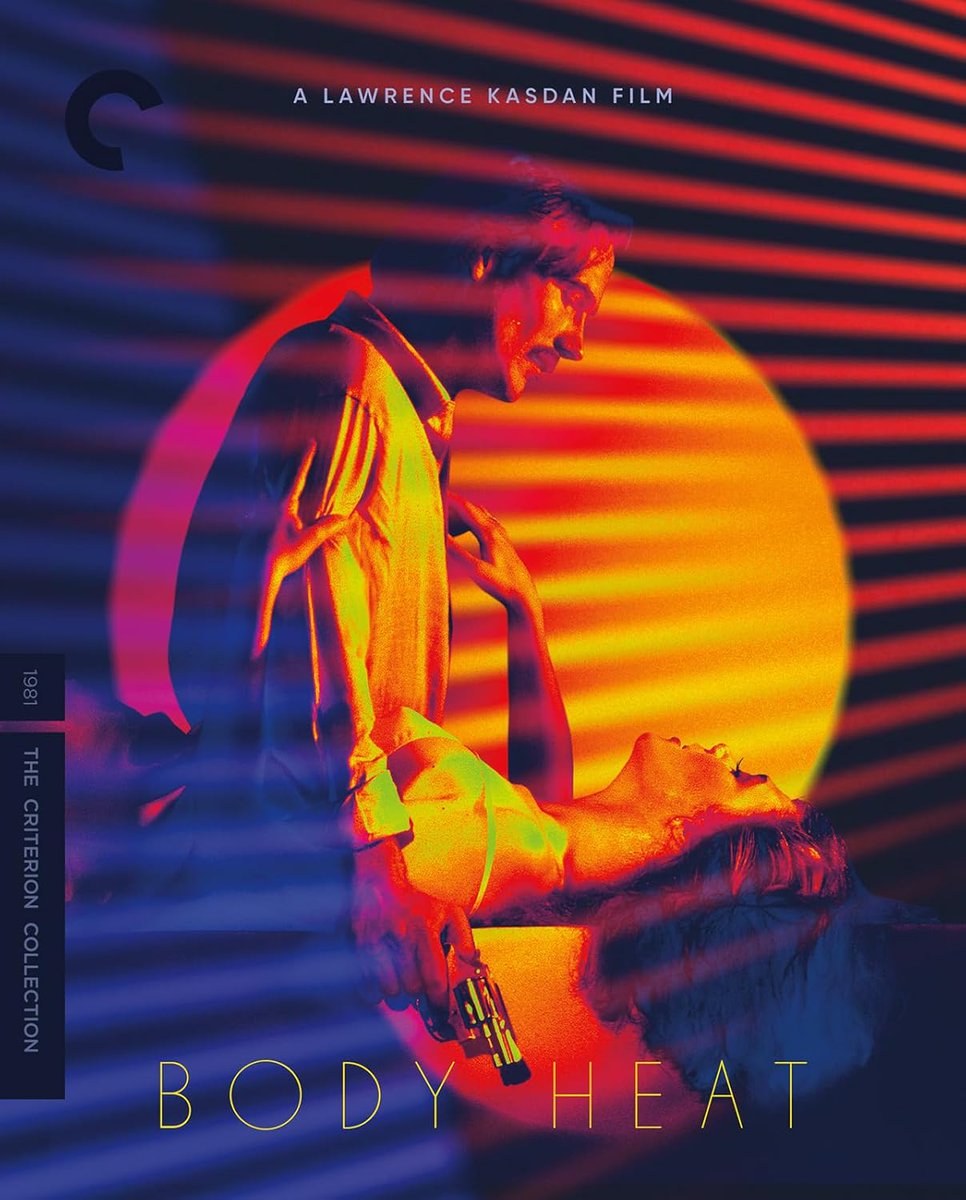
Lawrence Kasdan's "Body Heat" 4K UHD - William Hurt, Kathleen Turner, Mickey Rourke, Richard Crenna, Ted Danson @Criterion
US 4K UHD: amzn.to/4dPlnPr
CAN 4K UHD: amzn.to/4u1AUlj
UK 4K UHD: amazon.co.uk/exec/obidos/ASI…
US Blu-ray: amzn.to/4fhZ0om
CAN Blu-ray: amzn.to/4aebutx
BONUS CAPTURES:
patreon.com/posts/lawrence-k…
OUR REVIEW:
dvdbeaver.com/subsite/film2/…
With his debut feature, acclaimed writer-director Lawrence Kasdan brilliantly updated the conventions of 1940s film noir for the 1980s, resulting in one of the steamiest and most influential erotic thrillers ever made. On the sultry South Florida coast, lawyer Ned Racine (William Hurt) is drawn into a torrid affair with unhappily married housewife Matty Walker (Kathleen Turner, in a star-making performance)—and it’s not long before they’ve hatched a scheme to murder her wealthy husband. Featuring ingenious plot twists, memorable hard-boiled dialogue, and an atmosphere so evocative you can practically feel the humidity, Body Heat is a languorously seductive tale of greed and desire, one that paved a new path for American crime cinema.
***
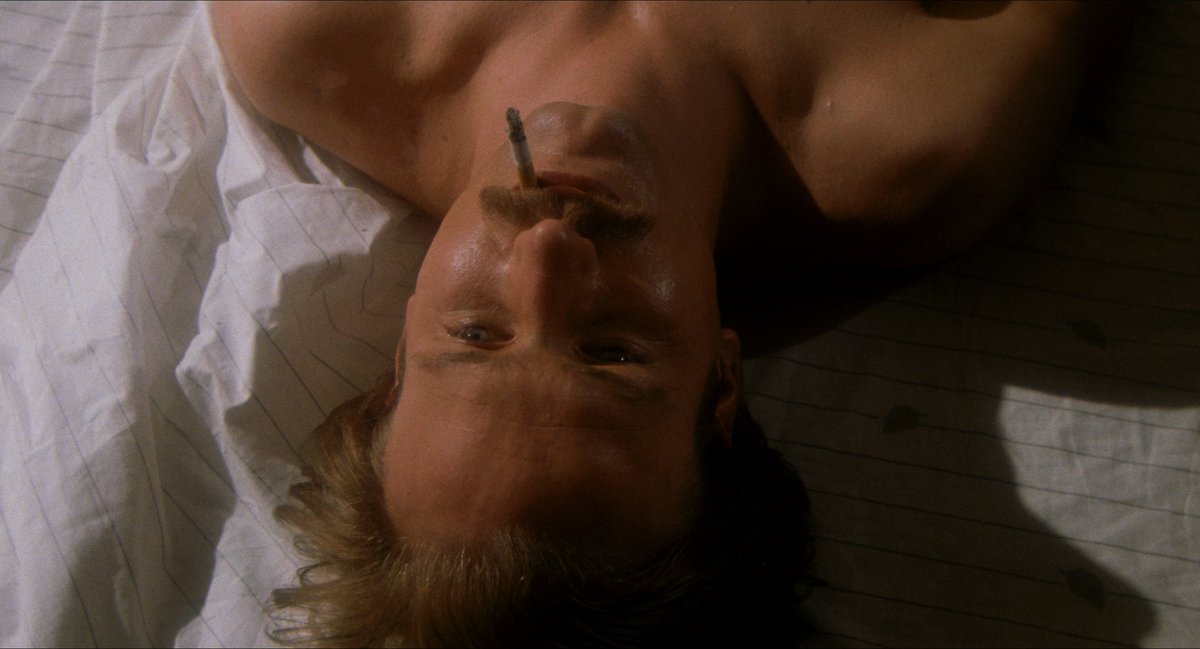
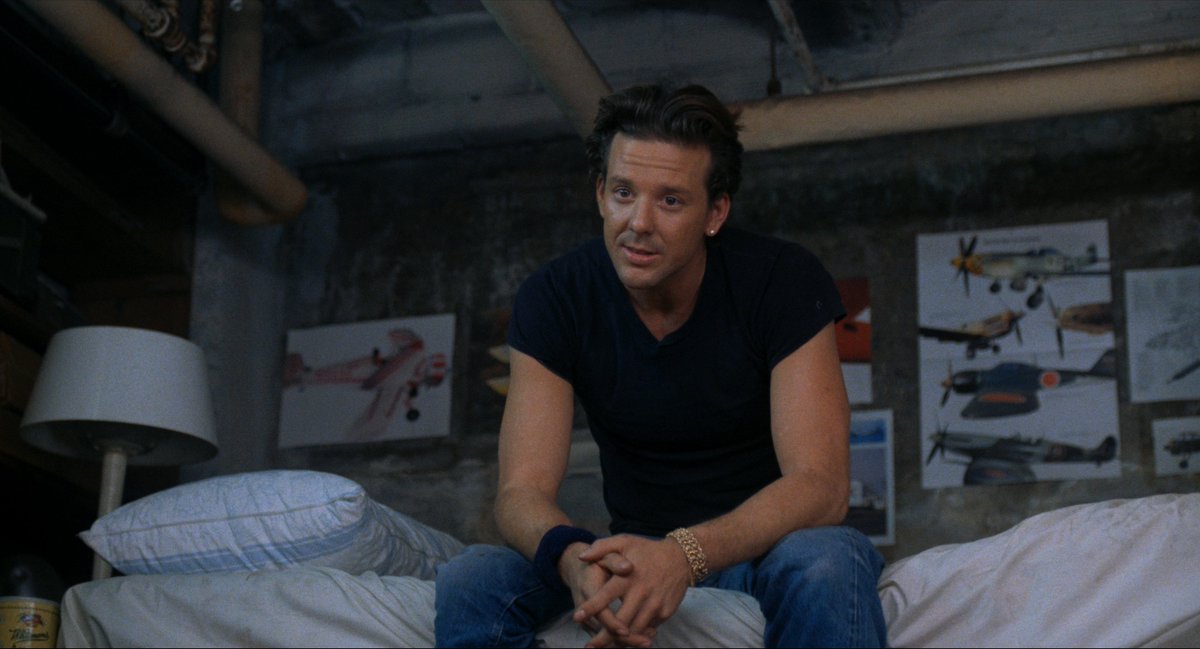
Lawrence Kasdan’s Body Heat was one of the defining films of the early neo-noir revival. Released in August 1981 on a modest $9 million budget, it grossed roughly $24 million domestically and launched the careers of William Hurt and Kathleen Turner while establishing Kasdan (fresh off co-writing The Empire Strikes Back and Raiders of the Lost Ark) as a major directorial talent. More importantly, it proved that classic film noir’s fatalistic worldview, moral ambiguity, and doomed protagonists could thrive in color, in a contemporary setting. Kasdan deliberately models the film on Billy Wilder’s Double Indemnity, but he updates and expands it. The narrative moves with a slow, humid burn rather than frantic pacing. The heat itself becomes a character - literal, oppressive, and metaphorical - driving characters to shed clothes, inhibitions, and eventually their moral compasses. William Hurt’s (Until the End of the World, Altered States, Moby Dick, Dark City, The King, Broadcast News, The Big Chill, Kiss of the Spider Woman, History of Violence) Ned Racine is no hard-boiled detective or master criminal. He is a mediocre, somewhat lazy lawyer who fancies himself smoother than he is. Hurt plays him with a perfect mix of cocky charm and underlying weakness. Ned believes he is in control of the situation; the audience quickly senses he is out of his depth. This vulnerability makes his downfall more tragic and believable than if he had been portrayed as a slick operator. Kathleen Turner’s (Jewel of the Nile, Romancing the Stone, Crimes of Passion, The Virgin Suicides, The Man With Two Brains,) Matty Walker is one of the great femme fatales of modern cinema. In her film debut, Turner radiates intelligence, sexual confidence, and calculated ruthlessness. Matty is not merely seductive - she is strategic. She understands Ned’s weaknesses better than he does and manipulates him with surgical precision. Turner’s performance balances eroticism with icy self-possession, making Matty both irresistible and terrifying. The supporting cast is equally strong. Richard Crenna (Jade, A Man Called Noon, Midas Run, The Sand Pebbles, Stone Cold Dead, Death Ship,) brings quiet menace to the husband. Ted Danson (Saving Private Ryan, Three Men and a Little Lady, Three Men and a Baby and, of course, Cheers,) is excellent as Ned’s friend, the tap-dancing assistant district attorney. J.A. Preston plays the weary, honorable detective with gravitas, and a very young Mickey Rourke (Year of the Dragon, Rumble Fish, Barfly, Angel Heart, Diner, Francesco, Wild Orchid, The Wrestler, The Informers, Domino, 9 1/2 Weeks) appears memorably as an ex-con arsonist who senses the truth before anyone else. Body Heat helped legitimize neo-noir as a viable commercial and artistic category. It paved the way for later erotic thrillers like Basic Instinct (1992) and influenced countless films that blended crime, sex, and moral decay. It also demonstrated that a director could be highly referential to classic cinema while still creating something fresh and vital. Body Heat remains a benchmark: stylish, sexually charged, structurally elegant, and deeply cynical about human nature. It proves that the oldest noir impulses - lust, greed, and self-destruction - never go out of style when executed with this much intelligence and craft. Criterion’s 4K UHD package of Body Heat is a strong release that finally gives this influential neo-noir the high-quality treatment it deserves. The video presentation is the clear star, offering a refined and atmospheric image that enhances Kline’s cinematography. The extras are thoughtful and well-chosen, particularly the new pieces with Kasdan and Littleton. For fans of the film, collectors of this genre, or anyone seeking the best version of this steamy 1981 classic, this edition is recommended and represents the definitive home video release to date. So rewatchable... and hard to resist.
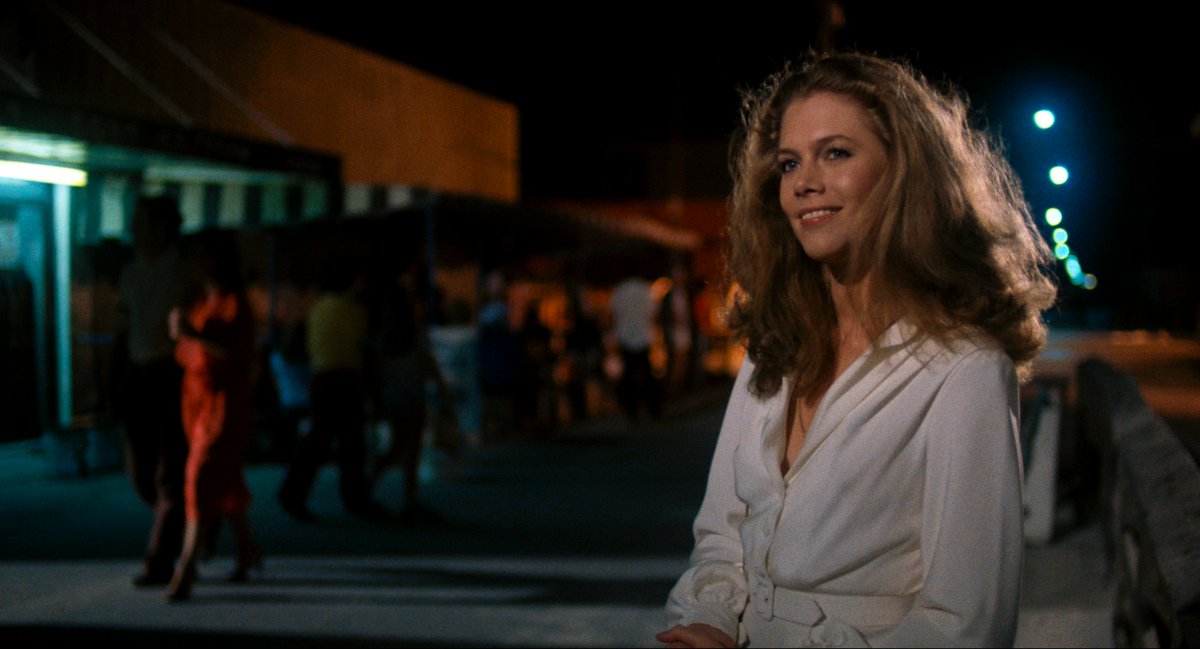
1
3
13
1,185
DVDBeaver retweeted
May 30
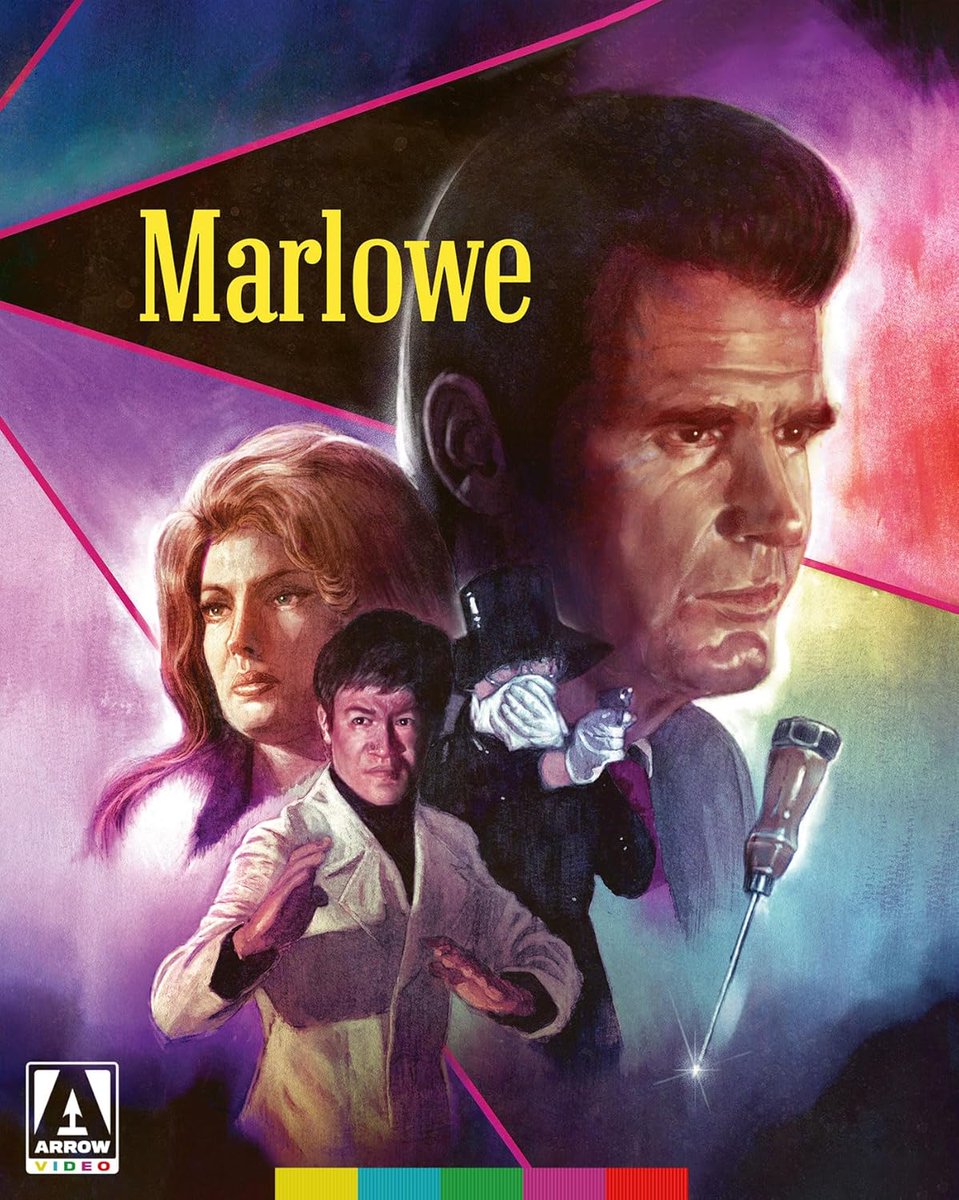
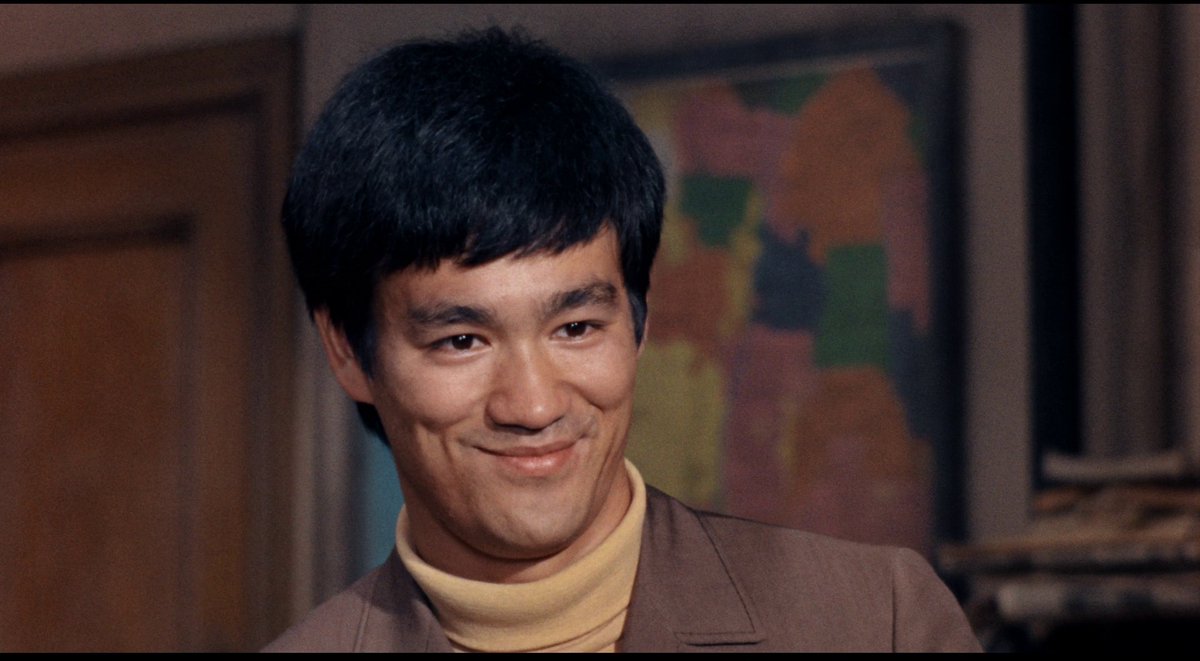
Paul Bogart's "Marlowe" Blu-ray - James Garner, Gayle Hunnicutt, Rita Moreno, Carroll O’Connor, Bruce Lee @ArrowFilmsVideo
US: amzn.to/4u6CNxd
CAN: amzn.to/4dT99W2
UK: amazon.co.uk/exec/obidos/ASI…
BONUS CAPTURES:
patreon.com/posts/paul-bogar…
OUR REVIEW:
dvdbeaver.com/subsite/film2/…
Following in the footsteps of Dick Powell (Murder, My Sweet) and Humphrey Bogart (The Big Sleep,) James Garner (The Great Escape) brought iconic private investigator Philip Marlowe into the Age of Aquarius in this 1969 neo-noir based on Raymond Chandler's classic novel The Little Sister.
When Orfamay Quest hires Philip Marlowe to find her brother, it seems like just another missing persons case. But soon enough Marlowe's investigation leads him on a trail of blackmail and murder, all of it seemingly linked to a mobster and his TV star mistress. Luscious starlets, pugnacious gangsters, suspicious cops and corpses with ice picks jammed in their necks... welcome to Marlowe country!
Garner's easy-going style is a perfect match for Chandler's "shop-soiled Galahad", paving the way for his performance in classic TV show The Rockford Files. Meanwhile, the many suspects are brought vividly to life by the likes of Carroll O'Connor (All in the Family,) Rita Moreno (West Side Story,) Jackie Coogan (The Addams Family,) Gayle Hunnicut (The Legend of Hell House) and none other than Bruce Lee (Enter the Dragon) making his American feature debut.
***
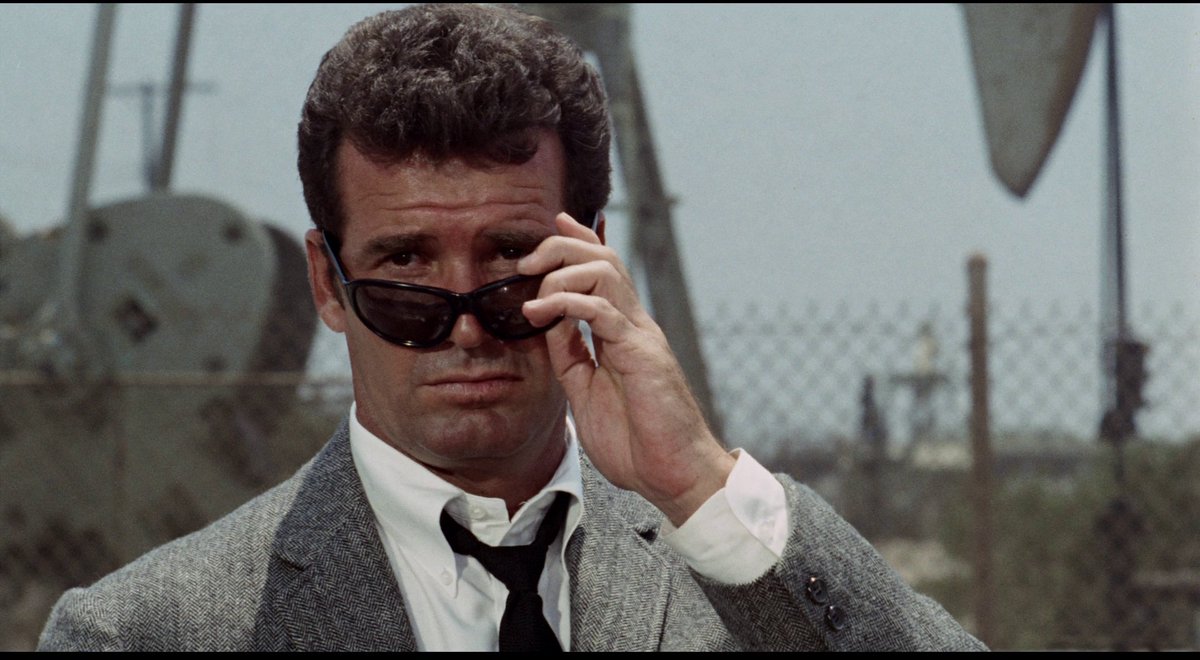
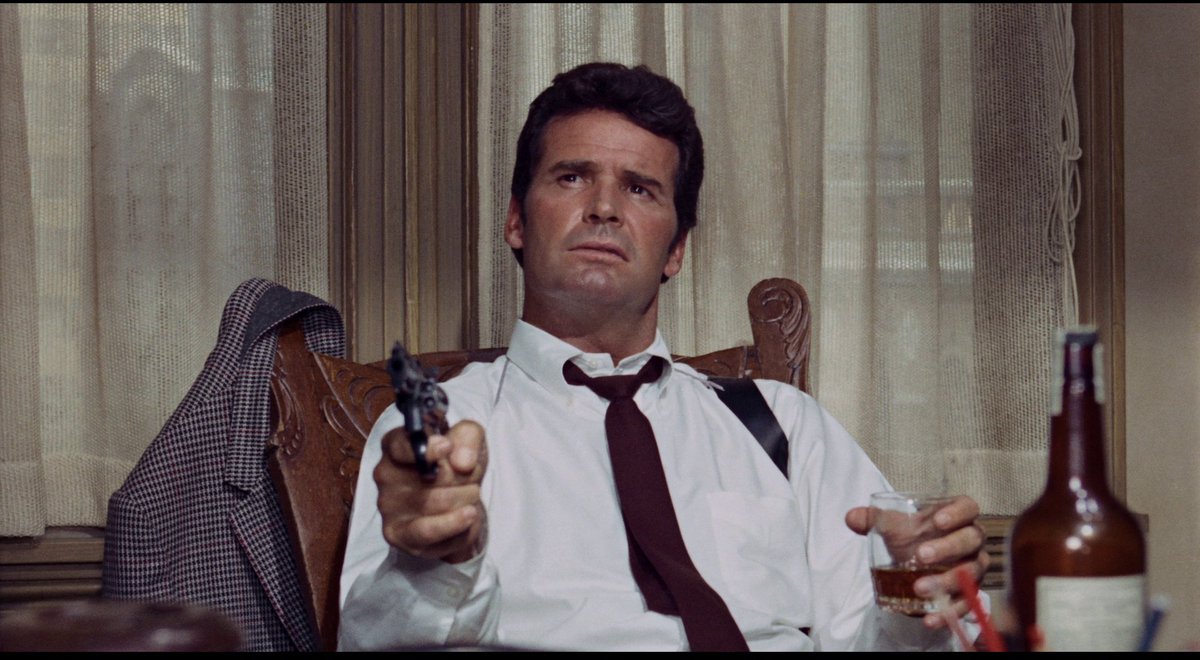
Paul Bogart's Marlowe stands as a fascinating, if uneven, bridge between classic Raymond Chandler adaptations and the more revisionist detective films of the 1970s. Directed by Paul Bogart in his feature debut and written by Stirling Silliphant (The Swarm, Circle of Iron, The Enforcer, The Killer Elite, The Towering Inferno, The Poseidon Adventure, The New Centurions, Murphy's War, The Liberation of L.B. Jones, Charly, In the Heat of the Night, The Slender Thread, Naked City (1958), Village of the Damned, 5 Against the House,) it updates Chandler’s 1949 novel The Little Sister to late-1960s Los Angeles while retaining the core mystery of blackmail, ice-pick murders, and Hollywood-adjacent corruption. James Garner (The Rockford Files, Support Your Local Gunfighter, Hour of the Gun, Duel at Diablo, Grand Prix, The Americanization of Emily, The Great Escape, Fire in the Sky, The Art of Love, Gunfight at the O.K. Corral, Lawman, The Children's Hour,) stars as Philip Marlowe in a performance that leans into wry charm rather than the world-weary fatalism of Humphrey Bogart or the existential drift of Elliott Gould’s later take in Robert Altman's 1973 The Long Goodbye. The story follows Marlowe as he’s hired by the deceptively innocent Orfamay Quest (Sharon Farrell - The Fifth Floor, The Stuntman, The Reivers, A Lovely Way to Die, Arcade, Night of the Comet) to locate her missing brother Orrin. What begins as a straightforward missing-persons case spirals into a web involving a glamorous TV actress (Gayle Hunnicutt - Voices, The Legend of Hell House, Scorpio, Fragment of Fear, Eye of the Cat, P.J.), a Brooklyn mobster with a signature murder method (H.M. Wynant - Run of the Arrow,) a psychiatrist with questionable motives (Paul Stevens - The Mask,) and a fiery lounge singer (Rita Moreno - Carnal Knowledge, The Night of the Following Day, West Side Story, Summer and Smoke, Jivaro.) Garner is the film’s strongest asset. His Marlowe is impertinent, resourceful, and dryly humorous - qualities that would later define his iconic Jim Rockford. He ad-libbed at least one memorable line (a baroque description of wine), and his easy rapport with the cast, particularly Carroll O’Connor’s (Point Blank, All in the Family, Death of a Gunfighter, Warning Shot, The Devil's Brigade, Lonely Are the Brave, The Time Tunnel TV Series, Cleopatra, The Defiant Ones,) exasperated Lt. Christy French, provides consistent pleasure. At its core, the film explores the familiar Chandler territory of corruption beneath surface glamour - here filtered through the entertainment industry, family betrayal, and the commodification of images (blackmail photos). The “little sister” motif and the revelation of hidden sibling connections add layers of personal deceit that drive the emotional stakes. However, the lighter tone and 1960s updating soften the novel’s darker undercurrents of moral compromise and postwar disillusionment. Compared to other adaptations, Marlowe is more straightforward and entertaining than Robert Altman’s deconstructive The Long Goodbye, yet less mythic or iconic than the 1940s Bogart films. It occupies an interesting middle ground: accessible, character-driven, and fun, but not fully committed to either classic noir grit or bold reinvention. For viewers interested in 1960s detective films, transitional neo-noir, or simply a solid mystery with personality, it offers considerable charm and a breezy, colorful take on Philip Marlowe that feels distinctly of its moment while still nodding to the character’s enduring appeal. It’s a film that rewards appreciation on its own terms - as an entertaining star vehicle and a snapshot of how Hollywood tried to refresh a beloved literary icon for a new decade. Arrow’s Blu-ray is the best version of Marlowe yet released and a worthwhile upgrade for fans of James Garner and 1960s detective films. The restored picture and clean mono audio make the film’s modish charm more appealing, while Berger’s lengthy featurette and the solid booklet elevate it beyond a bare-bones release. Recommended for Chandler completists, Garner fans, and anyone who enjoys stylish, under-the-radar neo-noir.
2
9
1,636
DVDBeaver retweeted

Jun 1
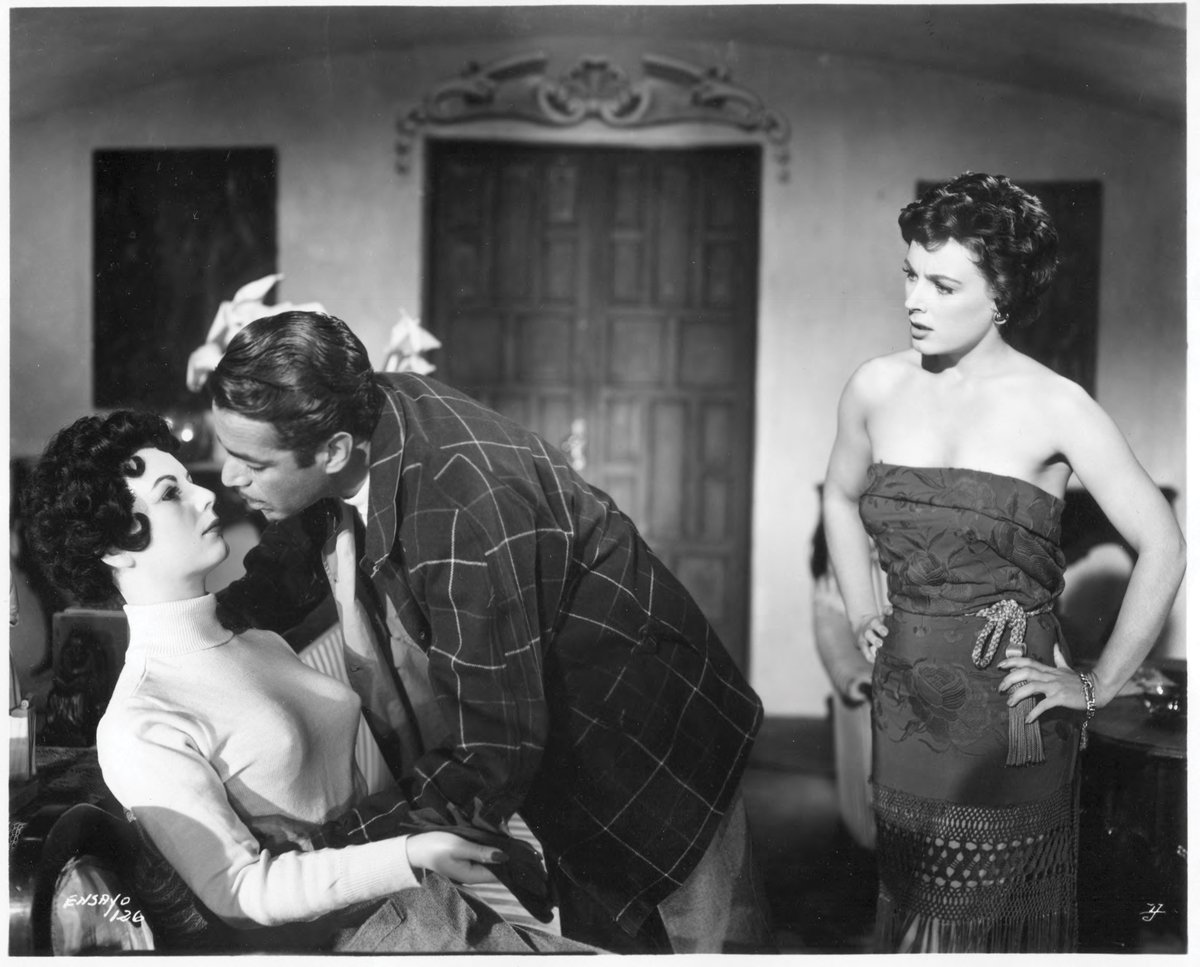
"The clear choice for collectors thanks to its superior audio and substantially expanded extras... the definitive version currently available. Absolutely recommended" @DVDBeaver on Buñuel's delirious THE CRIMINAL LIFE OF ARCHIBALDO DE LA CRUZ dvdbeaver.com/subsite/film2/…
2
4
750
Jun 1
Luis Buñuel's "The Criminal Life of Archibaldo de la Cruz" Blu-ray - Ernesto Alonso, Miroslava, Rita Macedo, Ariadne Welter, Andrea Palma @SecondRunDVD
UK: amazon.co.uk/exec/obidos/ASI…
BONUS CAPTURES:
patreon.com/posts/luis-bunue…
OUR COMPARISON:
dvdbeaver.com/subsite/film2/…
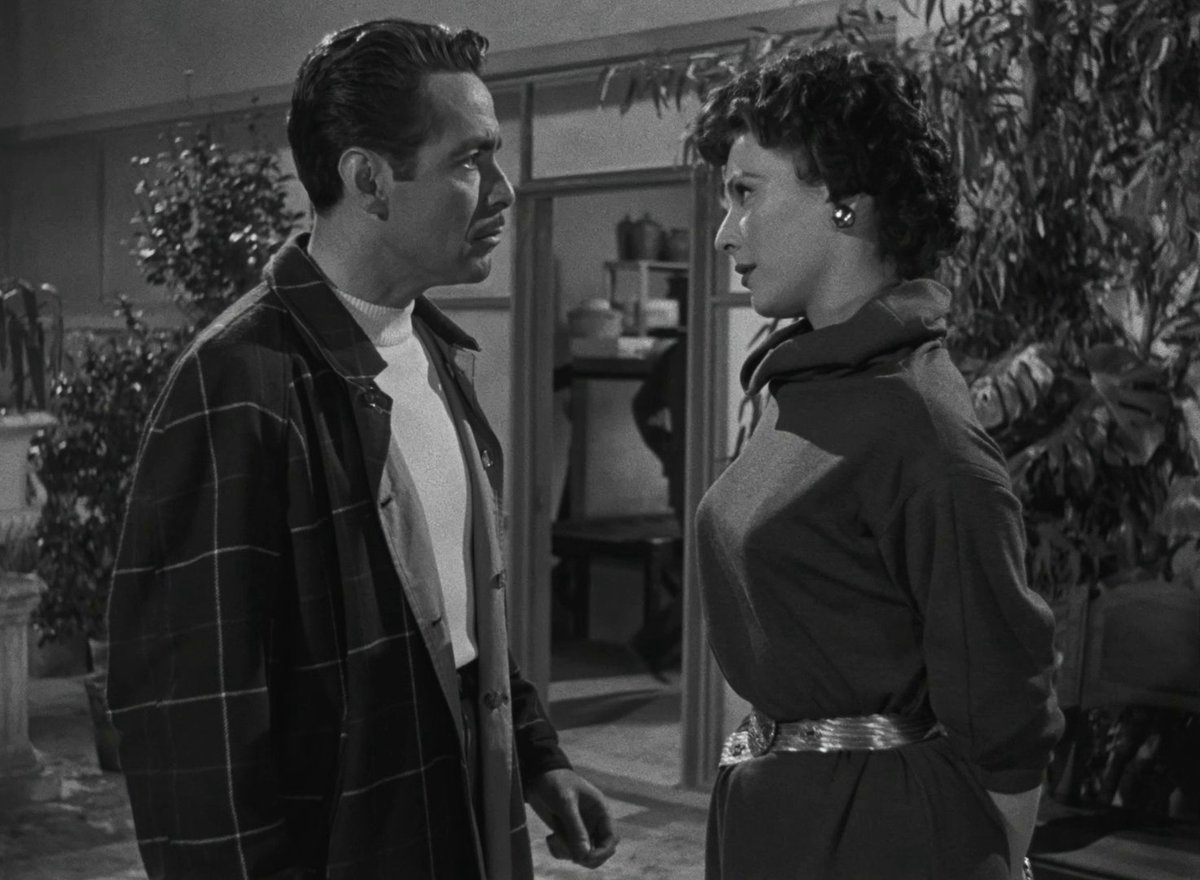
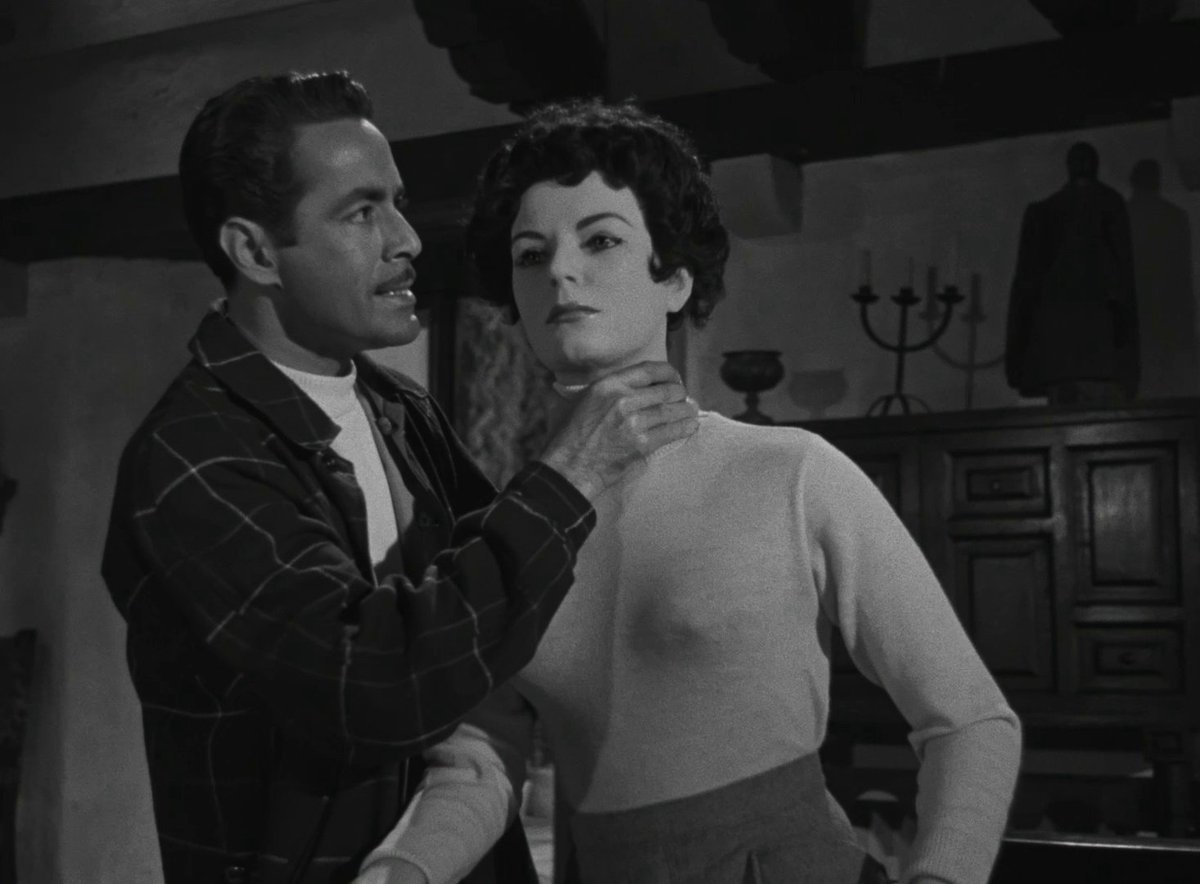
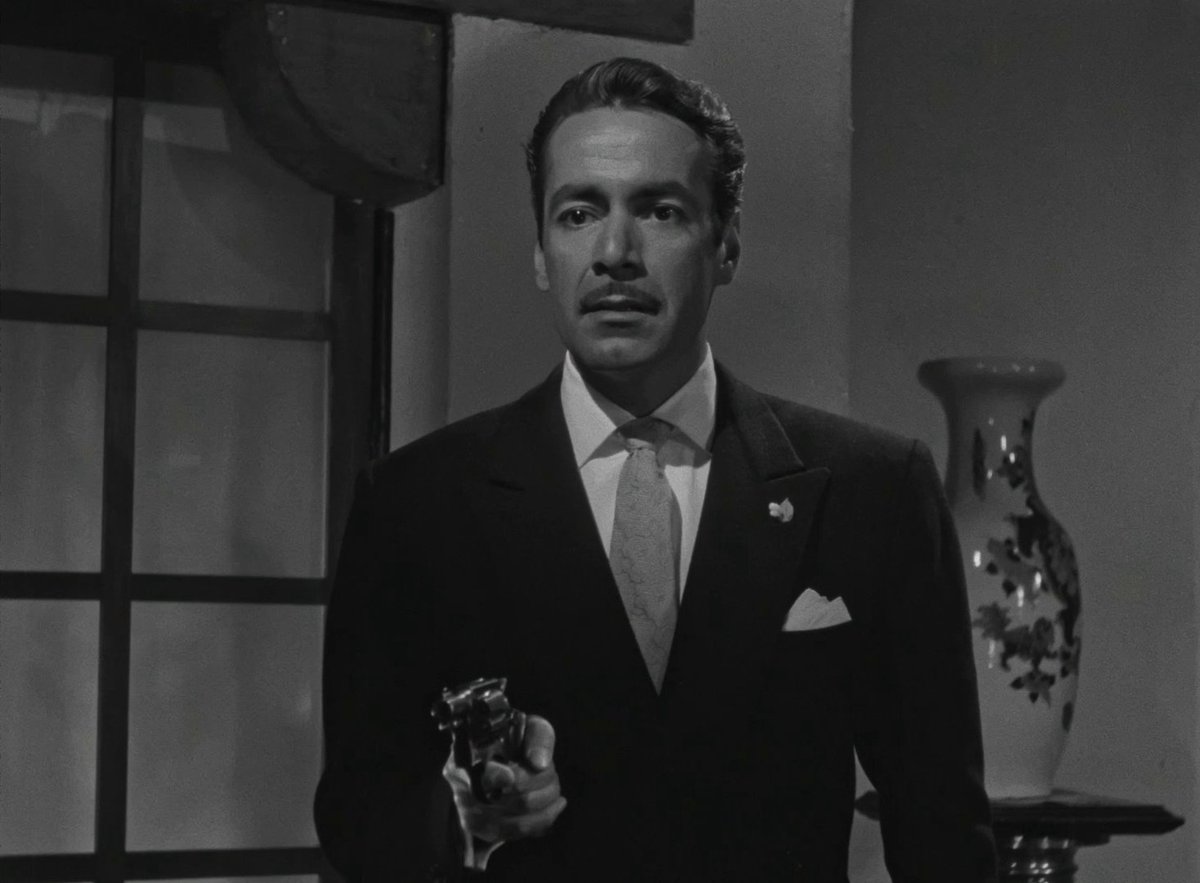
The Criminal Life of Archibaldo de la Cruz (Ensayo de un crimen, 1955), directed by Luis Buñuel, is a razor-sharp black comedy that skewers bourgeois hypocrisy, Catholic guilt, and the absurd gap between murderous fantasy and reality. Wealthy Mexican potter Archibaldo de la Cruz (Ernesto Alonso) has been haunted since childhood by a formative incident during the Revolution: after receiving a music box from his indulgent mother, he was told it possessed the power to kill one’s enemies. When he wound it while wishing death upon his stern governess, a stray bullet fulfilled the wish—forever fusing erotic fascination, power, and violence in his mind. As an adult, Archibaldo meticulously plots the “perfect crime” against a succession of women, only to have fate and circumstance repeatedly thwart his elaborate schemes, leaving the victims dead by other hands. Buñuel’s elegant, ironic direction transforms this premise into a wickedly funny meditation on repressed desire, self-delusion, and the futility of criminal intent, making the film one of the director’s most accessible yet thematically rich works from his Mexican period.
***
Luis Buñuel’s The Criminal Life of Archibaldo de la Cruz stands as one of the most elegantly perverse and intellectually playful films of the director’s prolific Mexican period (1947–1960). This black comedy-satire is based on Rodolfo Usigli’s 1944 novel and stars Ernesto Alonso (The Young and the Damned) in the title role, with, in her final screen appearance, Miroslava (Jacques Tourneur's Stranger on Horseback) and, in her debut, Ariadna Welter (The Panther Women, Rage, The Brainiac, The Vampire's Coffin, The Vampire.) Rita Macedo (The Curse of the Crying Woman, The Exterminating Angel,) delivers a vivid, emotionally raw performance as Patricia Terrazas, the volatile and self-destructive woman whose turbulent affair and impulsive suicide ironically deny Archibaldo the chance to carry out his meticulously planned murder. While less overtly dreamlike than Buñuel’s later French masterpieces, the film distills his signature obsessions - repressed desire, Catholic guilt, bourgeois hypocrisy, and the absurd mechanics of fate - into a deceptively light, ironic narrative that functions simultaneously as psychological case study, erotic farce, and philosophical joke. Archibaldo is the ultimate victim of Catholic doctrine in Buñuel’s universe. Burdened by imaginary sins, he actively seeks real crimes to justify his self-loathing. The confession to the judge functions as both legal proceeding and mock psychoanalysis. The judge ultimately declares that Archibaldo has committed no crimes - only to watch the protagonist throw the music box into a lake in a gesture of symbolic exorcism. Buñuel suggests that guilt precedes and even creates the desire for transgression. The recurring motif of legs, the music box, the razor, and especially the mannequin crystallize Archibaldo’s (and by extension, patriarchal) tendency to turn women into objects of control and destruction. The mannequin scene is particularly Buñuelian: Archibaldo kisses the wax figure, only for the real Lavinia to reveal herself. When he later destroys the mannequin in his pottery kiln, the act reads as both erotic release and pathetic substitution. Buñuel links creation (pottery) and destruction in a single gesture. In the end, Buñuel leaves us with a characteristically ambiguous moral: Archibaldo may be “cured,” but only after reality itself has done his dirty work for him. The music box is discarded, yet the film suggests that the human capacity for self-deluding obsession is far harder to drown. This is Buñuel at his most accessible and most subversive - inviting us to laugh at a would-be murderer while quietly forcing us to confront the mechanisms of desire, guilt, and fate that make such figures possible. If you already own the VCI Blu-ray and are primarily concerned with picture quality, there is little reason to upgrade solely for the 1080P image. However, the Second Run Blu-ray edition is the clear choice for collectors thanks to its superior audio and substantially expanded extras, which provide valuable context on Buñuel’s work and this specific film. For most enthusiasts, the, Region FREE, Second Run release represents the definitive version currently available. Absolutely recommended.
1
3
12
1,091