
Joined June 2009
- Tweets 3,819
- Following 306
- Followers 6,012
- Likes 6,578
742 Photos and videos

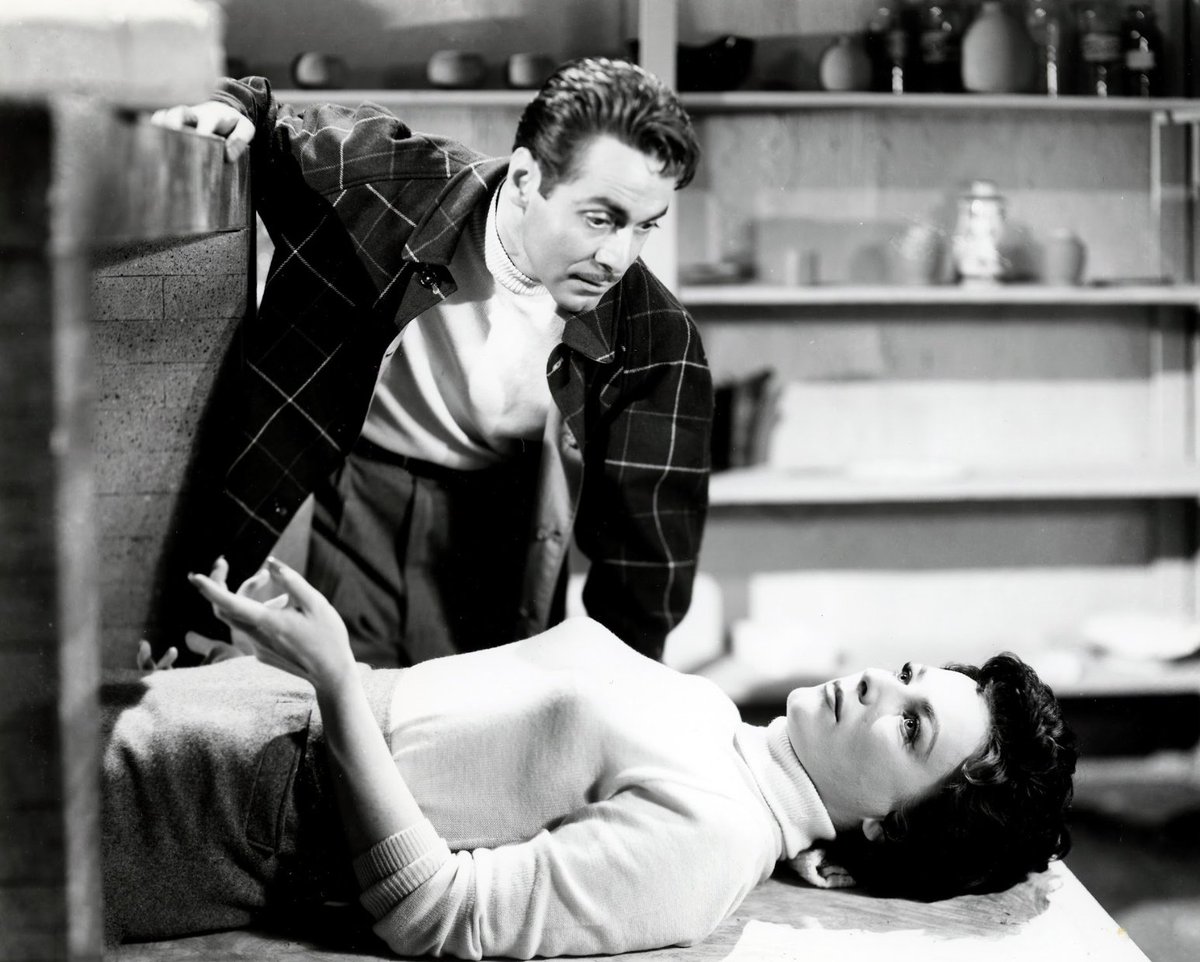
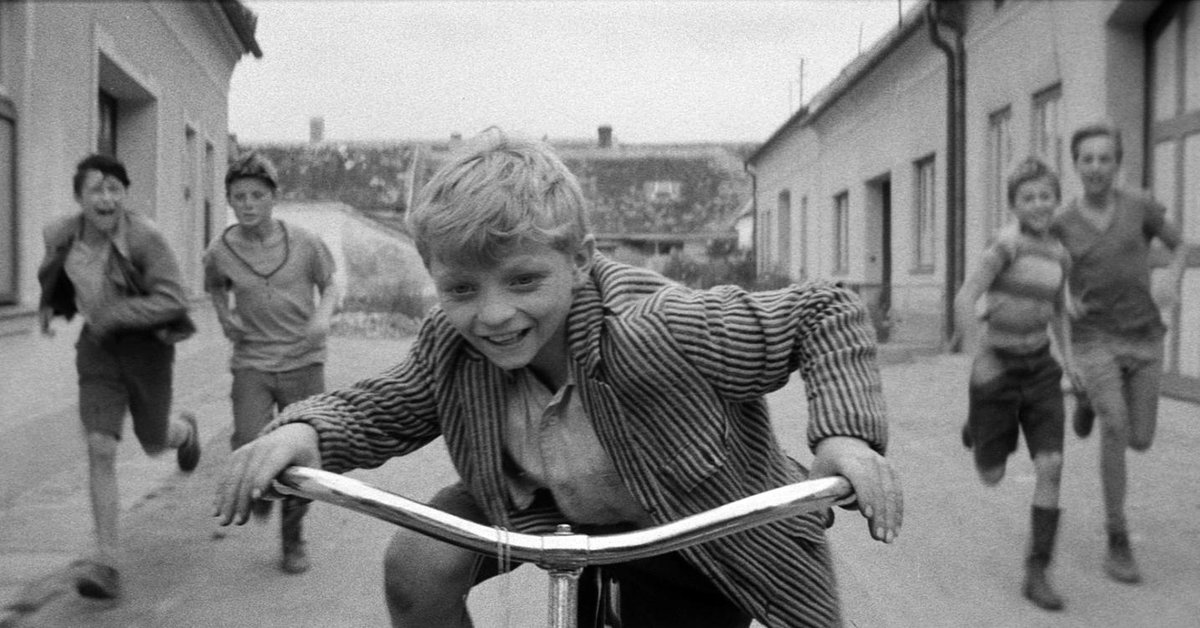
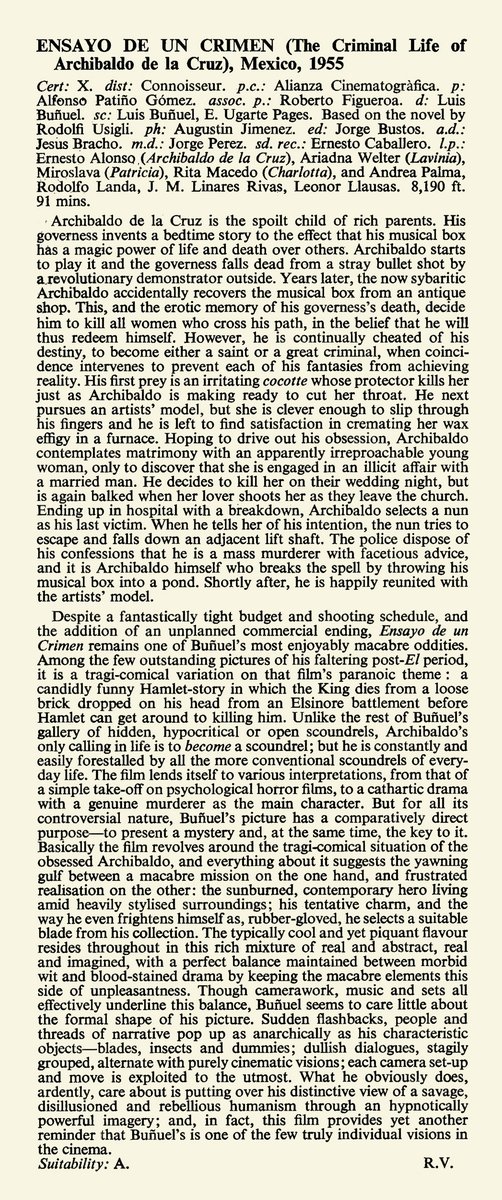


Jun 12
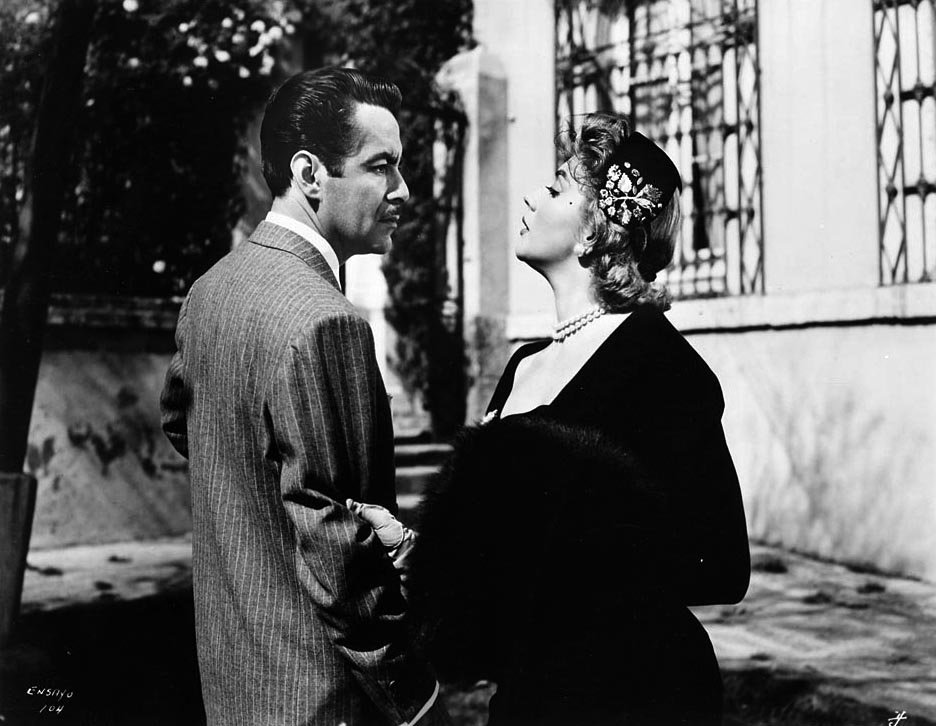
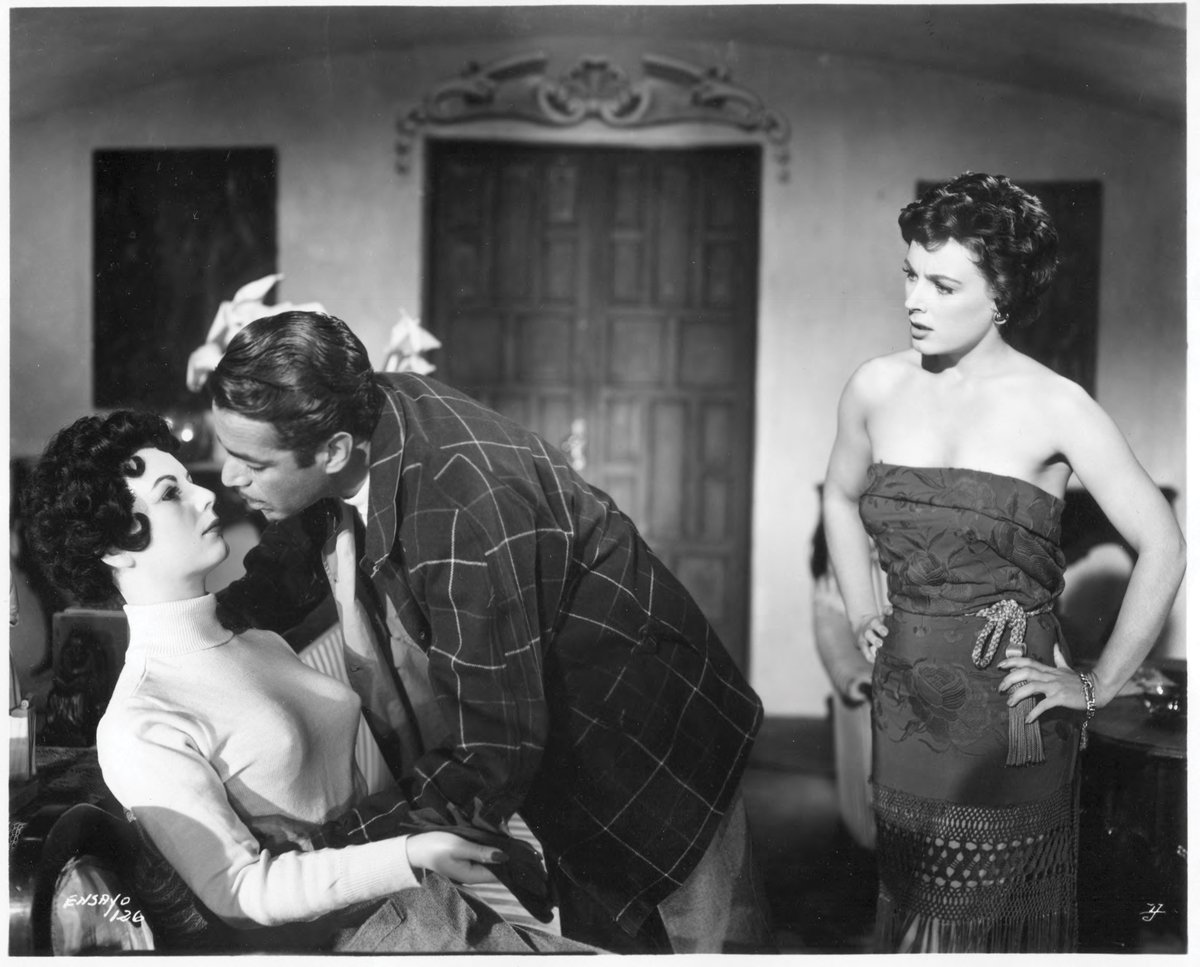
Don't forget - 25% off selected Second Run titles NOW @RarewavesCom !
rarewaves.com/collections/se…
6
310
Jun 11
"Pitch black comedy from key cinematic surrealist Luis Buñuel... blends skewed, mocking drama with moments of woozy macabreness, uneasy surrealism, and almost giddy derangement" @musiquemachine1 go crazy for THE CRIMINAL LIFE OF ARCHIBALDO DE LA CRUZ musiquemachine.com/reviews/t…
1
1
2
362
Jun 10
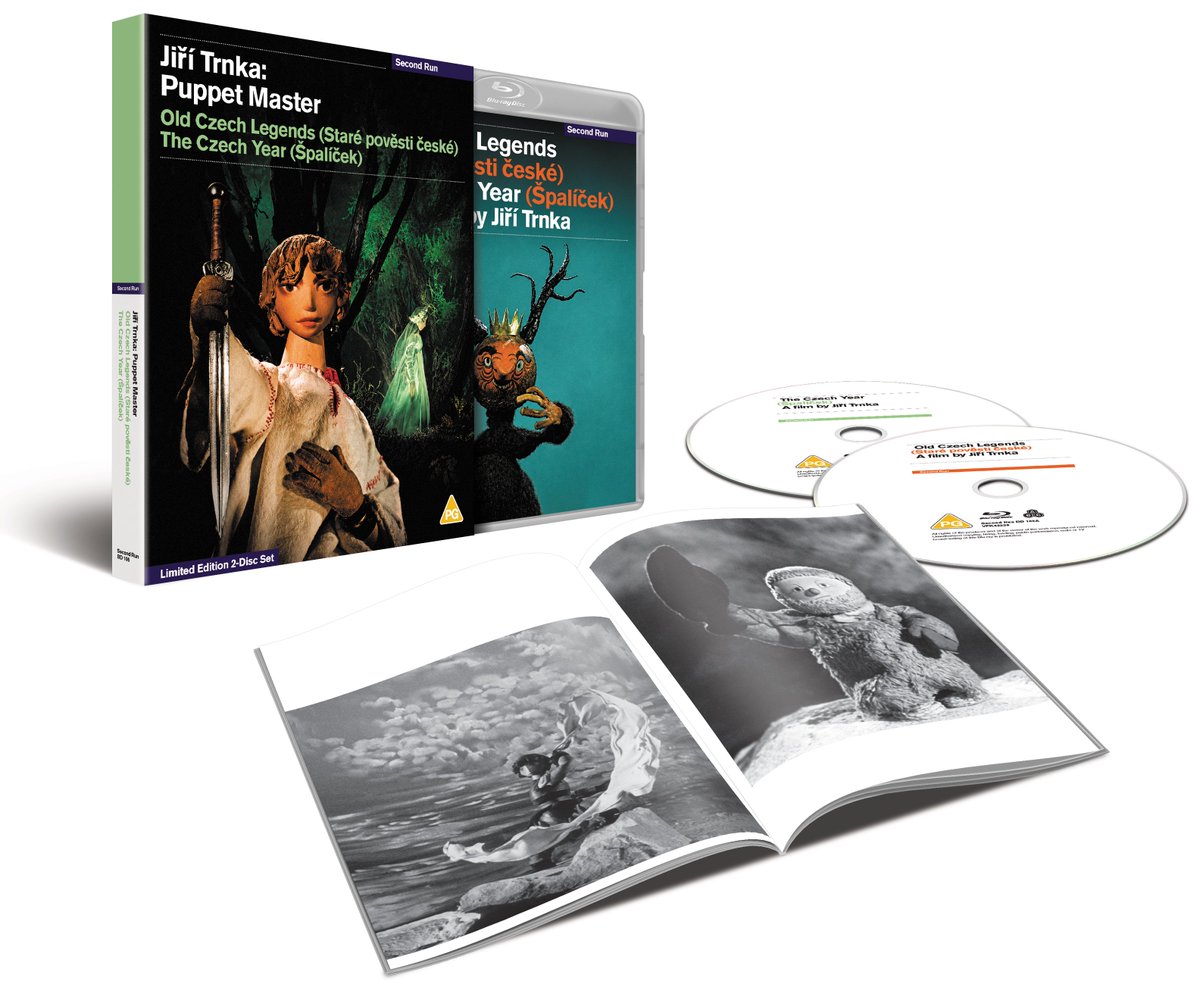
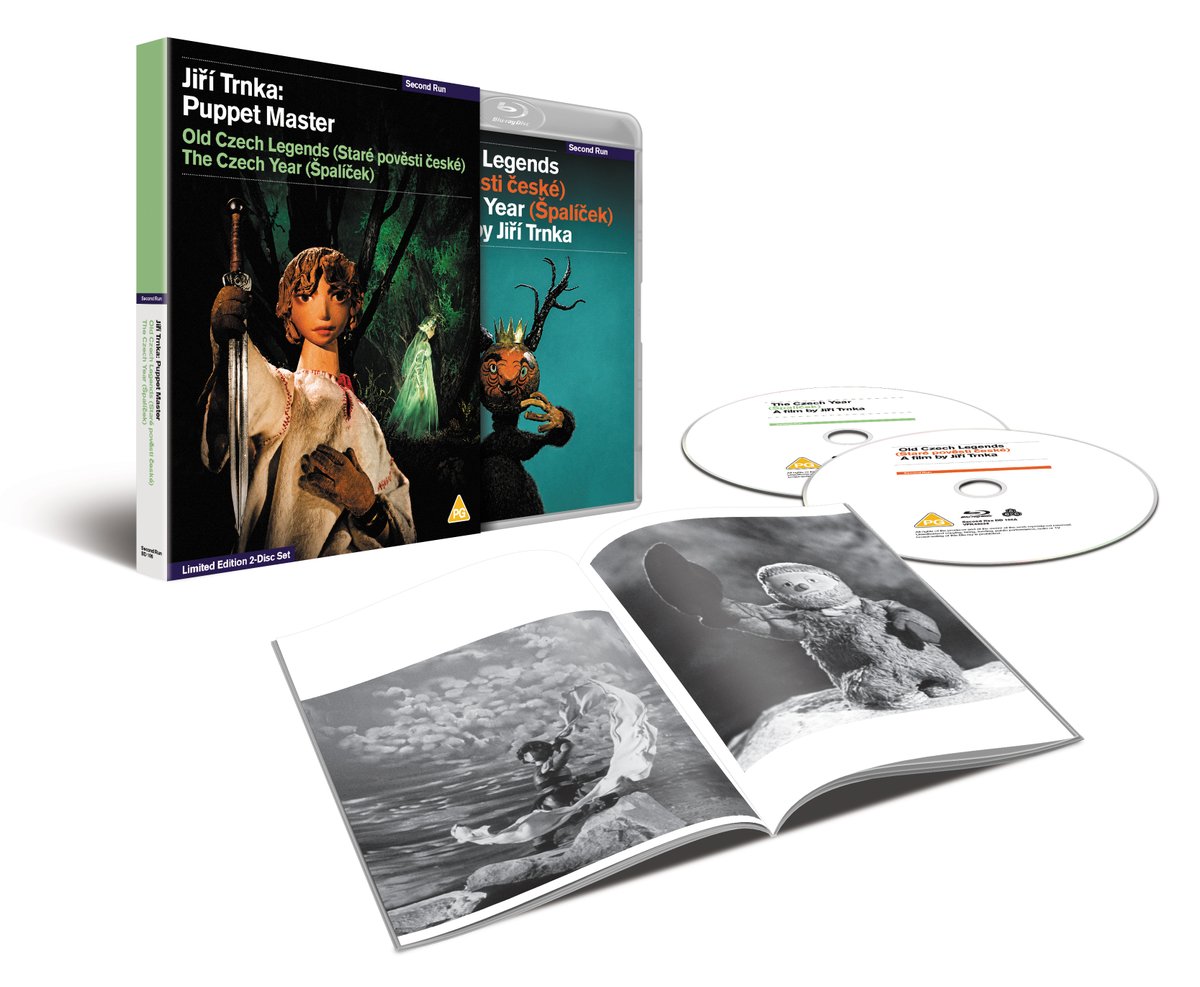
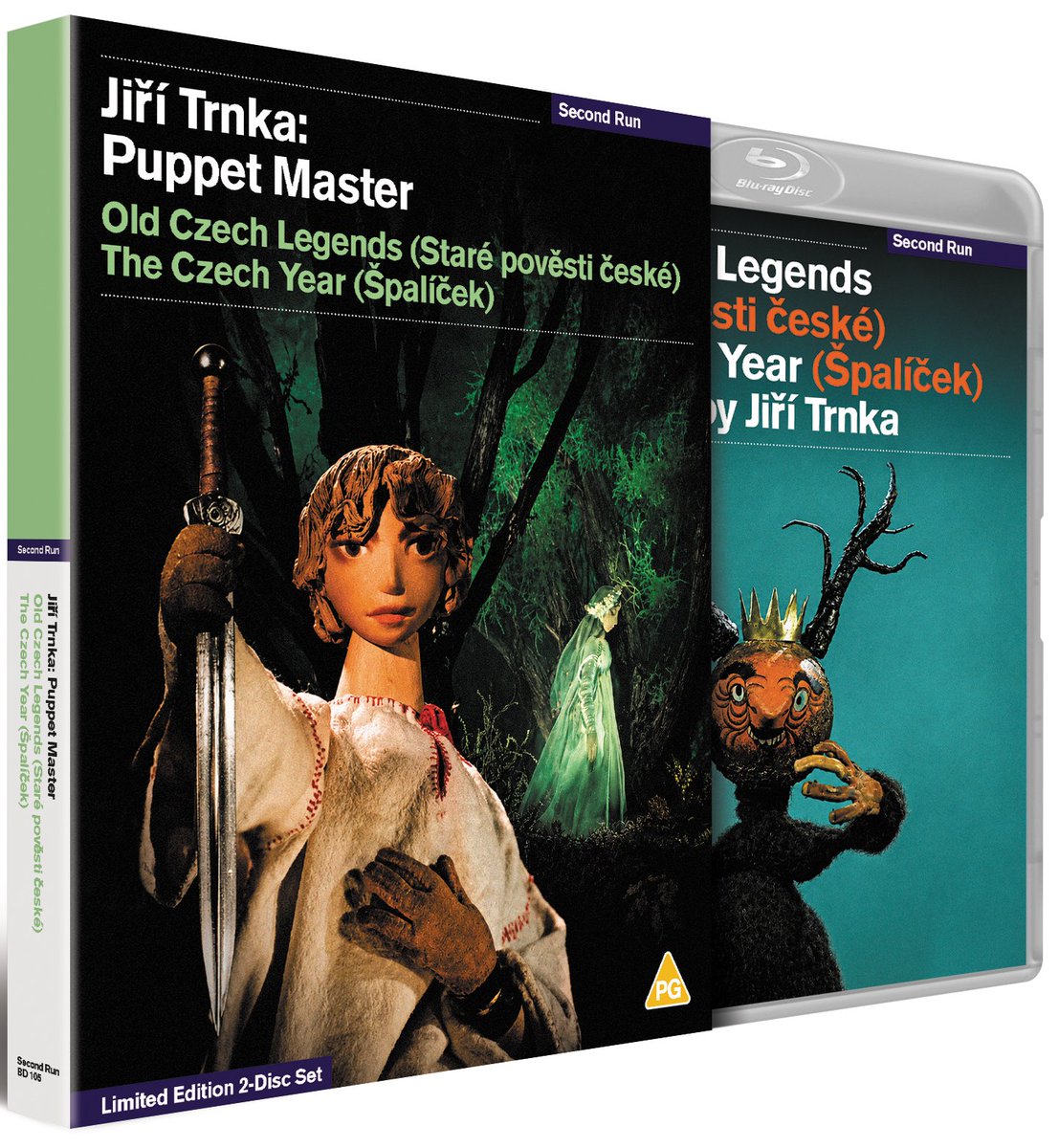
JIŘÍ TRNKA: PUPPET MASTER Blu-ray LE Slipcase Edition is now also available to pre-order at the usual outlets - @AmazonUK tinyurl.com/5jjzu5rk
@RarewavesCom tinyurl.com/4entdycx
@hmvtweets tinyurl.com/3sz886cw
@Zavvi @diabolikdvd tinyurl.com/rvbvmf7a
@orbitdvd
4
16
896
Jun 10
JIŘÍ TRNKA: PUPPET MASTER Blu-ray LE Slipcase Edition is now also available to pre-order at the usual outlets - @AmazonUK tinyurl.com/5jjzu5rk
@RarewavesCom tinyurl.com/4entdycx
@hmvtweets tinyurl.com/3sz886cw
@Zavvi @diabolikdvd tinyurl.com/rvbvmf7a
@orbitdvd
1
24
1,875
Jun 10
Zoltán Huszárik: The Outsider of Hungarian Cinema is a new video essay by @whats_ina_scene exploring Szindbád (1971) and Csontváry (1980), and the links to his short films and the period of Hungarian history in which he lived. Watch here:
youtube.com/watch?v=Xd88dUPk…
2
8
612
Jun 8
"A characteristically sly, witty blend of comedy, crime story, psychological study, social satire, melodrama and absurdist parody"
Geoff Andrew on Buñuel's delicious CRIMINAL LIFE OF ARCHIBALDO DE LA CRUZ
geoffandrew.com/2026/06/04/o…
2
4
400
Jun 8
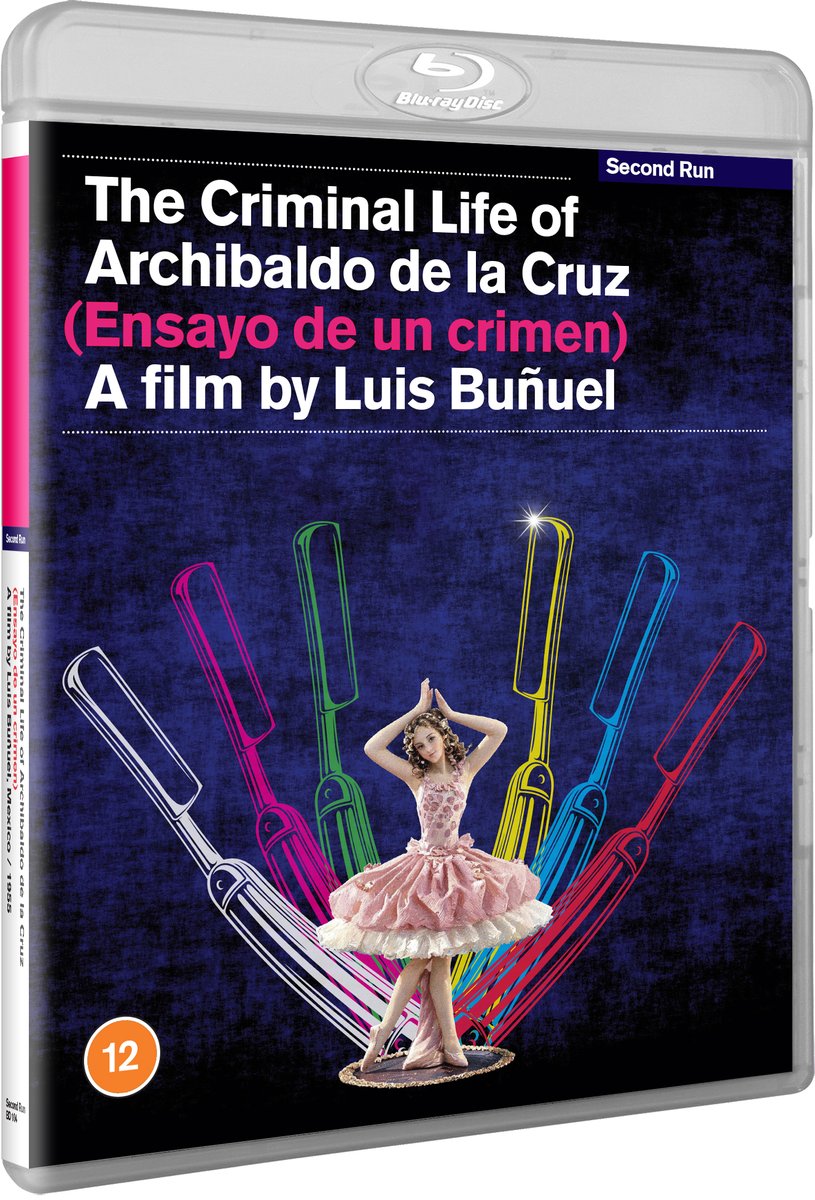
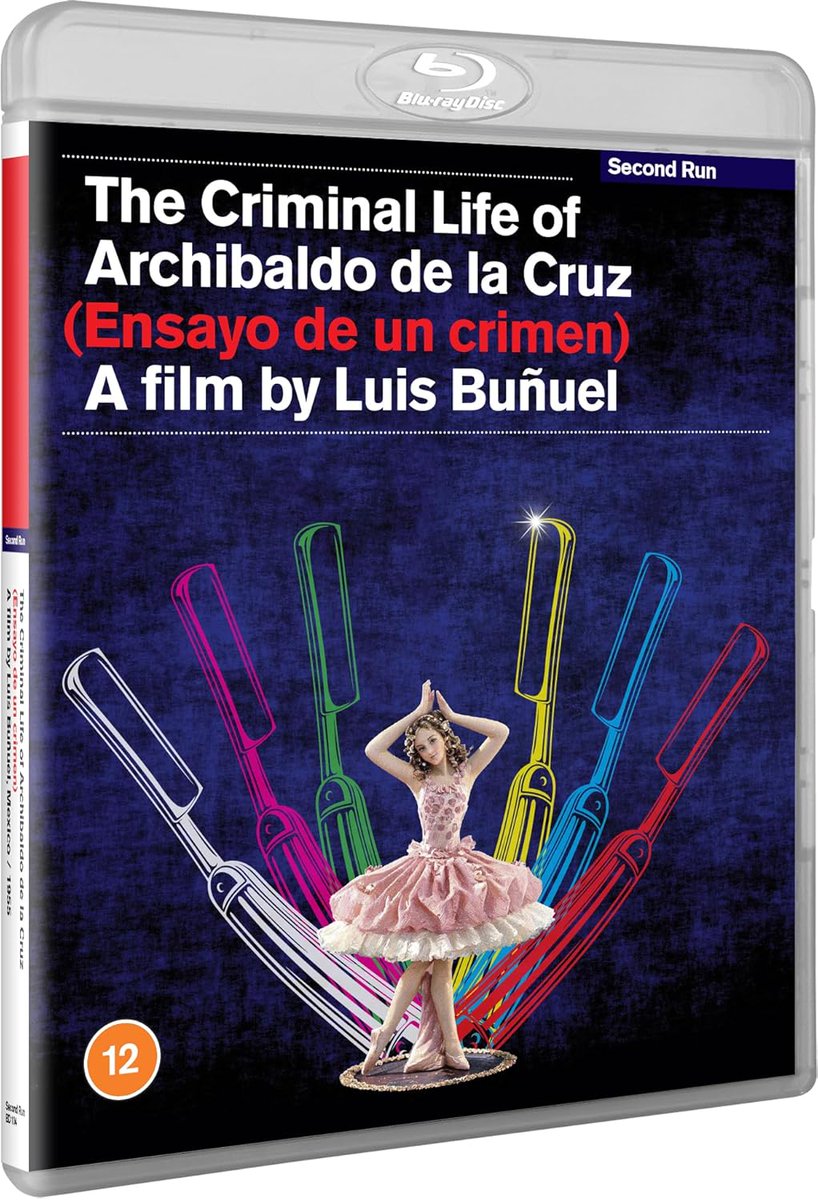
OUT TODAY! Luis Buñuel's THE CRIMINAL LIFE OF ARCHIBALDO DE LA CRUZ - an unjustly neglected gem from one of cinema’s greatest artists. Our website: secondrundvd.com/release_cri… @AmazonUK tinyurl.com/nmu4scmw @hmvtweets @FOPPofficial @Zavvi @RarewavesCom @diabolikdvd @orbitdvd
6
20
808
Second Run retweeted

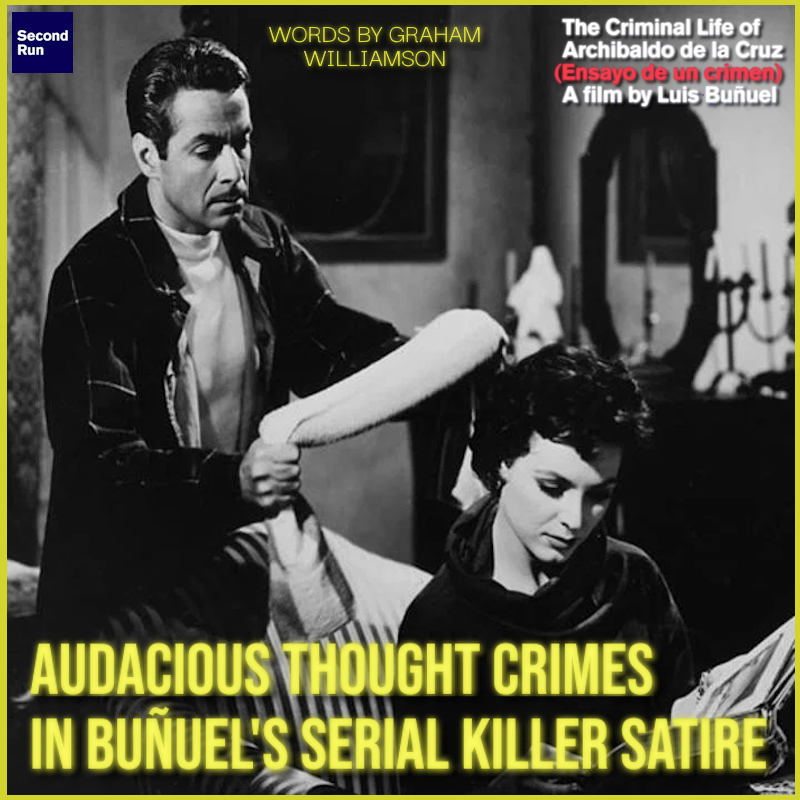
For your Sunday Afternoon, we have to Graham fronted pieces for your reading and listening pleasure. Up first, we head to Spain for the latest from @SecondRunDVD, we head deep into the filmography of Spanish legend, Luis Bunuel.
Read More Here: thegeekshow.co.uk/the-crimin…
1
1
334
Jun 7
"It’s stunning: both funny (because frustration is always comedy gold) and deeply disturbing... The sort of film that lives in your head for days" James Oliver gets to grip with Buñuel and THE CRIMINAL LIFE OF ARCHIBALDO DE LA CRUZ at his Substack blog
tinyurl.com/4jbc24mh
2
8
494
Jun 5
"The film has seen several comparisons to Hitchcock’s work, due to its mixing of violence and desire [...] A wonderful package from Second Run. The film looks incredible" Buñuel's THE CRIMINAL LIFE OF ARCHIBALDO DE LA CRUZ at 'What's In a Scene' newsletter
whatsinascene.substack.com/p…
3
354
Jun 4
"As brutally bleak a satire as anything in his back catalogue" Graham @TGS_TheGeekShow revels in the subversive delights of Buñuel's THE CRIMINAL LIFE OF ARCHIBALDO DE LA CRUZ - out on Monday! thegeekshow.co.uk/the-crimin…
6
462
Jun 3
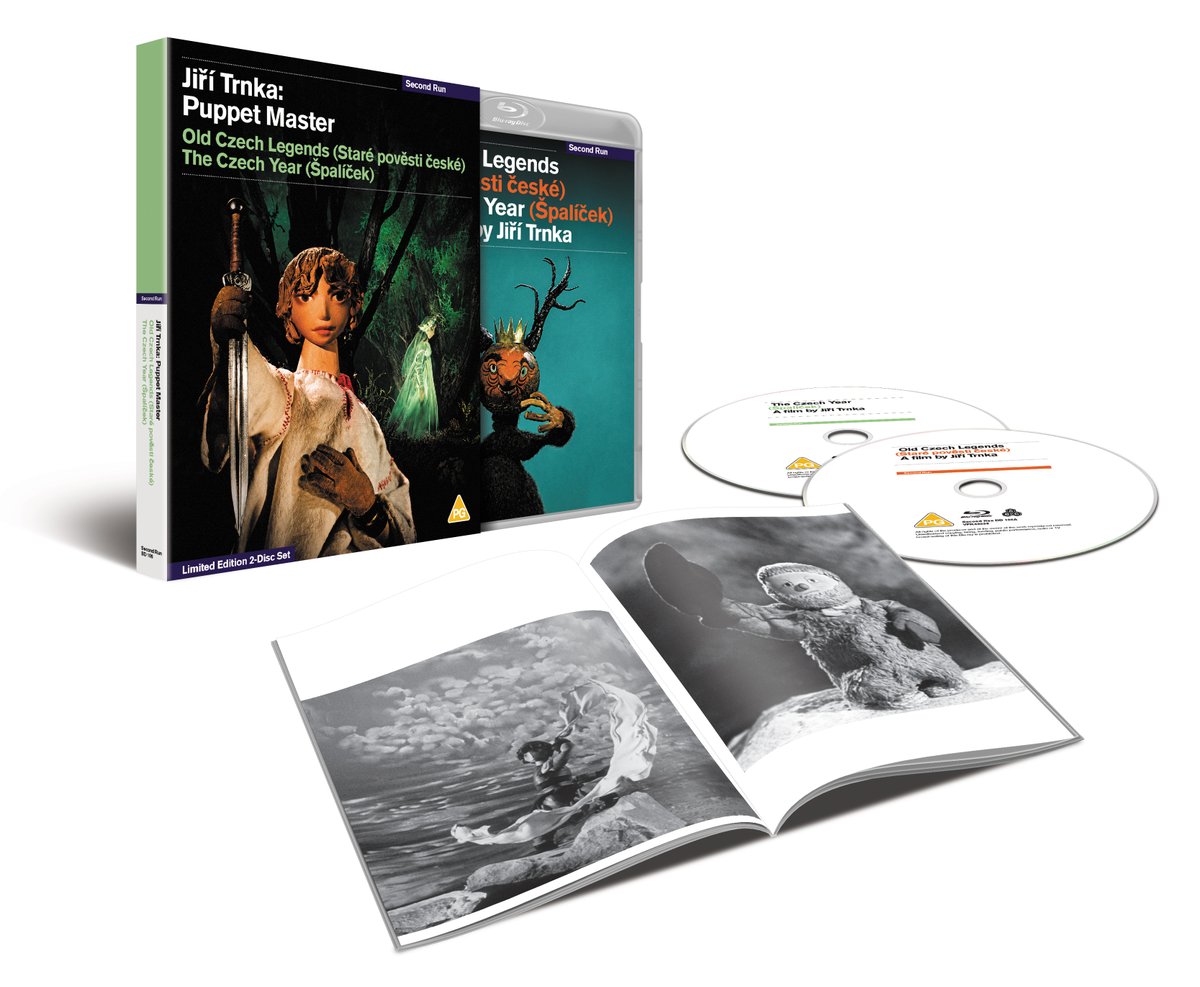
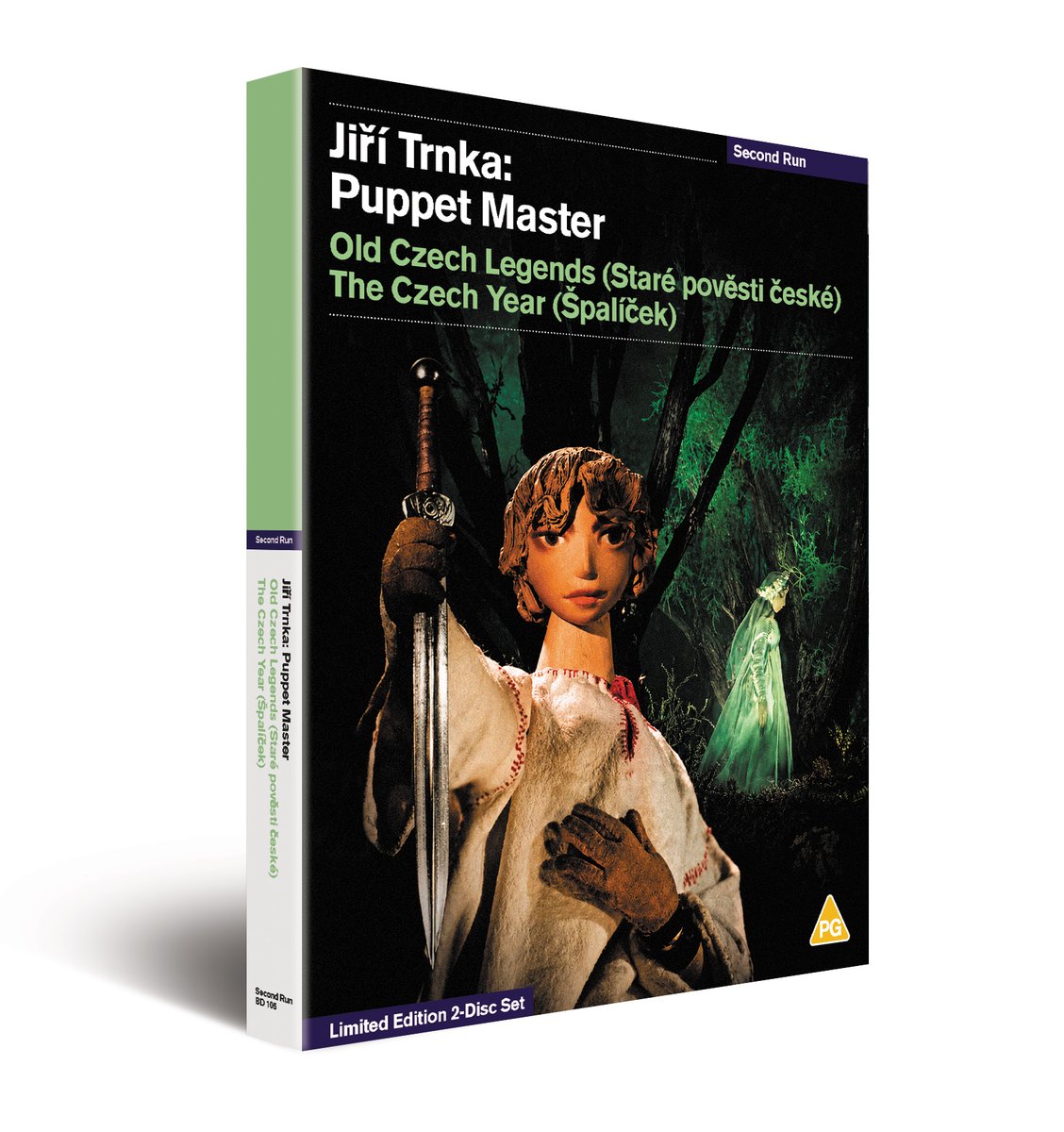
NEW RELEASE: JIŘÍ TRNKA: PUPPET MASTER
OLD CZECH LEGENDS / THE CZECH YEAR - Limited Slipcase Edition 2-disc Blu-ray Set on 27 July.
Available exclusively to pre-order at our webstore NOW
tinyurl.com/bdep2nmf

1
15
80
4,932
Second Run retweeted

Jun 1
Luis Buñuel's "The Criminal Life of Archibaldo de la Cruz" Blu-ray - Ernesto Alonso, Miroslava, Rita Macedo, Ariadne Welter, Andrea Palma @SecondRunDVD
UK: amazon.co.uk/exec/obidos/ASI…
BONUS CAPTURES:
patreon.com/posts/luis-bunue…
OUR COMPARISON:
dvdbeaver.com/subsite/film2/…
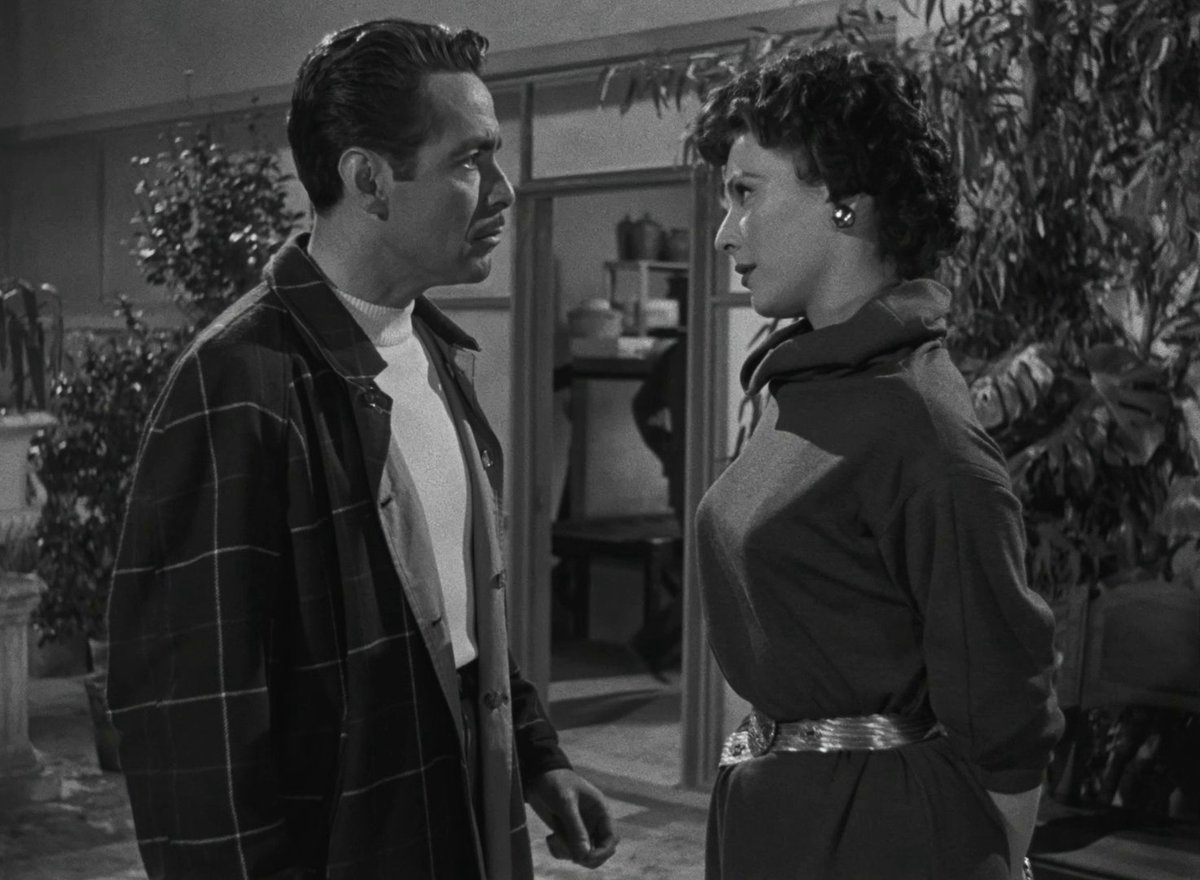
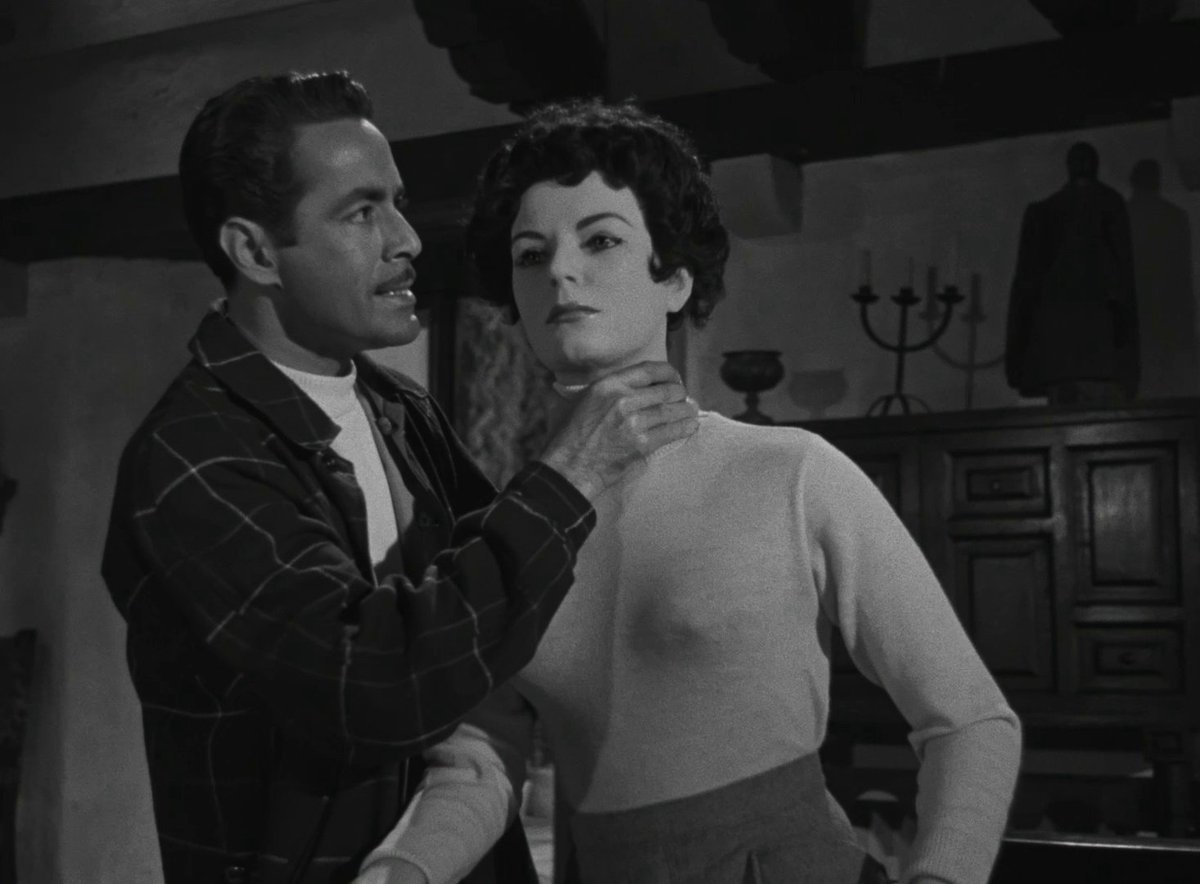
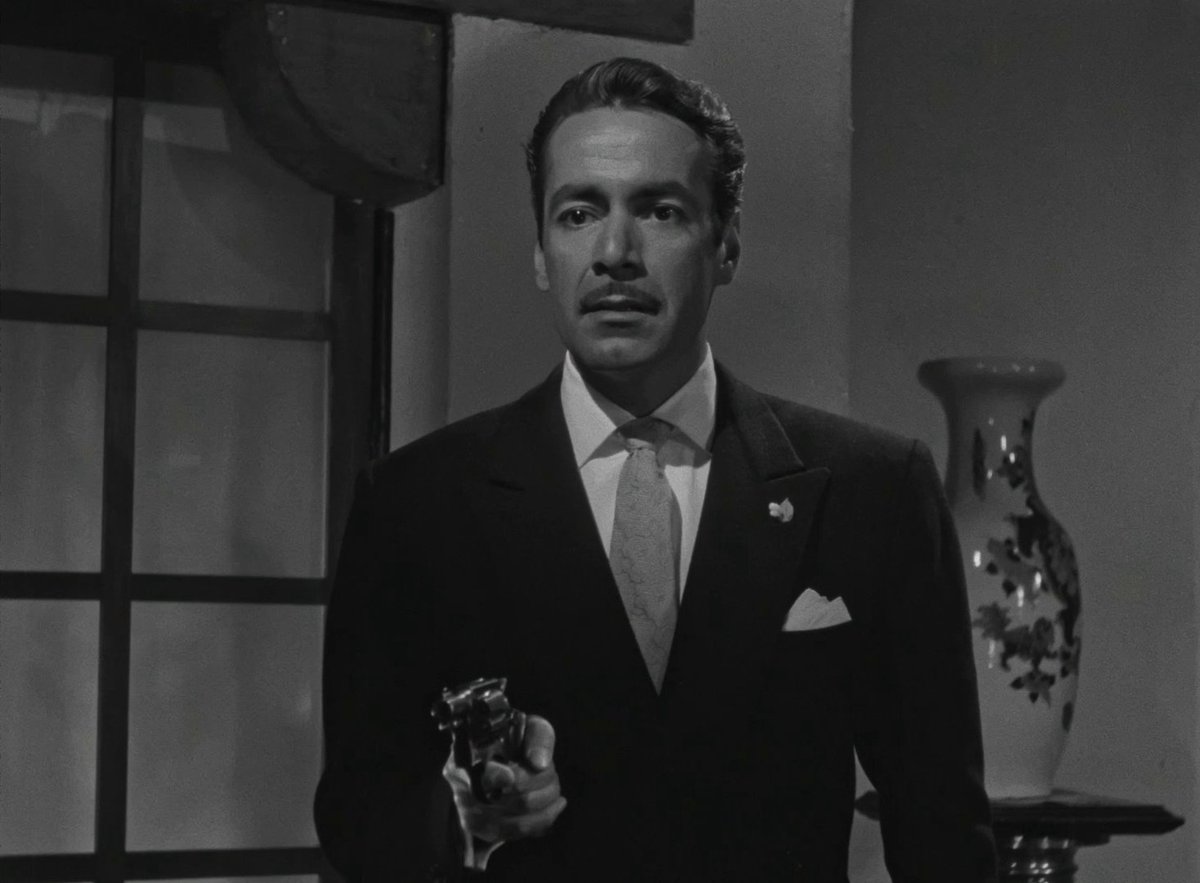
The Criminal Life of Archibaldo de la Cruz (Ensayo de un crimen, 1955), directed by Luis Buñuel, is a razor-sharp black comedy that skewers bourgeois hypocrisy, Catholic guilt, and the absurd gap between murderous fantasy and reality. Wealthy Mexican potter Archibaldo de la Cruz (Ernesto Alonso) has been haunted since childhood by a formative incident during the Revolution: after receiving a music box from his indulgent mother, he was told it possessed the power to kill one’s enemies. When he wound it while wishing death upon his stern governess, a stray bullet fulfilled the wish—forever fusing erotic fascination, power, and violence in his mind. As an adult, Archibaldo meticulously plots the “perfect crime” against a succession of women, only to have fate and circumstance repeatedly thwart his elaborate schemes, leaving the victims dead by other hands. Buñuel’s elegant, ironic direction transforms this premise into a wickedly funny meditation on repressed desire, self-delusion, and the futility of criminal intent, making the film one of the director’s most accessible yet thematically rich works from his Mexican period.
***
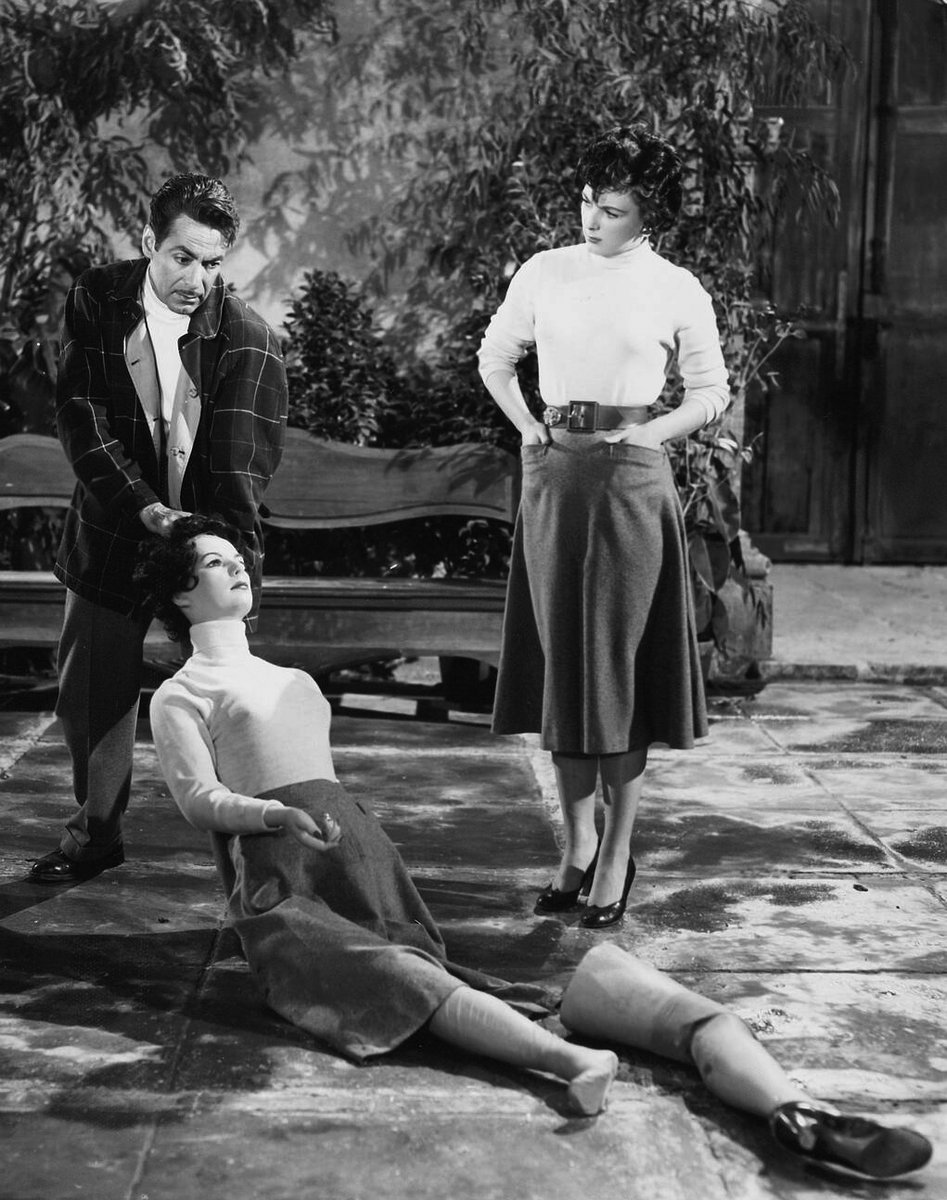
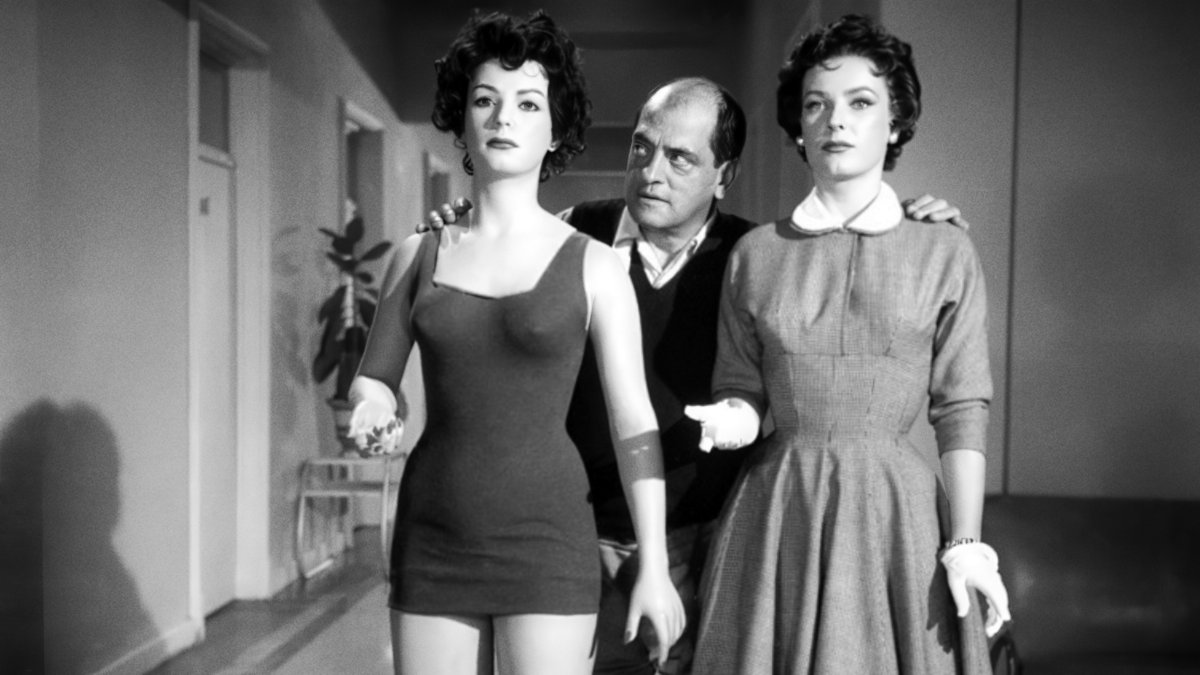
Luis Buñuel’s The Criminal Life of Archibaldo de la Cruz stands as one of the most elegantly perverse and intellectually playful films of the director’s prolific Mexican period (1947–1960). This black comedy-satire is based on Rodolfo Usigli’s 1944 novel and stars Ernesto Alonso (The Young and the Damned) in the title role, with, in her final screen appearance, Miroslava (Jacques Tourneur's Stranger on Horseback) and, in her debut, Ariadna Welter (The Panther Women, Rage, The Brainiac, The Vampire's Coffin, The Vampire.) Rita Macedo (The Curse of the Crying Woman, The Exterminating Angel,) delivers a vivid, emotionally raw performance as Patricia Terrazas, the volatile and self-destructive woman whose turbulent affair and impulsive suicide ironically deny Archibaldo the chance to carry out his meticulously planned murder. While less overtly dreamlike than Buñuel’s later French masterpieces, the film distills his signature obsessions - repressed desire, Catholic guilt, bourgeois hypocrisy, and the absurd mechanics of fate - into a deceptively light, ironic narrative that functions simultaneously as psychological case study, erotic farce, and philosophical joke. Archibaldo is the ultimate victim of Catholic doctrine in Buñuel’s universe. Burdened by imaginary sins, he actively seeks real crimes to justify his self-loathing. The confession to the judge functions as both legal proceeding and mock psychoanalysis. The judge ultimately declares that Archibaldo has committed no crimes - only to watch the protagonist throw the music box into a lake in a gesture of symbolic exorcism. Buñuel suggests that guilt precedes and even creates the desire for transgression. The recurring motif of legs, the music box, the razor, and especially the mannequin crystallize Archibaldo’s (and by extension, patriarchal) tendency to turn women into objects of control and destruction. The mannequin scene is particularly Buñuelian: Archibaldo kisses the wax figure, only for the real Lavinia to reveal herself. When he later destroys the mannequin in his pottery kiln, the act reads as both erotic release and pathetic substitution. Buñuel links creation (pottery) and destruction in a single gesture. In the end, Buñuel leaves us with a characteristically ambiguous moral: Archibaldo may be “cured,” but only after reality itself has done his dirty work for him. The music box is discarded, yet the film suggests that the human capacity for self-deluding obsession is far harder to drown. This is Buñuel at his most accessible and most subversive - inviting us to laugh at a would-be murderer while quietly forcing us to confront the mechanisms of desire, guilt, and fate that make such figures possible. If you already own the VCI Blu-ray and are primarily concerned with picture quality, there is little reason to upgrade solely for the 1080P image. However, the Second Run Blu-ray edition is the clear choice for collectors thanks to its superior audio and substantially expanded extras, which provide valuable context on Buñuel’s work and this specific film. For most enthusiasts, the, Region FREE, Second Run release represents the definitive version currently available. Absolutely recommended.
1
3
12
1,090
Jun 1
"The clear choice for collectors thanks to its superior audio and substantially expanded extras... the definitive version currently available. Absolutely recommended" @DVDBeaver on Buñuel's delirious THE CRIMINAL LIFE OF ARCHIBALDO DE LA CRUZ dvdbeaver.com/subsite/film2/…
2
4
748
Second Run retweeted

May 27
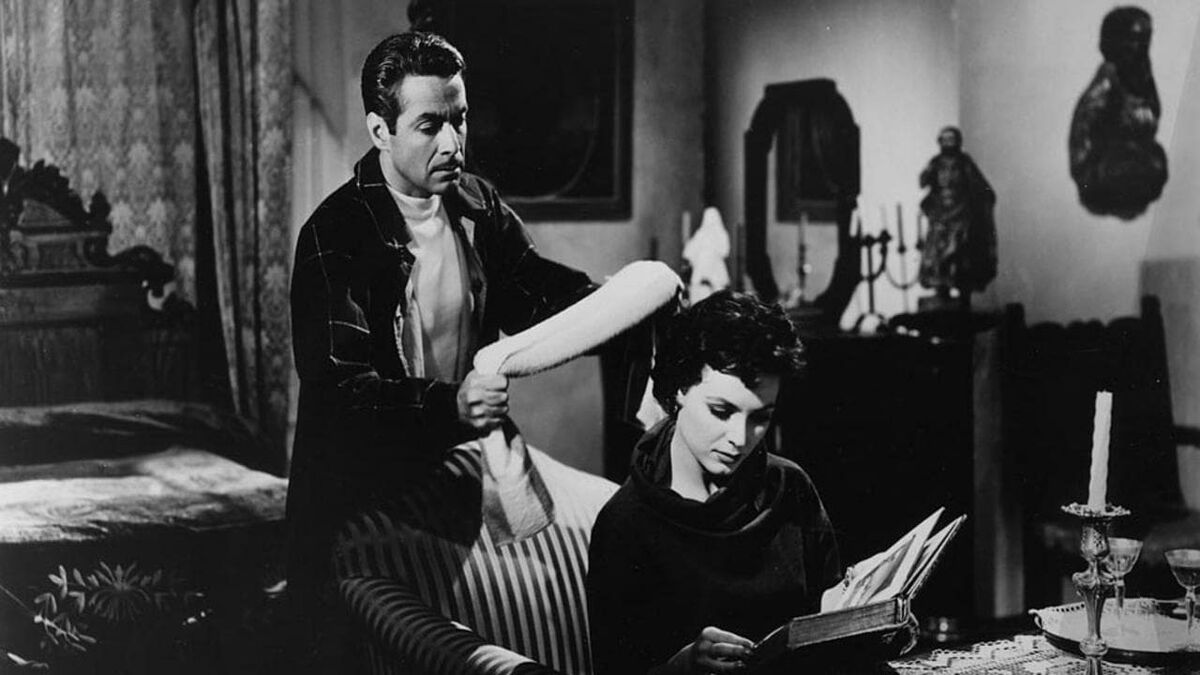
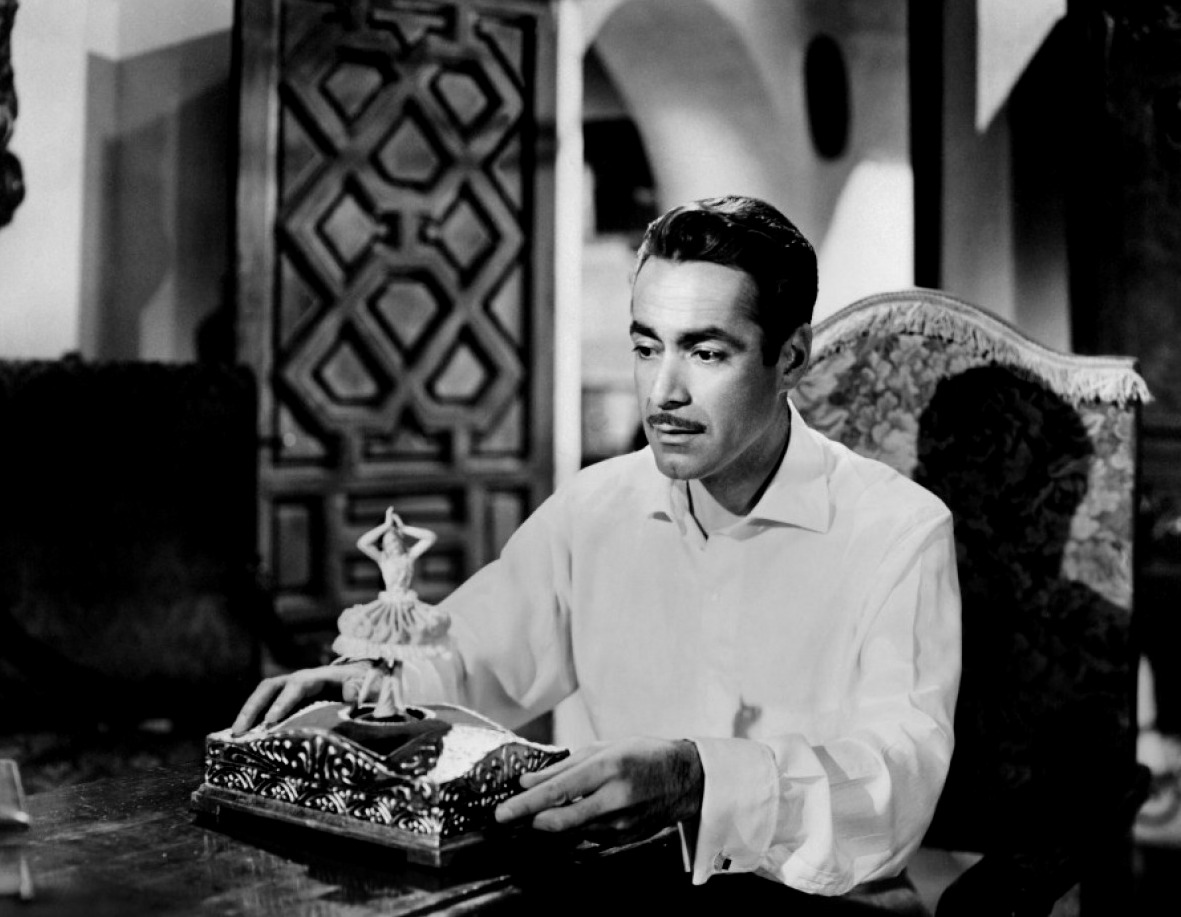
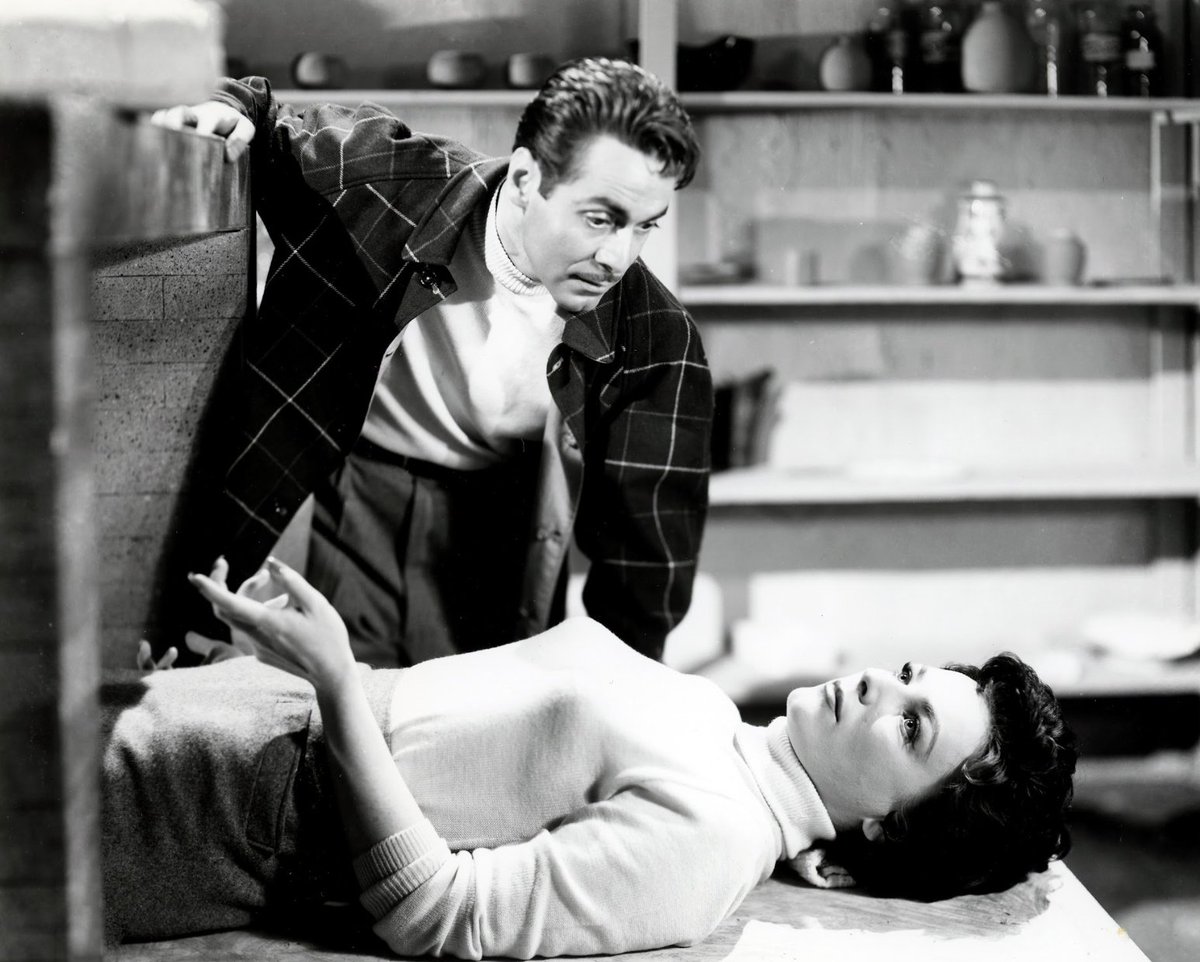
THE CRIMINAL LIFE OF ARCHIBALDO DE LA CRUZ (ENSAYO DE UN CRIMEN) is the closest that Luis Buñuel came to making a bona fide suspense thriller. Available on Blu-ray on June 8 from @SecondRunDVD. tinyurl.com/52peatws
1
5
553
Second Run retweeted

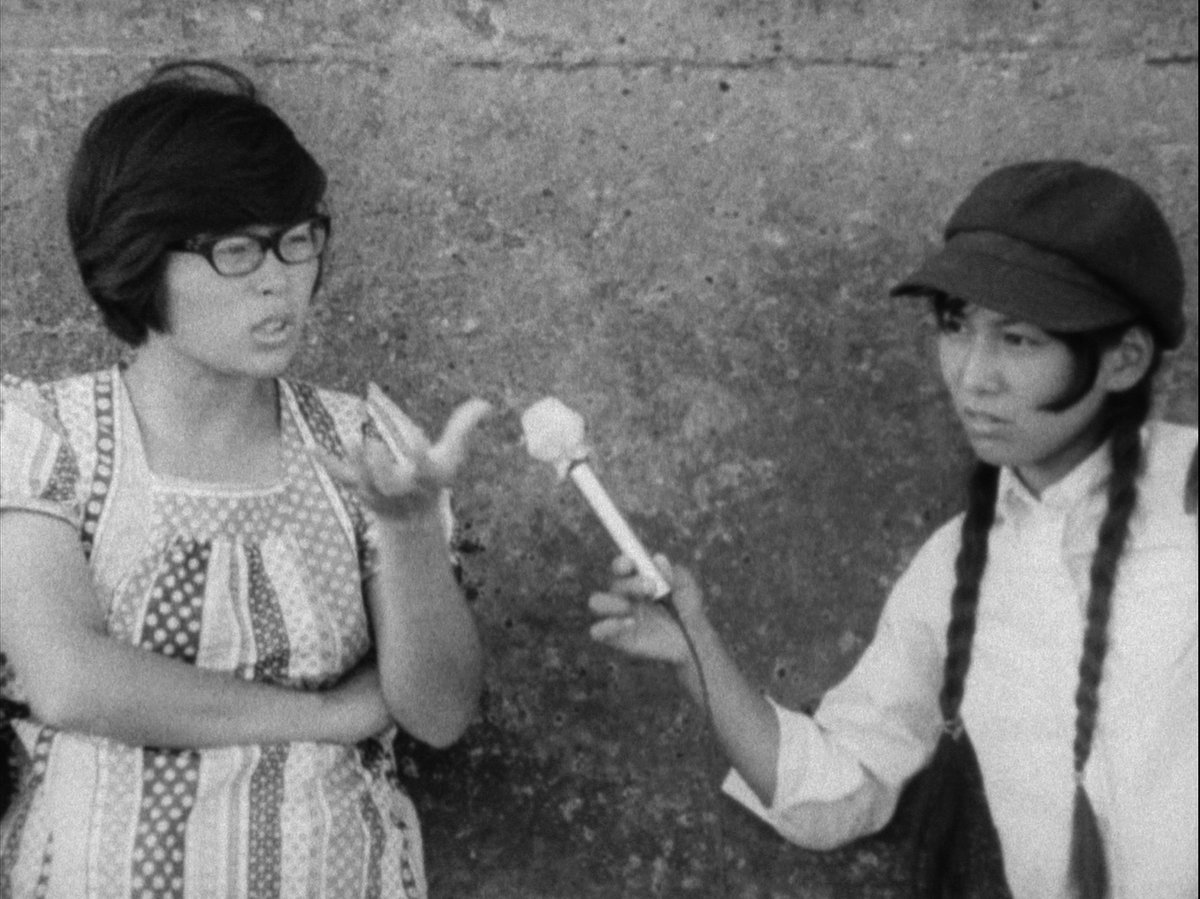
Director Mark once showed Keanu Reeves *The Naked Emperor’s Army Marches On*.
He has deep respect for the work of director Kazuo Hara. I am grateful for that.
Kazuo Hara has never chosen a life of luxury.
With a camera in hand, he has continued to film by crawling through reality itself. Now 80 years old and having undergone surgery, he remains a true independent documentary filmmaker. He wishes to give his all to shoot and complete this film, which may well be his last.
@kazu19451
25 Aug 2023

Today with Hitchcock and one of my heroes, great Japanese filmmaker Hara Kazuo

13
71
7,420
May 27
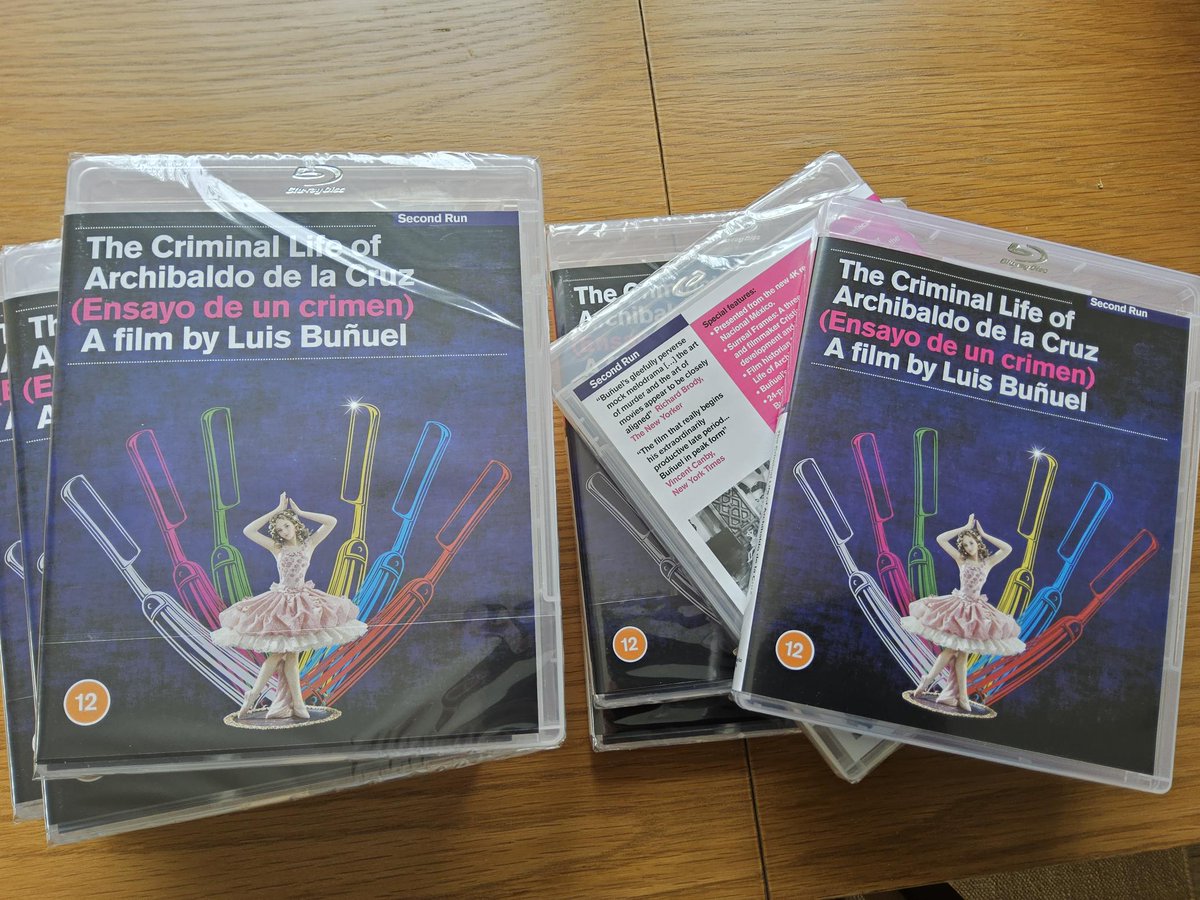
It's Criminal... the Blu-ray's of Buñuel's THE CRIMINAL LIFE OF ARCHIBALDO DE LA CRUZ have arrived!! 4K restoration, essays more! Our website: secondrundvd.com/release_cri…
@AmazonUK tinyurl.com/nmu4scmw @hmvtweets @zavvi @RarewavesCom @diabolikdvd
@orbitdvd
6
23
742
May 26
Up to 25% off selected Second Run Blu-ray and DVD titles NOW @RarewavesCom !!!
rarewaves.com/collections/se…
1
4
290
May 24
"Percolates with a perverse sensibility that somehow stays within the confines of censorship at the time while feeling utterly transgressive[...]an astonishing tightrope act with mixture of wry comedy and violent perversity" Mondo Digital on our Buñuel
mondo-digital.com/archibaldo…
1
3
558
May 21
"A humorous and highly entertaining film. It both subverts the suspense thriller and psychological drama ... [This] new 4k restoration shows off its bristling sadistic energy." Buñuel's THE CRIMINAL LIFE OF ARCHIBALDO DE LA CRUZ reviewed @LondonGrip
londongrip.co.uk/2026/05/the…
286