
Civil Engineer | Certified Stick, MIG, TIG Welder | Furniture | Knows much about Arabic Coffee | Robusta coffee farmer #GGMU.
Joined September 2013
- Tweets 10,259
- Following 3,105
- Followers 2,358
- Likes 25,782
213 Photos and videos






Antonio🇺🇬 retweeted

You will not see anything funnier today
5
26
136
10,181

RT @kasujja: @AfricaCDC - we are tired of this malicious framing of what’s going on with Ebola.
You know better than this. The government…
261
Antonio🇺🇬 retweeted

May 21
I was confident I could of played a major part this summer for my country after the season I’ve had. I’ve been left shocked and gutted by the decision.
I’ve loved nothing more than putting that shirt on and representing my country over the years.
I wish the players, all the best this summer 🏴

10,552
20,051
265,713
18,487,752
Antonio🇺🇬 retweeted

May 17
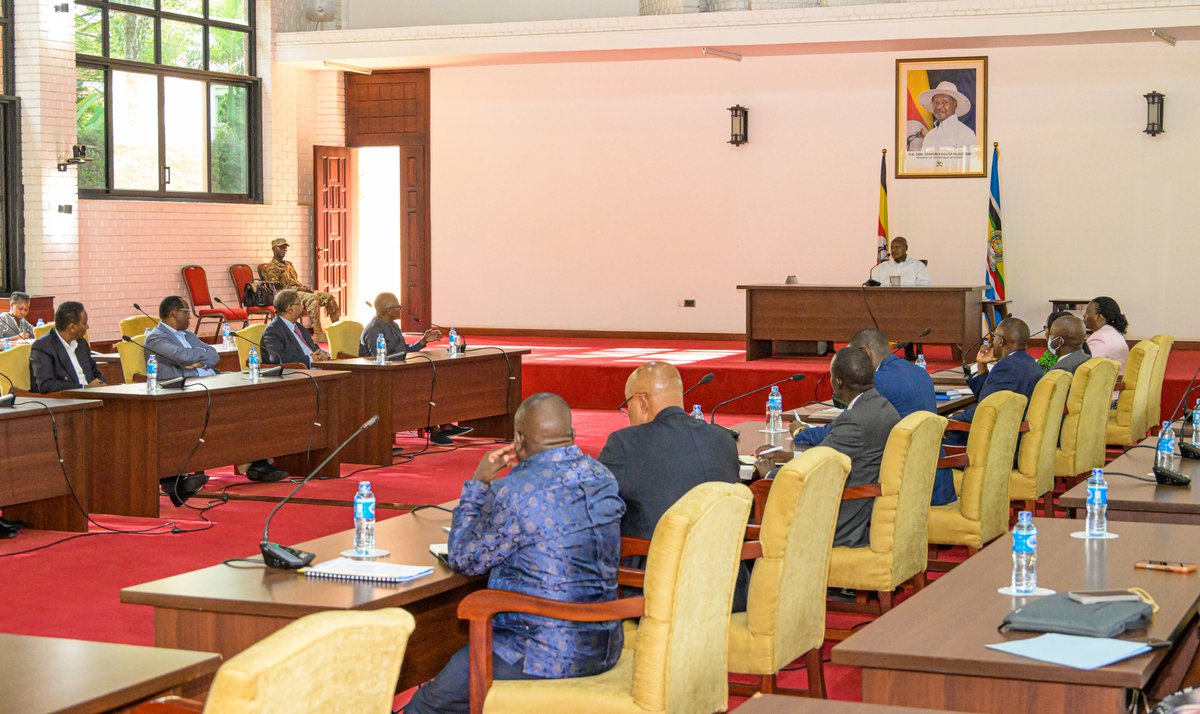
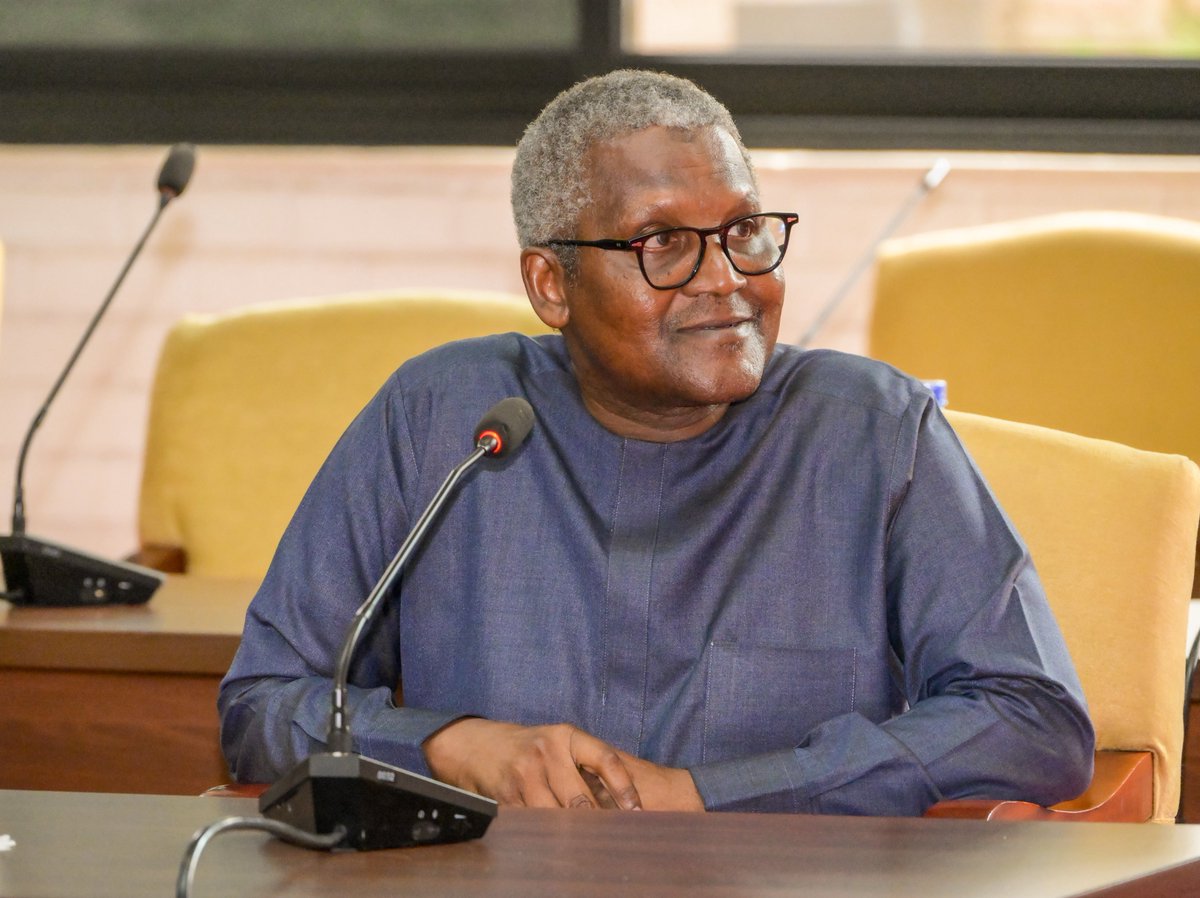
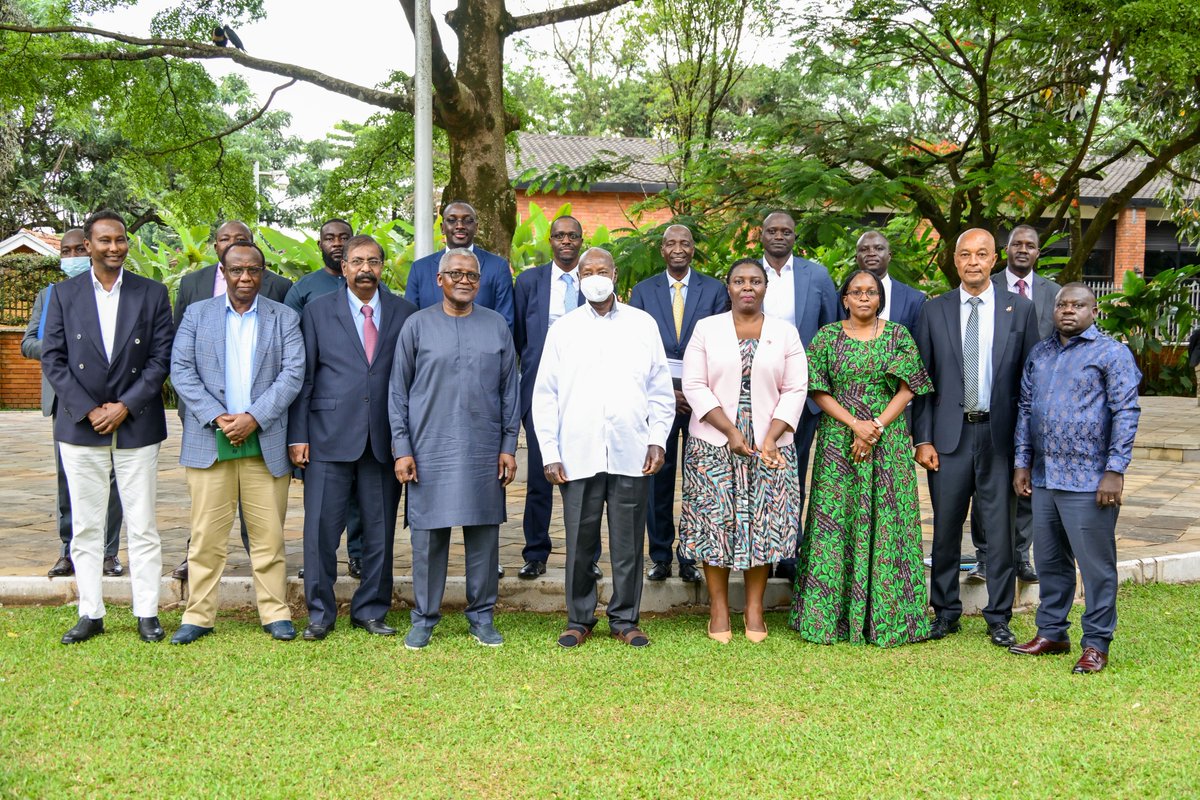
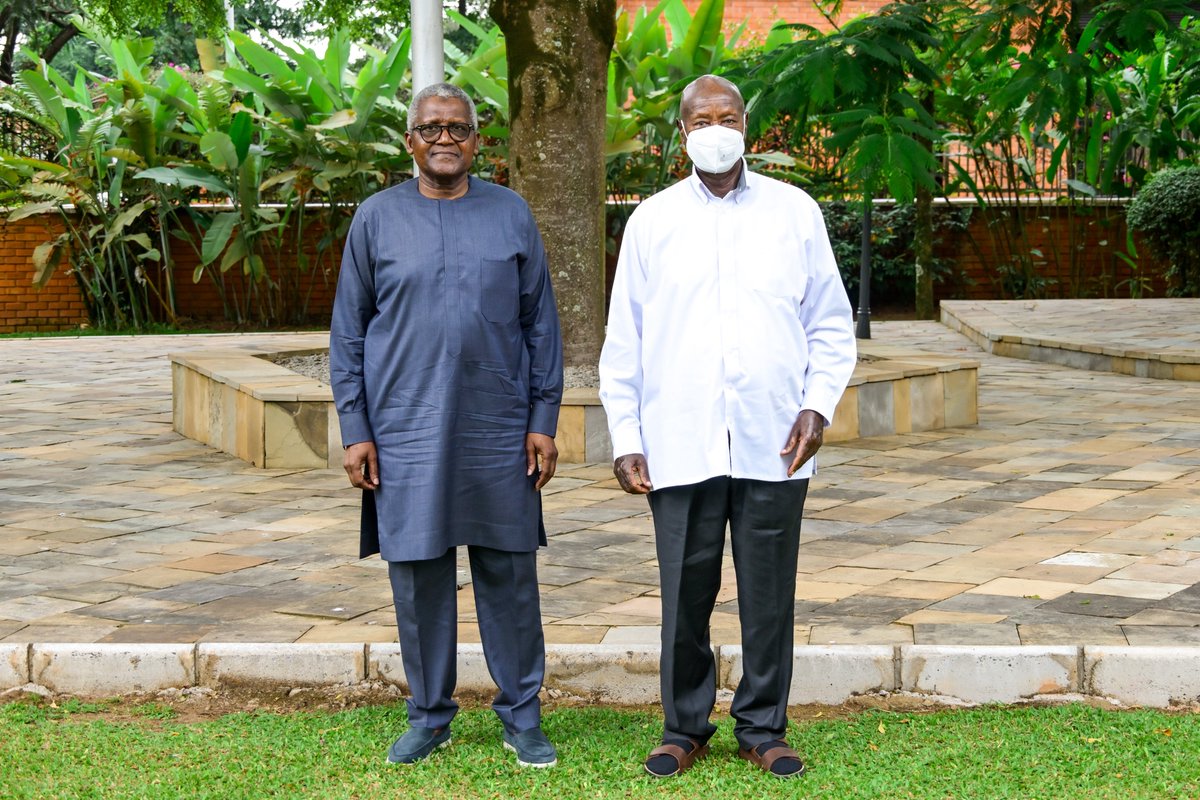
Today at Nakasero, I met Mr. Aliko Dangote and we discussed the proposed East African regional refinery.
I informed him that from the very beginning, we have always opposed the export of raw materials without value addition. That is why Uganda delayed oil production because we insisted on first having a refinery. Without refining our oil, it would not make economic or strategic sense to simply export crude oil while others benefit from the finished products.
I, therefore, welcomed the idea of a bigger regional refinery because our objective is African integration and shared prosperity. We cannot continue operating as fragmented and weak markets. If East Africa works together, such projects become more viable and beneficial to our people.
Uganda is ready to support the regional refinery initiative while also continuing with the development of our own refinery in Hoima.
887
2,809
13,902
957,955
Antonio🇺🇬 retweeted

May 17
The security forces under the direction and instructions of the Commander-in-Chief launched Operation 'Maliza Ufisadi' the other day. We shall expand this operation and apprehend all culprits. No one will be spared.
2,579
2,891
14,935
611,881
Antonio🇺🇬 retweeted

Neither the great economist Mwai Kibaki nor the lovable Uhuru Kenyatta could pitch Kenya highly like this.
Give Ruto his flowers.
135
390
2,204
65,108
Antonio🇺🇬 retweeted

May 9
Wonder who Pep is supporting at the London Stadium tomorrow!? 😅 ⚒️
482
2,254
16,394
828,573

Antonio🇺🇬 retweeted

HOW WE USE AND ABUSE GLASS IN UGANDA.
=======
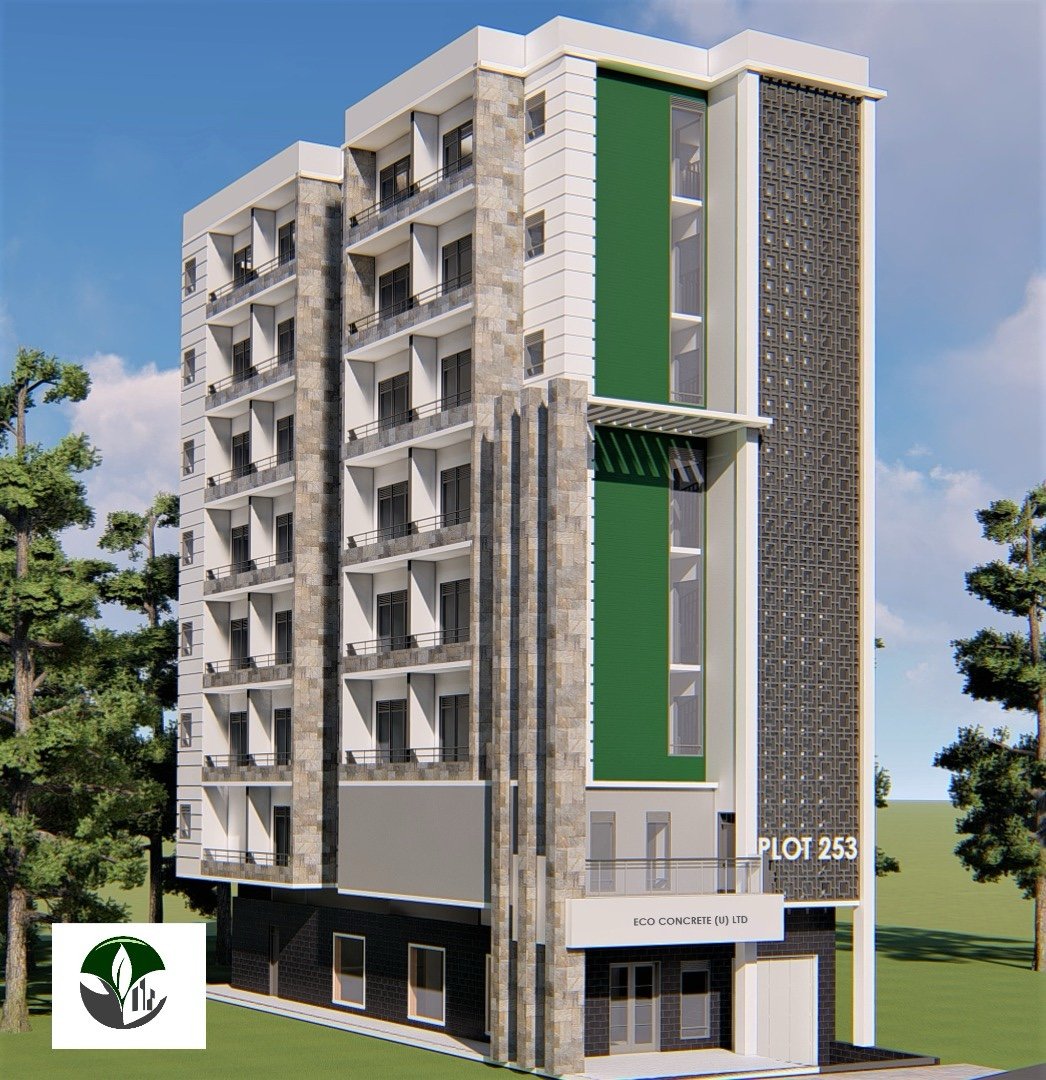
Today I gave a talk on glass as a construction material. Looking at how we use glass in Uganda, especially around Kampala, one quickly realises that some buildings make the city feel like one is swimming in treacle. Glass is a good material. It works beautifully in façades, balcony balustrades, staircases, partitions, and many other architectural applications. But when imitation dominates decision-making, glass is easily abused. You find poorly designed hotels and commercial buildings trying very hard to look like Dubai, even when our climate, budget, workmanship, and maintenance culture are saying something completely different. It is crazy, almost bombastic.
I did not mind the imitation at first. That is how we all learn new things. But Uganda is in the tropics. We have strong sun, high temperatures, and serious east-west solar exposure. So when you place large areas of clear glass on a building, you are not just adding beauty. You are bringing home a hot babe with very high maintenance costs. The building may look attractive from the road, but inside it demands fans, air conditioning, darker curtains, and a monthly electricity bill that keeps reminding you that beauty needs to be approached cautiously if you intend to keep your savings intact.
From where I stand, glass is not just about transparency. It is about transmissivity. It determines how much light enters, how much heat follows it, and how comfortable the building becomes. Good design balances daylight, heat, glare, ventilation, privacy, safety, and cost. Bad design simply copies what looked nice on Pinterest.
And like many things we love, not all glass is the same. Tinted glass reduces glare and solar gain. Reflective glass pushes away part of the solar radiation. Laminated glass improves safety. Insulated glass reduces heat transfer. But many buildings here still use ordinary clear float glass where engineered glass is required. That is not saving money. That is postponing cost.
Of course, glass itself is very innocent, especially when it has been properly specified, properly oriented, properly shaded, and properly integrated into the building. But Ugandans, with our love for low-cost solutions, will quickly ask whether it is cheap. The truth is that cheap glass in the wrong place becomes expensive very quickly. Good glass, used intelligently, can be economical, beautiful, comfortable, and sustainable.
The problems are usually defined at the planning stage. Some bandits and rigid developers claim that since birds build their own nests, they too can define exactly what they want and go ahead to build it. This is especially common with developers who have travelled, seen a few shiny buildings, but lack the professional depth and self-awareness to recognise their own limitations. They then overrun architects, especially timid architects, and that is where the trouble begins. If your architect cannot prevail on you enough to explain sun path, orientation, glazing ratios, shading, ventilation, and thermal performance, glass quickly becomes punishment. The result is overheated rooms, unusable balconies, blinding glare, and interiors that look good in photos but are painful to live in.
So here are my free don’ts for Ugandans. Avoid large glass areas on east and west-facing façades, do not use ordinary clear glass everywhere, always combine glass with shading from overhangs, fins, screens, verandas, and trees, use smaller but well-positioned openings, think about ventilation before appearance, and never use decorative glass as if it is structural glass.
And I am not saying that we should use less glass in Uganda. We just need to understand that glass is a system that needs smarter approaches. It controls light, heat, comfort, energy, safety, and long-term building performance. The goal is to leverage its benefits intelligently, without turning the building into a daily punishment.
3
31
90
5,432
Antonio🇺🇬 retweeted

May 4
Good Morning Man United Fans?
7
256
1,550
44,435

This week this account posted architecture from Uganda, Kerala, Goa, India, Ghana, Cameroon, Vietnam, Ecuador, South Africa, Morocco and Brazil.
In Uganda, two primary schools built from local Kidepo stone and compressed earth blocks manufactured on site. The roof trusses were designed so light that two workers could lift them without machinery.
In Kerala, homes built from laterite, clay tile and timber that cool themselves without air conditioning in a climate identical to most of coastal and central Africa.
In Goa, an architect who harvests her building material from the same ground the house sits on.
In Ghana, a library built off-grid for 9,000 euros using rammed earth. Still standing. Children still inside it.
In Cameroon, a stone church built before 1948, every stone carried by hand from a hill kilometers away. Still standing after over 75 years.
In India, a university for 9,000 students built entirely in brick, modelled on ancient stepwells, with no mechanical cooling.
Every material used across every project this week exists in Africa. Every climate problem solved exists in Africa. Every skill required exists in Africa.
The only thing missing is the decision to take what we already have seriously.
If you’re seeing this for the first time, the profile has the full week.
2
47
134
5,161
Antonio🇺🇬 retweeted

May 2
Whoever invented this is an underrated genius
139
3,352
23,668
1,281,435
Antonio🇺🇬 retweeted

Apr 19
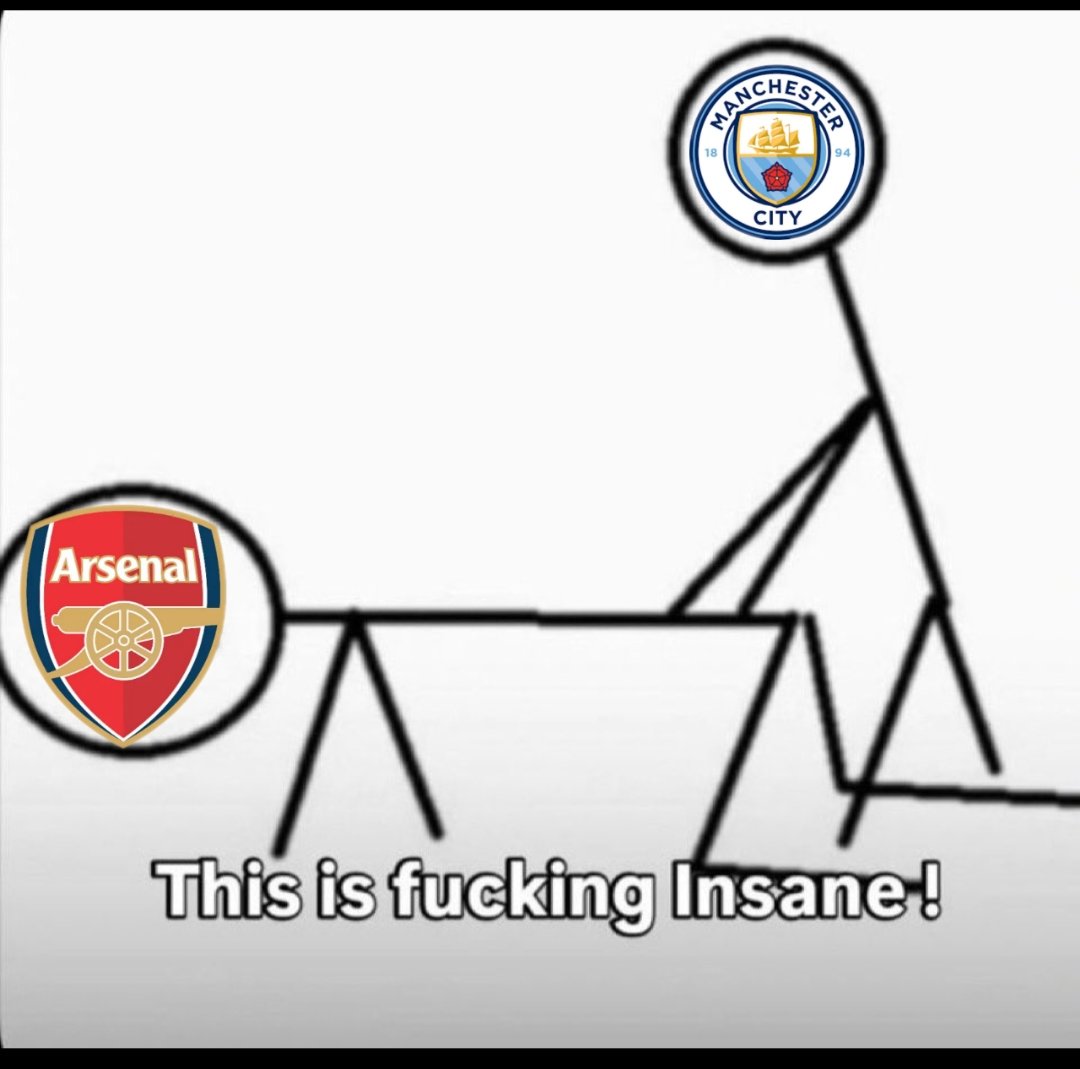
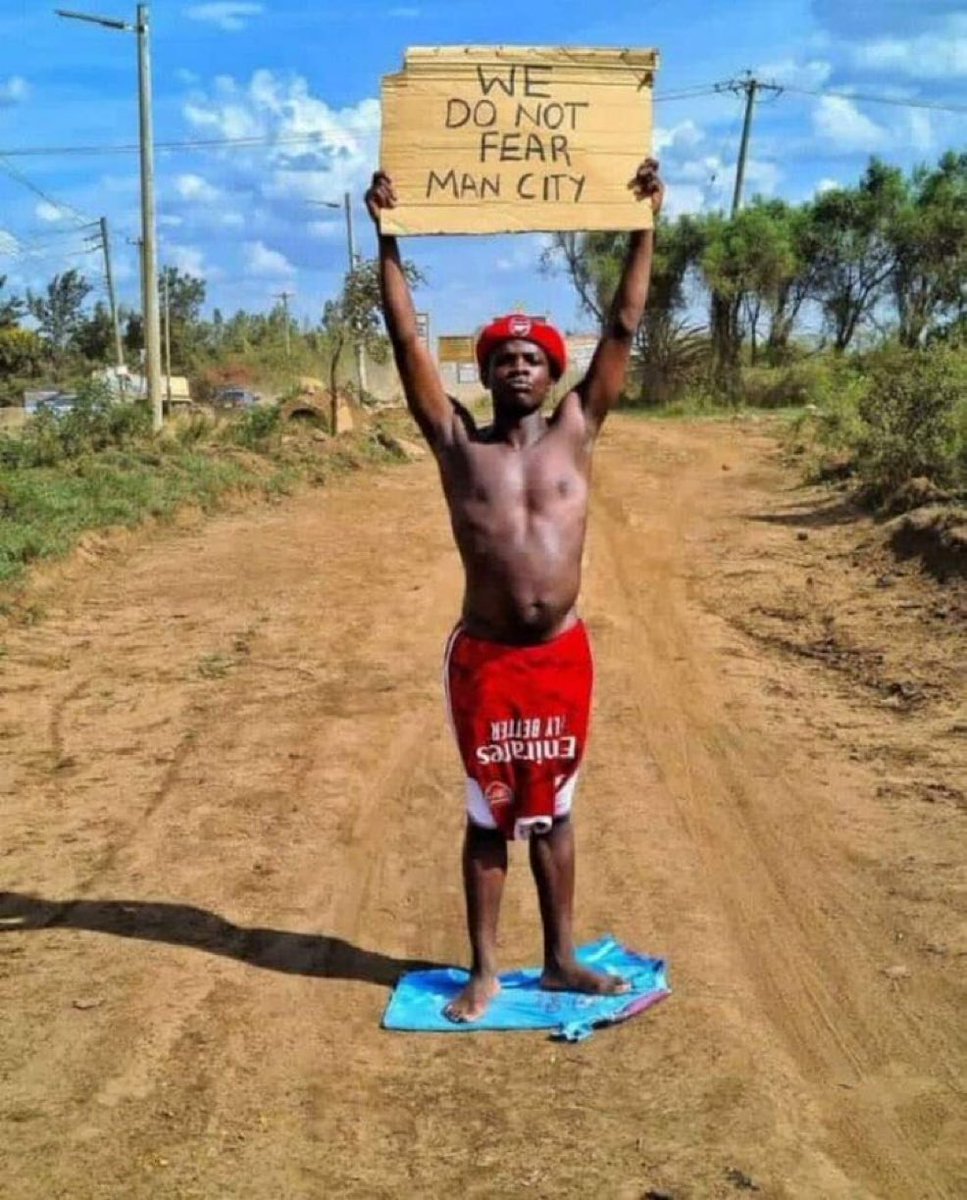
Get ready, Arsenal fans, for when you lose to City. This meme is going to go viral... 🤭🤣

1
1
2,044
Antonio🇺🇬 retweeted

Apr 19
South Africans out here please trace for me this lady, I want to marry her next weekend please 😩😭🙏
2
3
15
423
Antonio🇺🇬 retweeted

Apr 18
Productivity, productivity, productivity, using electricity to charge phones that were drained by TikTok will not take us far.

Most of the development conversation on electrification treats electricity access as a household - light bulbs and phone charging- issue.
Unfortunately this understates what is at stake - without electricity most job can’t get created, businesses to operate, farmers to irrigate, clinics to refrigerate medicines, mills to process crops, entrepreneurs to go digital, and economies to move beyond subsistence.
- quote paraphrase
15
24
960


Antonio🇺🇬 retweeted

Apr 17
The dream of an African Integrated High-Speed Railway Network (AIHSRN) is happening at a slow and uneven pace, with governments facing different forms of fiscal pressures.
It’s perhaps time to partner with the private sector. Aliko Dangote is likely Africa’s Cornelius Vanderbilt — the primary railroad magnate who built and consolidated railways in the heartland of America prior to 1869.
Governments can facilitate Dangote (among other measures) through easements to quickly complete ongoing projects and start new ones. Dangote (or a consortium of Africa’s billionaires) would recover their investment through charging tolls, but most importantly by swiftly moving products across the continent.
2
10
17
2,233