We are excited to launch The Data Quartet Challenge, recognizing student contributions to projects that integrate data from at least 2 of 4 FRQ supported Quebec Alzheimer’s and Aging cohorts (PREVENT-AD, CIMA-Q, NuAge, TRIAD), with 3 prizes of 5000$
tinyurl.com/3dy899xn
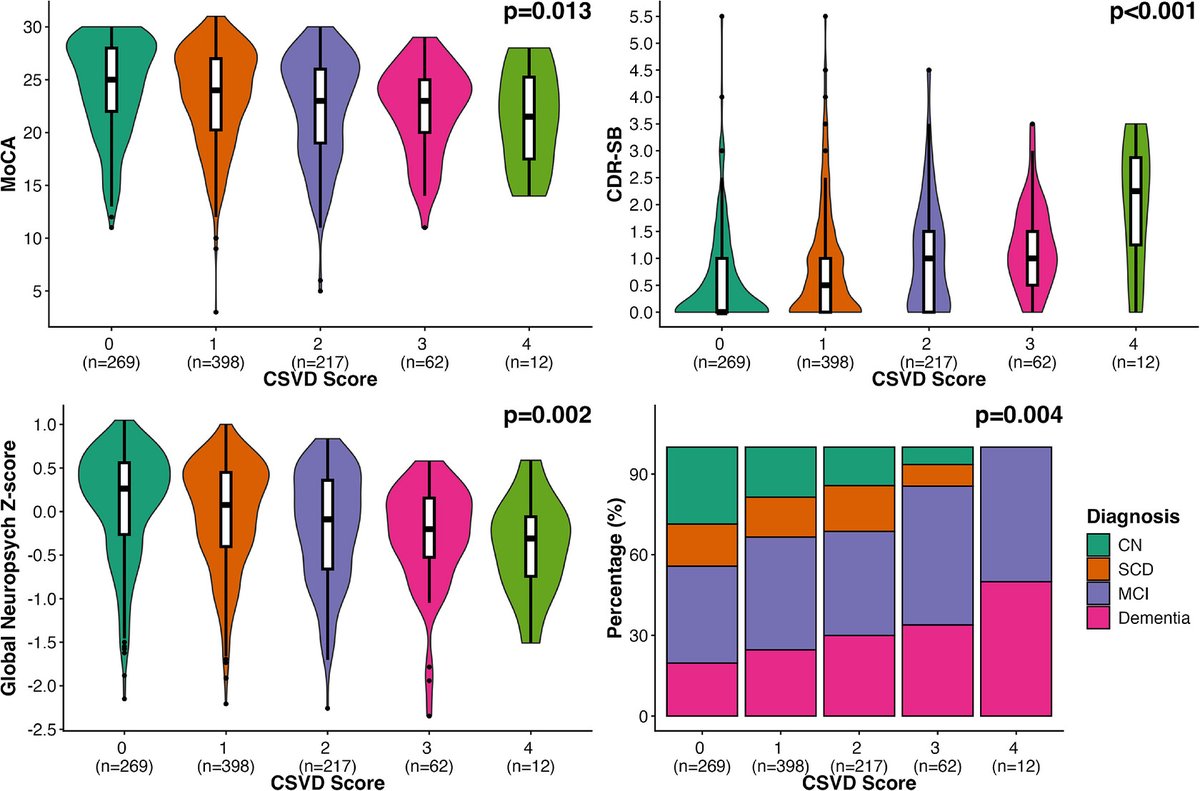
🚨In this detailed analysis of imaging features of small vessel disease (CSVD) in the national COMPASS-ND cohort, we show how CSVD burden contributes to poorer cognition across neurodegenerative conditions and cognitive profiles alz-journals.onlinelibrary.w…@alzdemjournals@ccna_ccnv
ALT Violin-box and stacked bar plots of cognitive outcomes as a function of CSVD scores showing worsening outcomes with higher CSVD burden. Raw unadjusted data are shown. Corresponding p values are shown in top right of plot and were extracted from linear or median quantile regression, as appropriate, adjusted for age, sex, and years of education. Better cognitive function is indicated by higher MoCA scores, lower CDR-SB scores, and higher neuropsychological composite z-scores. MoCA, Montreal Cognitive Assessment; CDR-SB, Clinical Dementia Rating-Sum of Boxes; CSVD, cerebral small vessel disease.
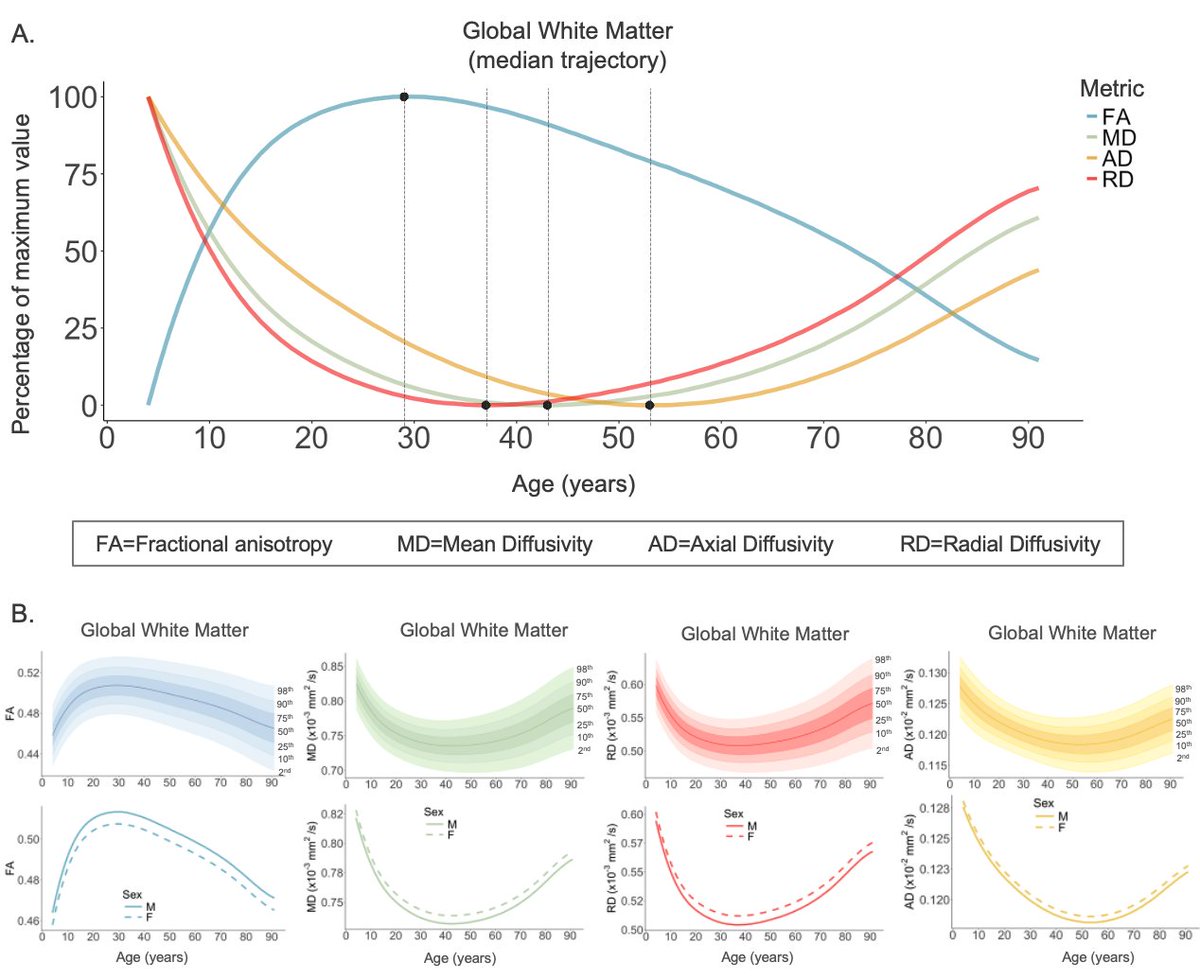
1⃣On average, FA reached maturity at the youngest age (mean=29.2 years), followed in order by RD (mean=35.8 years), MD (mean=41.7 years) and AD (mean=48.2 years). We found evidence supporting the ‘last-in, first-out’ hypothesis, for FA, MD and AD.
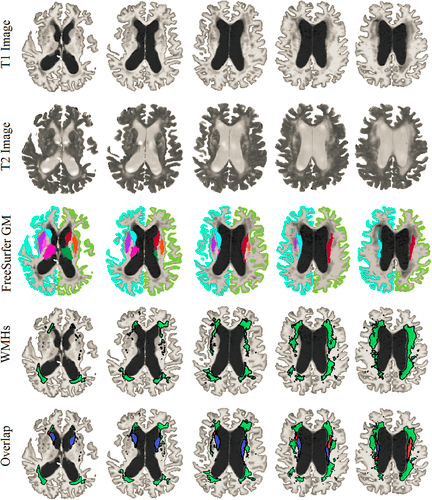
New paper “Characterizing spatiotemporal white matter hyperintensity pathophysiology in vivo to disentangle vascular and neurodegenerative contributions” out in Nature Communications! doi.org/10.1038/s41467-026-7…
I'm proud to share this work led from the @DouglasResearch and the @IPNMcGill and funded by the @AlzCanada and the @FRQS1. Special thanks to my supervisors, @mallarchkrvrty1 and @DadarMahsa, who showed great patience every time I added an analysis to this project in the last 4y!
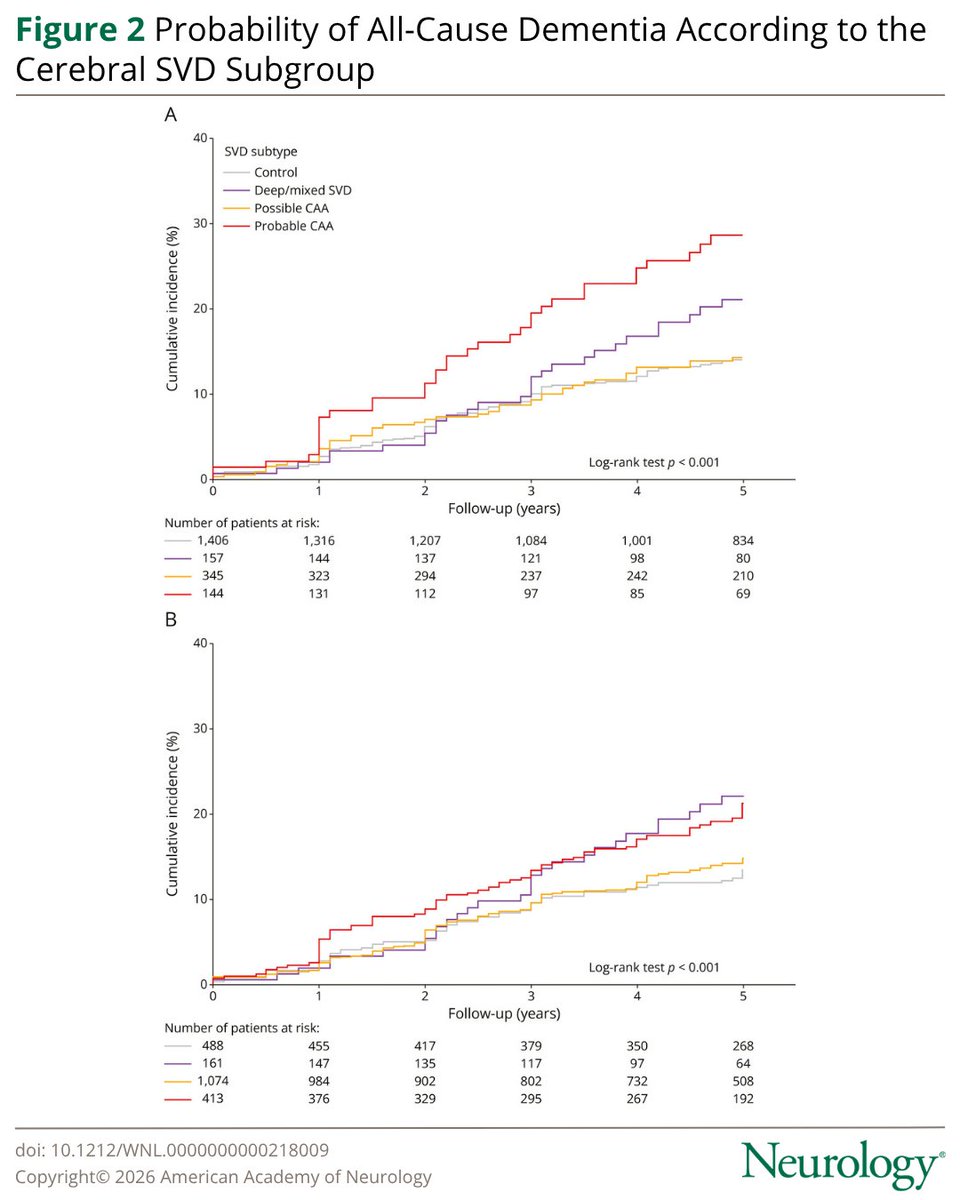
Cerebral amyloid angiopathy (CAA) is frequently seen in individuals aged 50 years presenting with a cognitive complaint, and patients with probable CAA according to the Boston criteria V1.5 but not V2.0 have increased risk of dementia: hubs.la/Q04hKdpp0
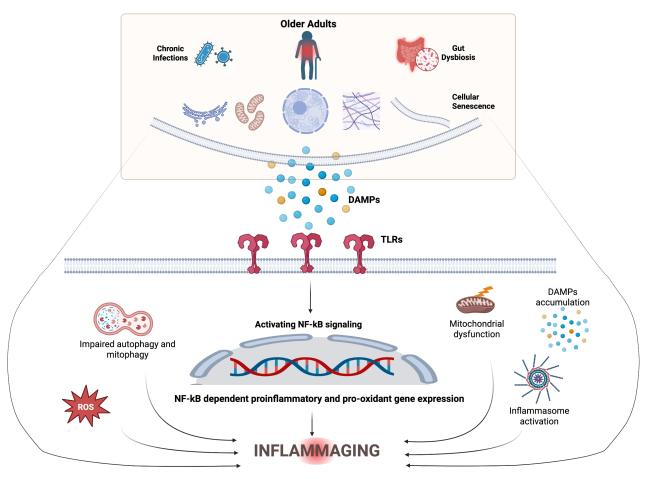
Inflammaging: From Mechanisms to Clinical Implications and Targeted Interventions
"...opportunities and limitations of these approaches for identifying individuals at risk for chronic disease..."
aginganddisease.org/EN/10.14…
Up to age 60, adult brain volume completely dominated by stable individual diffs. At 80 yrs, up to 50% reflects differences in change. Interpretation: 1) We change similarly up to 60. 2) Group comparisons often not reflecting changes. @Edvardosg@LCBC_UiOdirect.mit.edu/imag/article/…
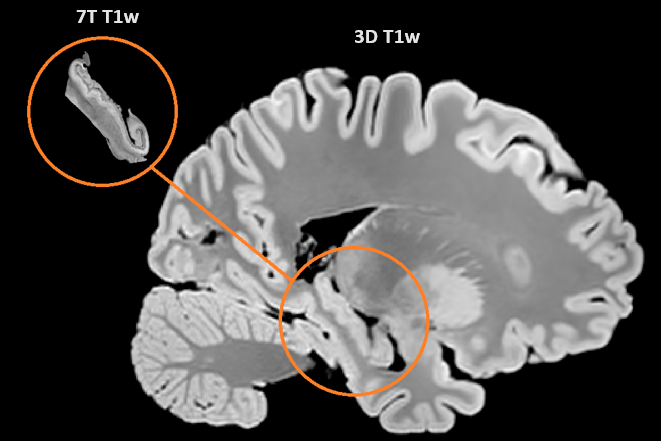
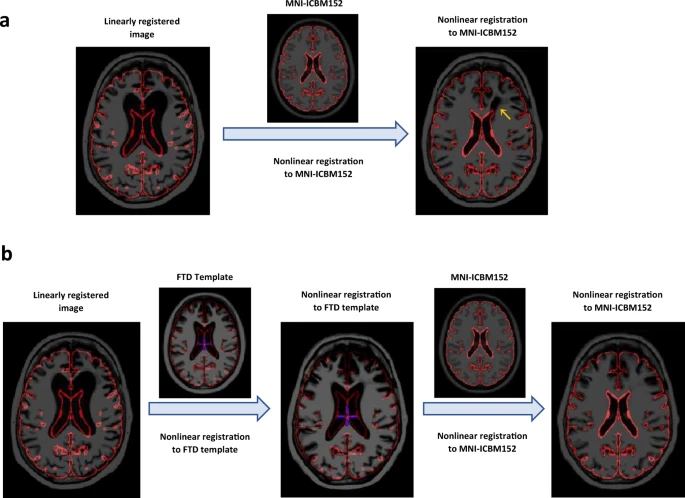
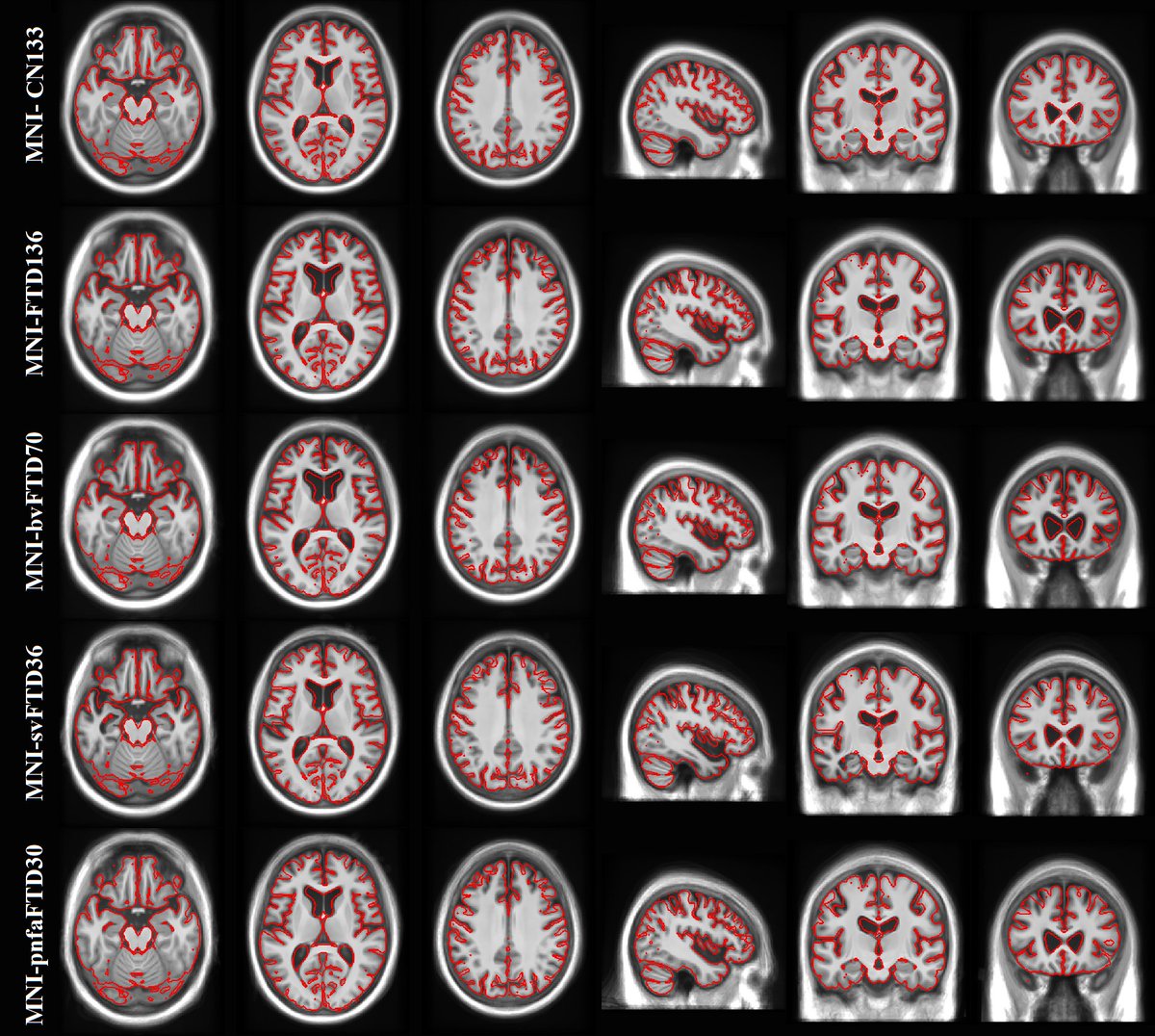
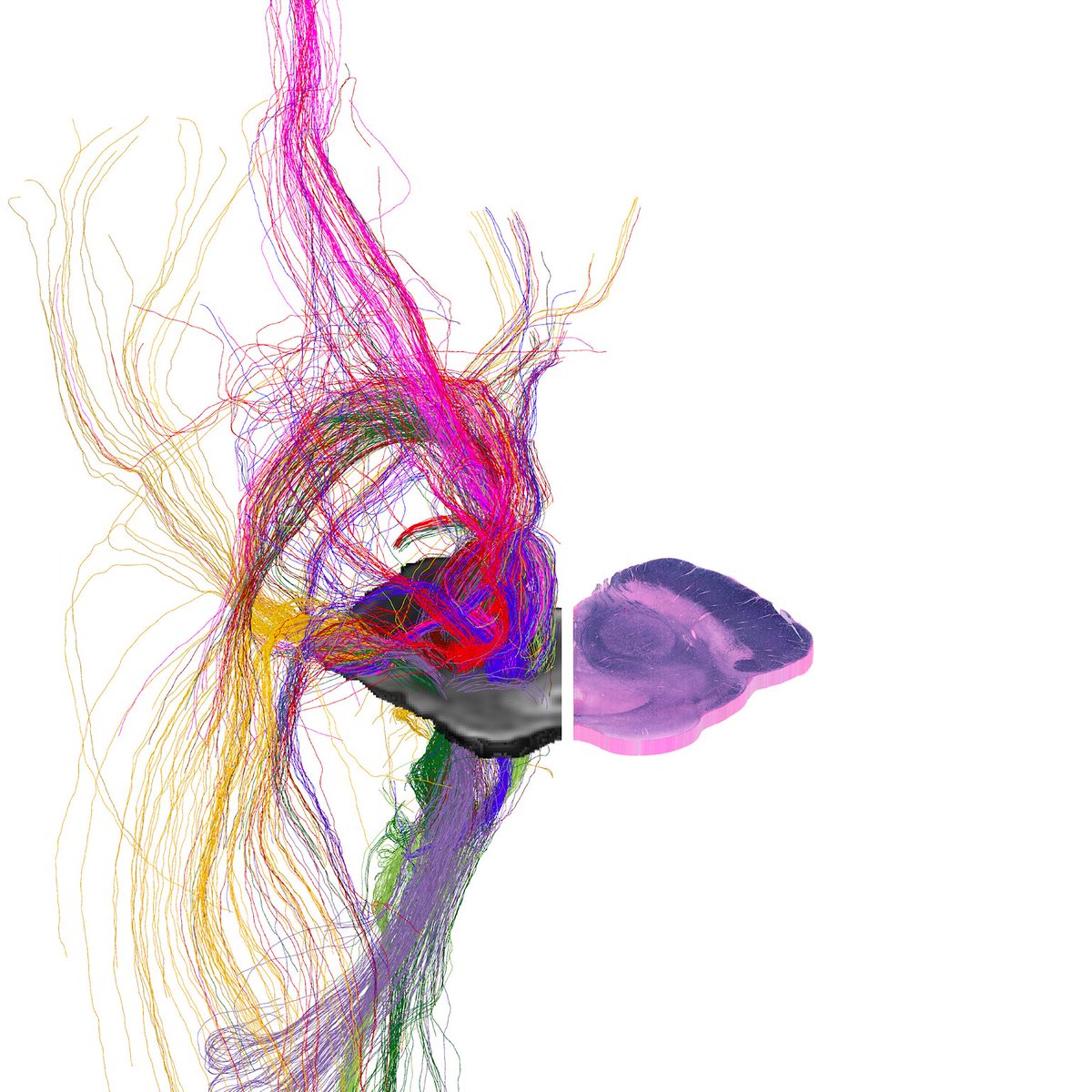
Excited to share our latest HBM paper on Recon-any: a free tool for robust cortical surface analysis of low-field MRI of any contrast/resolution (also ex vivo!).
Toward accessible neuroimaging!
onlinelibrary.wiley.com/doi/…
Freely available on @FreeSurferMRI :
surfer.nmr.mgh.harvard.edu/f…
The first time you start a research lab, there’s no manual.
So I made one.
A practical toolkit for postdocs and early-career faculty launching their first lab: hiring, startup planning, collaborations, and building a sustainable research program.
zenodo.org/records/18883545
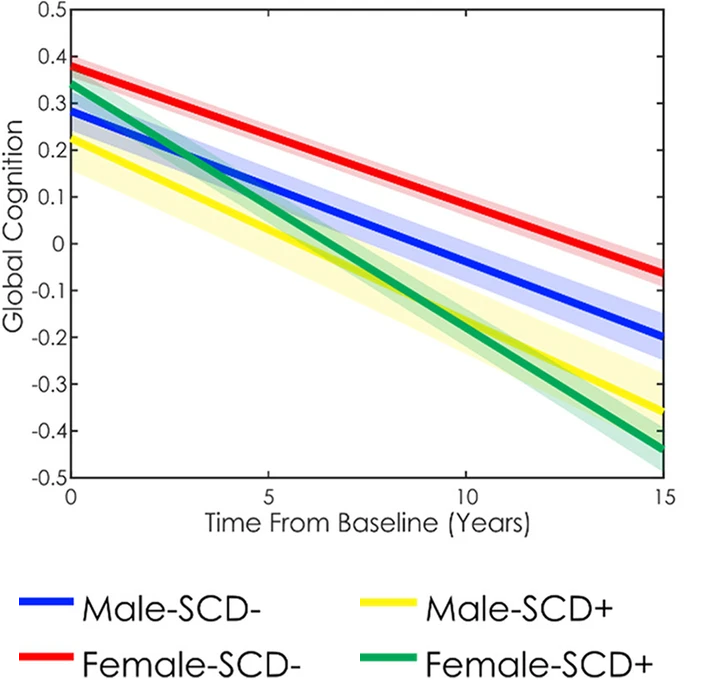
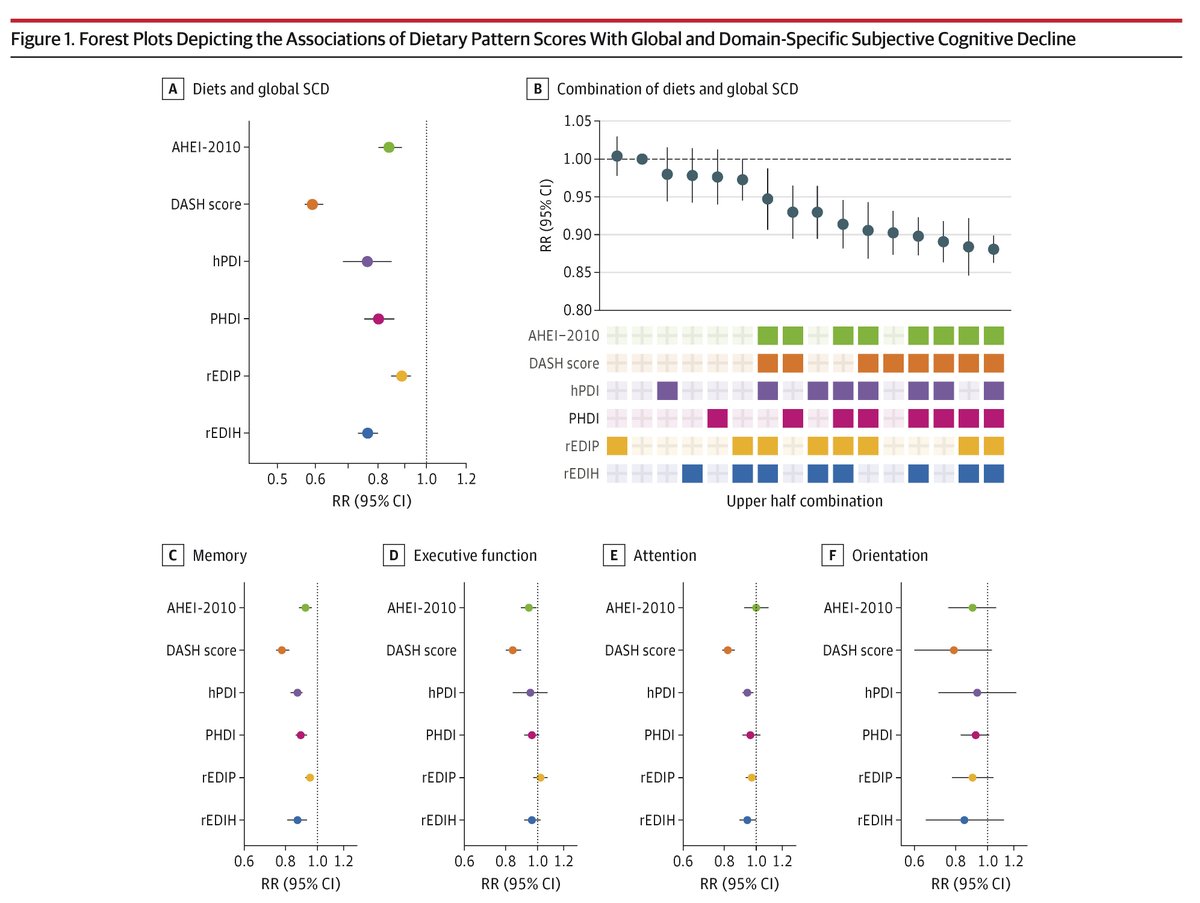
Greater adherence to the #DASH diet, plant-based dietary patterns, or diets with lower hyperinsulinemia and inflammation was associated with lower risk of subjective cognitive decline and better cognitive function in adults.
ja.ma/3MNfcSH
ALT Figure 1. Forest Plots showing associations of dietary pattern scores with cognitive decline. Graphs compare AHEI-2010, DASH score, hPDI, PHDI, rEDIP, rEDIH across global SCD, memory, executive function, attention and orientation. Includes RR(95% CI) values.
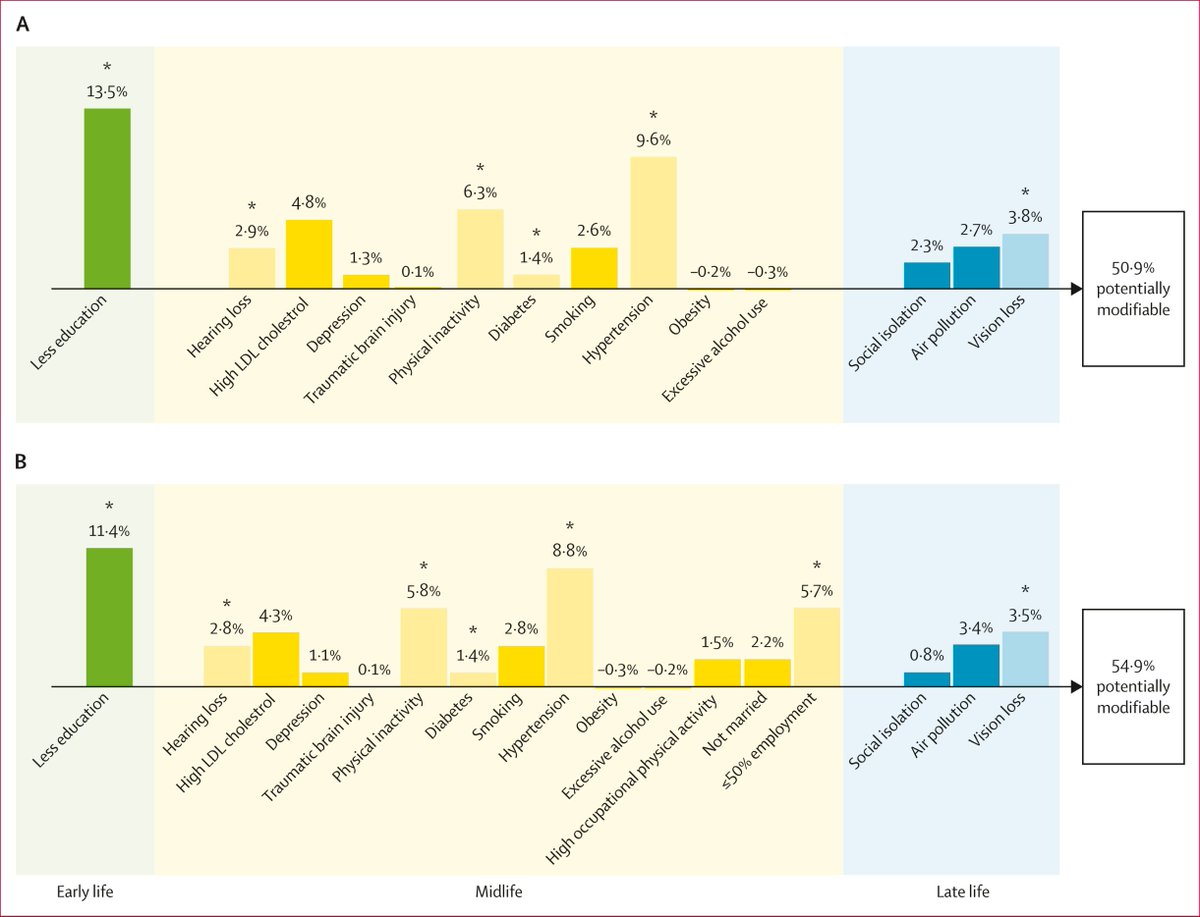
Potentially modifiable risk factors for dementia in Norway (HUNT4 70 ): a retrospective cohort study
👉"Addressing all 14 Lancet risk factors could prevent over half of all dementia cases."
thelancet.com/journals/lanhl…