
3D Artist || ArchViz || 3D Animation || Graphics Design 🤝
Joined December 2017
- Tweets 1,018
- Following 544
- Followers 88
- Likes 12,846
137 Photos and videos









DaluxGraphics 🏆🏆🏆 retweeted

Jun 13
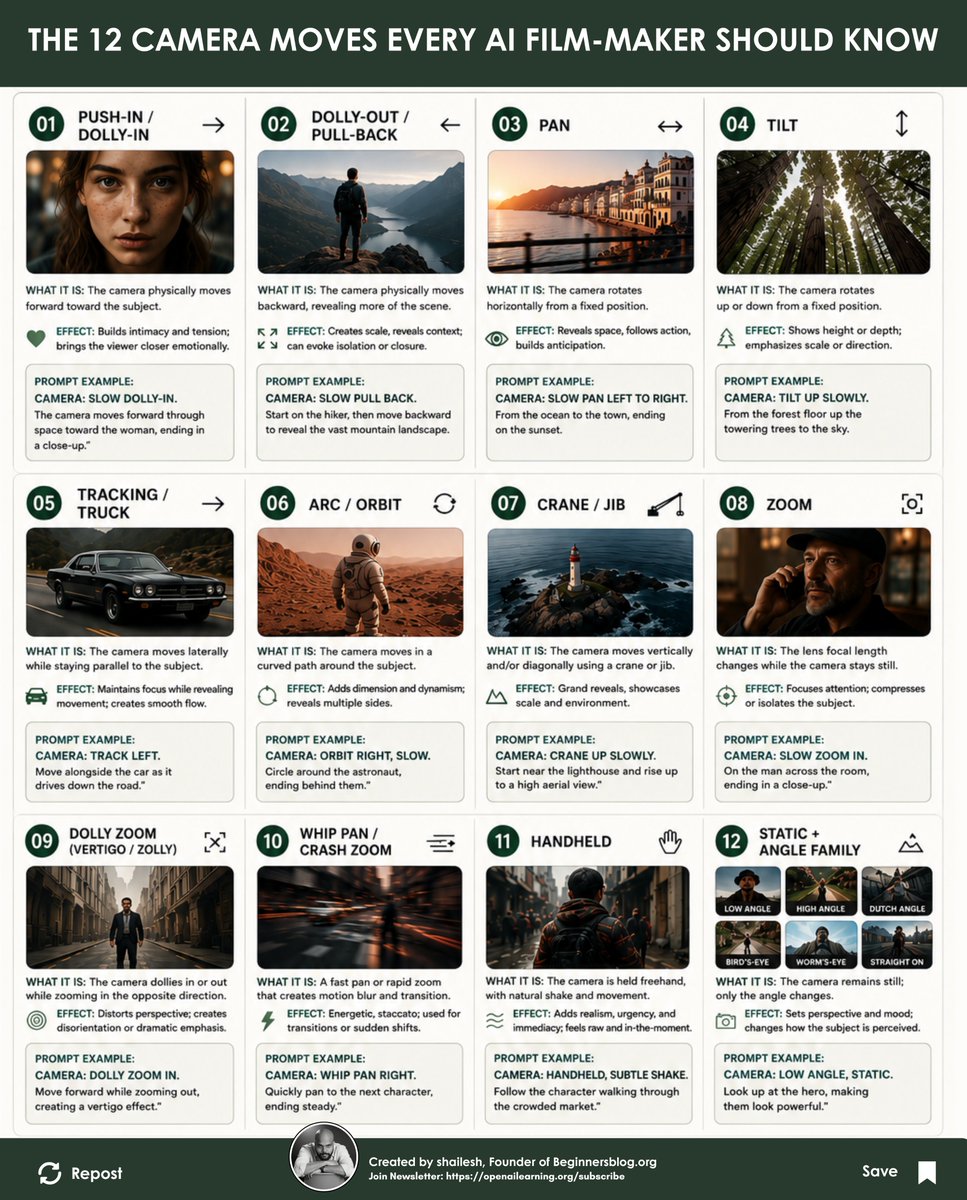
Cinematographers learn 12 camera moves in film school.
Most AI creators don't know a single one. Because nobody told the camera what to do.
.
.
Here they are:
→ Push-in — moves toward the subject
Builds tension. Creates intimacy. Use it slowly.
→ Pull-back — retreats to reveal
Isolation. Scale. Endings. The reveal shot.
→ Pan — horizontal rotation, camera stays fixed
Suspense lives in what you haven't shown yet.
→ Tilt — vertical version of the pan
Tilt up on a hero. They look powerful immediately.
→ Tracking shot — camera travels with the subject
Energy. Forward motion. You feel like you're there.
→ Arc / orbit — circles the subject
Hero moments. Product showcases. Keep it under 30 degrees.
→ Crane / jib — sweeps vertically on a boom
Grandeur. Scale. The "god-view" of cinematography.
→ Zoom — focal length changes, camera doesn't move
Flatter look than a dolly. Fast zoom = music video energy.
→ Dolly zoom — camera goes one way, lens goes the other
Background warps. Subject stays still. Pure psychological dread.
→ Whip pan / crash zoom — extreme speed for transitions
Shock. Comedy. Stops the scroll every time.
→ Handheld — natural shake, no stabilisation
Add "subtle" or the model goes full earthquake.
→ Static angles — low, high, Dutch, bird's-eye, worm's-eye
Low angle = power.
Dutch angle = unease.
Bird's-eye = scale.
The mistake everyone makes: stacking multiple moves into one prompt. One move. One clip. Always.
And add "slow" to almost everything. Slow moves hide what AI can't render cleanly. Fast moves expose every flaw.
38
241
1,422
61,903
DaluxGraphics 🏆🏆🏆 retweeted

Jun 12
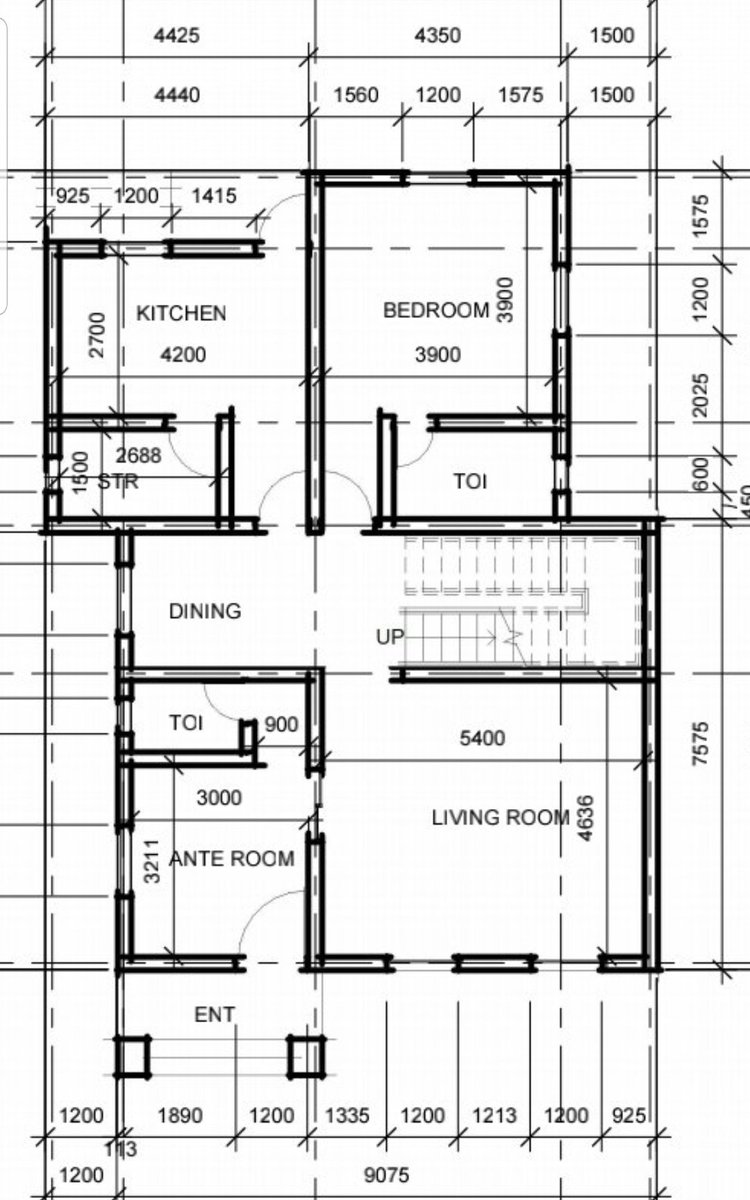
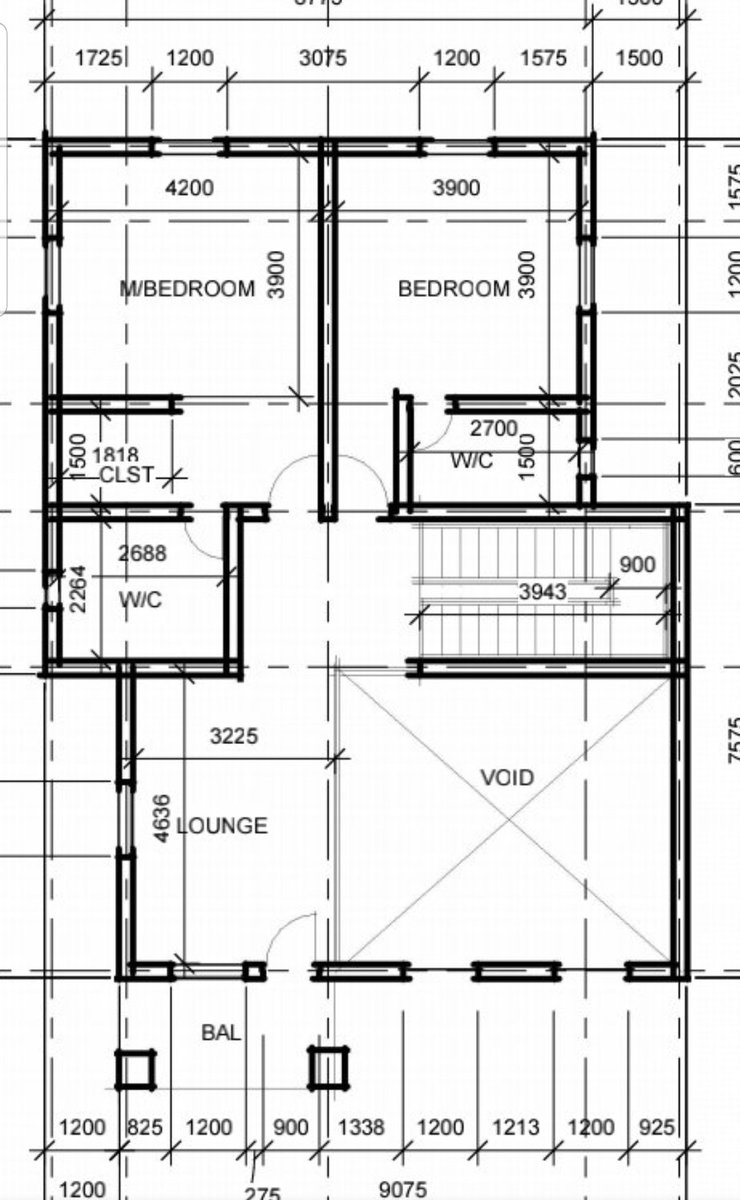
Let's get the Criticism started.🤒💔
#Architecture #Design
24
18
127
14,138
DaluxGraphics 🏆🏆🏆 retweeted

African China really saw tomorrow
9
79
210
5,964
DaluxGraphics 🏆🏆🏆 retweeted

Jun 11
Okocha gets his FIFA World Cup Superior Player of the Match for his performance at the Nigeria vs. Spain' 1998 World Cup.
LEGEND 🔥🔥
278
2,626
22,796
720,073
DaluxGraphics 🏆🏆🏆 retweeted

Jun 11
🚨APC under panic:
Verydarkman Leads Youths In Massive “Tinubu Must Go” Protest In Abuja.
297
3,197
12,897
846,659
DaluxGraphics 🏆🏆🏆 retweeted

Jun 9
Electronic retractable gates.
7
67
401
24,620
DaluxGraphics 🏆🏆🏆 retweeted

I interviewed 15 graphic designers over the weekend.
If you are a graphic designer, here are the things recruiters are actually looking for when reviewing your application 👇
31
32
206
35,777
DaluxGraphics 🏆🏆🏆 retweeted
So there’s an app called Outlier that gives people remote jobs. Some Nigerians got on it, made money and started making silly “content” telling other Nigerians to use vpn to mask their actual location. Now Outlier is banning Nigerians.
Why do we do this?
337
998
3,323
393,701
DaluxGraphics 🏆🏆🏆 retweeted

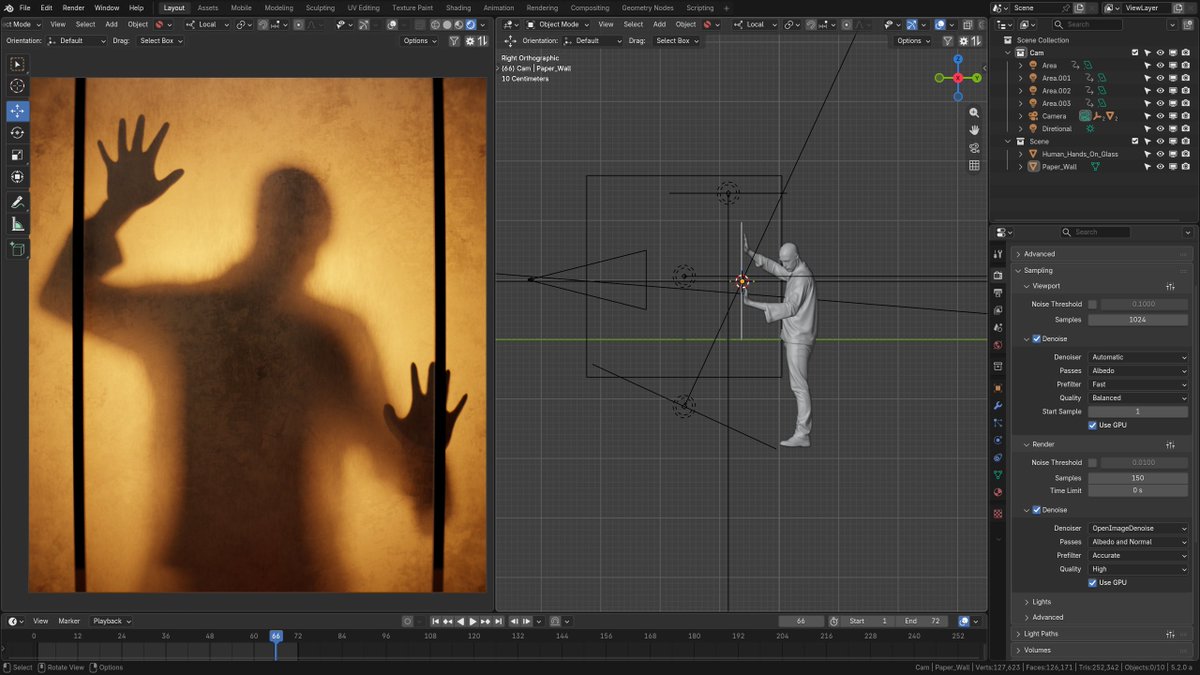
Loving the new transparency options in Blender 5.2. Allows for some really cool effects to get with much simpler set ups.
21
260
4,082
82,934


DaluxGraphics 🏆🏆🏆 retweeted

May 31
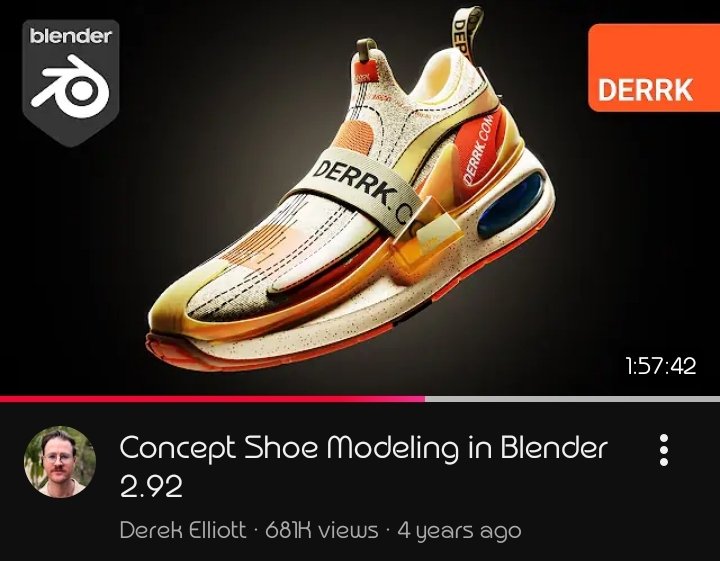
This was an eye opener for me.
I learned so many things.
May 30

All it took you was just that 1 tutorial to open your eyes to different possibilities...
What tutorial?
6
11
168
6,677
DaluxGraphics 🏆🏆🏆 retweeted

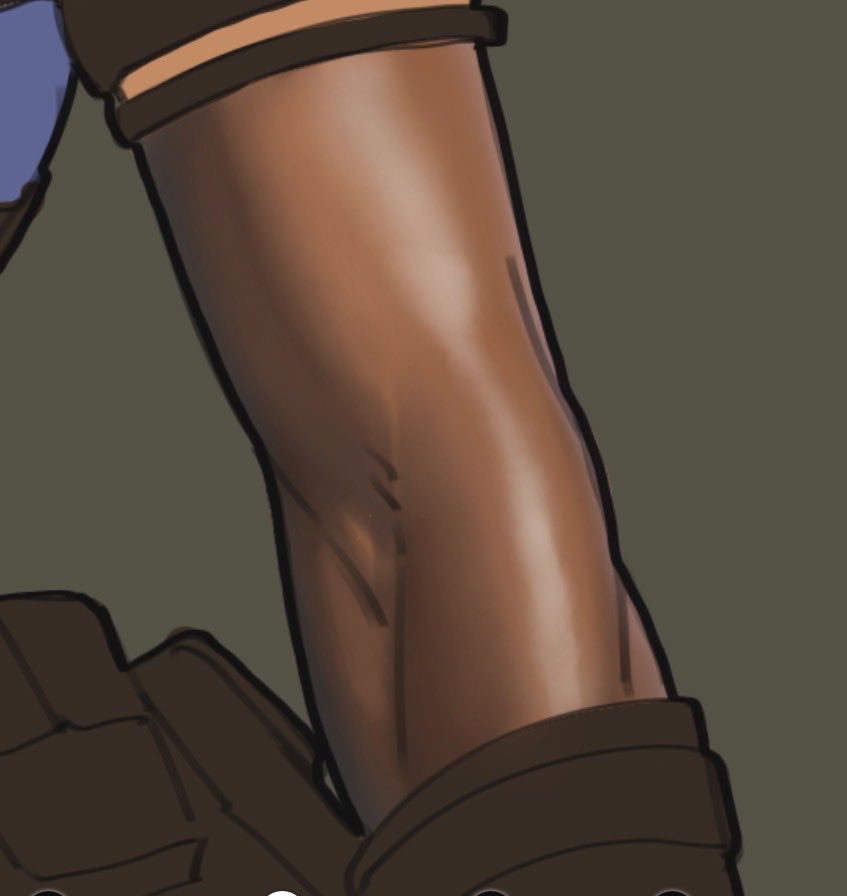
this is the latest one for me
x.com/ciricearts/status/2059…

1
7
260
45,971

DaluxGraphics 🏆🏆🏆 retweeted

Jun 1
What did you notice from this interview?
29
70
355
10,327
DaluxGraphics 🏆🏆🏆 retweeted

Instead of painting your house with grey and white, try these beautiful colors 😍




23
284
1,520
86,176



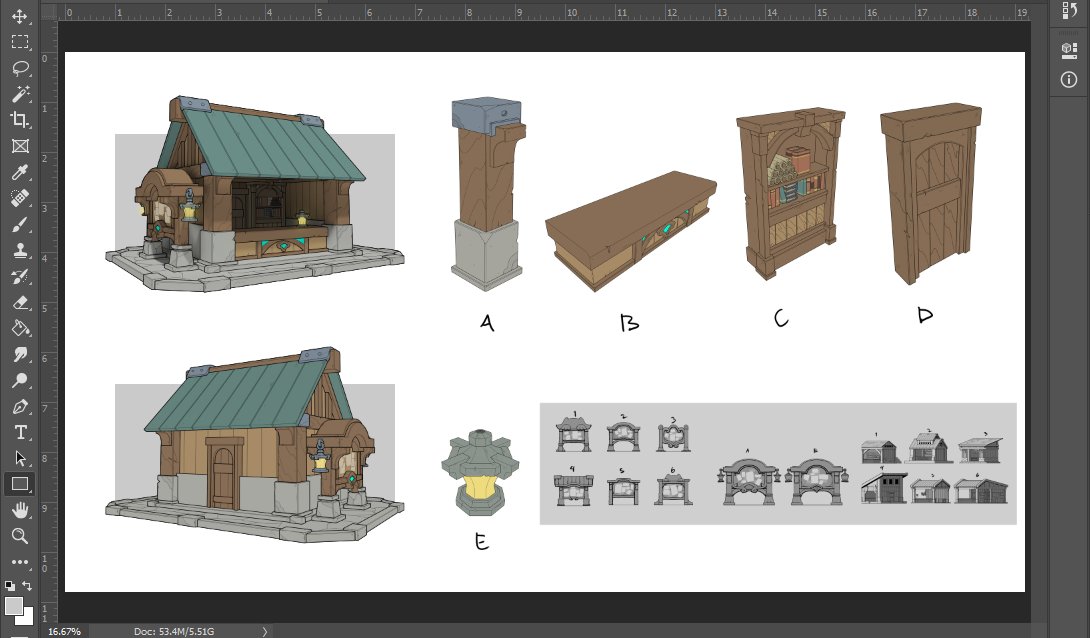
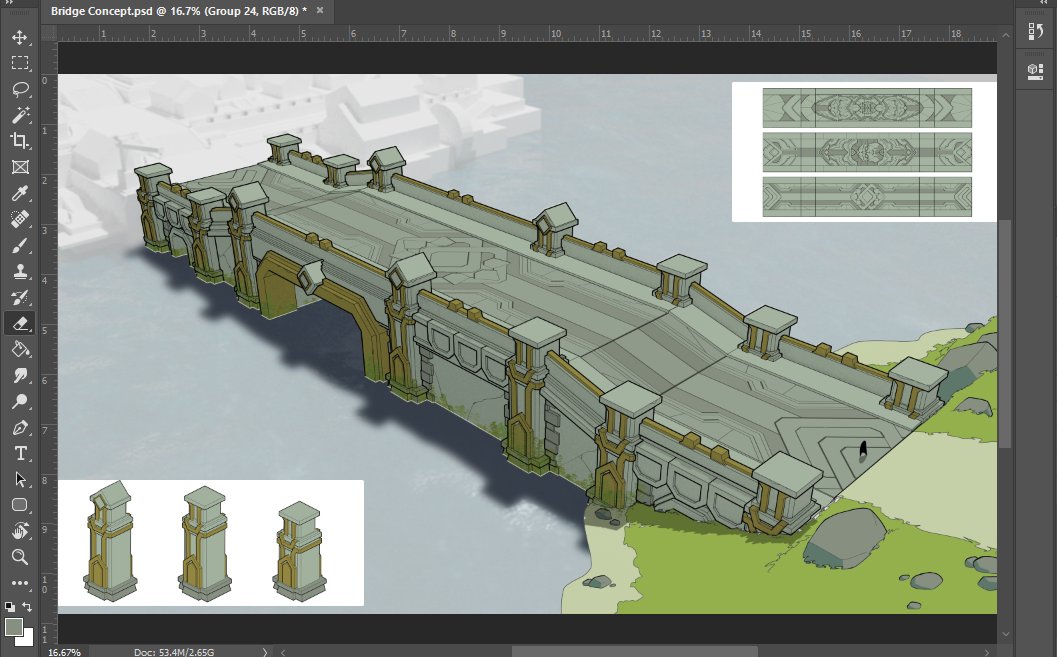
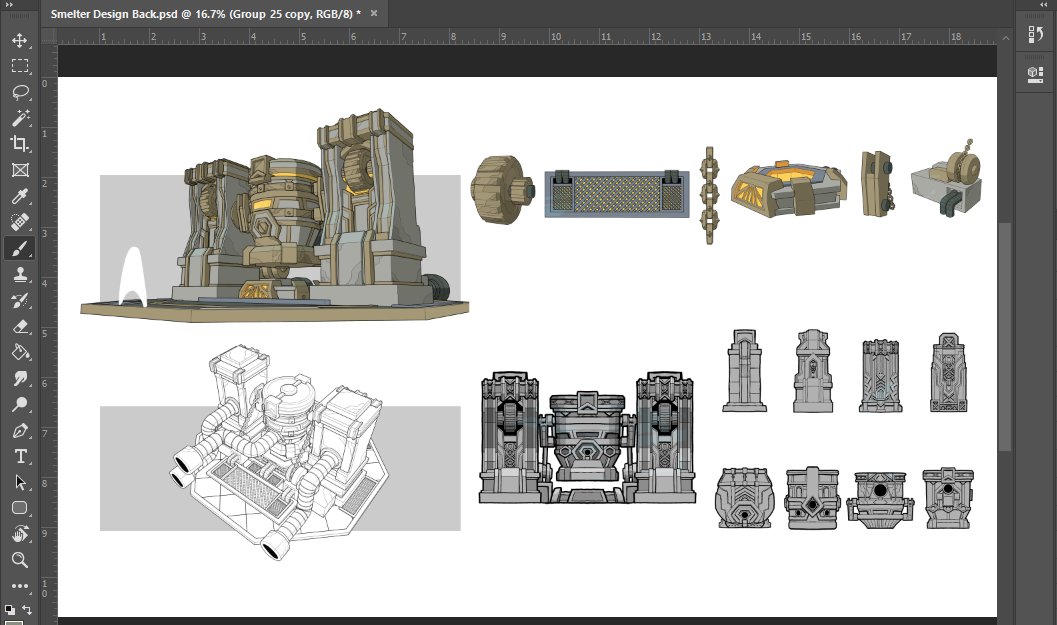
DaluxGraphics 🏆🏆🏆 retweeted

May 21
How do you produce your construction drawings?
4
74
299
9,584

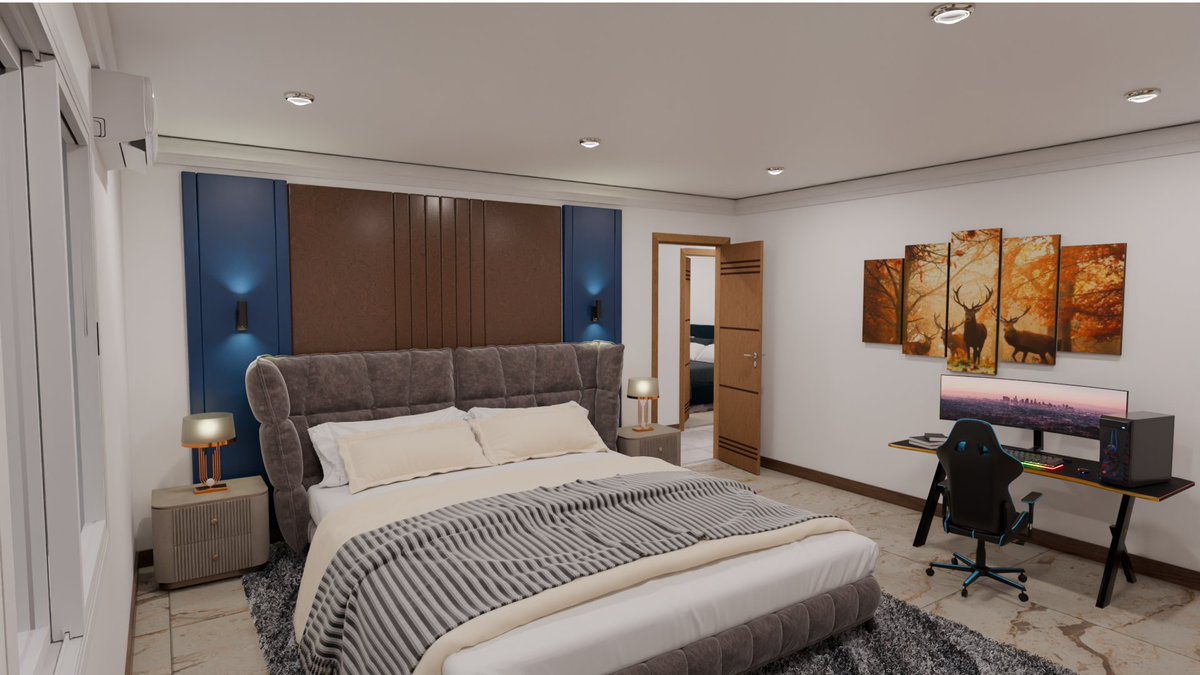
Hello
I am Daniel
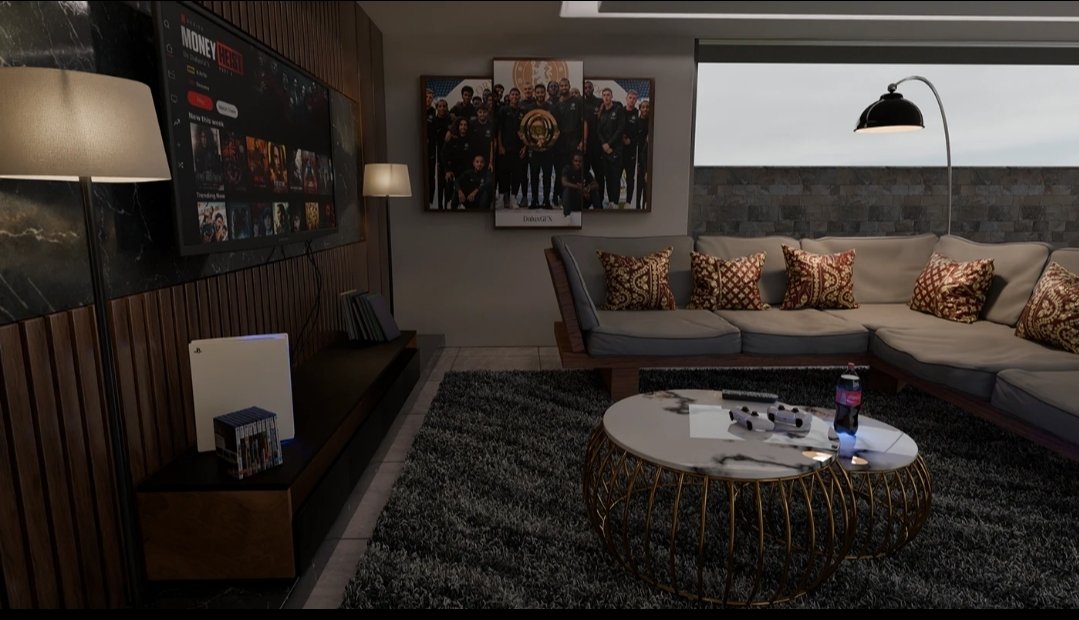
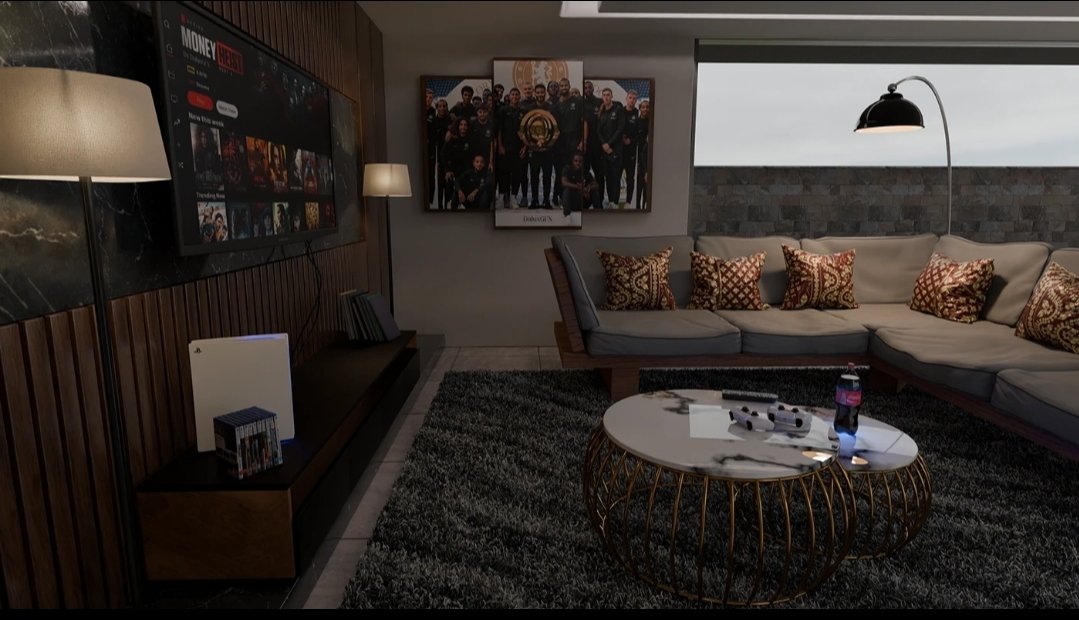
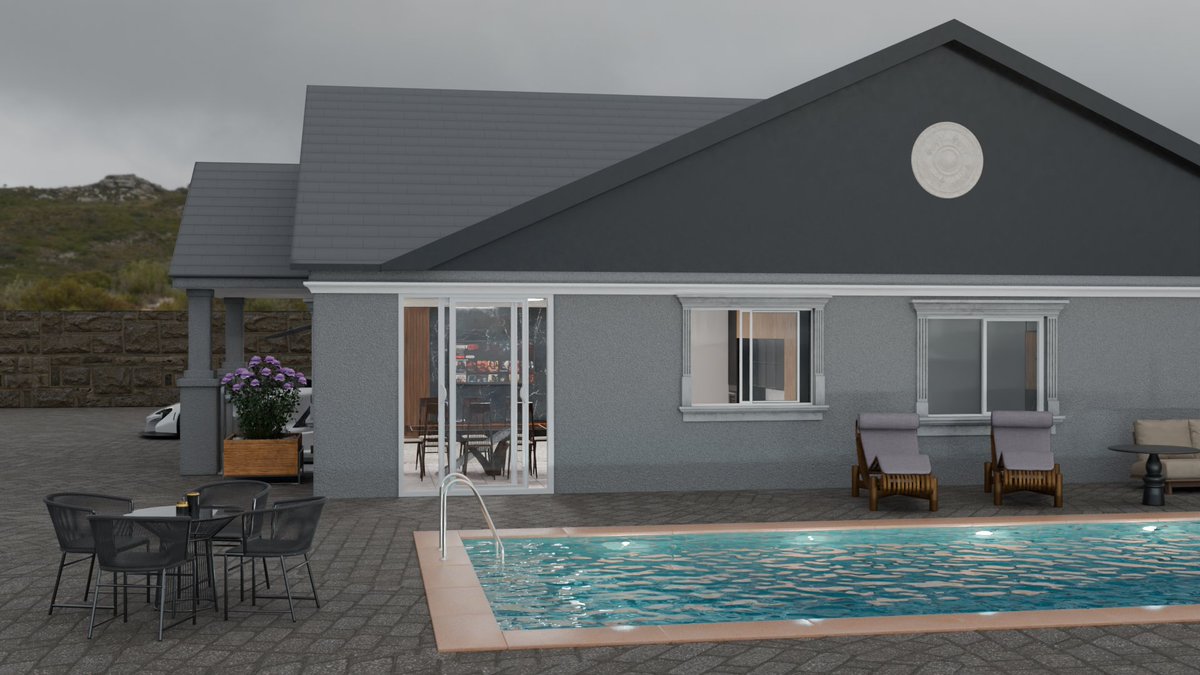
And I design buildings and spaces (ArchViz)

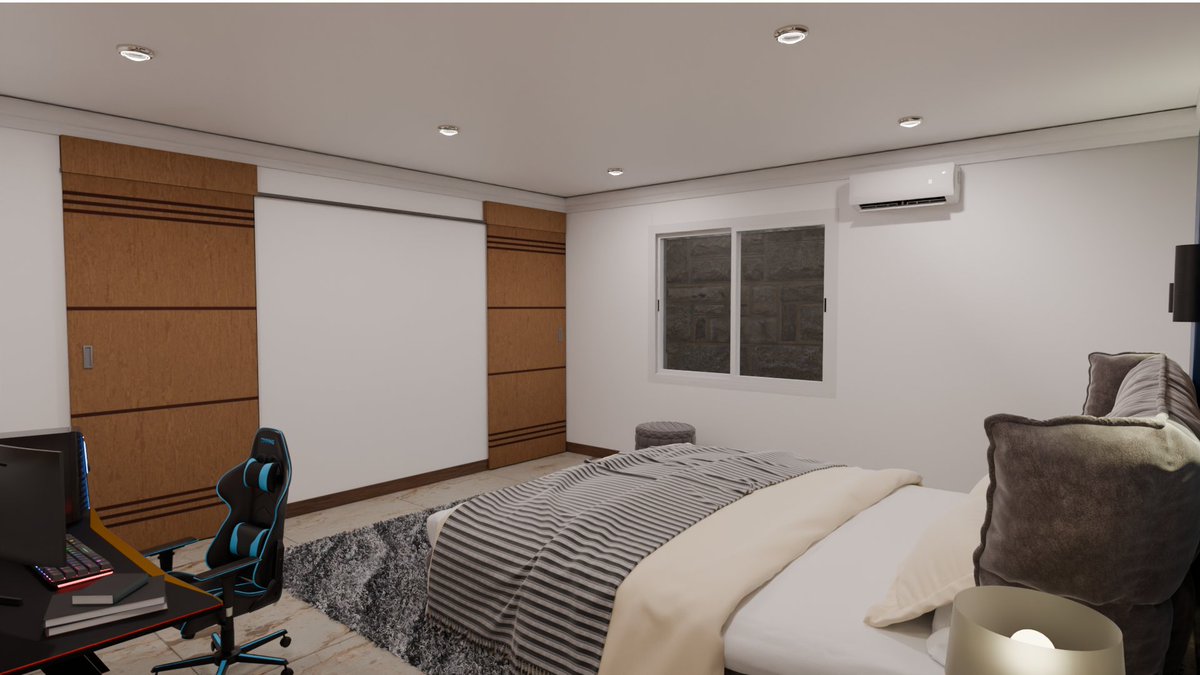


2
26
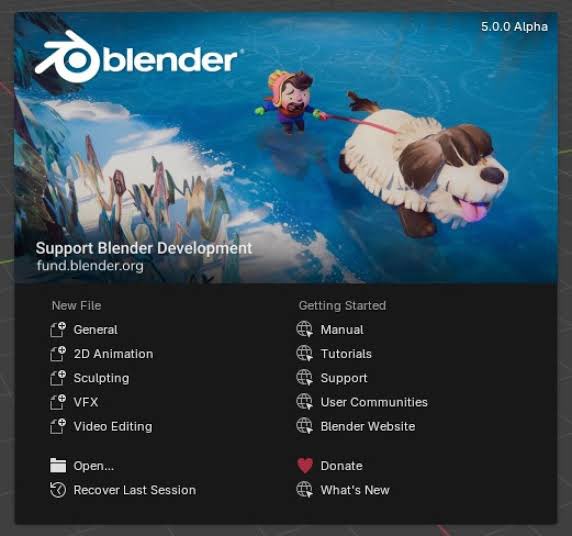
The software I used VS Art I made 🚧



1
17
DaluxGraphics 🏆🏆🏆 retweeted

May 5
Even Dangote is struggling to see Nigerians to hire.
So, it is not just a Moniepoint problem.
If I were you, I will ignore those arguing on social media and start positioning myself.
Hear them yourself.
Most of them shouting unemployment on social media's have no clue how to work in any factories, office or company.
424
319
1,304
131,850