
Intermediate Global Citizenship Academy teacher @LPS_Westmount
Joined November 2013
- Tweets 598
- Following 102
- Followers 125
- Likes 1,447
171 Photos and videos


Pinned Tweet

16 Oct 2018
Called a parent to tell him how wonderful his daughter is and how much I appreciate her work ethic and positive attitude. He replied, “Wow, thanks, I’ve never had a positive call from a school before.” Teachers, we need to do better. Including me. It made his day and mine!
3
3
28
22 Aug 2025
Nice resource!
21 Aug 2025

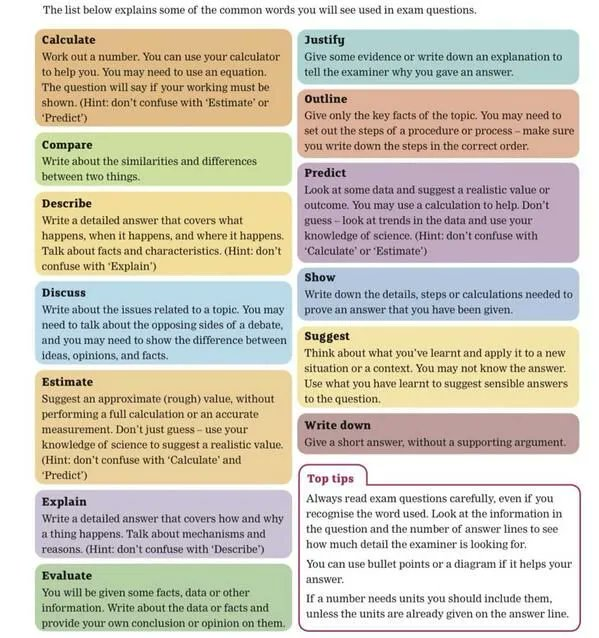
Nice little resource to help students understand command words in exam questions.
11
23 Jul 2025
One of the best MLL teachers in Ontario.
22 Jul 2025

We have an amazing group of dedicated educators who are here this week to learn best practices for teaching Multilingual Language Learners. #ETFOSA
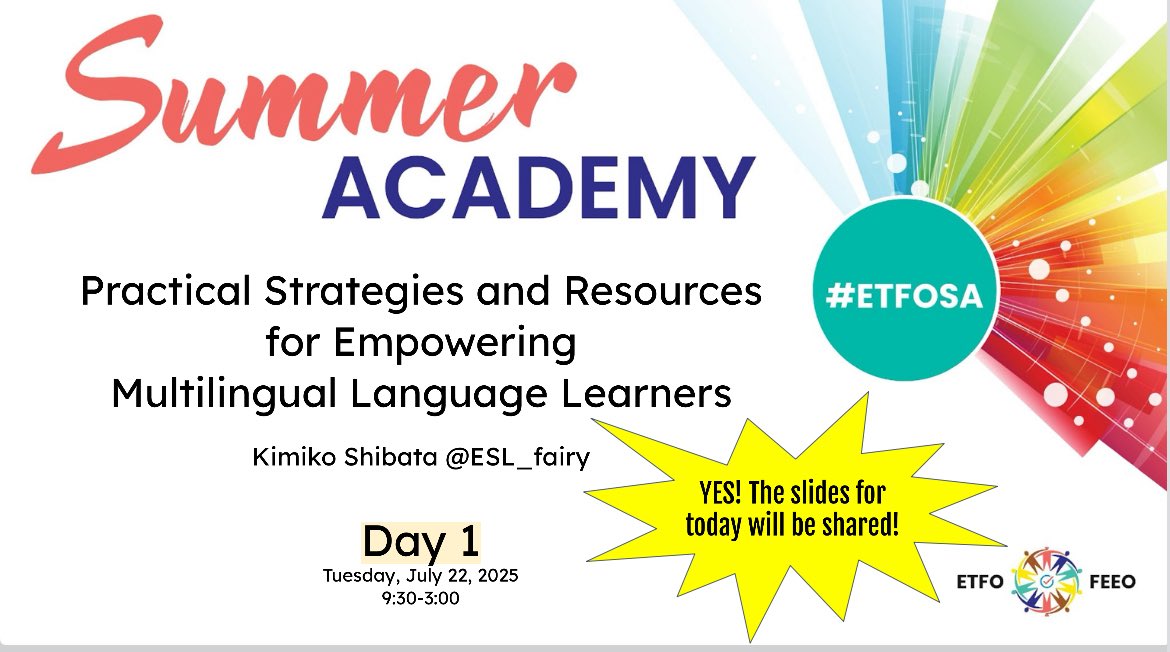
ALT Summer academy day one intro slide
ALT Welcome slide with photo of Kimiko and contact info
ALT Social media slide
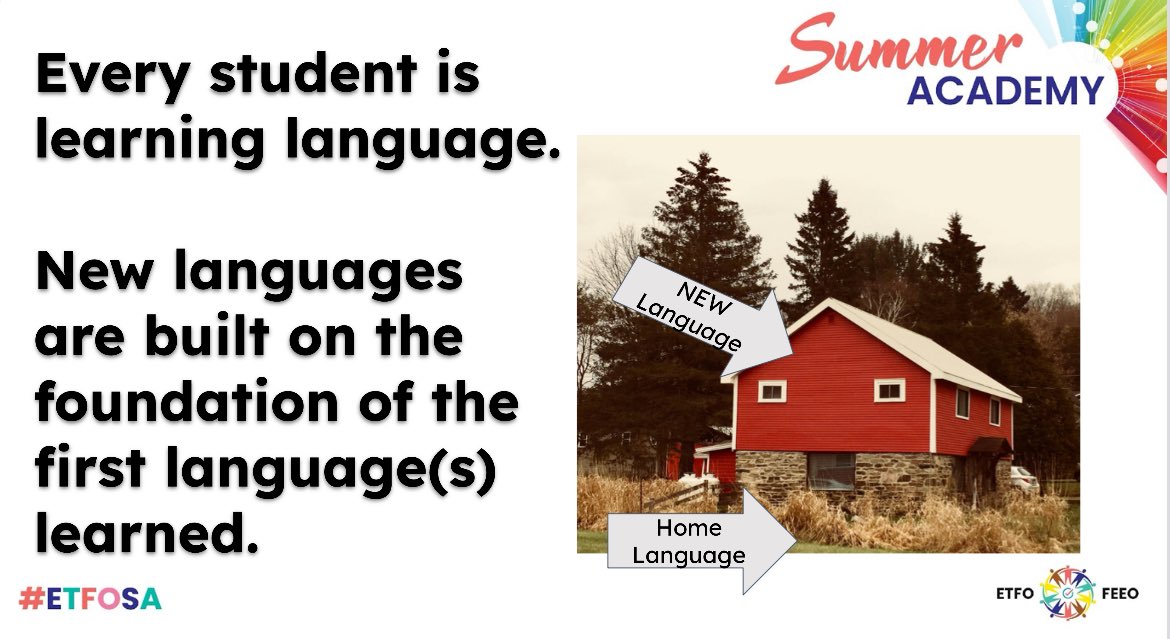
ALT Intro slide from summer academy showing new language is built on the foundation of previous languages
1
1
17
21 Jul 2025
Great thread
20 Jul 2025

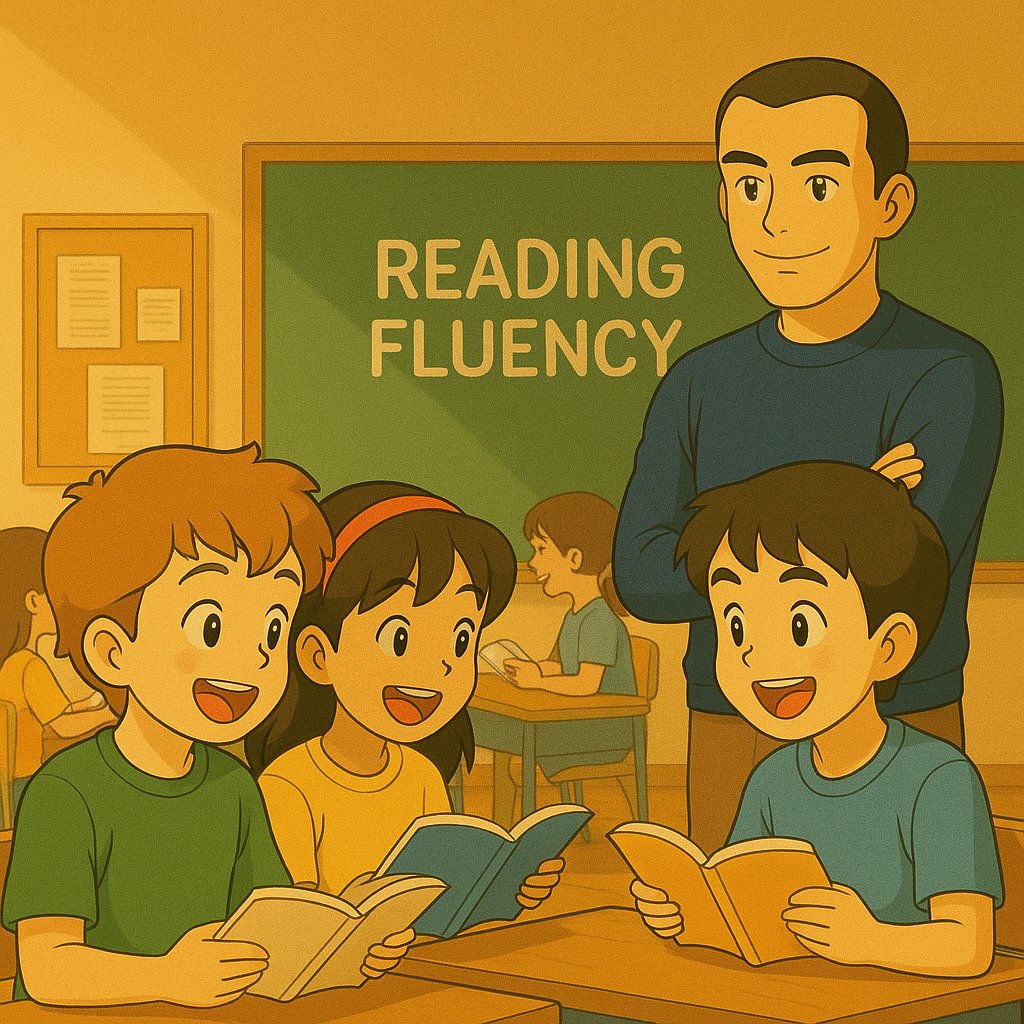
I've been challenged to completely rethink Reading Fluency.
After looking into what @ReadingShanahan really says about reading fluency, here's how every teacher can efficiently implement it in their classroom this year🧵👇
10
20 Jul 2025
One of the best articles I read during my career.
19 Jul 2025

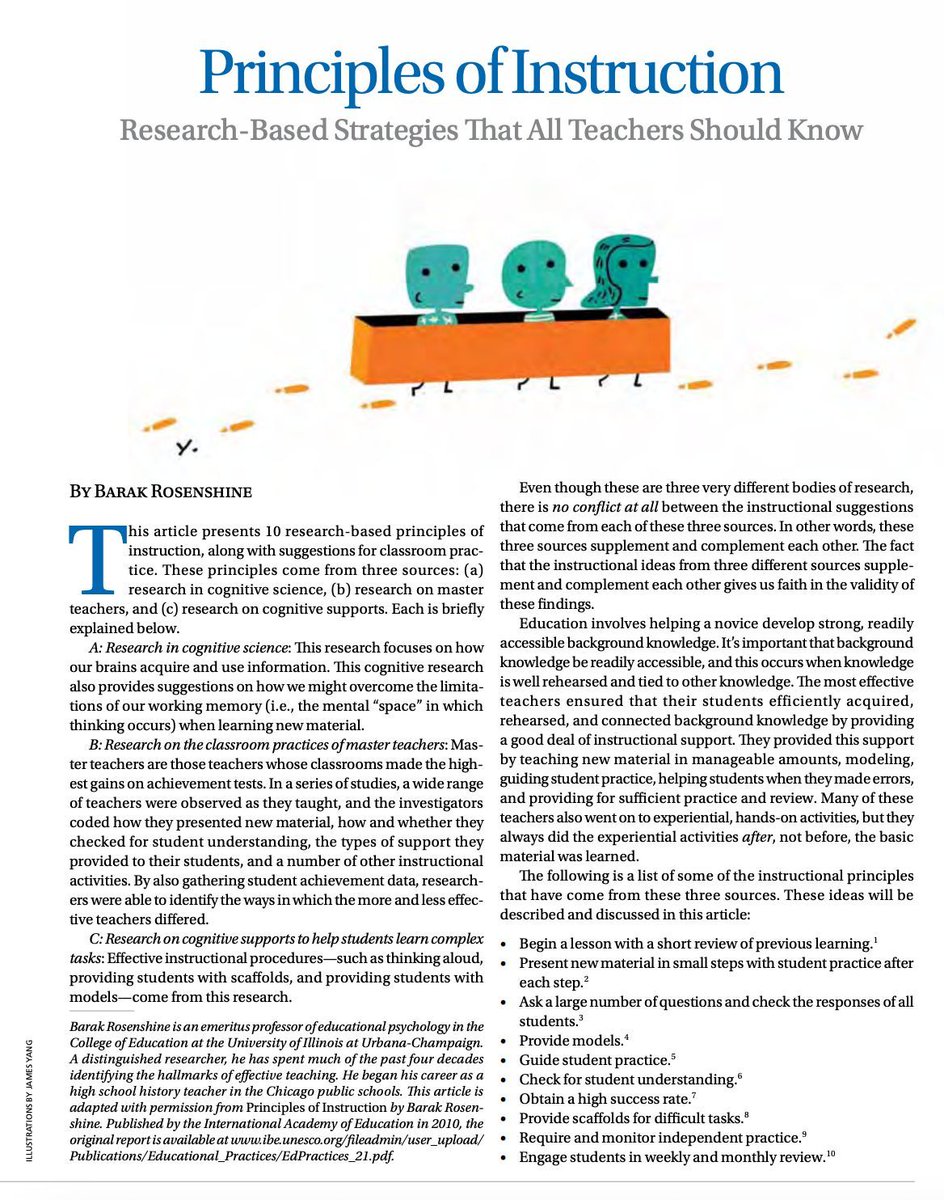
As I return to classroom teaching this fall, I've been revisiting Barak Rosenshine's "Principles of Instruction" for practical, research-backed teaching strategies. His approach cuts through the noise with clear, actionable guidance about what actually works in classrooms - like starting each class with a quick 5-minute review, breaking complex tasks into small steps, and checking understanding with specific questions rather than just asking "Does everyone get it?"
For my high school English classes, I'm particularly drawn to his emphasis on modeling and guided practice. Rather than just assigning essays and hoping for the best, Rosenshine's research suggests thinking aloud while I analyze a passage or draft a paragraph, showing students exactly how experienced readers and writers work. Then students try these same strategies with immediate feedback - practicing thesis statements together, working through text analysis in pairs, and getting real-time corrections and encouragement.
The research strongly supports scaffolding complex tasks like literary analysis or argumentative writing. This means providing concrete supports - like sentence starters for analysis, structured paragraph templates, or revision checklists - while students are learning, then gradually removing these supports as students gain confidence. Rosenshine advocates for maintaining a high success rate (around 80%) during practice, ensuring students master each step before moving on to independent work. files.eric.ed.gov/fulltext/E…
1
10
20 Jul 2025
Take note!
19 Jul 2025

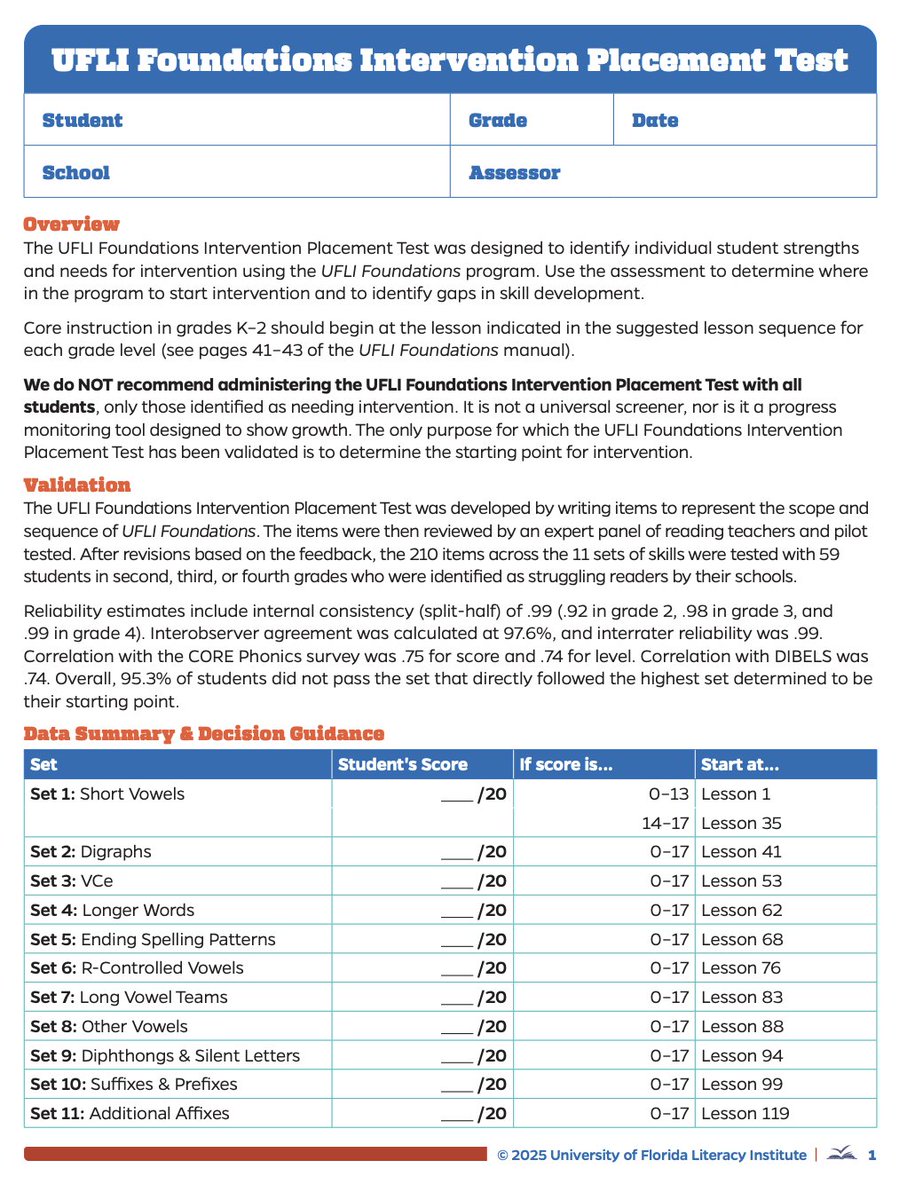
Great news for those using UFLI, an Intervention Placement Test has been released.
@UFLiteracy is really the gift that keeps on giving!!!
You can also go to their toolbox page and scroll to the bottom to find it.
In the meantime, here is a shortcut
ufli.education.ufl.edu/wp-co…
Thanks to @HollyLanePhD and @burnsmk1 and their team for this wonderful addition to their already amazing program.
(The image is not a link.)
1
14
20 Jul 2025
Excellent!
19 Jul 2025

Hot off the press!
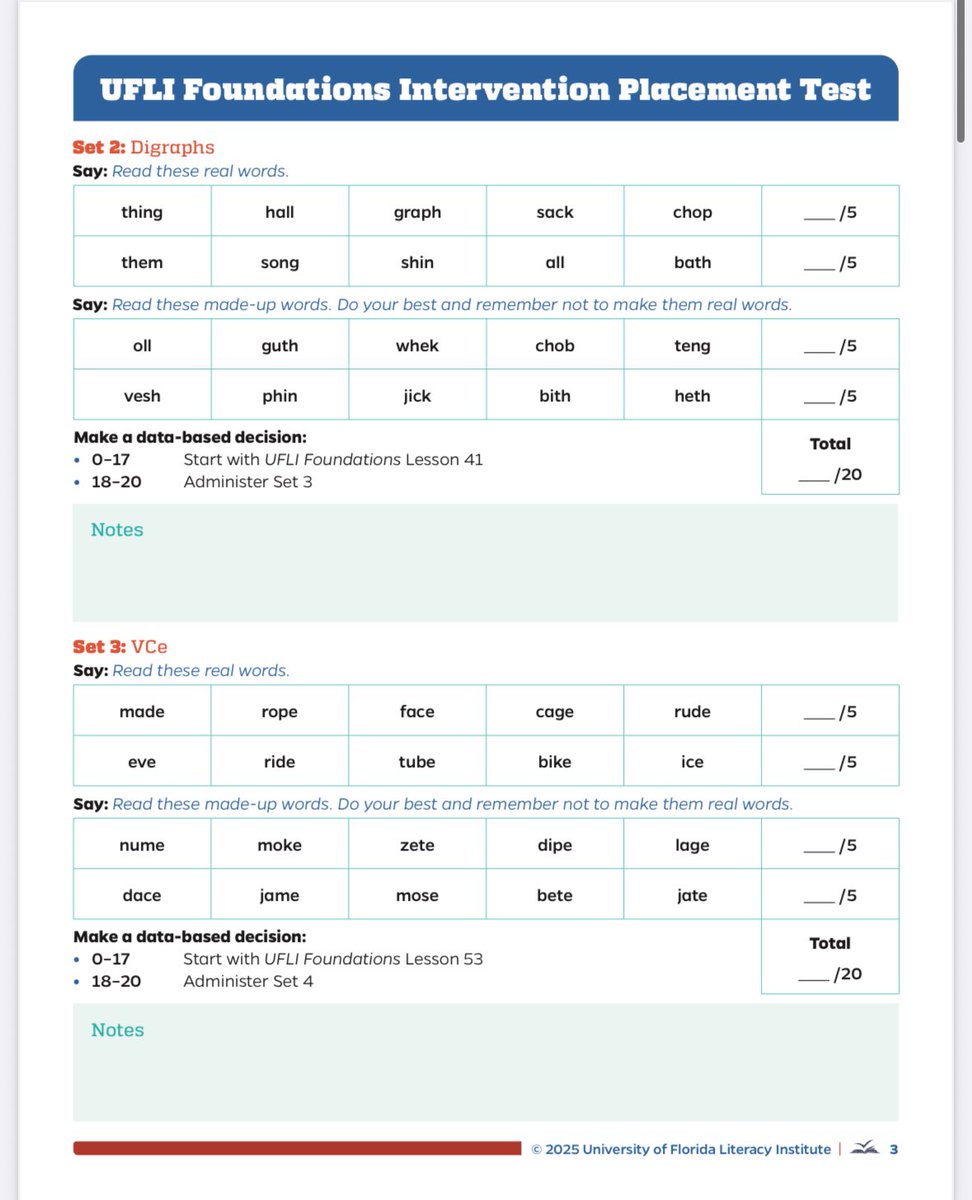
@UFLiteracy now has an Intervention Placement Test to help you figure out where to begin interventions for specific students.
Scoring patterns tell you which UFLI lesson you should start with. This is going to be really helpful!
ufli.education.ufl.edu/wp-co…
1
8
15 Oct 2024
Thanks for visiting some of our schools last week! I heard from many students about how impactful and inspiring your talks were.
15 Oct 2024

I do school visits. I've spoken to more than 2 million students across the country and around the world. What I see, almost without exception, is caring and dedicated teachers, supportive and active administrators and well behaved, engaged students.
1
1
1
289
Mrs. Dampier retweeted

27 Sep 2024
Reading fluency can be described as the bridge between decoding and comprehension (EEF, 2022). It’s a vital part of students reading AND understanding well.
But what could that look like in the classroom? Here’s what we do at TAL for fluency interventions:
A thread 🧵
5
99
516
147,295
5 Sep 2024
How awesome is this?!
4 Sep 2024
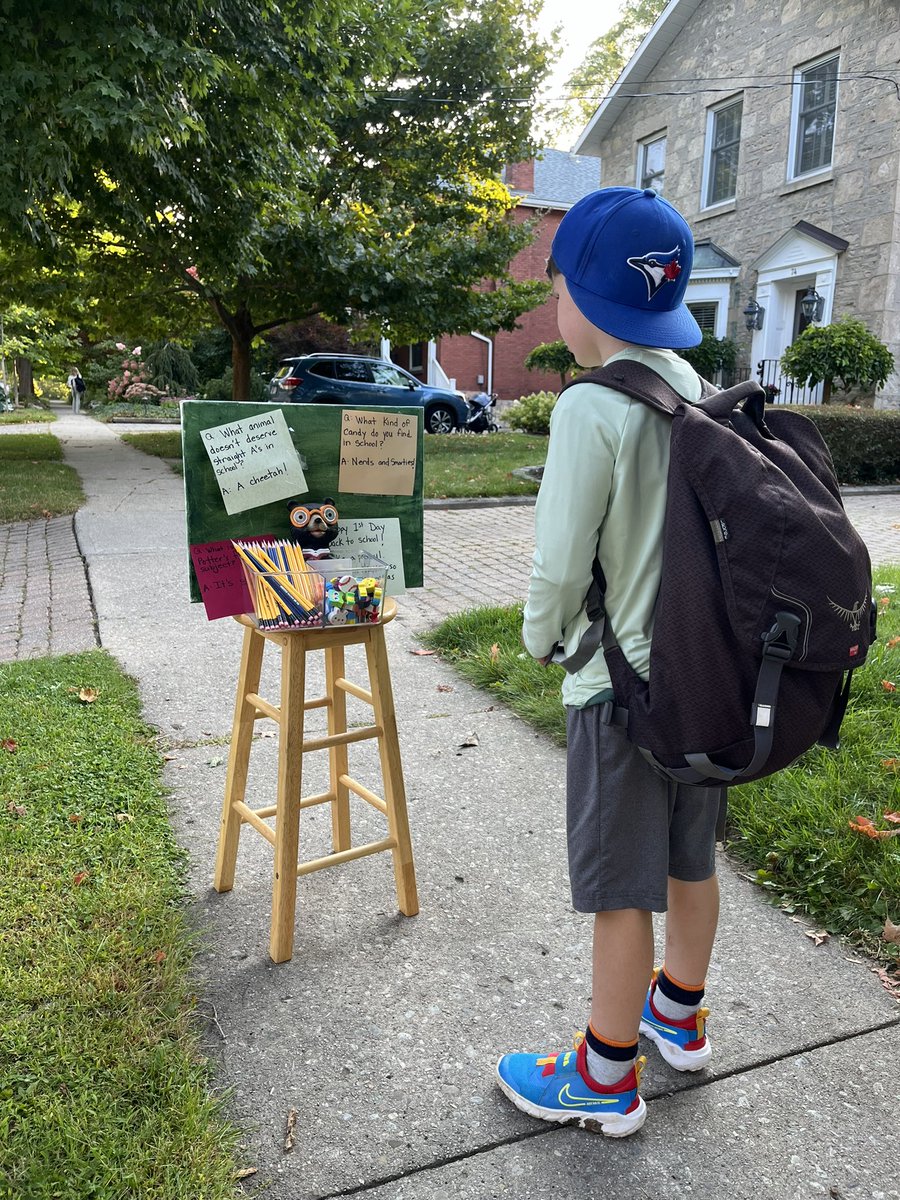
My grandson ran into this act of kindness on the walk to his first day of school. There are so many caring people in this world. Happy school year to students and teachers!
10
8 Mar 2024
Excellent morpheme resource @LakeheadSchools
7 Mar 2024

I created a Morpheme Deck that connects w/ Morpheme Magic
*Print front to back (flip on short edge) so the morphemes will match with their meaning on the back.
This is a work in progress, so if you see ways to improve these, let me know! 🙂
drive.google.com/file/d/1iGD…
64
3 Mar 2024
Some great resources for reading intervention @LakeheadSchools
2 Mar 2024

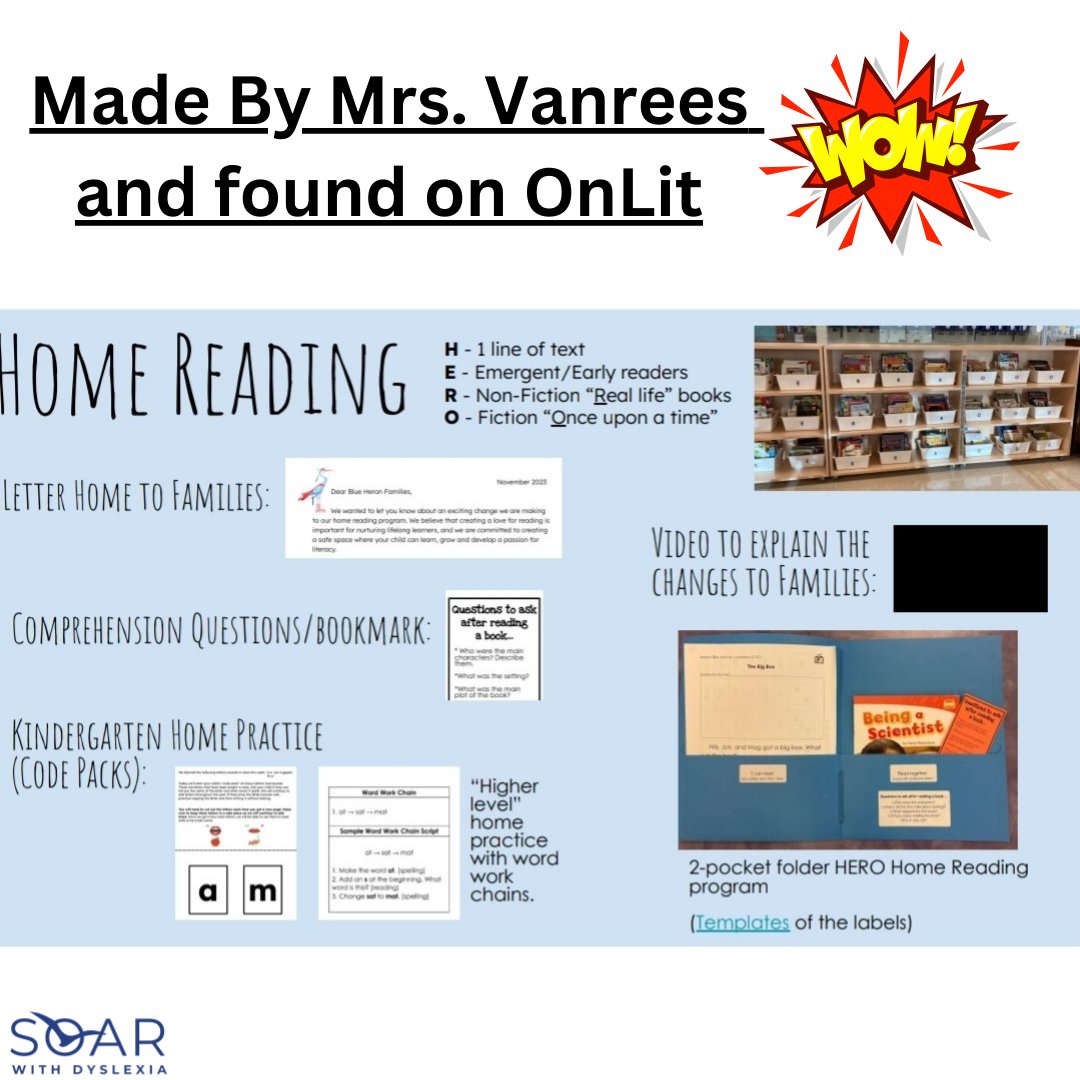
I moved away from traditional booklogs to this home support package for my intervention groups. I made a few changes, but thank you to @jennivanrees and @ONlit_social for sharing these fabulous resources for free for teachers!

1
2
102
2 Mar 2024
The importance of explicit instruction!
2 Mar 2024

"High school students exposed to explicit instruction in reading & math are significantly outperforming their peers, a comprehensive study involving 16,000 students has uncovered..step-by-step teaching & consistent feedback..advancing academic outcomes" bnnbreaking.com/world/austra…
48
22 Feb 2024
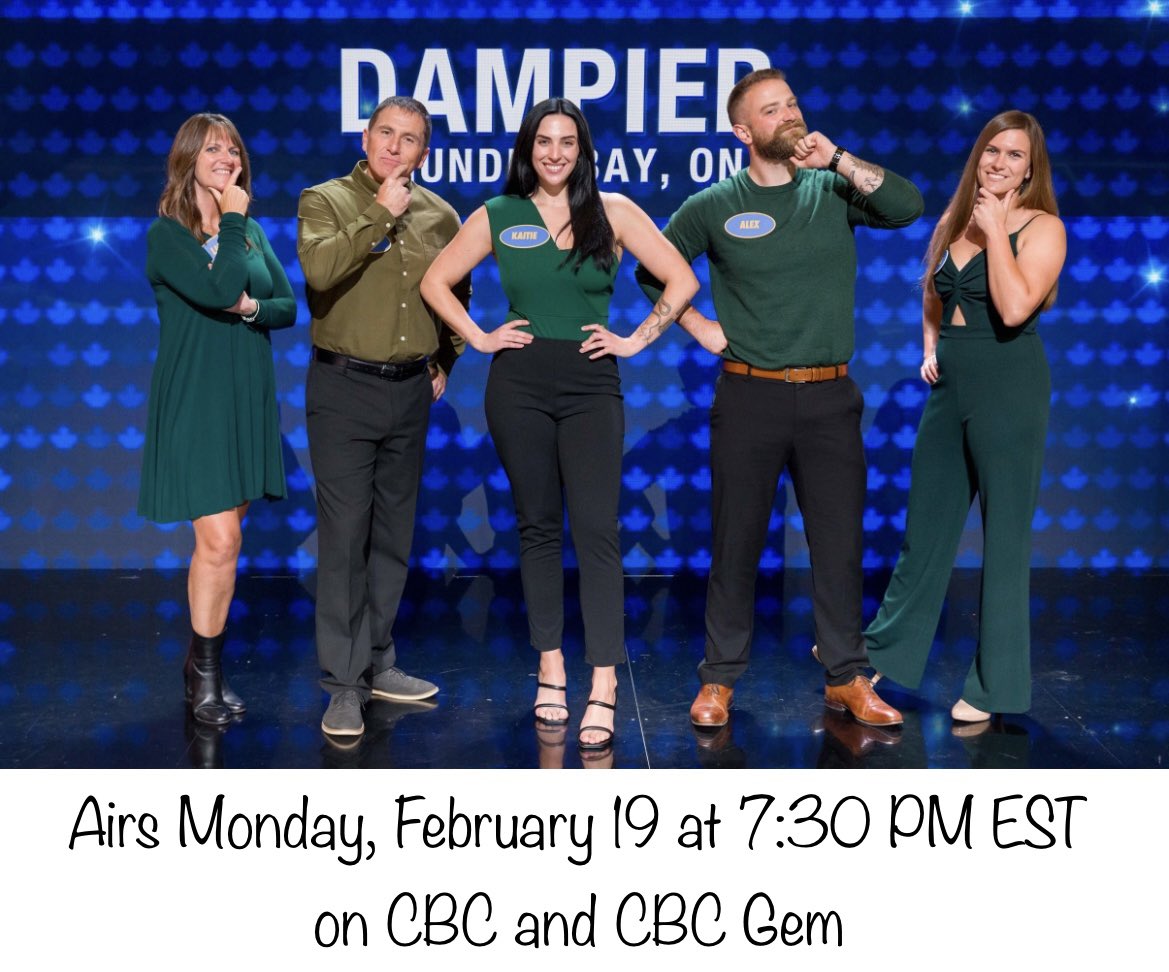
What a ride! @FamilyFeudCa @gerrydee
22 Feb 2024

The Dampiers held on for three wins on Family Feud Canada tbnewswatch.com:443/local-ne…
71
Mrs. Dampier retweeted

12 Feb 2024
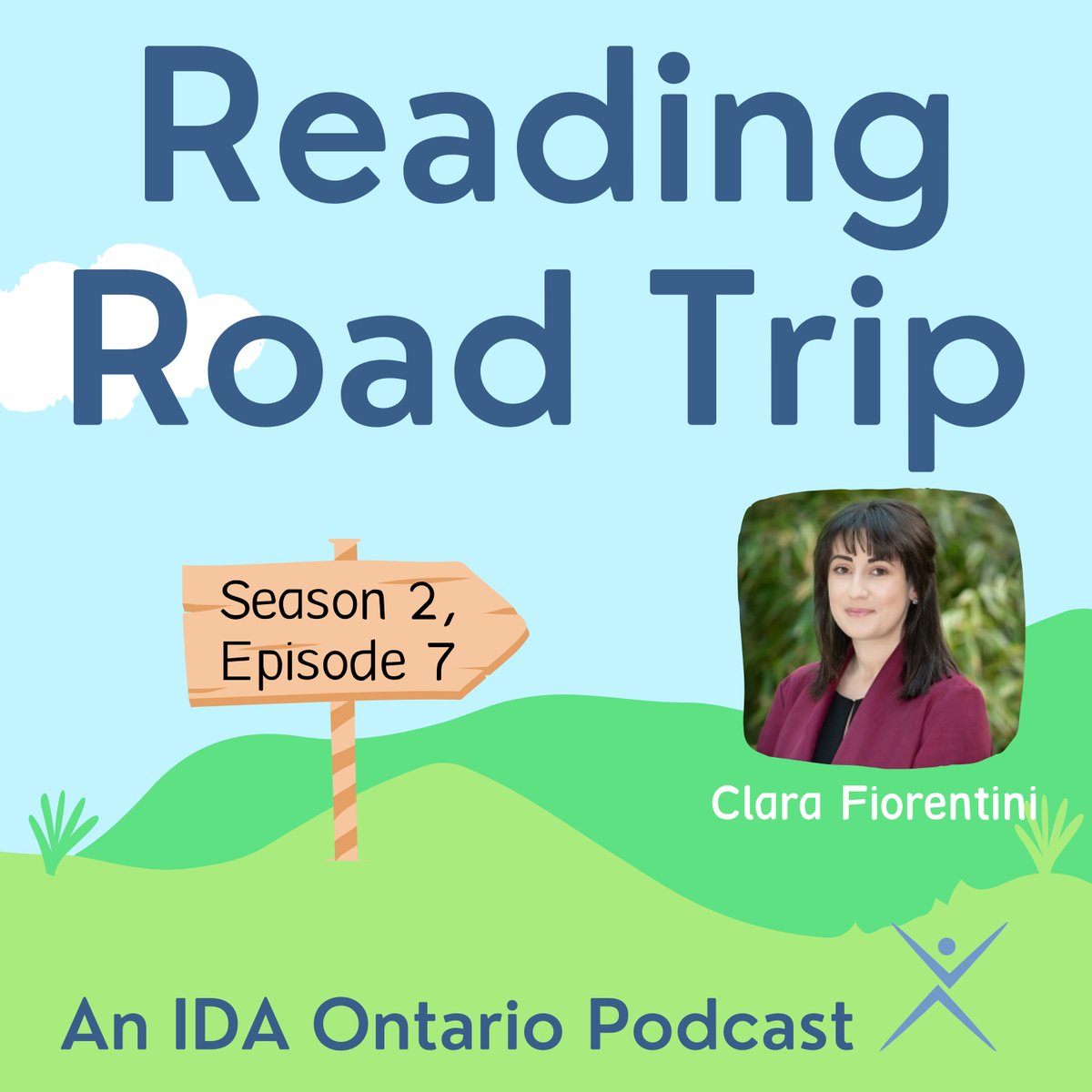
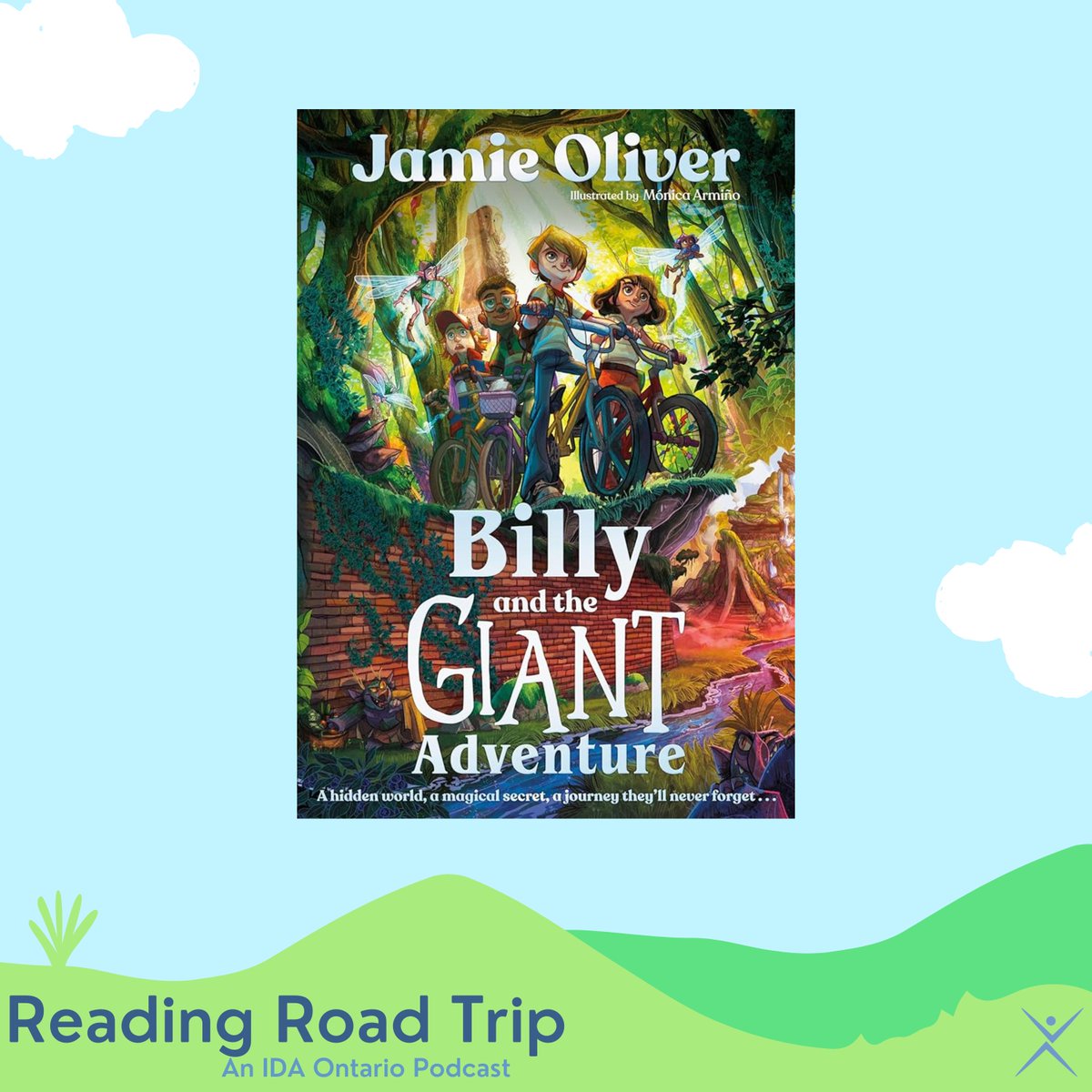
🎙️@thismomloves chats with @fiorentini_cm this week on #ReadingRoadTrip. Tune in to explore novels in the classroom: how class novel studies fit into structured literacy, how complex text can be scaffolded, using "read-alikes" to choose texts, and avoiding the perils of "extractitis" - don't miss this thoughtful conversation about chapter books!
1
8
18
6,441
2 Jan 2024
I was blessed with some amazing teachers, and to be raised by one! #MyFavouriteTeacher
1 Jan 2024

I have been traveling around asking some very famous people about their favorite teachers, and tomorrow I will officially be launching the “My Favorite Teacher” campaign with the help of @people and one of America’s favorite people.🍎❤️
#MyFavoriteTeacher
1
80
30 Dec 2023
Great resource, not just for ELL students
1
139
30 Nov 2023
Catch my family on Family Feud Canada this February for some good laughs 😊
@LakeheadSchools
2
1
5
225
Mrs. Dampier retweeted

5 Oct 2023
Happy #WorldTeacherDay! Teachers do an important job in starting conversations on mental health and wellbeing in the classroom. We have a library of free resources to support with lesson plans, as well as the mental wellbeing of staff themselves. orlo.uk/03j8X

10
12
3,675
27 Sep 2023
Important for teachers with ELL/ESL students
26 Sep 2023
As requested, here is a short video to show you how to translate any website into other languages so that your students can do research for their Science/Social Studies etc. in their home languages. youtu.be/sbQG7EmD8rE?si=Rh_x… #OntEd #WRDSBMLL
2
3
639