
Product psychology tips (in a comic book format). Cofounder @GrowthDotDesign
Joined August 2022
- Tweets 48
- Following 57
- Followers 952
- Likes 218
3 Photos and videos

Pinned Tweet

20 Sep 2022
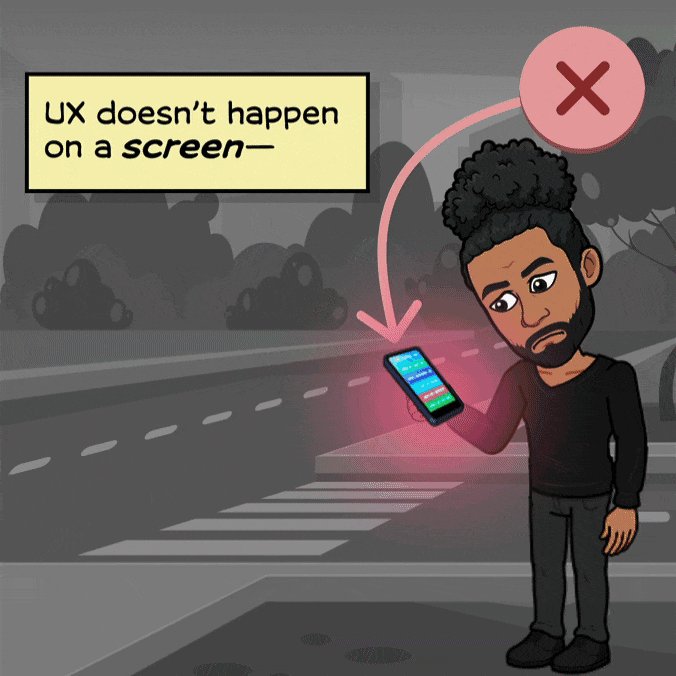
Why psychology is key for good user experience:
4
13
76
4 Feb 2025
2.4x better user activation.
That’s what @ScribeMail achieved by improving their onboarding.
The secret?
They used 3 key psychology principles from our course.
We explain it all in our new case study.
bit.ly/3EqNTck
2
4
391
Dan Benoni retweeted

8 Nov 2023
🍿 Might be a good time to review your checkout flow (just before the holidays!)
growth.design/case-studies/g…
6
6
35
7,451
18 Sep 2023
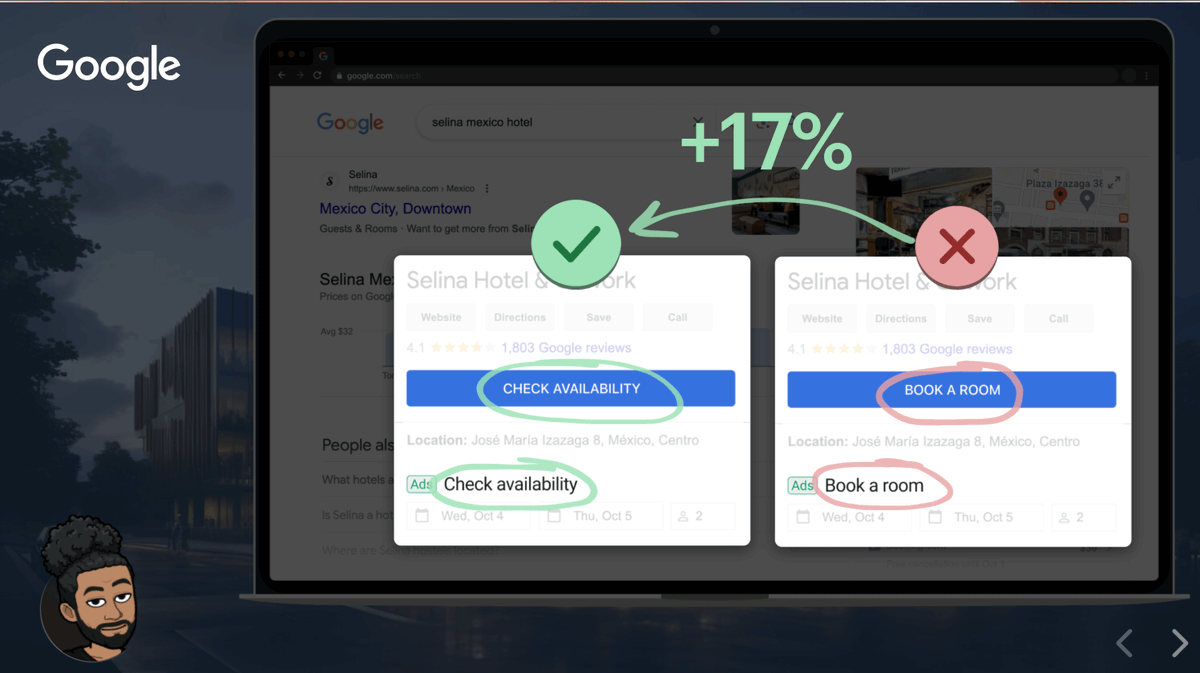
Google increased conversions by 17% by changing 3 words:
Their hotel booking widget went from:
• ❌ BEFORE: “Book a room”
• ✅ AFTER: “Check availability”
Question:
Can you explain WHY that change worked so well? (hint: "Framing Effect")
Answer:
growth.design/case-studies/f…
ALT Google increased conversions by 17% by changing the label of a button from "Book a room" to "Check availability".
11
824
5 Sep 2023
Are you an iPhone user?
I used to believe Apple was this “Guardian of Privacy”.
After all, they:
- Review every app entering their app store
- Offer you “Ask App Not To Track” prompts
- Invest billions in ads (“Privacy. That’s iPhone.”)
But when you look closer, privacy might be an illusion.
Here’s a quick story about this:
→ growth.design/case-studies/a…
2
5
847
Dan Benoni retweeted
21 Mar 2023
Loom is one of those products that’s easy to underestimate.
But they went from 0$ to unicorn real quick and…
…there’s a psychological reason for this.
We explain it in our latest case study.
Check it out:
growth.design/case-studies/l…
4
7
28
4,027
Dan Benoni retweeted
27 Sep 2022
Bad products force their users to adapt.
Great products adapt to their users' mental models.
Here are 3 examples:
7
17
81
20 Sep 2022
That’s why opinions/trends never improve a product as much as:
1. Understanding how users think (by using psychology)
2. Finding gaps in your product using psy principles
3. Creating experiences that users love
2
10
20 Sep 2022
We created a new course to help you do that, step-by-step. It’s called Product Psychology Masterclass.
(If you like our case studies, you’ll love this course.)
Check it out:
🧠 → growth.design/course?utm_sou…
1
8
Dan Benoni retweeted
31 Aug 2022
🚪 Offboarding Product Lesson 101:
People constantly jump from one subscription to another, so you never know if your next customer is going to be a new or an old one.
(tips in the thread)
1
5
32
Dan Benoni retweeted

28 Aug 2022
Growth.design
My favorite website to master product psychology.
• Level up your product skills
• Learn about cognitive biases
• Use psychology to build better products
7
153
1,303
Dan Benoni retweeted
16 Aug 2022
Quick tip to increase your signup confirmation rates:
Use "Sniper Links" in your onboarding (steps in 🧵)
43
31
185