
Product technical generalist. Figuring out what's next. Prev. @standardbots, @meta, @tencent.
Joined February 2007
- Tweets 14,346
- Following 4,795
- Followers 12,063
- Likes 237,194
742 Photos and videos











Jun 10
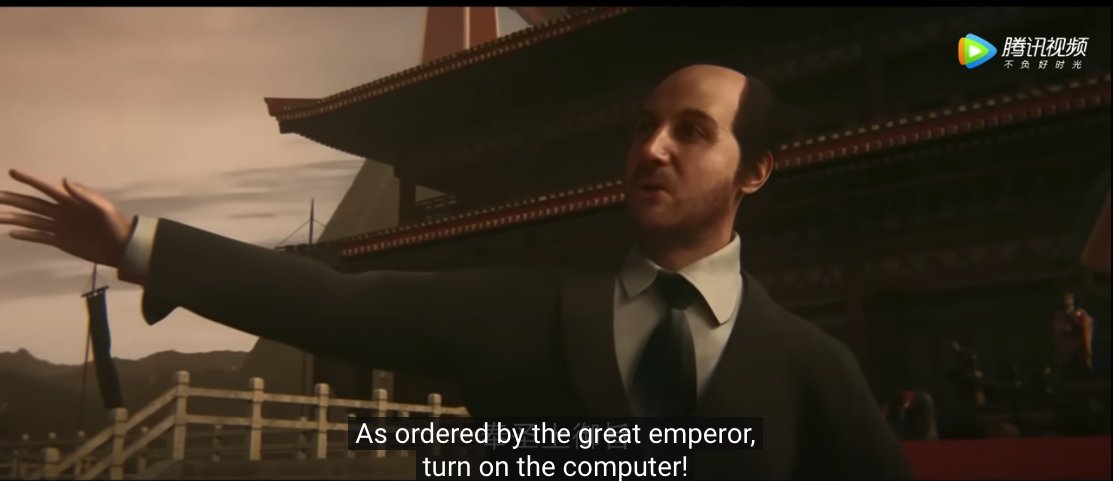
Imagining Oakland version of this that opens with a sweeping shot of a black-crowned night heron flying into the town and, in a montage, proceeding to perch menacingly on all the landmarks.
Jun 10

Introducing “Comeback City: A Love Letter to San Francisco.” Proud to call this place home.
1
840

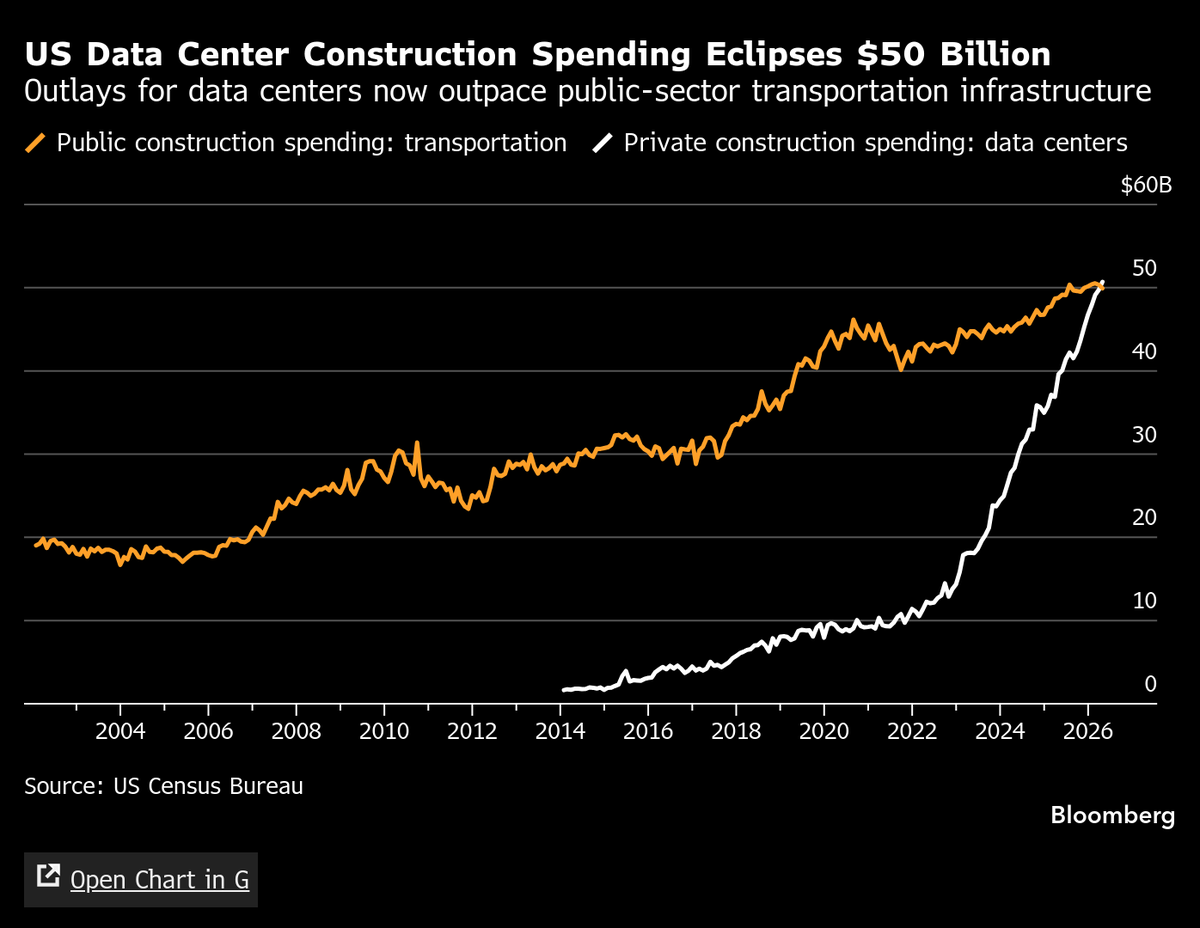
The U.S. is now spending more on data center construction than on public transportation infrastructure, according to new Census Bureau figures out today (bloomberg.com/news/articles/…)
67
911
1,937
310,877
May 7
I feel like every open source project launch needs to have a rap anthem after trying printingpress.dev.
1
2
490
May 6
I'm between using my bespoke Claude Code environment for personal stuff and Hermes and stuck due to model costs on OpenRouter due to how heavily Claude is subsidized. What are people doing to manage this? Just suck it up?
2
3
1,038
May 5
The CEO pronouncements about AI seem to rhyme with the COVID-era pronouncements about remote work.
3
3
20
1,929
Dan Grover retweeted

Apr 28
Eli Goldratt's book, The Goal, was famous for its (then unpopular argument) that keeping every machine running 24 hours a day, the metric most plant managers cared about, was actively making factories worse. I suspect we're seeing the same fallacy in how many people are using AI agents.
Goldratt's point was that machine utilization isn't throughput. What you want from a manufacturing plants is making good widgets as cost-effectively as possible.
It doesn't necessarily follow that running your machines all the times optimizes that.
Picture a three-station assembly line. Stations 1 and 2 each crank out 200 widgets an hour. Station 3 can only handle 100. Running stations 1 and 2 around the clock doesn't ship more product. It just piles up half-finished widgets in front of station 3, ties up cash in inventory, and creates more work managing the pile.
He developed the Theory of Constraints to point out that what matters is solving the bottleneck in the system, not increasing machine utilization.
I suspect a lot of agent usage right now is the same fallacy at higher resolution. Running 20 Claude Code sessions in parallel can feel productive because something is always happening. But, if the bottleneck in your work is judgment about what's worth doing, more agents just generate more output for you to wade through.
This is not to say there aren't workflows running 20 agents in parallel very effectively, I'm sure there are. And, I suspect there's a general retraining we all need to do around evolving historical workflows. But....
The constraint for most knowledge work is deciding what's worth executing and no one is task switching between 20 things at the same time effectively I don't think. I find I can run maybe 2 or 3 things in parallel with maybe 1 or 2 admin-y type things on the side and that is only if I'm very locked in.
21
65
479
43,476
Apr 19
I wonder what an OS would look like if you made agents and their contexts first-class constructs. I spend a lot of time getting stuff from apps/services into a given agent. It feels like updating manual memory allocations for apps on OS 9.
1
1
11
861
Apr 15
I miss the thing in the old-timey desktop app TurboTax where it flipped around and let you edit the raw forms in fullscreen view so you could see what you're filing.
2
6
908
Apr 14
I keep noticing how much of my muscle memory of how to do a product job from a decade of habits is based on now faulty assumption that engineering teams are like these expensive, slow, cruise ships that it behooves you to be precise about.
Apr 14

I call this the Trashcan Method of AI Engineering:
1. Identify thing you need
2. Build it fast, comprehension be damned
3. Does anyone actually use it? How? Cool write that down it’s your new spec
4. Throw away all old code and rewrite from scratch
Don’t feel pressured to 1-shot maintainable code. Code is cheap, throw it away more.
1
1
33
6,420
Dan Grover retweeted

Apr 12
every robotics company that died young had a beautiful product roadmap and zero customers willing to yell at them weekly
Apr 12

what are the biggest moats in robotics these days?
28
36
872
93,587
Dan Grover retweeted

Apr 11
One of Thiel’s best insights is that companies that are true monopolies will do everything to avoid telling the public that. They will minimise themselves. They will tell us that they are not a monopoly to avoid scrutiny. On the other hand, companies that aren’t, or don’t have defensible markets, will do everything to project the opposite—to brand themselves publicly as monopoly-like powers.
A lot to reflect here in the OpenAI/Anthropic narratives. It’s not exactly the same, but the permanent underclass language, the grandiosity, the ‘AI will take all your jobs’ seems close to Thiel’s second category. What’s frightening is how far they’ve taken it, seemingly without considering the weight of their words, and how it’s now putting their lives at risk. I felt Sam’s pain reading that blog post. It’s especially sad to consider that, if Thiel is right, they’ve frightened the public into taking these kinds of actions for a marketing lie.
36
88
1,577
105,842
Apr 7
After 4y as head of product at Standard Bots, I'm moving on. Proud to have worked with such a talented team and gone from 1 robot to 100s deployed and to have learned so much along the way.
Going to take time to chill and eventually figure out what's next. DM's open.
5
1
128
9,175
Apr 2
We have figured out how to scale output by a degree that rightfully astonishes all of us but not how to scale and divide accountability for outcomes/last mile stuff.

You must understand that every tech executive has AI psychosis
They’re puking out Claude-generated markdown files full of hallucinations asking if this means they can fire 500 people
They’re turning Google sheets into the shittiest vibe-coded apps in the world
1
2
10
2,372
Dan Grover retweeted

Mar 19
OpenAI is a Meta cargo cult (makes sense given 700 ex-Meta employees). One breakthrough product innovation that got them distribution and all future success comes from capitalizing on that distribution and copying product innovations from competitors. Stick to what works!
Mar 19

Companies go through phases of exploration and phases of refocus; both are critical. But when new bets start to work, like we're seeing now with Codex, it's very important to double down on them and avoid distractions. Really glad we're seizing this moment.
7
8
260
46,737
Mar 13
The good thing with AI is shocking degree to which a task (whether you are an engineer, designer, or PM) can be brought to 80%. The bottleneck then becomes people who can tell the difference between the 80% and 100%.
5
3
43
3,112
Mar 13
It's similar to hackathon demo/iceberg fallacy: you can get a great hackathon demo if you don't worry about how feature interacts with others, how it scales, bugs/code quality, edge cases, etc.
2
3
516
Mar 13
AI can/does help with this stuff too! The angst isn't so much against AI; it is from the people who can see the 20% that takes all the time and directed towards the people who see something passable on first skim and go "oh so its basically done right"
3
328
Mar 6
Biggest gap I've seen with "prototypes as PRDs" idea in practice so far (vs figma mocks) is that I haven't seen any teammate make any entirely slopless prototype. If you are giving an artifact to engineers, it needs to be perfect, because things will only degrade from there.
24
16
224
19,152
Mar 6
I see all sorts of problems with spacing, random icons being used, entirely hallucinated settings that don't match real state, etc. If you do prototypes, you need to commit to fixing these things, and it's almost same amount of time to just design it from scratch.
2
27
2,046
Mar 6
This is a problem in general with consuming any AI-generated artifact from a colleague: you wonder what was intentional that they “meant” vs what was vibes/window dressing.
3
1
31
1,749